Water, stone, and rice in one long day. This tour pairs the holy water ritual at Tirta Empul Temple with the sweeping views of Tegalalang Rice Terrace, so you get Bali’s spiritual side and its postcard scenery in the same 7–8 hour block. I also like the fact it keeps you out of traffic stress with a driver handling routing and timing, which is a big deal in Bali. The main drawback is physical: there are lots of stairs at some stops, so if walking is tough, you’ll want to plan accordingly.
I like that it’s truly private. You’re not sharing your vehicle with strangers, and pickup includes two-way transfers from Ubud and much of south Bali, plus entrance fees and parking are already handled. You get a mobile ticket too, which keeps the day simple.
For best results, go in with the right expectations: the tour is weather-dependent, and you’ll want a swimsuit and a change of clothes if you plan to swim at Tegenungan Waterfall. If you’re curious about the ritual at Tirta Empul, remember you’ll likely need to rent a sarong and use a locker (listed at USD 3 each).
In This Review
- Key highlights worth planning for
- A private driver is the real value in this all-day Bali combo
- Tegenungan Waterfall: best time to see it, and what to bring if you swim
- Elephant Cave (Goa Gajah): cave-temple vibes, plants, and a slower pace
- Tirta Empul Temple: how the purification ritual works in real life
- Tegalalang Rice Terrace: where the best views are, and how to avoid feeling rushed
- The “extra” culture moments: Batuan, gold and silver crafts, and stone shrines
- How the timing works: making a 7–8 hour day feel comfortable
- What you actually pay for at $59.49 per person
- Guides and the feel of the day: friendly drivers with real answers
- Who should book this tour, and who should think twice
- Should you book this Best of Bali Temples, Rice Terrace and Waterfall Tour?
- FAQ
- What does the tour include?
- Is pickup included, and where does it come from?
- How long is the tour?
- What are the main stops on the itinerary?
- Can I join the purification ritual at Tirta Empul?
- Is lunch included?
- Is swimming at Tegenungan Waterfall allowed?
- How does cancellation work if weather is bad?
- Is this tour really private?
Key highlights worth planning for
- Private, no-navigation-day with pickup and two-way transfers from Ubud and south Bali
- Tirta Empul purification where you can join the ritual bath (sarong and locker rentals apply)
- Tegenungan Waterfall for scenery, and a real chance to swim with the right gear
- Goa Gajah (Elephant Cave) with cave-temple atmosphere and surrounding greenery
- Tegalalang Rice Terrace at the classic viewing zone for photos and calm time
- Extra cultural stops around Ubud, including Batuan and craft-related village moments
A private driver is the real value in this all-day Bali combo
When you try to DIY Bali temples and waterfalls, the hardest part isn’t “finding the places.” It’s handling driving, parking, and time. With this private tour, your driver/guide handles the route and keeps the day moving at a human pace.
This matters because the stops are spaced across the island’s interior and scenic areas. Even when a location looks close on a map, Bali traffic and road quirks can stretch a plan. Having a dedicated driver makes the day feel organized, and it also means you’re not constantly negotiating how long to stay.
I also appreciate that entrance fees and parking fees are included. That cuts down on the little add-on surprises during the day, especially since you’ll be paying for multiple sites. Lunch is not included, so you’ll want to treat meals like your personal “flex time” between temple and rice-field views.
And if you’re a first-time visitor, a consistent driver can make you feel more secure on the road. In past experiences with guides like Wayan (and his son Wayan Jr.) and Ketut Angus, the common theme is simple: clear explanations, friendly energy, and a willingness to help you get the timing right.
You can also read our reviews of more tours and experiences in Seminyak.



Tegenungan Waterfall: best time to see it, and what to bring if you swim
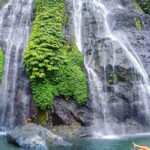
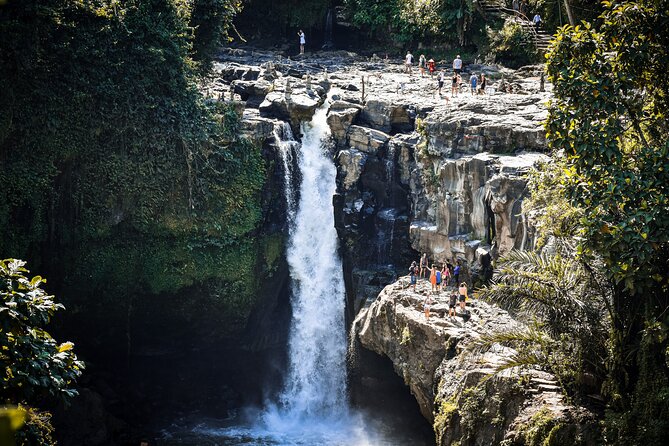
Tegenungan Waterfall is the first stop, and that’s a smart move. Starting early means you’re fresh, you’re getting the “wow” moment early in the day, and you’re less rushed about photos later.
The waterfall itself is in a central area of Bali, so it’s designed for sightseeing. You’ll get around an hour here, which is usually enough to take pictures, enjoy the sound and mist, and decide whether you want to actually get in the water.
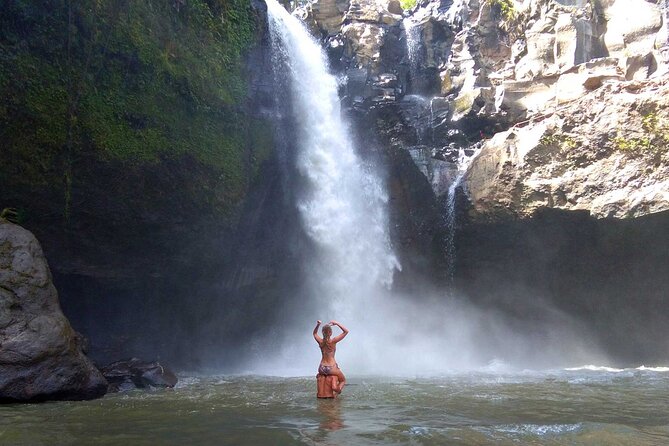
If you plan to swim, bring a swimsuit, plus extra clothes and a towel. That “bring extra” advice isn’t optional—water days in Bali are slippery and you’ll want to change before heading to the next temple stop. Also, keep in mind that waterfalls often come with uneven ground, so comfortable footwear helps.
One more practical note: waterfalls can mean stairs and uneven paths. Even if your schedule is private, your body still has to do the walk. If stairs are a problem for you, go into this stop with a careful mindset and ask your guide to point you to easier viewing spots.
Elephant Cave (Goa Gajah): cave-temple vibes, plants, and a slower pace
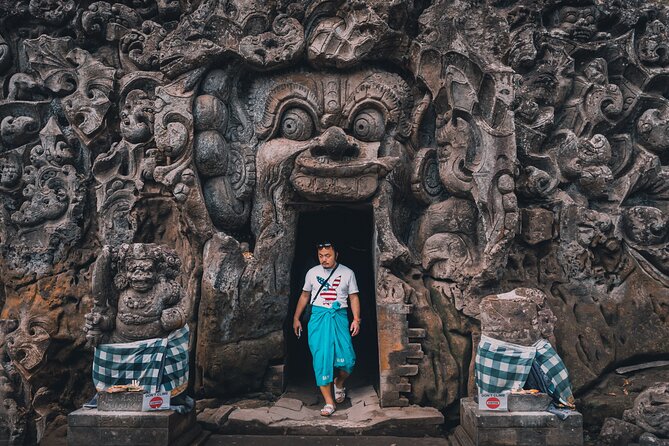
After Tegenungan, you move into a very different mood at Goa Gajah, also called Elephant Cave. This is an ancient temple site used for spiritual activities in historical Balinese traditions, and the setting feels like it belongs to the landscape rather than a modern attraction.
You’ll spend about an hour here. That length is good because cave-temple sites are not just about the main entrance. There’s time to look around at the stone details, take in the surrounding greenery, and absorb what the space is meant to represent.
The most enjoyable part of this stop is when your guide ties the site to how people used to gather for spiritual life. Even if you only catch a few key points, it changes the way you look at the shapes in the rock. In many guide experiences—especially with friendly folks like Wayan’s family—questions get answered in plain language, not tour-bus lecture style.
There’s no mention of special ticket complexity here because entrance fees are included. Still, keep in mind you may be on uneven or steep paths depending on where you pause for photos.
Tirta Empul Temple: how the purification ritual works in real life
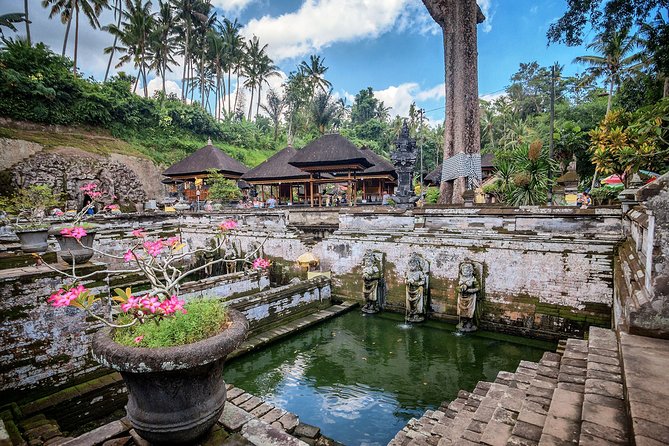
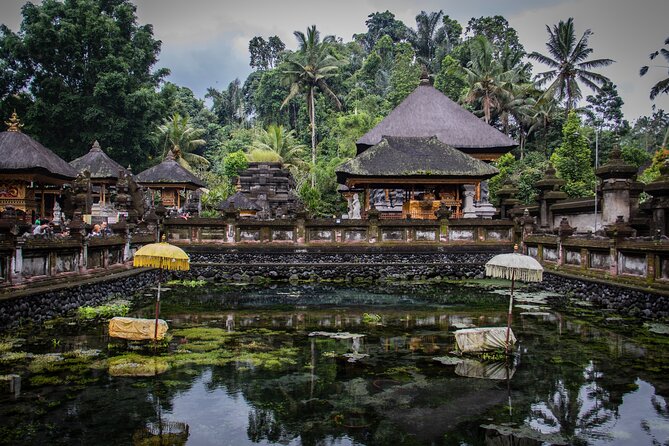
Tirta Empul Temple is the “spiritual anchor” stop on this tour. It’s known as a purification temple, and the big reason people love it is that the sacred springs aren’t just decoration—they’re part of a ritual bath you can join.
You’ll have about two hours here, which is generous. Two hours lets you watch first, then choose whether you want to participate. It also gives you time to slow down—because this is not the kind of place where you only want a quick picture. You’ll want a moment to observe how people treat the ritual space.
If you want to join the ritual bath, there’s a practical cost: you should expect to pay USD 3 per person for sarong and locker rent. You’ll also need to follow the temple rules about dress and behavior. The key is simple: go in respectful, quiet where others are quiet, and let your guide help you with timing.
Also remember this is in the public area of a working temple. That’s part of the value: you’re not only visiting something old—you’re seeing something still practiced. It’s a powerful way to understand Bali beyond beaches and scooters.
Tegalalang Rice Terrace: where the best views are, and how to avoid feeling rushed
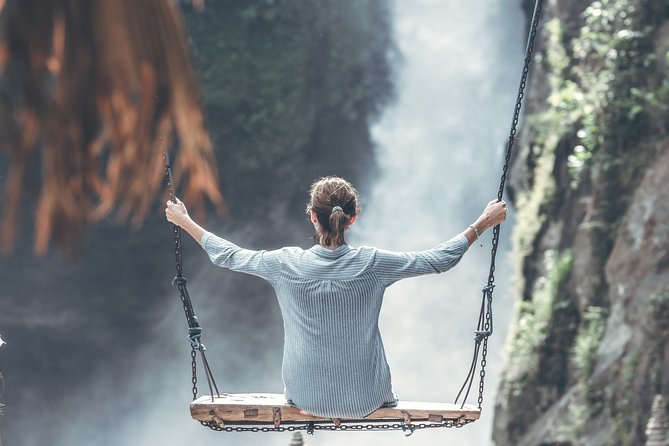
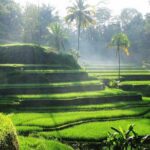
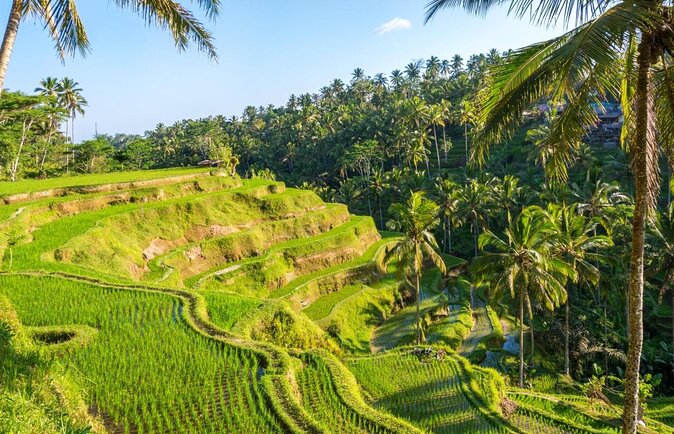
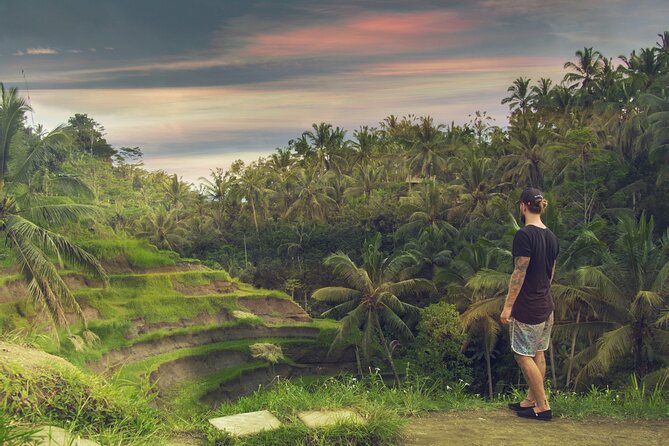
Next up is Tegalalang Rice Terrace, the classic rice-field scenery area near Ubud. You’ll have about an hour here, and that’s enough to walk to a couple of viewpoints, grab photos, and sit for a minute with a drink you buy nearby (since lunch isn’t included).
The rice terraces are built on rolling hills, with coconut trees in view—so your photos often have layers. One thing I love about rice terraces is that they feel alive even when you’re standing still. You’re looking at working landscapes, not frozen scenery.
The tradeoff with a place like Tegalalang is that it can involve steps and uneven ground. Some people are fine; others find it tiring. If you felt the “stairs” in other stops, pace yourself here and keep your energy for a final temple stop later in the day.
Your guide can also help with where to stand for photos, depending on light and crowd flow. Because this tour is private, you’re not stuck waiting behind a big group in the wrong spot.


The “extra” culture moments: Batuan, gold and silver crafts, and stone shrines
This tour isn’t only waterfall and rice. Along the day, you may also make stops that feel more like “the Bali behind the brochure.”
You could visit:
- the Trinity temple of Batuan village
- a traditional village home of gold and silver smiths
- a historical relief located in the middle of the Ubud rice field area
- rock-cut shrines connected to the first reign of the Bali Kingdom
These stops don’t always get the same attention as Tirta Empul or the rice terraces, but that’s exactly why they’re worth it. They help you shift from sightseeing to understanding. You start noticing how craft, religion, and landscape connect in daily life.
The value here is perspective. A temple explains beliefs; a rice terrace explains how people worked with land for generations; craft stops explain how skill becomes part of community identity. Even if your time at these extra points is brief, they make the day feel more like a guided cultural walk than a checklist.
One small tip: if you care about photos at these spots, ask your guide what angles are best. Since you’re on private timing, you can often get better spots than you would in a busier group setting.
How the timing works: making a 7–8 hour day feel comfortable
This is listed as a 7 to 8 hour tour, and the stops are built to fit that length. You’ll typically have:
- Tegenungan Waterfall (about 1 hour)
- Elephant Cave (about 1 hour)
- Tirta Empul Temple (about 2 hours)
- Tegalalang Rice Terrace (about 1 hour)
That adds up to the core of the day. The extra cultural stops fit in around them, depending on routing and traffic.
Because duration is “approximate” and subject to local traffic, the main thing you can control is your mindset. Treat the schedule as flexible. If you stay too rigid about timing, you’ll miss the best parts—like lingering when a view hits you or when your guide explains a detail you didn’t expect.
Pickup is offered, and it’s a two-way setup from hotels in Ubud and much of south Bali. If you’re staying in Seminyak (as the tour location indicates), this can be a very practical way to get out of your area without negotiating route decisions all day.
Also, check weather conditions. The experience can be canceled due to poor weather, with an offer of a different date or a full refund. If you hate uncertainty, plan your Bali day so you still have another buffer day.
What you actually pay for at $59.49 per person
At $59.49 per person, this is one of those deals that only looks cheap until you notice what’s included.
Your money covers:
- private transportation
- petrol surcharges
- all entrance fees and parking fees
What’s not included is lunch. That’s common, but it’s also where your personal preferences come in. You can choose something quick near where you end up, rather than being forced into one set meal option.
So what’s the real value? It’s the combination of convenience and hassle reduction. You get multiple paid entries taken care of, plus a driver handling movement between sites that are spread out across Bali’s interior areas. When you calculate cost of entrances plus transportation plus time spent organizing it yourself, this price starts to look more sensible.
And since it’s private for your group, the value grows if you’re traveling as a small party and want control. You’re not sharing your time with random strangers, and your guide can adapt pacing.
Guides and the feel of the day: friendly drivers with real answers
The reviews highlight the human side: friendly, attentive drivers and good explanations. People talked about Wayan and Wayan Jr. being great drivers who answered questions and kept the day fun. They also mentioned going to a coffee and tea sampling and a market in addition to the major sights—so it seems there’s room for light detours when they fit the day’s flow.
Another name that came up was Ketut Angus, praised for being super friendly, knowledgeable, and willing to go the extra mile. The key point for you isn’t the praise itself—it’s what it signals: your guide isn’t just “driving you to a spot.” They’re helping you understand what you’re looking at, and that changes your experience from passive to active.
I’d also pay attention to how guides handle flexibility. One experience mentioned the guide being flexible and pickup being convenient. That matters because Bali days can change fast. When your guide can adjust without stress, your day stays smooth.
Who should book this tour, and who should think twice
This tour is a great fit if you want a first-timer friendly “best-of” day that mixes temples, rice terraces, and a waterfall without you wrestling navigation.
You should book if:
- you want private transportation
- you like cultural context, not just photos
- you’re comfortable with stairs and walking around temple areas and viewpoints
- you want included entrance fees so the day stays simple
Think twice if:
- you have trouble with steps. One review explicitly called out that there are a lot of stairs.
- you’re expecting lunch to be handled for you. You’ll need to plan your own meal.
- you strongly want to swim at the waterfall but you don’t want to manage changing clothes and gear.
Most people can participate, but mobility needs are individual. If stairs are a deal-breaker, ask your operator about where the most stair-heavy parts are likely to be.
Should you book this Best of Bali Temples, Rice Terrace and Waterfall Tour?
If your goal is a balanced Bali day that hits Tirta Empul, Goa Gajah, Tegenungan Waterfall, and Tegalalang Rice Terrace with minimal friction, I’d say book it. The included entrance fees and parking plus the private, two-way pickup make it a strong value for your time.
I’d only steer you away if stairs are a problem for you or if you hate weather uncertainty. Otherwise, this is the kind of day trip that gives you real variety: holy-water purification, cave-temple atmosphere, working rice landscapes, and waterfall scenery in one tidy arc.
If you do book, pack smart: swimsuit and a towel for Tegenungan, comfortable shoes for steps, and a calm attitude for the pace. That’s how you get the best day out of the day.
FAQ
What does the tour include?
The tour includes private transportation, petrol surcharges, and all entrance fees and parking fees.
Is pickup included, and where does it come from?
Pickup is offered with no-hassle 2-way transfers from hotels in Ubud and much of south Bali.
How long is the tour?
It runs about 7 to 8 hours, depending on local traffic conditions.
What are the main stops on the itinerary?
The main stops are Tegenungan Waterfall, Elephant Cave (Goa Gajah), Tirta Empul Temple, and Tegalalang Rice Terrace, plus additional cultural stops such as Batuan village and craft-related village moments.
Can I join the purification ritual at Tirta Empul?
Yes, you can join the ritual bath. You should expect to pay USD 3 per person for sarong and locker rent.
Is lunch included?
No, lunch is not included.
Is swimming at Tegenungan Waterfall allowed?
You can swim if you choose, but you should bring a swimsuit, extra clothes, and towels.
How does cancellation work if weather is bad?
The experience requires good weather. If it’s canceled due to poor weather, you’ll be offered a different date or a full refund.
Is this tour really private?
Yes. It’s a private tour, so only your group participates and there are no other participants in your car.