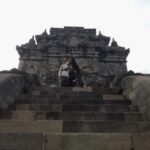
Clay and coffee. In Borobudur.
This pottery workshop near the Borobudur Temple turns a quick stop into something you can hold, photograph, and even brag about later. I especially liked how the artisans guide you step by step so your piece actually comes out looking like something you made on purpose.
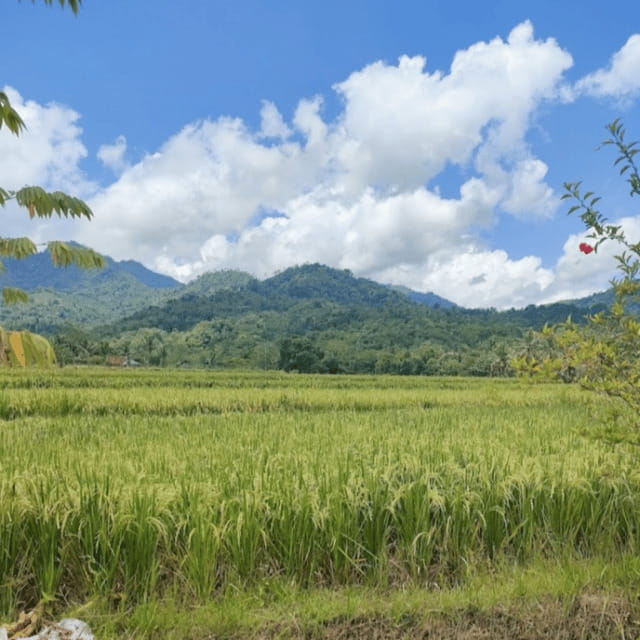
The second thing I loved was the setting: you craft with rice fields and the Menoreh Hills in view, which makes the hour feel calmer than most Borobudur add-ons. One consideration: it is not a long, slow art project, so if you want deep, multi-day pottery skills, you may feel a bit rushed.
In This Review
- Key highlights to know before you go
- Klipoh Village Meets Borobudur: Where the Workshop Fits
- The 30–60 Minute Pottery Session: What You Actually Do
- Start with the demonstration
- Then it’s your turn at the workbench
- Take photos while it’s still fresh
- The gallery space is part of the experience
- The Rice-Field Setting and Menoreh Hills View While You Craft
- Drinks, Materials, and the Small Things That Make It Worth $4.62
- Your Finished Pottery: What to Expect After Shaping
- Languages, Group Energy, and How the Workshop Feels in Real Life
- Price vs. Time: Why This Is a Smart Borobudur Side Trip
- Practical Tips So Your Hour Goes Smoothly
- Should You Book This Borobudur Pottery Making Workshop?
Key highlights to know before you go
- Klipoh Village, close to Borobudur: Easy to fit in with temple time
- Hands-on clay shaping: You watch, then you do, with guidance
- Scenic workshop location: Rice fields and Menoreh Hills view while you work
- Complimentary drinks: Tea, coffee, and water during the session
- English and Indonesian support: Clear instruction for most visitors
- Bring-home friendly approach: You leave with your pottery to admire and manage after drying
Klipoh Village Meets Borobudur: Where the Workshop Fits
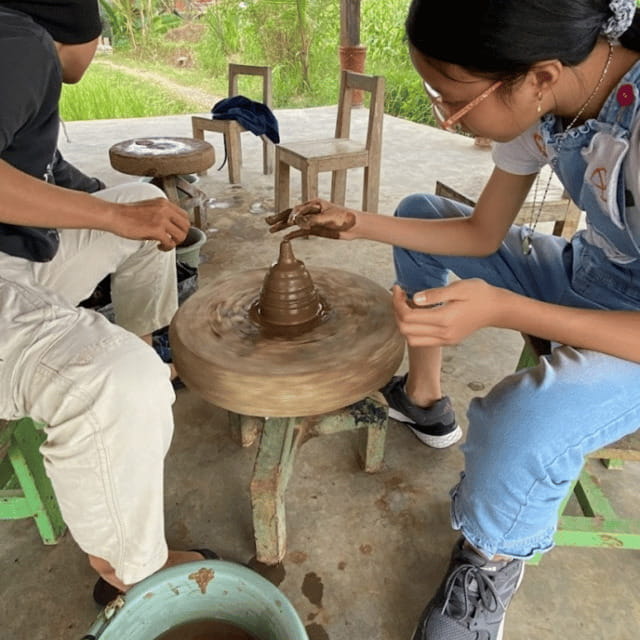
The experience takes place in Klipoh Village in the Borobudur area, which is a big part of the charm. Instead of doing pottery in a generic studio, you’re working in a real local setting where artisans make time for visitors without turning the whole thing into a performance.
Your meeting point is Arum Art Borobudur II, near tobacco fields and with those Menoreh Hills views in the background. Even before you start shaping clay, that view does a lot for your mood. It feels like you arrived in the countryside, not just at another tourist stop.
Logistics are simple. The workshop is about 10 minutes from Borobudur Temple by taxi, and roughly 1 hour 30 minutes from Yogyakarta city. That matters because it means you can schedule pottery without rearranging your whole day around travel time. If you’re already planning to see Borobudur Temple, this is one of the easiest side activities to stack onto it.
If you want the least hassle, you can choose the optional hotel pickup. Otherwise, you’ll meet at Arum Art Borobudur II and get yourself there on your own. Either way, you’re not stuck guessing once you’re in the area.
You can also read our reviews of more tours and experiences in Kota Magelang.


The 30–60 Minute Pottery Session: What You Actually Do
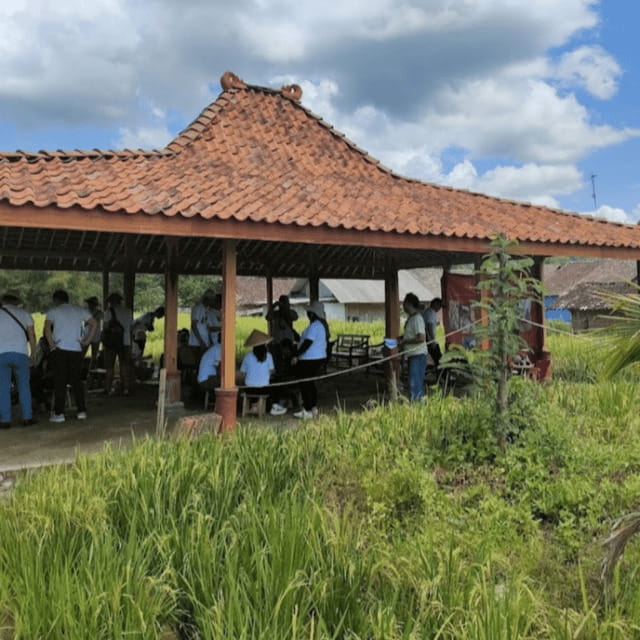
This isn’t a pottery lecture. It’s a working session where you watch a demonstration, then get your hands into the clay with guidance from local artisans.
Start with the demonstration
The artisans begin by showing how clay can be molded into a pottery piece. Expect the basic steps: how the clay is handled, how it’s shaped, and how you can use technique (not luck) to avoid common mistakes like uneven thickness or lopsided forms. This demo is useful even if you’ve never made anything before, because it shows what “good enough” looks like.
Then it’s your turn at the workbench
After the demo, you get to try it yourself. You’re not just thrown a chunk of clay and told good luck. The key is that you receive hands-on guidance from skilled artisans, which helps you create something that feels like yours rather than something you managed to ruin.
Because the session runs 30 minutes to 1 hour, the pace is practical. You’ll likely move through the main shaping steps within that time window. That’s a plus for most people visiting Borobudur, since you’re on a travel schedule and want a satisfying experience without losing your whole afternoon.
Take photos while it’s still fresh
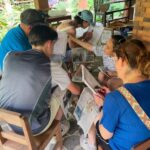
A nice detail here is the photo opportunity. You’ll get chances to capture the workshop setting and your hands-on progress. The views of rice fields add a background that looks good even when you’re just photographing your hands, tools, or the finished piece right after shaping.





The gallery space is part of the experience
There’s also time to explore the gallery workshop. That means you can browse pottery work, see different forms, and get a sense of what local artisans make. If you like design and craftsmanship, that extra viewing time is a genuine bonus without adding extra cost.
The Rice-Field Setting and Menoreh Hills View While You Craft
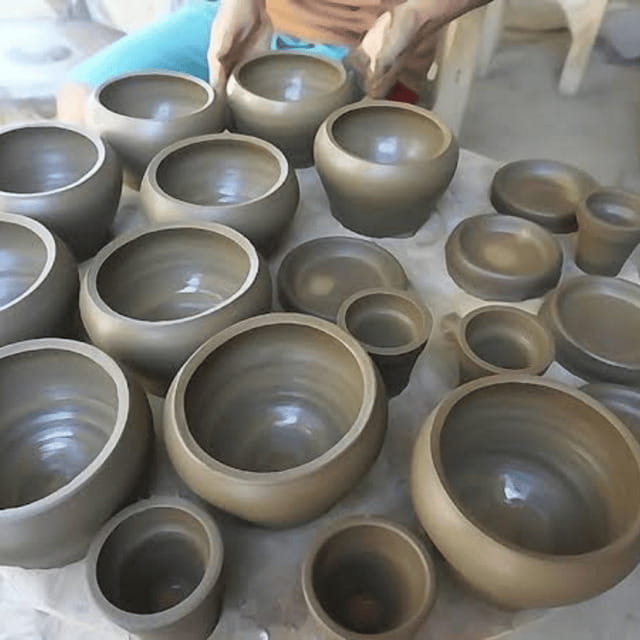
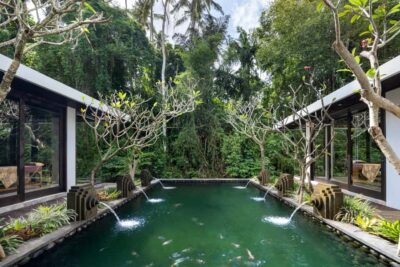
Pottery workshops can feel like you’re sitting indoors under fluorescent lights. Not here. The location near tobacco fields and with rice fields plus the Menoreh Hills changes the vibe instantly.
You’re crafting with a view that keeps your brain calm. While your hands do the work, your eyes can rest on farmland and hills. That balance is surprisingly refreshing after a morning or afternoon of temple walking.
It also makes a difference for photos and storytelling. Your pottery doesn’t just become a souvenir; it becomes a memory of doing something creative in a landscape that looks distinctly Central Java. Even if your piece isn’t a museum-perfect masterpiece, the setting makes it easier to love what you made.
Drinks, Materials, and the Small Things That Make It Worth $4.62
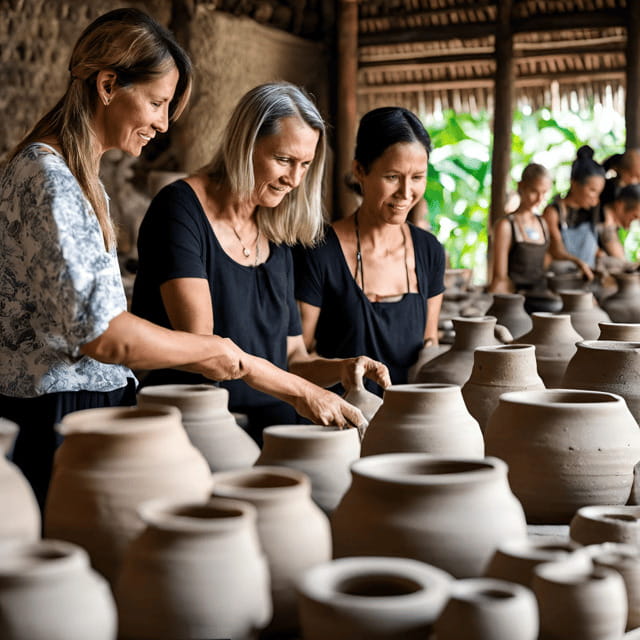
Let’s talk value, because $4.62 per person can sound too low for a hands-on activity. The trick is in what’s included.
You get:
- Tickets to the workshop
- A 30-minute to 1-hour pottery making session
- Guidance from skilled local artisans
- All materials and equipment
- Complimentary tea, coffee, or water
That last part matters more than you might think. When you’re doing a hands-on craft, you can get thirsty fast. Having drinks provided keeps the session comfortable, so you don’t have to break away to find refreshments.
Also, the materials and equipment are included. That means you don’t arrive and realize you forgot something essential. You bring yourself, a camera, and comfortable clothes—and that’s enough to participate.
One small practical note: food is not included. If you’re hungry, plan to eat before or after. The drinks keep you going during the activity, but they’re not a meal.
Your Finished Pottery: What to Expect After Shaping
When you finish shaping, you’ll be able to admire the pottery you created. That immediate satisfaction is real—you’ll feel proud, and you’ll probably want photos right away.
Now, here’s the practical part: clay needs time to finish drying. The activity focuses on shaping and guided creation, so drying and final handling aren’t the “main event” during your hour. In at least some cases, the artisans have helped arrange delivery once the pottery is dry, including to a hotel in Yogyakarta. If you care about taking your pottery home without carrying it everywhere, ask during the session whether delivery is possible for your situation and where you’re staying.
For most people, the safest assumption is simple: expect to manage transport after the workshop. Some studios are strict about taking items the same day; others can handle drying and later delivery. Here, there is evidence of delivery help being arranged, but I’d treat it as a “check with them” service rather than a guaranteed included perk.
Languages, Group Energy, and How the Workshop Feels in Real Life
The instructor support includes English and Indonesian, which helps a lot. You can follow instructions without needing advanced art terms. Even if you don’t speak Indonesian, you’ll have clear direction through demonstrations and hands-on correction.
In terms of atmosphere, it tends to be friendly and patient. The artisans focus on getting you involved through the whole process, not just teaching from a distance. That’s why even beginners usually leave feeling like they accomplished something real.
Because the session is short, the group energy stays upbeat. Nobody is stuck for hours waiting around. You work, learn, shape, and finish. For couples, it’s a fun shared memory. For families, it can become a hands-on activity that’s more engaging than sitting for temple photos.
Price vs. Time: Why This Is a Smart Borobudur Side Trip
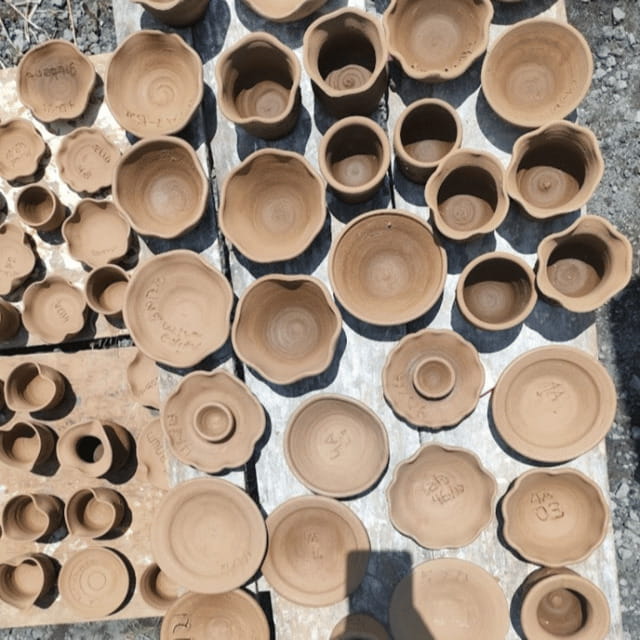
You’re spending a modest amount of money for a full sensory experience—hands, clay texture, shaping steps, photos, and a scenic setting. In plain terms: you’re buying time with local artisans plus a takeaway craft.
Many Borobudur add-ons are either:
- purely observational (watching something with minimal participation), or
- priced higher with no practical souvenir at the end.
This workshop gives you the participation piece. You don’t just watch. You shape. That alone makes the value feel higher than the price tag.
It also fits practical scheduling. At around an hour, you can pair it with a morning or late afternoon temple plan without feeling like you need to block a whole day.
Practical Tips So Your Hour Goes Smoothly
A few small moves make the experience easier:
- Wear comfortable clothes you don’t mind getting a little messy. Clay is messy. That’s its whole personality.
- Bring a camera. You’ll want pictures of the hands-on steps and the views.
- Plan for no food included, so you can eat before or after.
- Avoid alcohol and drugs, which aren’t allowed at the activity.
- If you want to minimize planning stress, choose the pickup option; otherwise, plan to get to Arum Art Borobudur II.
If you’re traveling with mobility needs, good news: the workshop is wheelchair accessible.
Also, check starting times for the exact duration option. The workshop is listed as 1 hour, but the session runs 30 minutes to 1 hour, so your exact start time can affect how long you’re hands-on.
Should You Book This Borobudur Pottery Making Workshop?
I’d book it if you want a real activity near Borobudur Temple that’s not just walking and taking photos. It’s especially smart if you like:
- hands-on crafts,
- learning from artisans,
- having a souvenir that feels personal,
- and doing something outdoors-adjacent with rice fields and hills in the background.
I’d skip it if you’re looking for a long, advanced pottery course or you want a full-day creative retreat. The time is limited, and it’s focused on creating within that session.
If you’re on the Borobudur circuit and want one memorable, practical stop that’s easy to schedule, this is one of the best-value ways to add local craftsmanship to your trip.