Pottery and tofu, just beyond the temple. This Borobudur village tour is a fun change from temple-only days, with hands-on clay work at Gerabah Klipoh and a local guide who walks you through everyday village life near Borobudur. The one catch: the batik stop is time-boxed and batik entrance is not included, and there’s no meal in the tour plan.
I like how the pace stays practical. You get complimentary bottled water as you hop between small craft spots, plus you’ll have a chance to see how locals live and work right around the Borobudur area rather than only looking at monuments from far away. It’s also set up as a private experience for your group, so the guide can keep the questions moving.
In This Review
- Key points before you go
- Why a Borobudur village workshop day beats a temple-only plan
- Stop 1: Gerabah Klipoh pottery village and your hands-on clay time
- Stop 2: Tingal Wanurejo batik practice (and what to budget)
- Where tofu and local snacks fit into the day
- The local guide effect: village knowledge you can actually use
- Included vs not included: getting real about the $79 value
- Timing, group size, and how to keep the day smooth
- Where you meet in Borobudur (and how the tour ends)
- Who should book this Borobudur village tour
- Should you book this Borobudur village tour with pottery and tofu making?
- FAQ
- How long is the Borobudur Village Tour with Pottery and Tofu Making?
- What does the tour cost?
- Is this tour private?
- What’s included in the tour price?
- Are entrance fees included?
- Is a meal included?
- Where is the meeting point?
- Will I receive a mobile ticket?
- Is it easy to reach with public transportation?
- What is the cancellation policy?
Key points before you go
- Gerabah Klipoh pottery village with hands-on practice and the pottery admission included
- Short, real workshops: clay first, then a batik practice stop in Tingal Wanurejo
- Local-guide storytelling from residents living near Borobudur
- Tofu and coffee sampling showing up as part of the local-industry vibe
- No meal included, so you may want to plan a snack/refresh strategy
Why a Borobudur village workshop day beats a temple-only plan
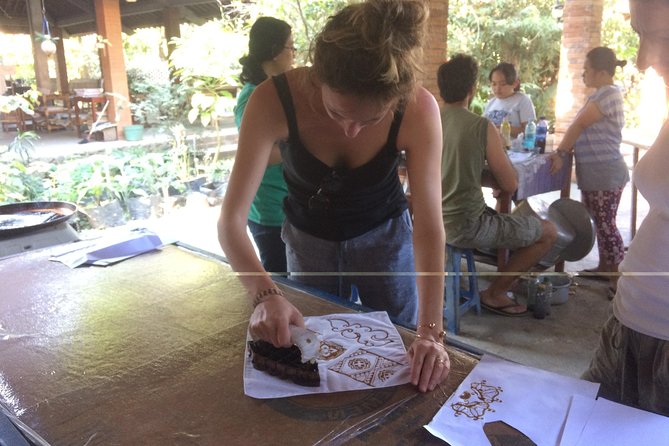
Borobudur is famous for its temple, but the best memories often come from the places around it. This tour is built to show you the workshop side of Central Java: small crafts, patient teachers, and daily village rhythms you’d miss if you only stayed in the main visitor circuit.
The value here is that you’re not just watching. You’re making something, asking questions, and walking through the kinds of places locals actually use—where clay bowls get shaped and batik patterns get traced and colored. For many people, that’s the difference between seeing Borobudur and understanding it.
One more practical win: it’s only about 2 to 3 hours. That makes it a smart add-on on a day when you also want temple time or a slower evening.
You can also read our reviews of more tours and experiences in Borobudur.

Stop 1: Gerabah Klipoh pottery village and your hands-on clay time
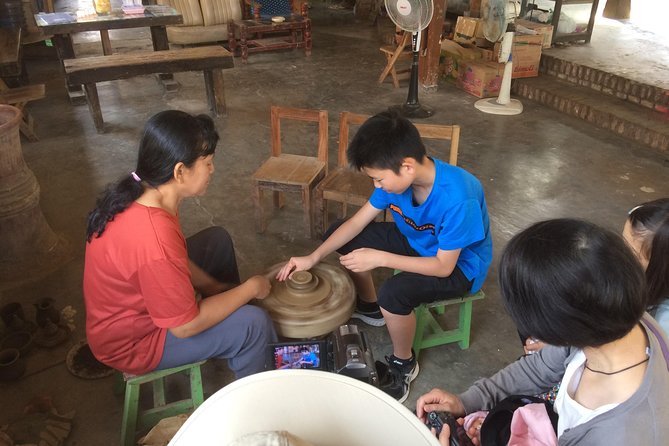
Your first workshop is at Gerabah Klipoh, and you’ll have about 40 minutes there. The pottery admission ticket is included, which matters because it lowers the chance that you’ll hit an unexpected extra charge right when you’re already paying for the tour.
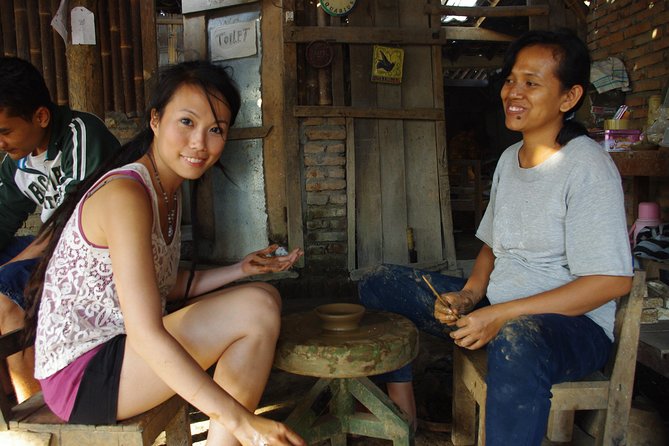
What you can expect: you’ll visit a pottery village and get practice creating a handcrafted clay item. The goal isn’t perfection; it’s learning the basics from people who do this for a living. In the reviews, this is the part people talk about most—getting their hands dirty, rotating through steps, and coming away with a piece that feels personal.
Practical tip: clay can get on sleeves and hands fast. Wear clothes you’re okay with, and keep your phone protected. You’ll also get the simplest gift of all—a new skill, even if your first attempt isn’t your forever masterpiece.
Stop 2: Tingal Wanurejo batik practice (and what to budget)
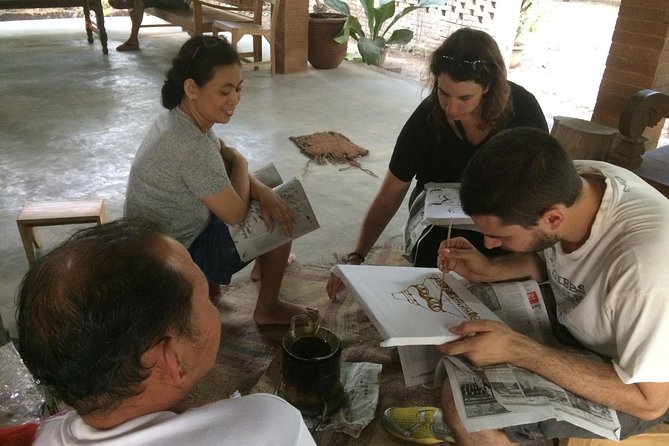
Next up is Tingal Wanurejo in the Borobudur–Magelang area. This stop is shorter, around 30 minutes, and the key detail is that batik admission is not included.
That means you should expect to pay any extra workshop entry or materials fee directly at the stop if it applies. If you like to shop, this is also where you might see prices for finished pieces, since batik is often a mix of your own practice and browsing what the workshop sells.
From the way the tour is described, you’re not just looking at designs—you can learn and practice. Reviews mention things like painting traditional batik, and even time spent on craft actions that feel hands-on rather than purely observational. Budget accordingly so you don’t feel rushed or surprised if you want to take something home.
Where tofu and local snacks fit into the day
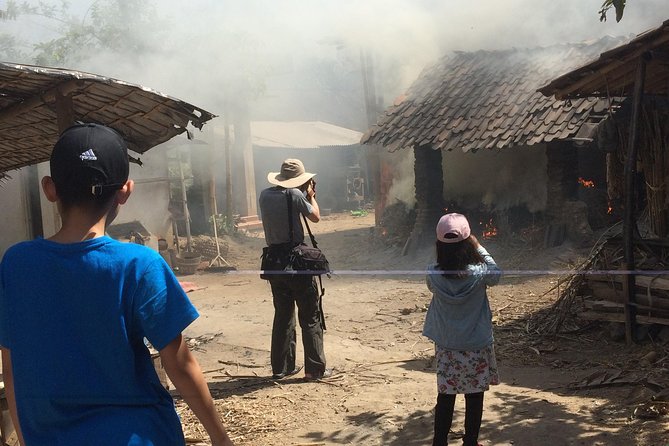
Even though the clearest itinerary details focus on pottery and batik, the tour’s local-industry feel shows up in what you taste. People describe sampling artisanal tofu and coffee, along with artisanal rice snacks as part of the route.
For planning, treat food as a bonus rather than a guarantee. Meals are not listed as included, so you should not count on a full meal replacement. If you’re the type who needs steady energy, plan to eat before you go, and consider carrying a small snack for the gap between workshops.
The bigger point: this kind of tasting is part of how you understand a craft economy. You see clay and wax or dye, then you taste what other nearby artisans are producing. It ties the day together.
The local guide effect: village knowledge you can actually use

The tour is led by a local guide who lives near the Borobudur temple area. That matters because they’re not performing a script. They can point out landmarks, explain what you’re looking at while you move through the villages, and answer the questions that come naturally when you’re standing in a working craft space.
In reviews, the tone is consistent: guides and workshop teachers are friendly, patient, and quick to teach. That’s what you want in a short tour. You don’t have time for long speeches, and you don’t want a workshop where you feel like you’re in the way.
Also, the route includes stops to appreciate landmarks and get acquainted with the village before and between workshops. Even without a full museum-style explanation, that walking context helps you connect what you’re doing to the place you’re doing it.


Included vs not included: getting real about the $79 value
The tour price is $79, for about 2 to 3 hours. That’s not a huge time commitment, so the question is whether what you get is practical and hands-on—and it is.
Here’s what’s explicitly included:
- Bottled water
And here’s what’s included in the workshop flow:
- Pottery village admission at Gerabah Klipoh is included (about 40 minutes)
What’s not included:
- Meal
- Entrance fees (notably, the batik stop lists admission as not included)
So where does the money land? If you care most about the pottery practice and you’re okay treating food and batik costs as optional add-ons, $79 can feel like solid value. If you want to spend extra on batik admissions and buy finished items, your total day cost may rise.
My advice: decide before you go what you want out of the batik stop. If you mainly want practice and pictures, keep your budget tight. If you want to purchase finished textiles too, bring extra cash or a card plan so you can act without stress.
Timing, group size, and how to keep the day smooth
This is described as a private tour/activity, with only your group participating. That’s a real quality-of-life upgrade, especially for workshops. You can ask questions without waiting for a guide to move through a large crowd, and the pace can match your group.
Duration is listed as 2 to 3 hours. The itinerary feels workshop-heavy, so don’t stack in a long meal stop unless you’re sure you have time. If you want temple views too, plan the day so you’re not rushing from the last workshop straight into a demanding climb.
The tour also says it’s near public transportation. That helps if your schedule is flexible or if you’re hopping between sites around Magelang and Borobudur.
Where you meet in Borobudur (and how the tour ends)
You start at:
Jl. Balaputradewa No.55, Dusun XVI, Borobudur, Kec. Borobudur, Kabupaten Magelang, Jawa Tengah 56553, Indonesia
The tour ends back at the meeting point. That’s good for planning—no long detours at the end of your workshops, and it’s easier to coordinate with the rest of your day.
You’ll also get a mobile ticket, and you’ll receive confirmation at booking time.
Who should book this Borobudur village tour
This tour is a strong fit if you want:
- Hands-on making time, not just sightseeing
- A short, guided walk through village life around Borobudur
- A day focused on local crafts—pottery first, batik practice second
- A group setting where your questions won’t get lost
It’s less ideal if you need long workshop sessions, or if you expect a full meal included. Also, if you hate the idea of added costs at craft stops, read the inclusion list carefully and budget for batik admission.
This is the kind of tour I’d pair with a separate Borobudur temple visit, so your day has both the big monument and the human-scale craft world around it.
Should you book this Borobudur village tour with pottery and tofu making?
Book it if you want a practical culture day where you do real craft work and get a feel for the small industries around Borobudur. The pottery stop at Gerabah Klipoh is the backbone, and the local guide component is the glue that turns crafts into place-based learning. If you’re okay planning around not having a meal included—and you’re willing to budget for batik admission—this tour is likely to deliver exactly what it promises.
Skip it only if you’re looking for a long, slow workshop day or an all-inclusive food experience. With only 2 to 3 hours on the clock, this one rewards people who show up ready to participate.
FAQ
How long is the Borobudur Village Tour with Pottery and Tofu Making?
It runs about 2 to 3 hours.
What does the tour cost?
The price is $79.
Is this tour private?
Yes. It’s a private tour/activity, and only your group participates.
What’s included in the tour price?
Bottled water is included.
Are entrance fees included?
Pottery village admission at Gerabah Klipoh is included, but batik entrance fees are listed as not included.
Is a meal included?
No. Meals are not included.
Where is the meeting point?
You’ll meet at Jl. Balaputradewa No.55, Dusun XVI, Borobudur, Kec. Borobudur, Kabupaten Magelang, Jawa Tengah 56553, Indonesia.
Will I receive a mobile ticket?
Yes. The tour includes a mobile ticket.
Is it easy to reach with public transportation?
The tour is described as near public transportation.
What is the cancellation policy?
You can cancel for a full refund if you cancel up to 24 hours in advance of the experience start time.