The USAT Liberty wreck sits close to shore. This is one of Bali’s easiest ways to try scuba training in real conditions, because the top of the wreck is around 5 meters down and the site drops gradually to about 30 meters. What I like most is the pool skill practice before you hit open water, plus the calm, safety-first feel that comes from having a professional PADI guide watching every step.
There’s one big consideration: it’s a long day. You’ll be picked up early (around 6:30–7:15 am), and you’ll need to complete a medical form, with extra documentation if you answer yes to any questions. Also, if your plans include flights in the last 24 hours, this may not be suitable due to scuba-related timing rules.
In This Review
- Key highlights worth showing up for
- Tulamben’s USAT Liberty wreck: why this site works for first-timers
- The 11-hour day plan (and why the early start is worth it)
- Paperwork, gear trial, and what the Sanur stop gets right
- Pool skills first: how you get ready before the ocean
- Stop 1: your USAT Liberty underwater session (what to expect)
- Lunch break and pacing before the second session
- Why the guide setup makes this feel safer (and not intimidating)
- Price and value: what you’re paying for at $206.48
- Who should book this (and who should think twice)
- Practical booking advice to protect your day
- Should you book Discover Scuba Diving Tulamben?
- FAQ
- What wreck will I see?
- Is this suitable if I’m not scuba certified yet?
- How long are the water sessions?
- What does the day schedule look like?
- What is included in the price?
- Do I need to complete a medical form?
- Can I do this if my flight arrives less than 24 hours before?
Key highlights worth showing up for
- USAT Liberty wreck, beginner-friendly access: shallow top near 5 meters, with the rest dropping to around 30 meters
- Pool-first training: practice basic skills and review theory before you go into the ocean
- Two guided underwater sessions: usually 30–45 minutes each, followed by lunch and a second try
- Clear briefings and patient coaching: instructors are praised for being attentive and making first-timers feel safe
- All gear and insurance included: scuba equipment, towels, bottled water, and scuba insurance are part of the package
- Capped group size: maximum 100 travelers for the activity window
Tulamben’s USAT Liberty wreck: why this site works for first-timers
Tulamben is famous for one main reason: the USAT Liberty shipwreck. It lies close to the shoreline, about 40 meters from the beach, which matters because it keeps logistics simple and reduces time spent transferring between far-off locations.
This wreck is also unusually approachable. The top sits at roughly 5 meters, while the bottom drops to around 30 meters. That depth range is ideal if you’re new and still learning buoyancy and control, because you can experience a real wreck without immediately facing deep water challenges.
The “why” behind the wreck is part of the draw, too. The ship ended up where it is after a mix of torpedo damage and a volcanic eruption. Underwater, that story turns into a memorable visual—wreck metal, healthy growth, and lots of marine life using the structure as a home. In the course description, you’ll also get the kind of conditions that beginners need: an easy shore entry, calm water, and good visibility when the day cooperates.
You can also read our reviews of more tours and experiences in Kuta.


The 11-hour day plan (and why the early start is worth it)
This experience runs about 11 hours, and it starts early. Pickup is typically scheduled between 6:30 and 7:15 am, then you’ll head to a dive center in Sanur for paperwork and an equipment trial.
That Sanur stop is more important than it sounds. If you’re not certified, you want a moment to get comfortable with the gear setup and the expectations for the day. After that, you’ll transfer by mini bus to Tulamben, a ride that’s about 2.5 hours.
In plain terms, you’re trading a big chunk of your Bali day for a high-value experience: training in a controlled setting first, then two separate underwater sessions. When operations run smoothly, that schedule gives you time to learn, apply it immediately, eat lunch without rushing, and still have energy for the second ocean session.
You’ll usually finish back at the dive center around 5:00 pm, then get dropped back to your accommodation.
Paperwork, gear trial, and what the Sanur stop gets right
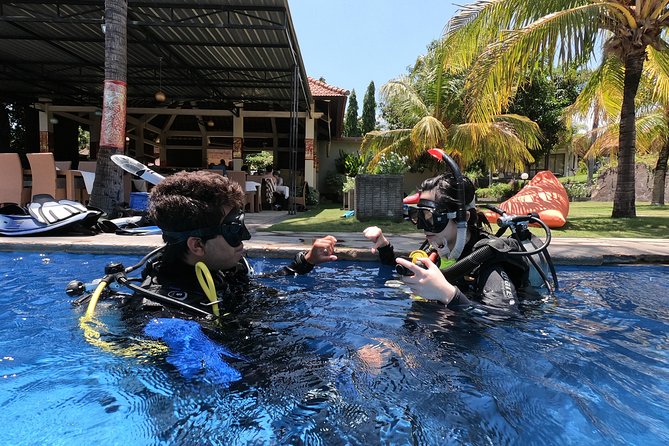
Before you ever step into the water, you’ll handle paperwork and do an equipment trial at the Sanur dive center. For non-certified divers, this step can make or break confidence.
I like that the day begins with structure: you get your gear sorted and you’re not guessing how everything works while you’re already in the ocean. You’ll also be welcomed with coffee or tea, and you’ll have bottled water during the process.
There’s also a medical form requirement. If you answer yes to any question, you’ll need a doctor’s note. One piece of real-world context from the feedback: there was at least one case where a participant declared asthma and was taken for a clinic visit first, then transported to the activity. The lesson is simple: do the paperwork carefully, and if you’ve got any health concerns, expect they may ask for additional steps so everyone stays safe.
Pool skills first: how you get ready before the ocean
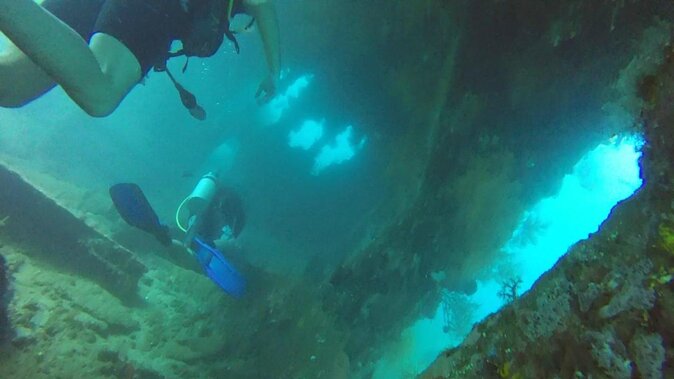
Once you reach Tulamben, the plan is straightforward. You’ll start in a pool with your instructor. The goal is to master a few basic scuba skills and go over the theory you need before stepping into the open water.
This is where confidence is built. Pool water gives you a controlled environment where you can practice breathing, basic handling, and comfort without waves or current. If you’re worried about technical stuff, this pool portion is the antidote because you can ask questions and repeat skills until they feel normal.
The coaching tone matters here. In feedback, people repeatedly praised instructors for being patient and for explaining things clearly. Names that came up include Andy (praised for supportive assistance, including handling a clinic-related situation) and Devin and Phoebe (praised for helping first-timers feel relaxed from start to finish). You can’t assume every instructor will be the same team for your day, but you can take comfort in the fact that the organization trains their guides to communicate and guide you through the learning curve.
Stop 1: your USAT Liberty underwater session (what to expect)
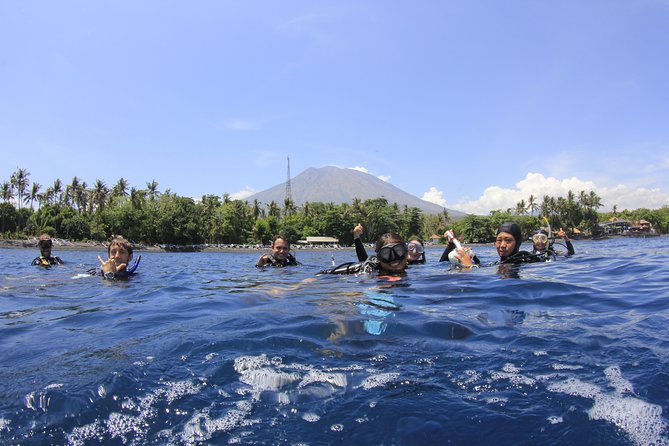
After you’ve practiced in the pool and demonstrated you’ve got the skills down, it’s time for the ocean. The first underwater session typically runs 30–45 minutes, with timing dependent on how much air you use.
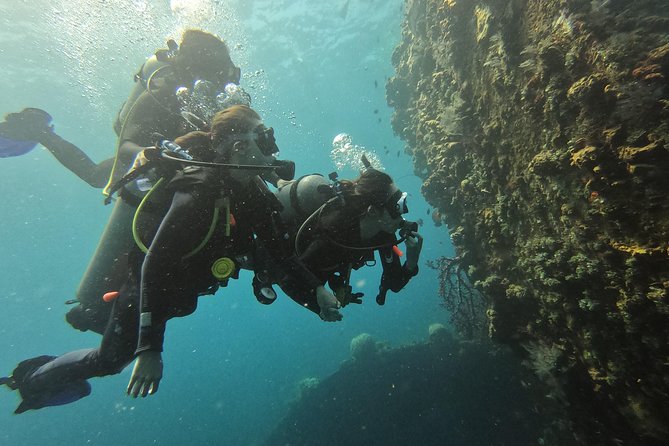
The wreck is the centerpiece. Since the top is around 5 meters, you get a real wreck experience without instantly going to big depth. At the same time, you’re not just looking at sand and random rock—this is a structured underwater environment with shape, angles, and surfaces that fish and other sea life use.
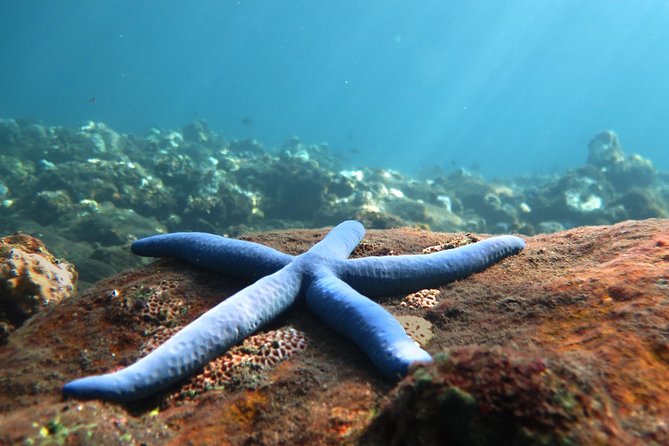
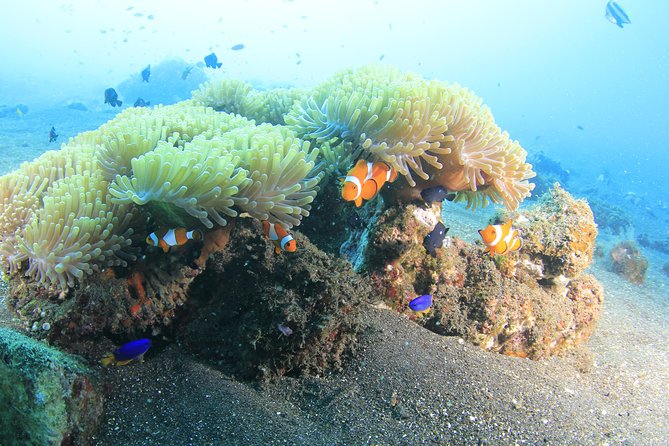
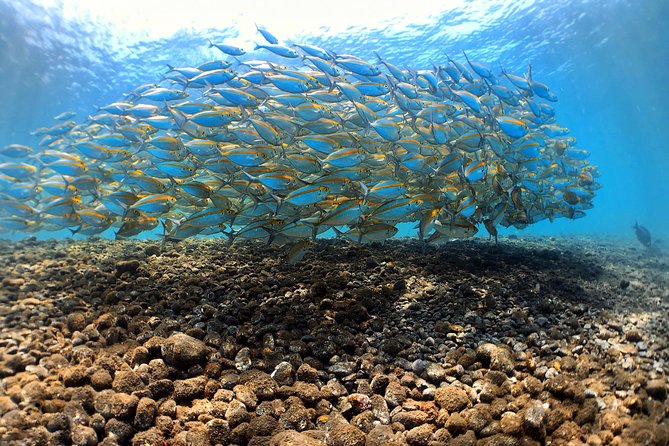
Expect to see healthy growth on the wreck. The description specifically calls out corals, sea fans, and barrel sponges. Those don’t just look good on camera. They also create “hangout zones” for small fish, which usually means more activity around you even if you’re still building comfort and awareness.
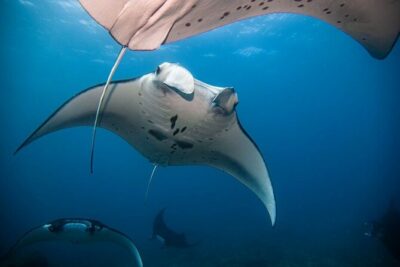
You may also spot larger wildlife. The experience overview mentions a possible chance to cross paths with a turtle. If a turtle shows up, it’s usually the kind of moment that makes the whole day feel like it clicked.
You’ll also get an easy shore entry setup. That matters because a smooth entry often reduces the stress new divers feel at the start of their first ocean session.


Lunch break and pacing before the second session
Between your first and second underwater sessions, you’ll head to a restaurant for lunch. This break is built into the schedule, which is a smart move for beginners.
After a first session, you often need a moment to reset. You might be thinking about your breathing, buoyancy, and comfort. Lunch helps you come back into the second session feeling human, not just focused and tired.
Then you go back out for the second ocean session, again usually 30–45 minutes. The description notes that the actual time can depend on air consumption, which makes sense: you’re learning, so your breathing rate and comfort level influence how long you stay down.
Why the guide setup makes this feel safer (and not intimidating)
This experience is built around a professional PADI guide. That’s not just a credential line; it shows up in how the day is organized.
From feedback, the team behavior pattern is consistent:
- Equipment is reliable and in good condition
- Briefings are precise
- Instructors are friendly and competent
- First-timers feel safe because someone is watching closely
That’s exactly what you want on day one.
Also, the experience includes dive insurance (scuba insurance) and uses of scuba equipment, towels, and air-conditioned transport. Those details reduce the chances you’ll spend your day worrying about “where’s that thing I forgot” or “is this kit going to work.” It’s value you feel later, when you’re actually underwater and your only job is to focus on being comfortable.
Even the small touches matter: coffee or tea at the dive center, bottled water on the way, and a structured return home all help the day run like a planned training event instead of a scramble.
Price and value: what you’re paying for at $206.48
At $206.48 per person, you’re not just paying for a booking. You’re paying for a full learning-day package: pickup/drop-off, equipment, insurance, guide time, and two guided underwater sessions with lunch included.
Here’s what the price covers:
- Pickup and drop-off from selected hotel areas
- Use of scuba equipment
- Scuba insurance
- Towels
- Air-conditioned vehicle
- Bottled water
- Coffee and/or tea plus a welcome drink at the dive center
- Lunch
- Professional PADI guide
What’s not included:
- Private guide
- Private car
If you’re comparing options, this package looks like a strong deal when you factor in that you’re getting both training time and guided ocean time. You’re also getting the most valuable part for non-certified divers: you’re not thrown into open water without preparation.
If you’re the kind of person who values structure and safety, this price starts to look even better, because you’re buying reassurance and clear instruction, not just access to a famous wreck.
Who should book this (and who should think twice)
This experience is aimed at people who are not yet certified and want to try scuba in Tulamben. It also works for more experienced divers because the wreck’s depth range lets you see different sections depending on conditions and comfort.
It’s especially suitable if you want:
- A shallow-start wreck experience (top near 5 meters)
- A calm, shore-based setup
- Pool training plus theory before your first ocean session
Think twice if:
- You’re dealing with travel timing. It’s not suitable for guests with flights less than 24 hours due to scuba-related diving regulations.
- You have health concerns that trigger the medical form requirement. If you answer yes to any medical form question, you’ll need a doctor’s note.
This is one of those experiences where doing the health steps correctly protects your day. The organizers take medical paperwork seriously, and you should too.
Practical booking advice to protect your day
If you want your first scuba experience to go smoothly, plan around the realities of the schedule and requirements.
First, build your travel dates so you’re not arriving right before the activity. The 24-hour flight rule exists for a reason, and it can affect eligibility.
Second, fill out the medical form honestly and early enough to get a doctor’s note if needed. If you’ve got asthma or similar issues, assume the team may require extra checks. That’s not a scare tactic—it’s part of keeping the group safe.
Finally, commit mentally to a learning day. The second ocean session is part of the plan, so give yourself a real chance to practice what you learned in the pool. When you do, that second underwater session tends to feel less like “survive the experience” and more like “enjoy the wreck.”
Should you book Discover Scuba Diving Tulamben?
If your goal is to try scuba without getting overwhelmed, I’d book this. The USAT Liberty wreck setup is beginner-friendly on paper and in practice: shallow access, calm conditions, shore entry, and a teaching-first schedule.
It also looks like a good value because your money goes toward the full package: gear, insurance, guides, training, and lunch, not just a ticket to a location.
The only strong “wait or reconsider” reasons are travel timing and medical eligibility. If you can handle the early start, complete the medical paperwork, and arrive with your flights properly spaced, this is a smart, confidence-building way to see one of Bali’s most famous underwater sites.
FAQ
What wreck will I see?
The experience focuses on the USAT Liberty shipwreck in Tulamben, which is described as lying close to the beach. The top is around 5 meters and the wreck drops away to about 30 meters.
Is this suitable if I’m not scuba certified yet?
Yes. This is a Discover Scuba Diving experience designed for non-certified divers, with pool training and theory before you go into the ocean.
How long are the water sessions?
You’ll do two ocean sessions. Each one is typically 30 to 45 minutes, and the time can depend on how much air you use.
What does the day schedule look like?
You’ll be picked up around 6:30 to 7:15 am. You’ll go to Sanur for paperwork and an equipment trial, then travel to Tulamben. After pool training and two ocean sessions with lunch, you’ll usually return around 5:00 pm and be dropped back at your accommodation.
What is included in the price?
Included items are scuba equipment use, scuba insurance, towels, bottled water, coffee or tea plus a welcome drink, lunch, air-conditioned transport, pickup and drop-off from selected hotel areas, and a professional PADI guide.
Do I need to complete a medical form?
Yes. You must complete a medical form, and if you answer yes to any question, you’ll need a doctor’s note.
Can I do this if my flight arrives less than 24 hours before?
No. It is not suitable for guests with flights of less than 24 hours due to scuba-related diving regulations.