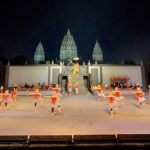
Watch the Ramayana without a single word. At Purawisata in Yogyakarta, the Ramayana Ballet tells the full story with dance and body language, not spoken dialogue, while Java-style gending music and Javanese singing guide each scene. I especially love how the music and stage energy change with the plot, from quieter moments to the crowded, high-stakes war sequences. One practical drawback to plan for: the included dinner experience can be less consistent than the show itself, and timing/communication matters.
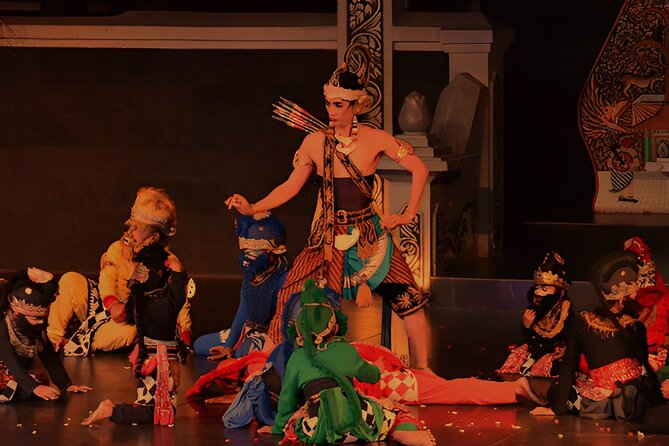
This is the kind of performance that works even if you don’t know the story. You’ll still follow the characters through movement, costume colors, and the shift from Rahwana and Hanoman into the monkey army action. The show also builds toward the standout dramatic moment, Anoman Obong, where the performance turns into an unforgettable visual climax.
If you’re easygoing about dinner details and you show up on time, this is a strong value evening in Jogja.
In This Review
- Key things to know before you go
- Dinner first, show after: how the evening flows
- What to bring (without overthinking it)
- Purawisata’s Ramayana: how a classic epic becomes movement
- No dialogue means you rely on cues
- The soundscape: gending and Javanese singing as your guide
- From Rahwana and Hanoman to war: why the stage keeps changing
- The payoff: Anoman Obong
- Dinner at Gazebo Garden: included, but don’t expect fine dining
- How to make dinner feel worth it
- Logistics that actually matter: timing and getting oriented
- Value in plain numbers: is $23 worth it?
- Who this suits best
- Should you book Purawisata’s Ramayana Ballet?
- FAQ
- What is the start time for this experience?
- How long does the Ramayana Ballet performance last?
- What does the ticket cost?
- What’s included in the price?
- Is pickup or drop-off transport included?
- Is the Ramayana Ballet performed with dialogue?
- Are there live music and vocals during the show?
- Where can I get help if I need confirmation of my booking?
- What is the cancellation policy?
Key things to know before you go
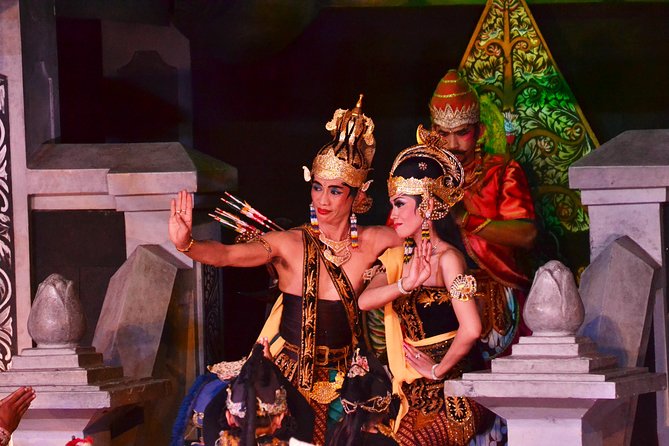
- A full Ramayana told through dance: The story runs in acts using gestures and choreography rather than dialogue.
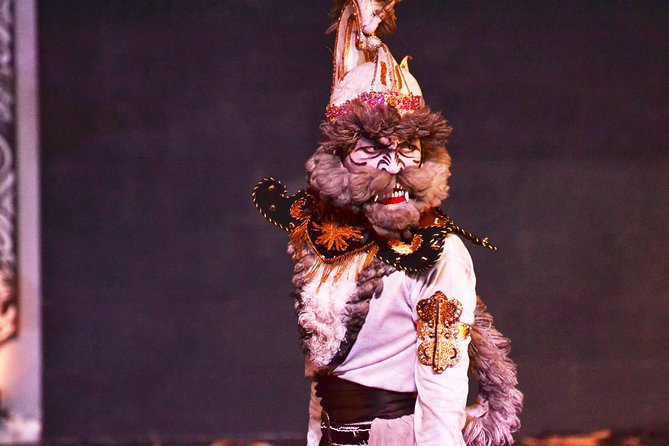
- Gending drives the mood: Softer music supports calmer scenes, then the tempo and intensity rise when Rahwana/Hanoman and the monkey army appear.
- Sinden vocals add texture: You may hear a singer humming Javanese songs, which helps mark transitions.
- War scenes get visually louder: When the fighting starts, the stage becomes more crowded and the pacing speeds up.
- Anoman Obong is the big visual peak: This is where the show really grabs your attention.
- Photo time after the performance: Afterward, you can take pictures with the performers on stage.
Dinner first, show after: how the evening flows
This experience starts at 7:00 pm and runs about 3 hours total. The format is simple: you’ll have dinner and then settle in for the Ramayana Ballet at Purawisata. Your ticket includes both the dinner and the entrance, which is a big part of the value at this price point.
The dinner is served at Gazebo Garden Restaurant – Etnik Cafe. That’s convenient, because it means you don’t have to coordinate another meal before the show. But here’s the reality check: some people don’t love the dinner portion once it’s adjusted toward Western tastes and served buffet-style. If you care a lot about food quality, treat dinner as a functional add-on rather than the highlight.
For the best experience, I’d plan like this: arrive a bit early, confirm where the dinner area is inside the venue, and be ready to eat at whatever time the evening schedule allows. There’s been enough confusion around dinner arrival and timing to justify a cautious approach.
You can also read our reviews of more tours and experiences in Yogyakarta.


What to bring (without overthinking it)
You don’t need special gear. Still, for an evening performance, it helps to bring:
- Comfortable shoes (you may wait and walk around a bit)
- Something light for the later part of the night, if you run cold
- Your camera/phone charged and ready for the post-show photo moment
And yes: the fire-and-war climax scenes are visually intense. If you’re sensitive to smoke or strong lighting effects, keep that in mind and position yourself carefully.
Purawisata’s Ramayana: how a classic epic becomes movement
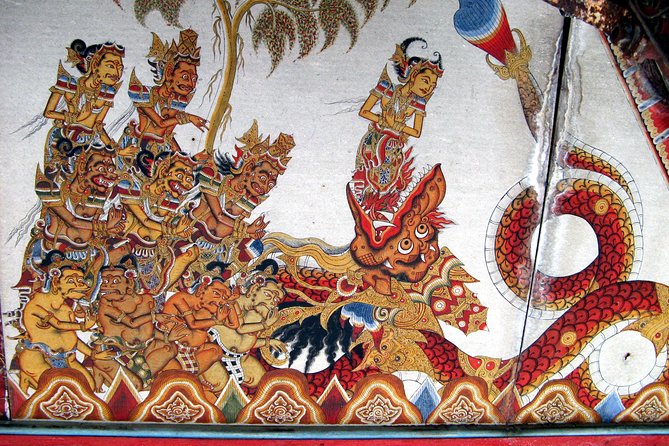
The Ramayana Ballet at Purawisata is built from Walmiki’s epic story. Instead of actors speaking lines, the dancers carry meaning through posture, hand gestures, facial expressions, and blocking on stage. In practical terms, that means you won’t be lost if you don’t speak Javanese or Indonesian, because the performance still tells you who’s who and what’s happening.
I like this style because it forces your eyes to work. You start noticing patterns: certain characters move with more force, others with more control; scenes shift through costume changes and spatial movement. It’s theater you can read without subtitles.
No dialogue means you rely on cues
Since there’s no dialogue, you’ll “follow” the story through:
- Music shifts (the gending changes tempo and intensity)
- Vocal texture (the Sinden humming Javanese songs at key moments)
- Stage energy (how crowded and active the stage becomes)
- Costumes and character types (especially for Rahwana and Hanoman)
If you’ve seen traditional dance before, you’ll recognize this as a common storytelling method. If you haven’t, it’s still easy to get the hang of quickly. By the time the show moves into the major action beats, you’ll be watching like a pro.
The soundscape: gending and Javanese singing as your guide
One of the most “you can’t fake this” elements is the soundtrack logic. The Java gending sits underneath the action, sometimes soft and controlled, sometimes driving forward.
Here’s what you can look (and listen) for:
- In calmer sections, the music stays gentler, giving the dancers room to shine through precise movement.
- When the story turns toward Rahwana or Hanoman and the monkey army shows up, the music gets livelier.
- You may hear a Sinden singing or humming in Javanese, often around transitions, which helps you anticipate that the scene is about to change.
Even if you don’t catch every word (and you won’t, since it’s often humming rather than dialogue), the shift in tone tells your brain what kind of scene you’re entering. It’s like the soundtrack is marking the chapters for you.

From Rahwana and Hanoman to war: why the stage keeps changing
The performance is divided into acts, and you feel that structure in how the stage evolves. Early on, the focus is on graceful, controlled choreography, with dancers staying visually readable. Then, as you move into the Rahwana/Hanoman and monkey army segments, you’ll notice a change in crowding and motion.
When the war begins, the stage gets more crowded. That matters because it increases the sense of chaos and urgency. In a spoken play, chaos comes from lines and reactions. Here, chaos is movement density, costume coverage, and timing.
The payoff: Anoman Obong
The show’s biggest dramatic moment is Anoman Obong. This is where the performance becomes more compelling in a very physical, visual way. It’s also the moment you’ll see the audience react most—because it’s not just a character action, it’s a staged spectacle with strong lighting and high intensity.
If you take only one thing from this review, let it be this: don’t mentally check out before the ending. The early sections are beautiful, but the later scenes are where the show earns your full attention.
Dinner at Gazebo Garden: included, but don’t expect fine dining
Your ticket includes dinner at Gazebo Garden Restaurant – Etnik Cafe. That’s a real benefit when you’re spending an evening out in Yogyakarta—you’re not hunting for a separate meal, and the cost is already bundled in.
But based on what people reported, the dinner can be less satisfying than the show. Some diners didn’t like the buffet format or felt the menu leaned more toward Western tastes than traditional local flavors. The setting is still pleasant, and it’s convenient, yet it might feel like a compromise meal compared with what you could find outside the venue.
How to make dinner feel worth it
- Eat lightly if you can, then treat dinner as fuel rather than a culinary event.
- If you’re picky, consider eating a bit earlier on your own, so you’re not relying on the buffet to satisfy you.
- If you’re visiting with people who care about food quality, set expectations before you go.
This way, the dinner won’t steal energy from the main event.
Logistics that actually matter: timing and getting oriented
This experience includes no pickup/dropoff transport. It’s also near public transportation, so you’ll likely arrive by taxi, ride-hailing, or public transit options you’re already using around Jogja.
The bigger issue is not distance—it’s timing clarity. There are hints that communication about dinner arrival and performance time can be off. That doesn’t mean the event is unreliable. It means you should protect yourself from confusion.
Here’s what I’d do:
- Keep your booking confirmation handy on your phone.
- Arrive with buffer time so you’re not rushing to dinner or seating.
- When you get inside, ask staff where to check in for dinner and when to move toward the theater.
This is one of those evenings where being calm beats being exact.
Value in plain numbers: is $23 worth it?
At $23 per person, you’re getting an entrance ticket plus dinner, and you’re paying for a full traditional stage performance with music, costumes, makeup, and multiple acts. For many visitors, that bundled deal is the real reason to book.
The bargain logic is this:
- A major cultural performance in a dedicated venue costs real money.
- Traditional stage productions rely on trained dancers and live musical direction.
- If you also add dinner without needing a separate restaurant plan, the overall value improves.
The tradeoff is that dinner quality can be uneven, while the show itself is the star. If your priority is performance quality, you’re in the right place. If your priority is a great meal, you might want to treat dinner as secondary.
Who this suits best
This is a strong fit if you:
- Want a classic Jogja cultural evening without needing language skills
- Like dance theater, costumes, and live music
- Are comfortable following a story through movement and staging
It may be less ideal if:
- You’re extremely picky about dinner
- You get stressed by unclear timing and need very tight schedules
- You’re hoping for a more modern, dialogue-heavy theater experience
Should you book Purawisata’s Ramayana Ballet?
I’d book it if you want one clear night that’s distinctly Indonesian in style: dance-led storytelling, live gending, and a dramatic climax at Anoman Obong. The price is fair for a bundled ticket plus dinner, and the performance is designed so you can follow it even without dialogue.
I’d think twice only if food quality is your top priority or if you’re the kind of person who needs perfect, written timing instructions to feel relaxed. If you go in with a plan—arrive early, verify where dinner happens, and save your focus for the last big scenes—this makes a smart, memorable evening in Yogyakarta.
FAQ
What is the start time for this experience?
It starts at 7:00 pm.
How long does the Ramayana Ballet performance last?
The duration is about 3 hours.
What does the ticket cost?
The price is $23.00 per person.
What’s included in the price?
Your price includes dinner at Gazebo Garden Restaurant – Etnik Cafe and the entrance ticket for the performance.
Is pickup or drop-off transport included?
No. Pickup/dropoff transport is not included.
Is the Ramayana Ballet performed with dialogue?
No. The story is presented through dance and body movement without spoken dialogue.
Are there live music and vocals during the show?
Yes. You’ll hear Java gending music, and you may also hear a Sinden humming Javanese songs. The music gets more lively during action scenes.
Where can I get help if I need confirmation of my booking?
You should receive confirmation within 48 hours of booking, subject to availability.
What is the cancellation policy?
You can cancel for a full refund up to 24 hours in advance of the experience start time.