Midnight starts lead to real volcano views. I love how this private East Java itinerary strings together Bromo, Madakaripura, and Ijen Blue Fire with a plan that protects your sleep as much as possible for such an intense trip. Two things I’m really glad about: you travel with your own English-speaking private guide and you get the right Ijen safety setup, including an HQ respirator mask, headlight, and goggles.
I also like the practical comfort baked in: two nights in proper hotels (not homestays), plus breakfast and unlimited mineral water. Pickup is offered from Surabaya and Malang hotels, with drop-off either back where you started or finishing in Banyuwangi for onward travel to Bali.
One consideration: you’ll work hard. Expect very early mornings, a midnight Ijen run, and a 3 km trek with a moderate fitness requirement, and your views can still shift with weather.
In This Review
- Key things you’ll notice right away
- What this East Java trip is really like (and who it fits)
- Price and value: why $311 feels fair for what you’re getting
- The rhythm of the itinerary: how the days actually flow
- Mount Bromo sunrise: Penanjakan 1, 03:00 departure, and the payoff
- Madakaripura Waterfall: the 1-hour window and the scooter shuttle
- Ijen Crater and Blue Fire: midnight drive, 3 km trek, and safety gear
- Comfort details I’d actually plan around: hotels, breakfast, and water
- Guides, punctuality, and private attention (the part that quietly makes or breaks it)
- Weather and timing: why the views depend on the day you get
- Is this tour worth it for you? My quick decision checklist
- FAQ
- Can I get pickup from Surabaya and Malang hotels?
- What’s included in the tour for safety and viewing at Ijen?
- How long is the Ijen trek?
- Do Ijen and Bromo require a hotel stay, or are they day trips?
- Are lunch and dinner included?
- What happens if Ijen is closed or conditions aren’t safe?
- Is there free cancellation?
- Should you book this private Bromo–Ijen–Madakaripura tour?
Key things you’ll notice right away
- Private 4WD access for getting up to the Bromo sunrise area faster than public options
- Ijen protection gear included (HQ respirator mask, headlight, goggles) so you’re not improvising in the dark
- Hotel nights with breakfast in the Bromo & Ijen area, not budget homestays
- Real timing focus: guides coordinate sunrise at Penanjakan 1 and the Ijen midnight schedule
- Weather-dependent itinerary with a strong focus on safety if conditions aren’t right
- Drop-off flexibility: end in Banyuwangi if you want boats to Bali
What this East Java trip is really like (and who it fits)
This is a high-impact, volcano-and-waterfall circuit that’s built around early starts and efficient driving. The big idea is simple: you do Bromo sunrise at first light, then push through to Madakaripura’s dramatic waterfall, and finish with Ijen’s blue flame experience when the crater is at its most active.
If you want a trip where someone else handles timing, transport, and on-site guidance, you’ll get your money’s worth here. This is also the kind of tour that works best if you’re comfortable being active for long stretches, not if you want a slow, laid-back pace.
It suits couples and friends (the tour requires a minimum of 2 people per booking), especially if you’re the type who hates losing hours to confusion. Solo travelers can still book, but you’ll typically want to check how the minimum is handled for your date.
You can also read our reviews of more tours and experiences in Surabaya.
Price and value: why $311 feels fair for what you’re getting
At $311 per person for about 3 days, you’re paying for three things that are usually what make volcano tours expensive: private transport, guided access at key times, and safety gear. Public shuttles can look cheaper, but you often lose the biggest benefit—being on the right roads at the right minutes for sunrise and Ijen.
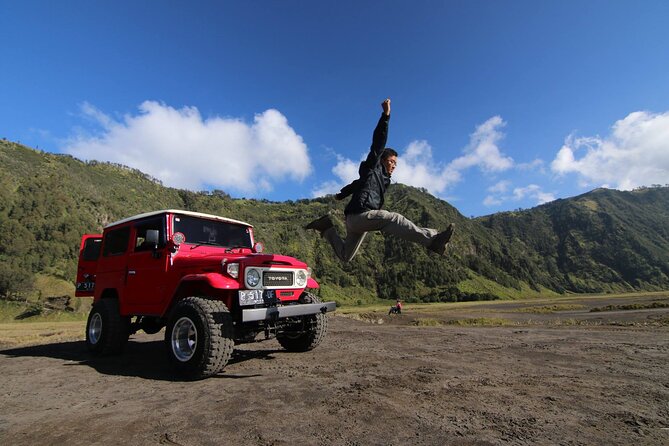
Here, you get private transportation and your own 4WD for Bromo, which matters because Bromo timing is tight. You also get the Ijen crater package essentials: respirator mask, headlight, and goggles—items you’d otherwise need to buy or borrow on your own.
You’re also not stuck doing this out of your own pocket for overnight comfort. Two nights are in hotels with breakfast included, and the tour provides daily mineral water and bottled water. Meals like lunch and dinner aren’t included, so plan a little extra for food on the go.
The rhythm of the itinerary: how the days actually flow
This trip follows a classic East Java pattern: sleep briefly, leave early, hit the main photo moment, then move fast to the next highlight. That’s why it feels intense—but it’s also why the experience stays focused instead of dragging across multiple days.
The tour is structured around three core stops:
- Mount Bromo at sunrise time
- Madakaripura Waterfall afterward
- Ijen Crater at midnight for the blue fire timing
Because it’s weather-dependent, your guide’s job is partly “scouting” in real time. Even when everything goes perfectly, cloud cover and visibility can change, and safety rules can change plans.
Mount Bromo sunrise: Penanjakan 1, 03:00 departure, and the payoff
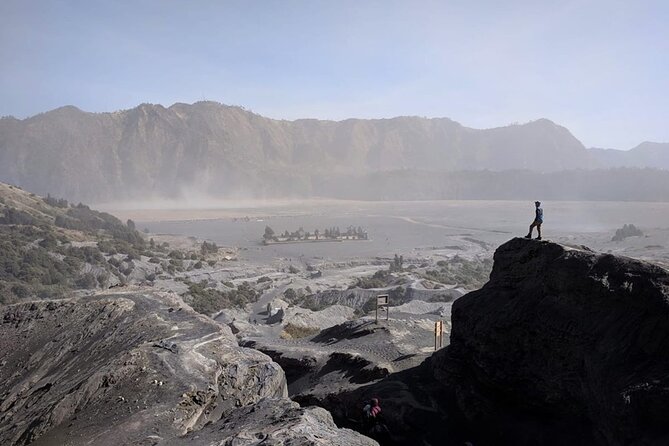
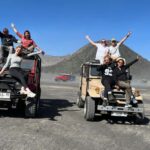
The Bromo day starts early in a way that feels dramatic, but it also makes sense. Your guide is set to be waiting at your lobby around 03:00 AM, and then you head out by 4×4. The goal is to reach Penanjakan 1 for sunrise.
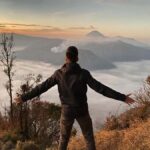
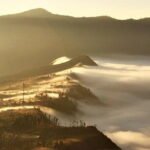
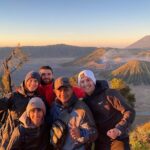
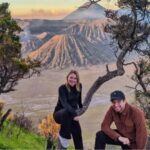
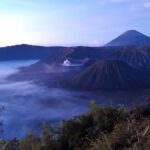
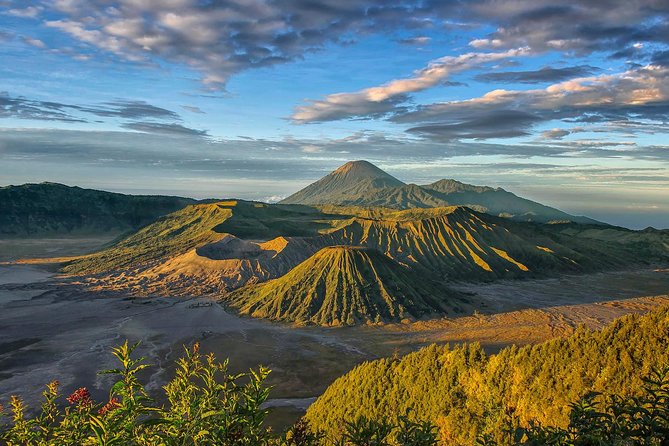
Sunrise is listed around 05:15, assuming the weather cooperates. If skies are clear, this is the kind of view that makes the whole trip feel worth it in one shot: brightening volcanic terrain, a crater landscape, and the sensation that you beat the day’s heat.
Two practical tips you’ll be glad you took seriously:
- Dress in layers. It’s early, and mountain air can feel much colder than you expect.
- Treat sunrise like an appointment. Moving slowly at 04:30 morning usually means missing your best vantage and photos.
The itinerary also builds in the right kind of structure: you’re not just dropped off at Bromo and left to figure out how to reach viewpoints. You’ve got a guide and vehicle timing the move to the sunrise point.
Madakaripura Waterfall: the 1-hour window and the scooter shuttle
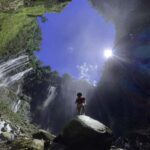
Madakaripura is one of those places where the setting does the storytelling. After Bromo, you head to the waterfall and spend about 1 hour there.
When you arrive near the parking area, you don’t walk the whole way. You use shuttle transport—described as a scooter—to reach the waterfall entrance gate, and then you continue to the attraction with local guidance. That scooter segment helps keep this stop from becoming another long trek day.
This is a strong contrast stop. Bromo and Ijen are about volcanic spectacle and intense timing; Madakaripura is the emotional reset: dripping rock, mist in the air, and a waterfall that feels enclosed rather than open and urban.
One thing to be aware of: the timing here is shorter than you might expect from the name alone. It’s not a half-day wander. If you love long, slow photography sessions, you’ll want to go in knowing you have a defined amount of time and then you move on.
Ijen Crater and Blue Fire: midnight drive, 3 km trek, and safety gear
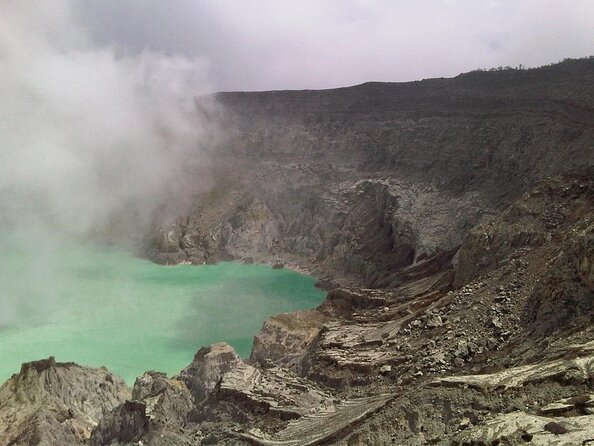
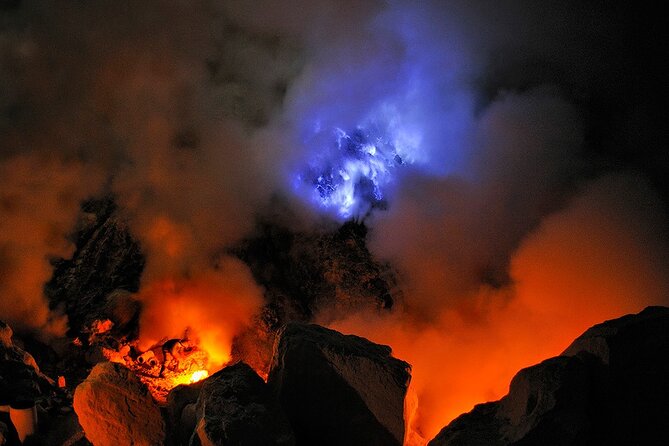
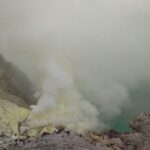
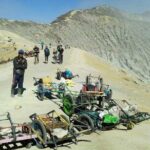
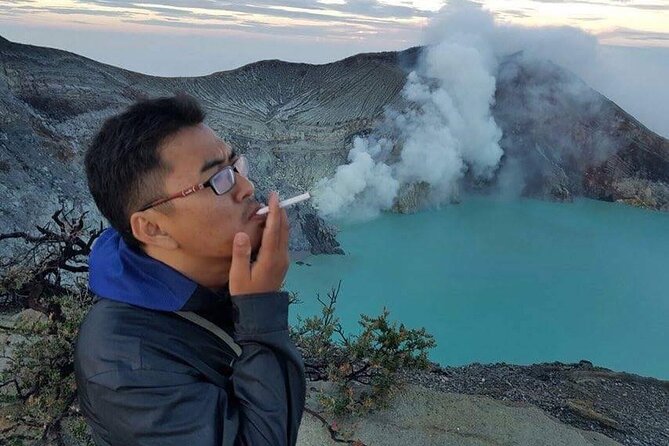
Ijen is where the tour earns its reputation. Your schedule starts around 00:00 AM, with your guide taking you from the area toward the villages of Licin. The drive is about 75 minutes, and then you switch from vehicle travel to the on-foot part of the experience.
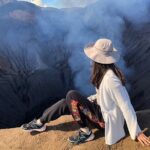
The trek is listed as about 3 km, taking around 90 minutes based on the itinerary outline. This is the segment where your breathing gear matters most. The tour includes an HQ respirator mask, plus a headlight and goggles, so you can see and protect yourself while walking and viewing at night.
Here’s how I think about the value: this isn’t just “see a landmark.” It’s a safety-minded night hike in an active volcanic zone, and the included equipment reduces the stress of improvising under conditions that don’t forgive mistakes.
Also, don’t expect the “blue flame” to be guaranteed on every date the way a museum ticket is. The tour specifically notes that views depend on weather and seasons, and safety closures can happen. If that means plans shift, the tour’s approach (as seen in past experiences) is to adjust rather than leave you stranded with nothing to do.
Practical callouts before you go:
- Use the provided gear exactly as intended. Wearing the mask properly is part of making the night work.
- Keep your pace steady on the trek. The altitude and uneven ground can slow you down, especially when it’s dark.
Comfort details I’d actually plan around: hotels, breakfast, and water
I love that this tour avoids the “sleep somewhere basic and hope for the best” trap. You get two nights in hotels and breakfast is included. That matters after night driving and early mornings—because when you wake up exhausted, the quality of your sleep becomes part of the experience.
You’ll also have daily mineral water (unlimited) and bottled water provided. On volcano days, staying hydrated isn’t optional, especially when you’re moving in cold morning air and then later dealing with exertion at night.
What isn’t included is equally important. Dinner and lunch are personal expenses, so you’ll want to carry some cash and plan meals around your schedule. Breakfast is covered, but the rest of your calories are on you.
Guides, punctuality, and private attention (the part that quietly makes or breaks it)
The most consistently praised element in past experiences is the quality of the human support—punctuality, good communication, and clear coordination. One name that comes up often is Aldo, described as great with details and timing, and someone who keeps the trip fun while staying organized.
You should also know what the tour claims about guide composition: it’s a private setup with an English-speaking guide, and it specifies it doesn’t use sulfur miners, doesn’t run you through a group guide format, and doesn’t use trainees. That’s a big deal for Ijen, where the viewing and safety experience depends on knowing what you’re doing.
Private guiding also helps with the real-world issues that show up on East Java trips:
- Roads and access points can shift
- Visibility can change quickly
- Weather can turn a “sunrise must-see” into “wait and hope”
With a private guide, the response is usually faster and more personal than trying to herd yourself with a crowd.
Weather and timing: why the views depend on the day you get
This is an ecotour program, and that’s not a marketing line here—it’s a real operational rule. The tour points out that all views depend on weather and seasons, and it suggests choosing a good time period.
It also notes to avoid August if possible, because it can be too crowded (holiday season). Crowds can mean longer waits, more traffic, and harder photography conditions, even when the weather cooperates.
Even with good planning, remember: sunrise depends on clouds. Ijen depends on night conditions and safety guidance. Madakaripura depends on access and local conditions around the waterfall area. This is why I think it’s smart to book with a guide who prioritizes safety first, not someone who promises fixed outcomes.
Is this tour worth it for you? My quick decision checklist
You should strongly consider booking if:
- You want Bromo sunrise and Ijen Blue Fire without spending hours figuring out logistics
- You’re okay with very early departures and a midnight day
- You prefer a private guide and private vehicle access rather than sharing a ride
- You value hotel comfort after intense days, not just basic lodging
You might want to think twice if:
- You dislike long active segments (the Ijen trek is about 3 km)
- You need a super relaxed pace and lots of free time
- You’re not comfortable with weather-related changes to viewpoints
If you like structured adventure and you’re traveling with at least one other person to meet the minimum booking requirement, this is a strong match.
FAQ
Can I get pickup from Surabaya and Malang hotels?
Yes. Pickup is offered from Surabaya and Malang hotels, and you can be dropped off either back there or you can finish in Banyuwangi.
What’s included in the tour for safety and viewing at Ijen?
Your package includes an HQ respirator mask, headlight, and goggles, plus a guide for the Ijen crater visit.
How long is the Ijen trek?
After the drive toward Licin, you trek about 3 km, with the itinerary listing around 90 minutes for that section.
Do Ijen and Bromo require a hotel stay, or are they day trips?
This tour includes two nights of hotel accommodation in the Bromo and Ijen area, plus breakfast.
Are lunch and dinner included?
Breakfast is included. Lunch and dinner are not included and are listed as personal expenses.
What happens if Ijen is closed or conditions aren’t safe?
The tour notes views depend on weather and seasons, and safety is a priority. If conditions prevent the plan, you should expect the schedule to be reshaped to fit what’s safe to do.
Is there free cancellation?
Yes. Free cancellation is available up to 24 hours before the experience’s start time for a full refund, with local time cut-off.
Should you book this private Bromo–Ijen–Madakaripura tour?
If you’re going for the big East Java “wow” moments—Bromo sunrise, Madakaripura Waterfall, and Ijen Blue Fire—this is the kind of private, timed trip that makes those moments feel realistic instead of chaotic. The value comes from the mix of private transport, hotel comfort for two nights, and Ijen safety gear that helps you handle the night trek without stress.
If you can handle early starts and the physical rhythm of a midnight hike, book it and focus on enjoying the day-to-day work. Your reward is three different volcanic spectacles in a single tight circuit, guided by a setup designed to keep you safe and moving at the right times.