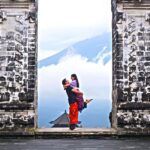
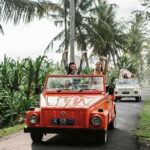
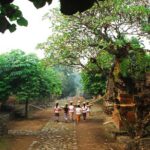
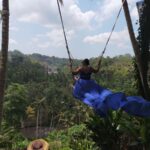
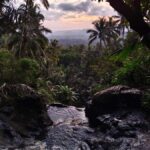
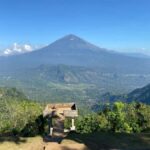
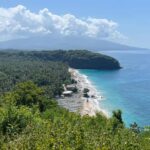
Pedaling through Sidemen feels like a postcard. On this ride, you go from working rice terraces to the cool splash of Gembleng Waterfall, with culture stops that feel real, not staged.
I especially love the mix of rural cycling and hands-on village visits, and the guide storytelling that turns everyday scenes into something memorable. You’ll also get a proper break with local coffee at a warung.
One watch-out: the route includes some hills, and the meeting spot can be confusing if you arrive late or you’re not looking carefully.
In This Review
- Key highlights at a glance
- Why Sidemen Valley cycling works so well
- Getting to the start: Side Wash Laundry Express
- The ride: rice terraces, village roads, and a few testing hills
- Sidemen Village stops: photos, temples, and guided stories
- Gembleng Waterfall: the payoff stop (and how to enjoy it)
- Arak-making demonstration: a culture stop with real flavor
- Warung coffee break: simple, local, and actually memorable
- Bicycles, helmets, and the small safety details
- Price and value: why around $38 makes sense for 3–4 hours
- Who this tour suits best (and who should skip it)
- Should you book the Sidemen Valley cycling tour with Gembleng Waterfall?
- FAQ
- How long is the cycling tour in Sidemen?
- What is included in the price?
- What is not included?
- Where do I meet the tour group?
- Is there a minimum age for participants?
- What should I bring?
- Does the tour run in bad weather?
Key highlights at a glance
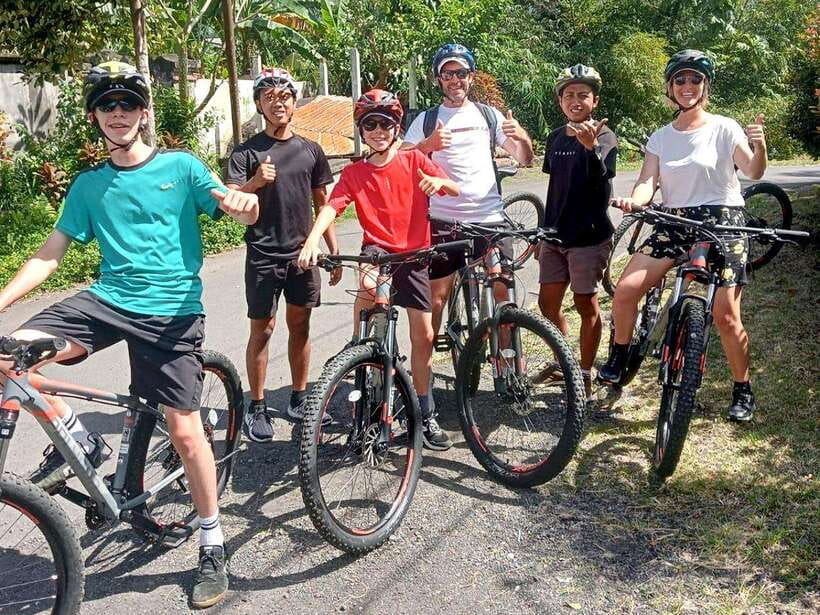
- Sidemen Valley rice-terrace riding on quiet roads, with gentle hills mixed in
- Gembleng Waterfall with time to cool off in the water or just relax by the falls
- Arak-making demonstration led by local craftsmen (donation included)
- Local warung coffee break for a taste of Balinese coffee in a real setting
- Temple stop to soak up a spiritual pause and village atmosphere
- Helpful English-speaking local guide (often Wayan Boy) who points out details along the way
Why Sidemen Valley cycling works so well
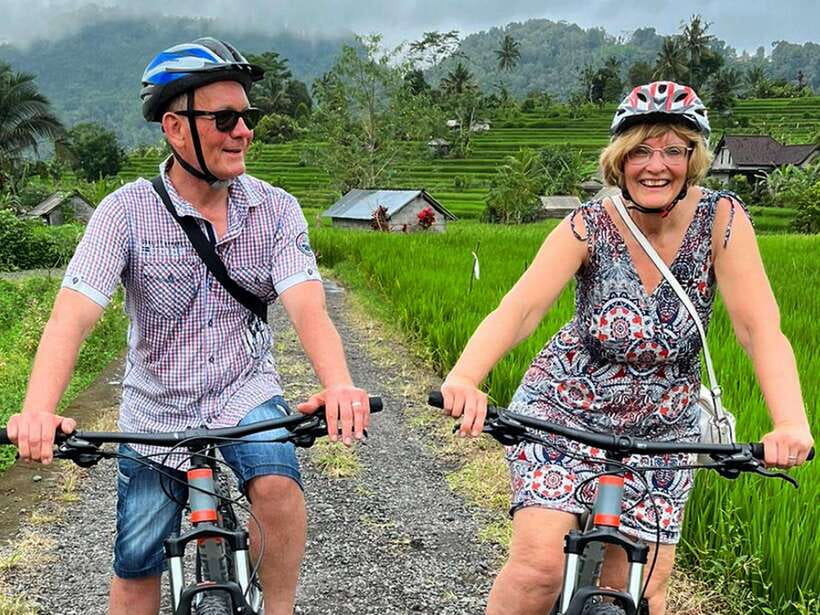
Sidemen is the kind of Bali that doesn’t feel like a theme park. You ride through rice fields where farming is still part of daily life, and the pace stays friendly enough that you can look around without white-knuckle stress.
This tour is built around that rhythm: move on the bike, then slow down for a visit. That balance is what makes it good value. You’re paying for more than a view shot from the road—you’re getting culture stops, a waterfall, and time to talk with people in their everyday spaces.
And you’re not locked into one “hard workout” mindset either. The terrain includes some gentle hills and occasional slopes, but it’s the kind of effort you can manage if you bring the right expectations and good shoes.
You can also read our reviews of more tours and experiences in Karangasem Regency.



Getting to the start: Side Wash Laundry Express
The biggest practical issue here is simple: the starting location isn’t super obvious. Your best move is to find Side Wash Laundry Express on Google Maps and go directly there. The meeting point is next to the laundry, about 2 meters away, so scan for that area rather than waiting on a distant street corner.
I’d also plan to arrive early. Even if you’re on time, it can take a few minutes for the bikes and guide to line up, and you don’t want to start your ride feeling rushed.
Once you meet up, you’ll get safety gear and a quick briefing before rolling out. That helps a lot, especially if you’re not used to biking on mixed rural roads.
The ride: rice terraces, village roads, and a few testing hills

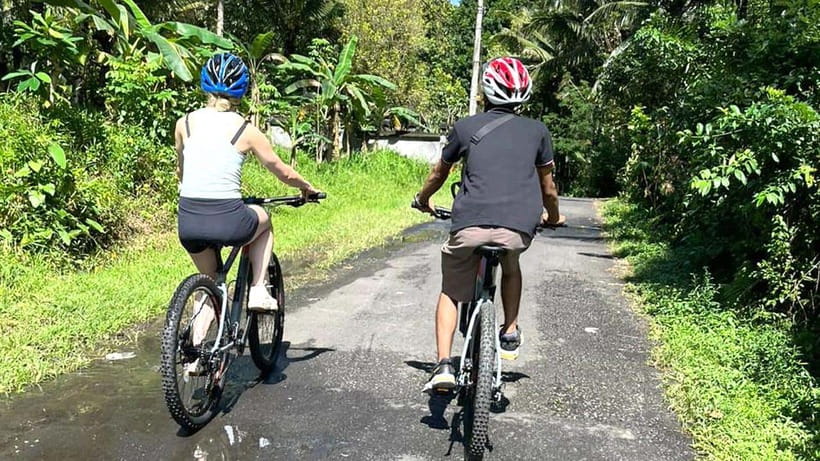
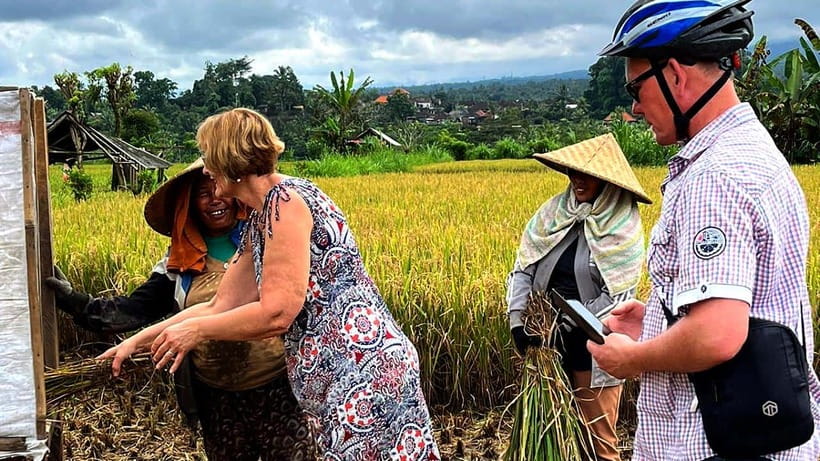
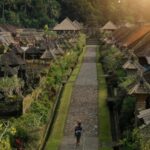
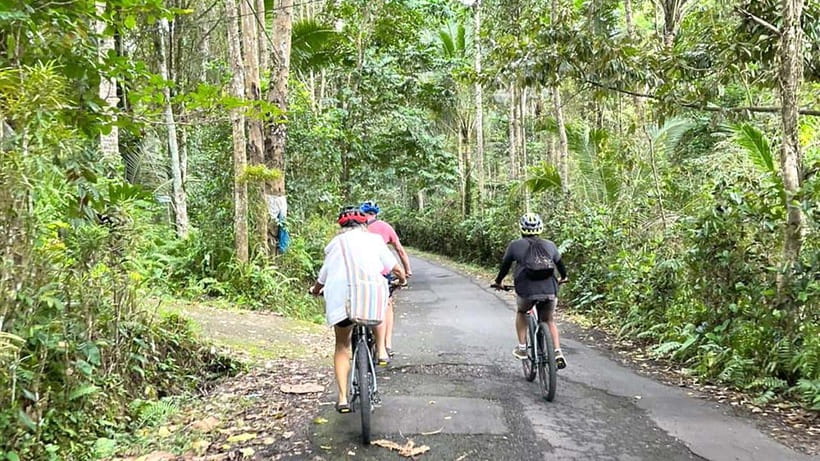
The heart of the experience is the cycling itself: lush rice terraces, village lanes, and the kind of quiet road where you can actually notice birds and plants. The route is a mix of flat stretches and gentle hills, so it won’t feel like a constant climb.
There are occasional steep moments. Older cyclists may find that a few slopes are challenging, but the good news is practical: you can walk the bike up if needed. That turns a “hard barrier” into a normal part of the day.
One neat detail you might catch is how attentive the guide can be to wildlife. I’d keep an eye out for moments like the flight of a striking blue Javanese kingfisher, especially when you’re stopped for photos or passing through open field edges. These small “look closer” cues are what separate a boring ride from a memorable one.
Sidemen Village stops: photos, temples, and guided stories
The day includes time in Sidemen Village, and it doesn’t feel like you’re just dropped off for a quick look. You’ll have a break with photo time and guided sightseeing, plus welcome refreshments to get you settled after picking up the bike.
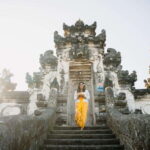
Then comes a stop at a sacred temple. Even if you’re not a big “temple person,” this pause helps you understand the area beyond rice fields and roads. You’ll get a chance to take in the spiritual atmosphere and learn about the island’s cultural heritage from your guide’s explanations.
This is also where the guide’s personality really matters. One guide name you’ll likely hear is Wayan Boy, and the role he plays seems consistent: he shares stories and points out what’s going on around you, instead of treating the ride like a simple transport between stops.
Gembleng Waterfall: the payoff stop (and how to enjoy it)
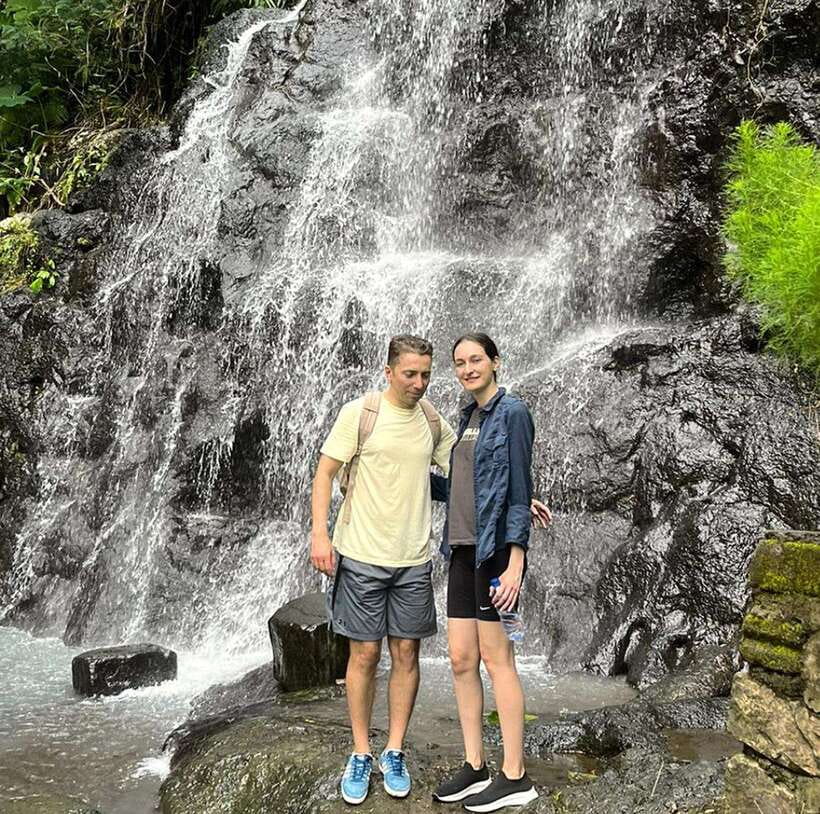
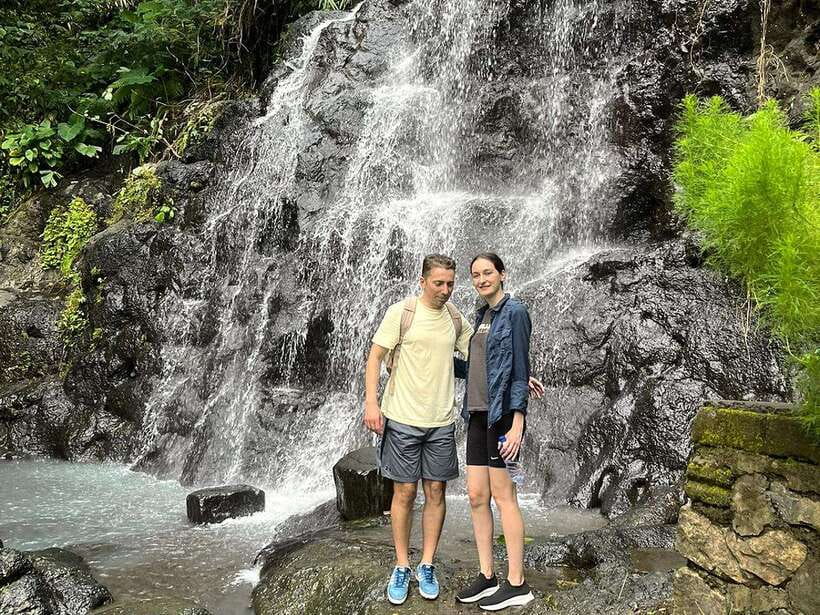
Gembleng Waterfall is the moment that justifies the “cycling tour” part. You spend your effort riding, then you get a real reward: cool water, a break from the sun, and a change of pace.
You can plan to either take a refreshing dip or simply hang out and enjoy the falls. If you do swim, think practicality: bring a plan for shoes and clothing so you’re not stuck with soaking gear for the rest of the ride. Sports shoes are listed for a reason—use them for biking and keep your expectations realistic for water time.
Even if you don’t get in the water, this stop matters. It gives you a sensory reset from the road: cooler air, sound of flowing water, and a more relaxed stretch of time where you can look around without pedaling.
Also pay attention to what’s provided. You’ll have bottled water and cold towels along the way, which helps a lot in Bali heat after cycling.
Arak-making demonstration: a culture stop with real flavor
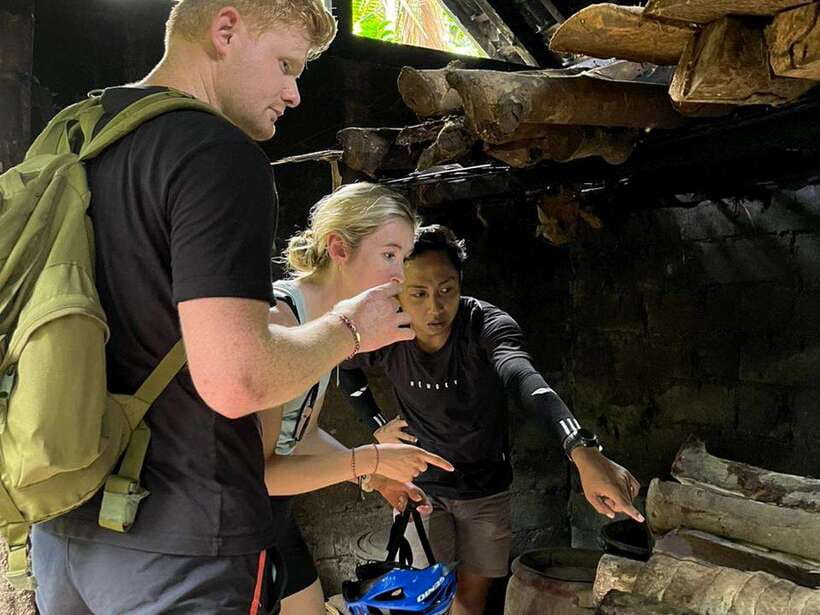
The arak-making demonstration is one of those stops that’s easy to skip if you’re not curious—but it’s exactly the kind of local knowledge that makes a tour like this worth doing. You’ll visit local craftsmen and see the traditional process of making arak, with a donation included.
This is educational in a “watch and ask questions” way, not a lecture you have to endure. Your guide should give context so it makes sense as a part of daily culture and local traditions rather than just an alcohol-related diversion.
If you’re interested in how things are made—food, drink, tools—this will feel more satisfying than another photo stop. And it’s also a good moment to practice respectful curiosity. Keep your questions about process and tradition, and you’ll get the best conversations.
Warung coffee break: simple, local, and actually memorable
The tour includes a coffee break at a local warung, plus tea. This is where you recharge, hydrate, and connect with the everyday side of Bali that you don’t get from a hotel breakfast.
Balinese coffee tends to be strong, and you’ll want to treat this as part of the tour’s pacing, not as an afterthought. I like this kind of stop because it’s short enough to keep the day flowing, but long enough that you’re not just passing through.
It also works as a cultural bridge. You’re sitting where locals sit, drinking what locals drink, and sharing a pause that feels normal rather than performative.
Bicycles, helmets, and the small safety details
You get a bicycle and helmet rental included. For rural rides, that matters more than you’d think. Good bike fit and decent maintenance can turn “this is tough” into “this is fun.”
From the experience perspective, you’ll want to be ready for mixed terrain, so helmet use is non-negotiable. The tour also includes safety gear, bottled water, and a cold towel, plus emergency accident support.
One more detail that makes a difference is guide attention. In a ride with hills and quiet roads, the guide’s job isn’t just leading—it’s watching the group, keeping the route moving, and making sure you understand what’s coming next.
Price and value: why around $38 makes sense for 3–4 hours
At about $38 per person, you’re not paying for a “just bike and goodbye” experience. You’re paying for a local guide, bike and helmet rental, and guided access to multiple activities: Gembleng Waterfall, the arak-making demonstration, a temple stop, and a coffee/tea break at a warung.
When you add up the time commitment and the fact that transport to the meeting point is not included, the structure still feels fair. The cost covers the guide-led parts that are hard to replicate on your own without local planning—especially getting to the arak stop and making sure the day flows smoothly between cycling and visits.
So if your goal is a few hours of real Bali beyond a single viewpoint, this is priced in a way that matches what you get. If your goal is only “easy flat ride and waterfall quick photo,” you might feel it’s more than you need.
Who this tour suits best (and who should skip it)
This is best for travelers who like light-to-moderate cycling with stops. The route has mixed terrain and some gentle hills, so you’ll want to be in good health and comfortable riding for a few hours.
Age-wise, it’s for participants at least 10 years old, and kids under 10 must go with an adult. That makes it possible for families, assuming kids are ready for the activity.
Health and access considerations are important. This tour is not recommended for pregnant women or those with serious medical conditions. It also isn’t suitable for people with back problems or heart problems, and it’s not for wheelchair users.
If you’re on the edge fitness-wise, don’t panic. Just bring realistic expectations, wear good shoes, and remember you can walk the bike up if a slope gets too steep.
Should you book the Sidemen Valley cycling tour with Gembleng Waterfall?
If you want a Bali experience with more than scenery, I think this is a smart pick. You get cycling through rice fields, a temple pause, a waterfall you can cool off in, and a cultural stop that explains arak-making rather than just pointing at something.
Book it if you:
- like rural rides and don’t mind a few hills
- want a guide to explain what you’re seeing in Sidemen
- are interested in local village life and simple food/drink stops
Skip it (or choose something else) if you:
- need fully flat riding
- have back or heart issues, or you’re managing a serious medical condition
- can’t do outdoor cycling or aren’t able to handle the mixed terrain
FAQ
How long is the cycling tour in Sidemen?
The tour lasts about 3 to 4 hours. Starting times can vary, so it’s best to check availability for the exact schedule.
What is included in the price?
You’ll get a professional local guide, bicycle and helmet rental, visits to Gembleng Waterfall, a guided tour of traditional Balinese villages, an arak-making demonstration (donation included), and a coffee break at a local warung. Bottled water, safety gear, a cold towel, and emergency accident support are also included.
What is not included?
Transportation to the meeting point is not included.
Where do I meet the tour group?
Meet at Side Wash Laundry Express. You should come directly to the meeting point, next to the laundry, about 2 meters away.
Is there a minimum age for participants?
Yes. Participants must be at least 10 years old, and children under 10 must be accompanied by an adult.
What should I bring?
Bring sunglasses, a sun hat, camera, sunscreen, sports shoes, cash, outdoor clothing, and sportswear.
Does the tour run in bad weather?
The tour operates in most weather conditions. You should dress appropriately and be prepared for possible rain showers.
If you tell me your fitness level (and whether you’re comfortable with hills), I can suggest whether this tour is a good match or if you should look for a flatter option.