This private Exclusive Ubud Day Tour is a simple way to hit the classic sights with a guide who explains what you’re seeing and lets you shape the day. I especially liked the customized pace—when you want to linger, speed up, or swap priorities, your driver/guide works with you. I also liked that you’re riding in a comfortable air-conditioned car with petrol and parking handled, so the day feels smooth instead of hectic.
What makes it more than a checklist is the people behind it. Guides like Putu and Ella are friendly and welcoming, and you’ll often get real adjustments to the plan (not a rigid script). Others, like Kodrat and Gede, are praised for adapting on the fly and keeping things safe and well organized, while Budi is noted for going above and beyond from pickup to photo help at the best viewpoints.
One catch to plan around: food isn’t included. You’ll want to budget for lunch and snacks, especially because you’re out for roughly 8–12 hours.
In This Review
- Key highlights at a glance
- How this private Ubud day runs from Seminyak
- Tegenungan Waterfall: swim time in a jungle river mood
- Sacred Monkey Forest Sanctuary: temple grounds and a holy reserve
- Tegalalang Rice Terrace: engineered scenery, real farming life
- Satria Coffee Plantation: taste Luwak coffee and the human story
- Kintamani and the Mt Batur rim: caldera views with Lake Batur
- The guides are the real value: Putu, Ella, Kodrat, Gede, and Budi
- Price and what $25 really buys you
- What to bring so the day doesn’t feel rushed
- Who this tour fits best (and who might want something else)
- Should you book this Exclusive Ubud Day Tour?
- FAQ
- What’s the price and duration of the Exclusive Ubud Day Tour?
- Where does the tour take place?
- What time does the tour start?
- Is pickup available?
- Does the tour include admission tickets?
- Is food included?
- What should I bring?
- Can I cancel for a full refund?
Key highlights at a glance
- Private, flexible day tailored to what you actually want to see
- Air-conditioned pickup and safe driving from Seminyak
- Tegenungan Waterfall swim option with a jungle vibe and a relaxed pace
- Monkey Forest + rice terraces for temple-and-farming culture in one stretch
- Coffee plantation tasting with the Luwak story and tea samples
- Kintamani/Mt Batur views from the caldera rim, with Lake Batur in sight
How this private Ubud day runs from Seminyak
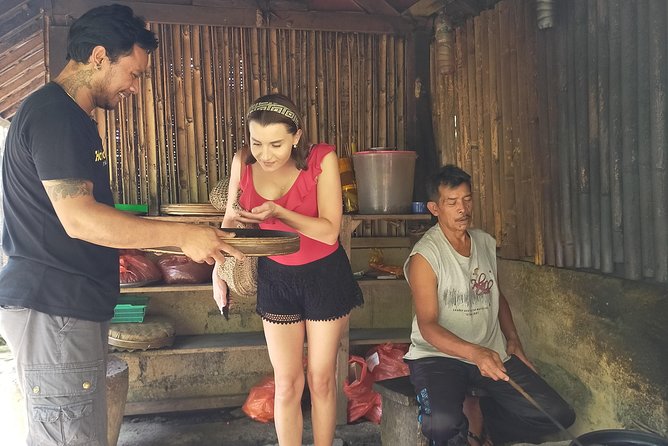
The tour starts at 8:00 am and typically lasts about 8 to 12 hours. It’s private, meaning it’s only your group, not a big mixed crowd schedule. That matters in Bali, where traffic, weather, and crowd levels can swing hour by hour. A private setup makes it easier to slow down for photos or switch things up if you’re more interested in culture than shopping (or the other way around).
Your guide/driver includes the basics that make a day like this feel low-stress: a driver/guide, petrol, car parking fees, and an air-conditioned vehicle. A “mobile ticket” is mentioned, and you get confirmation at booking time. What you should bring is simple: sunscreen, and if you’re interested in cooling off, a swimsuit for the waterfall stop.
The other thing to know is that the tour is built around major Ubud-area favorites—but the time you spend at each place is up to you. Your guide is there to provide background and cultural context, but the day won’t feel like you’re being rushed through without explanations.
You can also read our reviews of more tours and experiences in Seminyak.



Tegenungan Waterfall: swim time in a jungle river mood
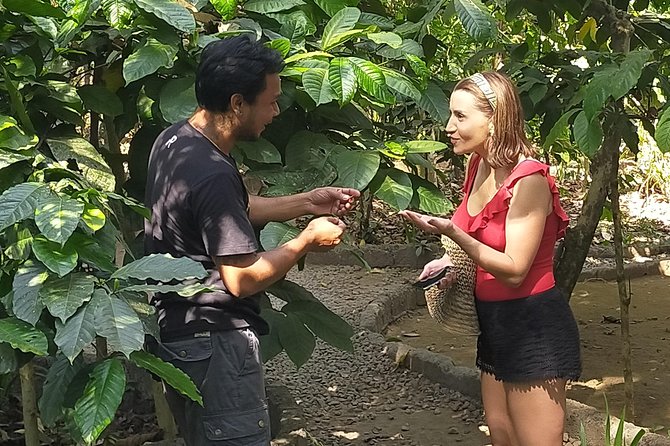
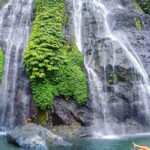
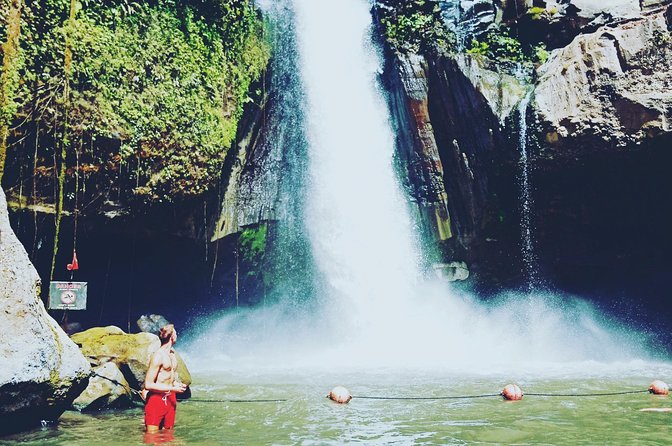
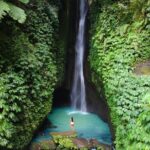
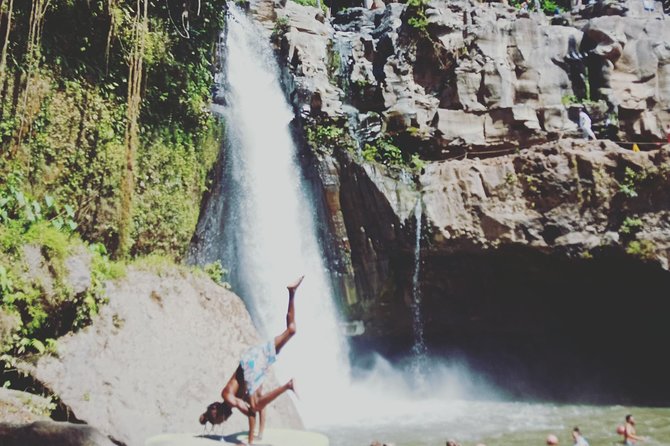
Tegenungan Waterfall is the kind of place you’ll remember because it’s both scenic and human-scaled. It’s described as clean and pristine, and the big draw is that you can relax, cool off, and swim in the natural river area. The good news: it’s presented as perfectly safe.
You should also expect a lively local scene. You might share the water with local kids, and that can actually turn into one of the most fun parts of the day—less “touristy photo moment,” more “shared moment in a real place.” Even if you skip swimming, you still get the core experience: a waterfall setting with that classic tropical Bali feeling.
Timing-wise, you get about an hour here. That’s enough for a dip, photos, and a slow wander without feeling like you’ve lost the day to one stop. Since entry is listed as free for this stop, your main costs are what you choose to buy (like drinks) or spend your time on afterward.
Quick tip: if you do plan to swim, bring a way to keep your phone/camera secure while you’re in the water. The tour doesn’t list gear or towels, so you’ll want to come prepared.
Sacred Monkey Forest Sanctuary: temple grounds and a holy reserve
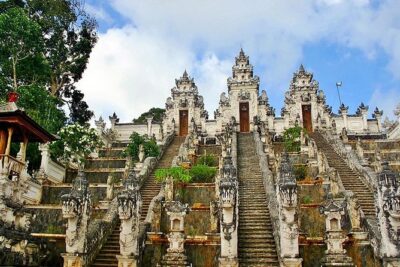
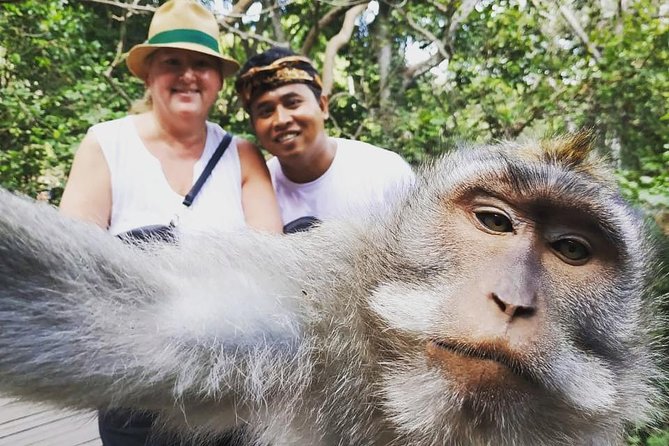
Next up is the Sacred Monkey Forest Sanctuary, one of the most famous Ubud sights for a reason. It’s not just “monkeys in a park.” The grounds include stone carvings, caves, the temple, and jungle-style paths, and it’s a protected reserve considered a holy place for Balinese people.
You’ll get about one hour to stroll through the sanctuary at your own pace. This stop tends to be the best kind of busy: you’re moving through a place with history and meaning, not just lining up behind a single viewpoint.
The value here is understanding what you’re looking at. A good guide helps you connect the temple setting and the protected nature of the reserve with Balinese beliefs, so it becomes more than wildlife watching. It’s also a strong photo stop, but the more interesting win is seeing how the space mixes nature, worship, and art.
Entry is listed as free for this stop too, so you can focus money on experiences later in the day—like coffee tasting and gifts.
Tegalalang Rice Terrace: engineered scenery, real farming life
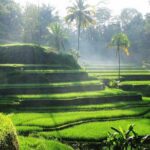
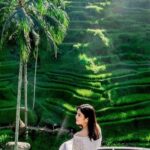
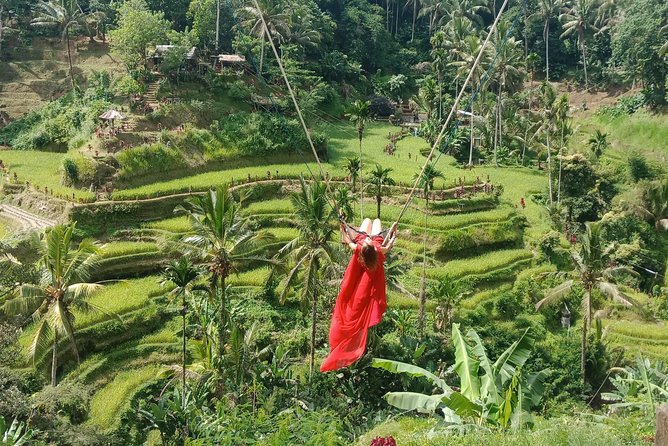
If you’ve seen Bali photos of sweeping terraces, Tegalalang is the one that comes to mind. This stop is presented as an example of “engineered landscapes,” and I like thinking of it as a lesson in how people reshape land to make farming work.
You’ll have about one hour here, and it’s framed as more than scenery. The guide focus is on what the terraces mean to Balinese life: a peek into how rice growing shapes daily rhythms, community effort, and an ongoing relationship with nature.
In practical terms, rice terraces are also a good “walking break” between heavier stops. You get to slow down, breathe, and reset your eyes after waterfall and temple areas. If you want photos, this is where you’ll naturally take a lot of them—just remember your time is limited, so decide what you want most: a wide view from above, or a closer feel for the terraces themselves.
Since entry is listed as free here, your “cost” is mostly time and attention. Spending that attention well is what turns it from a quick photo stop into a real memory.
Satria Coffee Plantation: taste Luwak coffee and the human story
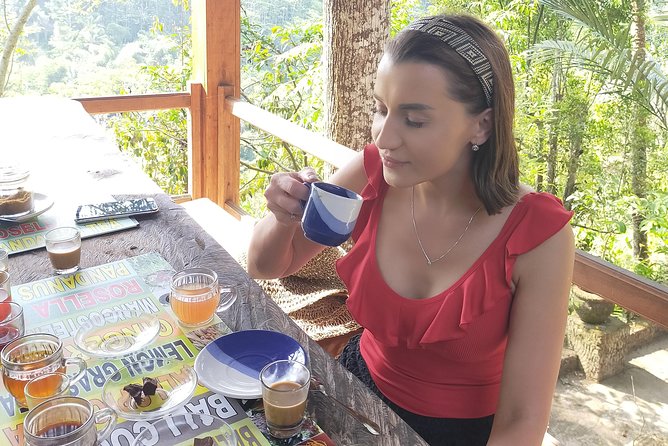
After the rice terraces, the day shifts into flavors. At the Satria Coffee Plantation, you learn how Luwak coffee was discovered and perfected by Balinese people. The story is not sugar-coated: it includes oppression, necessity, and brilliance.
That mix matters. A lot of coffee plantation visits stop at the tasting. Here, the tour is positioned as explaining the cultural and historical background behind the product, and that makes the tasting feel connected to people’s lived experiences rather than like a random souvenir stop.
You’ll have about one hour at the plantation, with a chance to taste coffee and also sample Bali teas. If you want to bring something home, it’s an opportunity to purchase your own—good for friends, family, or simply for you as a tasty reminder of the day.
One practical caution: Luwak-style coffee is often priced higher than regular coffee in general, and this stop is described as associated with the “most expensive coffee in the world.” So if you’re budget-minded, treat tasting as your priority and shop only if you find something you genuinely want.

Kintamani and the Mt Batur rim: caldera views with Lake Batur
Kintamani is where your day lifts into big-sky territory. It’s described as serene and fresh, with scenic sites and breathtaking views from the rim of Mt Batur’s caldera. You can see Lake Batur, and on clear days the broader volcanic scenery around the area can also impress.
You get about one hour here, and that timeframe makes sense. Kintamani is a “pause and look” stop. You’re not trying to cover a bunch of attractions; you’re taking in the volcanic geography and letting it change how you think about Bali beyond the beaches.
Also, while Kintamani is noted as one of Bali’s popular tourist hotpots, it still lands as a worthwhile stop because of the view. A guide who knows how to time your arrival can make the difference between a quick glance and an actually enjoyable moment.
If you like photographing dramatic terrain, this is the spot. If you prefer something calmer, it’s still a great reset after active stops like monkeys and swimming.
The guides are the real value: Putu, Ella, Kodrat, Gede, and Budi
A tour can list five stops and call it a day. What you’re paying for here is the human factor: a local guide who explains and adapts.
In the feedback tied to this experience, guides show up with a consistent pattern:
- Putu and Ella are credited with making guests feel welcomed and keeping the day fun, from rice fields to Monkey Forest and coffee.
- Putu is also praised for adjusting the plan when someone wanted a very different direction, including an option to visit a family village. That kind of detour is the difference between seeing Bali and learning Bali.
- Kodrat is noted for real customization and well-organized routing, plus safe driving.
- Gede stands out for communication and flexibility, even when stops change.
- Budi is recognized for going above and beyond from pickup to drop-off, and for helping make the day special through details like photo support.
If you want an authentic-feeling day, this matters. You get more than “where to stand.” You get people who understand what each place means and can help you spend your time in the places that fit your interests.
Price and what $25 really buys you
At $25 for a private full-day experience, the value is mostly about what’s included. Your package covers:
- Driver/guide
- Petrol
- Car parking fees
- Comfortable air conditioning
- And the major listed stops are marked as Admission Ticket Free
That combo is what makes the price feel surprisingly reasonable. Many Bali experiences either charge heavily for entry tickets or separate transport fees from the experience itself. Here, the structure keeps the day’s costs from ballooning—assuming you’re okay with meals being your responsibility.
The main cost you’ll control is food. Since meals aren’t included, you should plan on buying lunch and snacks yourself. The upside is you can choose what fits your taste—something local, a lighter meal, or a calmer sit-down break.
Also, souvenirs can become a quiet budget sink. Coffee tasting is included in spirit (taste and teas), but purchases are optional, and luwak coffee can be pricey. If you come with a budget for what you want to bring home, you’ll stay in control.
What to bring so the day doesn’t feel rushed
The tour gives a couple clear “bring this” points, and you’ll be glad you listened:
- Sunscreen (high priority in Bali)
- Swimsuit if you want to swim at Tegenungan
Beyond that, think about comfort. You’re out for roughly half a day, often across multiple different environments—waterfall area, temple grounds, rice terraces, and viewpoint spots. You’ll want to dress in a way that lets you move easily and stay comfortable as your schedule shifts.
If you’re sensitive to bright light or want better photos, sunglasses help, and a hat can be useful at open viewpoint areas. Those aren’t listed facts—but they’re practical common sense for a day starting at 8:00 am and ending with volcanic scenery.
Who this tour fits best (and who might want something else)
This is a great match if you:
- Want a private day without the hassle of building your own route
- Like having a guide explain what you’re seeing, not just handing you a map
- Want a mix of nature, culture, and viewpoints in one day
- Appreciate flexibility, since the plan can be adjusted around your preferences
It’s also smart for travelers who don’t want a “too much, too fast” feeling, because the order of stops is set but the time at each point is flexible.
You might consider a different style of tour if you’re very food-focused and don’t want to think about lunch and snacks at all. Since food isn’t included, you’ll be making those decisions yourself.
Should you book this Exclusive Ubud Day Tour?
If you want an efficient, private Ubud day that feels like it’s guided by real local knowledge (and not just a fixed bus itinerary), I’d book it. The strongest reasons are the combination of customization, comfortable transport, and the variety of stops—waterfall swim time, a holy monkey forest walk, rice terraces for farming context, coffee tasting with a story, and volcanic views at Kintamani.
The one real planning item is meals. If you can handle that—pack snacks or budget for lunch—this tour looks like a solid deal for seeing a lot without sacrificing comfort or local insight.
If you do book, do one thing that makes the day better: tell your guide what you care about most before you arrive. You’ll get the best results when the day’s priorities match your mood.
FAQ
What’s the price and duration of the Exclusive Ubud Day Tour?
The tour is priced at $25 and lasts approximately 8 to 12 hours.
Where does the tour take place?
The tour is based in Seminyak, Indonesia, with stops around the Ubud area.
What time does the tour start?
The start time is 8:00 am.
Is pickup available?
Yes, pickup is offered.
Does the tour include admission tickets?
Admission is listed as free for the stops included in the tour.
Is food included?
No. Food and meals are not included.
What should I bring?
The tour recommends bringing sunscreen. If you plan to swim at Tegenungan Waterfall, bring a swimsuit.
Can I cancel for a full refund?
Yes. You can cancel up to 24 hours in advance for a full refund. If you cancel less than 24 hours before the experience’s start time, you won’t receive a refund.