Bali’s cemetery tells a different kind of story. This Trunyan trip mixes Trunyan Cemetery insight with a traditional boat ride, plus big views before you reach the village.
What I liked most was the personal, in-the-weeds cultural lens you get from a guide who actually grew up there, including Yansu. I also love the timing: you first stop at Penelokan for a sweeping look at Lake Batur and Mt. Batur, so the day feels more than a single, heavy visit.
One caution: this is open-air and you may see human remains, so it’s not the kind of outing for everyone, especially if you dislike anything related to death rituals.
In This Review
- Key things to know before you go
- From Your Lobby to Terunyan’s Volcanic Road
- Penelokan Village Viewpoint: Lake Batur and Mt. Batur First
- Entering Terunyan: Meeting the Bali Aga Community
- The Burial Philosophy: No Cremation, a Cyclical View of Life
- Understanding Akan Saji: Bamboo Cages Under Taru Menyan
- The Open-Air Cemetery Visit: What It Feels Like and How to Handle It
- The Traditional Boat Ride Back to the Jetty
- Price and What You’re Really Paying For (About $35)
- Who This Tour Suits Best
- Tips for a Smooth, Respectful Visit
- Should You Book This Trunyan Cemetery Experience?
- FAQ
- Where does the Trunyan Cemetery tour start and end?
- What’s included in the price?
- Is there a boat ride?
- What should I bring?
- Will I see human remains?
- Is food included?
- What language is the guide?
- Who should not book this tour?
Key things to know before you go
- Guided by a Terunyan insider (Yansu): explanations are grounded in village life, not a scripted lecture.
- Penelokan viewpoint first: you get a proper look at Lake Batur and Mt. Batur before heading into Terunyan.
- Bali Aga burial customs: Terunyan is Bali’s older community, known for a very different approach to death.
- Taru Menyan + bamboo cages: learn how akan caging works under the Taru Menyan tree (the naming connection is part of the story).
- Return boat ride: you’ll be back at the Trunyan Boat Jetty at the end.
- Skull Island stories may come up: since you’re on the water, your guide may point out regional landmarks and local references.
From Your Lobby to Terunyan’s Volcanic Road
The day starts with hotel pick-up in an air-conditioned mini van. You’re not just getting to a place; you’re traveling through a very Balinese “see and learn” route. The drive heads along scenic roads with volcano country in the background, and your guide fills in cultural context as you go.
This matters because Terunyan isn’t a tourist site in the normal sense. It’s a living village with beliefs that shape daily life, including how people handle family members at the end of life. If you show up without that framing, you can miss what’s actually important.
Practical note: the route can start from different parts of Bali. The drive to Penelokan is about 1 hour from Ubud and around 1.5 hours from the south of Bali, so plan your comfort for a longer-than-city drive.
You can also read our reviews of more tours and experiences in Lake Batur.

Penelokan Village Viewpoint: Lake Batur and Mt. Batur First
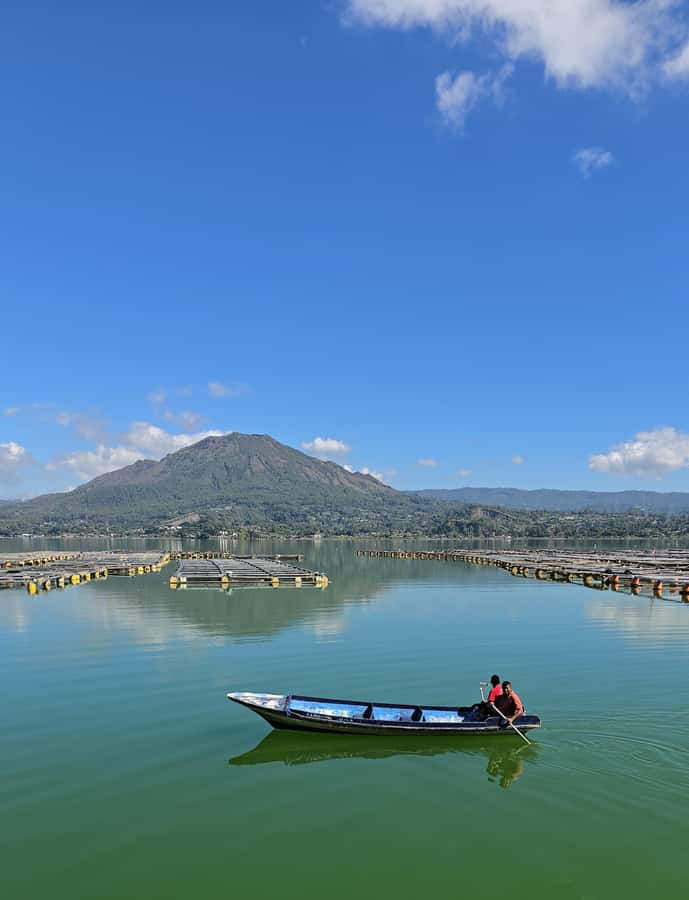
Your first real stop is Penelokan Village, where you get an amazing viewpoint over Lake Batur and Mt. Batur. This is a smart sequencing choice. Before you encounter the cemetery, you’re given a landscape context: crater rim views, volcano scenery, and the sense of place that Terunyan sits inside.
You’ll also appreciate this stop if you’re the type who likes photos, because it gives you a “before” memory. Later, your photos will shift from scenery to ceremonies, and you’ll be glad you captured that opening view.
What to watch for: weather and sun. A viewpoint can get hot fast, and the rest of the day is active and outdoors. Wear comfortable clothes and shoes you can walk in. Bring a camera, since you’ll want to document both the view and the village life.
Entering Terunyan: Meeting the Bali Aga Community
After Penelokan, it’s about 30 minutes to the main area of Terunyan. Once you arrive, you’ll visit the main temple of Terunyan. There’s one timing caveat worth knowing: the temple may be closed once a year during a special time on the Balinese calendar. If that happens, don’t expect the visit to look exactly like a standard temple stop. Your guide will adjust.
The big difference here is that you’re not just looking at a cemetery from the outside. You’re brought into a place where locals live a more traditional style of life. Terunyan is known as the oldest village in Bali and is also associated with the Bali Aga people.
That word matters. The point isn’t that it’s old for bragging rights. The point is that traditions here have been maintained and explained through generations, not reinvented for visitors. When your guide is from the village, those explanations come with everyday meaning.
The Burial Philosophy: No Cremation, a Cyclical View of Life
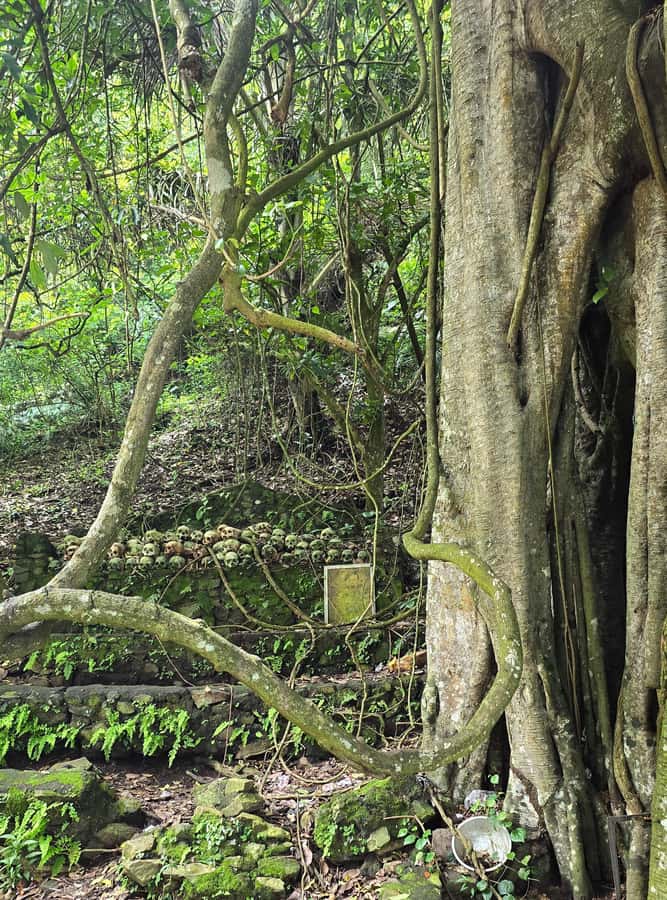
One of the most striking parts of this experience is learning that the Trunyanese do not cremate their dead. Instead, after a cleansing ritual, the body is placed in a bamboo cage called ancak saji and positioned under the Taru Menyan tree.
Here’s the key idea I keep coming back to: this is a death ritual framed as a cycle, not an ending. In many cultures, death is treated as something to hide or contain. In Terunyan, death is handled through a ritual sequence that connects family, nature, and time.
Taru Menyan means nice-smelling tree, and the tree is said to emanate a scent that helps neutralize the smell of rotting bodies. Even if you don’t think much about it in advance, this detail changes how you interpret what you see next: the practice includes a relationship with the environment, not just a burial method.
Understanding Akan Saji: Bamboo Cages Under Taru Menyan
The cemetery setup is one of the reasons the experience feels so unusual. Bodies are placed in bamboo cages, locally known as ancak saji, and these cages are set under the Taru Menyan tree.
There are also rules about who is placed in bamboo cages. The information you’ll hear is that only the bodies of married people are placed in the cages. That’s a practical, culturally specific detail, and it signals that this is not a one-size-fits-all burial. It’s tied to social roles and life stages as the community understands them.
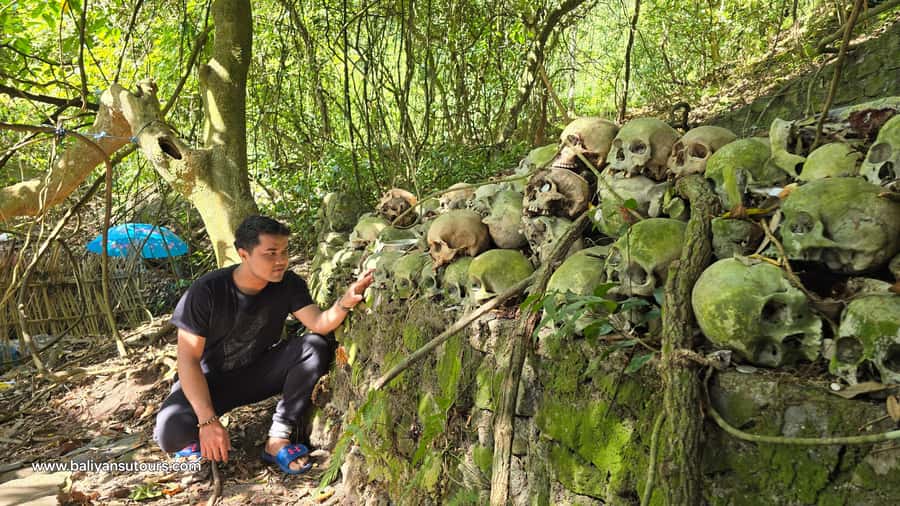
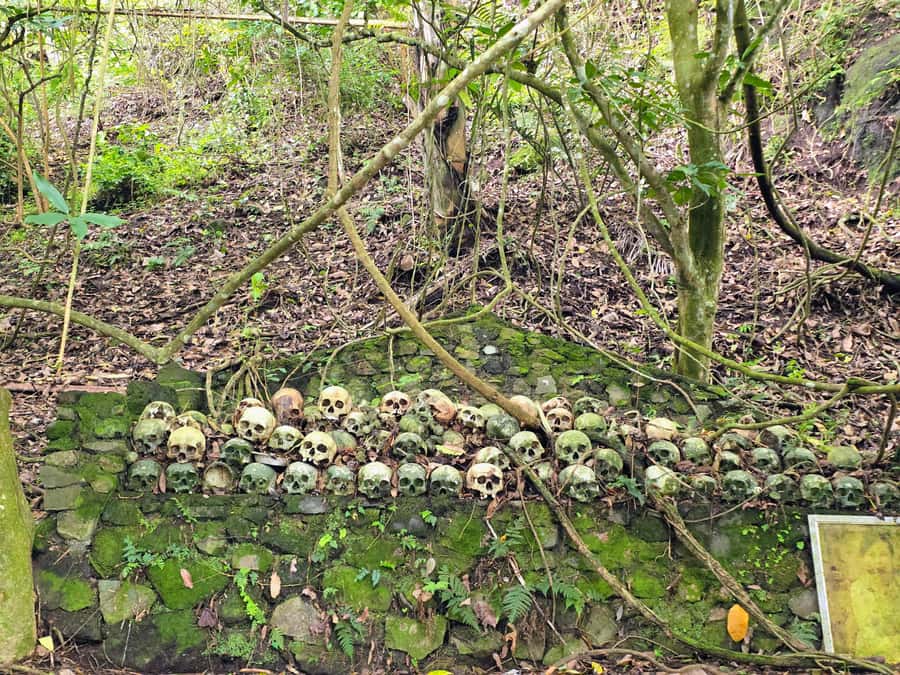
As you look around, you may notice how the cemetery is in the open air. The elements take over the natural process over time. That can be emotionally intense, but it also explains why the ritual feels less like a sealed structure and more like a planned encounter with nature.
The Open-Air Cemetery Visit: What It Feels Like and How to Handle It
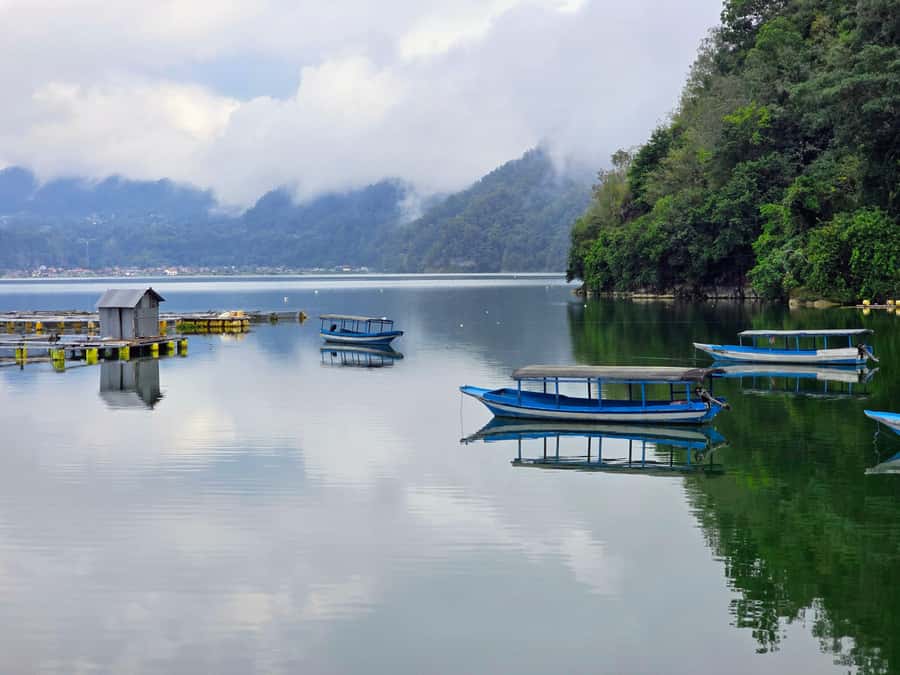
This is the core moment: exploring Trunyan Cemetery and taking in what makes it legendary. You’ll likely walk a short distance, so comfortable shoes are a must. You should also be prepared for the fact that you may see human remains. That’s not a scare tactic; it’s simply part of what this experience is.
My advice is to go in with a respectful mindset and a little emotional bandwidth. Don’t treat it like a quick photo stop. Let the guide set the pace. If you get uncomfortable, you can step back and watch rather than stare.
It also helps to remember the reason for your presence. The cemetery visit isn’t just about shock value. It’s meant to show how a Balinese village carries its beliefs through daily reality—especially the part of life that most cultures avoid discussing openly.
If you’re prone to anxiety around death-related sights, this is where you decide whether to keep going. You’re not obligated to force yourself through. Your comfort and your mental health come first.
The Traditional Boat Ride Back to the Jetty
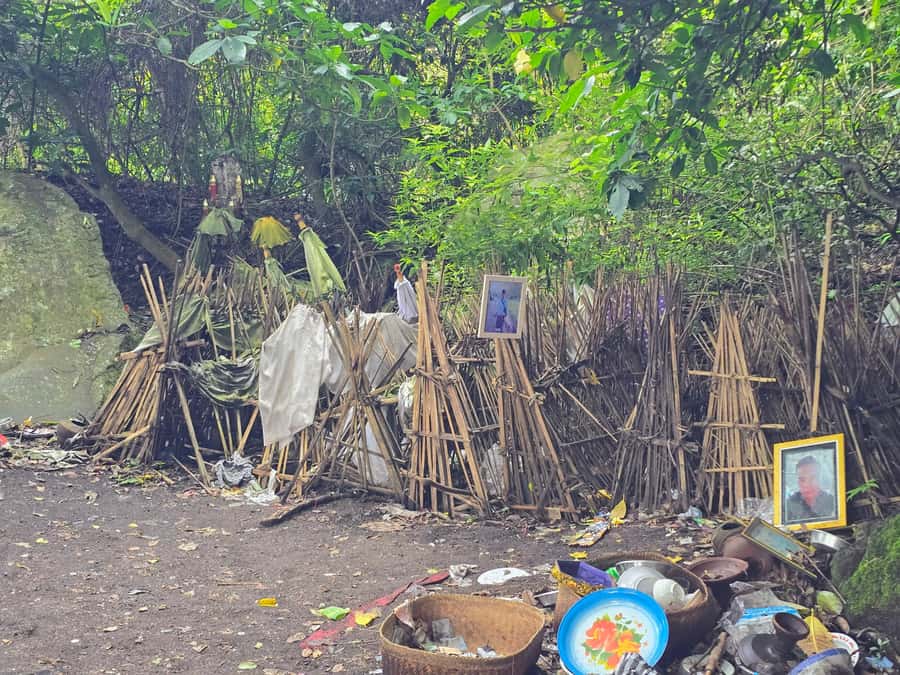
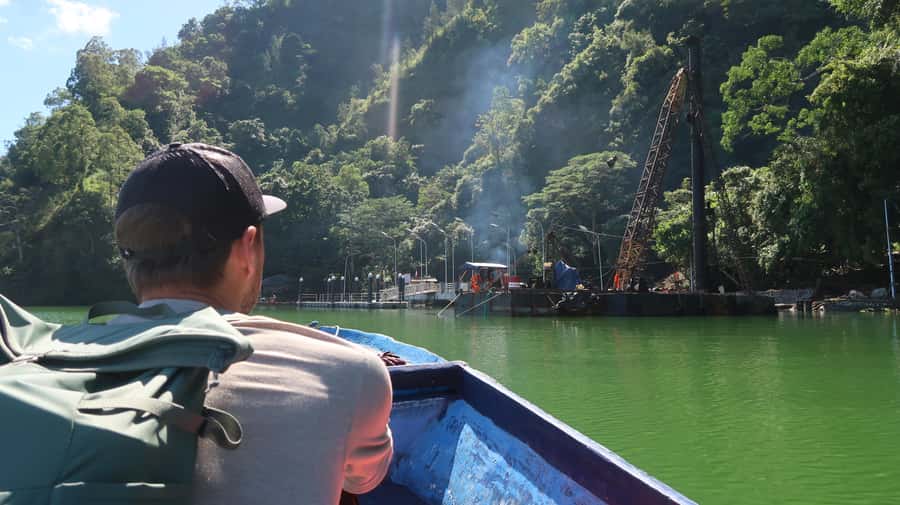
You’ll include a return boat ride, and the activity ends back at the meeting point: Trunyan Boat Jetty. The water transfer is not only practical. It’s also a reminder that Terunyan is shaped by its geography, and the daily routines of locals include life on and around the water.
Because this is a cemetery experience, the boat ride adds an emotional reset. After processing something heavy, you get time to breathe, look around, and listen to what your guide connects on the water.
One highlight mentioned for this experience is Skull Island in Bali. Your day centers on Trunyan, but since the boat ride is part of your route, your guide may share local references to nearby landmarks and legends while you’re out on the water. If that’s important to you, ask your guide what you’ll see from the boat before you board.
Price and What You’re Really Paying For (About $35)
At $35 per person, the value is mainly in what’s bundled. You’re getting:
- Hotel pick-up and drop-off
- An air-conditioned mini van
- All entry tickets
- A local tour guide
- A return boat ride
That combination is why this price can feel fair. You’re not cobbling together separate transport, guides, tickets, and boat logistics on your own. You also aren’t just paying for access. You’re paying for context from a local guide who understands how to explain the cemetery without turning it into a spectacle.
What’s not included is also useful to know: food and drinks are not provided, and personal expenses (and documentasi, meaning photo/documentation services) are not included either. So budget for your own day snacks or drinks if you want them, and keep some cash ready for extras.
Who This Tour Suits Best
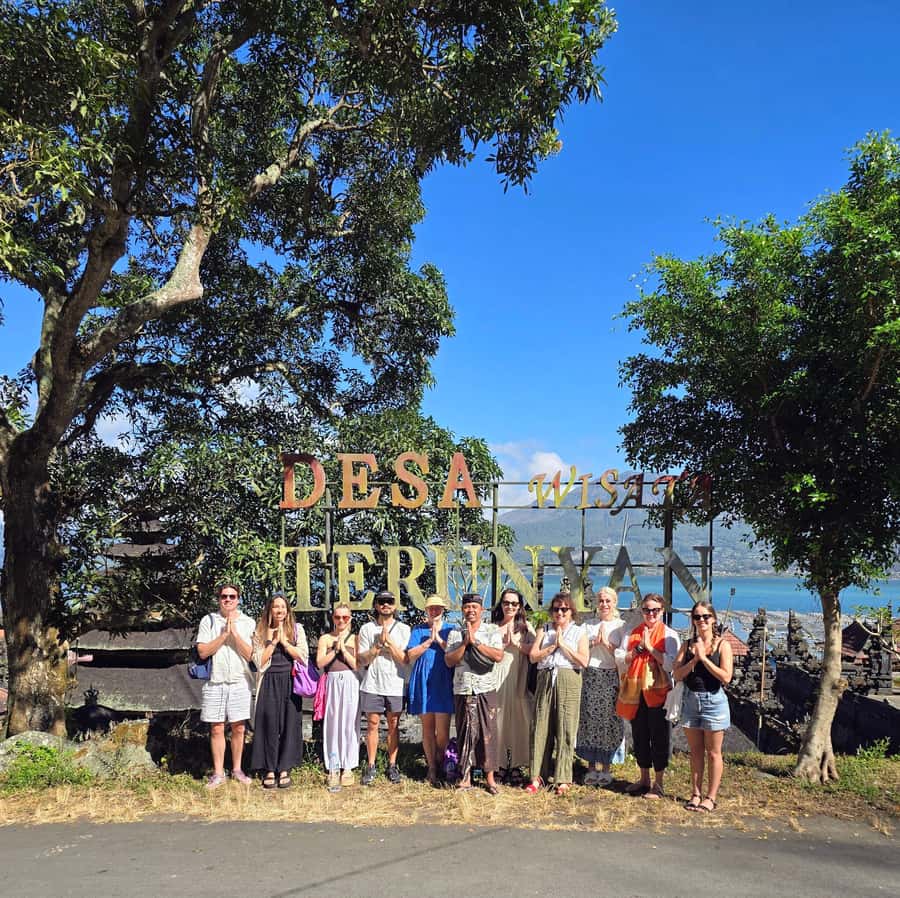
This experience is ideal if you:
- Want real cultural context and explanations tied to local life
- Like being guided by someone from the community, like Yansu
- Are comfortable with open-air history and outdoors cemetery settings
- Enjoy mixing viewpoints with cultural visits, since you’ll get Lake Batur and Mt. Batur first
It may not suit you if you have concerns about death-related sights. It’s also not suitable for:
- Pregnant women
- Wheelchair users
- People with epilepsy
- People over 75 years
And if you’re sensitive to unpleasant environments, remember this cemetery is open air by design. The Taru Menyan tree is said to neutralize smell, but your own comfort matters.
Tips for a Smooth, Respectful Visit
If you want this day to feel thoughtful rather than stressful, here are the practical steps that help:
- Wear comfortable shoes. There’s a short walk required.
- Bring a camera, but also plan to spend time looking without photographing.
- Use comfortable clothes for heat and outdoor time.
- Expect a guided, culturally focused pace. You’re there to understand, not just to pass through.
Also, since the guide speaks English and Indonesian, if you want deeper detail, stick to clear questions. Your guide’s role is to explain village life and the cemetery’s meaning, and the best conversations come when you guide the conversation.
Should You Book This Trunyan Cemetery Experience?
If you want the kind of Bali experience that doesn’t feel like a theme park, this is a strong choice. I think it’s especially worth it when the guiding voice is from Terunyan itself, like Yansu, because the cemetery story becomes understandable instead of just shocking.
Book it if you’re comfortable with open-air burial practices and you can handle seeing human remains. If that’s a hard no for you, or if you’re dealing with health limits like epilepsy or mobility needs, it’s best to skip this one and choose a different cultural tour.
If you do book, go with respectful curiosity. Let the day be about meaning, not just photos. That’s when Trunyan hits hardest.
FAQ
Where does the Trunyan Cemetery tour start and end?
It starts at the Trunyan Boat Jetty and ends back at the same meeting point.
What’s included in the price?
The tour includes hotel pick-up and drop-off, an air-conditioned mini van, all entry tickets, a local tour guide, and a return boat ride.
Is there a boat ride?
Yes. A return boat ride is included in the experience.
What should I bring?
Bring a camera, comfortable clothes, and comfortable shoes.
Will I see human remains?
Yes, seeing human remains is part of the experience.
Is food included?
No. Food and drinks are not included.
What language is the guide?
The tour is guided in English and Indonesian.
Who should not book this tour?
It is not suitable for pregnant women, wheelchair users, people with epilepsy, and people over 75 years old.