One day, Bali’s sacred water and countryside markets. This private route from Nusa Dua strings together Gianyar’s morning Farmer Market and holy sights like Tirta Empul, with countryside stops that feel a lot less like a conveyor belt. I like the way you get a calmer pace with a dedicated driver and an air-conditioned vehicle, so you can actually enjoy the scenery instead of just watching it from a bus.
My favorite part is the temple rhythm with Agus Bali Private Tours—first you learn about the site with a licensed guide, then you join the water blessing ritual. One thing to consider: the big-ticket sights have separate admission fees, lunch is on you, and the waterfall stop means you should be ready to get wet.
In This Review
- Key highlights at a glance
- A private Bali countryside day that doesn’t feel like a script
- Morning start: Gianyar Farmer Market and how locals actually shop
- Tirta Empul: holy spring water blessing, with clear temple guidance
- Rice terrace photo time: Tegalalang and Ceking without the hard sell
- Kanto Lampo waterfall: the moment you should bring a change of mindset
- Lunch at a local warung: what’s included and what isn’t
- Seribatu village: herbs, plants, and the coffee process
- Gianyar street night market: a final taste of daily life
- What you’re really paying for: value at $65 per person
- How to pack and plan so the day feels easy
- Who should book this, and who might want to skip it
- Should you book Agus Bali Private Tours?
- FAQ
- How long is the tour?
- Where does the tour operate?
- Is transportation included?
- Do I need to pay for entrance tickets?
- Is lunch included in the price?
- Is this a private tour or a group tour?
- Are there any restrictions on who can join?
- What if the weather is bad?
Key highlights at a glance
- Private, air-conditioned transport for a full day of village hopping around Gianyar
- Gianyar Farmer Market time to see daily local routines up close
- Tirta Empul purification ritual with a sarong provided for temple entry
- Kanto Lampo + Beng village waterfall time where you may get soaking wet
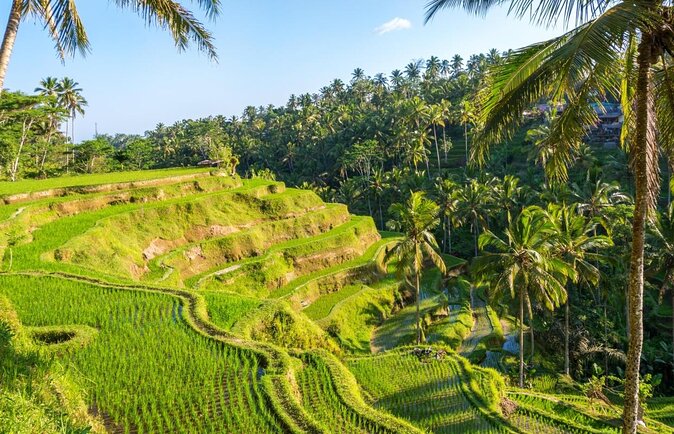
- Rice terrace photo stops at Tegalalang and Ceking
- Seribatu village plantation visit to learn about herbs, plants, and coffee-making
A private Bali countryside day that doesn’t feel like a script
This is the kind of day I like in Bali: you’re not just ticking off temples from a checklist. You’re moving through real local neighborhoods in the Gianyar area—markets, family farms, and spiritual stops—while someone handles the driving and timing. With a private setup, it’s easier to slow down when a viewpoint is good or when you want a few extra minutes to take photos.
Also, this is built for practical comfort. You’ll have bottled water, you’ll travel in air-conditioning, and you’re not packed into a big group. The flip side is that you’re out for about 8 to 9 hours, so you’ll want energy at the start.
You can also read our reviews of more tours and experiences in Nusa Dua.
Morning start: Gianyar Farmer Market and how locals actually shop
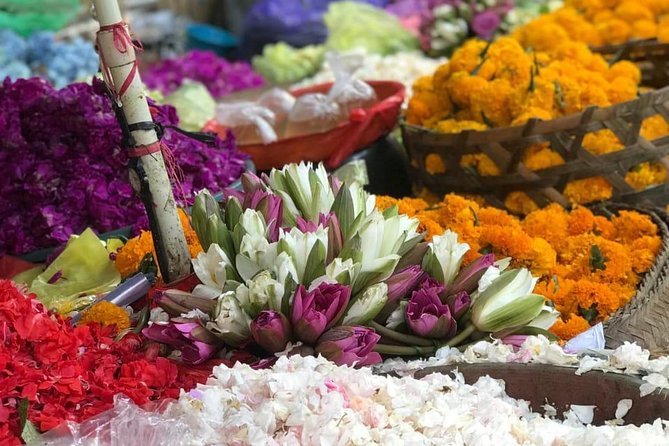
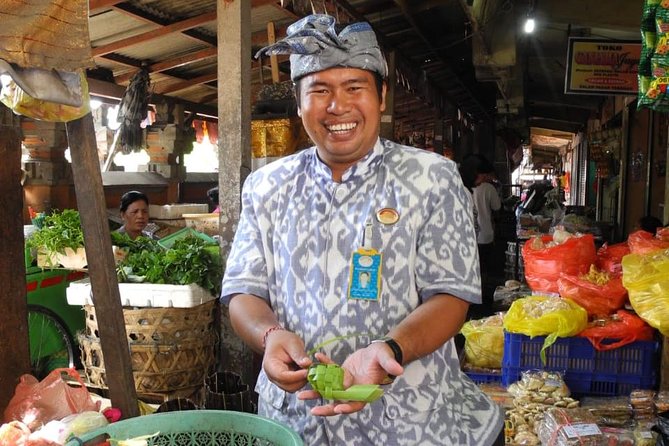
You begin in Gianyar for a visit to the traditional Balinese morning market—often called the Farmer Market. This is less about shopping for souvenirs and more about watching life happen: people sorting produce, vendors preparing goods, and the everyday rhythm of the market.
I like this stop because it sets the tone for the rest of the day. Once you’ve seen how food and ingredients move through the community, the later stops—holy spring water, cooking herbs, and even coffee—feel connected instead of random.
Practical tip: arrive with a flexible mindset. If you’re hoping for a modern, polished market, you might find it rougher and more crowded than you’re used to. But that’s exactly why it’s valuable.
Tirta Empul: holy spring water blessing, with clear temple guidance
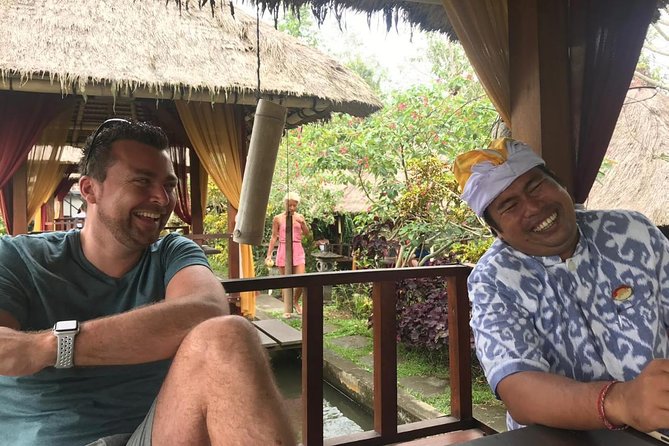
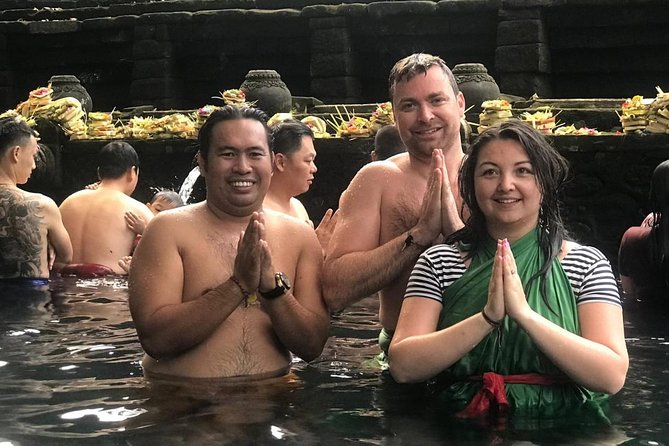
Tirta Empul is where the day turns spiritual. You’ll spend time exploring the temple and understanding it with a licensed tourist guide before you join the water blessing ritual at the holy pond.
Two things matter here:
- You don’t just show up and copy what others are doing. The guide helps you understand what you’re seeing first.
- You’re given a sarong to enter, which makes it easier to follow the rules without scrambling for clothing.
The ritual itself is the core experience. You’ll participate in the water blessing/purification part at the holy spring area. Even if you’re not religious, it’s still a meaningful cultural moment—simple, physical, and clearly tied to Balinese beliefs.
Important restriction: ladies who are menstruating are not allowed to join this tour. Plan around that ahead of time, because it’s a firm rule for the experience.
Rice terrace photo time: Tegalalang and Ceking without the hard sell
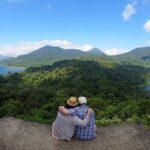
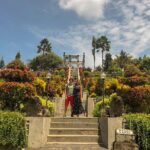
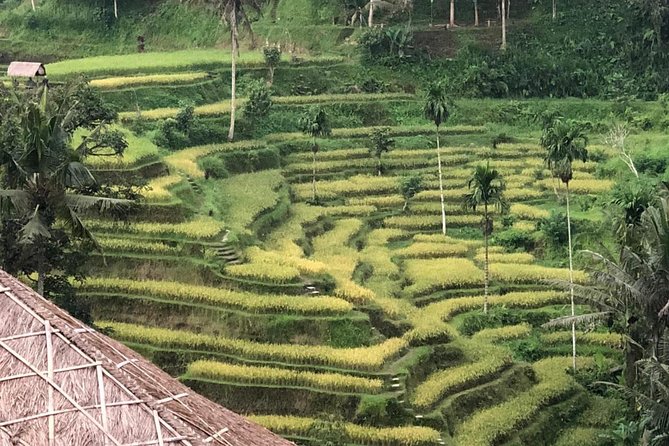
Rice terraces are one of Bali’s most photographed scenes, and for good reason: they look dramatic, even when the weather is plain. You’ll get dedicated photo time at the Tegalalang rice terrace area, and the overall route also includes a later rice-terrace stop at Ceking.
What I like about doing this as part of a countryside day: you’re not just driving up, clicking photos, and leaving. You can actually slow down, walk at your own speed, and enjoy the views without the chaos that sometimes comes with bus groups.
One caution: rice terraces often mean uneven ground and lots of steps. Bring shoes you’re comfortable walking in, and don’t expect a smooth, flat stroll.
Also remember: admission fees for these stops are not included, so budget for entry.
Kanto Lampo waterfall: the moment you should bring a change of mindset
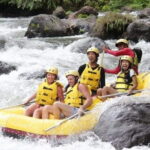
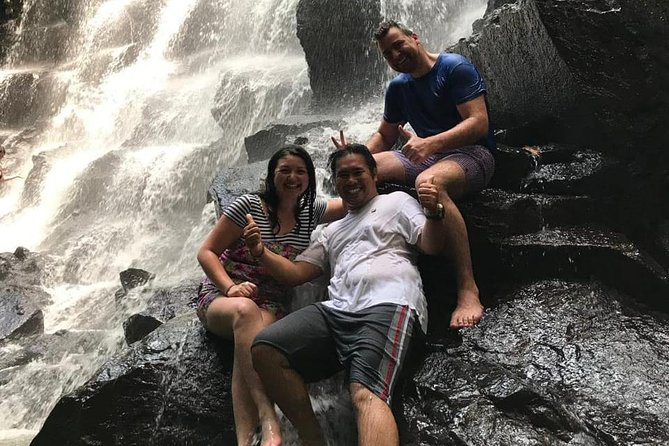
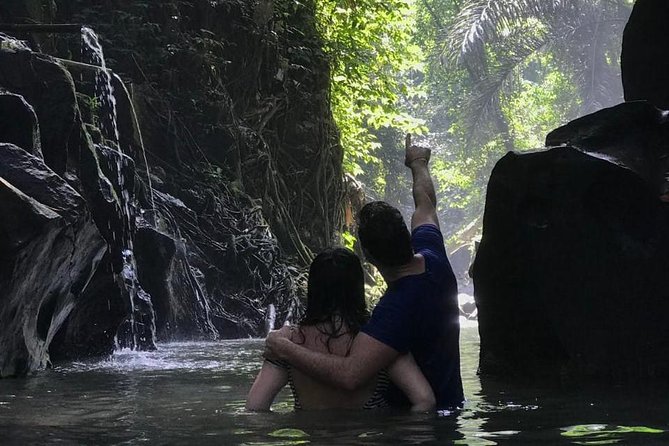
Then you hit the water. Kanto Lampo waterfall is the kind of stop where the best plan is to accept that you’ll probably get wet. You’ll spend time at the waterfall and have a chance to enjoy it up close—splash zones included.
Your day’s waterfall time also includes a smaller hidden waterfall stop at Beng village. That’s a nice bonus because it adds variety. Instead of only focusing on one famous viewpoint, you get at least a hint of the quieter side of the area.
Here’s how to make this part work for you:
- Wear footwear that can handle wet conditions.
- Bring something to protect your phone or camera if you’re bringing electronics.
- If you care about hair or makeup, pack a small towel and be ready for the humidity to win.
And yes, admission fees for the waterfall area are not included.


Lunch at a local warung: what’s included and what isn’t
Your schedule includes a lunch stop at a local warung. The key word for budgeting is that lunch is not included in the tour price. So treat this as a guided stop where you’ll have help finding something local and filling, but you’ll pay for your own meal.
I like warung lunch breaks on tours like this because it keeps the day grounded. You’re eating what people actually eat, not what a tourist menu tries to copy.
If you have dietary needs, ask your driver/guides during the day. The information you get up front can help you avoid awkward surprises.
Seribatu village: herbs, plants, and the coffee process
After the spiritual and scenic stops, the day adds a practical, hands-on angle at Seribatu village. This visit is described as a Balinese plantation experience where you learn about plants important to Balinese culture and the process of making coffee, with herbs you might recognize from everyday cooking.
This section is worth it if you enjoy small details—how plants are used, why they matter, and how coffee is processed locally. It’s also a good break from continuous walking because the learning portion can be slower and more relaxed than the waterfall area.
If you’re the kind of person who likes souvenirs that aren’t just t-shirts, this is where you can pick up ideas about what you’re actually buying. Coffee and herbs can feel more meaningful when you’ve seen the explanation behind them.
Gianyar street night market: a final taste of daily life
The day also includes time around Gianyar street market activity (listed as a street night market stop). Markets are a great way to end because you can snack, browse casually, and pick up small items without committing to a full shopping spree.
I like the end-of-day market move because you’re not stuck taking photos in harsh midday light. You can do a more relaxed sweep, and you’ll likely find it easier to talk with people when the day is winding down.
As always with markets: set a budget before you start browsing.
What you’re really paying for: value at $65 per person
At $65 per person, this tour can be a strong value if you want three things:
- Private logistics (your own vehicle and timing)
- A guide who helps connect stops rather than just driving you around
- Covered essentials like sarong access for the temple and bottled water
What’s not covered matters too. Temple and attraction admissions are not included, and lunch is not included. Alcoholic beverages are also not included.
So I’d think of the $65 as paying for the day’s structure: transport, guided parts, and the planned sequence of markets, temple ritual participation, and countryside viewpoints. Then you top it up with personal spending for entry tickets and lunch.
If you’re traveling with someone and you’d otherwise rent a driver for the day, the price can look even more reasonable. If you’re expecting everything fully included with zero extra payments, you might feel the add-ons more.
How to pack and plan so the day feels easy
This tour mixes different conditions: market time, temple rules, waterfall wetness, and walking around viewpoints. Pack for “real Bali,” not for a polished photo day.
Bring:
- Light clothing you can handle getting wet
- A towel or quick-dry cloth if you have one
- A small bag for wet items
- Shoes with grip
- Sunscreen and water you can refill (you’ll have bottled water included)
Also plan around comfort at Tirta Empul. You’ll be using the sarong for entry, but you’ll still want to feel steady on your feet.
Weather note: the experience requires good weather. If conditions are poor, you should expect an alternate date or a full refund. For a waterfall-heavy day, this is not a minor detail—it’s the difference between a great time and a postponed one.
Who should book this, and who might want to skip it
This tour suits you best if:
- You want a private day around Gianyar rather than a big-group route
- You care about seeing everyday Bali elements like markets and plantation learning
- You want to participate in a cultural ritual at Tirta Empul with guided context
It may not fit as well if:
- You hate getting wet or dislike physical waterfall time
- You’re not interested in a full 8 to 9 hour day with multiple stops
- You need the temple ritual component but are affected by the restriction for ladies who are menstruating
If you’re traveling as a couple or small group, this format is especially good. Your schedule can feel like it belongs to you, not to a coach full of strangers.
Should you book Agus Bali Private Tours?
If you want a day that balances culture, countryside, and water—and you don’t mind adding a bit for entrance tickets and your own lunch—this is a smart choice. Agus Bali Private Tours has a reputation in English-speaking circles for organizing the day smoothly and making the experience feel well prepared, with strong communication during the visits.
I’d book it if you like practical guidance and you want to go beyond the standard “temple then photo spot” routine. I’d think twice if you prefer fully included pricing, dislike wet activities, or want minimal walking.
FAQ
How long is the tour?
It runs about 8 to 9 hours.
Where does the tour operate?
The tour is based in Nusa Dua, Indonesia, and the route focuses on areas around Gianyar.
Is transportation included?
Yes. You get air-conditioned vehicle and private transportation.
Do I need to pay for entrance tickets?
Yes. Admission tickets are not included for stops like Tirta Empul, the rice terraces, and the waterfall area.
Is lunch included in the price?
No. Lunch is not included, even though there is a planned lunch stop at a local warung.
Is this a private tour or a group tour?
It’s private. Only your group participates.
Are there any restrictions on who can join?
Yes. Ladies who are menstruating are not allowed to join this tour.
What if the weather is bad?
The experience requires good weather. If it’s canceled due to poor weather, you’ll be offered a different date or a full refund.