Nusa Lembongan mangroves have a way of making your brain slow down. This guided kayak or stand-up paddleboard trip takes you into calm channels where birds call overhead and mangrove roots line the shallows. I especially like that you can pick the paddle style that matches your comfort, and you get real-world context about local marine conservation from your guide.
The other big win is how practical it feels for a short outing: you get about 1 hour on the water, not a half-day project, and you return to the same meeting point. One possible drawback: if your guide focuses more on leading the route than explaining what you’re seeing, you might end up watching the scenery without much mangrove education.
In This Review
- Key things to know before you go
- Why Nusa Lembongan mangroves feel different from Bali’s beaches
- Kayak or paddleboard: pick the comfort that keeps you paddling well
- If you choose a kayak
- If you choose a paddleboard
- Meeting point, orientation, and what happens before you hit the water
- Paddling the mangrove channels on the northeast side
- Listen for the conservation story, not just the route
- What you should watch for as you glide under the roots
- Time on the water: why 1 hour is the sweet spot
- Price and value: is $22 reasonable here?
- What to bring (and what to skip) for a comfortable paddle
- Logistics that matter: getting there, ending back, and language basics
- Who this tour suits best (and who should rethink it)
- Common downsides, based on what you might experience
- You might get less explanation than you want
- The guide may not stay right next to you
- It’s a short tour
- Should you book Nusa Lembongan mangrove kayaking or paddleboarding?
- My decision rule
- FAQ
- How long is the kayaking or paddleboard time?
- Can I choose between a kayak and a paddleboard?
- Where do I meet the guide?
- Does this tour include food and drinks?
- Are waterproof cases or bags included?
- Do I need prior experience to do this?
- Are there age or health limits?
- What should I bring?
- Is alcohol allowed during the tour?
Key things to know before you go
- Kayak vs paddleboard: same idea, different balance—choose what feels easiest for you
- 1 hour on the water: enough time to feel the place, not so long it drags
- Mangroves on the northeast coastline: quieter channels compared with the open sea vibe on Lembongan
- Conservation talk: listen for the why behind the ecosystem, not just the facts
- No waterproof gear included: bring sunscreen, water, and ideally a way to keep your phone dry
- Guide quality can vary: ask questions early so you’re not just paddling
Why Nusa Lembongan mangroves feel different from Bali’s beaches
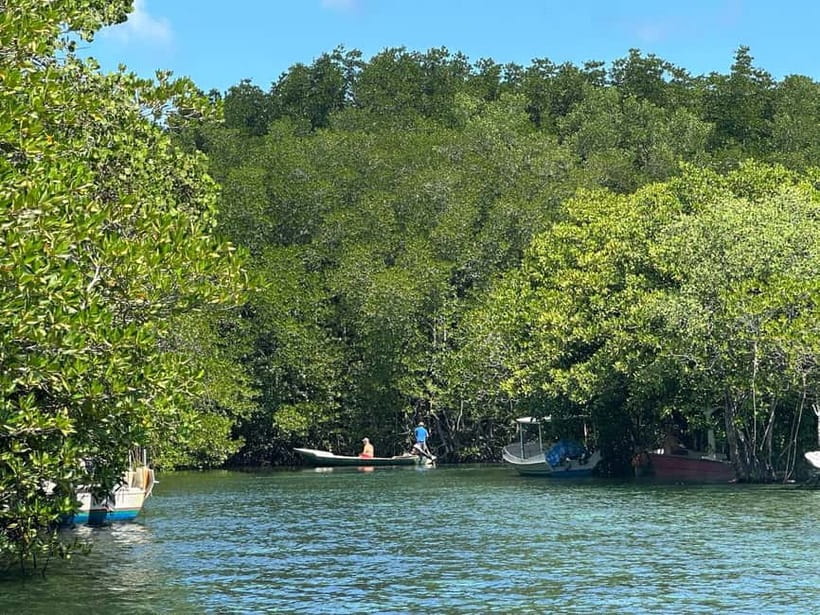
If you’ve only experienced Bali as beaches, traffic, and scooters, this tour gives you a side of the island that feels far less busy. The mangrove forest sits on the quieter side of Nusa Lembongan’s coastline, and the water you paddle is sheltered and still. That changes everything. Your paddle strokes turn into a slow rhythm instead of a fight against waves.
What I like best is the sensory mix. You glide past tangled roots, you smell saltwater and mangrove leaves, and you notice small life right where the plants meet the water—tiny crabs moving around the roots is the kind of detail that makes the trip feel real, not staged.
And yes, it’s a great contrast if you plan to do other active stuff on the island later. This is the calm in-between.
You can also read our reviews of more tours and experiences in Lembongan.
Kayak or paddleboard: pick the comfort that keeps you paddling well
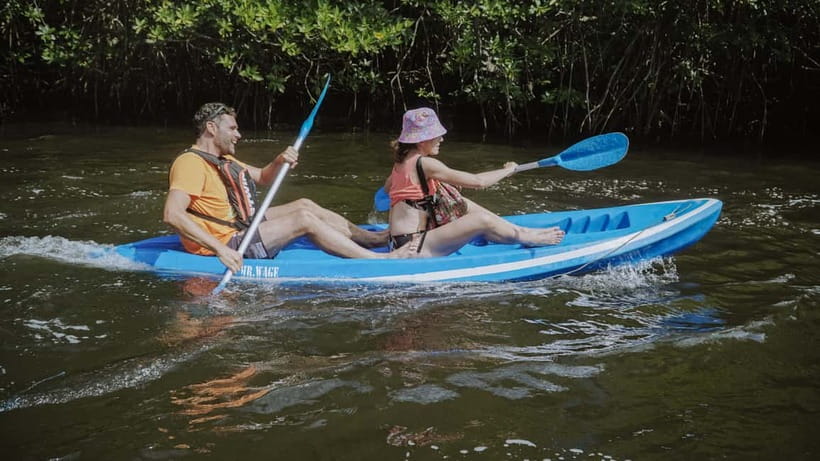
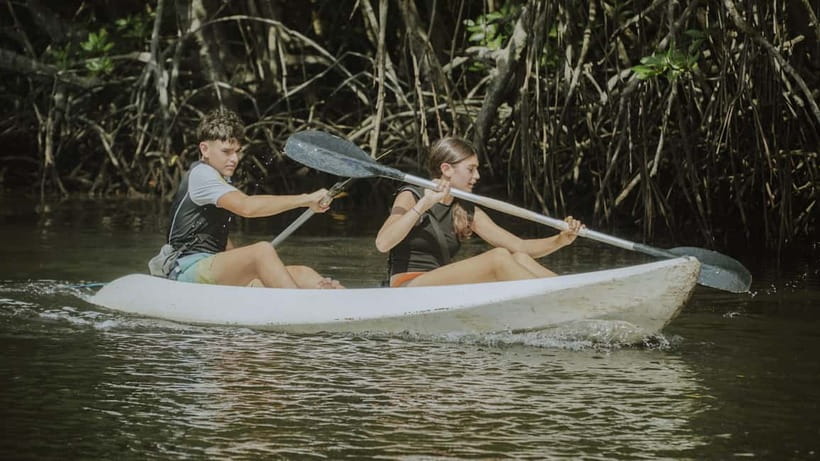
You choose between a stable kayak and a stand-up paddleboard on arrival. Both options let you explore the calm waterways, but the “right” choice depends on how you handle balance.
If you choose a kayak
A kayak is the low-stress option. Your body stays seated, so you can focus on steering through narrow channels. If you’re a little unsure about water sports, or you just want the easiest way to enjoy the views, a kayak keeps the experience relaxing.
If you choose a paddleboard
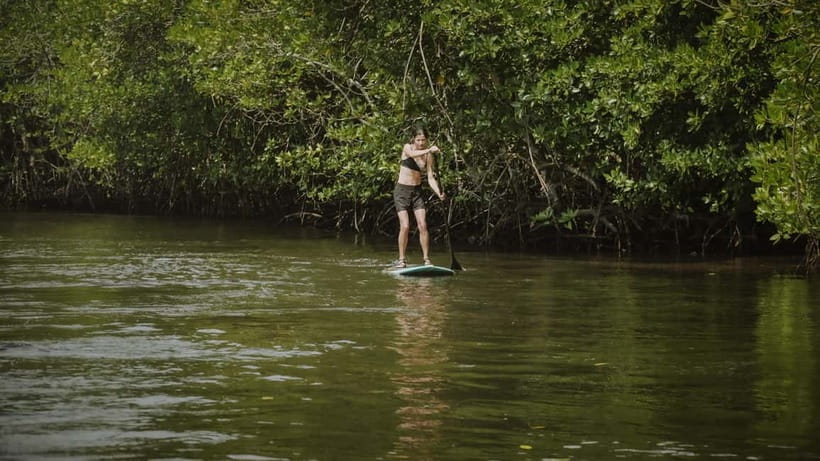
A paddleboard gives you more freedom in how you look around. You’re standing, watching roots and channels from a higher angle. But it also means you’ll spend more effort on balance, especially at the start when you’re learning the stance and paddle rhythm.
Either way, you’re getting a guided trip in a protected mangrove setting—so this isn’t skydiving-level pressure. It’s still water, still work, but you’re not fighting rough conditions.
Meeting point, orientation, and what happens before you hit the water
You meet your local guide at the designated office or pickup point on Nusa Lembongan. The practical tip here: look for the GetYourGuide sign at the meeting point, since that’s what the experience uses to guide people to the right place. From there, the guide runs through the day’s flow and basic safety basics.
That short orientation matters more than it sounds. Mangroves mean tight spaces and shallow edges, and knowing how to handle turns and avoid bumping roots helps you move smoothly. It also helps you relax, which is the whole point.
Then you head toward the mangrove area and arrive near a wooden jetty. This is where you “push off” and feel the quiet settle in. The water is described as glassy and still, so the first moments tend to feel almost weightless—until you start paddling and remember you’re doing something.


Paddling the mangrove channels on the northeast side
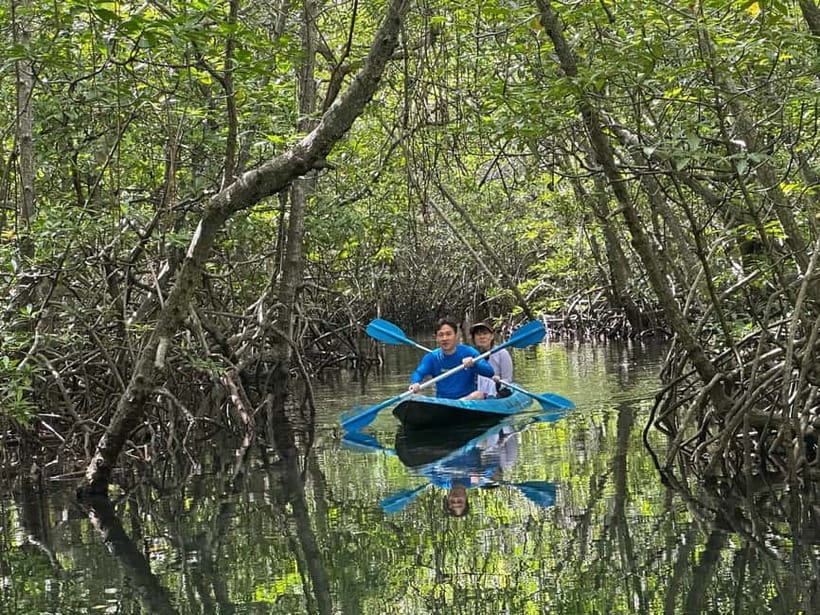
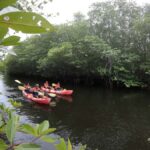
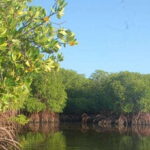
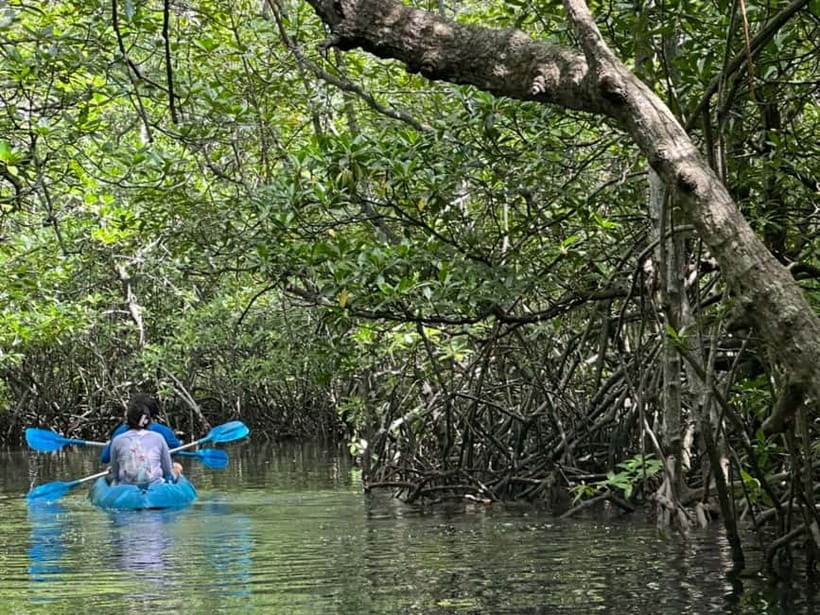
Once you’re on the water, the tour becomes simple and satisfying: paddle at your own rhythm through narrow, winding channels. Mangrove trees rise around you, their roots stretch into the shallows, and the route keeps you close to the ecosystem.
This is where the experience earns its keep. Mangroves aren’t just scenic. They’re functional nurseries and living filters, and when you’re physically moving through them, you notice how the roots create structure in the water. That’s also why this feels calmer than open-ocean tours.
You’ll also likely see small signs of life along the roots—birds overhead, crabs at the edges, and constant subtle movement. It’s not about big spectacle; it’s about noticing the small stuff. That’s the kind of travel that sticks.
Listen for the conservation story, not just the route
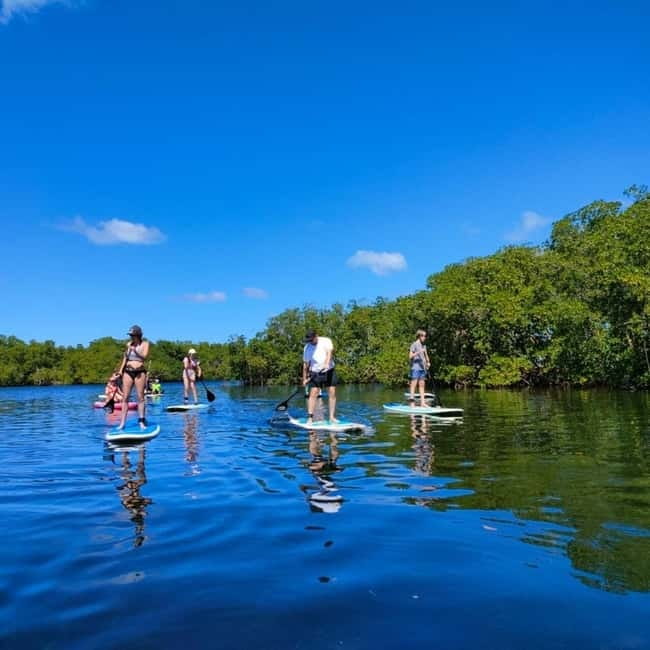
One of the best parts of this outing is that you’re not only paddling—you’re learning about marine conservation efforts on the island. The guide is described as friendly, local, and passionate about marine conservation and local traditions.
Now, here’s the practical advice: conservation talks are only useful if you can hear them. One account specifically points out that the guide didn’t give much explanation about the mangroves, including what’s going on with plants, animals, and fish. In another account, the guide was more hands-on and made the trip feel worth it.
So do this: ask one clear question early, like what to look for in the roots or what makes mangroves important for fish and shoreline life. If your guide’s English is limited, you’ll still get the key ideas through slower pacing, pointing, and example language.
Even if the explanation is brief, pay attention to what your guide emphasizes. That’s usually where the tour’s purpose shows up.
What you should watch for as you glide under the roots
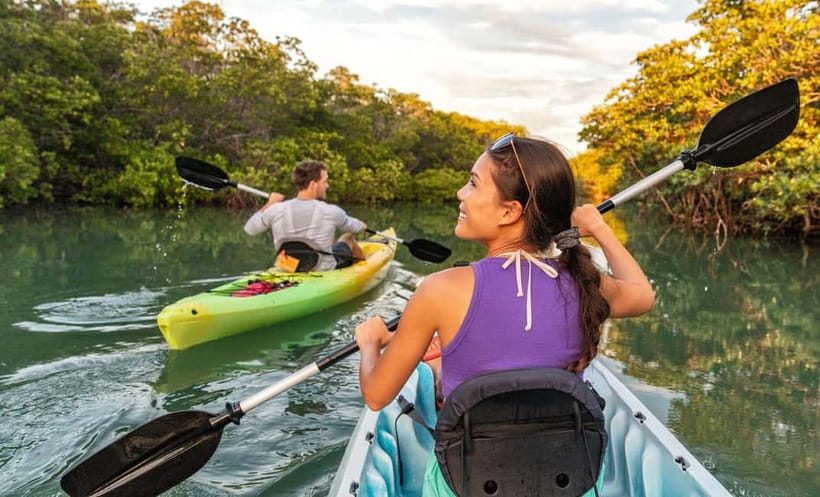
You’re paddling through an ecosystem that changes how you perceive the water. Instead of looking at a flat surface, you’re looking at a maze of roots and channels. That’s why the trip can feel calm and focused at the same time.
Here are a few things to keep an eye on while you paddle:
- Root lines at the water’s edge: signs of where shallow life uses shelter
- Tiny movement near roots: crabs can show up right along the tangled areas
- Birds overhead: the soundscape changes depending on where you are in the channel
- Water clarity and stillness: calm channels make it easier to see the structure below
If you’re the type who likes taking photos, this setting is more interesting than a standard viewpoint because there’s depth everywhere—trees, roots, and water all in the frame.
Time on the water: why 1 hour is the sweet spot
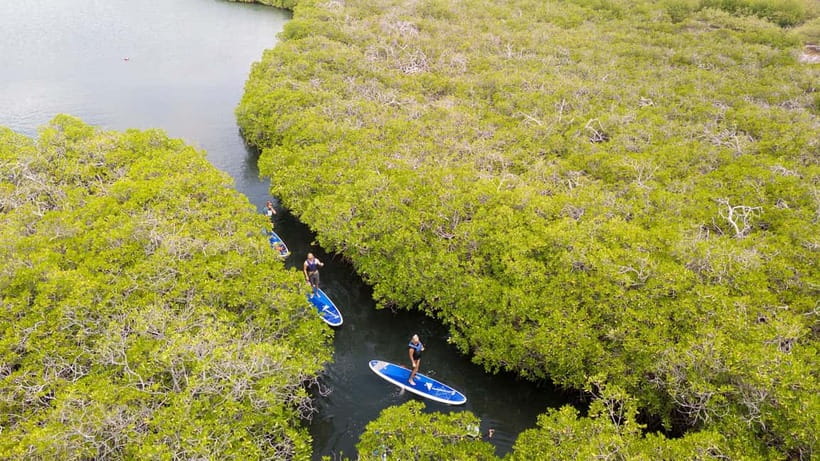
This experience is built around about 1 hour of kayaking or stand-up paddleboarding. For many people on Nusa Lembongan, that’s ideal.
Long enough to:
- get a feel for paddling in still water
- move through multiple turns in the channel
- slow down and notice the ecosystem
Short enough to:
- avoid getting overly tired
- keep it easy to pair with other activities later
- make it feel like an enjoyable break, not another big commitment
If you’re worried about getting bored, don’t be. Mangroves are constantly changing as you move. A channel that looks the same at the start can feel different after a turn when the light hits the roots and you notice new pockets of movement.
Price and value: is $22 reasonable here?
The price listed is $22 per person, which is a big part of why this tour makes sense for budget-minded travelers. You’re paying for:
- a guided experience
- use of a kayak or stand-up paddleboard
- access to mangrove waterways that you likely wouldn’t explore on your own as safely or comfortably
You’re also getting a structured time block: about 1 hour on the water. You’re not paying for a long day of transfers and waiting.
The trade-off is what’s not included. Food and drinks aren’t included, and you also don’t get a waterproof case/bag. Transportation to the meeting point isn’t included either.
So the real value question is simple: if you’re already planning to spend time on Nusa Lembongan and you want a calmer activity than snorkeling or beach-hopping, $22 feels fair for the access and guidance you get.
What to bring (and what to skip) for a comfortable paddle
This is the part that can make or break your day, because mangrove tours still mean sun and water exposure.
Bring:
- Sunglasses
- Hat
- Camera
- Sunscreen
- Water
Not included:
- waterproof case/bags
My practical suggestion: plan for at least one item to stay dry on purpose. If you’re bringing a phone, you’ll want it protected somehow, even if it’s just a simple waterproof pouch you bring yourself.
Not allowed:
- alcohol and drugs
That’s a good rule for safety and for keeping the experience family-friendly and calm.
Logistics that matter: getting there, ending back, and language basics
The tour ends back at the meeting point, so you’re not signing up for a one-way adventure. That’s a relief when you’re managing your time on a small island.
Languages offered are English and Indonesian. If you speak neither, don’t panic. The paddling is guided and the conservation story is likely supported by pointing and visuals. Still, if you want the most from the talk, come ready with a question you can communicate clearly.
The provider listed for the experience is CV Wonderland Manta penida, so that’s the operation you’re dealing with.
Who this tour suits best (and who should rethink it)
This activity is said to be suitable for all skill levels, which matters if you’re nervous about water sports. Since the water is calm and you’re guided, it’s a reasonable first try.
It’s not suitable for:
- children under 5 years
- pregnant women
- people with altitude sickness
- people over 70 years
If any of those categories apply, you’ll want to choose a different activity.
Who it’s a great fit for:
- couples and solo travelers who want calm, nature-focused time
- people who want something between beach lounging and heavier water activities
- travelers who enjoy learning a bit about how conservation works on the ground
If your main goal is a long, storytelling-heavy tour with lots of species detail, bring some patience and plan to ask questions early.
Common downsides, based on what you might experience
The reviews you provided include both strong praise and some frustration, and that points to a couple real-world considerations.
You might get less explanation than you want
If your guide paddles and leads the route but doesn’t slow down for mangrove education, you may feel like you’re mostly watching trees and roots. Fix: ask for specifics right away—what plants matter, what animals you might see, and how mangroves support marine life.
The guide may not stay right next to you
One account notes a guide who paddled ahead and guided the way. That can be totally fine if you’re comfortable paddling, but if you need constant attention, you might want to position yourself where you can see and hear the guide more easily.
It’s a short tour
An hour sounds perfect, but if you were hoping for a long deep nature walk, you may wish it lasted longer. The upside is that it stays manageable and doesn’t eat your whole day.
Should you book Nusa Lembongan mangrove kayaking or paddleboarding?
If you want a calm, nature-forward outing on Nusa Lembongan, this is a strong choice. I think it’s especially worth booking if you like:
- guided time on the water
- mangroves as an ecosystem, not just a pretty backdrop
- a quick activity that fits into a flexible island schedule
I would hesitate only if your top priority is a detailed, species-by-species explanation or you’re worried you won’t understand the guide’s language. In that case, still book if you’re comfortable asking questions and you care more about being on the water than collecting a full marine lecture.
My decision rule
Book it if you’ll enjoy the quiet rhythm of paddling and you’re open to learning as much as your guide can share. Skip it if you need lots of structured commentary to feel satisfied.
FAQ
How long is the kayaking or paddleboard time?
You get about 1 hour on the water for kayaking or stand-up paddleboarding.
Can I choose between a kayak and a paddleboard?
Yes. You choose based on your preference and comfort level.
Where do I meet the guide?
You meet at the designated office or pickup point. Look for the GetYourGuide sign at the meeting point.
Does this tour include food and drinks?
No. Food and drinks are not included.
Are waterproof cases or bags included?
No. Waterproof case/bags are not included.
Do I need prior experience to do this?
No. The activity is suitable for all skill levels.
Are there age or health limits?
Yes. It is not suitable for children under 5 years, pregnant women, people with altitude sickness, and people over 70 years.
What should I bring?
Bring sunglasses, a hat, a camera, sunscreen, and water.
Is alcohol allowed during the tour?
No. Alcohol and drugs are not allowed.