Manta rays are the headline here. You get to see them in the wild off Ceningan, plus you’ll work in a real snorkeling routine with a guide team, quality gear, and two water stops.
I really like the focus on manta rays (and the chance to spot sea turtles) in their natural habitat, not just a quick sighting. I also appreciate that you get proper gear and a structured flow to the day, so you spend more time in the water and less time guessing what to do.
One consideration: timing can be tight. A couple of past participants flagged that the boat was late for pickup, and when the boat is full, seating can be less comfortable than you’d hope.
In This Review
- Key things to know before you go
- First the Check-In: Yellow Bridge to “Wonderland Manta”
- A 20-Minute Safety Briefing That Sets the Tone
- Manta Point: Watching Giants Glide (and Finding the Right Spot)
- The Boat Ride: Views On the Way, and Why Seating Can Matter
- Gamat Bay: Second Snorkel Stop for Reefs, Fish, and Variety
- Marine Conservation Talk: What It Changes for You Underwater
- Price and Value: Is $29 Good Use of Your Time?
- Timing, Weather, and Motion: The Stuff That Can Make or Break It
- What to Bring: Small Things That Save Big Headaches
- Who This Tour Fits Best (and Who Might Want Another Plan)
- Should You Book This Ceningan Manta Ray Snorkel?
- FAQ
- Where do I meet the tour team?
- How long is the snorkeling experience?
- What snorkeling sites are included?
- What’s included in the price?
- What should I bring and what’s not allowed?
- Who shouldn’t take this tour?
Key things to know before you go
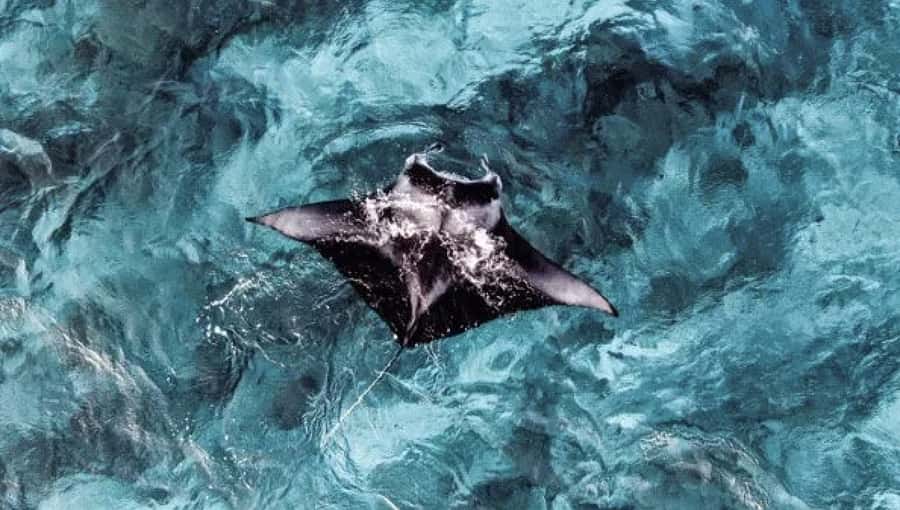
- Manta Point is the main stop with about 1.5 hours in the water.
- You’ll also snorkel Gamat Bay for a second look at reefs and fish.
- A safety briefing happens first (about 20 minutes), which helps first-timers relax.
- No touching marine life is a hard rule here, and it’s the best way to keep wildlife stress-free.
- Bring sunscreen and swim basics: swimwear, towel, snacks, water, and a camera.
- If weather turns, the plan changes and you’ll either get an alternative date or a refund.
First the Check-In: Yellow Bridge to “Wonderland Manta”
Your day starts at 3nusa adventure close to Yellow Bridge. You check in with Ketut Mandir, then you wait for the boat transfer from Nusa Penida on the scheduled time.
This matters more than you might think. When you’re heading out for manta rays, the best water windows are short. So being ready early (snacks packed, towel accessible, sunscreen on) helps you get into the rhythm fast.
You don’t get hotel pickup or drop-off here, so plan to reach the meeting area on your own. If you’re staying in Ceningan, that’s usually manageable. If not, factor in extra transit time so you’re not stressed before you even get to the water.
Also note the tour is guided in English and Indonesian, so you should be able to ask questions about what to do once you’re kitted up.
You can also read our reviews of more tours and experiences in Lembongan.
A 20-Minute Safety Briefing That Sets the Tone
Before you’re let loose on the water, you’ll get a safety briefing for about 20 minutes. It’s not just paperwork energy. It’s the part that helps you understand how the team expects you to move, where you should focus in the water, and how to handle basic snorkeling rules.
You’re also provided high-quality snorkeling gear. That’s a big deal for comfort. If you’ve ever wrestled with a loose mask or a strap that keeps slipping, you know how fast a “fun” outing turns into annoyance.
And because manta rays can be unpredictable in how they approach, you want to be comfortable enough to calmly watch and adjust rather than panic-move. A little safety structure up front makes that easier.
If you’re non-swimming or prone to seasickness, be extra cautious. This experience isn’t recommended for those situations based on the tour’s own guidance, and your safety matters more than the animal sightings.
Manta Point: Watching Giants Glide (and Finding the Right Spot)
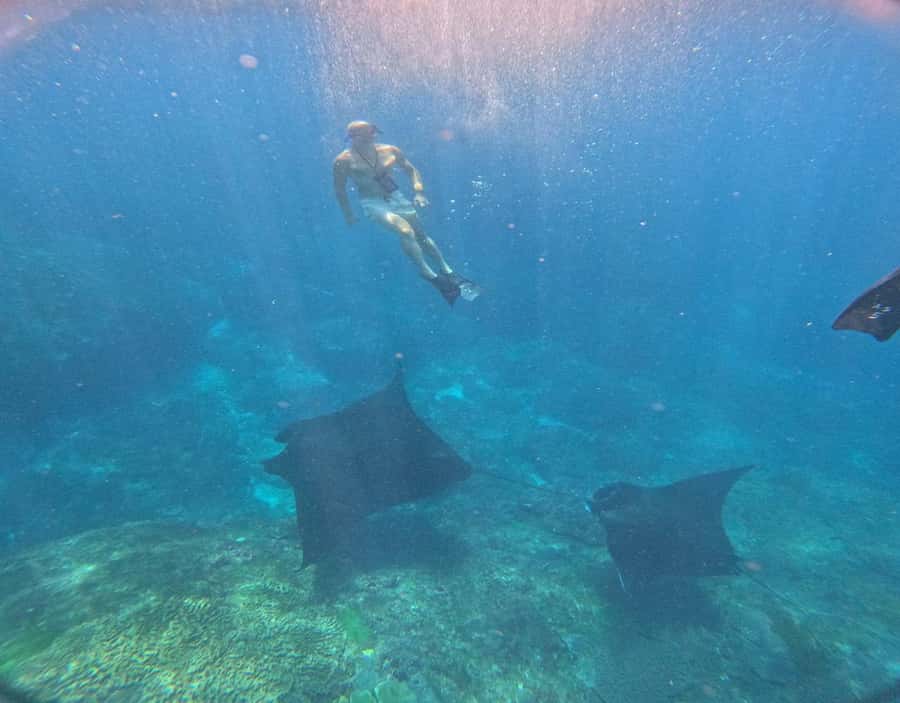
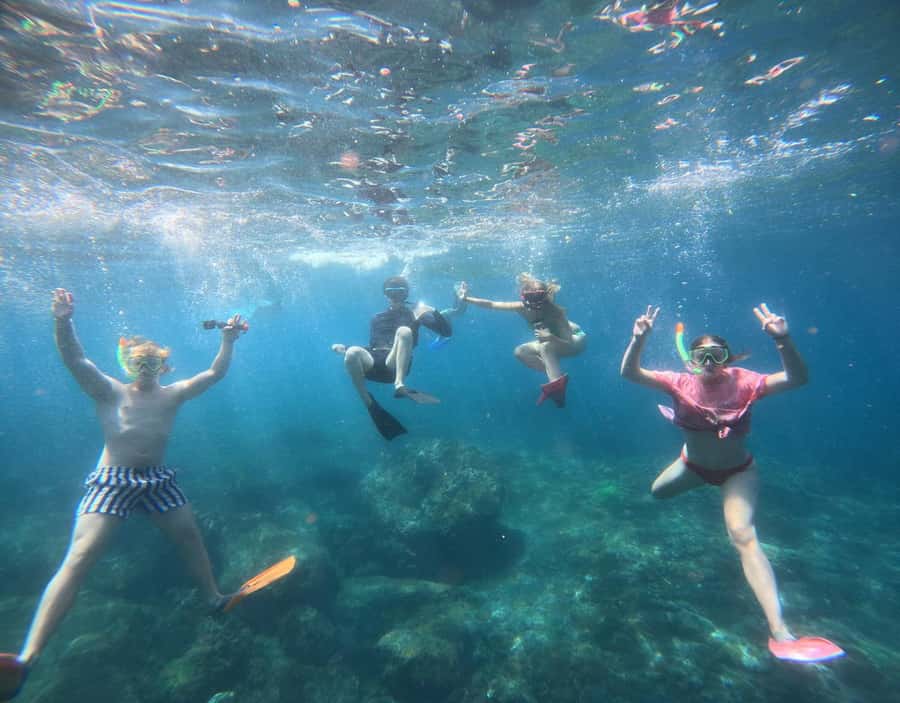
This is the core of the trip. At Manta Point, you spend about 1.5 hours snorkeling while the team helps you get into position.
The best part is seeing manta rays up close in their natural habitat. They move smoothly, like slow-flight pilots. When you’re floating and scanning, you’re not just hoping for a sighting—you’re learning how to watch. You also have a good chance to spot sea turtles, which tend to move at a calmer pace.
What you’ll actually do down there is simple, but it takes a relaxed mindset:
- Put your focus where the guide points, then adjust your angle slowly.
- Keep your breathing steady so your body doesn’t bounce you around.
- Let the wildlife come to you instead of chasing.
One small but important rule: touching marine life isn’t allowed. It’s not a buzzkill; it’s good practice for both you and the animals. It also keeps the experience respectful and helps ensure the day stays safe for everyone in the water.
For photo time, bring a camera if you can handle it comfortably while snorkeling. Since the tour provides gear but not camera equipment, you’ll want to be realistic about what you can manage underwater (or at least how you’ll secure your camera on the boat ride).
The Boat Ride: Views On the Way, and Why Seating Can Matter
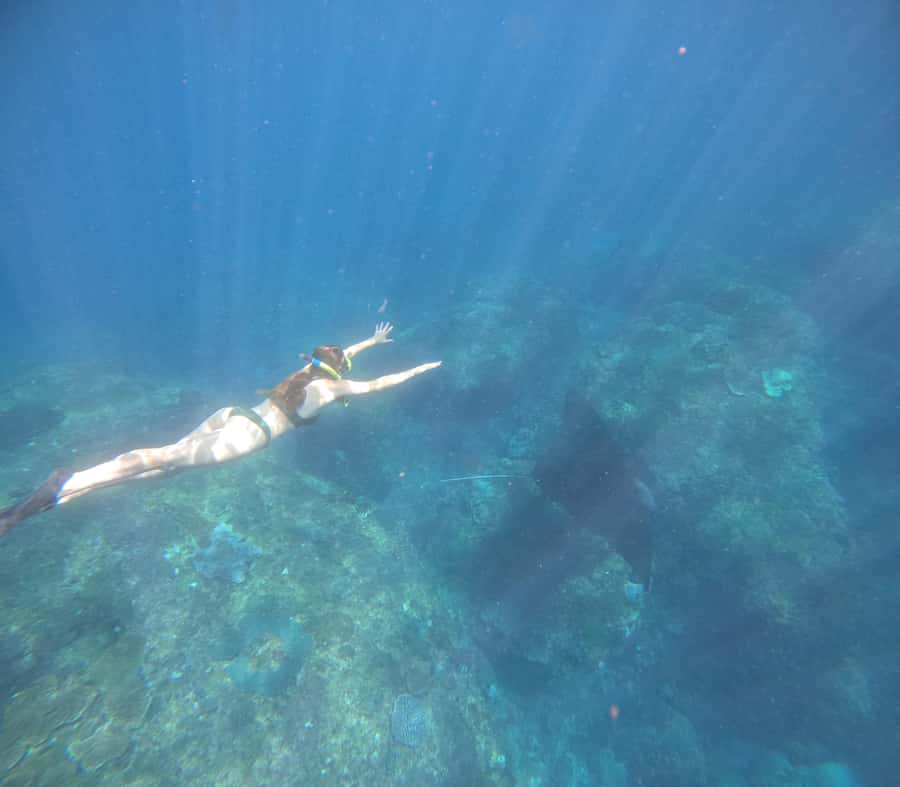
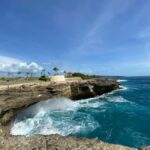
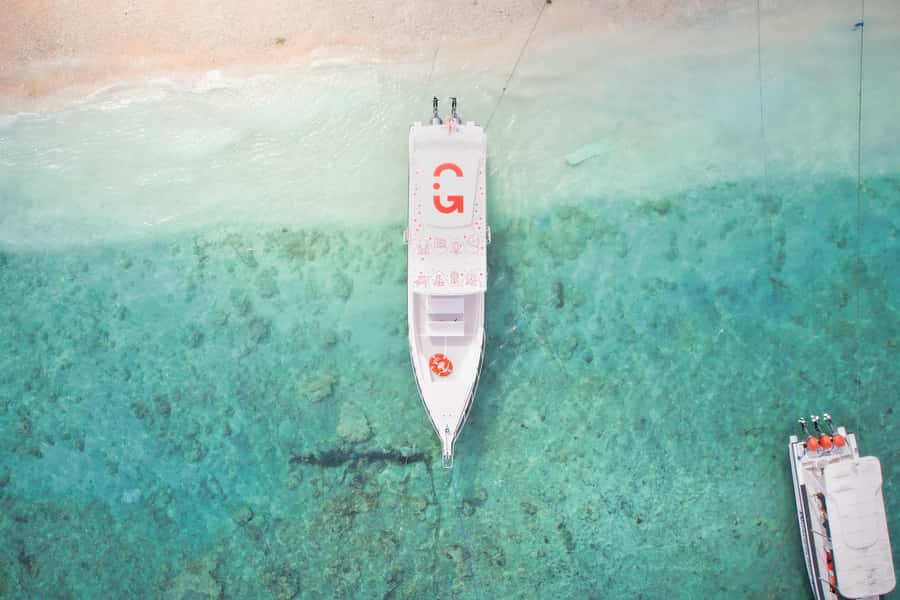
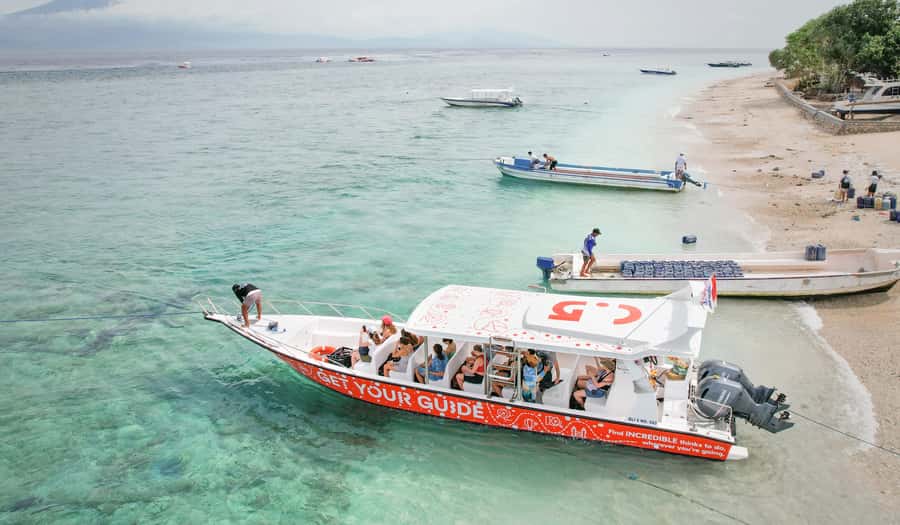
Between land and the snorkeling sites, there’s a boat ride with scenic views around Ceningan and the surrounding waters. You’re also sitting in open-air conditions with a lot of sun exposure, so sunscreen and water help a lot.
One recurring practical issue in the past: the boat can be late for pickup, and if it’s full, you might not get the best seat. That doesn’t change the water portion, but it can make the start of the day more uncomfortable—especially if you’re sensitive to heat or motion.
If you can, bring snacks and keep your essentials easy to grab. When you’re waiting to depart, your focus is on not getting hungry or dehydrated before you’re in the water.
Gamat Bay: Second Snorkel Stop for Reefs, Fish, and Variety
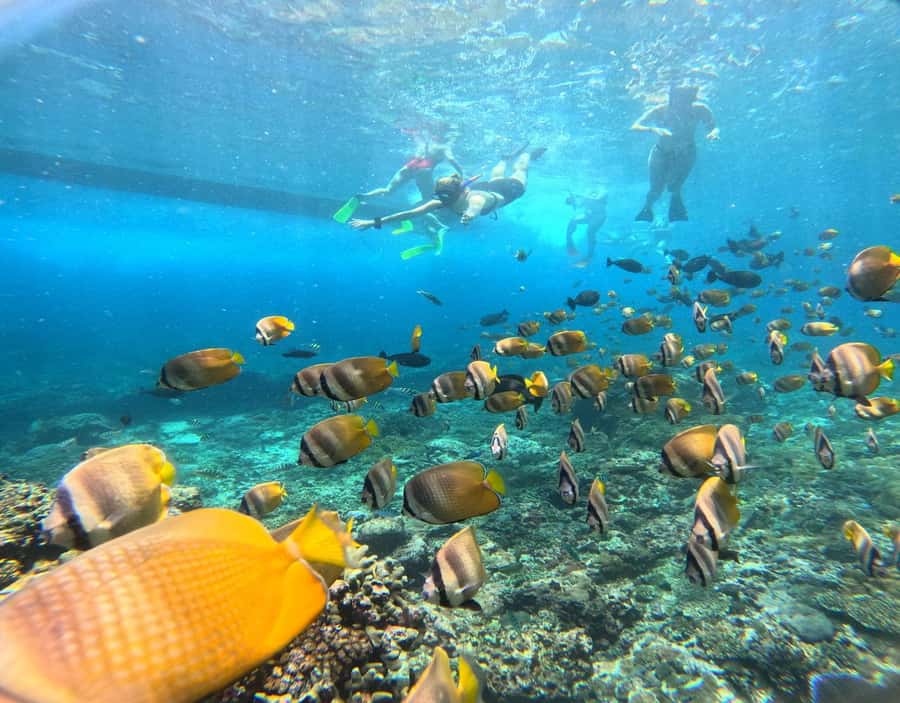
After Manta Point, you head to Gamat Bay for another snorkeling session, about 75 minutes. This is your chance to broaden the underwater story beyond the mantas.
Here, you’ll look for coral areas and schools of tropical fish. The kind of sightings you should expect are smaller and more “constant” than the big-manta moment. That’s good news. Even if mantas are the headline, the reef ecosystem is what makes the whole outing feel like more than a single event.
If you’re new to snorkeling, this second stop can be easier. You’ve already gone through the basic routine at the first site, so you can spend more energy actually enjoying the sights instead of recalibrating your mask and breathing.
As always, don’t touch anything in the water. Not only is it prohibited, but reef life is fragile and you don’t want your hands (or fins) making contact.
Marine Conservation Talk: What It Changes for You Underwater
One of the tour’s selling points is that guides share marine conservation lessons. In practice, that translates into how you behave in the water.
You can think of it like this: the manta rays and turtles aren’t a show you control. They’re animals in an environment that has rules. When your guide emphasizes conservation, you’re more likely to:
- keep distance from wildlife,
- avoid chasing or startling animals,
- and respect the reef.
And those rules match the on-tour instruction: don’t touch marine life. Also, you’re encouraged to wear biodegradable sunscreen to protect the marine environment. That’s not just for the animals—it’s also a practical reminder that the water is an ecosystem, not a swimming pool.
So if you care about more than a checklist photo, you’ll probably enjoy this aspect. It makes your snorkeling feel purposeful.
Price and Value: Is $29 Good Use of Your Time?
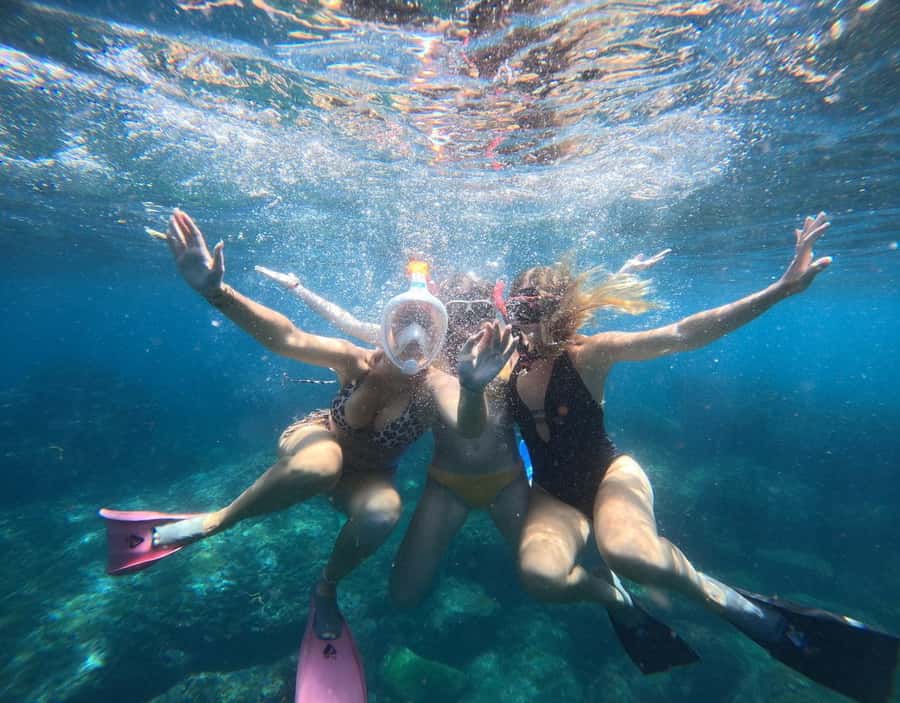
At $29 per person, this tour is priced like a value option, especially because it includes the big essentials: boat transport to the snorkeling spots, snorkeling gear, guided support, and insurance coverage.
The real value calculation isn’t just cost. It’s the number of “high-cost moments” you get for that price:
- You get two water stops (Manta Point plus Gamat Bay).
- You get guidance for safety and for where to look.
- You get gear, so you don’t need to rent or improvise.
- You’re targeting wildlife that many snorkeling trips can only promise vaguely.
There are limits, too. Food and drinks aren’t included, and you’ll handle that yourself. You also need to be comfortable in the water, and if weather turns, plans can shift.
Still, for someone who wants the manta-ray experience without paying luxury tour prices, $29 can feel like a solid deal—provided you show up on time and manage expectations about boat comfort and scheduling.
Timing, Weather, and Motion: The Stuff That Can Make or Break It
This experience runs when weather conditions are favorable. If it gets canceled due to poor weather, you’ll have the option of an alternative date or a full refund.
That’s important. In tropical regions, snorkeling conditions can change fast. When water visibility or sea conditions aren’t right, it can affect both safety and the quality of sightings.
The tour also isn’t recommended for people prone to seasickness. If you know you react badly to boat movement, don’t gamble. The water part depends on staying calm, and seasickness can quickly turn an exciting outing into misery.
Pregnancy and some physical limitations matter here too. It’s not recommended for pregnant women, and it’s not suitable for people with back problems. It’s also not suitable for non-swimmers, and kids must be accompanied by an adult (with a minimum age guideline of not suitable for children under 5).
If you fit the recommended profile—comfortable in the water, not easily overwhelmed by motion—you’ll likely enjoy this day much more.
What to Bring: Small Things That Save Big Headaches
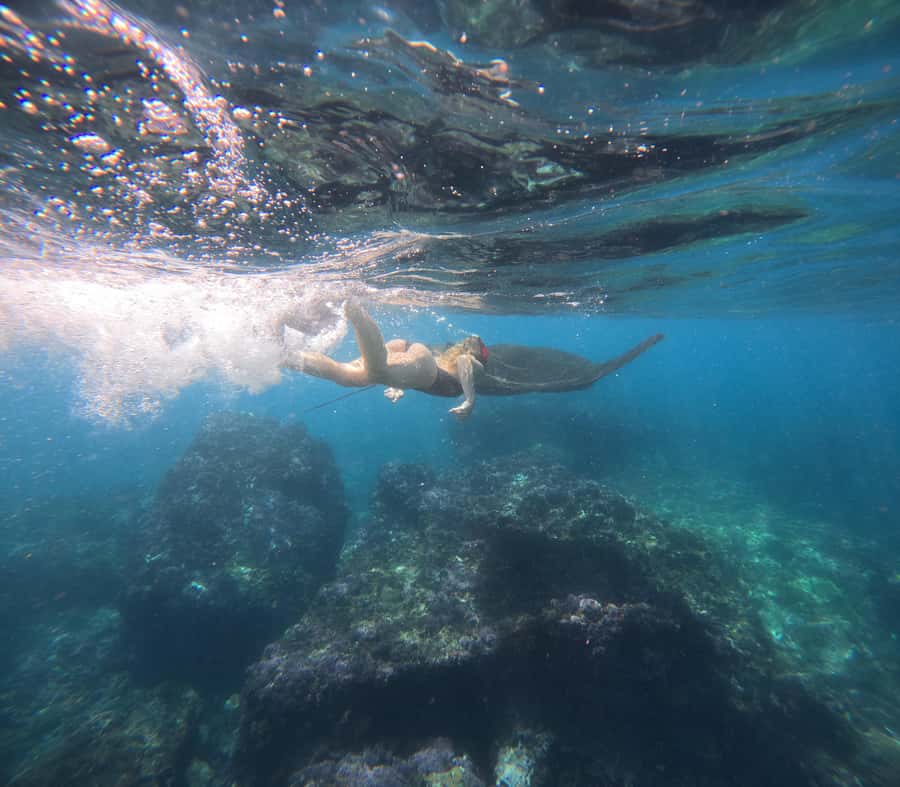
Bring the basics, because the tour doesn’t include meals, drinks, or most personal comfort items.
Here’s what you should pack:
- Swimwear (yes, you’ll want it on earlier)
- Towel
- Camera (if you can handle it around saltwater)
- Sunscreen, ideally biodegradable
- Snacks
- Water
Also, consider timing with sunscreen. You don’t want to rush that last step right before boarding. Give it a little time so it sticks.
And keep your hands off marine life. It’s not just a rule. It’s how you help keep the underwater environment healthy.
Who This Tour Fits Best (and Who Might Want Another Plan)
This trip is designed for people who can handle open water snorkeling. You should be comfortable in the water and willing to follow guide instructions closely.
It’s a great match if you:
- want the best chance at seeing manta rays,
- enjoy guided snorkeling more than free-form wandering,
- like wildlife viewing with respectful rules (no touching),
- and you want a day structured around two different underwater areas.
You may want to skip or look for an alternative if you:
- get seasick easily,
- have back problems,
- are pregnant,
- can’t swim,
- or are traveling with children under the minimum recommended age.
If you’re on the fence, think about this: manta rays don’t appear on command. Your ability to stay calm and follow the routine is part of the success of the experience.
Should You Book This Ceningan Manta Ray Snorkel?
I’d book it if your top goal is a manta ray snorkeling outing with guided support and a second reef stop. For the money, you’re getting boat transport, quality gear, insurance coverage, and enough time at each site to actually see things instead of rushing through.
I’d hesitate if you’re highly sensitive to boat motion or you’re worried about punctual pickups and seating on a full boat. One real-world snag you should plan around is possible lateness at pickup. If you can stay flexible and arrive ready, that’s usually manageable.
If you want a straightforward wildlife-focused snorkeling day, this fits the bill well. And if you care about doing it the right way—no touching, biodegradable sunscreen, and calm behavior in the water—you’ll likely feel good about what you’re doing once you’re out there.
FAQ
Where do I meet the tour team?
Meet at 3nusa adventure close to Yellow Bridge. Check in with Ketut Mandir.
How long is the snorkeling experience?
The duration is about 3 hours total.
What snorkeling sites are included?
You go to Manta Point for snorkeling and then to Gamat Bay for a second snorkeling stop.
What’s included in the price?
The tour includes the boat ride to the snorkeling spots, snorkeling gear, guided snorkeling with experienced instructors, a safety briefing, and insurance coverage.
What should I bring and what’s not allowed?
Bring swimwear, a towel, a camera, snacks, sunscreen, and water. Touching marine life is not allowed.
Who shouldn’t take this tour?
It’s not recommended for pregnant women, people with back problems, non-swimmers, and people prone to seasickness. Children must be accompanied by an adult, and it’s not suitable for children under 5 years.