Orangutans here feel uncomfortably real. This 4-day trek from Medan’s region puts you in Bukit Lawang near Mount Leuser National Park for a mix of narrow-trail hiking, wildlife time, and night stops in the tropical rainforest. I love the small-group pace (up to 7 people), and I especially like how often you get actual wildlife chances, including up-close orangutan sightings in this area. One consideration: wildlife isn’t scheduled like a bus, and some days can feel lighter on animal sightings while you’re still doing meaningful walking, swimming, and relaxing.
You’re also not just trekking for photos. Expect cool-water breaks—like a swim in a waterfall area—and a river finish that includes tubing downstream back toward Bukit Lawang. I also like the practical side: transfers from Kualanamu, park entry, and jungle meals are part of the package, so you’re spending your energy on the forest, not logistics. Still, the itinerary has a real swing in intensity (some shorter days), so if you want nonstop trekking every day, you’ll want to be okay with some downtime.
In This Review
- Key things that make this trek worth your time
- Bukit Lawang and Mount Leuser: where your jungle days actually start
- The 4-day flow: trekking, swims, and the wildlife ups and downs
- Day 1: from the road to the forest, then into the long trek
- Day 2: lighter trekking can mean less wildlife time
- Day 3: a more solid trekking day with a real orangutan payoff
- Day 4: no final trek for everyone—tubing out downstream
- Orangutan time: what you’ll learn and how you can spot them
- The jungle rhythm: trails, river swimming, and sleeping under the rainforest canopy
- Food and comfort: what’s included, what isn’t, and what to pack
- Price and value: why $287 can be worth it, and when it might not
- Guides, languages, and group size: how your day gets managed
- Who should book this Sumatra jungle trek (and who should think twice)
- Should you book it? My decision checklist
- FAQ
- What is the location of this trek?
- How long is the experience?
- How much does it cost?
- What group size is this tour?
- What languages are offered by the guide?
- What’s included in the price?
- What should I bring for the jungle trekking?
- Is there food at the hostel?
- What are the age limits?
Key things that make this trek worth your time
- Mount Leuser access from Bukit Lawang: This is the main east-side entry point for the national park area.
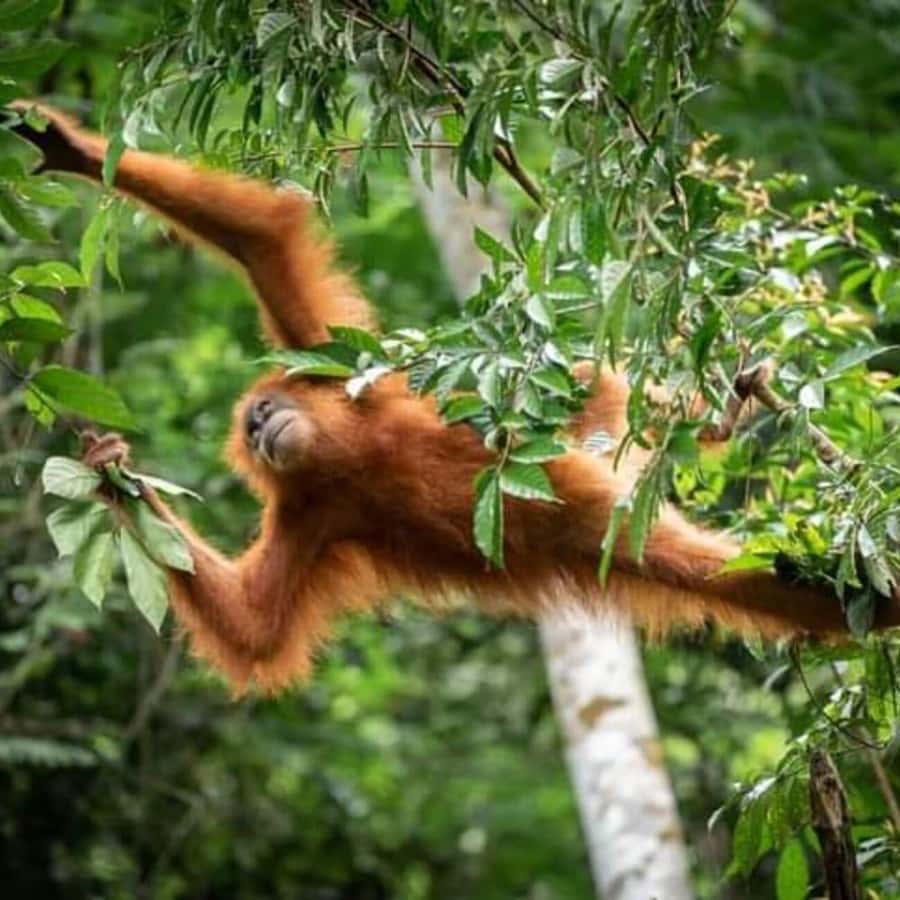
- Orangutan focus in the jungle: The sanctuary area is known for thousands of Sumatran orangutans, and you’re trekking where they live.
- Small group limit of 7: That matters for time in the forest and keeping the group together on narrow trails.
- Water time in multiple forms: Stream washing, river swimming, and later tubing out are part of the rhythm.
- Jungle meals and lots of food: Breakfast, lunch, and dinner are included while you’re in the jungle.
- Real rainforest sleep: The overnight part is designed to get you out of hotel mode and into the rainforest.
Bukit Lawang and Mount Leuser: where your jungle days actually start
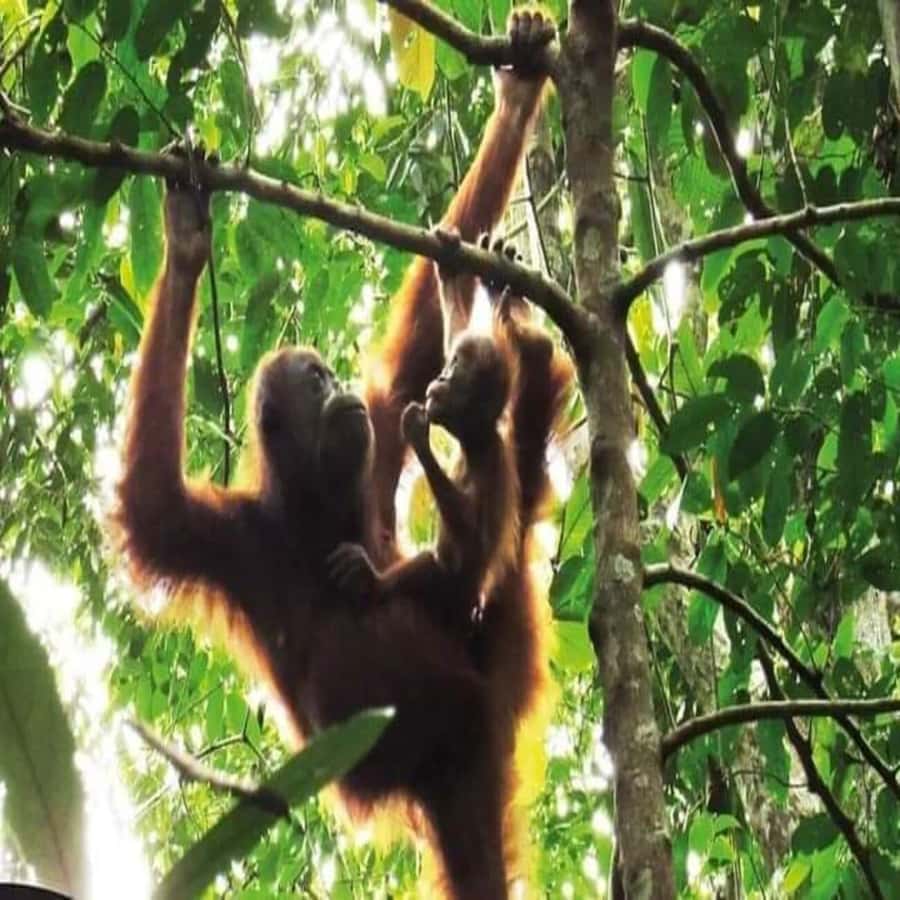
Bukit Lawang is a small jungle village about 86 km northwest of Medan in North Sumatra. It’s best known for the Sumatran orangutan sanctuary in the area, and it also serves as a key access point to Mount Leuser National Park from the east side. If you’re coming for wildlife, this matters: you’re not driving in for a quick look and leaving. You’re moving through forest country where the animals are expected to be part of the scenery.
This is also why the timing and pace of your trek matter. Orangutans and other animals aren’t reliably “on schedule,” but the best experiences here usually come from quiet patience, good guidance, and being ready to move when you hear or spot something. With a small group of up to 7, your guide can keep the group together and spend time where attention is needed.
And yes, the forest is the point. You’ll be walking up and down hills on narrow trails, with long enough stretches to feel like you’re in the real jungle—not just passing through it. You’ll also get the sensory stuff you can’t fake: humid air, bird calls, the sound of insects at night, and that steady feeling of being surrounded rather than looking at a distant view.
You can also read our reviews of more tours and experiences in Bukit Lawang.
The 4-day flow: trekking, swims, and the wildlife ups and downs
This tour runs 4 days. The exact starting times can vary, but the overall structure is consistent: you spend your days in the forest and your nights in the rainforest setting, with water activities mixed in.
Day 1: from the road to the forest, then into the long trek
You’re picked up in the morning from Kualanamu and transferred to a Bukit Lawang hostel. From there, you transition quickly into the jungle. One detail worth knowing: day 1 can include an option for a shorter first walk, but many people prefer to skip it and go straight into the longer trekking day. The goal is to get you moving early enough that you’re not spending the whole afternoon warming up.
Day 2: lighter trekking can mean less wildlife time
Day 2 is where you may feel the itinerary’s biggest tradeoff. Some schedules run later and end just after lunch, with a highlight that can include a swim in a waterfall area. That’s great if you like water and cooling breaks, but if your main goal is wildlife on every single day, this is the day most likely to test your patience. You might finish early, and you might not see as much wildlife as you wanted.
Day 3: a more solid trekking day with a real orangutan payoff
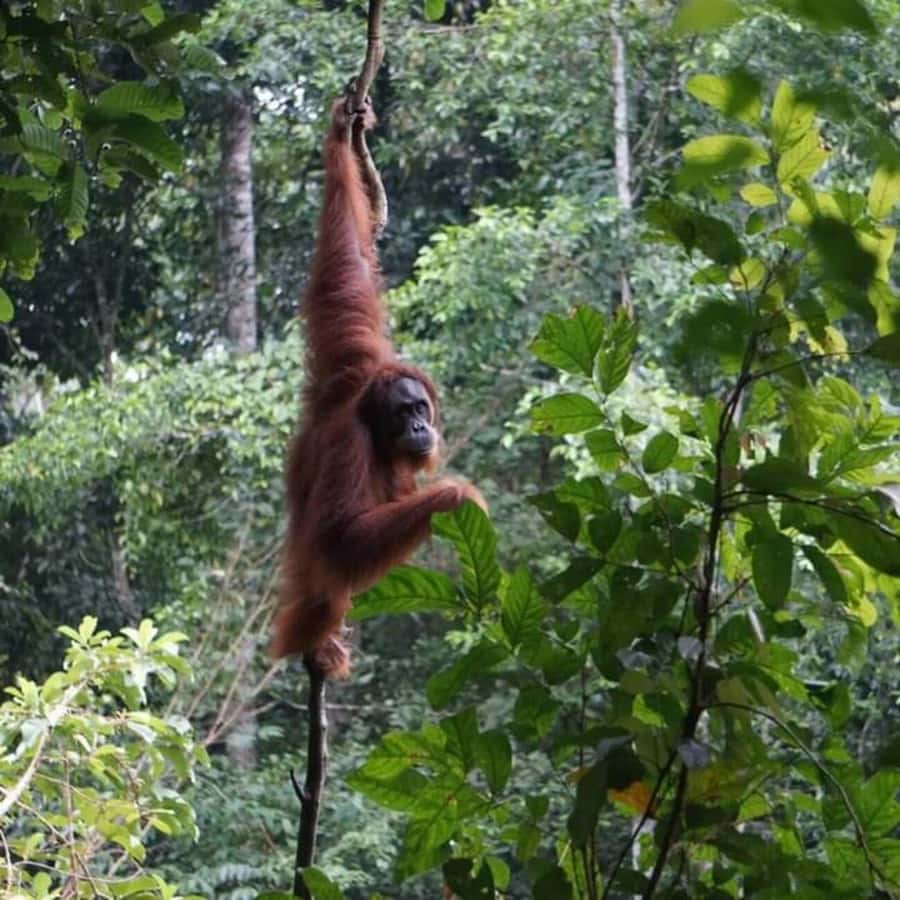
Day 3 tends to be the day that makes people say this was worth the price. You’ll do a more decent stretch of trekking, and this is also when you can get one of the best orangutan moments—sometimes close enough to feel like the animal is truly unaware of your camera strap and just doing its own forest business.

Day 4: no final trek for everyone—tubing out downstream
Day 4 is more about getting out than pushing deeper. Some versions don’t include trekking or wildlife searching in the way the first three days did. Instead, you’ll tube out of camp and drift downstream for around 45 minutes back toward Bukit Lawang. It’s not the same as hiking, but it can be a fun reset after several active days.
So how should you think about it? If you want the best odds for orangutans, you should be flexible on which day shines most. If you’re there mainly for constant big animal action, this trek can feel like a leap of faith. It’s still a genuine jungle experience, just not a guaranteed wildlife show every day.
Orangutan time: what you’ll learn and how you can spot them
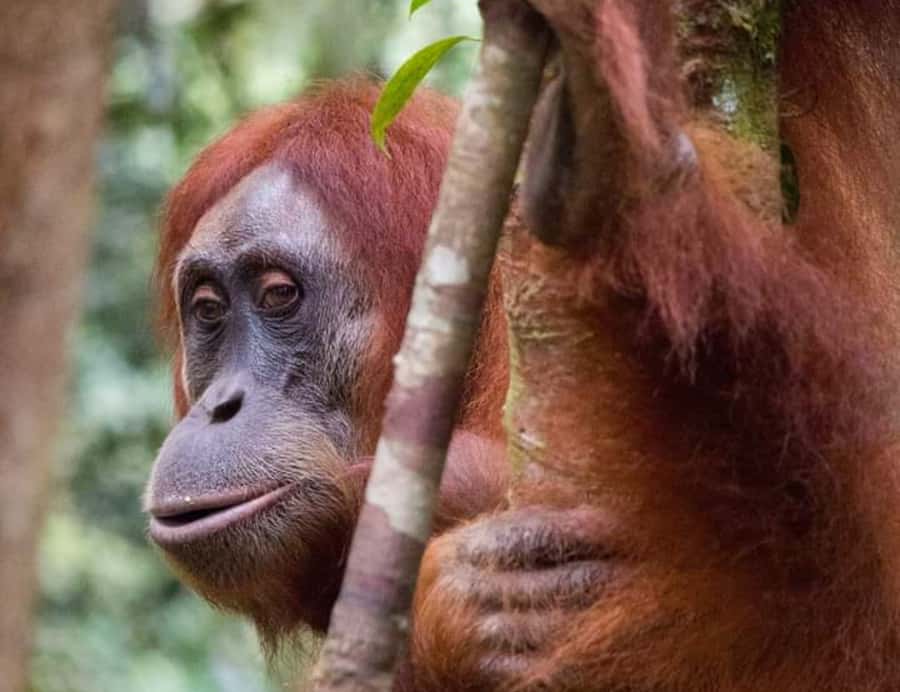
This trek is built around Sumatran orangutans in their natural habitat. The sanctuary area is described as holding around 5,000 orangutans, and the tour’s whole purpose is to show you those critically endangered animals in the wild context of the forest.
A few specifics that help set expectations:
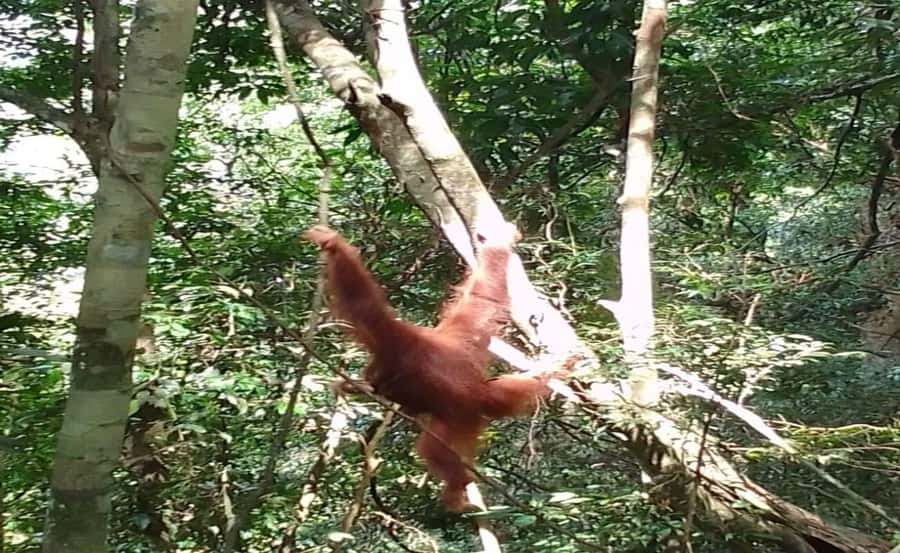
- Orangutans can move quickly over short distances and are known to climb and reach very high in the canopy—up to around 50 feet in the information provided.
- Their movement is also partly a survival strategy, helping them escape predators like tigers, bears, and snakes.
What that means for your experience: your job is not to sprint after every sound or to guess wildly. It’s to stay still when your guide asks you to. It’s to look where the canopy opens. And it’s to understand that seeing one orangutan doesn’t mean the next minute will bring another. The best moments come from slow attention.
From the feedback you can take into your planning, one early sign is that you may encounter orangutans surprisingly soon after entering the jungle—sometimes shortly after starting the trek day. That’s a reminder that the forest can reward quick focus, not just long walking.
Also, don’t ignore the rest of the life around you. Monkeys and birds show up in the area, and even when orangutans are quiet, the jungle is still doing its job: birds calling overhead, insects and small wildlife moving through undergrowth, and occasional animal sightings that make you feel like you’re inside their world.
The jungle rhythm: trails, river swimming, and sleeping under the rainforest canopy
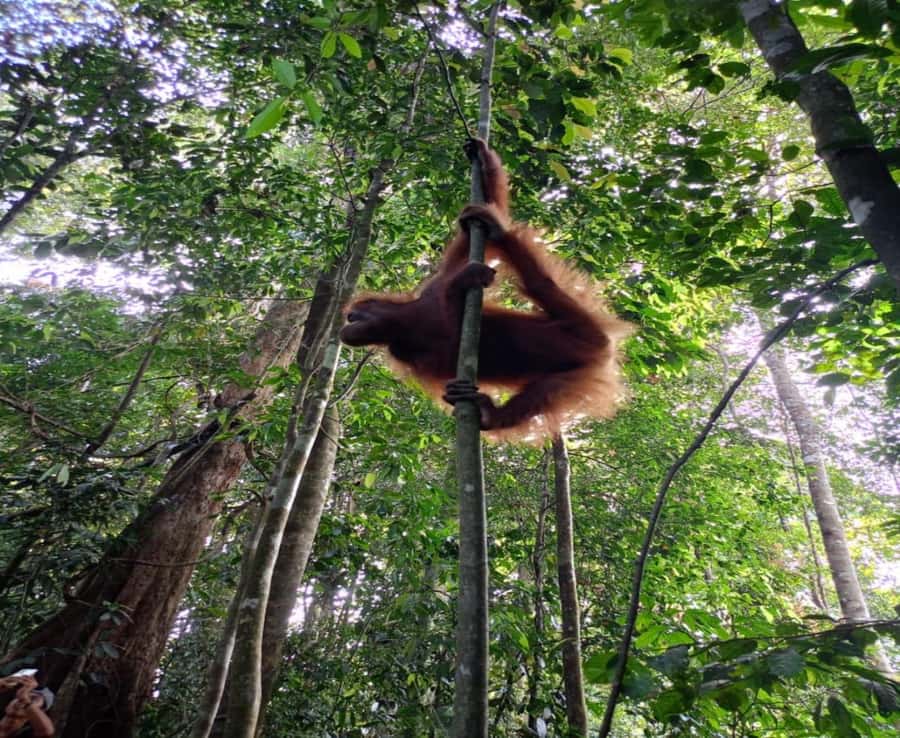
The trek is physically active, but it’s not about athletic bragging rights. You’ll hike up and down narrow trails and spend time in the hotter, wetter parts of the day. The tour’s design also builds in cooling moments so you don’t just bake under the sun.
You should expect these water breaks:
- Washing off in cool water from a fresh mountain stream
- Swimming activities, including a waterfall swim (on day 2 in at least some schedules)
- Tubing downstream on day 4, drifting back toward Bukit Lawang for about 45 minutes
Then there’s the overnight part, which is where a lot of people end up remembering this trip more than they expect. You’re sleeping overnight in the tropical rainforest setting, not in a typical hotel environment. The sounds at night are part of the experience—birds, insects, and the overall forest hush that feels very different from the city.
Comfort-wise, you’ll do best if you treat your gear like jungle gear, not sightseeing gear. Wet happens. Mud happens. You’ll want quick-dry or changeable layers, and shoes you trust on uneven ground.
Food and comfort: what’s included, what isn’t, and what to pack
This tour covers a big part of your daily comfort: breakfast, lunch, and dinner in the jungle, plus the entry ticket for the national park. You’ll also have a hostel in Bukit Lawang included, and you’ll get the airport-to-hostel transfer from Kualanamu.
One practical note: food is included while you’re in the jungle, but not necessarily at the hostel. So if you’re the type who likes a snack between meals, you may want to plan for it rather than assuming everything is covered.
Based on how people describe the meals, the food tends to be plentiful and enjoyable, which matters on multi-day treks where appetite can hit you harder than expected. After walking all day, even basic food tastes better—and here it’s not treated like a dry ration mission.
What to bring (this is not optional if you want the experience to feel easy):
- Comfortable shoes for uneven, narrow trails
- Change of clothes
- Towel
- Flip-flops for downtime
- Long pants
- Biodegradable insect repellent
You’ll also feel smarter if you pack light enough to keep moving, but not so light that you suffer through being wet and then dry again.
Price and value: why $287 can be worth it, and when it might not
The price is listed at $287 per person for 4 days. That’s not cheap for a jungle trip, but it isn’t just “someone walks you around.” In this package, you’re getting:
- Transfer from Kualanamu to Bukit Lawang hostel
- Entry ticket for Mount Leuser National Park
- Jungle trekking activities
- Jungle meals (breakfast, lunch, dinner)
- Hostel in Bukit Lawang
- A small group capped at 7
- Live guide in English or French
- Audio guide in English and Chinese
- Skip-the-line ticket handling
Here’s how I’d think about value: you’re paying for time in the forest with the right structure. You’re paying for meal logistics and park access, and you’re paying for the guide system that helps you stay safe and spend your hours where wildlife sightings are more likely.
Where the value can feel lower is when your interest is extremely specific. This trek includes swimming and rainforest sleeping. It does not promise that every single day will deliver a major wildlife moment. If you’re going primarily for a guaranteed wildlife highlight, you’re taking a calculated risk.
That said, even when one day is quieter for animals, you’re still doing a real jungle trek experience—walking trails, washing in streams, and spending nights in the rainforest. For many people, that combination is the point.
Guides, languages, and group size: how your day gets managed

Your guide is live in English or French, and you’ll also have audio guidance available in English and Chinese. This matters because jungle walking is a constant stream of small decisions: when to stop, when to look up, when to move aside so the group stays together.
The small group cap of 7 participants is also a big deal. In smaller groups, wildlife searching often gets calmer. You can hear the guide’s instructions better. You’re less likely to split the group when the terrain gets narrow.
It’s also part of what makes the trek feel personal. Instead of a crowd, you get a manageable pace and more chances to notice small things—monkeys moving through branches, birds calling, and the signs that animals are nearby even before you spot one clearly.
Who should book this Sumatra jungle trek (and who should think twice)

This trek is a strong fit if:
- You want orangutan-focused jungle time around Bukit Lawang and the Mount Leuser access area
- You’re okay with variable wildlife success across the 4 days
- You like active days with short bursts of water and cooling breaks
- You value small-group management and a guided experience
It may be a less ideal fit if:
- You want relentless trekking and wildlife sightings every day
- You hate itinerary days that shift toward swimming or a calmer finish (like tubing out)
- You’re sensitive to uneven trail walking and wet conditions
Also, it’s explicitly not suitable for babies under 1 year, and it isn’t suitable for people over 95 years. That’s worth treating as a serious safety boundary, given the terrain and jungle environment.
Should you book it? My decision checklist
Book it if you can say yes to most of these:
- You’re traveling for the chance to see Sumatran orangutans in their natural habitat
- You’re okay that one day might be lighter for wildlife, while others can deliver major sightings
- You want a real rainforest sleep and jungle meals, not just a guided day hike
- You like the idea of water moments—stream washing, a waterfall swim, and tubing out on the final day
Skip or reconsider if you need a guaranteed wildlife schedule, or if you only want trekking and nothing else. This trip is balanced: trekking plus water plus rainforest nights. If your dream version of the jungle trip is nonstop animal action, be prepared that the forest doesn’t run on your agenda.
FAQ
What is the location of this trek?
It’s based in Bukit Lawang, near Mount Leuser National Park in North Sumatra, Indonesia. The area is about 86 km northwest of Medan.
How long is the experience?
The trek runs 4 days.
How much does it cost?
The listed price is $287 per person.
What group size is this tour?
It’s a small group limited to 7 participants.
What languages are offered by the guide?
The live tour guide is available in English and French. Audio guidance is included in English and Chinese.
What’s included in the price?
Included items are: transfer from the airport to Bukit Lawang hostel (including pickup from Kualanamu), national park entry ticket, jungle trekking activities, breakfast lunch and dinner in the jungle, and hostel in Bukit Lawang.
What should I bring for the jungle trekking?
Bring comfortable shoes, a change of clothes, a towel, flip-flops, long pants, and biodegradable insect repellent.
Is there food at the hostel?
The information provided says no food will be served at a hostel, so you should plan around that even though jungle meals are included during trekking days.
What are the age limits?
The tour is not suitable for babies under 1 year and not suitable for people over 95 years.