A morning trek through real rainforest keeps you alert and smiling. This 2-day Bukit Lawang orangutan trek in Gunung Leuser National Park mixes wildlife spotting with an overnight jungle setup.
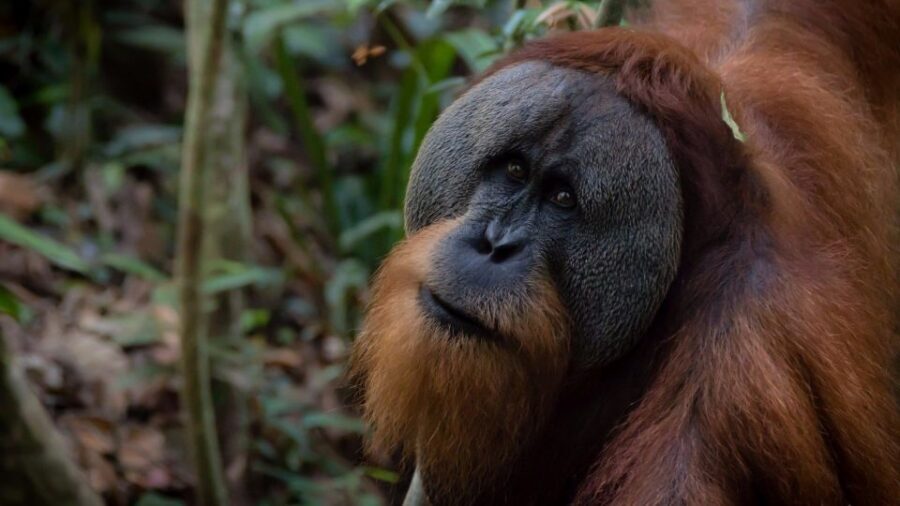
I like that you start early and spend real time walking, with chances to see the Sumatran orangutans along with other jungle life.
Food and sleep matter on a trek, and the camp setup here has a big fan base. Guides like Dino get praised for keeping things fun and organized, and people report sleeping surprisingly well in the tent comfort.
One consideration: it’s a 6–7 hour walking day (and a possible second walk), so plan for dirt, humidity, and aching legs.
In This Review
- Key things that make this trek worth your time
- Entering Gunung Leuser: the 9:00 start you’ll feel later
- Your first camp day: Bohorok River time plus jungle comfort
- Dinner with a Western-style twist (and why it’s smart after trekking)
- Day 2 morning: breakfast first, then the waterfall decision
- Back to Bukit Lawang by traditional rafting (the fun exit)
- What’s included for $181: where the value really comes from
- The guide and private group setup: why it affects your sightings
- How to handle the heat, the mud, and the long walks
- Who this trek suits best (and who might want a different plan)
- Should you book the 2 Days 1 Night Orangutan Trek from Bukit Lawang?
- FAQ
- Where is the Orangutan Trek located?
- How long is the trek?
- What time does the trek start?
- How long is the first day walk?
- Where do you camp overnight?
- Can you swim during the trek?
- Is there a waterfall on the second day?
- How do you return to Bukit Lawang?
- What does the price include?
- What is not included?
Key things that make this trek worth your time
- Orangutan chances in Gunung Leuser: You’re in the right place for Sumatran orangutan encounters during a long jungle walk.
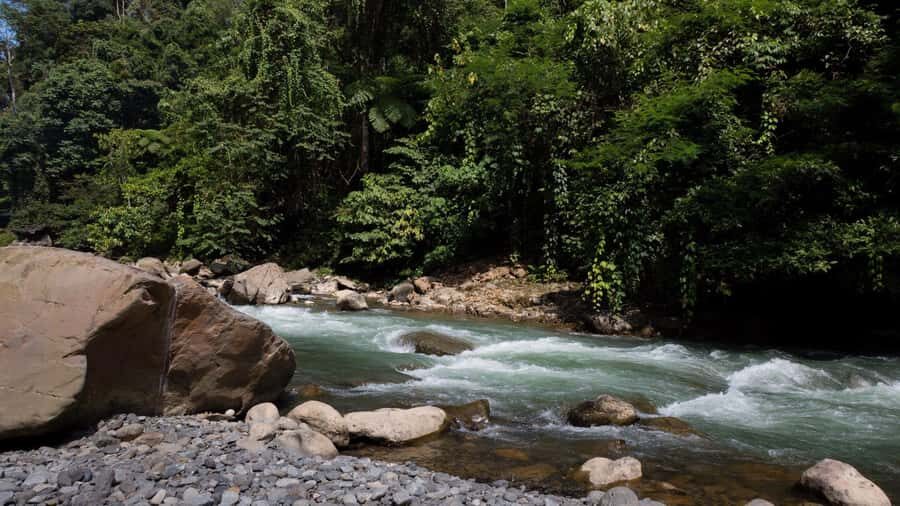
- Overnight camping by the Bohorok River: Camp life is built around the riverside setting, plus time to swim when you arrive.
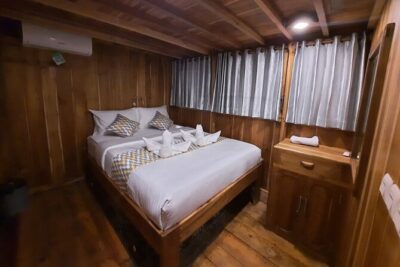
- Solid camp comfort for tent sleeping: The tent includes a thick mattress, pillow, and blanket, not just “sleep on the ground.”
- Second-day options tied to water levels: There’s a waterfall plan, but if water is low, the day shifts to swimming or another trek.
- Rafting back to Bukit Lawang: You finish with a traditional rafting ride, arriving around 1 pm.
Entering Gunung Leuser: the 9:00 start you’ll feel later
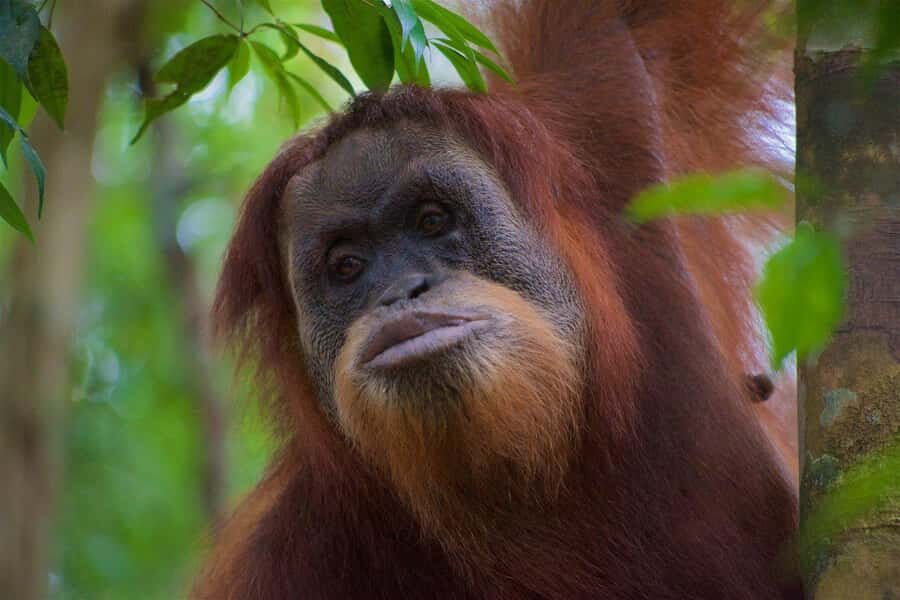
This trek begins at 9:00 am. From the start, the day is designed like a long wildlife walk, not a short photo stop. You’ll head into Gunung Leuser National Park and spend roughly 6–7 hours moving through the forest.
Why that matters: orangutan sightings are never guaranteed, and the way you increase your odds is simple—time in habitat. The longer you’re in the right forest blocks, the more likely you’ll hear movement, spot fruiting trees, or catch orangutans in the canopy. You’re also more likely to notice the rest of the ecosystem: birds, insects, and other animals that make the jungle feel alive.
A practical note: a 6–7 hour walk on humid terrain is slow work. Even if you’re fit, you should expect pauses for spotting wildlife and listening to the guide’s cues. The pace is usually not “race through the jungle.” It’s “walk, watch, and be ready.”
If you’re hoping for wildlife, your best strategy is mental. Keep your eyes up and don’t get stuck staring at the trail the whole time. The guide’s job is to read signs; your job is to stay calm enough to react fast when something moves.
You can also read our reviews of more tours and experiences in Bukit Lawang.
Your first camp day: Bohorok River time plus jungle comfort
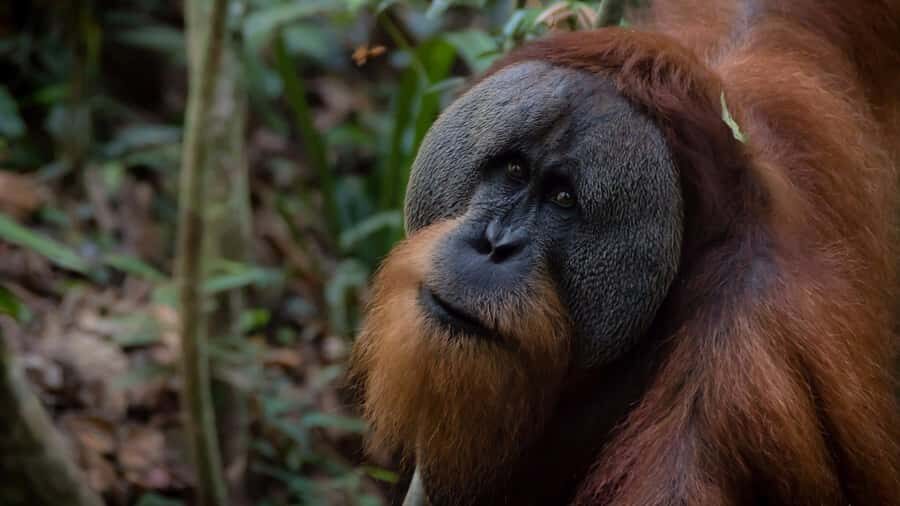
You’ll reach the camping area around 4–5 pm. The camp is near the Bohorok River, which is a major part of the appeal. After the long walk, the river gives you an immediate reset.
Here’s how the camp flow works after arrival:
- You’ll get the chance to swim once you’re set.
- There’s coffee or tea with biscuits so you’re not just collapsing from hunger and heat.
- Dinner comes later, around 6–7 pm.
The overnight setup is also more comfortable than many people expect. You’ll sleep in a tent with a thick mattress, pillow, and blanket. That single detail changes the whole experience. Jungle trekking can be exhausting, and good sleep is what lets Day 2 feel like a new day instead of a punishment.
One more thing I like: the camp includes jungle games after dinner. That’s not just entertainment. It helps break the tension of a physical day and keeps the group (even a private group) from feeling like you’re waiting for bedtime.
Dinner with a Western-style twist (and why it’s smart after trekking)
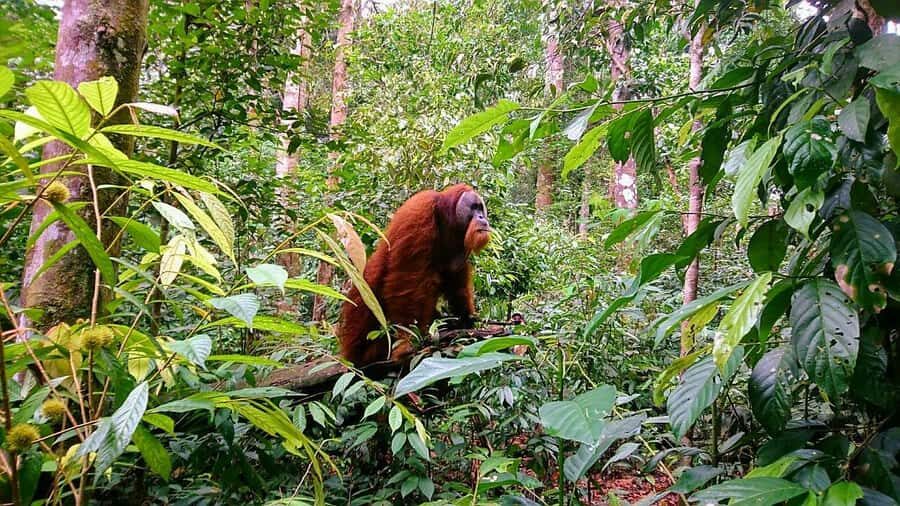
Dinner is described as Indonesian food but with western-style spicy—meaning it should be spicy, just not the same heat level as typical Indonesian spice. That’s a small detail, but it’s thoughtful for visitors who aren’t used to local chili intensity.
What I’d watch for: your appetite after 6–7 hours of trekking can swing fast. You’ll probably be ready for a real meal, not a snack. Since dinner is included, you can focus on eating well and not hunting for food options later.
Also, the timing matters. Dinner starts around 6–7 pm, then games and rest follow. That gives your body a straightforward schedule: eat, socialize, sleep. On multi-day trips in the tropics, simple rhythms beat “figure it out as you go.”
Day 2 morning: breakfast first, then the waterfall decision
The second day begins with breakfast at the campsite. After that, the plan may include a waterfall visit—but only if there’s enough water. Water levels can be low, so the itinerary builds in flexibility.
If the waterfall isn’t happening, you’re not stuck with a dead end. The day can shift to:
- swimming around the area, or
- another 2–3 hour walk if you still have energy.
This is one of the best parts of the design. Rainforests are not machine rooms. Rivers and falls change. Instead of canceling the whole experience, the operator gives you options that still keep you in the outdoors.
If you like active days, you’ll probably want the extra walk on Day 2. If you prefer slower time—river, swimming, cooling off—then the day can be more relaxed. Either way, you’re still getting that second chunk of nature time, not just packing up after one morning.
Back to Bukit Lawang by traditional rafting (the fun exit)
Once your Day 2 ends, you’ll return to camp for lunch, then you’ll do packing. After that, you head back to Bukit Lawang by traditional rafting.
You should be in Bukit Lawang around 1 pm. That timing is useful. It means you still have daylight after the trek for a meal, a cold drink, and a bit of local wandering—without feeling like you’ve lost the entire afternoon.
Rafting also fits the theme of the trip: you spend the first day moving through the forest, and you end with the river. You’re basically seeing the same environment through two different angles—above and along the water.

What’s included for $181: where the value really comes from
At $181 per person for 2 days, this trek feels like a bundled nature experience. The included items list is the clue.
You get:
- Foods (covering meals during the trek)
- Jungle accommodation (tent setup with mattress, pillow, blanket)
- Entrance fee
- Camera permit
- Rafting
- A live tour guide (English and Indonesian)
- And related costs like what’s needed to run the route
What’s not included:
- Hotel
- Pick up and drop off
Now, let’s talk value in real terms. Wildlife trekking usually has the same hidden costs: park access, guide time, and transport. Here, park access and rafting are built into the price. The camera permit inclusion is also a smart detail if you plan to take photos seriously—no last-minute “oops” fees.
Is it cheap? Not really. But it’s not “barebones either.” You’re paying for:
- two full days of guided walking,
- a real overnight in the jungle,
- and a rafting ride back.
If you’re comparing against doing everything separately, this package approach can be the easier road.
The guide and private group setup: why it affects your sightings
This tour runs with a live tour guide in English and Indonesian, and it’s described as a private group.
A private group is more than comfort. It often means:
- the pace can match your group,
- you can ask questions without feeling rushed,
- and the guide can tailor breaks around wildlife movement.
The supplied reviews put serious weight on the guide quality. One standout detail: Dino is mentioned as the best guide ever, and the vibe around the group and staff is described as friendly and helpful. Another repeated theme is that the organization feels solid, which is a big deal when you’re in remote jungle areas.
If you’re a solo traveler, this style can also feel less intimidating. Even though the group is private, you still get the benefit of having support and guidance while walking in a place that’s not designed for self-navigation.
How to handle the heat, the mud, and the long walks
No sugarcoating: this is a rainforest. You’ll deal with:
- humidity,
- uneven ground,
- and the kind of wet that appears even when the sky looks calm.
You’ll be fine if you treat it like a jungle day, not a city outing. A few practical ideas:
- Wear breathable hiking clothes and shoes that can handle wet ground.
- Bring a small dry bag for your phone and camera.
- Pack quick-dry items if you want to swim without feeling gross afterward.
- Bring insect repellent and something for sun protection, since you’re outdoors for hours.
Also plan your energy. You’ll do 6–7 hours on Day 1 and potentially 2–3 hours more on Day 2. If you start Day 2 wanting the waterfall or extra walk, eat breakfast and keep water in mind.
Who this trek suits best (and who might want a different plan)
This trek is a strong match if you want:
- a serious rainforest walk (not a quick bus-to-viewpoint),
- real time searching for Sumatran orangutans,
- and an overnight experience that still has real sleep comfort.
It’s also great if you enjoy a guided mix of nature and fun—camp games, river swims, and a return ride that feels like a payoff.
You might consider another style if:
- you want very short hiking days,
- you dislike waking up early,
- or you’re not comfortable with tent sleeping, even with a mattress and blanket.
Should you book the 2 Days 1 Night Orangutan Trek from Bukit Lawang?
I’d book it if your idea of a good trip is “time in the habitat” and “a real jungle night,” not just a checklist. The biggest reasons are practical: you get guided access to the park, the camping setup includes comfort elements that matter, meals are handled, and the rafting return prevents the end-of-trip fatigue spiral.
One more decision tip: pick based on your Day 1 stamina. Day 2 has options (waterfall when possible, swimming, or another walk), but Day 1 is the long core. If you’re ready for that 9:00 am start and the hours of walking, this is a solid value for an organized jungle experience.
FAQ
Where is the Orangutan Trek located?
It takes place in Riau, Indonesia, with the trek starting from Bukit Lawang and returning there after the rafting ride.
How long is the trek?
The experience is 2 days (2 days and 1 night).
What time does the trek start?
The trek starts at 9:00 am.
How long is the first day walk?
You’ll walk for about 6–7 hours through Gunung Leuser National Park.
Where do you camp overnight?
You camp at a site near the Bohorok River.
Can you swim during the trek?
Yes. After you arrive at the camping site, you can go swimming in the river, and Day 2 also may include swimming.
Is there a waterfall on the second day?
You may go to a waterfall on Day 2 if there is enough water. If water is low, the plan can change.
How do you return to Bukit Lawang?
You return by traditional rafting, and you’re scheduled to be back around 1 pm.
What does the price include?
The included items are foods, jungle accommodation (tent), entrance fee, camera permit, rafting, and other trip costs described as included.
What is not included?
Not included are hotel and pick up and drop off service.