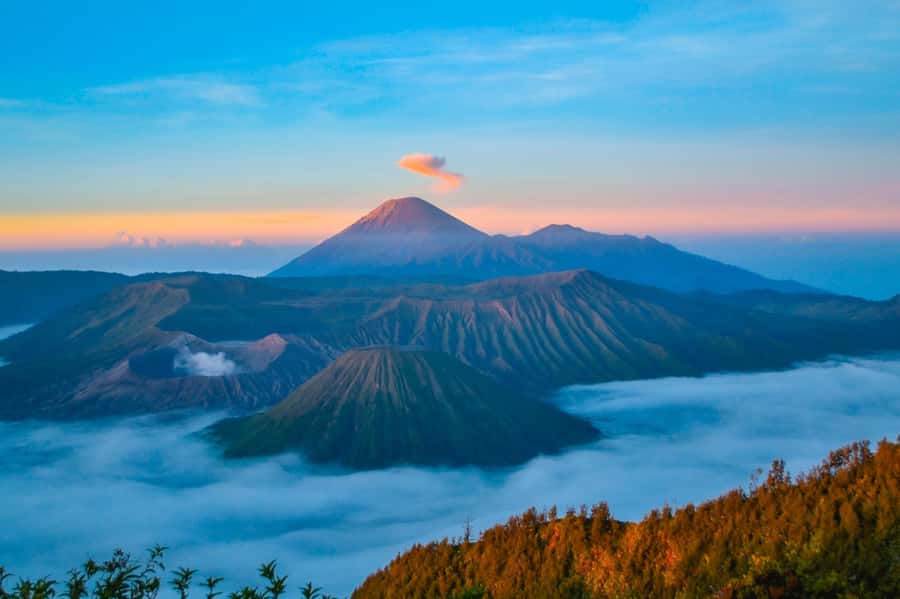
Bromo wakes you before sunrise. This 1-day Mount Bromo trip is built around getting you to the viewpoints when the sky is still changing, plus a guided walk to the active crater area. I like that the route uses a mix of early-positioning and 4WD transfers so you spend less time figuring things out on your own. The main thing to consider: the jeeps are often packed and the morning traffic can feel intense.
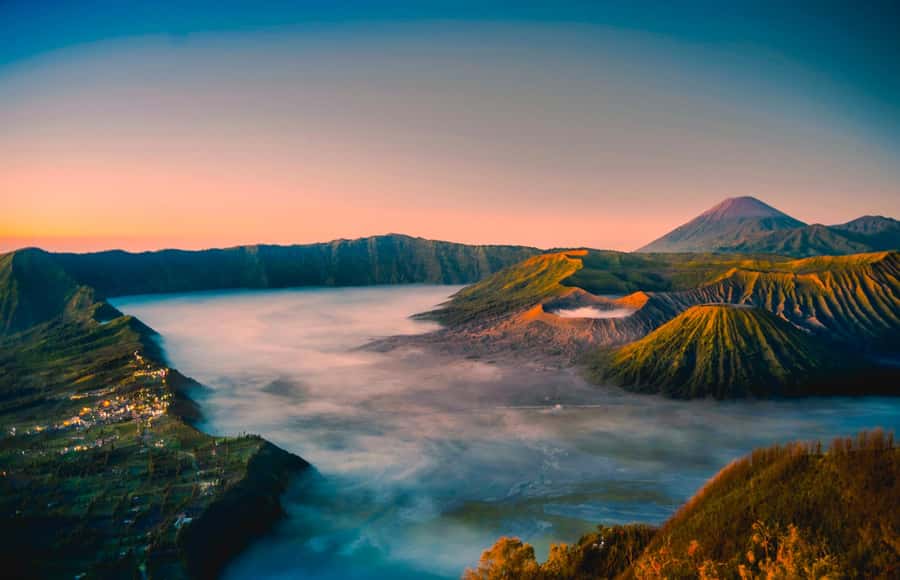
Two other wins for me are the photo moments—especially at the dawn stops where you’re standing with other people waiting for the light—and the sheer view from the crater region. I also appreciate that you’re not just driving by; you get time at multiple outlooks, including stops like Seruni Point and King Kong Hill. One possible drawback is environmental comfort: during the uphill surge, exhaust fumes and congestion can be real, and I’d plan accordingly if you’re sensitive to air quality.
Finally, you’ll end with a simple breakfast near Bromo and a return ride toward Probolinggo through villages and farmland. It’s a long, early day—so bring warm layers and shoes you can walk in, because you’ll be on foot at key points. If you’re looking for a relaxed pace, this isn’t it.
In This Review
- Quick hits: what makes this Bromo sunrise tour work
- The early start: why you leave Probolinggo at 1:20–2:00am
- Getting to Bromo: pickup options, Cemorolawang transfer, and the 4WD switch
- Sunrise stops: Seruni Point and King Kong Hill (and why you’ll feel the crowds)
- Mount Bromo crater area: what you see and what you walk through
- Pura Luhur Poten Gunung Bromo: the temple stop you’ll pass with purpose
- The bigger picture: Bromo Tengger Semeru National Park and the Lautan Pasir viewpoint
- Jeep rides, horses, and comfort: plan for the real-world texture of tourism
- Breakfast near Bromo: simple fuel before the drive back
- Price and value: what $68 includes (and what you should budget for)
- What to pack for a cold, early volcanic morning
- Timing, weather, and volcano rules: how to stay confident even when plans change
- Who this tour is best for (and who should pick something else)
- Should you book this 1-day Mount Bromo sunrise trip?
- FAQ
- What time does pickup happen in Probolinggo?
- How long is the Mount Bromo sunrise trip?
- Is hotel pickup and drop-off included?
- Do I ride a jeep to see the Sea of Sand?
- Can you drive all the way to the Bromo crater viewpoint?
- What sunrise viewpoints are included?
- Is breakfast included, and when do I eat?
- What entry fees are included?
- What languages do the guides speak?
- What should I bring and what is not allowed?
- What if weather is foggy or the volcano has restrictions?
Quick hits: what makes this Bromo sunrise tour work
- Pre-dawn pickup window: they start between 1:20–2:00am from Probolinggo, so you need to be ready early.
- 4WD Sea of Sand ride: sturdy jeep transfer around the sand area helps you save time and energy.
- Two big sunrise vantage points: Seruni Point and King Kong Hill give you multiple chances for the light.
- Crater access is on foot: jeep access is restricted, so you’ll walk from the parking area to the crater viewpoint.
- Crater views plus other volcano angles: you get views of Bromo’s main crater plus Mount Sumeru and Mount Batok from the area.
- Breakfast included: you’ll have a quick meal near Bromo after crater time.
The early start: why you leave Probolinggo at 1:20–2:00am
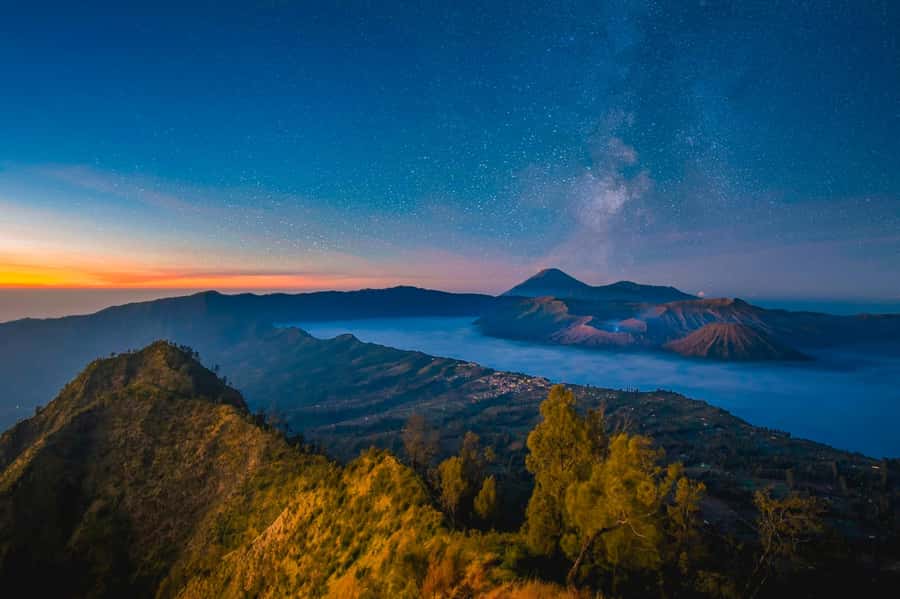
You’re not going to Bromo at a normal hour. Pickup runs between 1:20 and 2:00am, and you’re told to be ready by 1:30am to avoid delays. That means you’ll likely be up while it’s still fully dark, and your first job is to stay organized: warm layers, charged phone/camera, and real shoes.
Why the chaos? The payoff is the timing. At Bromo, the best colors happen when sunrise hits first, and the tour is structured so you reach the viewpoints before the sky fully opens up. If you’ve ever watched a morning change from gray to gold in the mountains, you’ll get what this trip is chasing—just turned up to volcanic scale.
You can also read our reviews of more tours and experiences in Probolinggo.
Getting to Bromo: pickup options, Cemorolawang transfer, and the 4WD switch
Your pickup is from Probolinggo town (Putus is one listed pickup option). The tour then drives you through narrow, winding roads until you reach Cemorolawang, where you switch into a more rugged vehicle. That jeep transfer part takes about 45 minutes, depending on traffic, road conditions, and weather.
This is where the trip starts to feel different from a standard tour. The vehicle change matters because the terrain around the Sea of Sand isn’t made for normal road comfort. You’ll also get a guide with the group, so you’re not left trying to guess where to go when you arrive in the dark.
One practical note: the tour includes fuel and parking fees, plus entry fees for the relevant Bromo areas (more on value later). In other words, the money is meant to cover the “getting there and getting in” hassle, not just the driving.
Sunrise stops: Seruni Point and King Kong Hill (and why you’ll feel the crowds)
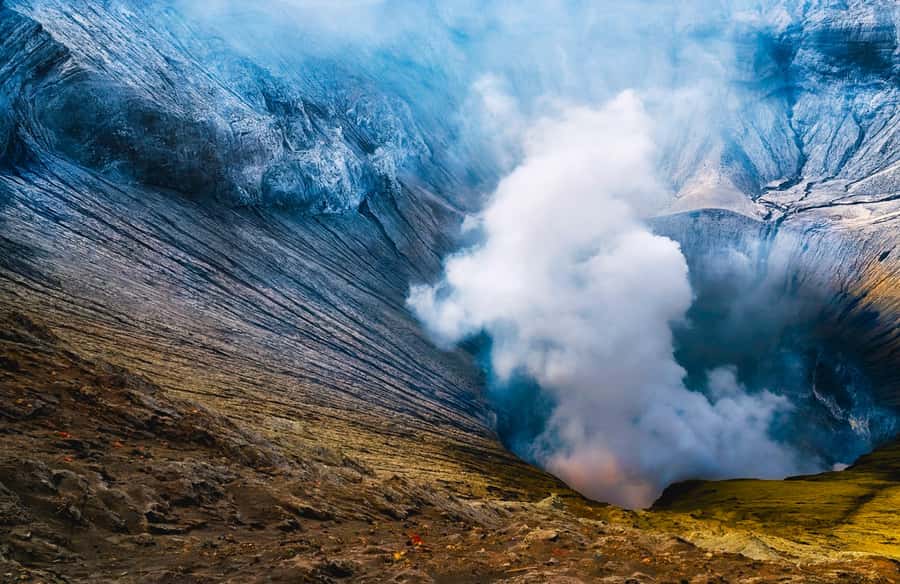
The tour’s schedule gives you multiple sunrise moments, not just one quick photo stop. First up is Seruni Point, with a break time, photo time, some visiting and free time, plus walking/hiking on uneven ground. You’re also given a safety briefing, and the group spends about 2 hours in the sunrise area.
Then you move to King Kong Hill for another round. It’s another photo stop with free time and walking/hiking, paired with a sunrise window of about 1 hour. The logic is simple: sunrise depends on light and weather, and having more than one viewpoint improves your odds of getting the colors you came for.
Now the part you should know before you fall in love with the idea: this is a popular route. During the rush of jeeps up and down, expect traffic and congestion. One negative experience in the mix is that the jeeps can be packed and the uphill line can mean heavy exhaust fumes—the kind you feel in your breathing. If that would bother you, bring a mask you’re comfortable wearing and keep your expectations flexible.
Mount Bromo crater area: what you see and what you walk through
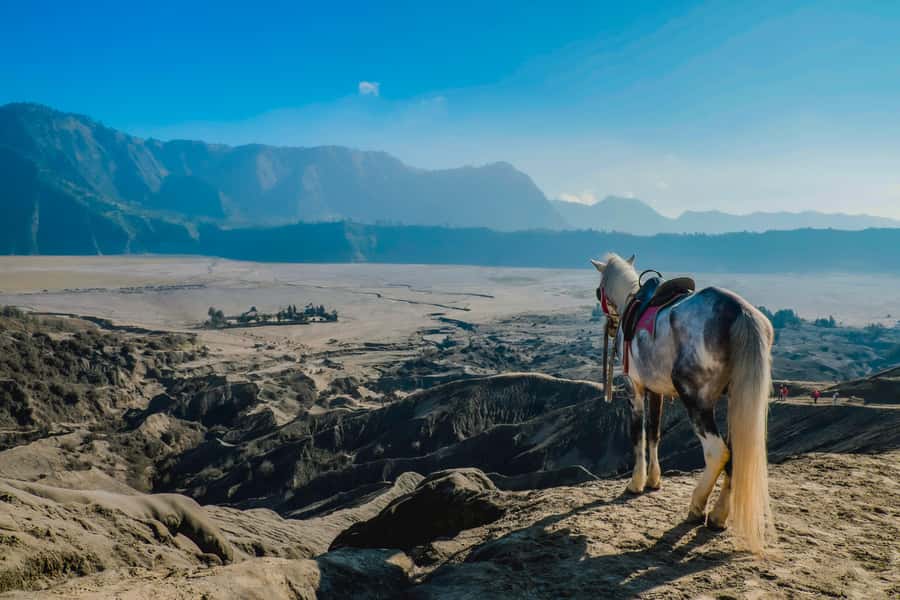
After sunrise, the tour returns to the jeep and heads down toward the Lautan Pasir (Sea of Sand) around Mount Bromo. The key destination is the active crater viewpoint. From the parking area, you continue on foot because jeeps aren’t allowed right up to the crater area—park and government rules limit vehicle access there.
This walking-only restriction is important. It means your comfort comes down to your shoes and your willingness to move. Good news: it’s not a “marathon trek,” but it is real walking on volcanic ground, so plan for uneven surfaces and wind.
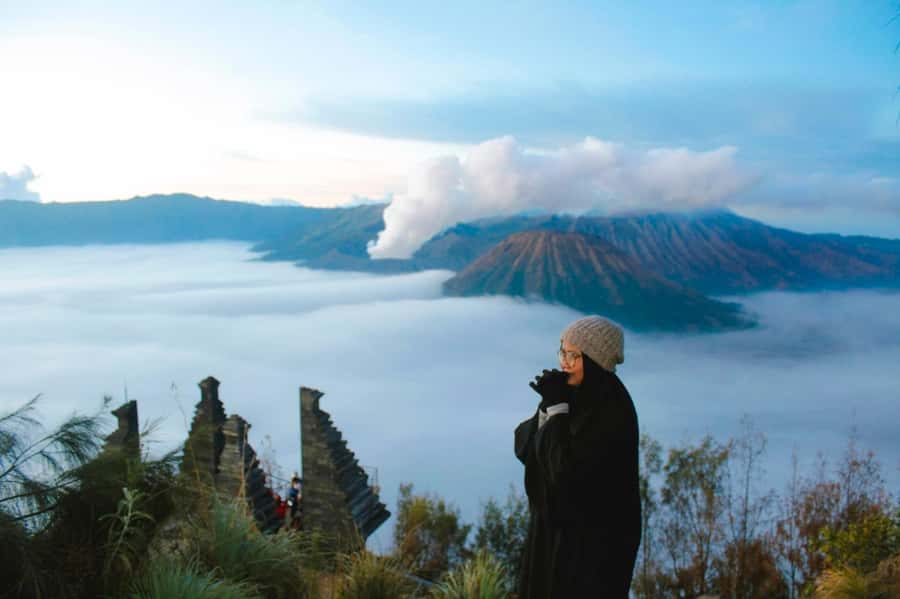
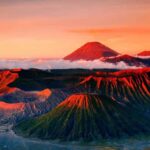
At the crater area, you’ll get volcanic views plus a sense of scale from Mount Bromo’s main crater. The tour description also notes views of Mount Sumeru and Mount Batok from the crater viewpoint region. Even if clouds or fog roll in, the experience is still about standing in a dramatic volcanic setting and seeing how the mountain interacts with the surrounding sand and ridges.
Also keep in mind: the tour operates under live conditions. If volcanic activity warnings or local limits kick in, the route and access rules can change. You’re told the day’s itinerary may be modified based on road, weather, and volcano condition, and you must follow local authority warnings. That’s not just paperwork—this is a working volcano environment.
Pura Luhur Poten Gunung Bromo: the temple stop you’ll pass with purpose
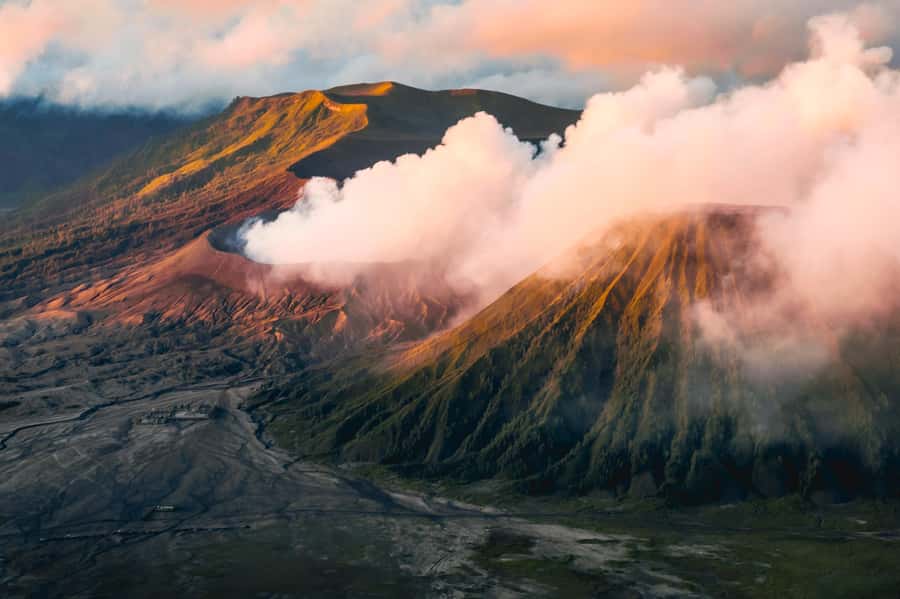
In the middle of your crater-and-sand time, the schedule includes Pura Luhur Poten Gunung Bromo. You’ll get a break time, photo stop, visiting/free time, and some walking. It’s not just scenery; it’s part of how locals relate to this mountain.
Practically, you’ll be moving between viewpoints in cold morning air, and then you’ll hit this cultural stop as part of the route flow. Use the time to reset your legs, check your photos, and keep an eye on the guide so you don’t fall behind in the dark and fog.
The bigger picture: Bromo Tengger Semeru National Park and the Lautan Pasir viewpoint
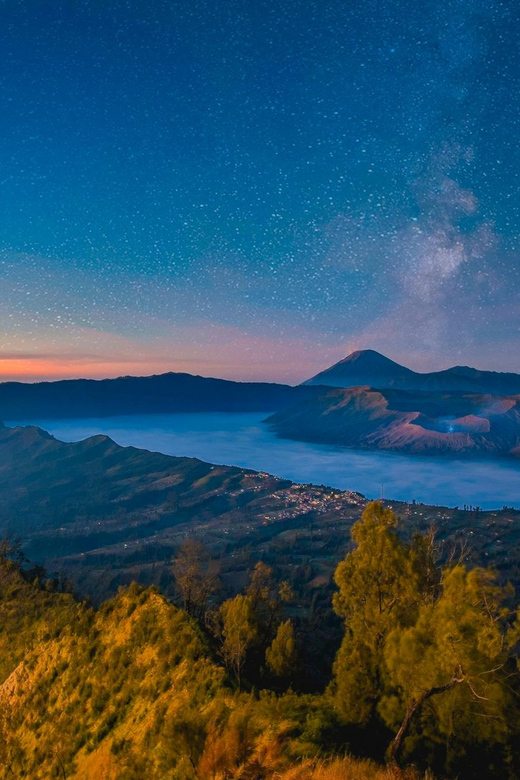
The itinerary also includes Bromo Tengger Semeru National Park with a guided tour, sightseeing, and some hiking. Expect photo moments and walk time here too. This is the part of the day where the “volcano theme” expands from one dramatic view into a broader sense of the park’s volcanic terrain.
Then you move to the Lautan Pasir Bromo area for another break, photo stop, and free time, including walking and safety guidance. The Sea of Sand is what makes Bromo feel so surreal: flat stretches of volcanic ash/sand with ridgelines and mountain silhouettes cutting across the horizon.
This is also where you can understand why people love sunrise at Bromo so much. When the light hits the ash, it changes texture and contrast fast. Even if you don’t get perfect weather, you’ll still feel like you’re inside a landscape that looks different every few minutes.
Jeep rides, horses, and comfort: plan for the real-world texture of tourism
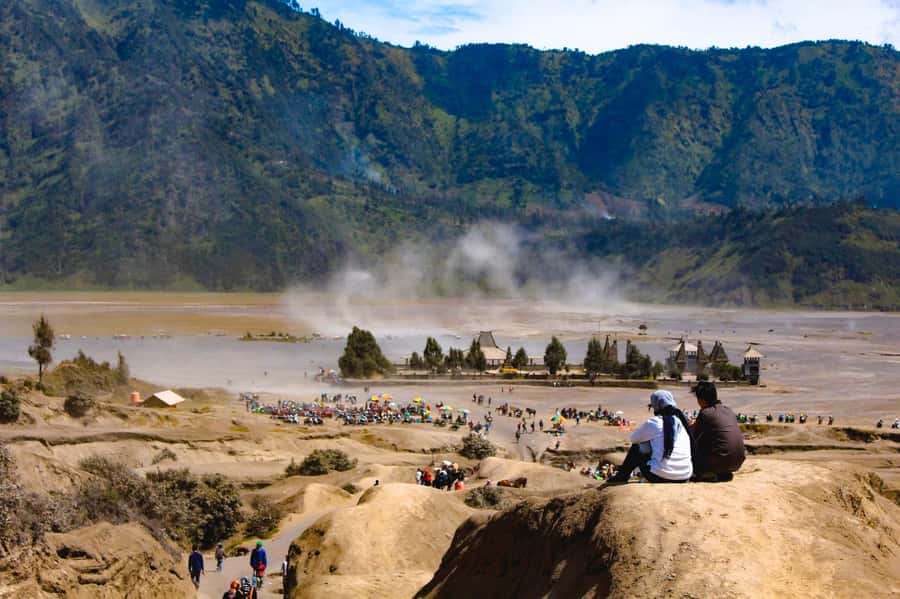
Let’s talk about comfort and what you might notice. The trip includes a jeep excursion with 4WD, which is essential for accessing the Sea of Sand area. But the nature of sunrise means you’re often moving with hundreds of other people and multiple vehicle convoys.
That’s the context for the harshest critique I saw: a frightening-feeling rush, exhaust fumes, and congestion. Even if your day doesn’t feel as extreme, you should expect crowded vehicle lines at peak times. Go in with patience, not perfection.
About horses: horseback riding is not included, but the area is used for tourist transport in general. You may see horses around the viewpoints, and some can appear styled with bright manes and tails. If that topic makes you uncomfortable, treat it as a “watch from the sidelines” situation and keep your focus on your own footing and photos.
Breakfast near Bromo: simple fuel before the drive back
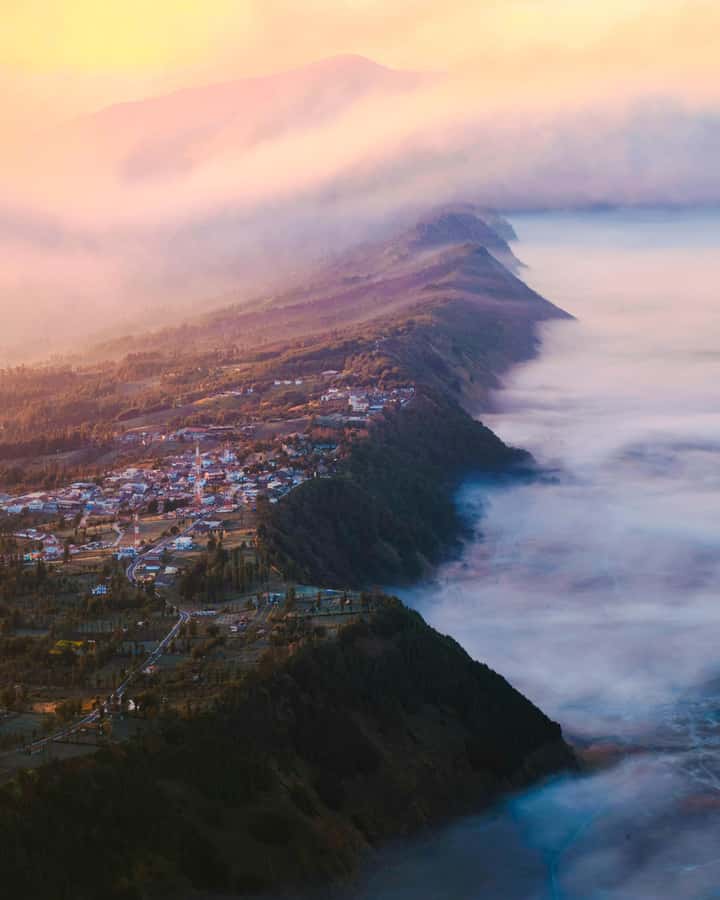
After the main crater and sand-time, the jeep takes you to a small eatery near Bromo for breakfast. It’s quick rather than fancy, and the real win is timing: you’re eating after the cold morning work and before the long return ride.
Then you head back toward Probolinggo. The tour description says the return route includes charming villages, farmland, and mountain views, so you’ll get a gentler change of pace compared with the early volcanic darkness. By then, you’ll be ready for hot tea, warm drinks, and a shower.
Price and value: what $68 includes (and what you should budget for)
The price listed is $68 per person for a roughly 8.5-hour day. For the early pickup, the jeep, the guided stops, and the fees, that’s pretty typical for a sunrise Bromo run—and it’s also what makes this tour feel easier than DIY.
Here’s what’s included:
- Hotel pickup and drop-off in Probolinggo town
- An English/Indonesian-speaking instructor/guide plus driver
- Jeep excursion (4WD) and fuel/parking fees
- One breakfast
- Entry fees you might otherwise have to sort on arrival: Cemorolawang (IDR 50,000 per foreigner) and Mount Bromo (IDR 250,000 per foreigner)
- Taxes
What’s not included:
- Horseback riding in Bromo
- Personal expenses
- Water
Value angle: you’re paying for convenience and for the “right vehicle for the terrain.” You’re also paying for having a guide manage safety briefings, walking routes, and timing across several viewpoints. If you try to do this on your own, the hardest parts aren’t the views—they’re the timing, vehicle logistics, and access rules. This tour tackles those.
My practical advice is to budget small extras anyway: plan to buy water on the day (it’s not included), and keep some cash handy for personal needs. Bring the cash, even if everything feels organized.
What to pack for a cold, early volcanic morning
You’ll want gear that works in cold air, on foot, and in foggy light. The tour’s recommended packing list includes:
- Comfortable shoes (no slippery sandals)
- Warm clothing and ideally layers you can adjust
- Gloves
- A change of clothes (worth it after cold wind and dusty ground)
- Flashlight
- Camera
- Charged smartphone
- Cash
Not allowed: sandals or flip flops. This one matters. The crater-walk part is on uneven ground, and you don’t want a loose foot situation in the dark.
If you’re the type who runs cold, I’d treat this as a real winter-morning outing. Even if the sun later feels warm, Bromo sunrise often starts biting.
Timing, weather, and volcano rules: how to stay confident even when plans change
The tour is clear that route and itinerary may change depending on road, weather, and volcano conditions. Fog and low visibility are possible, and that’s beyond anyone’s control. The bigger point is this: you’re going to be outdoors in shifting conditions, and the best strategy is to dress for cold and stay flexible.
Also, you’re told to remain updated on the volcano’s current situation and comply with any warnings or limitations issued by local authorities. That’s not just safety language—it’s the difference between getting to see certain views and being redirected.
One more timing detail worth respecting: if you choose a date like December 31, you must be prepared before midnight on December 30. The tour pickup is in the hours after midnight in local time, so date confusion happens if you treat it like a normal daytime tour.
Who this tour is best for (and who should pick something else)
This is a strong choice if you:
- Want a sunrise-focused Bromo day with multiple viewpoints
- Prefer guided logistics over DIY vehicle swaps
- Enjoy photos and don’t mind cold mornings and some walking
It’s not the best fit if you:
- Want a quiet, low-crowd experience
- Are highly sensitive to air quality or exhaust during convoy traffic
- Expect full “hands-free” comfort—there are foot sections and chilly waits
If you’re traveling with family, it can work because there’s a clear structure and safety briefings, but plan for the early wake-up and walking.
Should you book this 1-day Mount Bromo sunrise trip?
I’d book it if you want the classic Bromo sunrise setup and you value convenience: pickup in Probolinggo, 4WD handling of the rough terrain, multiple dawn viewpoints, crater access on foot, and breakfast without extra fuss. The views are the reason to go, and this itinerary is tuned for that timing.
I’d think twice if exhaust fumes, crowd congestion, or animal-related concerns (like horses used for tourists nearby) would spoil the day for you. If that’s you, bring practical protections, keep your expectations realistic, and focus on your own schedule and safety.
FAQ
What time does pickup happen in Probolinggo?
Pickup starts between 1:20am and 2:00am, depending on the journey sequence. You should be ready by 1:30am to help avoid delays.
How long is the Mount Bromo sunrise trip?
The total duration is about 8.5 hours.
Is hotel pickup and drop-off included?
Yes, pickup and drop-off are included within Probolinggo town. The listed pickup/drop-off options include Putus.
Do I ride a jeep to see the Sea of Sand?
Yes. You switch to a robust 4WD jeep after reaching Cemorolawang, and you’ll do a jeep excursion around the Sea of Sand.
Can you drive all the way to the Bromo crater viewpoint?
No. Jeep access is restricted around the crater area, so from the parking area you continue on foot.
What sunrise viewpoints are included?
The tour includes sunrise stops at Seruni Point and King Kong Hill.
Is breakfast included, and when do I eat?
Yes. The tour includes 1 breakfast, served after the crater and sand viewpoints, at a small eatery near Bromo.
What entry fees are included?
Entry fees included are Cemorolawang (IDR 50,000 per foreigner) and Mount Bromo (IDR 250,000 per foreigner), plus fuel and parking fees.
What languages do the guides speak?
The instructor/guide speaks English and Indonesian.
What should I bring and what is not allowed?
Bring comfortable shoes, warm clothing, gloves, a change of clothes, a flashlight, and a charged smartphone (plus cash). Sandals or flip flops are not allowed.
What if weather is foggy or the volcano has restrictions?
Weather near Bromo can be unpredictable, and fog/low visibility can happen. The itinerary may be modified due to weather, road conditions, and volcano status, and the tour proceeds regardless of weather condition, while you must follow local authority warnings and limitations.