East Java hits hard and early. In three days you get a cliff-hugging waterfall, a cold-but-worth-it Bromo sunrise, and the midnight grind toward Ijen blue flames—all guided by people who know where to stand and when to move. I love how this route strings together three headline sights without wasting time, and I love that the guides bring local context, not just a recitation. One real consideration: it is not a sleep-in, luxury kind of trip, and the blue-flame moment depends on weather.
I also like that the group stays small, limited to 5 participants. That matters at places like Bromo and Ijen, where timing and photo spots can get crowded fast. If you’re lucky with your crew, you may end up with a driver like Dani or Kiki/Kiko, who helps the long car days feel shorter and the hikes feel more doable.
If you hate being uncomfortable, you might want to think twice. Tumpak Sewu can make you wet, Bromo sunrise comes with serious chill, and Ijen is a long hike that asks for steady legs and patience with low light.
In This Review
- Key Highlights Worth Waking Up For
- How This 3-Day Route Really Flows
- Tumpak Sewu: The 200-Meter Waterfall Curtain Stop
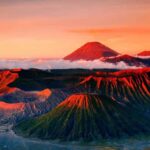
- Bromo Sunrise by Jeep and Foot (Cold, Worth It)
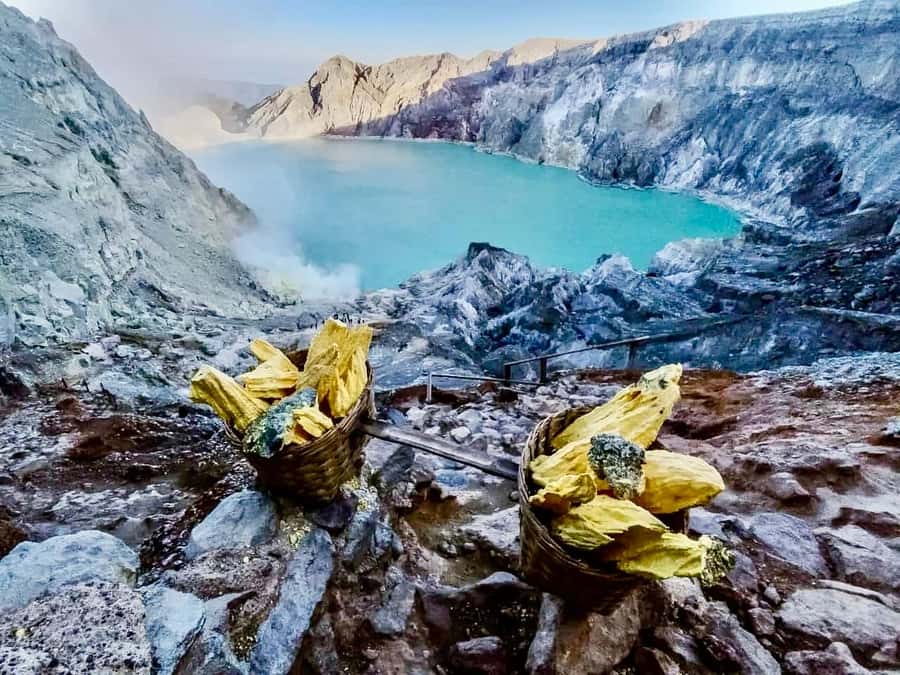
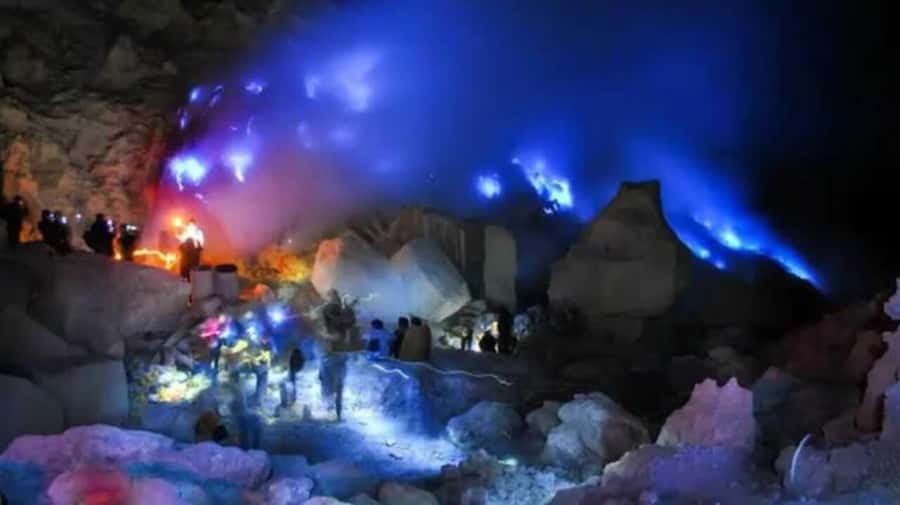
- The Ijen Crater Challenge: Midnight Start and Blue Flames
- Guesthouses, Breakfast, and the Real Comfort Level
- Transportation, Guides, and the Small-Group Advantage
- What You’re Really Paying For: $265 Value Check
- Packing List That Matches the Reality of These Volcano Days
- Weather, Blue Flames, and How to Keep the Mood Right
- Should You Book This Tumpak Sewu Bromo Ijen Tour?
- FAQ
- How many days is the Tumpak Sewu Bromo Ijen tour?
- Where does the tour start and end?
- What’s included for meals?
- What’s included for Bromo and Ijen?
- Do I have a chance to see the blue flames at Ijen?
- What should I bring for the hike and waterfall?
Key Highlights Worth Waking Up For
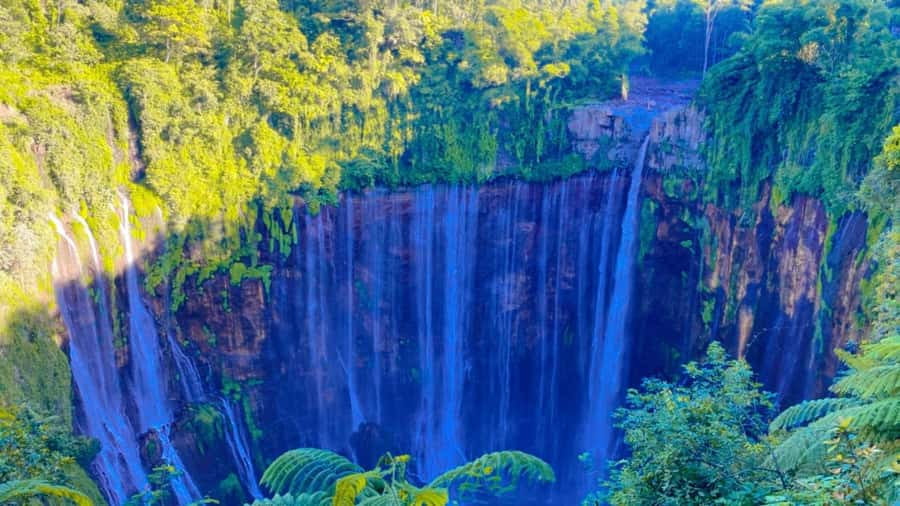
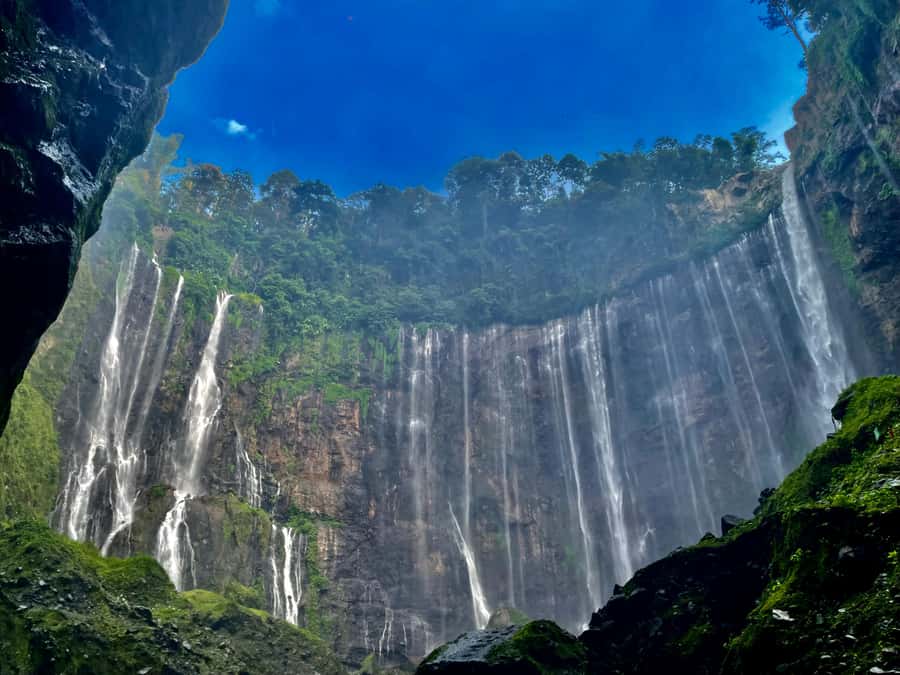
- Tumpak Sewu curtain waterfall: a dramatic 200-meter drop you’ll see from the cliff edge, with a good chance of getting damp
- Jeep access for Bromo: villagers provide 4×4 jeep rides that get you into the national park fast
- Sunrise at Bromo Tengger Semeru: you’ll watch the sky change over the volcanic scenery, then hike at a pace that fits the group
- Ijen crater blue flames: you’ll use headlamps and a gask mask for the hike to the crater viewpoint
- Guides who handle the details: from finding quieter spots to explaining history and culture, they keep your time meaningful
- Small-group energy: limited to 5 participants, so you’re not lost in a crowd
How This 3-Day Route Really Flows
This tour is built for early starts and back-to-back nature stops in East Java. You’ll start with pickup from Malang or Surabaya, then head straight to Tumpak Sewu before settling in for the night. The middle day is Bromo sunrise, and the final day is the Ijen crater at night/early morning.
The big value here is pacing. Instead of treating each volcano like a separate vacation, you get them stitched into one tight rhythm—waterfall first, then volcanic dawn, then the iconic crater experience. If you’re the type who likes ticking off major sights while still learning the story behind them, this format usually fits well.
The small-group size also changes how the day feels. You’ll have an easier time following instructions at key moments—like when to start hiking, where to gather, and when it’s better to step a little to the side for photos.
You can also read our reviews of more tours and experiences in Probolinggo.
Tumpak Sewu: The 200-Meter Waterfall Curtain Stop
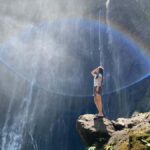
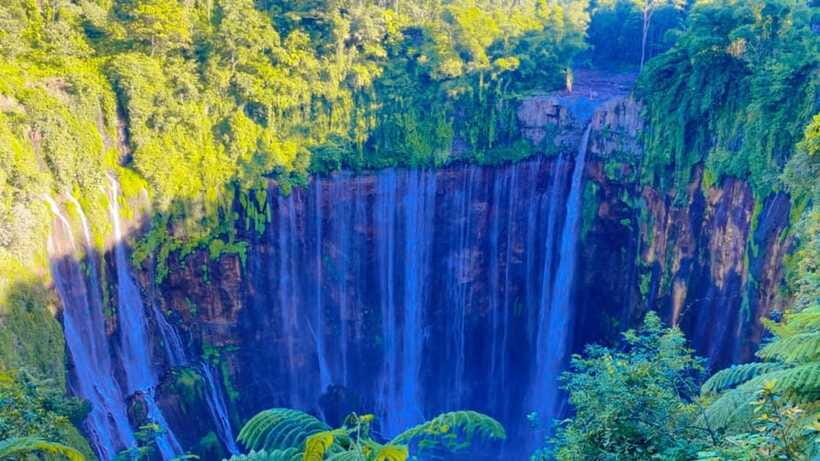
Tumpak Sewu means a thousand waterfalls, and you’ll see why the moment you arrive. The highlight is the waterfall’s look: it drops about 200 meters and forms a curtain-like flow around the cliff. It’s one of those places where the scale hits you first, then the sound reminds you you’re in the middle of something powerful.
Plan on being active here. You’ll want comfortable shoes with grip, and you should expect slick ground in misty weather. The tour also warns you that you may get wet at Tumpak Sewu, so pack extra clothes if you don’t want to feel cold after the waterfall time.
A smart detail: the schedule includes entry fees for the area, so you’re not juggling tickets while your camera batteries are draining. You’ll also have a local guide, and in past departures guides like Jerry have helped people get through the water safely while keeping the experience comfortable and focused.
Weather matters. If visibility or access is affected, the tour can adjust—one departure was redirected to Madakaripura when Tumpak Sewu was closed. That doesn’t make the day easy, but it does show you’re not simply stuck. Go with a flexible mindset and you’ll handle changes better.
Bromo Sunrise by Jeep and Foot (Cold, Worth It)
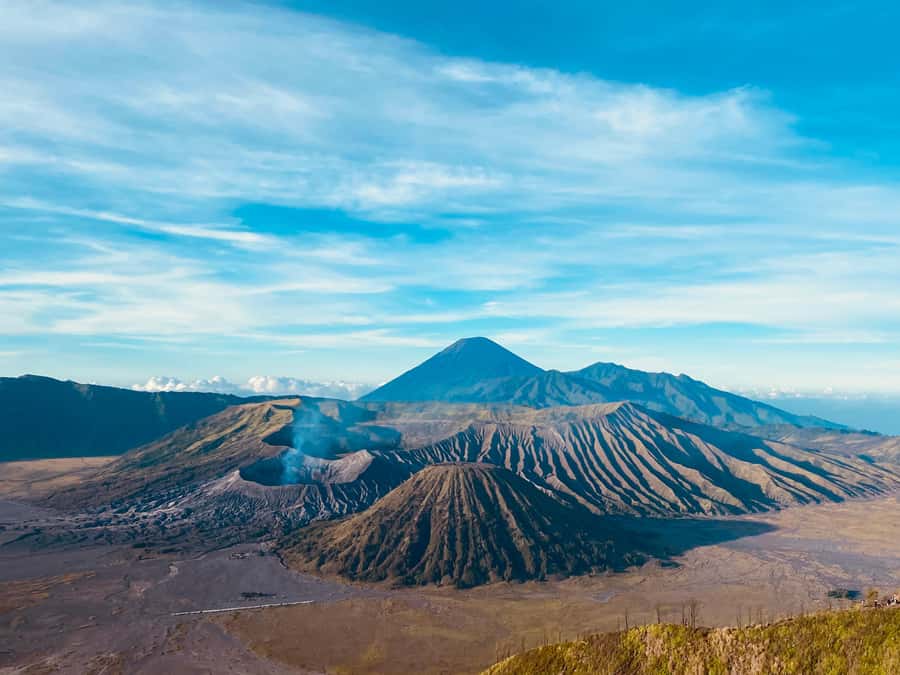
Day 2 is all about Bromo Tengger Semeru National Park. You’ll ride a 4×4 jeep (provided) into the national park area with other small-group participants. This is important because Bromo is one of those places where getting in fast saves energy for the sunrise hike.
Sunrise is the main event. You’ll start before dawn, watch the sky brighten, and take in the volcanic views from the most approachable hiking area. Yes, it’s cold. You’ll feel it in your hands and toes if you show up underdressed. Warm clothing is not optional here—pack it even if Surabaya feels hot.
After the sunrise viewpoint hike, you’ll head back and have breakfast. That part matters more than you might think. These days are stacked, and feeding yourself before heading to the next drive helps you stay steady instead of crashing emotionally at mile 100.
One of the best parts of the Bromo experience is how the guides manage your time. In real life, sunrise spots fill up fast. A good local guide helps you get the moment you came for, then gives you time to walk around on your own without feeling like you’re trapped on a single platform. In past departures, guides have even helped with quieter photo angles—so you’re not always photographing through a sea of heads.
The Ijen Crater Challenge: Midnight Start and Blue Flames
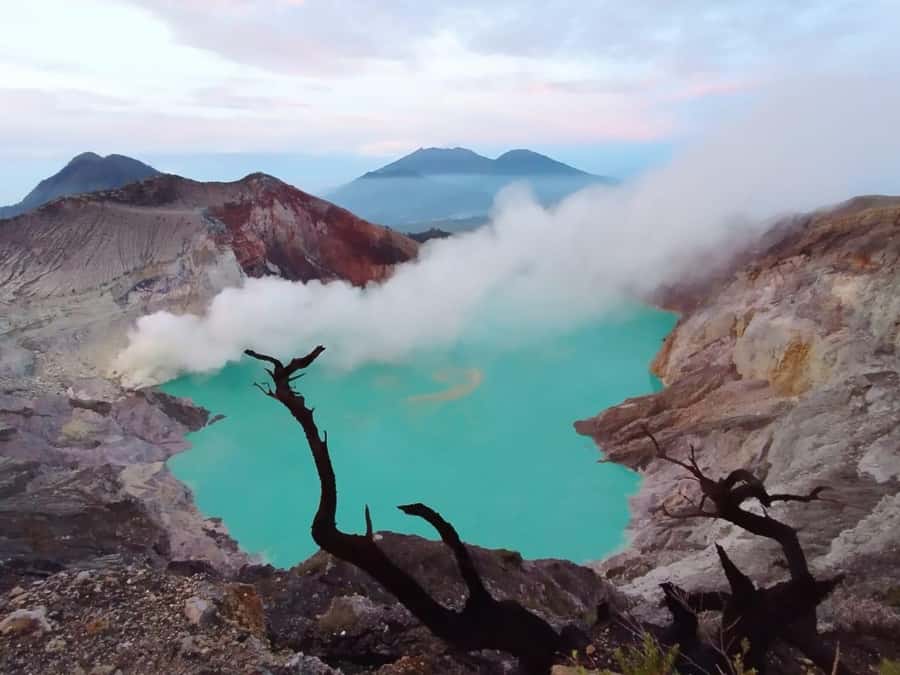
The Ijen day is the hardest one, and that’s exactly why it feels so rewarding. Between the end of day 2 and the early morning of day 3 (midnight/very early), you’ll drive to Paltuding, which is the starting point for the hike. You’ll get a briefing, then head into the crater area with a guided pace.
What you’re really preparing for is darkness and length. The hike is about 5–6 hours total at Mount Ijen, including time for the crater viewpoint experience and getting back down after sunrise. You’ll use a headlamp, and you’ll get a gask mask. These aren’t “nice extras.” They’re part of how you safely handle the conditions at the crater area.
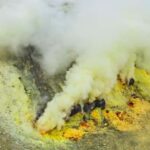
Then comes the blue flames. They’re the signature: rare, mesmerizing, and fueled by the right conditions. Here’s the honesty you need: the tour notes that blue flames depend on weather, so you can’t assume you’ll see them every single time. Still, even if the flames are faint or not visible, the crater environment and the experience of being there at the right time can be unforgettable.
After the activity, you’ll take a break and then have breakfast. That meal timing is a big deal because you’re done with the steep, demanding part of the day and ready to recover instead of immediately transferring to another long drive with empty energy.
One practical plus: you’re not left alone to figure out gear and steps. Your trekking guide is there for the hike flow and the crater moment, and drivers like Dani have been praised for keeping the whole day running smoothly even when the schedule is intense.
Guesthouses, Breakfast, and the Real Comfort Level
This is a nature-first tour, not a hotel-resort parade. You’ll stay in local guesthouses for two nights. Rooms are basic by design, which can be totally fine if you’re using your brain to focus on the views instead of the bathroom details.
Meals are also simple. Breakfast is included on day 2 and day 3, but lunch and dinner are not included. That means you’ll want a plan for where to eat on your own during gaps—especially if you have dietary needs.
If you like authentic local stays, guesthouses are often a good compromise: you’re close enough to the action that the early starts don’t feel like you’re living on the road all day. If you expect spotless luxury, you may find the accommodations more functional than cozy.
There’s also the matter of sleep. With sunrise hikes and midnight starts, you’re not going to be fully refreshed each day. Go into it expecting short nights and you’ll handle it better. The people who enjoy this tour tend to be the ones who treat the rough edges as part of the adventure.
Transportation, Guides, and the Small-Group Advantage
You get hotel pickup and drop-off, plus transportation between stops. There’s also an English-speaking driver, and the tour uses a live guide who can work in English, Indonesian, and Malay. That language support matters, especially when guides explain history, culture, and what you should look for as the scenery changes.
You also benefit from a small group capped at 5 participants. That usually means your guide can track everyone, adjust timing, and spend a little more attention on how you’re doing—especially on the hikes. For Ijen and Bromo, where walking pace and footing matter, that kind of attention can genuinely reduce stress.
In the more positive departures, drivers and guides were praised not just for safety, but for making the day feel personal. People like Kiki/Kiko and Jerry were highlighted for helpfulness and for sharing cultural context during long drives. That’s the difference between seeing volcanoes and understanding what you’re looking at.
What You’re Really Paying For: $265 Value Check
At $265 per person for 3 days, the value comes from stacking a lot of included items that would cost extra if you booked everything separately. You get pickup and drop-off, guesthouse nights, transportation, entry fees for Tumpak Sewu, Bromo National Park, and Ijen Geopark, plus equipment like the gas mask and headlamp.
You also get access help at Bromo via a 4×4 jeep, which is one of the most expensive pieces to replicate on your own without local knowledge. Entry fees add up quickly at major sites, and the tour also includes highway fees.
Two things are not included: lunch and dinner, plus personal expenses. You’ll also want to budget for snacks and water during long hike periods, even if breakfast is provided on the last two mornings. In practice, that’s where you’ll spend most of the extra money anyway.
So the “good deal” question becomes: are you okay trading some comfort and sleep for major natural sights in a tight window? If yes, $265 often feels fair because the tour bundles logistics you’d otherwise struggle with.
Packing List That Matches the Reality of These Volcano Days
Based on the tour’s guidance, you’ll want to pack for cold starts, wet conditions, and long walking. Here’s a practical checklist that matches what matters on the ground:
- Comfortable shoes with grip (hiking shoes or sturdy sneakers)
- Warm clothing for sunrise hours
- Jacket (wind at higher points can cut fast)
- Long pants (for hiking and crater-area walking)
- Camera (you’ll have chances for dramatic shots at sunrise and crater time)
- Extra clothes if you want to handle mist/water at Tumpak Sewu
Even with provided gear at Ijen (mask and headlamp), you still need your own basics. Don’t count on being able to buy winter layers easily nearby. Bring what keeps you comfortable and moving.
Weather, Blue Flames, and How to Keep the Mood Right
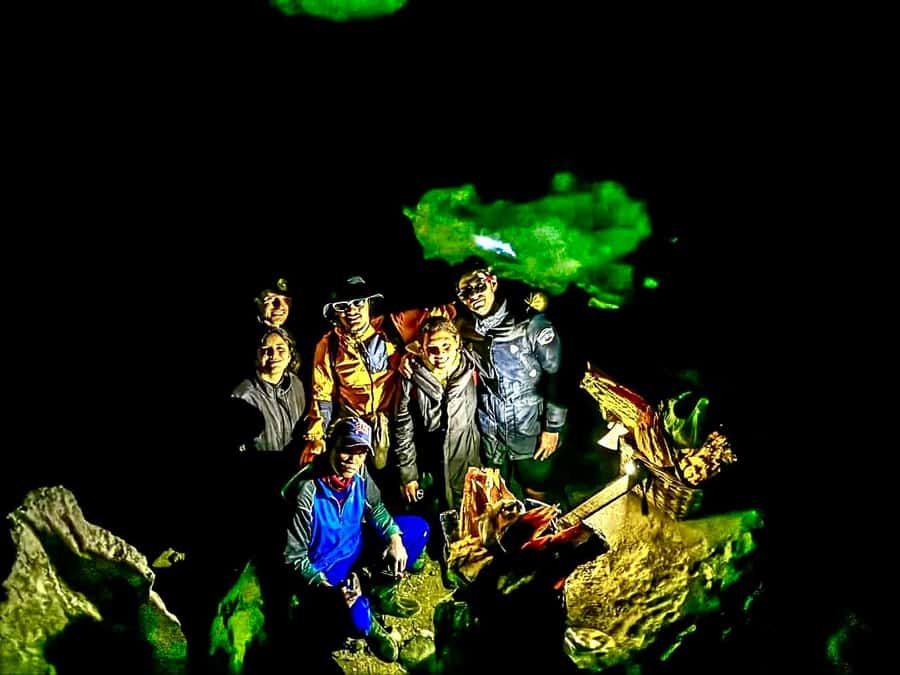
Weather is the wildcard in East Java volcano travel. The tour explicitly warns that the blue flames phenomenon at Mount Ijen is subject to weather conditions and cannot be guaranteed. That doesn’t mean it’s pointless. It means you should set your expectations: you’re going for a once-in-a-lifetime chance, not a guaranteed fireworks show.
If conditions are poor, flexibility is key. You might see itinerary changes if access is affected at certain stops, and you should be ready for alternative waterfall options if one site is closed.
My best advice: treat the day as a progression. Even when the signature moment changes, you still get the hard work, the crater views, and the sense of being somewhere very unusual. If you can roll with it, you’ll enjoy the whole arc more.
Should You Book This Tumpak Sewu Bromo Ijen Tour?
Book it if you want a focused East Java highlights sprint: waterfall first, volcano sunrise next, then crater time with proper gear. This is a strong fit for active travelers who don’t mind early mornings, moderate hiking, and basic guesthouse stays.
Skip it (or choose a softer option) if you need comfort, late wake-ups, and guaranteed wow-moments on demand. The blue flames are never a sure thing, and the overall schedule is intense.
If you want the best odds of enjoying the experience, go with the right attitude: comfortable shoes, warm layers, and patience for long days. Then let the guides do what they do best—handling timing, navigating the terrain, and explaining the place in a way that makes the views feel more than just photos.
FAQ
How many days is the Tumpak Sewu Bromo Ijen tour?
It’s a 3-day tour.
Where does the tour start and end?
You’ll be picked up from Surabaya or Malang city. The tour finishes at Ketapang harbor, with an option to return to Surabaya. The pickup option also mentions drop-off at Bali island with the ticket ferry included.
What’s included for meals?
Breakfast is included on day 2 and day 3. Lunch and dinner are not included.
What’s included for Bromo and Ijen?
You get a jeep with 4×4 wheels for Bromo, plus a trekking guide. For Ijen, you’ll have a gask mask and headlamp, along with a trekking guide.
Do I have a chance to see the blue flames at Ijen?
You’ll hunt for the blue flame, but visibility depends on weather conditions, so it can’t be guaranteed.
What should I bring for the hike and waterfall?
Bring comfortable shoes, warm clothing, a jacket, long pants, and a camera. The tour also notes you may get wet at Tumpak Sewu, so extra clothes can help.