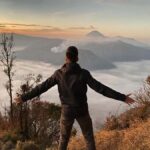
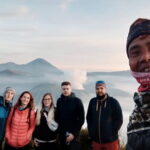
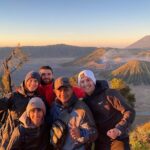
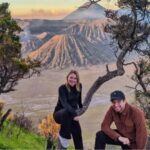
East Java at night is pure magic. The best part is the double headline of Bromo sunrise and Ijen blue fire, with real hiking involved at both ends. I love that it’s set up as a private, guided experience for the hard parts, not a chaotic group scramble. I also love the value of getting the key logistics bundled together: AC transport, Jeep access for Bromo, entrance tickets, and two included nights. The main drawback is simple: it’s intense. You’ll wake up early and spend real time walking on volcanic terrain.
The standout scenery starts at Tumpaksewu, where you’re not just viewing from afar. You get to enjoy panoramic views above the falls, then trek down until you’re near the base so the air feels different and the waterfall feels personal. If you’re the type who likes moments you can’t copy from a viewpoint, this one lands.
You also get flexibility with where the trip finishes. You can end at Ketapang Harbor in Banyuwangi (useful if you’re continuing to Bali), or drop back in Surabaya. Just know this is a fast-paced route built to fit several iconic sites into a short window.
In This Review
- Key highlights from this East Java 3-day circuit
- How this 3-day East Java volcano-and-waterfall route really works
- Tumpaksewu waterfall: panoramic views plus a hike down to the base
- The transfer days: why the AC driver and timing matter
- Bromo sunrise at Penanjakan: guided spots and Jeep access
- Ijen Crater and the blue fire: what makes it unforgettable (and hard)
- What you’re really paying for: value of the included transport, guides, and gear
- Timing reality check: early mornings, nighttime walking, and weather uncertainty
- What to pack for Bromo and Ijen nights (the stuff that actually helps)
- Who this tour is best for (and who should choose a slower plan)
- A final decision: should you book this 3-day Bromo–Ijen–Tumpaksewu trip?
- FAQ
- What is the duration and starting point of this tour?
- Where does the tour end, and can it help me continue to Bali?
- What’s included in the price (and what isn’t)?
- Is the blue fire at Ijen guaranteed?
- How early do I need to be up for Bromo sunrise and Ijen?
- Do I need special gear for Ijen?
- Is this a private tour?
Key highlights from this East Java 3-day circuit
- Tumpaksewu waterfall trek: panoramic views, then a descent toward the bottom of the waterfall
- Bromo sunrise at Penanjakan: guided lookout timing plus Jeep access to the active volcano area
- Short but serious Ijen hikes: flashlight + mask support and a guided push to the crater rim
- Blue fire viewing: possible when the sky is still dark and conditions allow local access
- Private, English-speaking driver: smoother transfers between early-morning zones
- Two included nights near the action: less time hauling luggage through Indonesia than DIY
How this 3-day East Java volcano-and-waterfall route really works
This is built like a classic East Java highlight circuit: you hit Tumpaksewu first, then swing into the Bromo area for sunrise, then finish with Ijen Crater at night and into the next morning. The pacing is designed for the travel math of the region: distances are real, sunrise windows are short, and crater trails don’t wait for you to “sleep in.”
That’s why this trip feels smooth even when the schedule is demanding. You’re not spending your energy figuring out transport timing or ticket timing. You have an English-speaking driver for the long transfers and local guides when you’re at the places where local knowledge matters most—especially around Bromo sunrise logistics and on Ijen’s crater trail.
If you hate early starts, this isn’t the best fit. But if you’re okay with early mornings and you want three major nature icons in one shot, the structure makes a lot of sense.
You can also read our reviews of more tours and experiences in Surabaya.
Tumpaksewu waterfall: panoramic views plus a hike down to the base
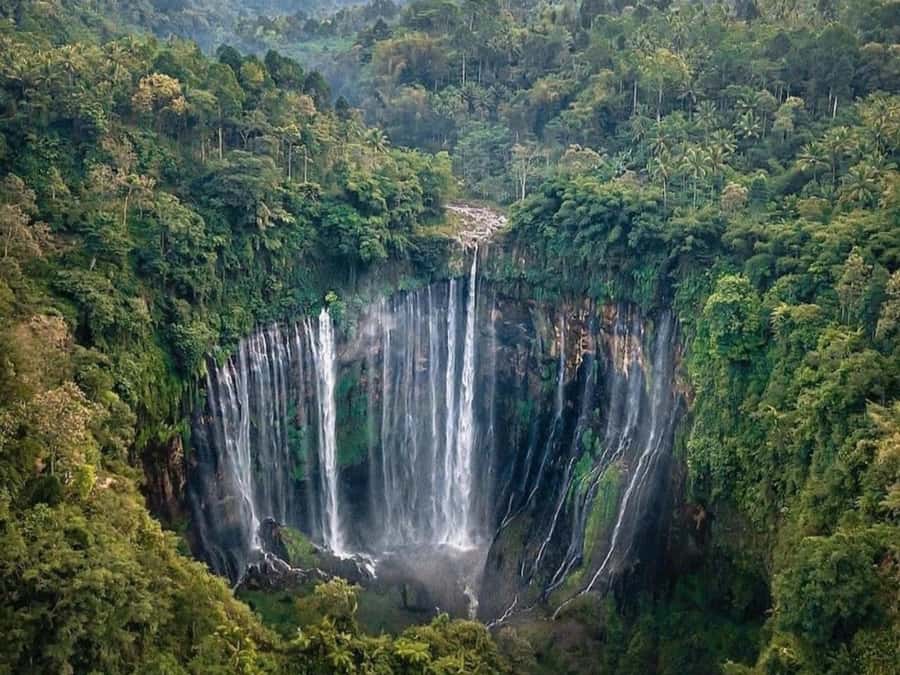
Tumpaksewu is the kind of stop that turns a “nice waterfall” into a full experience. The view is part of the magic: you’re watching water spill from a height with Mount Semeru in the background when conditions cooperate—especially if you go early and plan for good visibility. (If you’re into photography, the included guidance mentions early timing and the mountain backdrop.)
Then comes the part most people don’t do on their own: you trek down toward the bottom of the waterfall. That changes everything. From up high, you see shape and distance. At the bottom, you get mist, cooler air, and that up-close scale that makes the waterfall feel louder and closer.
Why this stop feels worth it on a tight 3-day plan: it’s one of the few “signature East Java” features that gives you both a view and a movement-focused experience in a single block of time.
What to watch out for: you’ll want shoes with traction and a bit of comfort for walking. Even though it’s not described as an all-day climb, it still counts as active time during a trip that already runs hard.
The transfer days: why the AC driver and timing matter
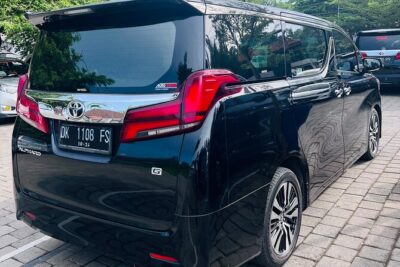
Between major sights, you’re doing long drives on Indonesian roads where start times are everything. Having a car with AC and an English-speaking driver helps a lot. It’s not just comfort. It’s also how you keep the schedule from collapsing when you hit traffic, slow checkpoints, or uneven road conditions.
This trip also includes two nights of lodging with breakfast—one near the Bromo area and one near Ijen—so you’re not trying to return to a distant city and come back again. You can feel the difference when you’re not hauling your bags across Java between every highlight.
And because the tour is private, you’re not stuck with a rigid group pace. You can keep your own rhythm for walking breaks and photo stops. It won’t make the tour gentler, but it makes it less stressful.
Bromo sunrise at Penanjakan: guided spots and Jeep access
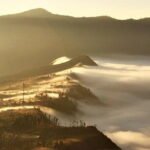
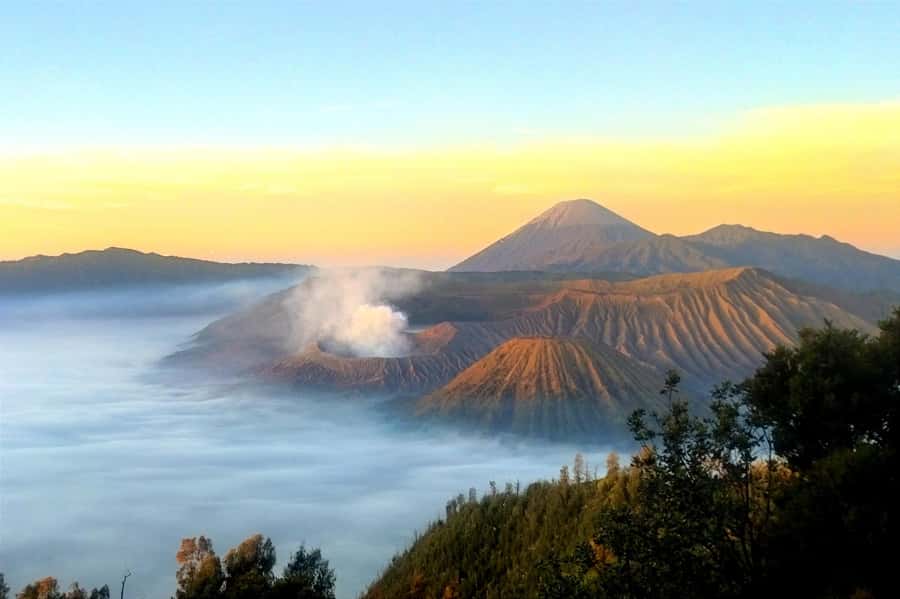
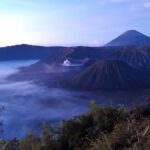
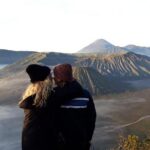
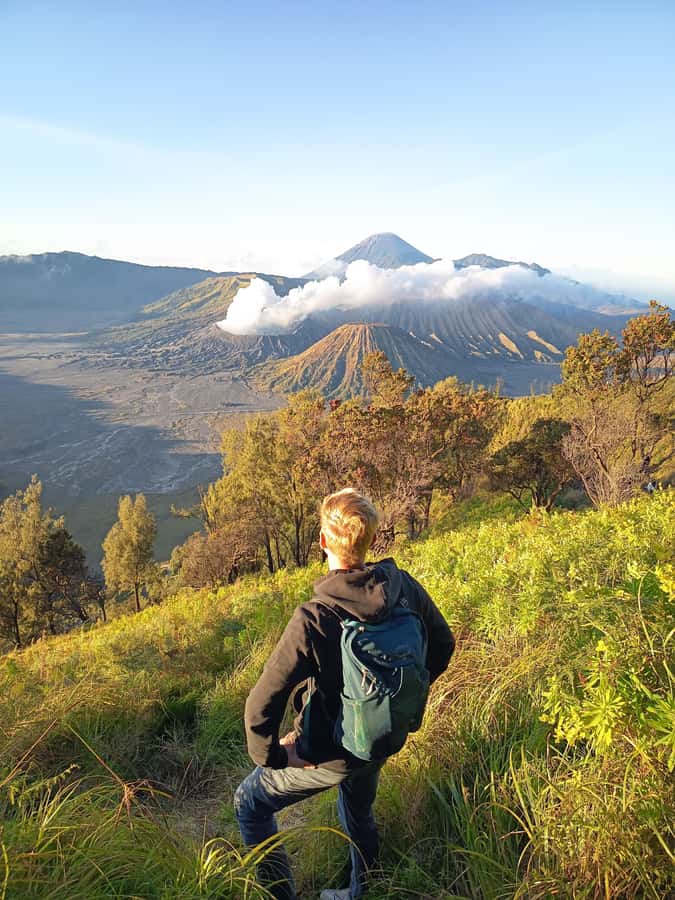
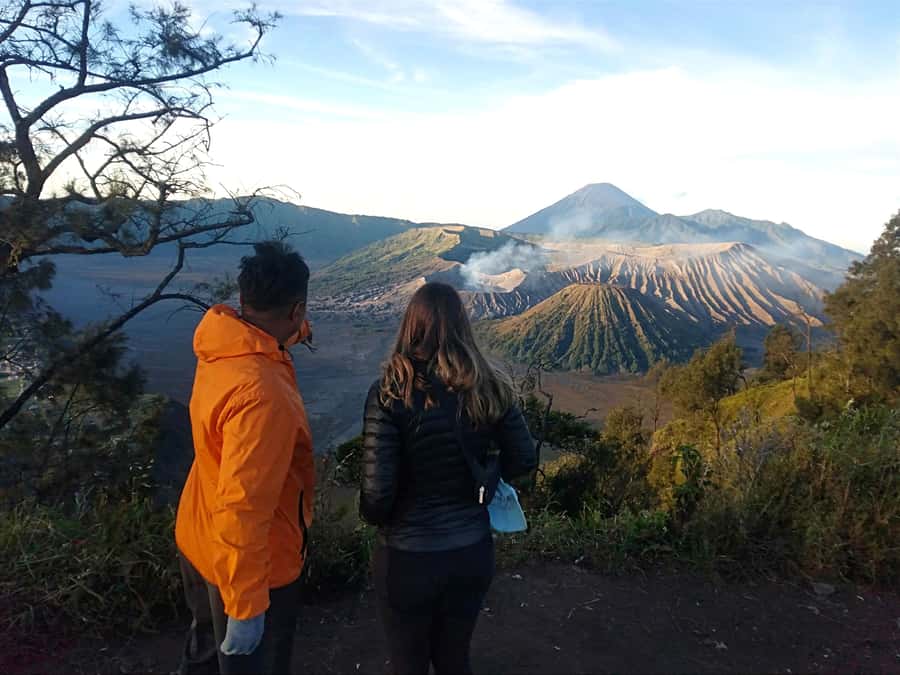
Bromo is one of East Java’s most famous volcano experiences for a reason. The big draw is the sunrise viewpoint and the surreal crater scenery that follows when the light hits just right.
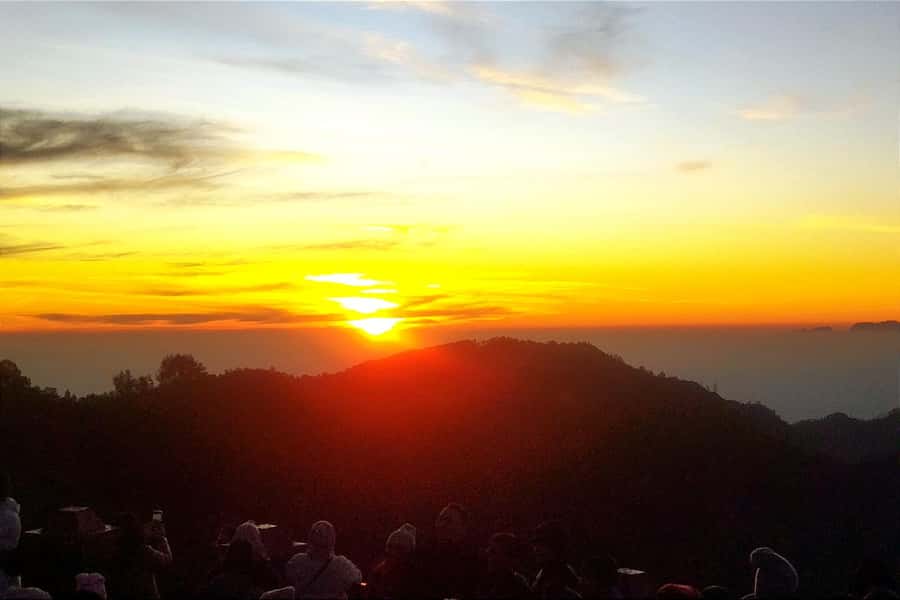
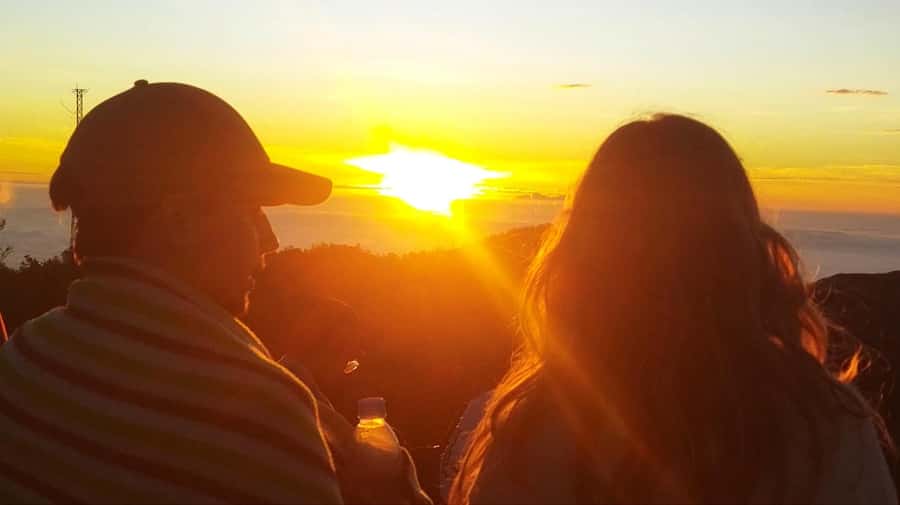
On this trip, a local guide accompanies you for the Bromo sunrise at Penanjakan. That matters because sunrise viewing is partly about the timing and partly about getting to the right viewing position without guessing. You don’t want to arrive late and end up behind people who moved earlier, or arrive too early and waste your morning on a spot with worse visibility.
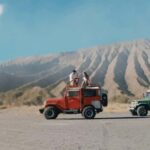
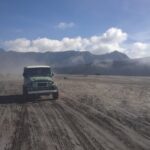
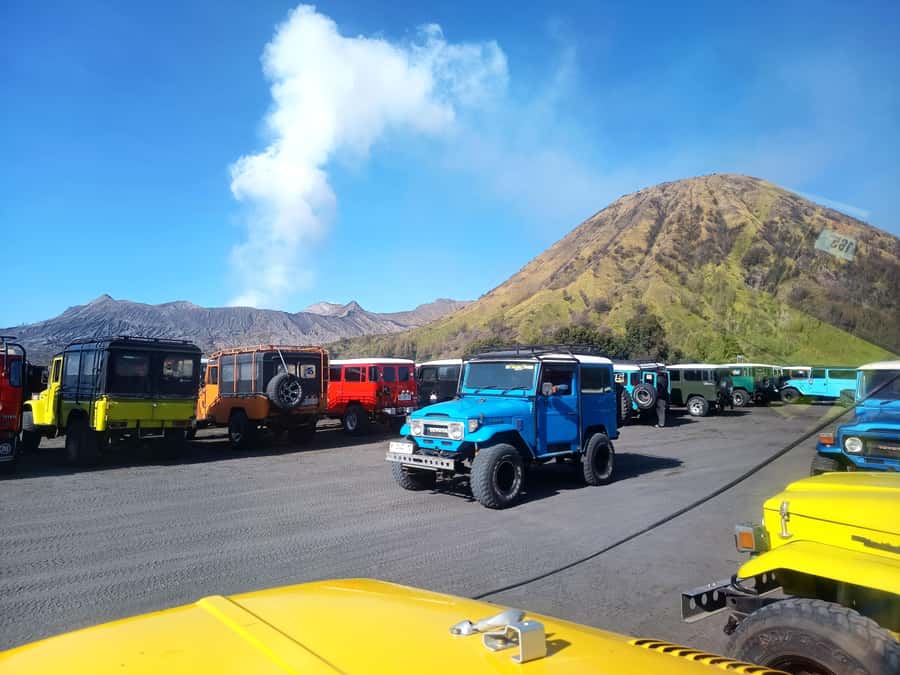
Getting to the volcano area is also handled with Jeep/SUV access. The point of the Jeep isn’t luxury. It’s practical. The terrain and vehicle access near Bromo means Jeep travel makes the day easier and gets you closer to the walking sections without adding extra transfers.
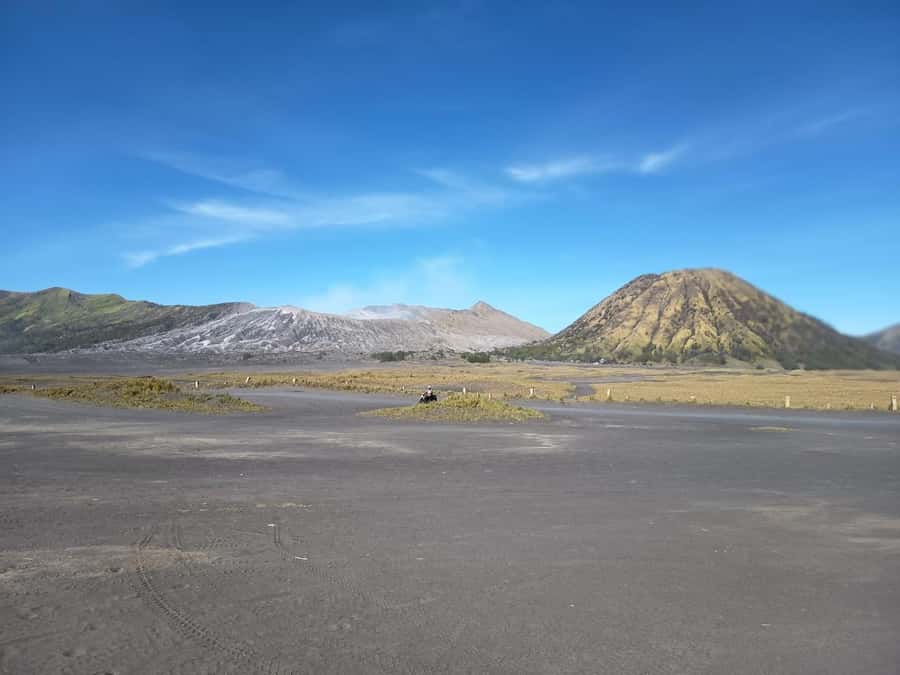
What you’ll actually do at Bromo: you go through the crater area with walking time and hiking time, with a self-guided or loosely guided approach for the crater views. You’ll get that iconic sense of being on the edge of an active volcanic world.
Possible drawback: good weather controls the quality of the view. Fog and cloud cover can blur the horizon, and sometimes you may have to wait for clarity.
Ijen Crater and the blue fire: what makes it unforgettable (and hard)
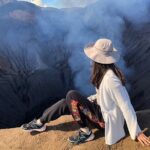
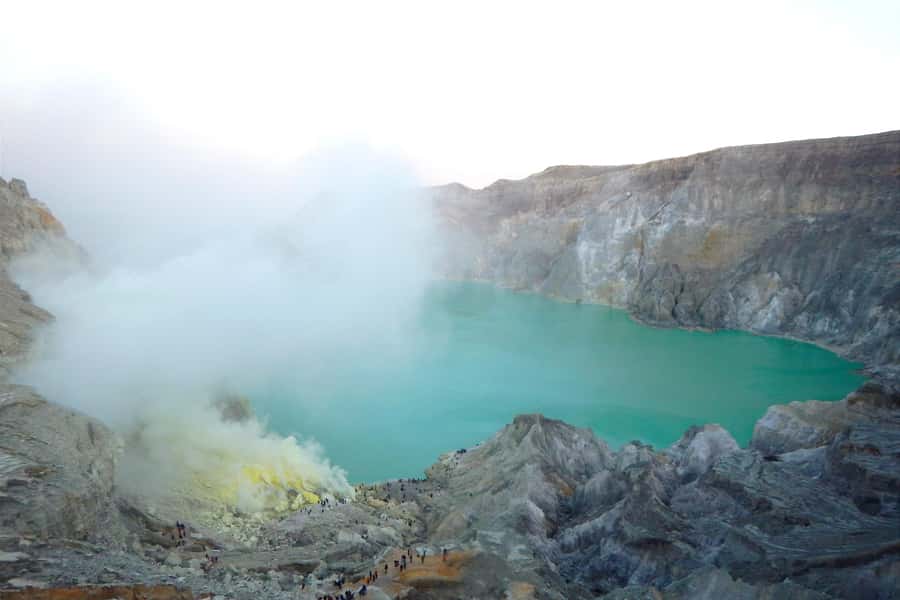
Ijen is the emotional peak of the trip for most people. You’re walking into a still-active volcanic zone with a crater lake that looks green from the rim, and then you’re chasing the phenomenon people travel for: blue fire.
The important detail: blue fire visibility depends on nature conditions and local authority regulation. The trip information notes a recent update that bluefire was visible for visits on January 15, but it also clearly says there’s no guarantee. So you should treat it like a best-possible experience, not a certainty.
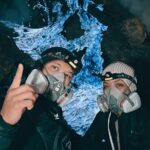
You’ll start in the dark and hike up toward the crater area. The information provided says reaching the top takes less than 2 hours of hiking, and blue fire is visible only when the sky is still dark. That’s why the flashlight and mask rentals are included: the environment is low-light and harsh, and you need gear to make the walk safer and more comfortable.
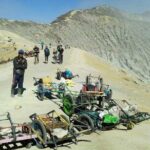
You’ll also see something many volcano destinations don’t offer: traditional sulfur mining. The miners’ work is dangerous and physical, and the experience is more grounded than just scenic. There’s even a mention that you could try lifting a sulfur bucket to feel the weight—something that turns your understanding from visual to physical.
Possible drawback: the air around Ijen and the steep crater terrain aren’t a match for everyone. This trip specifically says it’s not suitable for people with respiratory issues, and it flags limitations like no asthma/respiratory issues.
What you’re really paying for: value of the included transport, guides, and gear
At $320 per person for three days, the best way to judge value is by what’s covered versus what you’d otherwise pay for separately.
Included in the package are:
- pickup in Surabaya or Malang (from several transit and hotel locations)
- AC car transport for the full multi-day routing, with an English-speaking driver
- Jeep rental for exploring the Bromo area
- entrance tickets for Tumpaksewu, Bromo, and Ijen
- one night accommodation near Bromo and one night accommodation near Ijen, each with breakfast
- local guides for Tumpaksewu, Bromo sunrise, and Ijen, including guidance to the crater and blue fire area
- flashlight and mask rental for Ijen
- bottled mineral water during the trip
- a health certificate for Ijen hiking
- drop-off either at Ketapang Harbor (Banyuwangi) or back in Surabaya
Not included:
- lunch and dinner
- personal expenses
- tips to driver/guide
For many travelers, the biggest hidden cost on volcano trips is guide + logistics + early timing. This package bundles those essentials. The hotels with breakfast are also a real savings compared to piecing it together yourself, especially when you’re juggling sunrise departure windows.
If you already planned to hire a driver, add Jeep transport, and book local guides for Ijen and Bromo, this price starts to look fair fast.
Timing reality check: early mornings, nighttime walking, and weather uncertainty
This tour is intensive. Even with private pacing, you’ll live inside early start times. The sunrise portion starts before normal human bedtime, and the Ijen portion is timed for dark-sky blue fire conditions. The trade-off is that you get to see East Java’s most iconic nature moments without losing days to trial-and-error travel.
Weather is the other big reality check. The information explicitly notes no guarantee for clear conditions. Rain or fog can reduce visibility at Bromo and around the crater views. You might have to wait longer for the view to open up, so build flexibility into your mindset.
A practical tip: treat clear weather as a gift, not a promise. Your best attitude is patience. When views clear, they usually clear fast.
What to pack for Bromo and Ijen nights (the stuff that actually helps)
This is one trip where packing wrong can ruin your comfort for hours. Use this list as a base, and adjust for your own tolerance.
Bring:
- comfortable shoes for volcanic and uneven ground
- warm clothing (nights and early mornings can feel cold)
- gloves and long pants
- socks you’re comfortable walking in for multiple hours
- jacket and an outdoor layer
- waterproof shoes if you have them
- sandals only if you expect to switch footwear sometimes
- cash and your passport/ID
- power bank
- pillow (if you’re sensitive to sleep on the road)
You’ll also want to think about the terrain logic: Ijen and the crater zones can be gritty and damp. Having traction matters. For warmth, you don’t need fancy gear, but you do need real insulation for the dark start.
Who this tour is best for (and who should choose a slower plan)
This package is best for travelers who:
- like hiking volcano areas more than lounging
- can handle early starts and nighttime walking
- want a private setup with local guides when needed
- care about seeing Bromo sunrise and Ijen crater in one tight window
It’s not suitable for:
- children under 5
- people over 55
- pregnant women
- people with respiratory issues (including asthma)
If you’re the type who gets miserable when a schedule gets intense, consider a longer itinerary (like a 4-day option, if available). You’ll likely enjoy East Java more when you’re not trying to do crater trails on tired legs.
A final decision: should you book this 3-day Bromo–Ijen–Tumpaksewu trip?
If your goal is to see three East Java icons—Tumpaksewu, Bromo sunrise, and Ijen crater with blue fire—within a short time, this tour makes sense. The value is strongest when you factor in the bundled transport, tickets, guides, and the Ijen gear support.
I’d book it if:
- you’re okay with early starts and short-to-moderate hikes
- you want a private, guided experience rather than DIY guesswork
- you’re motivated by crater views and the chance of blue fire
I’d think twice if:
- you’re sensitive to cold nights or strenuous terrain
- you want guaranteed sunrise and guaranteed blue fire (both depend on conditions and regulations)
- you’re not comfortable with respiratory-related restrictions
If you match the energy level, this is a strong East Java sampler that feels well organized from the first pickup to the Ketapang Harbor drop-off.
FAQ
What is the duration and starting point of this tour?
It runs for 3 days and starts with pickup in Surabaya or Malang. Pickup can be arranged between 4:00 AM and 11:30 AM.
Where does the tour end, and can it help me continue to Bali?
It can end at Ketapang Harbor in Banyuwangi around 9:00 AM, which is convenient if you want to continue to Bali. There’s also an option to return to Surabaya around 2:00 PM.
What’s included in the price (and what isn’t)?
Included are AC transport with an English-speaking driver, Jeep rental for Bromo, entrance tickets for Tumpaksewu/Bromo/Ijen, two nights of accommodation with breakfast, local guides, flashlight and mask rental for Ijen, and mineral water. Lunch and dinner, personal expenses, and tips aren’t included.
Is the blue fire at Ijen guaranteed?
No. Blue fire visibility depends on nature conditions and local authority regulation. The info notes it was visible for visits on January 15, but it still isn’t promised for every departure.
How early do I need to be up for Bromo sunrise and Ijen?
You should expect very early and nighttime timing because the sunrise is at Penanjakan and blue fire viewing happens when the sky is still dark.
Do I need special gear for Ijen?
You’ll get a flashlight and mask rental included. You should also bring warm clothing, long pants, gloves, and appropriate shoes.
Is this a private tour?
Yes. It’s a private group experience with an English-speaking driver and local guides at the main activities.