Bali’s Ubud area can feel overwhelming fast. This day tour keeps it simple: waterfalls, a temple purification at Tirta Empul, and the famous rice terrace views in one organized loop. I love that you get real time for swimming at both waterfalls, not just a quick look-and-go stop. I also like that the day isn’t only scenery; the Tirta Empul part adds a meaningful cultural moment you can actually take part in.
The big thing to consider is that you’ll be on your feet and climbing a bit. If you have a back problem or mobility limits, this route may be uncomfortable, and it’s not designed for wheelchair users.
In This Review
- Key highlights to know before you go
- A Ubud day built around water, ritual, and viewpoints
- Price and value: what $30 gets you in real terms
- Pickup, timing, and the one detail that can ruin your morning
- Stop 1 on the route: Tegalalang Rice Terraces (walk, photo stops, and shade breaks)
- Tirta Empul Temple: what the Melukat purification actually asks of you
- Coffee plantation tasting: how to make the most of the samples
- Tibumana Waterfall: lush water, swimming time, and the photo reality
- Kanto Lampo Waterfall: stone walls, spray photos, and safety sense
- What you’ll actually be doing all day (and why it matters)
- Who this Bali Ubud tour suits best
- Should you book this tour from Ubud?
- FAQ
- How long is the Bali day tour from Ubud?
- Where can the tour pickup from?
- Is hotel pickup and drop-off included?
- Is there an English-speaking guide?
- Which sites are included in the itinerary?
- Are meals included?
- Can I swim at the waterfalls?
- Is this tour suitable for wheelchair users?
- What should I bring for the day?
- Is the tour refundable if I cancel?
Key highlights to know before you go
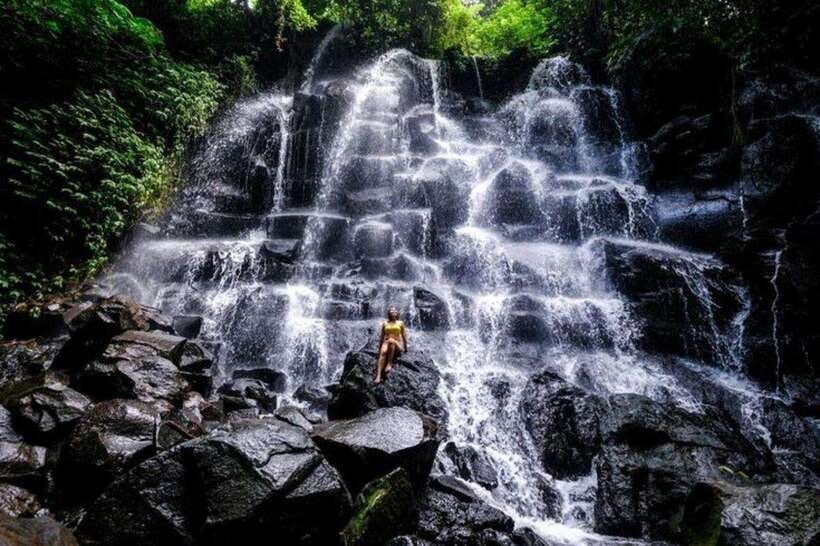
- Kanto Lampo Waterfall swim time with stone walls and spray that make great photos
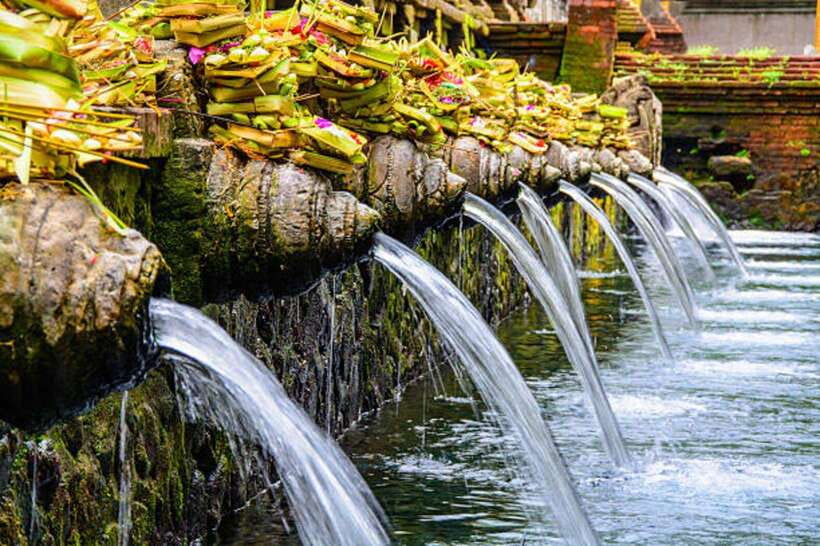
- Tirta Empul Melukat purification at the holy spring temple
- Coffee plantation tasting including coffee, tea, and chocolate samples
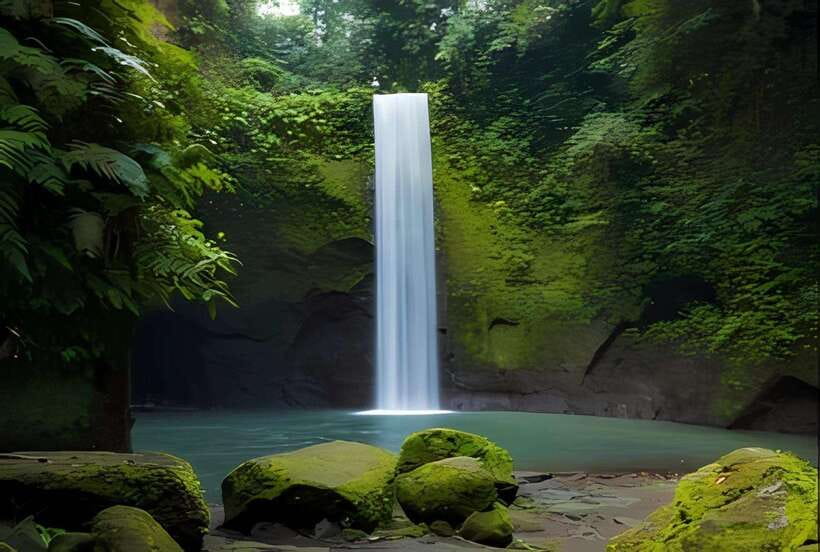
- Tibumana Waterfall for lush views and a refreshing swim spot
- Tegalalang Rice Terraces with time to walk and take in the views from up close
- Private group + English guide so you can ask questions and move at a comfortable pace
A Ubud day built around water, ritual, and viewpoints
This tour works because it hits three sides of Bali that many days miss. You get the physical side (stairs and short walks), the sensory side (cool waterfall water and coffee tasting), and the cultural side (a purification ritual at Tirta Empul). It’s a well-paced way to experience the Ubud region without renting your own scooter or playing taxi roulette.
And because it’s a private group, the flow feels more relaxed than big bus tours. Your guide can explain what you’re seeing and help you plan your timing around crowds and weather. In one account, a guide named Jhon was praised for being patient, taking lots of photos, and adding respectful context throughout the day, even offering extra warmth beyond the standard stops.
The day is also practical. You’re provided mineral water, and you’re told clearly what to bring: shoes for walking, sunscreen, hat, and swimwear plus a change of clothes.
You can also read our reviews of more tours and experiences in Ubud.

Price and value: what $30 gets you in real terms
At about $30 per person, the value is driven by volume. For that price range, you’re not just paying for one attraction. You’re covering transport from multiple pickup zones, an English-speaking guide, entry to several major stops (depending on selected options), plus parking and mineral water.
What you should weigh is what’s not included. Meals aren’t included, and tips for the driver are optional. So you’ll want a little cash or a card ready for lunch or snacks. If you’re trying to keep costs low while still getting multiple highlights, this is the kind of structured day that helps.
Also note the tour mentions an entry fee is included only if you pick the option that includes entry. So before you book, double-check whether entrance to all listed stops is included in what you’re selecting.
Pickup, timing, and the one detail that can ruin your morning
This tour is about 10 hours long. Pickup is available from several areas around Bali, and it includes hotel pickup and drop-off. If pickup isn’t at your exact door, you’ll wait at the hotel lobby, and the driver is said to wait up to 2 hours after your booking time.
That two-hour window matters because it’s your buffer if your plans run late. The tour also asks you to put the correct phone number so your driver can contact you. If you’ve ever missed a driver in Bali, you know that phone number is not a minor detail.
What it means for you: plan a calm start. Wear shoes that can handle uneven paths, and keep your swimwear accessible, because you’ll be jumping into waterfall time.
Stop 1 on the route: Tegalalang Rice Terraces (walk, photo stops, and shade breaks)
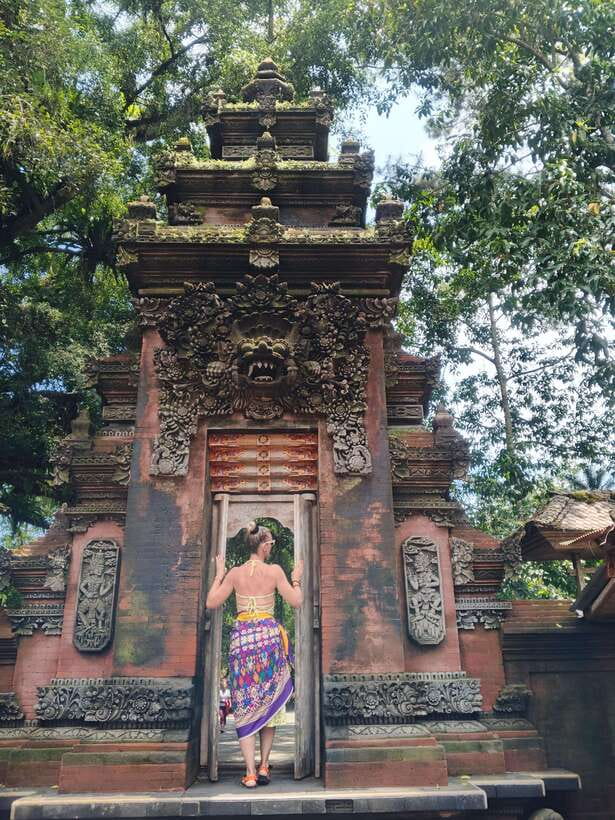
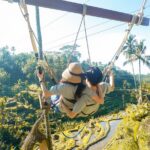
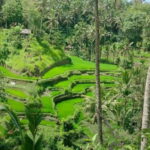
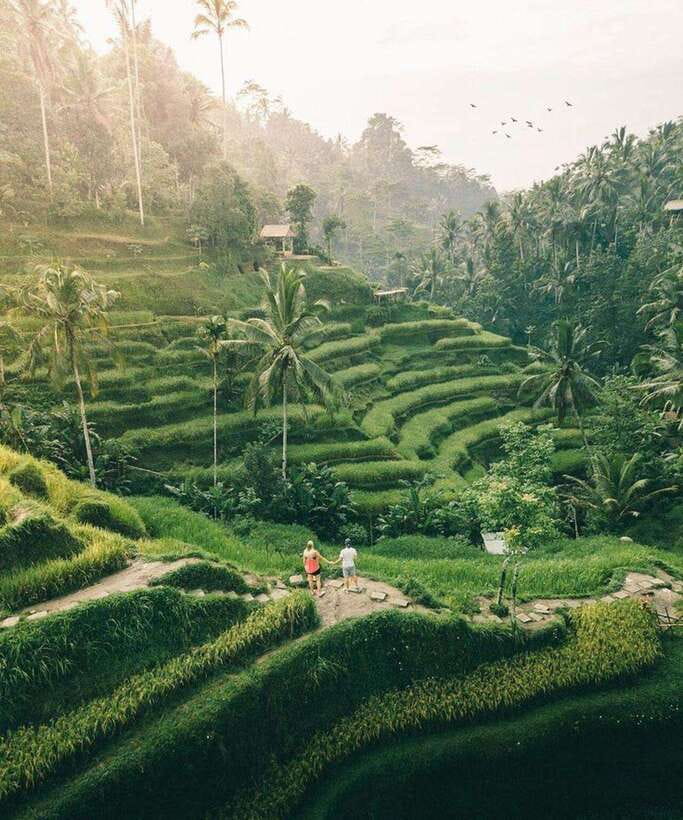
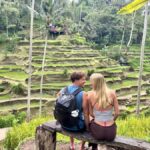
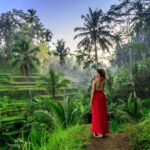
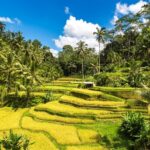
The day often starts with Tegallalang Rice Terrace, including a photo stop, sightseeing, and time to walk. This is one of those places where the views are dramatic even if you’re not a “rice terrace person.”
Why it’s worth your time: you get to walk close enough to see how the terrain and irrigation shape the farming. You can also take photos from angles that show depth, not just the flat view people get from road level.
Practical advice:
- Bring a hat and sunscreen. There’s open sky and lots of sun exposure.
- Wear comfortable shoes. Even a “scenic walk” can be slippery on damp ground.
- If you’re chasing photos, go slow and keep an eye on where other people are standing so you don’t end up with blocked angles.
A possible drawback: it can feel long if you don’t like walking. The route gives about 2 hours, which is enough for views and a manageable walk, but it’s not a “sit and snack” stop.
Tirta Empul Temple: what the Melukat purification actually asks of you
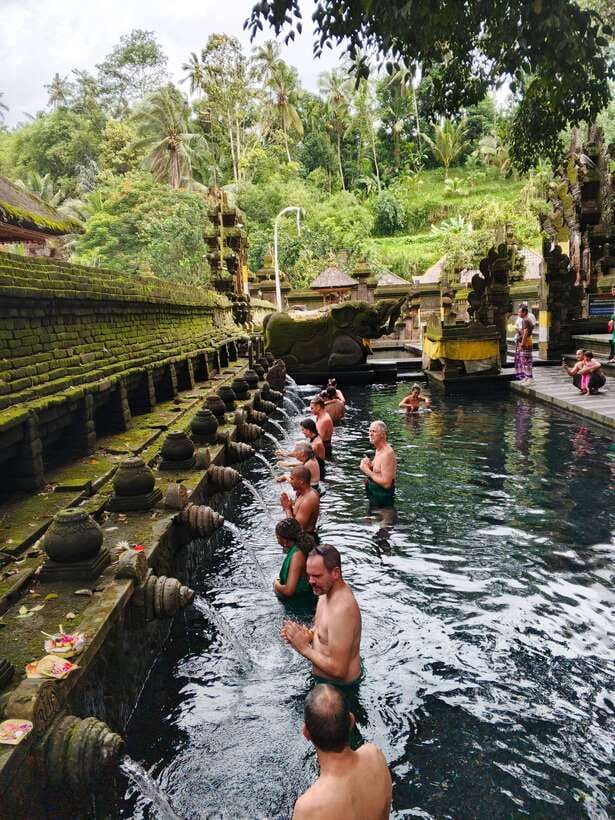
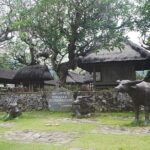
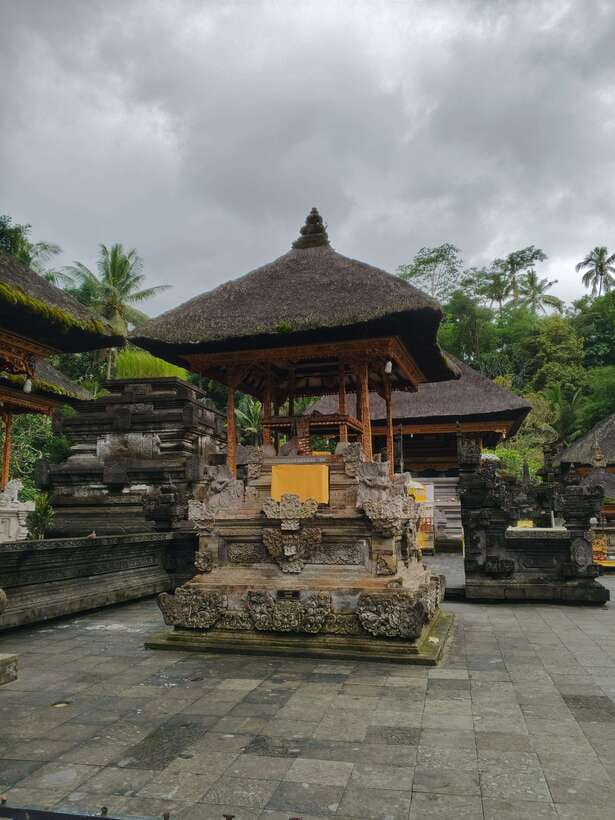
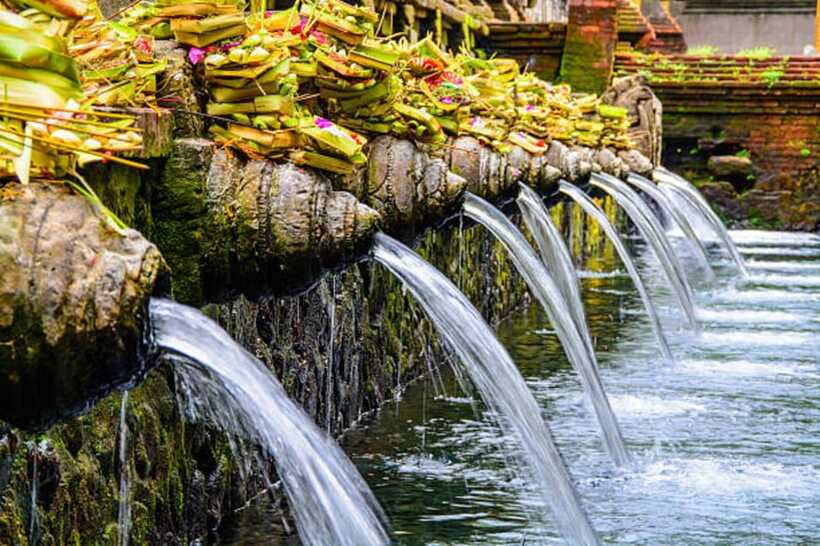
Next is Tirta Empul, the holy spring temple where you can take part in a traditional purification. The tour description specifically mentions the Melukat ceremony—a Balinese blessing and purification ritual tied to the holy springs.
What makes this stop powerful is that it’s not just a photo spot. You’re asked to follow guidance, pay attention, and participate respectfully. You’ll likely spend time watching or moving through the steps as part of the ceremony structure, with your guide helping explain what you’re seeing and how to behave.
What to bring or plan for:
- You’re going to be at a sacred site, so dress and behavior matter.
- Follow your guide’s direction about what’s allowed and what isn’t.
- Expect it to be more of a “slow down” moment than a “fast sightseeing” moment.
One consideration: temples can be cooler and quieter than the waterfalls, but you’ll still be on your feet. If you’re sensitive to standing for long periods, take your cue from your guide and pace yourself.
Also, from the tour’s rules: alcohol and drugs are not allowed. That’s standard for many sacred sites, but it’s good to know so you don’t accidentally bring something that causes trouble.



Coffee plantation tasting: how to make the most of the samples
After Tirta Empul, you’ll head to a coffee plantation for tasting. The tour description is specific that you can taste a variety of coffee, tea, and chocolate, and you’ll learn about the coffee-making process.
This stop is a nice reset. Waterfalls can be sweaty, and temples can be spiritually focused and quiet. Coffee tasting gives you a chance to sit, ask questions, and compare flavors without being rushed.
Tips to get more out of it:
- Go in with a curiosity mindset. Ask what’s different between the options they serve.
- Take your time. Coffee tasting improves when you compare tastes side by side instead of rushing through.
- If you like sweet flavors, ask what options include chocolate or what’s mixed in.
A drawback: if you’re not into tastings, this can feel like “just another stop.” But even then, it’s useful because it breaks the day up and gives you a chance to learn how the region’s coffee culture fits into Bali life.
Tibumana Waterfall: lush water, swimming time, and the photo reality
Then comes Tibumana Waterfall, described as a less-visited stop with lush views and a perfect feel for swimming. You’ll have time for sightseeing and the option to swim, with a plan that includes time to cool off rather than only take a quick picture.
Why Tibumana works for many people:
- It’s a refreshing contrast after temples and coffee.
- The setting is focused on water and greenery, so your mind can reset.
- If you’re a swimmer, it’s one of the moments on this itinerary where you actually use your swimwear.
Photo tip you can use: your best shots often happen when the guide points out where the light hits the water and where it’s easiest to stand without blocking others. In at least one account of this tour, the guide Jhon was specifically praised for taking lots of photos, which tells you that angles and timing matter here.
Possible drawback: if you’re not confident in uneven terrain, the path to the water may feel tricky. The tour isn’t marketed for wheelchair access, and it’s also listed as not suitable for people with back problems.
So if you have any mobility concerns, this is the section where you should move slowly and use any handholds your guide points out.
Kanto Lampo Waterfall: stone walls, spray photos, and safety sense
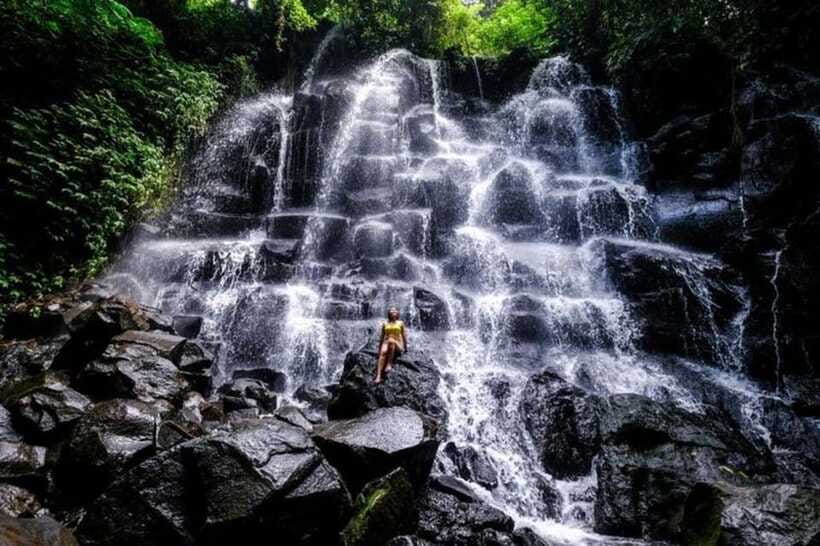
The final major nature stop is Kanto Lampo Waterfall, which the tour describes as having a unique stone wall and spraying water with some of the best photo spots. Like Tibumana, it includes swimming time and sightseeing.
This is the waterfall most people remember because the setting gives you texture. Instead of just a stream, you get the feeling of water hitting a rock face, and that creates a dramatic look in photos.
How to get the most out of it:
- Wear your swimsuit and keep your towel and change of clothes ready for after.
- Expect spray. Bring sunscreen and be mindful about where you’re standing.
- Let your guide lead you to the best photo areas so you’re not climbing where you shouldn’t.
A realistic consideration: “swimming time” at waterfalls can vary with water conditions and crowd flow. You’re doing it because the itinerary is designed for it, but you’ll still want to follow your guide’s safety guidance on where you can enter and how long you should stay.
What you’ll actually be doing all day (and why it matters)
Even though the stops sound simple, this day tour is an active mix:
- Short walks and viewpoints at Tegalalang
- Participation steps and respectful movement at Tirta Empul
- Tasting and learning at a coffee plantation
- Walking down to Tibumana and entering the water
- Walking to Kanto Lampo and again entering the water
That matters because it changes how you should pack and how you should pace yourself. Bring comfortable shoes, a hat, sunscreen, and enough water. The tour includes mineral water, but you’ll still feel better if you sip throughout the day.
Also bring:
- Swimwear
- A change of clothes
- Camera
The tour rules are straightforward and also helpful: no alcohol or drugs. That makes the day feel more family-friendly and easier to manage in active areas.
Who this Bali Ubud tour suits best
This is a strong fit if you want a full Ubud day that mixes nature and culture without needing to plan routes. It’s especially good for people who:
- Want waterfall swimming, not just photos
- Like a guided explanation at Tirta Empul
- Appreciate a structured loop around Ubud’s most popular areas plus two waterfalls in the same day
- Prefer a private group so the day feels less hectic
It may not fit you if:
- You have back issues or need low-impact walking
- You use a wheelchair (this is listed as not suitable)
- You want a totally relaxed day with minimal movement
If you’re on a tight schedule and want to cover these icons in one go, this style of tour saves time and stress.
Should you book this tour from Ubud?
I’d book it if you want a ready-made Bali day that includes what many people come for: rice terraces, a meaningful temple ritual, and two chances to cool off in waterfalls. The route is long enough to feel satisfying, but it’s organized enough that you’re not constantly figuring out what’s next.
Skip it or choose a more low-mobility option if you’re uncomfortable walking on uneven ground or you’re sensitive to standing for long stretches. Also consider whether you truly want the coffee plantation stop; it’s included, and it’s part of the day’s pacing.
If you do book, the biggest “win” is preparation. Pack swimwear and a change of clothes, wear shoes you trust, and use the guide for timing and photo angles. Guides like Jhon have been praised for making the day feel safe and friendly, and that kind of guidance makes a big difference when you’re moving between active nature spots and sacred sites.
FAQ
How long is the Bali day tour from Ubud?
The duration is listed as 10 hours.
Where can the tour pickup from?
Pickup options include Ubud, Gianyar, Badung Regency, Canggu, Denpasar City, Tabanan Regency, and Kuta.
Is hotel pickup and drop-off included?
Yes. Hotel pick up and drop off are included.
Is there an English-speaking guide?
Yes. The live tour guide is English.
Which sites are included in the itinerary?
The tour includes Tegalalang Rice Terraces, Tirta Empul Temple, a coffee plantation, Tibumana Waterfall, and Kanto Lampo Waterfall.
Are meals included?
No. Meals are not included.
Can I swim at the waterfalls?
The experience includes visits to both Tibumana and Kanto Lampo Waterfalls, and the tour description specifies swimming time at both, so bring swimwear.
Is this tour suitable for wheelchair users?
No. It is not suitable for wheelchair users.
What should I bring for the day?
Bring comfortable shoes, a hat, swimwear, a change of clothes, a camera, sunscreen, and water.
Is the tour refundable if I cancel?
Yes. Free cancellation is available up to 24 hours in advance for a full refund.