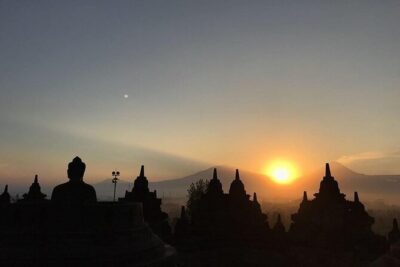
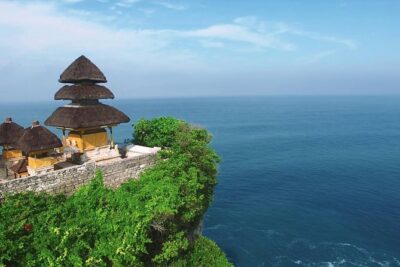
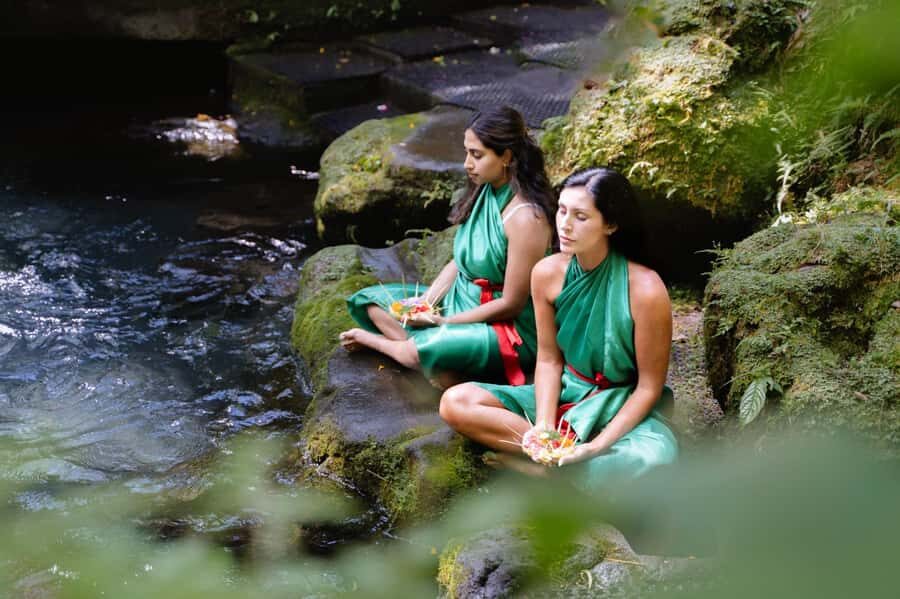
Bromo at sunrise is the kind of wow you remember. This private 4D3N Java-to-Bali route strings together waterfalls, volcanic craters, and the famous Ijen blue fire moment with English-guided support. I love how the schedule hits both the easy-to-enjoy falls (Kapas Biru, Tumpak sewu) and the high-effort climbs (Bromo crater walk, Ijen trek). One consideration: you’re waking up very early for Bromo and starting the Ijen hike at night, and the blue flame depends on nature and safety conditions.
The payoff is East Java’s dramatic range in just four days: misty cascades, sulfur lakes, and that deep rumble from the Bromo crater edge. The tour is also built around convenience—AC private transport, hotel stops with hot showers, entry tickets, 4WD in Bromo, and a guided approach that keeps you moving without fuss. If you hate early starts or you’re sensitive to cold nights at higher elevations, this plan may feel intense.
In This Review
- Key things to know before you go
- East Java’s big combo: waterfalls and volcanoes in one tight route
- Day 1: Kapas Biru waterfall, fresh air first, then easy evening
- Day 2: Tumpak sewu’s power, Tetes cave add-on, then Cemoro Lawang base
- Day 3: Bromo sunrise, crater rim walk, and the drive toward Ijen/Banyuwangi
- Day 4: The Ijen blue fire trek with gear, then ferry to Bali
- What’s included (and why it’s good value for $484)
- Accommodations: simple, private, and geared for early starts
- Timing, pace, and your energy management
- Practical tips that can save you headaches
- Events and closures: why your dates matter
- Who this tour suits best (and who should think twice)
- Should you book the Surabaya or Malang to Tumpak sewu–Bromo–Ijen–Bali route?
- FAQ
- Where does pickup happen for the Surabaya or Malang version?
- What’s included in the tour price?
- Do I need a guide for Bromo and Ijen?
- What gear do Ijen trekkers get?
- How early do we leave for Bromo sunrise?
- How long is the Ijen trek to see the blue fire?
- What happens if Ijen or Bromo closes?
- What should I bring, and what’s not allowed?
Key things to know before you go
- Two waterfall days, one volcano day: Kapas Biru and Tumpak sewu/Tetes give you big views without needing technical skills.
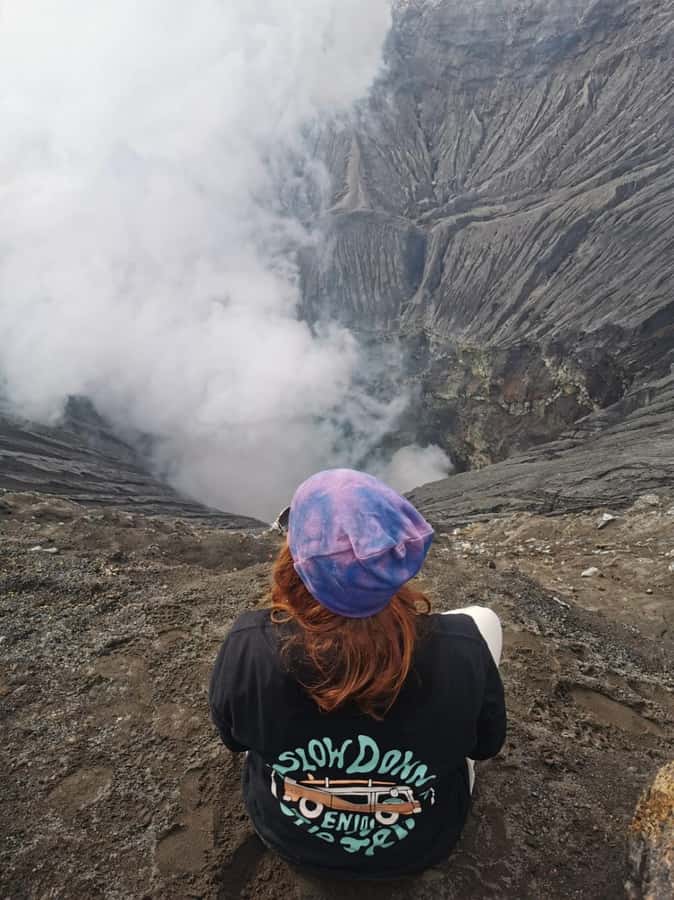
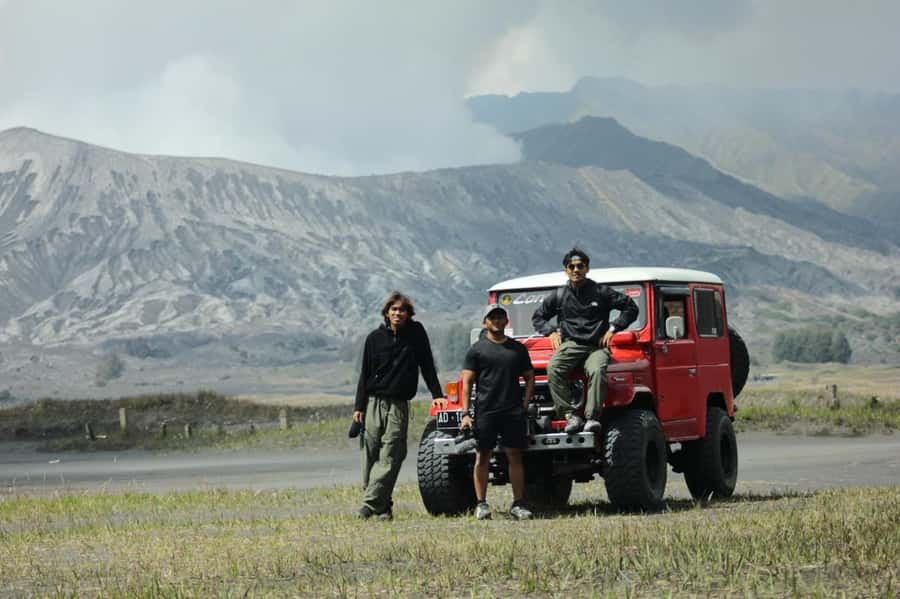
- Bromo includes 4WD + a crater walk: you ride closer, park, then hike around 1.5 km to the crater rim for that rumbling edge feeling.
- Ijen is the signature moment: you trek to see the blue fire and sulfur-lake area with provided gas mask, goggles, and flashlight.
- Your timing is tight but organized: early meetings (05:30, 03:00, and 12:15 pickup for Ijen) keep each location on its best window.
- Blue flame is not guaranteed: weather and volcanic activity can affect access or what you see.
East Java’s big combo: waterfalls and volcanoes in one tight route
This route is popular for a reason: East Java doesn’t do “one highlight.” It stacks them. You get waterfalls on day one and two, then you switch gears hard into volcano country with sunrise at Bromo and blue fire at Ijen, before finishing in Bali via ferry.
What makes it work for you is the balance between “wander and look” time and “be ready and move” time. Kapas Biru and Tumpak sewu give you scenic payoff with straightforward exploring (about two hours at Kapas Biru, and about three hours at Tumpak sewu). Then Bromo and Ijen are where the early wake-ups and physical effort pay off with once-in-a-lifetime views.
The other practical win: it’s private. You’re not sharing a van with a mystery crowd or doing complicated group meeting spots. A driver picks you up from Surabaya or Malang (train station, airport, or hotel), and a local English-speaking team guides the waterfall and volcano sections.
You can also read our reviews of more tours and experiences in Bondowoso.
Day 1: Kapas Biru waterfall, fresh air first, then easy evening
Day one starts with pickup from Surabaya or Malang and transfer to Kapas Biru. After you arrive, you have about two hours to explore. This is a smart warm-up. You’re already in the right mood for East Java—cooler air, greenery, and the sound of water—without the night hiking pressure that comes later.
You’ll stay overnight near Tumpak sewu (at Artha cottage or Tumpak sewu homestay, depending on the plan). The tour includes a free evening. That matters because day two starts early, and a calm night helps you sleep instead of rushing.
If you’re the kind of traveler who likes photos but also likes to actually look around, Kapas Biru is a good match. You can take your time, move at your own pace, and reset your energy before the longer driving day toward Tumpak sewu and then the Cemoro Lawang area.
Day 2: Tumpak sewu’s power, Tetes cave add-on, then Cemoro Lawang base
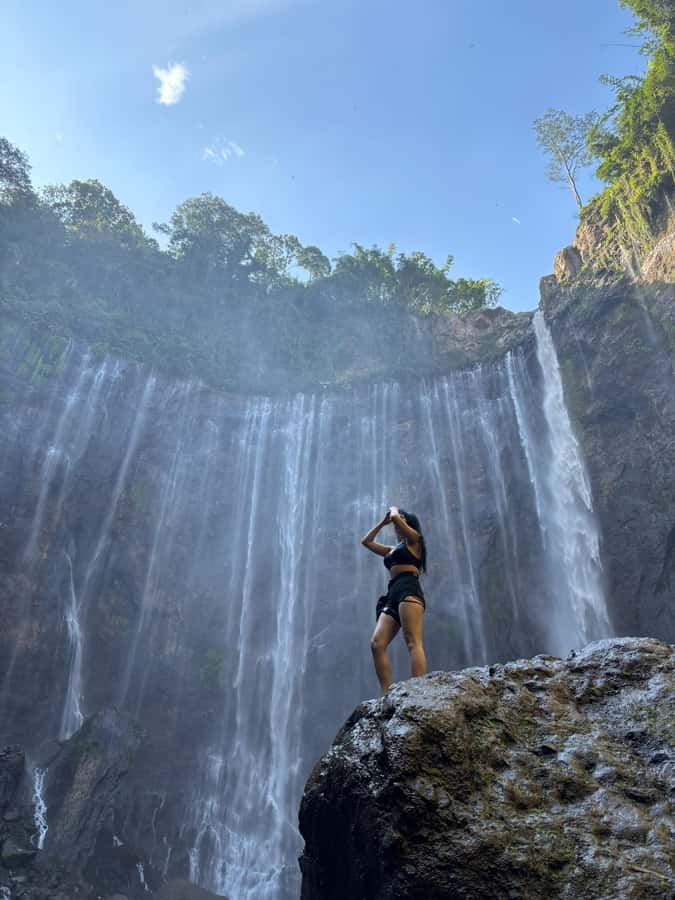
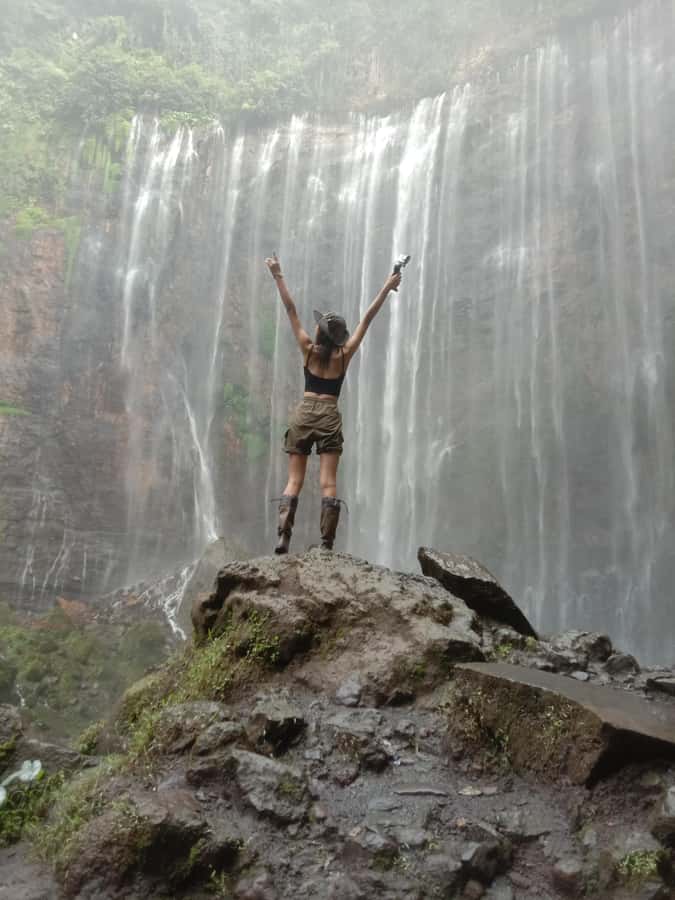
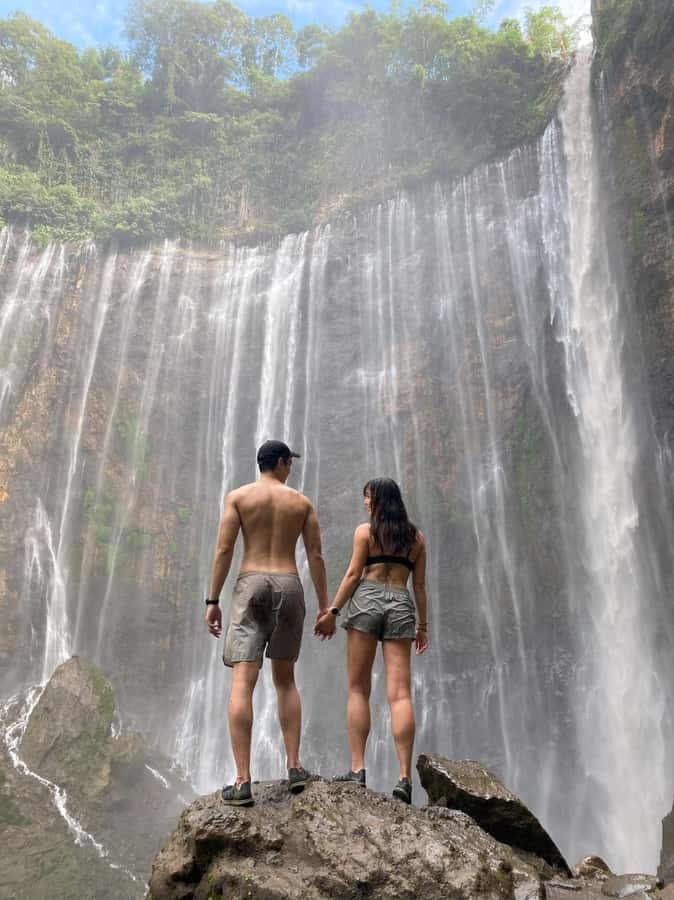
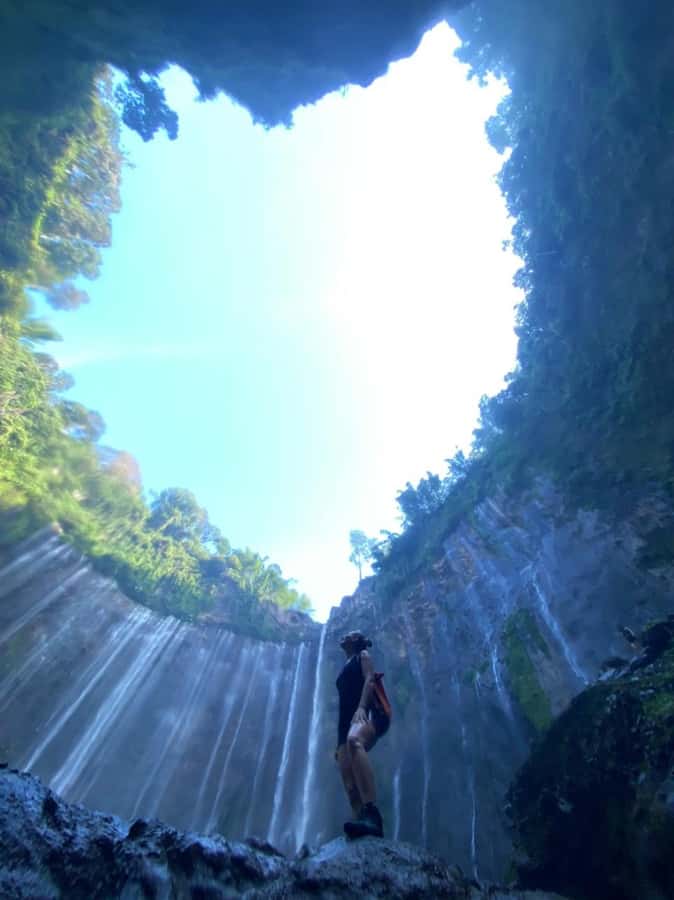
The second day is about Tumpak sewu and Tetes cave. The pickup is 05:30, and you drive around ten minutes to start. From there, you get around three hours to explore the waterfalls. This is the day most people remember for sheer drama: a waterfall viewpoint experience where scale does the talking.
A key value here is local guidance. The plan includes an English-speaking local guide for Tumpak sewu and Kapas Biru, and from the tour’s feedback you’ll find guides who know how to position you for viewing angles and photos. In one positive example, guide Hewan was described as very helpful and kind, and Sandi was also praised for explanations that make waterfall features make sense.
After about 11:30, you leave Tumpak sewu and drive about four hours to Cemoro Lawang. Then you check in for the night at Lava View Lodge. Cemoro Lawang is a practical staging point for the Bromo sunrise tour, so you’re not wasting time commuting when you need sleep.
This day has one real “consideration”: it’s a full schedule. Even if you’re physically capable, you’ll likely feel the day’s rhythm—early start, waterfall walking, then a long drive. Pack a jacket and plan for cooler air, especially later at night.
Day 3: Bromo sunrise, crater rim walk, and the drive toward Ijen/Banyuwangi
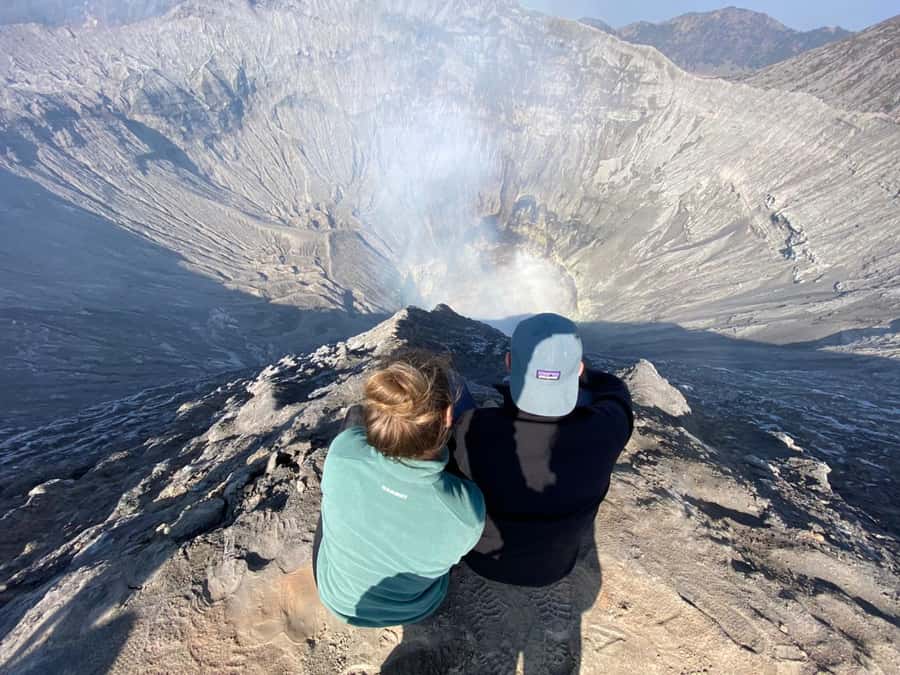
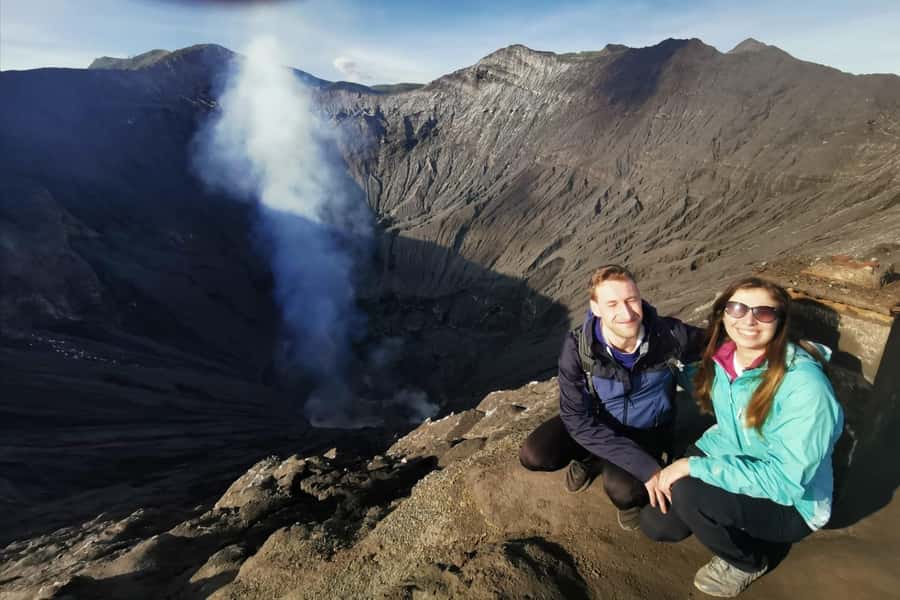
Bromo is where the itinerary turns into a true early-morning mission. You’re picked up at 03:00, then taken by Jeep to a viewpoint for sunrise and scenery. After sunrise, you continue by 4WD to the parking lot, and then you walk about 1.5 km to reach the crater area.
One detail I like: the tour doesn’t treat Bromo like a quick stop. It includes time to actually get to the crater edge, explore the crater area, and soak in the scale. You also get that iconic sound experience from the crater rim—rumbling that makes Bromo feel alive and not just scenic.
There’s also safety and etiquette built into the tour’s advice. Expect horses at the crater approach. The plan specifically warns to avoid walking right behind the horse, because if it’s startled it can kick backwards. That’s practical info, and it’s the kind of thing that can save you trouble during a busy sunrise moment.
After crater time, you head back for breakfast and then check out at 09:30. Then it’s a six-hour drive toward Banyuwangi. You’ll stay overnight at Ketapang Indah Hotel or Teras Ijen Hotel Villa depending on the exact arrangement, with a free evening to recover.
This day is long on purpose. Bromo and Ijen are both “must-see” volcanic stops in the region, but they’re not close enough to do casually in a single morning. The move toward Banyuwangi makes the next day’s Ijen trek possible without a chaotic scramble.
Day 4: The Ijen blue fire trek with gear, then ferry to Bali
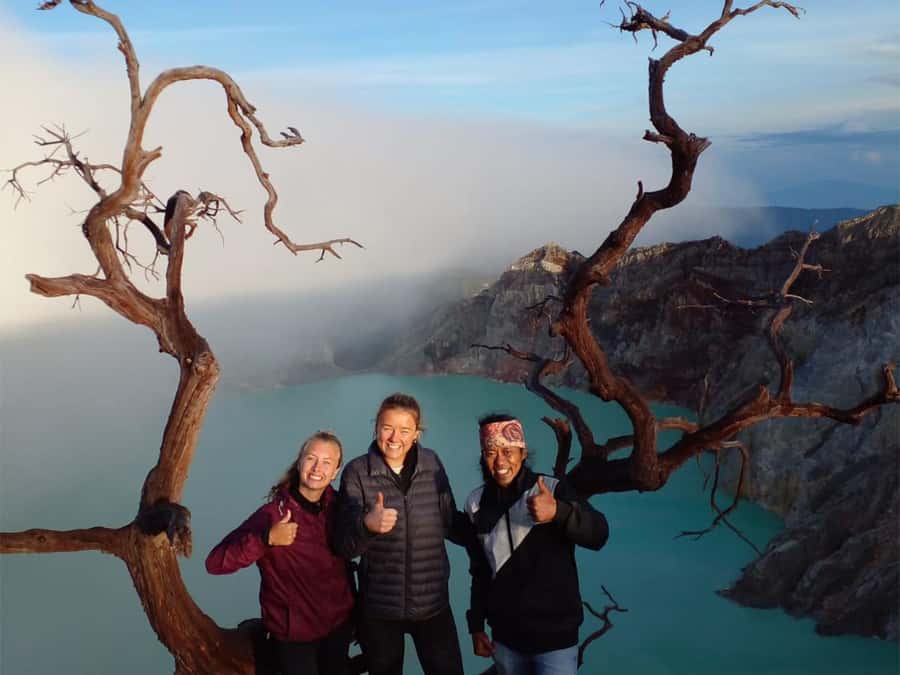
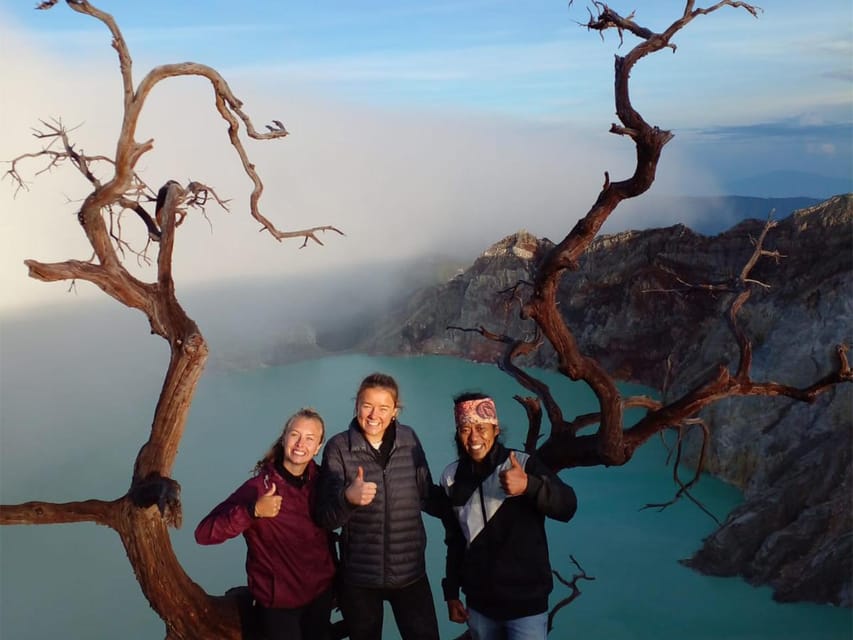
Day four starts at night, and it’s the most intense part of the trip. You’re picked up from your Banyuwangi-area hotel at 12:15, then drive about one hour to Paltuding, the entrance of Mount Ijen. Trekking starts at 02:00.
The trek has a clear structure: around 1.5 hours to reach the top, then about 700 meters down to the crater area to see the blue fire and the sulfur lake. You then return to the peak, walk back to the Paltuding parking area, and return to the accommodation for breakfast and shower.
This is one of those moments where the included gear matters. The tour provides a gas mask, goggles, and a flashlight. It also includes a health letter from a clinic or hospital for Ijen climbing requirements. If you’re worried about meeting basic health checks for a strenuous volcano hike, this kind of documentation support is genuinely useful.
Now the honest part: blue fire is not guaranteed. The info you’re given is clear that weather and volcanic activity influence access and conditions. During the wet season, volcanic activity near the crack can rise, and authorities may close the trail to the blue flame area. If gas toxicity becomes dangerous, the whole site can close. So the best mindset is: you’re booking the chance to see it, not a promise.
After the hike, you check out at 10:00, then drive to Ketapang ferry port. You take a boat to Gilimanuk port in Bali, meet the driver there, and get private transfer by car to your Bali accommodation. The trip ends once you’re deposited in Bali.
What’s included (and why it’s good value for $484)
The price—$484 per person for 4 days—looks “package-like,” but it’s not just a bundle. You’re paying for the stuff that usually costs time and mental energy.
Included highlights:
- Private AC car with gasoline, parking/toll fees, and an English driver
- Private 4WD in Bromo (not just standard transport)
- Three nights of accommodation in private rooms with private bathroom and hot shower (air cond is listed for the Pronojiwo and Ijen stays)
- Entry tickets for Tumpak sewu, Tetes cave, Kapas Biru, Bromo National Park, and Ijen
- Guides in key zones: local English guides for Bromo and Ijen, plus local guides for Tumpak sewu & Kapas Biru
- Ijen safety gear: gas mask, goggles, flashlight
- Ferry tickets to Bali and private transfer from Gilimanuk to your Bali hotel
- 3 breakfasts and mineral water
What you don’t get: lunch and dinner. That’s normal for multi-day routes, but you should plan for meals on your own.
Value-wise, the strongest part is the combination of entry fees, 4WD, and hotel nights. Most travelers end up spending extra if they piece this together without local support, especially when you factor in meeting times and the Ijen health document requirement.
Accommodations: simple, private, and geared for early starts
You stay three nights with private rooms and bathrooms, plus hot showers. That’s a real comfort advantage when your days include sunrise and a night trek.
Night picks from the plan:
- Pronojiwo Lumajang (Artha cottage or similar area for day one)
- Bromo area at Lava View Lodge after Tumpak sewu/Cemoro Lawang
- Ijen area using Ketapang Indah Hotel or Teras Ijen Hotel Villa
From the feedback, the hotels were described as comfy with good food and service, and the overall schedule stayed smooth. That matters because the itinerary is demanding; you want sleep to be possible, not stressful.
Timing, pace, and your energy management
This is not a “sleep in” tour. You’ll see these time anchors:
- Day 2 meetup at 05:30 for Tumpak sewu
- Day 3 pickup at 03:00 for Bromo sunrise
- Day 4 pickup at 12:15 and trek start at 02:00 for Ijen
That means your best strategy is to pack smart, eat what you’re given for breakfast, and keep your evenings low-key. You also want layers. Even if days feel warm in the region, volcanic areas cool down fast once you’re out at dawn and night.
The tour gives you a few “free program” windows, so you’re not constantly scheduled to the minute. Still, don’t plan extra activities outside the route on your Ijen night—you need rest.
Practical tips that can save you headaches
Here’s what I’d do if I were prepping for this exact itinerary:
Clothing and gear
- Wear comfortable shoes and bring hiking pants.
- Bring a jacket and sunglasses.
- Pack a waterproof bag if you have one.
- You’ll want swimwear (listed as recommended), which could be useful for relaxing time after long hikes—your route mentions an extra relaxation stop option alongside one version of the rearranged program.
At Ijen
- Use the provided gas mask, goggles, and flashlight.
- Keep expectations flexible. If authorities close access because of volcanic activity, the day can change.
On Bromo
- Expect horses near the crater area. Don’t walk right behind them.
- Be ready for sunrise photos but also accept the weather can shift. The plan explicitly notes the Bromo sunrise can’t be guaranteed.
Rules
- No smoking in the vehicle.
- No making fire.
Events and closures: why your dates matter
If you’re booking around religious or ceremonial periods, plan carefully. The info you’re given includes that:
- Ijen can close on Friday of the first week, every month.
- During Wulan Kapitu (Jan 27–28, 2025), The Silence day (Mar 29–30, 2025), and Kasada (Jun 10–13, 2025), Mount Bromo may close for religious purposes.
Also, access to the blue flame can be affected by volcanic activity and gas levels, especially in wet season conditions. So if your travel dates are flexible, you’ll have a smoother chance of matching the ideal schedule.
Who this tour suits best (and who should think twice)
This route is a strong fit for you if you:
- Want a private East Java experience with English support
- Like a “big highlights” itinerary rather than slow travel
- Can handle early starts and night trekking
It may not suit you if you have limits from the tour’s guidance:
- Children under 5
- Pregnant women
- People with heart problems or respiratory issues
- People with altitude sickness
- People over 75
If you fall into any of those categories, it’s worth asking for alternative options before committing.
Should you book the Surabaya or Malang to Tumpak sewu–Bromo–Ijen–Bali route?
I’d book this if your goal is to check off East Java’s top volcanic sights and waterfalls without building a complicated plan yourself. The private transport, included tickets, 4WD in Bromo, and the Ijen safety gear reduce the usual friction of “hard logistics” travel.
Skip it if you’re likely to struggle with severe early mornings, night trekking intensity, or you’re counting on a guaranteed blue-fire spectacle. Nature runs the show here, and safety rules can override plans.
If you want the best chance of matching the ideal experience, choose dates outside known closure windows, pack layers and good shoes, and keep your mindset flexible about weather and volcanic activity.
FAQ
Where does pickup happen for the Surabaya or Malang version?
Pickup is included from Surabaya or Malang, either at the train station, airport, or your hotel. If you’re arriving at the airport/train station, the team waits at the arrival gate and you’re asked to bring a paper with your name. If you’re staying at a hotel, you should wait in the lobby about 5 minutes before pickup time.
What’s included in the tour price?
The tour includes private AC car transport (with gasoline, parking/toll road fees), private 4WD in Bromo, three nights in private rooms with private bathrooms, hot shower (listed for the stays), 3 breakfasts, mineral water, entry tickets for Kapas Biru, Tumpak sewu & Tetes cave, Bromo National Park, and Ijen, local guides for the waterfall parts plus English-speaking guides for Bromo and Ijen, ferry tickets to Bali, and private transfer out of Gilimanuk to your Bali hotel.
Do I need a guide for Bromo and Ijen?
Yes. The plan includes an English speaking local guide in Bromo and an English speaking local guide in Ijen.
What gear do Ijen trekkers get?
For Ijen, you’re provided a gas mask, goggles, and a flashlight. The tour also includes a health letter from a clinic or hospital for Ijen climbing requirements.
How early do we leave for Bromo sunrise?
You’ll be picked up at around 03:00 for the Bromo sunrise tour, then go by Jeep to a viewpoint for sunrise before continuing to the crater area by 4WD.
How long is the Ijen trek to see the blue fire?
You trek starting around 02:00 from Paltuding. The plan says you need about 1.5 hours to reach the top, then about 700 meters down to the crater area to see the blue fire, and you return for breakfast and shower.
What happens if Ijen or Bromo closes?
The plan explains that Ijen may close on Friday of the first week each month, and that access can also change due to volcanic activity and gas toxicity levels. It also lists specific ceremony dates where Bromo can close for religious purposes. If closures happen, the itinerary may need rearranging.
What should I bring, and what’s not allowed?
Bring comfortable shoes, sunglasses, swimwear, camera, a jacket, water shoes, cash, hiking pants, and a waterproof bag. Smoking is not allowed in the vehicle, and you shouldn’t make fire during the trip.