One day, three Bali worlds to see. You’ll move from ancient cave art to temple water rituals, then into Kintamani for Mount Batur and Lake Batur views, ending at Penglipuran’s orderly old village lanes. It’s a strong mix if you want Bali beyond just beaches and bars.
I love the volcano-and-lake panorama time in Kintamani. I also love the way the day connects temples with everyday meaning, especially the sacred spring pools at Tirta Empul.
One possible drawback: this is an 8 to 9 hour schedule with a lot of driving between stops. Bring comfy shoes and expect a full day, not a slow stroll.
In This Review
- Key Highlights You’ll Care About
- A One-Day Route That Actually Makes Sense
- Pickup, Timing, and What 8 to 9 Hours Adds Up To
- Goa Gajah (Elephant Cave): Cave Art With Real Symbolism
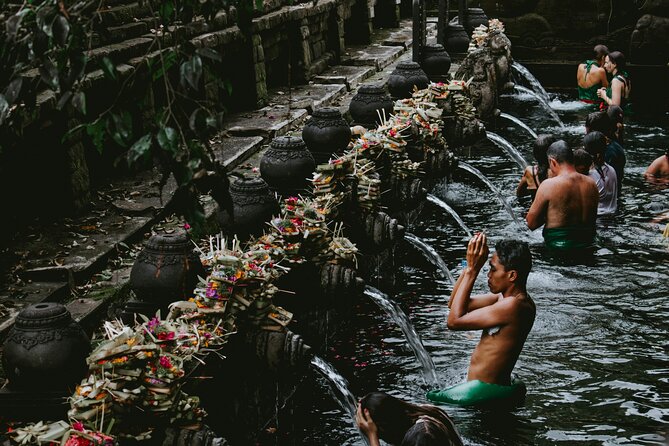
- Tirta Empul: The Sacred Spring and the Self-Purification Focus
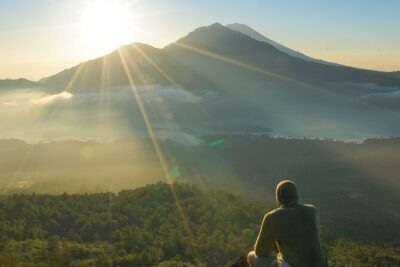
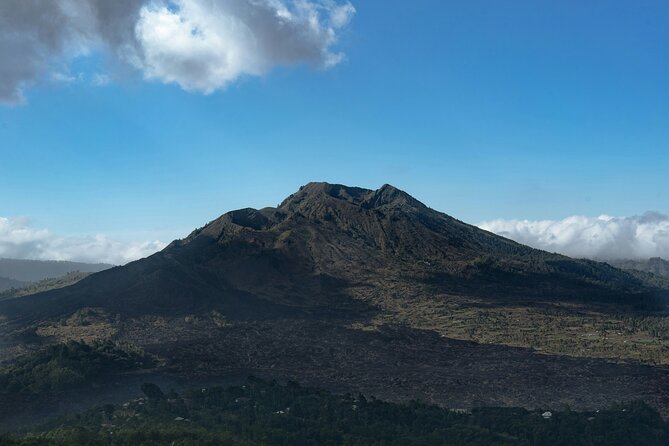
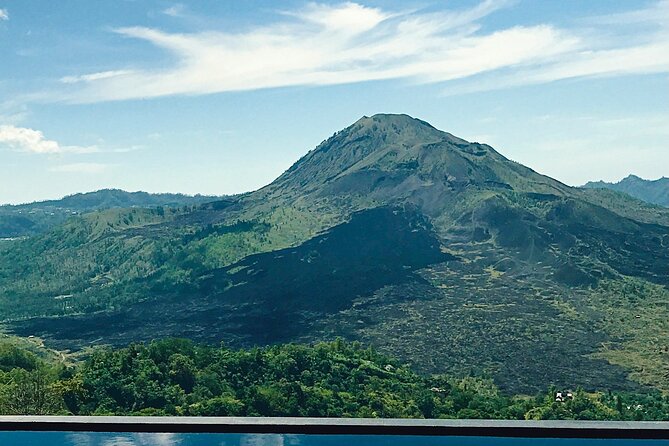
- Kintamani Viewpoint: Mount Batur and Lake Batur From the Highlands
- Lunch in Kintamani: A Break That Keeps the Day Comfortable
- Bali Coffee Plantation Stop: Learn the Process, Then Decide What You Think
- Penglipuran Village: Traditional Houses in an Orderly Layout
- Price and Value: What $95 Buys You
- Who Should Book This Tour
- Should You Book Bali Golden Tour’s Kintamani and Penglipuran Day Trip?
- FAQ
- How long is the Full Day Kintamani Volcano View and Ancient Penglipuran Village tour?
- What time does the tour start?
- Is pickup included?
- Is this a private tour?
- Is vegetarian food available?
- Are admission tickets included?
- What’s the cancellation policy?
Key Highlights You’ll Care About
- Goa Gajah (Elephant Cave): cave carvings including Ganesha, plus Lingga Yoni elements inside
- Tirta Empul: a holy spring at Tampak Siring used for self-purification in the temple pools
- Kintamani viewpoints: time to look out over an active volcano and Lake Batur from the highlands
- Coffee plantation stop: coffee types shown alongside local crops, with Luwak coffee mentioned
- Penglipuran Village: an older village layout with neatly lined traditional homes
A One-Day Route That Actually Makes Sense
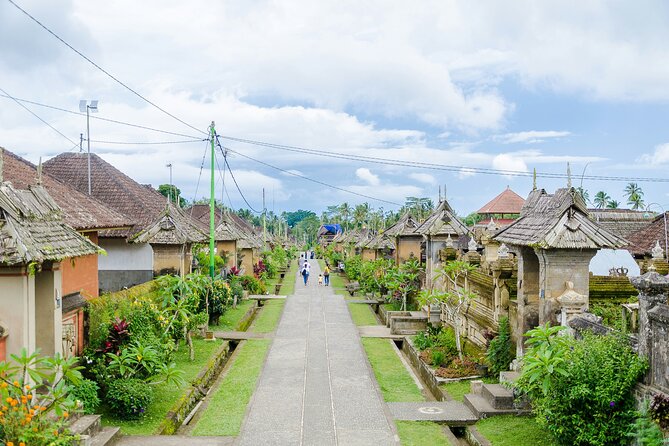
This tour is built like a loop through three different Bali “moods.” First, you start in older, spiritual sites: Goa Gajah and Tirta Empul. Then you switch gears into the highlands at Kintamani, where the scenery does the talking. Finally, you slow down at Penglipuran, a village known for keeping its traditional home layout.
What makes it especially practical is that the day has built-in breaks and transitions. You’re not just bouncing between temples with no breathing room. There’s lunch in Kintamani, plus a coffee plantation stop, so the itinerary gives you chances to stand, sit, and reset.
Also, the people running it seem to understand the basics of a good day. In multiple experiences with Bali Golden Tour, guides named Mr Arta, Satya, Dirga, and Wayan Mo get highlighted for being punctual and communicative, with smooth and safe driving. That matters, because on a full-day tour, small problems become big problems.
You can also read our reviews of more tours and experiences in Seminyak.



Pickup, Timing, and What 8 to 9 Hours Adds Up To
You start at 8:00 am, and the total day runs about 8 to 9 hours. That timing is helpful because it gives you enough daylight to enjoy the Kintamani view without rushing the whole day.
Because this is a private tour where only your group participates, the pacing can feel less chaotic than a shared tour. Still, the route is packed: cave temple, water temple, highland viewpoints, lunch, coffee plantation, then Penglipuran village. Plan for a full schedule and treat it like an all-day cultural circuit.
A good trick for days like this: eat a real breakfast before pickup. You’ll have a lunch break in Kintamani, and it’s much easier to enjoy the scenery when you’re not hungry in the car.
Goa Gajah (Elephant Cave): Cave Art With Real Symbolism
Goa Gajah, also called the Elephant Cave Temple, is the first major stop and it sets a serious tone for the day. You’ll spend about an hour here, including the admission ticket.
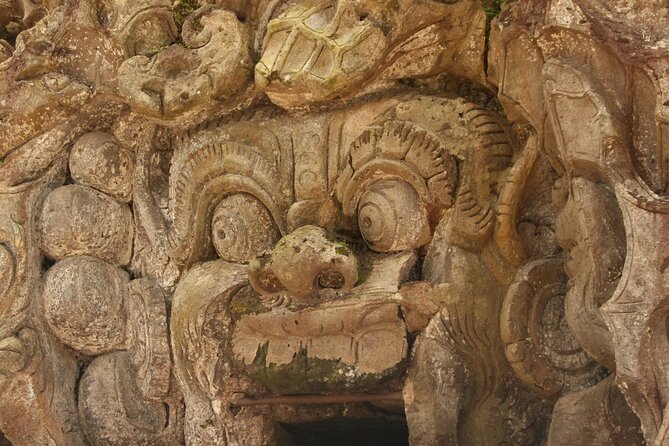
The key detail to know is what you’re looking for inside. The cave is known for artistic carvings, including Ganesha. The site also includes Lingga Yoni elements within the cave area, which connect to Hindu spiritual symbolism. Even if you only skim the meanings, you’ll feel the site’s older, sacred purpose.
What to watch for: the cave setting means it can be darker than you expect. Bring a mental note to slow down and look carefully once you’re inside. It’s also the type of place where simple observation beats speed. One hour is enough if you’re curious and not sprinting.
Practical tip: wear shoes you can trust on uneven ground. You’ll be transitioning between outdoor and cave areas.
Tirta Empul: The Sacred Spring and the Self-Purification Focus
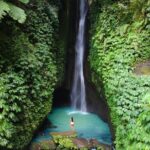
After the cave stop, the tour moves to Tirta Empul Temple, centered around a holy spring at Tampak Siring. You’ll get about an hour here, and admission is included.
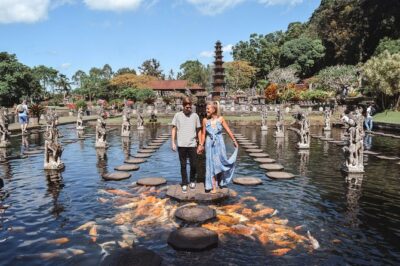
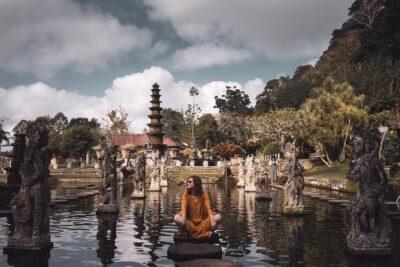
This is the stop where the spiritual theme becomes very concrete. Tirta Empul is famous for worshippers using the sacred spring water for self-purification. You’ll be in the area with temple pools where that practice happens.
A balanced way to experience this: treat it as both a religious space and a living ritual. Even if you’re not participating in purification, you’ll likely want to step back and observe respectfully. The vibe is more about process than photo ops.
Practical tip: bring modest clothing. The tour includes a temple visit, so you’ll want to be comfortable following local dress expectations.
Kintamani Viewpoint: Mount Batur and Lake Batur From the Highlands
Next comes Kintamani Highland, where the day shifts into scenery mode. This part is about viewing: Mount Batur and Lake Batur from a viewpoint in the Kintamani area.
You’ll spend about an hour here, and the admission ticket is included for the stop. This timing is good because it lets you actually look around rather than just arriving, snapping a picture, and leaving immediately.
A couple things I’d focus on while you’re there:
- Notice how the volcano and lake sit together in one wide view.
- Take a moment to orient yourself. The highland viewpoints can feel similar from a distance, so your best photos usually come after a few minutes of scanning.
If you’re the type who likes nature but hates “tourist-only” viewpoints, this is one of the better matches. The scenery isn’t an amusement park. It’s just there, and you get time to appreciate it.


Lunch in Kintamani: A Break That Keeps the Day Comfortable
Lunch happens in Kintamani at a restaurant in the area, with a buffet of Indonesian food and vegetarian food available.
Even if you’re not a picky eater, I like this lunch structure for one reason: it prevents the day from turning into constant movement. After temples and a viewpoint, it’s a real reset. Plus, the restaurant is positioned so you can see Mount Batur and Lake Batur while eating.
One small caution: buffet seating and kitchen service can vary by day. Don’t expect a gourmet dining experience. Think of lunch as fuel plus scenery, and it will fit the day’s pace nicely.
Bali Coffee Plantation Stop: Learn the Process, Then Decide What You Think
The coffee plantation stop is a great mid-afternoon break. You’ll spend about an hour here, and the stop is marked as admission-ticket-free.
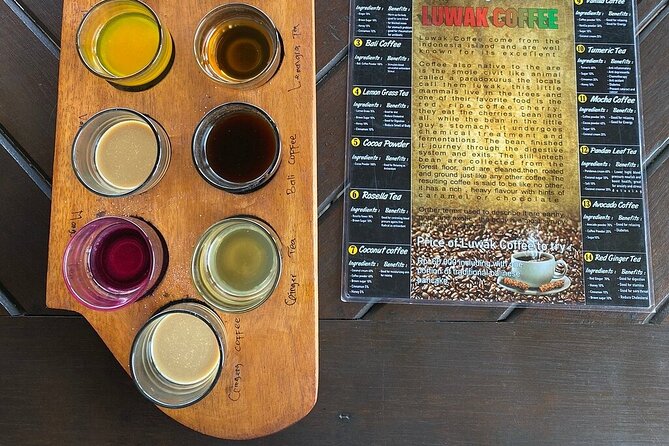
What you get in this portion is exposure to plantation life and the coffee-making story. The day plan mentions coffee arabica and coffee robusta, plus other crops like pineapple and Balinese snake fruit. Luwak coffee is also mentioned as famous, and the stop is positioned as a chance to see how Balinese coffee is made.
Here’s the practical mindset I’d recommend: treat it like a guided introduction, not like a lab report. If you love coffee, it’s a fun stop. If you’re not that into coffee, you’ll still enjoy the mix of crops and the visual sense of how agriculture works in this part of Bali.
Tip: if you’re offered samples, go slow. Taste once or twice, not ten times at high speed, or you’ll lose the thread.
Penglipuran Village: Traditional Houses in an Orderly Layout
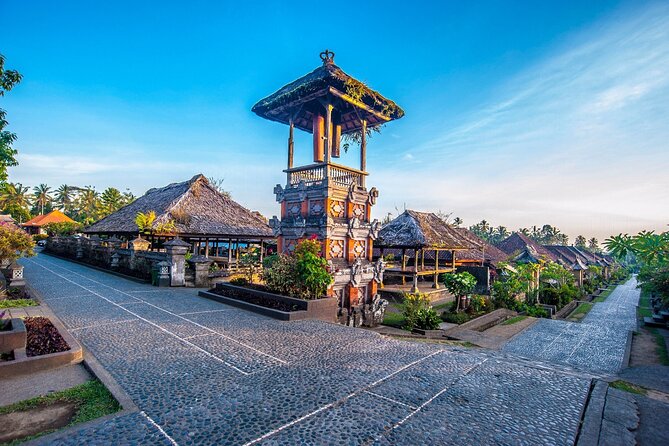
The last major stop is Penglipuran Village, an ancient-style village known for preserving its traditional home characteristics.
You’ll spend about an hour here, and admission is included. The village is described as having around 700 residents based on the last census in 1999, with 192 head families. It’s also located about 6 kilometers from the closest city Bangli and about 1 kilometer from Kubu village.
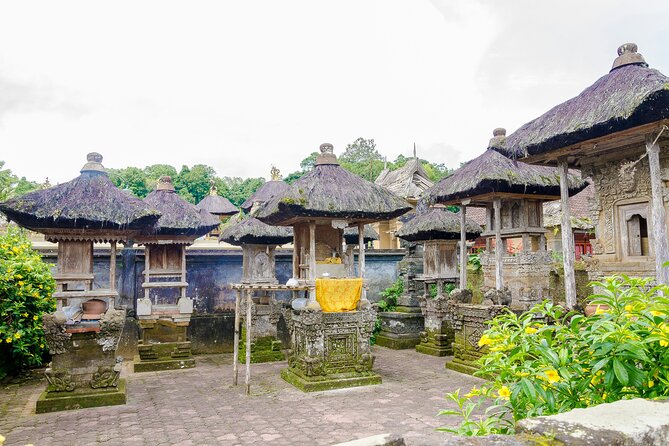
The big visual point is the layout: the village has neatly lined traditional houses. That kind of order can feel like stepping into an earlier rhythm of life. It’s one of those places where the architecture and village planning do a lot of the storytelling without needing long explanations.
A note on expectations: Penglipuran is still a lived-in village. So you’ll enjoy it most if you keep your voice low, move with care, and respect people’s space.
Price and Value: What $95 Buys You
At $95 per person, this tour is priced as a full-day cultural outing with multiple paid sites plus transportation.
Here’s what you’re effectively buying:
- Temple/site admissions included at Goa Gajah, Tirta Empul, the Kintamani Highland stop, and Penglipuran
- A full route across highlands and villages rather than a single-location half-day
- Pickup is offered, and the day is run for a private group only your party participates in
- Vegetarian food is available, which is a real value on a temple-heavy day
Two places where value tends to break for similar tours are (1) surprise costs for sites and (2) lunch that feels like an afterthought. This schedule is more built-out than that: temples and key stops are covered, and lunch is part of the flow.
If you’re the type who hates spending time organizing transport across Bali, paying a set price for a single driver and route is often worth it. You’re trading flexibility for convenience, and in this case, the route covers enough ground that the trade usually feels fair.
Who Should Book This Tour
This one-day plan works best if you want:
- Culture and scenery in one hit, not separate day trips
- Temple visits where the purpose is tied to places like Goa Gajah and Tirta Empul
- A real village stop at Penglipuran rather than only viewpoints
- A calmer experience from private group pacing
If you’re traveling with a family or you’d rather not jump between rentals and bus schedules, this style of day tour is practical. If you’re only interested in the strict beach scene, this might feel too structured and too focused on inland Bali.
Should You Book Bali Golden Tour’s Kintamani and Penglipuran Day Trip?
If your goal is a meaningful one-day tour that connects sacred sites, volcano views, and a traditional village layout, this is a strong choice. The itinerary is packed, but it’s packed with varied highlights: cave carvings, a sacred spring ritual, panoramic highland views, and an orderly village you can actually walk through and picture in your head.
I’d book it if you want a ready-made plan and you value guidance plus punctual transport. I’d think twice if you dislike long car time or you prefer a slower day with fewer stops.
Either way, go in with the right expectation: this is an all-day circuit. When you treat it like that, it lands as a very efficient way to see a lot of real Bali.
FAQ
How long is the Full Day Kintamani Volcano View and Ancient Penglipuran Village tour?
It runs about 8 to 9 hours.
What time does the tour start?
The start time is 8:00 am.
Is pickup included?
Pickup is offered, with pickup arranged from your meeting point in Seminyak.
Is this a private tour?
Yes. It’s listed as a private tour/activity, meaning only your group participates.
Is vegetarian food available?
Yes. Vegetarian food is available for the lunch included in the day’s plan.
Are admission tickets included?
Admission tickets are included for Goa Gajah (Elephant Cave), Tirta Empul Temple, Kintamani Highland, and Penglipuran Village. The coffee plantation stop is listed as admission-ticket-free.
What’s the cancellation policy?
You can cancel for a full refund up to 24 hours before the experience’s start time. If you cancel less than 24 hours before, the amount paid won’t be refunded.