You can fit a lot of real Bali into one day. This full-day route strings together craft villages, rice terraces, Mt Batur views, a sacred bathing temple at Tirta Empul, and a final waterfall stop, all with hotel pickup and drop-off. It’s a practical way to see more than the usual temple photo loop while still keeping time for breathing room.
I especially love the craft stops: batik making at Sari Amerta and silverwork at Celuk Village turn abstract culture into hands-on skills. You’ll also get the kind of countryside rhythm I like in Bali—rice fields, viewpoints, and village life—so the day doesn’t feel like you’re just sprinting between ticket booths.
One possible drawback: lunch is a bit unclear. The day includes lunch time near the Mt Batur crater-edge views, but lunch is listed as not included, so budget for it or confirm what’s covered when you book.
In This Review
- Key highlights you’ll actually feel during the day
- Price and time: what $78 buys for a long Bali day
- Getting from Nusa Dua: pickup, comfort, and real pacing
- Sari Amerta Batik Collection: watching wax become pattern
- Celuk Village silverwork: from ceremony metal to everyday jewelry
- Tegalalang Rice Terrace: Subak irrigation and the best kind of viewpoint stop
- Mount Batur viewpoint and lunch: crater-edge atmosphere without a trek
- Tirta Empul Temple: why the cleansing ritual matters
- Coffee and tea break at a natural plantation: a calmer pause
- Tegenungan Waterfall: stairs down, or a higher viewpoint
- Your guide and driver: safe roads, smart explanations, better photos
- Who should book this Ubud Village and Mt Batur day
- Should you book this tour?
- FAQ
- What time is the meeting point for pickup?
- Is hotel pickup and drop-off included?
- How long is the full-day tour?
- Are entrance fees included?
- Which major attractions are part of the day?
- Is lunch included in the price?
- What language will the guide speak?
- Is this tour private?
- What fitness level do you need?
- Can kids join the tour?
Key highlights you’ll actually feel during the day
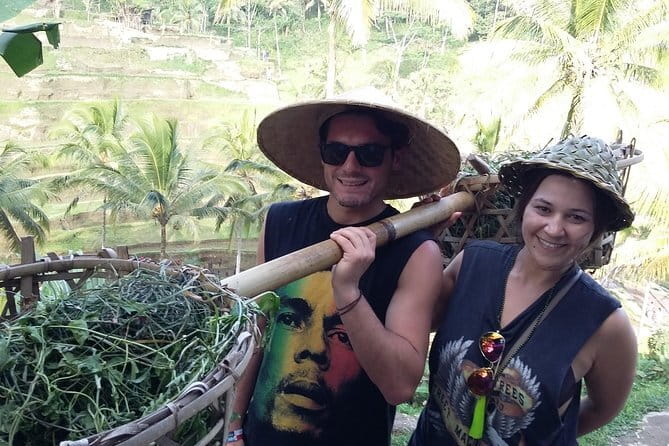
- Small-group pacing with an English-speaking driver/guide who keeps the route moving without feeling like a race
- Entrance fees included for major stops, so you don’t end up doing surprise math at every gate
- Batik + silver villages where you can watch how motives, wax, and metalwork become finished pieces
- Tirta Empul cleansing temple with Melukat ceremony context and straightforward public access
- Mount Batur viewpoint lunch that pairs a real crater-edge atmosphere with an Indonesian buffet
- Tegenungan Waterfall with a true option: stairs down for the river view, or stay up for photos
Price and time: what $78 buys for a long Bali day
At $78 per person for roughly 8 to 10 hours, this tour is priced like a full circuit rather than a quick highlights hop. You’re paying for transportation from Nusa Dua, an English-speaking driver/guide, parking/tolls/taxes, and multiple included admissions. For a day this packed, that kind of bundled structure is usually where you get value.
Just be aware of one mismatch you should plan around. The schedule clearly includes lunch time while taking in Mt Batur views, yet the tour information lists lunch as not included (lunch buffet or set menu). That doesn’t make the tour bad—it just means you should expect to either pay for lunch on the day or confirm the exact lunch arrangement before you go.
If you’re the type who likes to see temples and crafts, but you also want scenic breaks and less waiting around, this price can make sense. If you’re on a tight budget and hate paying for meals at tourist spots, it’s the one variable I’d double-check.
You can also read our reviews of more tours and experiences in Nusa Dua.

Getting from Nusa Dua: pickup, comfort, and real pacing
The day runs from a 08:30 AM meeting point at your hotel lobby (or accommodation). Since pickup and drop-off are included, you’re not dealing with taxis at the start and end of a long day. That matters in Bali, where travel time between areas can eat up energy fast.
You’re also traveling by a private vehicle. Even if the tour operates with a small-group feel, the practical result is the same: less time wrangling multiple cars, and fewer transfer delays. That tends to keep the schedule calmer when you’re visiting several stops in one day.
The tour expects moderate physical fitness. That’s mostly about the waterfall area where you can go down stairs. If you’re generally comfortable walking and standing for temple visits, you should be fine, but plan for uneven paths and stairs.
Sari Amerta Batik Collection: watching wax become pattern
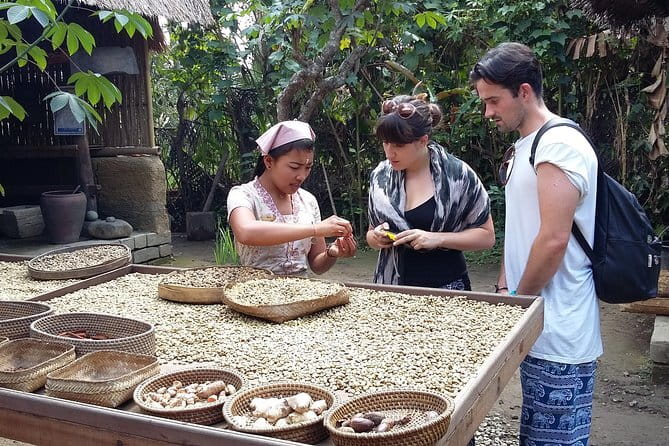
The day starts with Sari Amerta Batik Collection, a focused stop built around how Balinese batik gets made. Batik is one of Indonesia’s cultural heritages, and Bali’s development is tied to activity that grew from the 1970s, centered in Batu Bulan village.
Here’s what I like about this kind of craft stop: it’s not just shopping. You can see the technique of forming motives by hand using wax, and that’s the moment where batik clicks in your mind. It helps you understand why the finished textiles look so crisp and layered, because there’s real process behind the look.
Time-wise, you’re in and out in about 30 minutes. That’s long enough to watch something happen, but short enough to keep the day from dragging. If you hate crowds inside workshops, go with a calm expectation: this is a working craft environment with visitors and sales conversations.
Tip for your photos: move slowly and look for the moment when the maker’s hands are mid-action. Batik work is detail-heavy, so close, steady shots beat wide scenery photos here.
Celuk Village silverwork: from ceremony metal to everyday jewelry
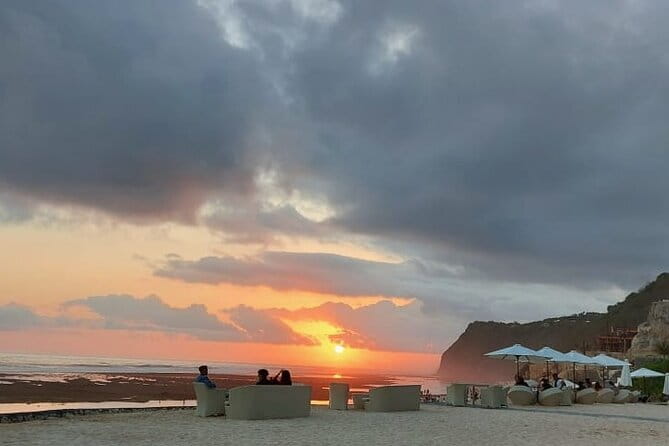
Next is Celuk Village, known for silverwork. The background here is useful: silverwork in Bali started developing around 1930, originally tied to religious ceremonies and equipment for royal palaces, and then expanded into jewelry.
This stop is only about 30 minutes, so you won’t get a full lesson in metallurgy. But you will get what you need: a window into how designs are made and how the craft connects to cultural function. It’s also one of those places where the difference between mass-produced and locally made shows up fast.
If you like souvenirs that feel meaningful, this is a better stop than random “Bali items” markets. Still, treat pricing like you would anywhere: you may see a range, so don’t feel forced to buy right away.
If you’re shopping, ask what kind of process or finish is used. Even basic questions can help you avoid buying something that looks similar but doesn’t last the way you expect.
Tegalalang Rice Terrace: Subak irrigation and the best kind of viewpoint stop
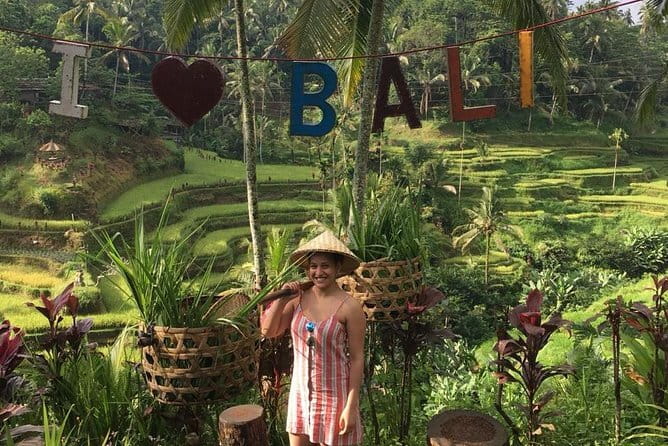
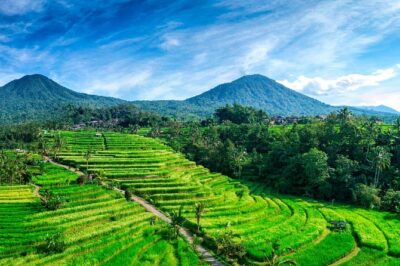
Then you’ll hit Tegalalang Rice Terrace in Ceking village. This is one of those stops where your camera will do most of the work, but you’ll get more out of it if you listen to the Subak irrigation system explanation.
Subak is Bali’s irrigation tradition, and understanding it changes the way you see the terraces. Instead of just neat rows of green, you start noticing water management, timing, and the community system behind what you’re seeing.
You’ll also have time for photos. The area includes a popular swing spot called AYUNAN (often referred to as Bali Swing), so you might see visitors lining up for that classic shot. This is optional, and you should only do it if you’re comfortable with heights and quick photo timing.
Practical note: it’s outdoors, so bring sunscreen. If you’re visiting in hotter months, the walking surfaces can get slippery when wet. Wear shoes you trust.
Time is about 30 minutes, which is enough to take in the main view, but not enough to wander endlessly. If you want longer terrace time, you can ask your guide whether there’s a less crowded viewpoint nearby, but the schedule is built to keep the whole day flowing.



Mount Batur viewpoint and lunch: crater-edge atmosphere without a trek
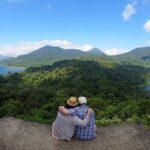
One of the day’s biggest reasons people sign up is the chance to see Mount Batur scenery from above about 1,000 meters. It’s still active, with eruptions recorded many times historically.
What you’re really going for here is the view and the mood shift. The tour gives you lunch time with an Indonesian buffet while enjoying the crater-edge atmosphere. That’s a smart move in a day like this: you stop, eat, and you’re not constantly on the move.
Two practical considerations:
- Weather matters. The view is best when visibility is good, and Bali’s mountain areas can get hazy.
- This stop is scenic, not active hiking. You’re viewing, not climbing.
If you’re a coffee person, this is also a good point to mentally connect the day’s rhythm: crafts earlier, countryside and terraces in the middle, then a volcanic backdrop as your centerpiece.
Also, remember the lunch inclusion confusion I flagged earlier. Since lunch is listed as not included, plan to pay for it or confirm details ahead of time so you don’t get stuck deciding at the last minute.
Tirta Empul Temple: why the cleansing ritual matters
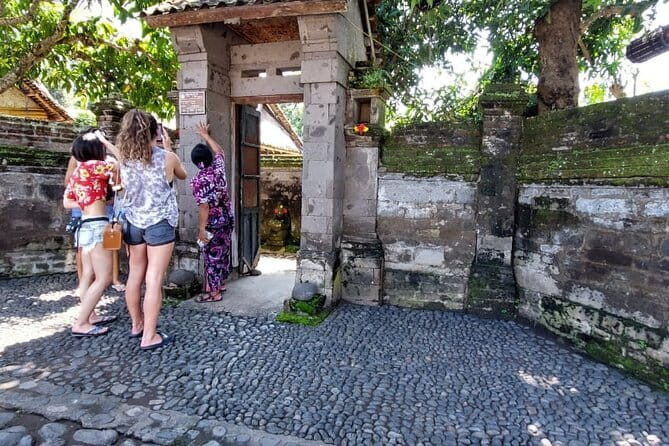
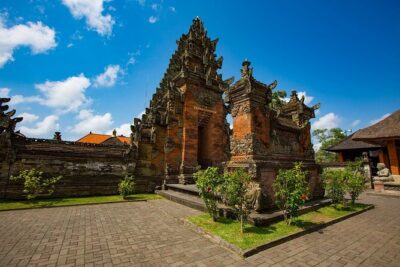
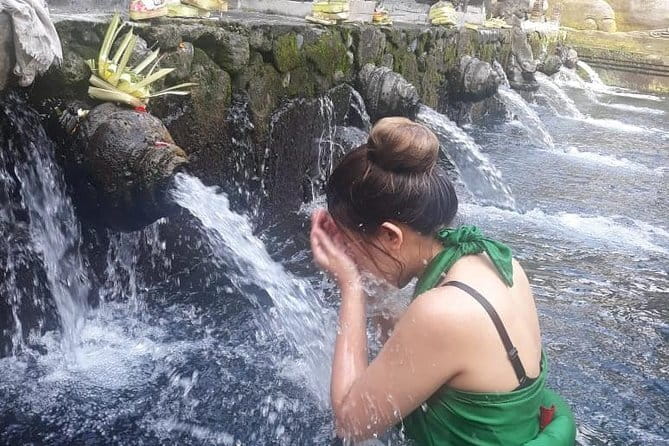
Tirta Empul Temple is the spiritual anchor of the day. It’s famous for the cleansing ceremony called Melukat, which is part of the temple’s use and meaning.
The key thing: this temple is open to the public, but you should treat it with the respect it deserves. People come for ritual bathing, and the setting is sacred even when the site is open to visitors.
What I appreciate about this kind of stop is that it’s not just a background temple for photos. Understanding that it’s tied to a cleansing ceremony gives your time here more weight. You’ll also likely see people moving through the ritual process in a calm, focused way.
Time is around 40 minutes, which is usually enough for entry, a respectful look, and understanding what you’re watching. If you want to change out of wet clothing for the ritual areas, bring a plan. If you’re not doing the bathing, just watching quietly can still be powerful.
Etiquette tip that always helps: dress modestly and keep your voice low. When you’re respectful, you get better engagement from both people at the site and your guide.
Coffee and tea break at a natural plantation: a calmer pause
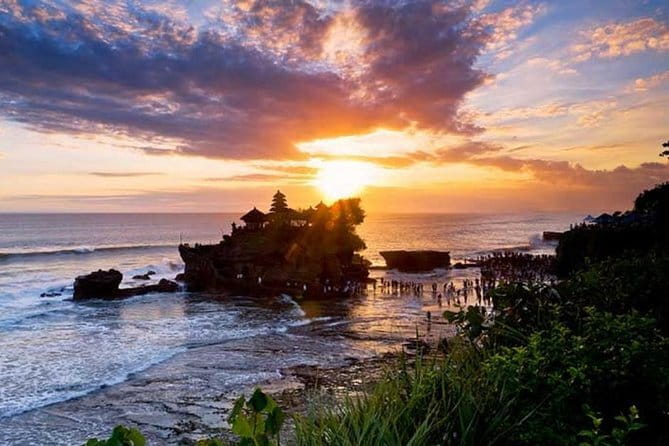
Some versions of this day include coffee and tea time at a natural coffee plantation. Even when the main schedule is heavy, this kind of stop is a needed reset.
In plain terms, it gives you:
- shade and seated time
- a chance to stretch your legs between temples and waterfalls
- a softer cultural experience than a ticketed attraction
Because the schedule information doesn’t pin this break to a specific stop number, assume it happens as part of the day’s countryside flow. If you’re sensitive to caffeine, you can request tea instead, or simply treat it as a tasting/pause without overdoing it.
Also, if you want to buy coffee or snacks, don’t ignore price. Plantation shops can vary a lot, so ask before you pay.
Tegenungan Waterfall: stairs down, or a higher viewpoint
The final stretch ends at Tegenungan Waterfall in Kemenuh village. This is your payoff for the countryside driving and the earlier temple rhythm: a nature stop with real motion, sound, and photo angles.
You have two ways to experience it. You can go down the stairs to see the river, or you can view from above if stairs aren’t your thing. That’s a helpful choice on a long day, especially if you’ve already used up your energy on temples and terraces.
Time is around 40 minutes, which is enough to take photos, cool off a little, and decide if you want the full stair route or just the view.
What to bring:
- footwear with grip for wet stone
- a light layer if you get chilly after misty spray
- a small plastic bag for phones or cameras if you’re going down
If you’re traveling with kids, this is often the most exciting stop. Just watch footing closely near the water.
Your guide and driver: safe roads, smart explanations, better photos
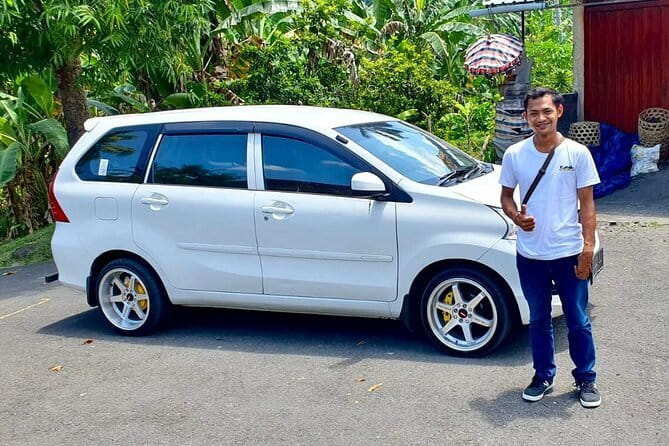
The tour includes an English-speaking experienced driver/guide, plus bottled water during the tour. On a day this long, those details matter.
A good guide does three things well:
1) keeps time without rushing you
2) explains what you’re seeing in a way that actually helps
3) helps you photograph the moment safely and efficiently
In the feedback, several guides stand out for being conversational and willing to tailor parts of the day to match what you care about. Examples include names like Kana, Davy, and Putu, and drivers like Ghali, Edy, and Dedy being praised for safety and knowledge. If you have a preference, ask the operator what guides are available for your date.
Also, don’t be shy about asking for small changes. The tour structure supports flexibility, like adding a focused visit (some people were able to arrange a school stop) or adjusting pacing if your group is tired.
Who should book this Ubud Village and Mt Batur day
This is a great match if you want:
- a culture-heavy day with real craft stops
- more countryside feel than just beach-and-shopping
- major spiritual sites like Tirta Empul plus a nature finale at Tegenungan
- a guided format that covers logistics so you can focus on the experience
It’s also a strong pick for first-time visitors to Bali who want a single day that touches several regions and themes. If you already did a full Ubud temple day, this still works because it adds crafts and the Mount Batur viewpoint element.
Families can do it too, since kids are allowed (with a limit of max 2 kids per booking). For families, choose shoes for stairs and keep expectations realistic for a long day.
If you’re sensitive to crowds, some stops (especially rice terraces and temples) can attract foot traffic. You’ll enjoy the day most if you go in expecting short stops with clear priorities.
Should you book this tour?
I’d book it if your priority is variety with value: crafts, terraces, a sacred temple, volcanic views, and a waterfall, all with entrance fees bundled and hotel pickup taken care of.
Before you confirm, do two quick checks:
- Verify how lunch is handled since the day describes a buffet time but lunch is listed as not included.
- Ask whether your group’s comfort level matches the moderate physical fitness needs, especially for the option to go down to the waterfall.
If you want a single long day that feels organized, teaches you something practical about Balinese culture, and ends with a natural payoff, this one fits nicely.
FAQ
What time is the meeting point for pickup?
The meeting point is 08:30 AM at your hotel lobby or accommodation.
Is hotel pickup and drop-off included?
Yes. Hotel pickup and drop-off are included.
How long is the full-day tour?
It runs about 8 to 10 hours.
Are entrance fees included?
Yes. Entrance fees are included for the listed stops.
Which major attractions are part of the day?
You’ll visit Sari Amerta Batik Collection, Celuk Village, Tegalalang Rice Terrace, Mount Batur, Tirta Empul Temple, and Tegenungan Waterfall.
Is lunch included in the price?
Lunch buffet or set menu is listed as not included.
What language will the guide speak?
The tour includes an English-speaking driver/guide.
Is this tour private?
The booking describes it as a private tour/activity, with only your group participating.
What fitness level do you need?
The tour requests a moderate physical fitness level.
Can kids join the tour?
Yes, kids are allowed with a limit of max 2 kids per booking.