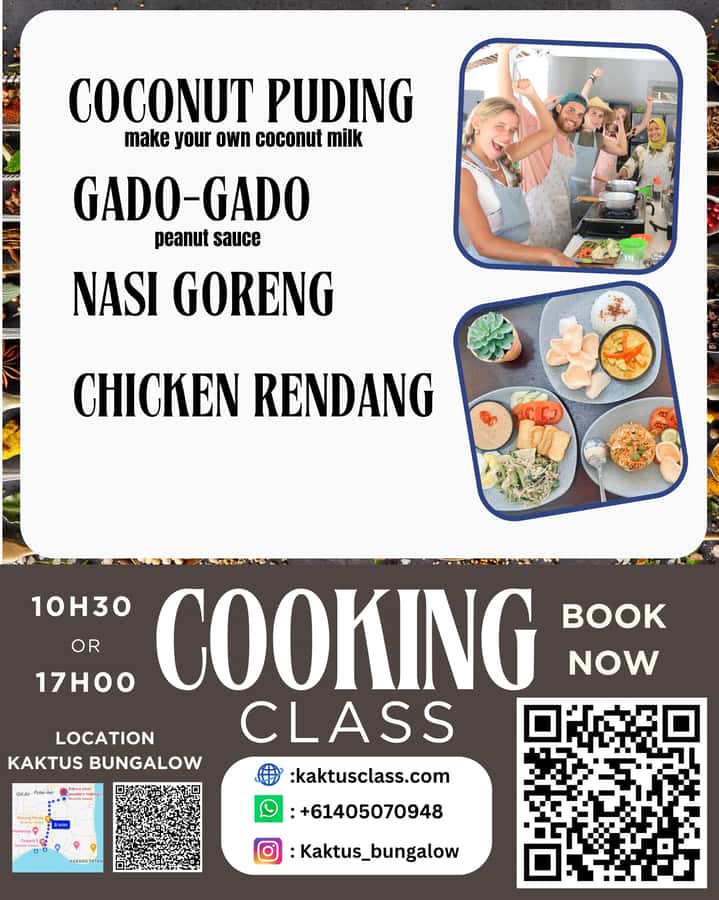
Coconut milk from scratch makes cooking feel real. In this Kaktus class on Gili Air, you work step by step with fresh ingredients, including fresh coconut turned into creamy coconut milk right in front of you. It’s a small island activity that feels more like a kitchen hang with a patient teacher than a rush-through tour.
What I love most is the handwork: using a traditional cobek (mortar and pestle) for a peanut sauce, then cooking proper plates like nasi goreng and chicken rendang curry. A possible consideration: you will likely eat a full meal worth of food, and portions can be more than you expect, so plan your evening like you just had dinner (because you kind of did).
In This Review
- Key highlights worth getting excited about
- Making coconut milk in Gili Air: the fun starts before the stove
- The cobek peanut sauce moment you will actually remember
- Nasi goreng and chicken rendang curry: what you cook in 2 hours
- Nasi goreng (fried rice) basics you can rebuild at home
- Chicken rendang curry (the color and flavor payoff)
- Why some menus feel slightly different
- How the class runs: small group, hands-on pace, real instruction
- Eating what you cook: you taste the lesson, not just the meal
- Price and value: why $27 feels fair for Gili Air
- Who this class suits best on Gili Air
- Before you go: small practical tips to get the most out of it
- Should you book the Kaktus traditional cooking class?
- FAQ
- How long is the Kaktus traditional cooking class on Gili Air?
- What is the price per person?
- What dishes or items will I learn to make?
- Is the class taught in English?
- Is it a small group?
- Is the class wheelchair accessible, and what’s included?
Key highlights worth getting excited about
- Fresh coconut turned into coconut milk you can taste immediately
- Cobek peanut sauce made with old-school grinding, not shortcuts
- Classic dishes on the menu, including nasi goreng and chicken rendang curry
- English-speaking instructors who stay patient and explain as you cook
- Small-group setup (up to 2 participants) that keeps things personal
- A relaxed, clean kitchen vibe, with friendly energy and time to do it right
Making coconut milk in Gili Air: the fun starts before the stove
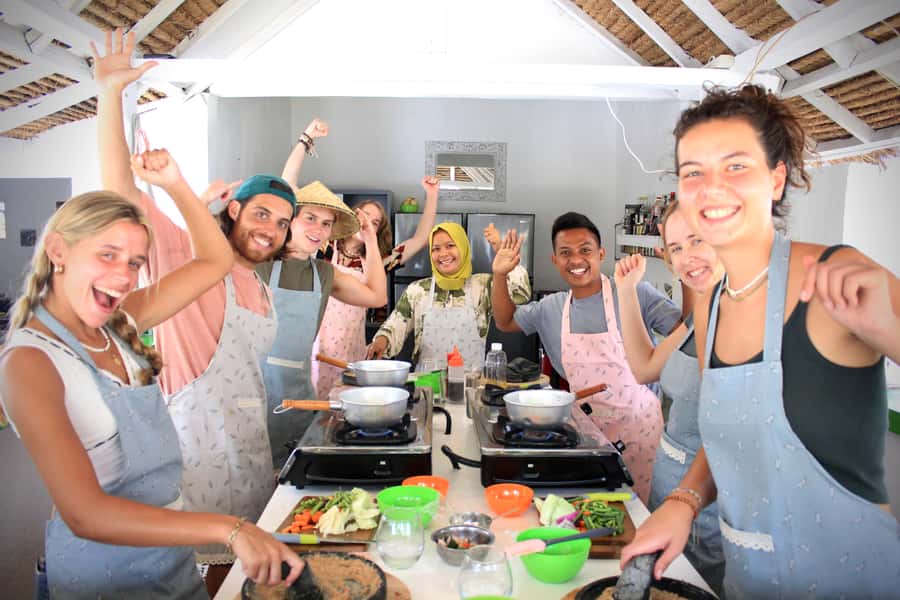
On Gili Air, the best activities are usually the ones that slow you down a notch. This cooking class is exactly that. You start with ingredients and a clear goal: learn traditional Indonesian cooking by doing it yourself, with a teacher who takes their time.
One of the first wow-moments is making coconut milk from scratch using fresh coconut. Instead of treating coconut milk like an ingredient you buy and forget, you see what changes as you work with the coconut and turn it into something creamy and usable in cooking. Even if you’ve cooked before, there’s a different satisfaction here because you control the process.
You’ll also notice the class has a calm pace. People leave saying the instructions were clear and given with patience, and it shows in how the kitchen runs. You’re not standing around waiting for someone else to do everything. You’re hands-on enough to actually remember what you did, not just what you ate.
You can also read our reviews of more tours and experiences in Gili Islands.



The cobek peanut sauce moment you will actually remember
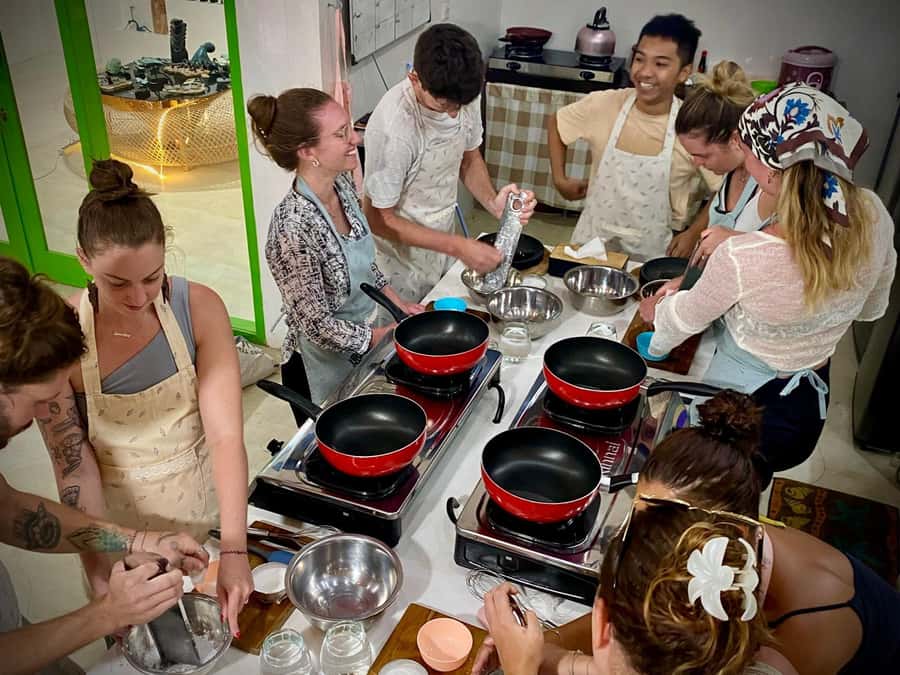
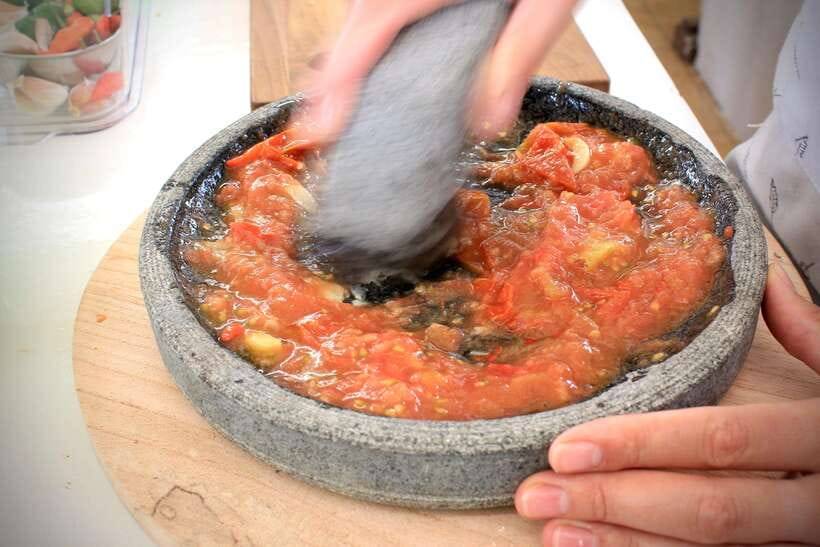
If you only take one technique home from this class, make it the cobek. This is the traditional mortar-and-pestle method, and it changes the flavor. Grinding ingredients the old way builds aroma fast, and the sauce comes together with a texture you can feel.
In this class, you’ll use the cobek to help craft a flavourful peanut sauce. It’s a very practical lesson: you learn how ingredients behave when they’re ground, mixed, and worked into a paste or thicker base. That matters because traditional Indonesian cooking often depends on these foundational flavors. When the base is right, the rest of the dish just tastes… correct.
There’s also something about the process itself. Reviews mention instructors who are gentle and kind, and you can feel why that matters in a hands-on class. This isn’t showy cooking. It’s careful cooking, and it fits the island vibe.
Nasi goreng and chicken rendang curry: what you cook in 2 hours
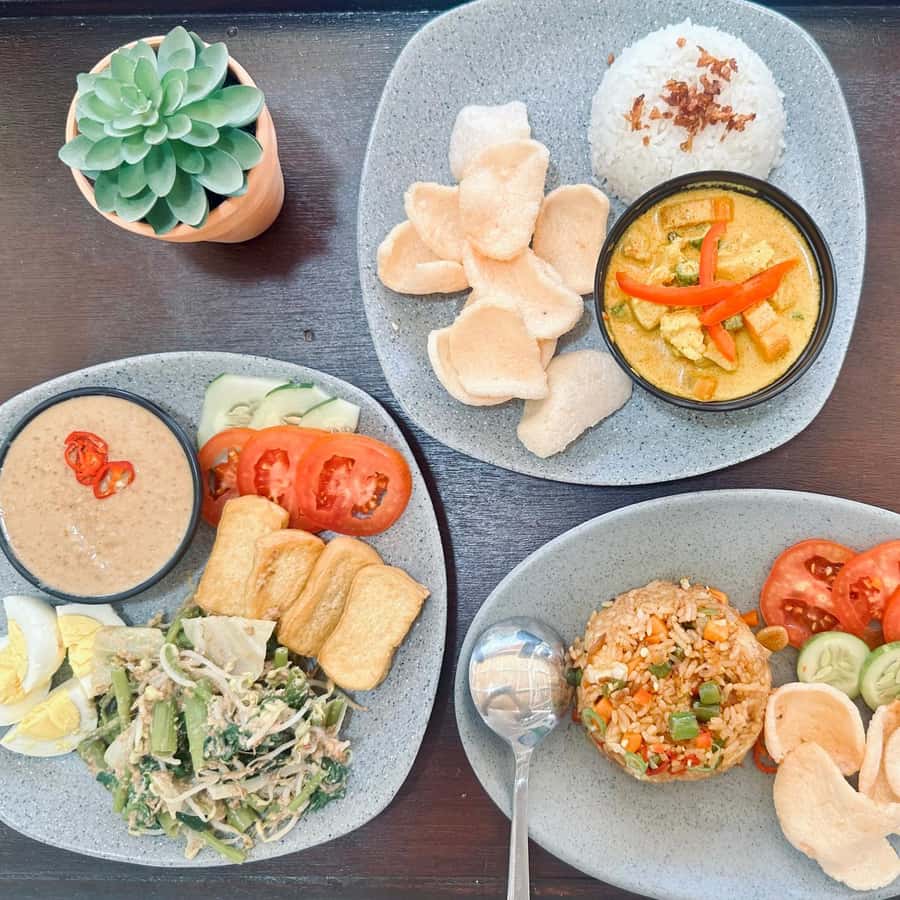
The class focuses on traditional plates that most people recognize from Indonesian menus, but you learn them in a way that makes them easier to recreate later. The highlight plan includes nasi goreng and a chicken rendang curry, plus the coconut milk and peanut sauce foundation.
Nasi goreng (fried rice) basics you can rebuild at home
Nasi goreng is one of those dishes that looks simple until you make it. In class, you’ll prepare it so you understand how the elements come together—how flavors build as you cook, and why the dish tastes like it does. Even if you’ve eaten it a dozen times, cooking it teaches you what to watch for, like how the fried rice mix behaves and how the seasoning tastes as it cooks.
Chicken rendang curry (the color and flavor payoff)
Then comes chicken rendang curry. The class description points to the dish being full of taste and amazing color, and that matches what you should expect when rendang is made with a proper spice base. You’ll be working with the ingredients and steps in a guided way, so it’s not just tasting and pointing.





Why some menus feel slightly different
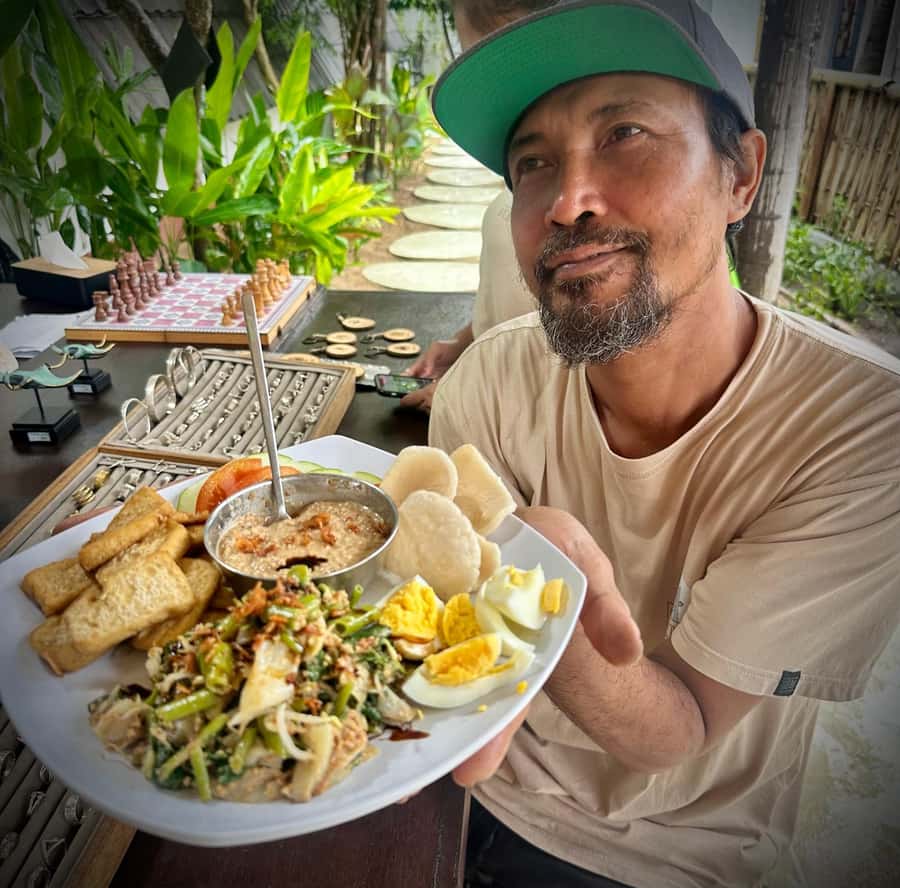
A helpful note for your expectations: different classes may include extra classics. Some people mention dishes like gado-gado, lalapan, and even a dessert such as bubur sum sum. So think of this as learning traditional methods and core flavor-building, not chasing a single fixed menu every time. You’ll still come away with a set of dishes and techniques you can repeat.
How the class runs: small group, hands-on pace, real instruction
This is a 2-hour class, and that time box matters. It’s long enough to make multiple dishes, but not so long that you lose track or get tired. You’re in the kitchen for real work, then you eat what you cooked.
The group size is limited to 2 participants, which is a big deal for value. With fewer people, you get more direct attention. That’s especially useful when you’re learning techniques like grinding ingredients in the cobek or working with coconut milk.
Instructors are English-speaking, and reviews mention names like Sas, Kai, and Brice. People also highlight that instructors are entertaining, helpful, and patient. That combination matters: cooking classes can go one of two ways—either you feel rushed, or you feel supported. This one aims for supported.
Also, the kitchen setup feels thoughtful. Reviews call the place clean and tidy and describe an open, relaxed atmosphere. That’s not fluff. A clean working space keeps you focused, and a relaxed mood keeps the experience fun even when your hands are busy.
Eating what you cook: you taste the lesson, not just the meal
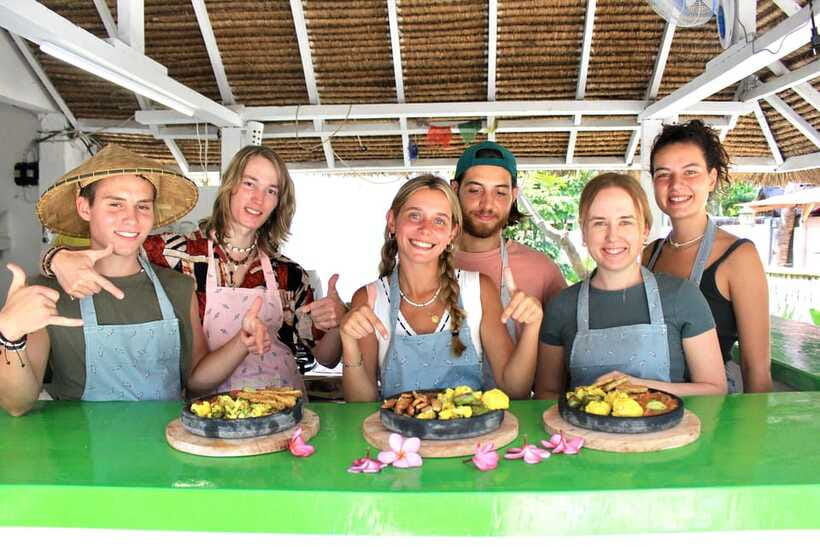
A cooking class only really teaches if you eat. Here, you do. Food is included, and you get to enjoy the meal you are cooking, which is a simple but powerful part of the experience.
The tasting moment usually hits in two ways. First, you notice how flavors change between prep and the final dish. Second, you feel the payoff of techniques like fresh coconut milk and cobek peanut sauce. Those are not abstract lessons once you’re eating them.
Another practical point: portions can be generous. Some people mention they couldn’t finish everything even though they wanted to. That tells me your ticket is not just for sampling. You’re eating a real Indonesian meal, so don’t schedule something heavy right after. If you’re planning dinner out, go lighter or have a plan to share later.
Price and value: why $27 feels fair for Gili Air
At $27 per person for a 2-hour, hands-on cooking class, the value is tied to three things you’re actually getting.
First, you get ingredients and fresh water, plus food. That reduces the usual “hidden costs” problem with small activities. Second, you learn techniques you can’t really replicate if you only watch. Making coconut milk from scratch and grinding with a cobek are the kind of steps that create real competence in your kitchen back home.
Third, the group size matters. Limited to 2 participants, you’re paying for attention. In a more crowded class, the instructor would have less time to check your consistency, guide your mixing, or answer questions while you’re working. Here, the format supports learning.
So if you’re on Gili Air and you want something that isn’t just walking around or buying souvenirs, this is a solid use of time. It turns travel calories into cooking skill.
Who this class suits best on Gili Air
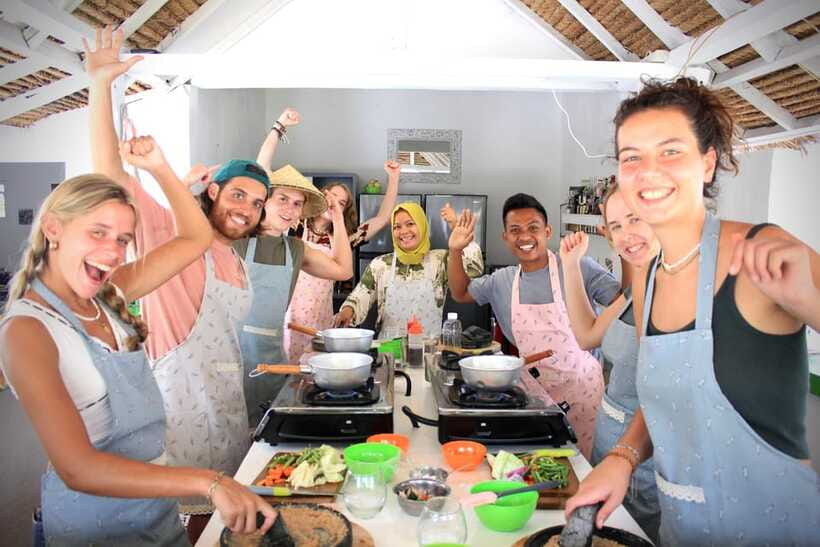
This is a great pick if you want an activity that’s social in the nicest way, but still personal. The small group makes it feel comfortable, even if you’re traveling solo or pairing up with a friend.
It’s also ideal if you like food as a form of culture, not just a meal. You’re learning the why behind classic dishes: flavor bases, spice foundations, and traditional preparation methods. And because the class is in English, you’re not stuck guessing what you’re doing.
If you’re the type who gets itchy feet, this gives you a structured “do something” day without needing a full-day tour. It’s also a good break from pool time. Two hours sounds short until you realize it’s productive.
Before you go: small practical tips to get the most out of it
You don’t need special skills for this one. But a couple of practical habits will make the class smoother.
Wear something you don’t mind getting a bit warm or smelly from kitchen work. Cooking involves steam and spices, and you’ll be close to the action. Also, since the class includes food and portions can run generous, think about eating a light snack before you go rather than going in ravenous.
One more thing: the class includes an instructor who teaches in English, and the pace is explained step by step. So if you have questions about process or technique, ask while you’re doing it. That’s when the lesson sticks fastest.
Finally, bring curiosity. You’re learning coconut milk making and cobek grinding—two methods that sound simple until you do them.
Should you book the Kaktus traditional cooking class?
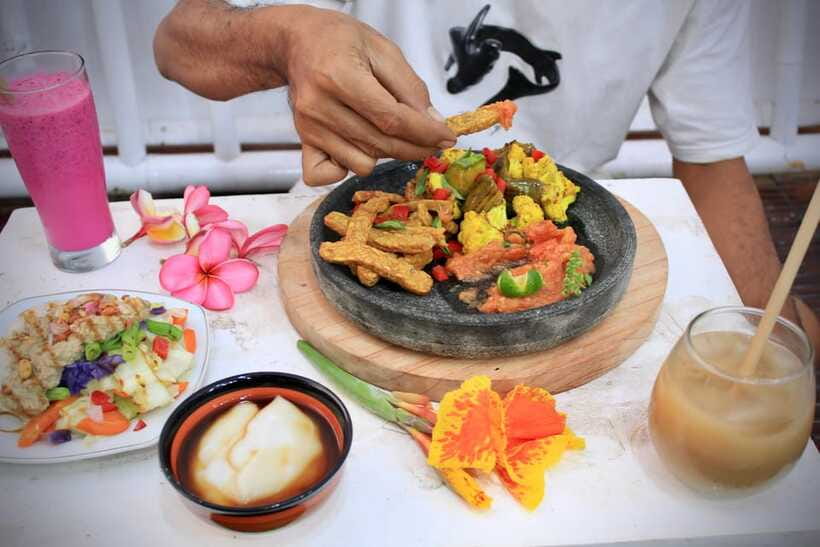
Book it if you want a real cooking lesson in a 2-hour format and you care about how food is made, not just what it tastes like. It’s especially worth it for the coconut milk-from-fresh-coconut part and the cobek peanut sauce technique, plus the chance to cook familiar dishes like nasi goreng and chicken rendang curry with step-by-step guidance.
Skip it or reconsider if you hate eating full portions or you prefer extremely fast, hands-off experiences. This is hands-on and meal-focused. You’ll leave with food in your stomach and methods in your head. If that sounds like your kind of day on Gili Air, you’re in the right place.
FAQ
How long is the Kaktus traditional cooking class on Gili Air?
The class lasts 2 hours.
What is the price per person?
The price is $27 per person.
What dishes or items will I learn to make?
The class includes learning how to make coconut milk from fresh coconut and making a peanut sauce using a traditional cobek. It also covers preparing Indonesian dishes such as nasi goreng and chicken rendang curry. Some classes may include additional dishes like gado-gado, lalapan, and bubur sum sum.
Is the class taught in English?
Yes. The instructor speaks English.
Is it a small group?
Yes. It’s listed as a small group limited to 2 participants.
Is the class wheelchair accessible, and what’s included?
It is wheelchair accessible. It includes ingredients, fresh water, toilets, and food.
If you want, tell me when you’re going (month or time of day) and what you normally like to eat, and I’ll help you decide if this class fits your Gili Air plan.