Sunrise on Rinjani feels like a reward you earn. This 3-day, 2-night trek balances Rinjani National Park views, Segara Anak crater-lake drama, and early-morning climbs. Two things I love here are the sunrise timing and the crater-lake payoff at Segara Anak Rim and crater descent; the possible drawback is simple: the hiking is brutal and not ideal unless you’re already comfortable with steep, long uphill and downhill.
You also get a small-group setup, with a maximum of 10 travelers, plus pickup offered. The start is 7:00 am at Bangsal in northern Lombok, which matters because you’ll want your morning transfer from the Gili Islands to be smooth—otherwise you’ll feel it in your legs fast.
In This Review
- Key moments that make this trek worth it
- Rinjani Trek: how the 3 days, 2 nights really unfold from Bangsal
- Day 1: farmer fields, rainforest, and Base Camp III lunch
- Day 2: Rim views, optional sunrise, then the crater descent to Segara Anak
- Day 3: summit push to 3,726m sunrise, then the late-morning return
- Price and value: what $519.54 is buying you
- Weather, altitude, and the pace reality check
- Who should book this Rinjani summit-lake trek
- Should you book it? My practical verdict
- FAQ
- What is the duration of the Rinjani Trekking Three Days Two Night Summit Lake?
- Where does this trek start?
- What time does the trek start?
- Is pickup offered?
- How big are the groups?
- What fitness level do I need?
- Will I see sunrise?
- What about Segara Anak Lake?
- Is the admission ticket included?
- Can I cancel for free?
Key moments that make this trek worth it
- Two sunrise chances, including an early climb aimed at the 3,726m summit view
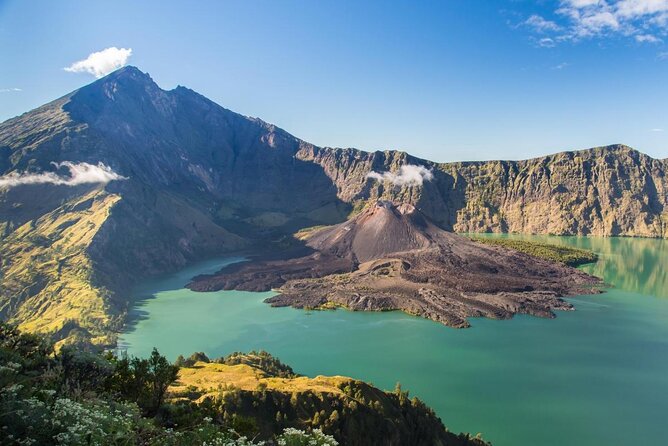
- Segara Anak crater-lake views, with a rim viewpoint and a descent into the crater area
- Base Camp III lunch stop, giving you a real mid-day reset during Day 1
- Small-group pacing (max 10), which helps your guide manage breaks and tempo
- Guide flexibility when your body protests, including the option to adjust from 3 to 2 days when needed
Rinjani Trek: how the 3 days, 2 nights really unfold from Bangsal
This trek is built like a rhythm: get moving early, reach the next big viewpoint, then hike again before the day gets too hot. You start at 7:00 am from Bangsal, and the plan runs about 3 days total, with “2 night” described in the tour name. Since the meeting point is on Lombok (Bangsal, 83352), you’ll want to line up your ferry/transfer time from the Gili Islands so you’re not sprinting through the day.
I like the way the schedule focuses on daylight targets: cool-morning rainforest and farmland on Day 1, rim views on Day 2, then a summit attempt on Day 3. If weather shifts, the experience depends heavily on it—so think of this as a mountain program first, not a relaxed sightseeing walk.
And yes, you’re paying for a guided, organized route inside a national-park environment. The price is $519.54 per person, and it’s typically booked about 28 days in advance on average, which usually means this is a popular window for good conditions.
You can also read our reviews of more tours and experiences in Gili Islands.

Day 1: farmer fields, rainforest, and Base Camp III lunch
Day 1 begins with an early climb out of the rtc area (the itinerary notes leaving rtc and starting the ascent right away). You hike through local farmer fields and then into tropical rainforest, which is a nice mix: you get open views at times, then shade when the trail turns greener and steeper.
You arrive at Base Camp III for lunch around 12:00 pm. That timing is important. It gives you a structured break in the middle of your first long day, instead of hoping you’ll “catch up” later. It also means your first push isn’t just a blur of uphill before you can recover.
One detail worth noting: the plan mentions observing Rinjani alongside wild monkeys on the way to base camp. You might catch glimpses in the tree line or near calmer sections of trail. It’s not a guaranteed zoo stop, but it’s a reminder that you’re not only climbing rock—you’re hiking through an active ecosystem.
What could feel tough on Day 1: your legs tend to learn the day’s lesson quickly. If you’re even slightly under-fitted, this first ascent can set the tone for the whole trip, so don’t start too fast just because the morning feels cool.
Day 2: Rim views, optional sunrise, then the crater descent to Segara Anak
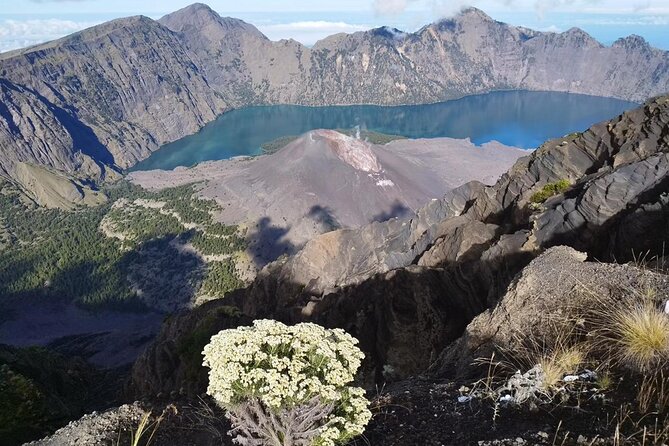
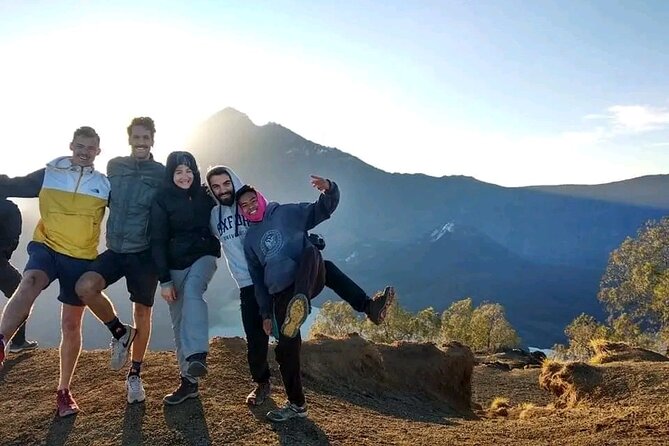
Day 2 is the payoff day for many people. You can start early to watch sunrise (the itinerary explicitly allows getting there early), then you’ll have breakfast and enjoy lake views from the rim. This is where the trek turns from “work” into “wow,” because Segara Anak crater-lake scenery comes into focus in stages.
After the rim viewpoint, you descend into the crater—about 2 hours—to reach Segara Anak Lake. That crater change matters. The descent is not just distance; it changes how the day feels. Stepping down into a crater often means the air and footing get more intense, and your rhythm becomes slower and more careful.
The itinerary lists a total of about 8 hours for Day 2 and notes an admission ticket included. In plain terms: Day 2 carries the formal park access piece for this itinerary.
What you should understand before you go: the crater day is visually stunning, but it’s also physically demanding. Even when you’re enjoying the views, your body is still handling downhill stress—knees, calves, and ankles need a steady pace. If you’ve ever hiked with poor foot support or rushed down a slope, you’ll know what can happen. Take the descent seriously and you’ll enjoy the lake more.
Day 3: summit push to 3,726m sunrise, then the late-morning return
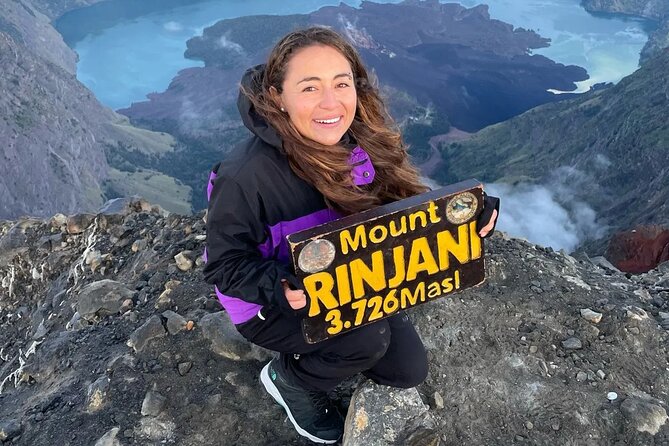
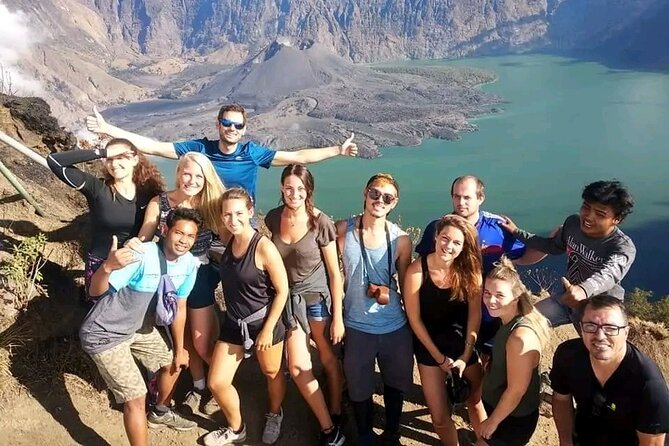
Day 3 is the hardest pitch. You start a 3-hour climb aimed at catching sunrise at 3,726 meters. This is the classic Rinjani reason people do a summit trek: the morning light at high altitude tends to feel sharp and unreal, and you get that big “I’m really up here” perspective.
After the summit view, you hike back down to camp. The itinerary notes a return around late 10:00 am for the descent down to camp, with Day 3 listed at about 10 hours total.
This day also notes admission ticket free in the itinerary. The way it’s written suggests you don’t pay again for park access on Day 3 within this package, but I’d treat that as “the ticket situation is handled per the tour schedule,” not something you should improvise yourself.
The tricky part of Day 3 is energy management. You’re doing a summit sunrise target after days of effort already. Even if you handle altitude fine, the combination of cold early air, steep sections, and a long return can drain you fast. The best preparation is simple: keep your pace controlled on the climb, and save your strength for the final stretch rather than chasing speed.
Also, get comfortable with the fact that sunrise targets are time-bound. You may not have the luxury of lingering longer than the guide’s schedule allows, so have your camera ready and your layers set.
Price and value: what $519.54 is buying you
Let’s talk money without pretending it’s cheap. At $519.54 per person for a 3-day trek, you’re paying for more than a route on a map.
Here’s what that price likely covers in practical terms:
- A guided experience inside Mount Rinjani National Park
- Structured timing for sunrise and viewpoint goals (Day 2 optional early sunrise, Day 3 summit sunrise)
- A small group size of up to 10 travelers, which usually means more controlled pacing and fewer “crowd bottlenecks” on narrow trail sections
- Park access handling as listed for Day 2 (admission ticket included) and Day 3 (admission ticket free)
- Pickup offered, which reduces the “how do I get there” stress before you start hiking
Now the part I’d emphasize for your decision: value isn’t only cost. For this kind of hike, the value is also risk reduction. A good guide helps you keep moving safely and on time, and it matters when you’re trying to hit a sunrise summit window.
One of the strongest signals from participant feedback is guide support. There’s an example of someone with bodily discomfort being able to switch from a 3-day to a 2-day tour without drama. That kind of flexibility is valuable when your body isn’t cooperating, even if you had planned the full summit.
On the flip side, one comment flagged that organization in advance wasn’t perfect. That doesn’t mean the trek is chaotic, but it does mean you should communicate early about your timing, pickup details, and any needs before you arrive.

Weather, altitude, and the pace reality check
The tour requires good weather. That’s not marketing talk; it changes what you can safely do and what you can see. If conditions are poor, you’ll either get a different date or a full refund, so treat this as a weather-dependent mountain plan.
Altitude is the other reality factor. Day 3 reaches 3,726m, and even if you’ve done hills before, altitude adds its own tax. You might not feel it the same way every day—on one morning you could be totally fine, the next you might move slower because your breathing changes.
Here’s what I’d do to stack the odds in your favor:
- Start Day 3 with a calm pace on the climb. Sunrise targets tempt you to speed up. Don’t.
- Plan for cold mornings. Layers matter even if the daytime sun can feel warm.
- Protect your knees on descents. Your Day 2 crater descent and Day 3 return both put weight on your downhill muscles.
And don’t ignore the “moderate physical fitness level” note. Moderate can mean different things on paper versus on a mountain trail. This trek has long, steep movement built into it, and one highly rated piece of feedback was blunt: the scenery is amazing, but you need experienced trekking stamina for the brutal up-and-down.
Who should book this Rinjani summit-lake trek
This is best for hikers who already understand steep trails, moving for hours, and accepting that sunrise schedules don’t bend. If you’re an experienced trekker, you’ll likely appreciate the way the day targets build: farmer fields and rainforest rhythm on Day 1, rim-to-crater Segara Anak payoff on Day 2, then a sunrise summit push on Day 3.
You should also consider it if you value guidance and structure. A tour that runs with a maximum of 10 travelers makes the logistics feel more human. It’s easier to manage breaks, and your guide can keep an eye on the group if the terrain gets tricky.
On the other hand, if you’re new to trekking or you’re dealing with ongoing mobility limitations, you may struggle. Even though the tour describes moderate physical fitness, the route profile (especially summit sunrise and crater descent) is still intense.
Should you book it? My practical verdict
Book this trek if:
- you want sunrise at 3,726m as a goal, not a maybe
- you’re excited by crater-lake scenery and the rim-to-crater experience
- you can handle steep uphill and downhill without needing a slow, flat pace
- you like the idea of a small-group (max 10) guided trek with pickup
Don’t book this trek if:
- you want a light hiking vacation
- you’re not comfortable with multi-day intensity and a summit morning schedule
- you don’t have flexibility for weather-dependent timing
If you’re on the edge physically, I’d still consider asking your operator questions early. The good sign is that the guide has handled switching from the 3-day plan to a shorter option when someone had discomfort. That flexibility can mean the difference between forcing it and having a safe, satisfying experience.
FAQ
What is the duration of the Rinjani Trekking Three Days Two Night Summit Lake?
The tour runs for about 3 days (three days in total).
Where does this trek start?
The ticket redemption point is Bangsal, 83352, Pemenang Bar., Kec. Pemenang, Kabupaten Lombok Utara, Nusa Tenggara Bar., Indonesia.
What time does the trek start?
The start time is 7:00 am.
Is pickup offered?
Yes, pickup is offered.
How big are the groups?
The maximum number of travelers is 10.
What fitness level do I need?
Travelers should have a moderate physical fitness level.
Will I see sunrise?
Yes. Day 3 is planned for sunrise at 3,726 meters, and Day 2 also notes you can get up early to watch sunrise.
What about Segara Anak Lake?
On Day 2, the itinerary includes a descent into the crater to Segara Anak Lake after you enjoy lake views from the rim.
Is the admission ticket included?
The itinerary notes admission ticket included on Day 2, and admission ticket free on Day 3.
Can I cancel for free?
Free cancellation is allowed up to 24 hours in advance for a full refund, and the trek requires good weather. If canceled due to poor weather, you’ll be offered another date or a full refund.