Magic mushrooms, in the jungle, at breakfast. This tour is built around live mushroom growth lessons in a cow pasture, then you get a real jungle breakfast prepared by local farmers. I like how practical it feels, not just a lecture, and I like that the morning includes culture you can actually see.
The only real drawback is the pace. You start at 7:00 AM and there are transfers plus a short hike, so it may not suit everyone, especially if mobility or early mornings are a problem.
In This Review
- Key highlights to look for
- The magic mushroom part: what you learn and what you’ll actually see
- Getting from Gili Trawangan to Lombok without turning it into a headache
- The first farm stop: cow pasture mushrooms and the hands-on timing lesson
- Jungle breakfast at Villa Pintu Bintang: why this meal matters
- Vihara Vanna Sabha Loka viewpoint: the Gili view with a spiritual pause
- Rice wine and palm wine tastings: small sips, real local flavor
- The group size and guide style: how the day stays personal
- Price and value: is $96 per person a fair deal?
- Who should book this tour (and who should skip it)
- Should you book the Magic Mushroom Tour with Jungle Breakfast?
- FAQ
- What time does the tour start?
- How long is the tour?
- How do we get to Lombok from Gili Trawangan?
- How big is the group?
- Is the guide English-speaking?
- What meals are included?
- Are local drinks included?
- Where is the main viewpoint stop?
- Is this tour suitable for kids or seniors?
- What should I bring?
Key highlights to look for
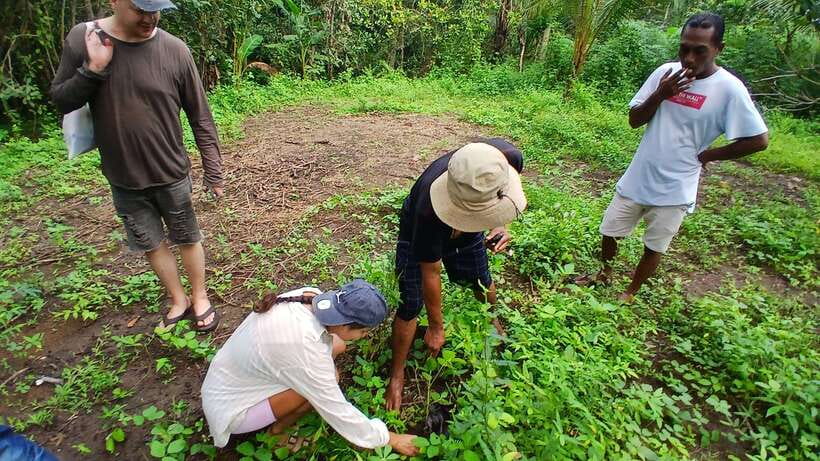
- Live magic mushroom growth cycle in the field with harvesting and drying shown along the way
- Jungle breakfast in a working farm setting with conversations about agriculture and daily life
- Vihara Vanna Sabha Loka viewpoint for sweeping views over the jungle to the three Gilis
- Rice wine and palm wine tastings (made on-site) paired with local bites
- Small group capped at 6 with an English-speaking local guide
The magic mushroom part: what you learn and what you’ll actually see
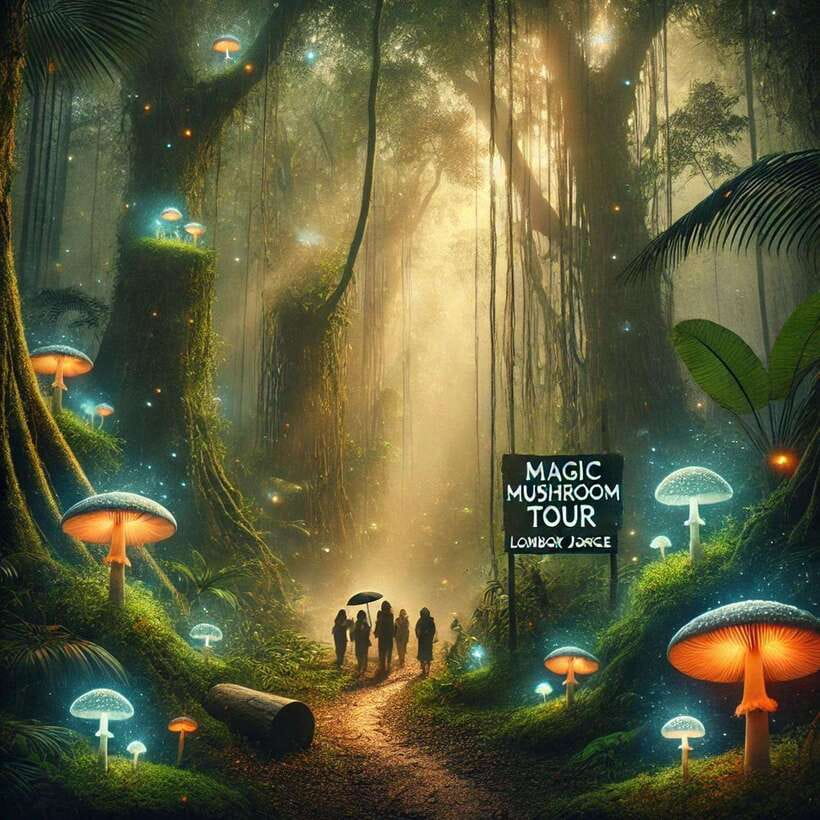
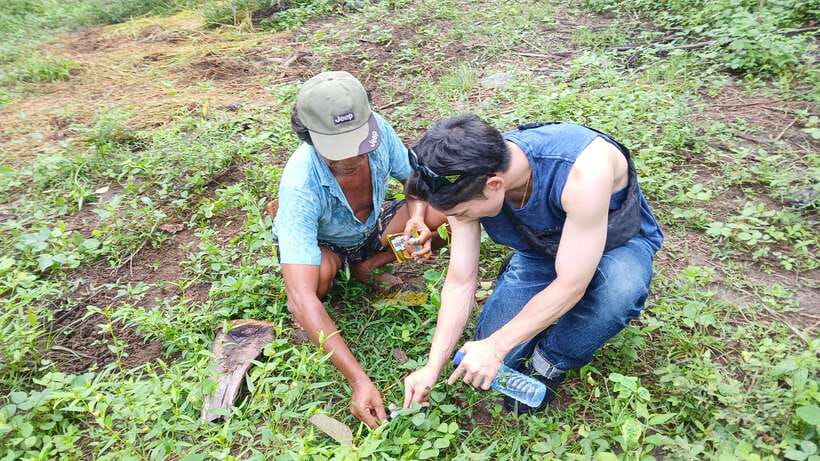
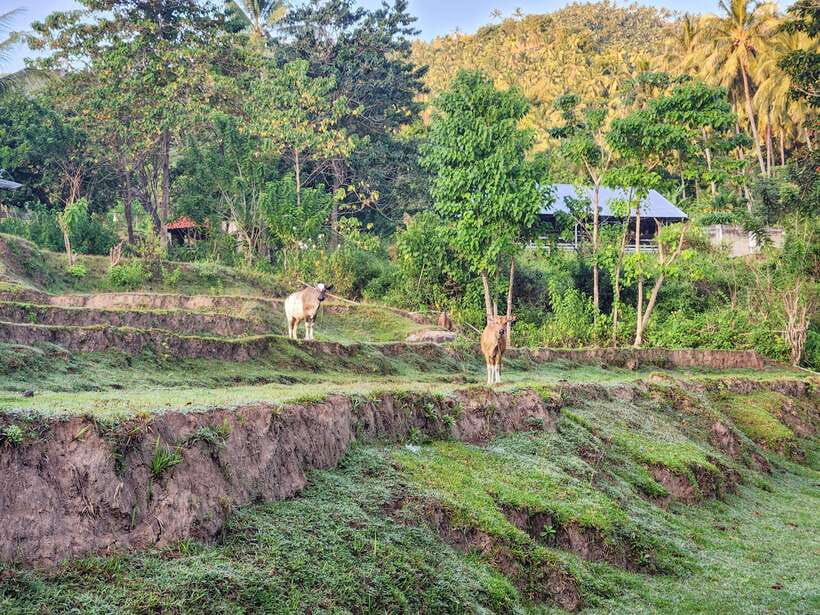
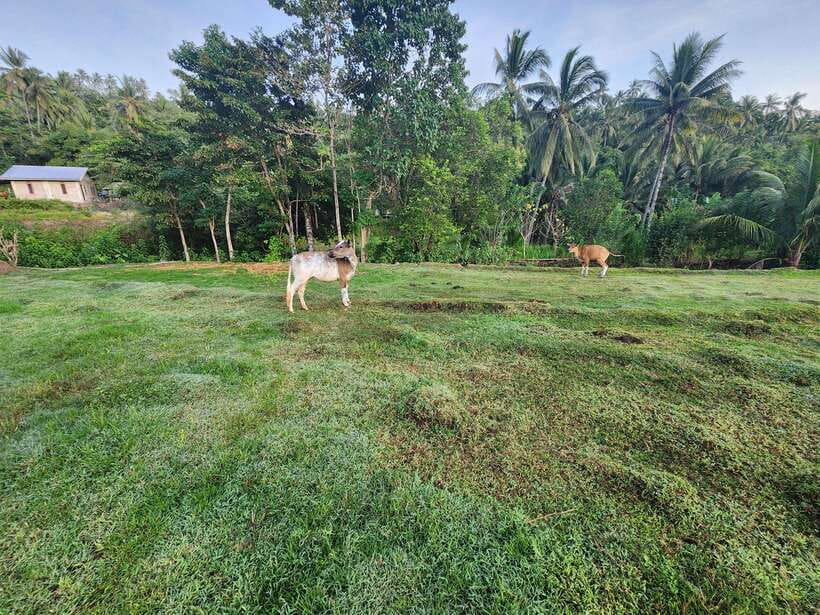
This isn’t a sci-fi theme park tour. The focus is the real life cycle of magic mushrooms as they grow in Lombok’s farming landscape. You start with the idea that mushrooms can appear quickly once the soil is prepared. Then you get to witness the process around a cow pasture where cow dung is part of the soil enrichment story, and where mushrooms are harvested and dried.
I like this approach because it explains the “how,” not just the “wow.” In a short morning, you’ll connect agriculture, timing, and environment in a way that feels grounded. And because it’s happening live outdoors, it’s easier to understand than a slideshow ever would be.
One more thing: you’re not just walking by mushrooms. The tour is designed to show the full flow—growth, harvesting, and drying—so you see how these farmers turn natural cycles into something that can be processed. If you enjoy learning how local food systems work, this is the core reason the tour feels memorable.
You can also read our reviews of more tours and experiences in Gili Islands.


Getting from Gili Trawangan to Lombok without turning it into a headache
You meet at 7:00 AM at the Gili Trawangan Ferry Terminal, in front of the port entrance. Your morning then follows a simple rhythm: a public boat ride to Lombok, then ground transport into the jungle area.
Expect a public boat from Gili Trawangan to Bangsal Harbor (departing around 7:30 AM), followed by a 30-minute car ride. After that, there’s a short hike to reach the farm area where the mushroom learning happens. The whole tour is about 5 hours, so you’ll want to keep your schedule light afterward.
Practical tip: if boats make you queasy, consider bringing what usually helps you on the water. The timing is early, and you don’t want one bumpy crossing to sour the day.
The first farm stop: cow pasture mushrooms and the hands-on timing lesson
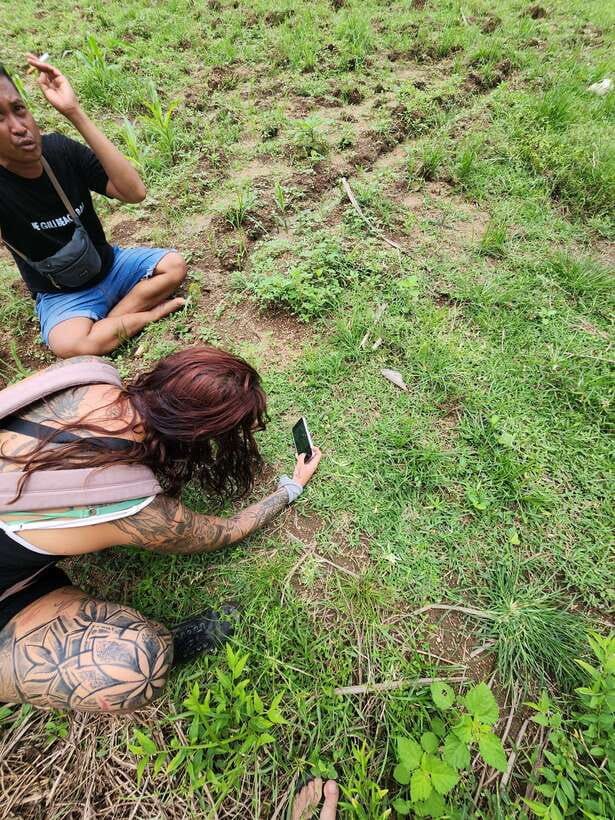
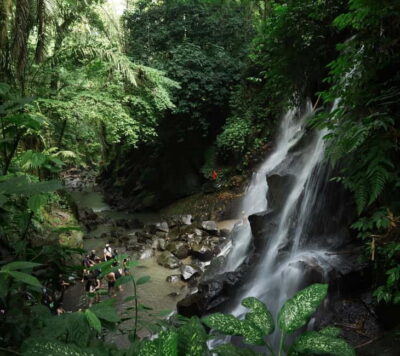
Once you’re in the jungle zone, the tour zeroes in on the mushroom field. This is the part that makes the whole concept click, because you see the growth process as part of a working environment rather than a controlled lab.
You’ll learn how mushrooms sprout and how quickly the cycle can move once conditions are right. And you’ll also see what happens after the growth phase—harvesting and drying—so you get the full “from pasture to prepared product” workflow.
This is also where the small-group format helps. With a group capped at 6, you’re more likely to get questions answered and keep up with the guide’s explanations as you move through the area. If you’re traveling solo, the format is generally a good fit too, because you’re not stuck in a big group where everyone fades into the background.
Jungle breakfast at Villa Pintu Bintang: why this meal matters
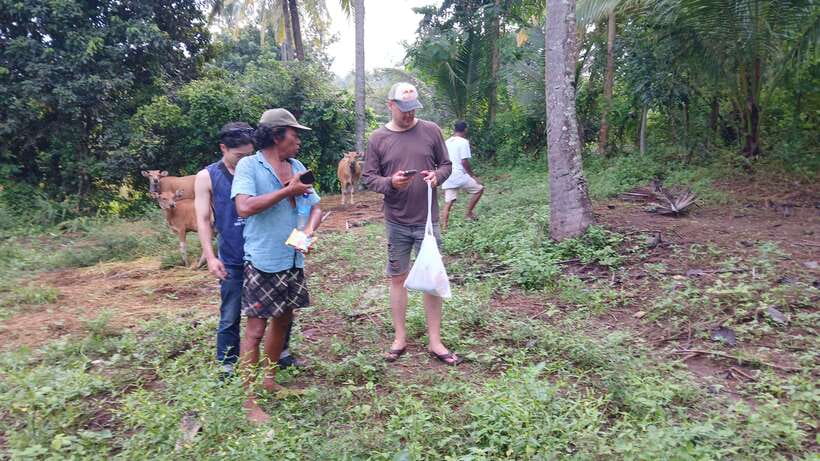
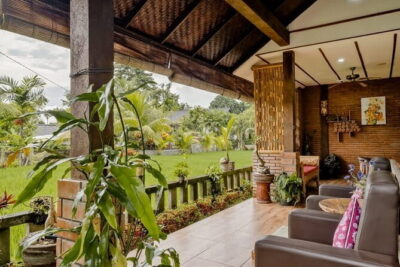
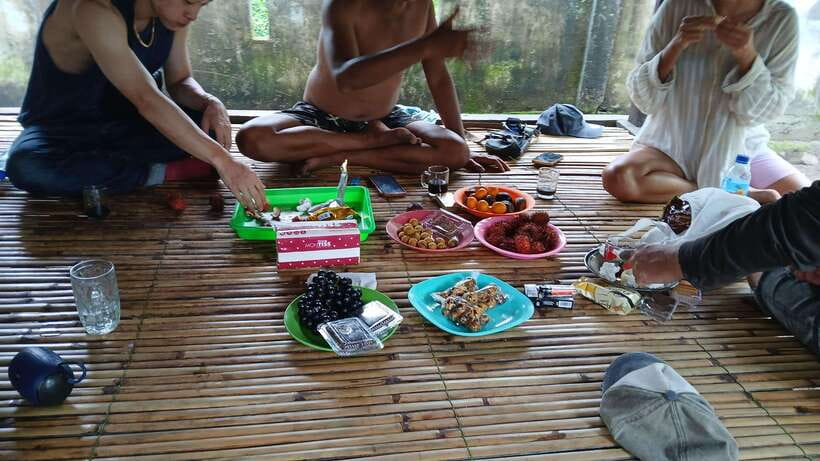
After the farm time, you head to breakfast at Villa Pintu Bintang. This is the most important mood shift of the tour: the lesson-heavy morning turns into a slower, gentler farm experience.
The breakfast is local and prepared by farmers, and it’s served in the jungle setting. That matters more than people think. In places like this, food isn’t just fuel—it’s a chance to sit with the people who grow it, ask basic questions, and hear how daily farming works when it’s your livelihood.
From the reviews, the breakfast is one of the most praised parts of the day: people remember the atmosphere, the care, and the fact that it feels like you’re being fed by the community, not just a service stop. You also get time to interact with locals and learn about traditional agriculture techniques.
What to do during the meal: don’t rush through it as a checkbox. This is when you can ask the guide simple questions about what you just saw in the mushroom area and how the same land supports other work. Even basic conversation can make the whole outing feel more personal.
Vihara Vanna Sabha Loka viewpoint: the Gili view with a spiritual pause
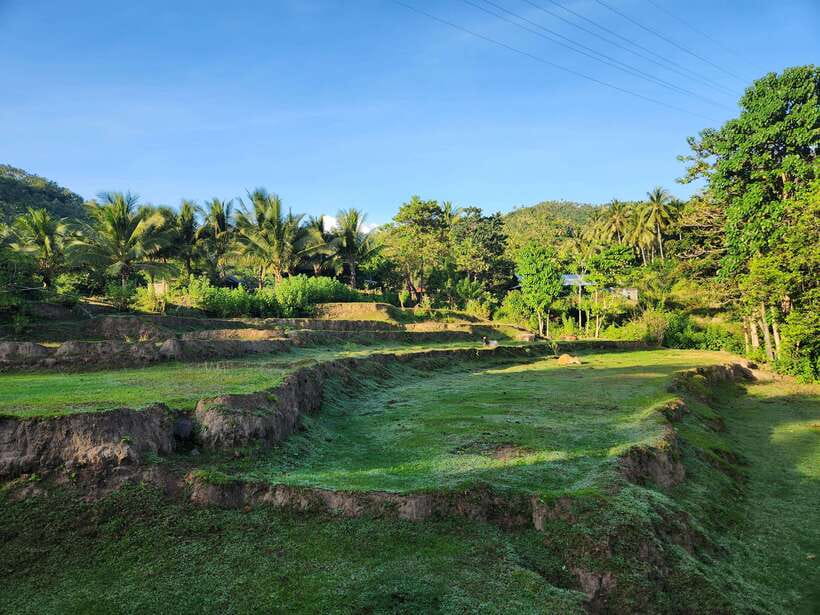
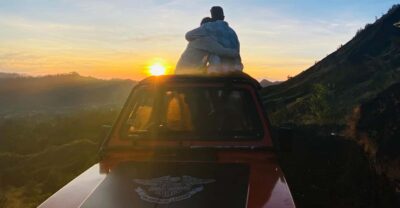
Then comes the viewpoint: Vihara Vanna Sabha Loka. It’s a hill stop set up for exactly what you want after a farm and jungle morning—open views and a breather.
From the viewpoint, you get a clear look over the jungle toward the three Gili islands. The tour also builds in a longer break here (around 2 hours total time at the viewpoint area), so it’s not just a quick photo stop.
You’ll also notice the spiritual atmosphere. The viewpoint includes a Buddha statue and a small temple, and the setting creates a calmer rhythm than you’ll find in many high-volume photo spots. You’ll have time for sightseeing and free time, plus local food and drinks as part of the experience there.
If you’re someone who likes nature plus culture, this stop is a smart bridge. It connects the day’s agriculture theme to the wider island world you’ve been traveling between all week.




Rice wine and palm wine tastings: small sips, real local flavor
One of the most distinctive parts of the tour is the tasting of traditional alcohol: rice wine and palm wine, described as made on-site. At the viewpoint area, you’ll be able to sample local delicacies alongside these drinks.
Taste notes aside, what I like here is the context. This isn’t “try this because it’s included.” You’re learning it as part of the local agricultural system, with the tasting placed at a viewpoint stop where you can relax and notice the surroundings.
If you don’t drink alcohol, you should still be able to enjoy the local food and the cultural part of the stop. But the tour does include tastings, so manage expectations if alcohol isn’t your thing.
The group size and guide style: how the day stays personal
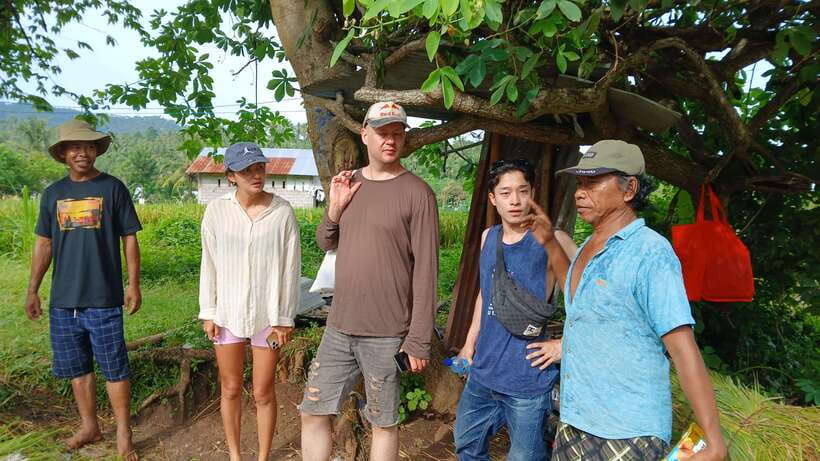
This tour runs with an English-speaking local guide and a small-group size capped at 6 participants. That cap is a big deal on tours like this, because you’re moving through fields and stops where listening carefully helps you get the story right.
In the reviews, one theme is how caring and attentive the guide and team feel, especially for people traveling alone. That checks out with the format: early mornings and rural stops can feel intimidating if you’re unfamiliar with the area, so having a friendly guide who keeps things organized helps a lot.
Also, the tour is designed so you’re not stuck on one thing for the whole time. You get the mushroom field, then breakfast with farmers, then viewpoint time, then back to Gili Trawangan. That pacing keeps the day varied and prevents the common problem where you spend the entire morning in one place and leave feeling like you only got half the story.
Price and value: is $96 per person a fair deal?
At $96 per person, this tour sits in the mid-range for an activity on the Gili side, and it only works as good value if you care about the specific mix it offers.
Here’s what’s bundled:
- Public boat transportation from Gili Trawangan to Lombok and back
- Car rides from Bangsal Harbor to the jungle area and viewpoint
- A guided exploration of the mushroom field and cow pasture
- Jungle breakfast prepared by local farmers
- Visit to Vihara Vanna Sabha Loka
- Cultural interaction with local agriculture and farmers
- Tastings of rice wine and palm wine
You’re not just paying for views. You’re paying for transportation across islands, a guided farm-based learning experience, a meal in the jungle, and cultural tastings. If those items align with what you want from Lombok—agriculture, rural life, and calmer scenery—then $96 starts to look like a reasonable package.
If you’re mostly in it for a quick photo and a drink, there are cheaper options. But if you want a morning that feels like a real day in local rhythm, this one is built for that.
Who should book this tour (and who should skip it)
This is a great match if you:
- Like farm life and want to understand local food systems
- Want culture plus nature in one outing
- Prefer small-group guiding over big tours
- Enjoy viewpoints and a calm break between activities
It’s not a great match if you:
- Use a wheelchair (the tour is not suitable for wheelchair users)
- Need a kid-friendly option (not suitable for children under 18)
- Are older and sensitive to early starts and walking (not suitable for people over 70)
- Struggle with a short hike plus multiple transfers
Also, wear comfortable shoes. Even though it’s described as a short hike, you’re still moving around jungle terrain and farm areas.
Should you book the Magic Mushroom Tour with Jungle Breakfast?
I think this is worth booking if you want something unusual but still grounded: you’ll learn a real mushroom life cycle in a real cow pasture setting, then you’ll eat with local farmers and finish with a Gili-view viewpoint that feels peaceful.
Book it if your idea of a great morning includes curiosity, good conversation, and a bit of quiet beauty. Skip it if you want a slow, no-effort day, or if early departures and rural walking will stress you out.
If you do book, go in expecting a culture-and-agriculture experience, not just a spectacle. The best part of the day is how the pieces fit together: mushrooms, farmers, breakfast, and then a wide view back over the Gilis.
FAQ
What time does the tour start?
The meeting point is at 07:00h at the Gili Trawangan Ferry Terminal in front of the port entrance.
How long is the tour?
The duration is approximately 5 hours.
How do we get to Lombok from Gili Trawangan?
You take a public boat from Gili Trawangan to Lombok (to Bangsal Harbor), then a car ride to the jungle area and viewpoint.
How big is the group?
The tour is a small group limited to 6 participants.
Is the guide English-speaking?
Yes, the tour includes an English-speaking local guide throughout.
What meals are included?
Breakfast is included, and it’s described as a local jungle breakfast prepared by local farmers.
Are local drinks included?
Yes. The tour includes tastings of traditional rice wine and palm wine, plus regional food at the viewpoint.
Where is the main viewpoint stop?
The tour visits Vihara Vanna Sabha Loka, a viewpoint with views over the jungle toward the three Gili islands.
Is this tour suitable for kids or seniors?
It’s not suitable for children under 18, and it’s also not suitable for people over 70.
What should I bring?
Bring drinks. The tour notes this as the main item to have with you.