Gongs, coffee, and bamboo in one long day. This full-day Bali tour is built around Balinese crafts and village life, starting in the Nusa Dua area and rolling into Blahbatuh gong-making, the Gedong Arca museum, and Penglipuran’s preserved streets and bamboo paths. It also catches big scenery at Kintamani with views of Mount Batur—then ends with tea or coffee in rice-field surroundings.
I especially like the way the itinerary connects craft to culture. You’ll watch how metal becomes sound in Blahbatuh and then see historical artifacts at Gedung Arca, which gives you context beyond just taking photos. I also love the food-and-drink angle: the stop at OKA Agriculture Bali includes tea/coffee tastings and Luwak coffee, plus cake, and you finish the day with another drink moment at Bukit Jati.
The main consideration is that it’s a long, full-day drive with some stops that feel a bit purchase-oriented, and traffic can stretch the day. Plan your patience, and decide ahead of time how you’ll handle optional buying—say yes to interesting things, say no to the rest.
In This Review
- 4-6 key points worth knowing before you go
- The Route Starts in Nusa Dua: A Single Day, Several Bali Worlds
- Stop 1: Blahbatuh Gong-Making and the Sound of Gamelan
- Stop 2: Gedong Arca Museum (Arca Building) for Concrete History
- Stop 3: OKA Agriculture Bali Walkthrough and Coffee Tastings
- Kintamani Highlands and Mount Batur Views: Volcano Energy Without the Hiking
- Lunch at Kintamani: Included for Some Packages, Pay-As-You-Go for Others
- Stop 5: Penglipuran Village, Bamboo Paths, and Traditional Costume
- Time in the village is limited—so go slow inside your hour
- Bukit Jati Finish: Afternoon Tea or Coffee With Rice Fields and Ocean Views
- Guides Make a Big Difference: Names You’ll Hear, and Why You Should Care
- Value for $70.52: What You’re Really Paying For
- Who This Bali Tour Fits Best
- The Biggest Trade-Off: Pace, Traffic, and Optional Buying
- Should You Book This Full-Day Bali Highlights Tour?
- FAQ
- What’s the duration of the tour?
- Where do they pick up, and is pickup included?
- What are the main stops during the day?
- Is lunch included?
- What food and drinks are included?
- How big is the group?
4-6 key points worth knowing before you go
- Blahbatuh gong-making: you can watch gongs being molded, painted, and hand-tuned, guided by the craftsperson’s ear for the right sound
- Gedong Arca (Arca Building Museum): stone coffins and old bronze bells give real historical scale
- OKA Agriculture Bali tastings: coffee and tea samples, including Luwak coffee, plus a walk through coffee trees and spice plants
- Kintamani’s Mt Batur viewpoint: chances to see black lava on the active volcano and Lake Batur below
- Penglipuran bamboo paths + costume try-on: a preserved village feel, with a rental traditional outfit included
- End at Bukit Jati for tea/coffee: drink break with rice fields and ocean views beyond
The Route Starts in Nusa Dua: A Single Day, Several Bali Worlds
This tour is designed for people staying in the Nusa Dua zone (pickup is listed for major hotels in Kuta, Seminyak, Sanur, Jimbaran, and Nusa Dua). It’s a one-day interior tour, not a quick-hit “see one temple” plan. You’re looking at roughly 12 hours on the clock, and that matters because Bali roads can chew up time.
One reason this works well for first-time visitors is the variety is intentional. You don’t just hop between scenic points—you move through craft workshops, an archaeology museum, a working plantation area, mountain views, and a village that’s famous for its tidy, preserved layout. It’s “Bali in categories,” so you get multiple lenses on the island in a single day.
You can also read our reviews of more tours and experiences in Nusa Dua.


Stop 1: Blahbatuh Gong-Making and the Sound of Gamelan
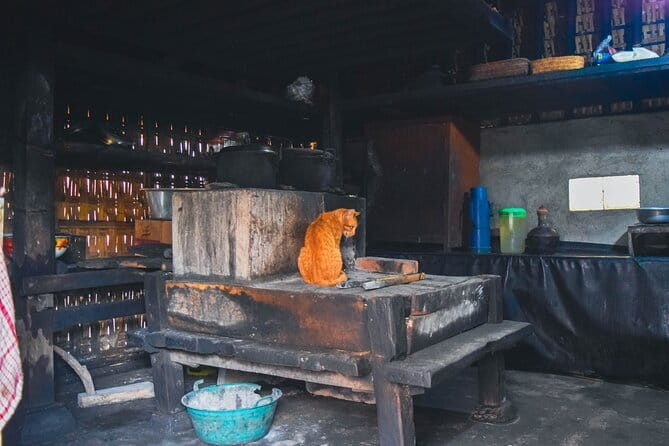
Blahbatuh is the kind of place where you hear the craft before you understand it. This stop focuses on the last surviving gong-maker (as the tour describes it), and the tour experience centers on the steps of making and finishing gongs—molding, painting, and hand-tuning. The detail that stands out is the idea of tuning by ear, which connects the physical process to the spiritual side of Balinese sound.
This is also a strong “why it matters” stop. A lot of visitors see Gamelan instruments later as decoration or background music. Here, you’re watching the process that produces the instruments used for ceremonies and performances. If you care about how culture works in real life, not just what it looks like, this opening stop sets the tone.
Practical note: this is typically a structured visit time (the plan lists about 30 minutes). If you’re the type who could watch artisans for hours, keep your questions simple and focused.
Stop 2: Gedong Arca Museum (Arca Building) for Concrete History

Next is the Gedong Arca Archaeological Museum, also called the Arca Building. This is your history anchor. The museum collections are described as including pre-historical artifacts dating back to the Stone Age, plus older items like bronze bells from the 15th century. There’s also mention of giant stone sarcophagi dating back to 500 BC, tied to Bali’s royal class in the past.
This stop can be a relief after craft demos because it slows the day down mentally. Instead of “watch how they make it,” you’re “understand what survived.” It also helps you connect why certain traditions carry weight—artifact evidence gives you scale, even if you’re not a museum person.
If you’re short on time in Bali, this museum stop is one of the better uses of that time because it adds depth rather than repeating a generic tourist pattern.
Stop 3: OKA Agriculture Bali Walkthrough and Coffee Tastings
Then you shift to agriculture at OKA Agriculture Bali. You’ll walk through areas with coffee trees, tropical fruits, herbs, and spices, and you get an explanation of medicinal and culinary uses from your guide. This is not only a tasting stop; the tour frames it like a mini education on what grows and how people use it.
The tasting part is a big draw. The plan includes coffee/tea tasting, and it specifically mentions Luwak coffee as part of the session, plus it lists cake as included. Reviews consistently treat this as a highlight—people remember it even if they’re not lifelong coffee nerds, because the tasting is presented as an experience rather than a sales pitch.
One reality check: some coffee farms can feel sales-heavy. In this case, you’ll likely have purchase opportunities (coffee, cloves, fruit, spices are mentioned as offerings). If you want local products, great. If you don’t, you can still get plenty out of the tasting without buying much.
Kintamani Highlands and Mount Batur Views: Volcano Energy Without the Hiking

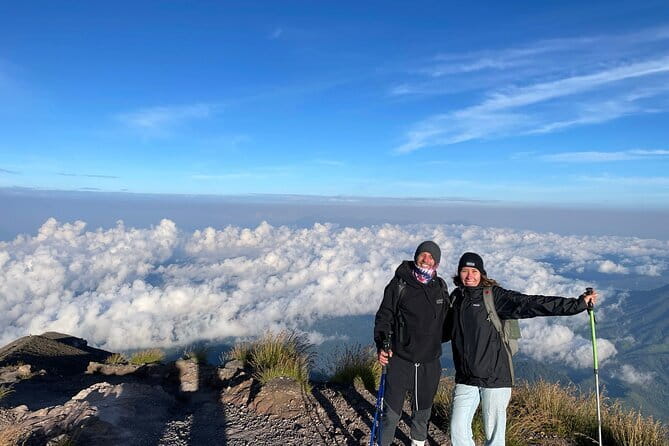
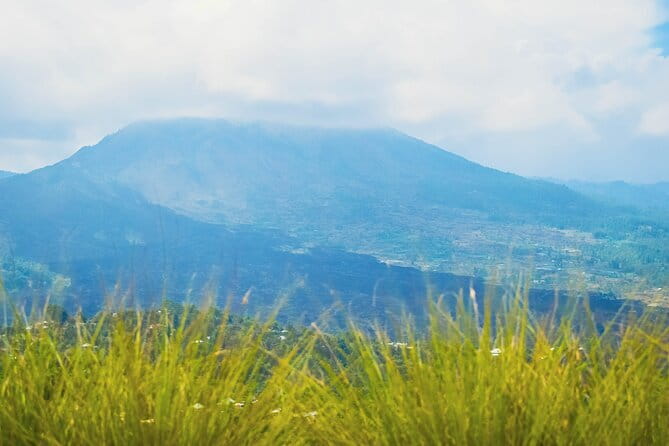
The Kintamani segment is your scenery payoff. In the cool mountains, you get a chance to observe Mount Batur and the dramatic idea of black lava flowing down from the crater toward Lake Batur. The plan highlights Bali’s widest lake and describes the crater walls and lake shape as part of the visual experience.
The tour plan lists about 1 hour for this stop. That’s enough for a few photos and a view lap, but not enough if you want to linger like you’re on a solo road trip. Still, Kintamani is one of the best places in Bali for a “wow, that’s real” volcano view—especially if you’re not doing a sunrise hike.




Lunch at Kintamani: Included for Some Packages, Pay-As-You-Go for Others
Lunch is the one part of the day where the details vary depending on your package. The experience includes an Indonesian buffet lunch in selected packages, but the day’s narrative also mentions grabbing lunch at a restaurant along the lake shores, with lunch described as at your own expense.
So here’s the practical approach: confirm your exact package when you book. If it’s included, enjoy it. If it’s not, expect lunch pricing to be higher than local street options, since Kintamani restaurants cater to day tours.
Stop 5: Penglipuran Village, Bamboo Paths, and Traditional Costume

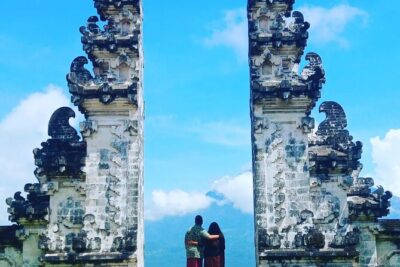
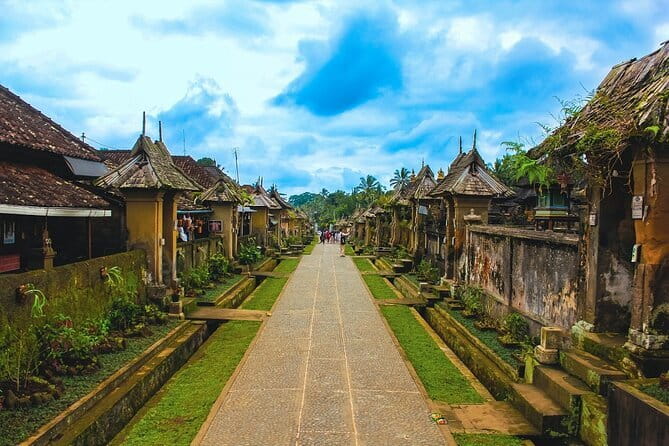
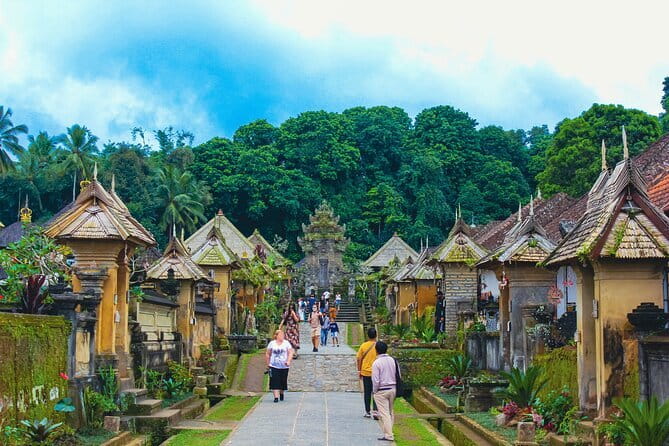
Penglipuran is the village stop you’ll feel in your feet. The tour includes time to explore a nearby bamboo plantation area, and you also visit the village with time to wander its beautifully preserved streets. The bamboo forest/bamboo path element matters because it breaks up the day—you get walking time that feels calmer than the craft workshops and museum.
A fun plus: rental Balinese traditional costume is included for the Penglipuran visit. That turns the stop into something more memorable than another “look, photo, move on” moment. If you want simple, respectful photos that look different from typical sightseeing shots, this is where you can do it.
Time in the village is limited—so go slow inside your hour
The schedule lists about 1 hour here. That’s enough to enter, walk, and experience the village layout. Don’t try to do everything. Instead, pick your rhythm: walk first, then pause for photos, then ask your guide what’s worth noticing (architecture details, daily life customs, and village norms).
Bukit Jati Finish: Afternoon Tea or Coffee With Rice Fields and Ocean Views
To close the tour, you head to Bukit Jati for afternoon tea or coffee. The plan says it’s served among lush rice fields with views of the ocean beyond. This is a good way to end the day because you’re not being rushed into another “shop or workshop” cycle.
If your legs are tired (and by this point, they probably are), you’ll appreciate the seated break. It also helps your brain reset after the busy driving and stop sequence.
Guides Make a Big Difference: Names You’ll Hear, and Why You Should Care

The tour is guided by an English-speaking licensed guide, and the guide quality comes through clearly in the feedback you’ll see around this route. Guides like Sande and Oka are praised for explaining history and culture at each site, with lunch at Mount Batur described as spectacular. Radi is also mentioned as very knowledgeable and educational. Others—like Wadee, Windra, and Putru—show up with positive notes about flexibility or making the day interesting.
What I take from this for your planning: the tour works best when your guide can connect the dots. If you’re the kind of traveler who asks questions, this tour rewards you. If you don’t engage much, you might feel like you’re moving through stops more quickly than you’d like.
A small practical tip: bring 2-3 questions before you start. Examples: Why are gongs tuned by ear? What artifacts at Gedong Arca are the most important? How are coffee and spices used locally? Then you’ll get more out of each stop’s limited time.
Value for $70.52: What You’re Really Paying For
At $70.52 per person, this tour sits in the “do-a-lot-in-one-day” category. You’re paying for transportation, an English-speaking guide, entrance fees, included coffee/cake, the costume rental at Penglipuran, and (in selected packages) lunch.
The value comes from the number of distinct experiences packed into a single day:
- craft (gong-making),
- history (Gedong Arca),
- working agriculture (OKA tastings and plant walks),
- big views (Kintamani + Mt Batur),
- a cultural village walk (Penglipuran + bamboo),
- and a relaxed end drink (Bukit Jati).
The risk to watch is the time cost. Reviews reflect that traffic can turn the day into a long sit in a vehicle. So for value, it helps if you’re okay with a full itinerary and not expecting a slow-paced “one place deeply” day.
Who This Bali Tour Fits Best
This tour suits you if:
- you want an interior “taste map” of Bali in one day,
- you like seeing how cultural items are made (gong-making and crafts),
- you enjoy coffee tastings and local agriculture stops,
- and you’re staying in the Nusa Dua/South Bali hotel zone and want pickup convenience.
It might not suit you as well if:
- you dislike long driving days,
- you hate structured stops with purchase opportunities,
- or you want a purely sightseeing-focused tour without museum and workshop timing.
If you’re traveling with older family members, the long day and transport time may be a bigger factor than the quality of the stops.
The Biggest Trade-Off: Pace, Traffic, and Optional Buying
The most repeated friction point across feedback for tours like this is pace. Some people feel they get pushed through sites or see too many places where there’s an obvious shopping angle. Others point to English clarity as a variable, and that the return drive can be rough due to traffic.
So here’s the practical strategy I suggest:
- decide in advance what you want to buy (if anything),
- carry a small cash/card plan for optional items like coffee or souvenirs,
- and treat the workshops as educational experiences first, shopping second.
If you go in with that mindset, you’ll usually come out feeling like the day was worth it.
Should You Book This Full-Day Bali Highlights Tour?
Yes—if you want a structured, guided sampler of Bali’s interior and you like the idea of gong-making, museum history, coffee tastings, and Penglipuran’s bamboo village feel in one trip. The price is fair for what’s included, especially if your package includes lunch and you value entrance fees, guide time, and transport.
No—if your ideal day is slow, minimal-driving, and focused on just one or two priorities. This is a “many stops, many perspectives” tour, and you’ll feel every kilometer.
If you do book, I’d plan for a long day, bring questions for your guide, and go into the coffee/agriculture stops with curiosity, not expectations of a lab-grade tasting. You’ll get more enjoyment out of it that way.
FAQ
What’s the duration of the tour?
The tour runs for about 12 hours.
Where do they pick up, and is pickup included?
Pickup and drop-off are included from major hotels in Kuta, Seminyak, Sanur, Jimbaran, and the Nusa Dua area.
What are the main stops during the day?
You’ll visit Blahbatuh (gong-making), the Gedong Arca Archaeological Museum, OKA Agriculture Bali, Kintamani Highlands for Mt Batur views, Penglipuran Village, and finish with tea or coffee at Bukit Jati.
Is lunch included?
An Indonesian buffet lunch is included in selected packages. The day also includes a lunch stop around Kintamani where lunch may be at your own expense depending on your package.
What food and drinks are included?
Coffee and/or tea are included, plus Luwak coffee and Balinese traditional cake. Afternoon tea or coffee is also part of the schedule at Bukit Jati.
How big is the group?
The tour has a maximum group size of 99 travelers.