Volcano steam and fruit tasting in one day. This full-day Jakarta to Bandung tour takes you up to the Tangkuban Parahu crater for bubbling mud and sulfur smells, then wraps it up with warm hot springs and an easy rhythm that lets you actually enjoy each stop.
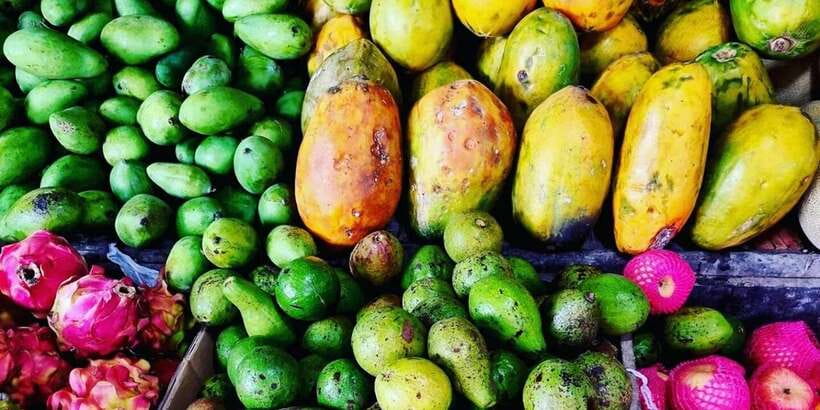
What I like most is the variety: you get standout natural drama at the volcano, and you also taste real local fruit like honey pineapple, mangosteen, and snakeskin fruit. One thing to think about is that the day includes a kopi luwak stop that can feel more commercial than you might hope, and the hot spring pools may not be as deep or soaking-friendly as you expect.
In This Review
- Key moments worth waking up for
- Why this Jakarta volcano day trip works (even though it’s long)
- Pickup, drive time, and how the day stays in one piece
- Subang’s scenic stop: a quick reset before the climb
- Tangkuban Parahu crater: the sulfur, bubbles, and that rumbling feeling
- Lembang lunch and fruit paradise: the flavors are half the point
- Rice fields and tea plantations: seeing work, not just scenery
- Kopi Luwak Cikole (Lembang): what you’ll see and the animal-welfare question
- Ciater hot springs and massage: warm sulfur water, then calm
- Group size, pace, and photo help
- Price and value: is $114 a fair deal for this route?
- Who this Jakarta to Bandung experience suits best
- Should you book this volcano, tea, rice fields, hot spring day trip?
- FAQ
- What time is pickup in Jakarta?
- How long is the tour?
- What are the main stops on the itinerary?
- Is hotel pickup and drop-off included?
- Do I need to buy entrance tickets?
- What should I bring?
- Is the tour wheelchair accessible or suitable for people with mobility impairments?
Key moments worth waking up for
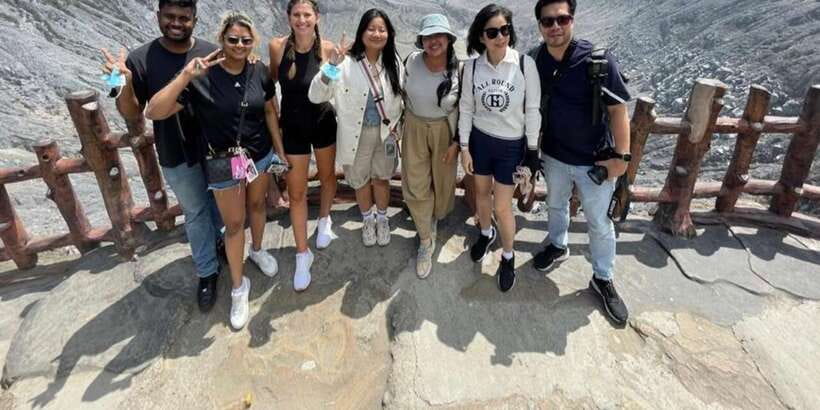
- Tangkuban Parahu crater views with close-up walks, bubbling mud, and occasional rumbling
- Fruit paradise tasting featuring honey pineapple and other exotic flavors
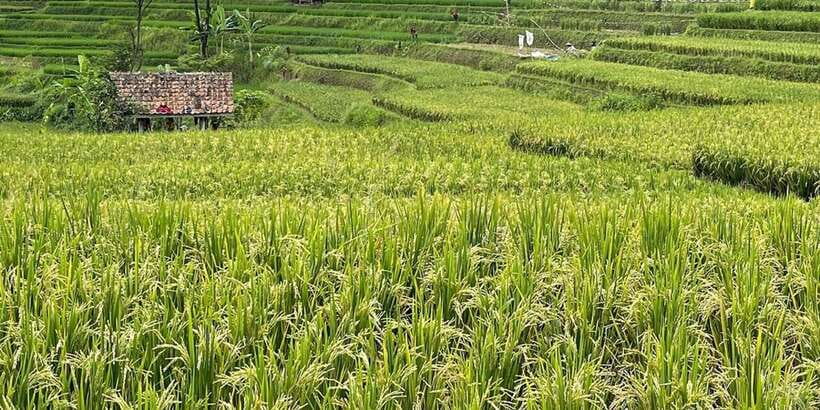
- Tea and rice-field time where you see how people work the slopes
- Luwak coffee cultivation center with a guided look at plants and coffee production
- Ciater hot springs + massage for warm sulfur water and a physical reset
Why this Jakarta volcano day trip works (even though it’s long)
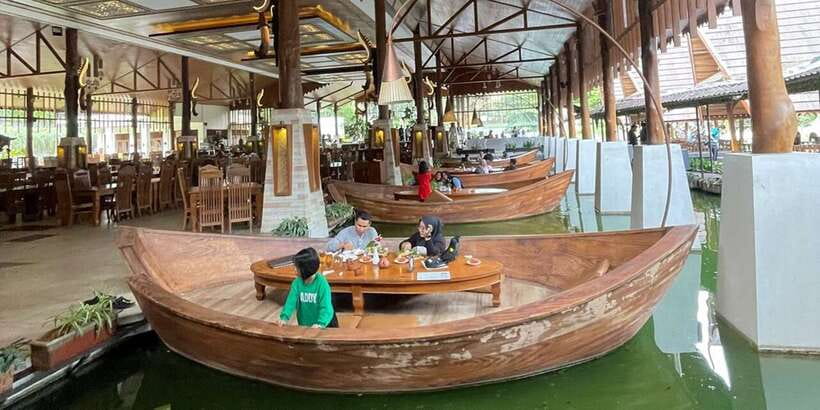
This tour is basically a sampler platter of West Java’s highlands. You spend a lot of time on the road, but the schedule is built so you’re not just passing through. Each stop has a clear job: volcano drama, farm sights, then food and hot-water recovery.
If you care about more than one type of experience—nature and everyday life and local tastes—this is a strong fit. The small group size (up to 10) also helps. You’re less stuck in a huge bus crowd, and you’re more likely to get your questions answered in the moment.
English is part of the package too, and guides like Tio, Rizky, Bryan, and Nanda are repeatedly highlighted for clear communication and good photo help. That matters in Java, where the roads and viewpoints can be chaotic if you’re figuring it out alone.
You can also read our reviews of more tours and experiences in Jakarta.
Pickup, drive time, and how the day stays in one piece
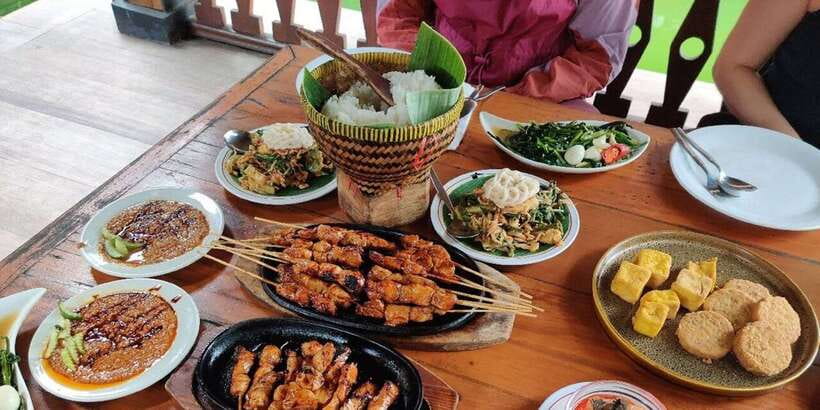
Pickup starts around 7:00–7:25 AM in the Jakarta area. Expect to be back around 7:00–8:00 PM, depending on traffic (and a little on weekends). So yes, it’s a long day—but it’s a long day with planned transitions, not random wandering.
The route is the real skill test: Jakarta traffic first, then curvier mountain roads as you head toward Subang and Bandung. A good driver makes this feel comfortable instead of stressful, and several guides/driver teams (like Dede and Toto) are praised for smooth navigation and safety even during downpours.
Practical tip: bring a change of clothes and a towel. Hot springs are later in the day, and you’ll want to avoid being soaked in your travel outfit while you wait for dinner plans back in the city.
Subang’s scenic stop: a quick reset before the climb
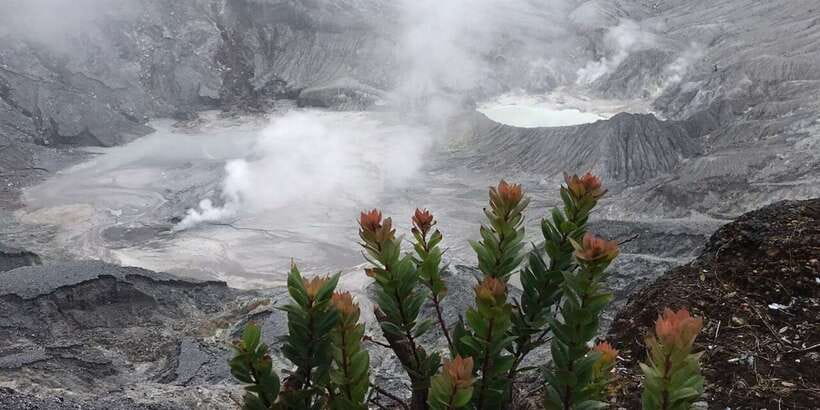
You’ll have a short stop in Subang—about 30 minutes for walking and scenic views. It’s not the headline, but it helps break up the drive. Think of it as the moment your body shifts from Jakarta pace to mountain pace.
This is also where your timing mindset changes. You’re moving toward views where visibility can matter, especially around the volcano. If weather is cloudy or rainy, that crater-top experience can look different. Starting early helps you catch clearer windows.
Tangkuban Parahu crater: the sulfur, bubbles, and that rumbling feeling

The star of the day is Tangkuban Perahu. Plan for around 1.5 hours at the main area, with a mix of photo stops, free time, and walking.
Here’s what makes this stop memorable: you’re close enough to see the crater activity—bubbling mud and steam/smoke—with that unmistakable sulfur scent in the air. Sometimes you even get a rumble, which turns a viewpoint into something more physical and eerie.
The surrounding rainforest adds another layer. You may spot wildlife such as wild monkeys near the area, which makes the hike feel more like a living ecosystem than a photo-only stop.
What to watch for:
- Visibility can be reduced by rain or mist on top. If you’re aiming for maximum crater clarity, dress for weather and expect some variability.
- There are vendors around crater viewpoints trying to sell small items. If you’re not buying, a calm no is usually enough, but it can get pushy in pockets.
Lembang lunch and fruit paradise: the flavors are half the point
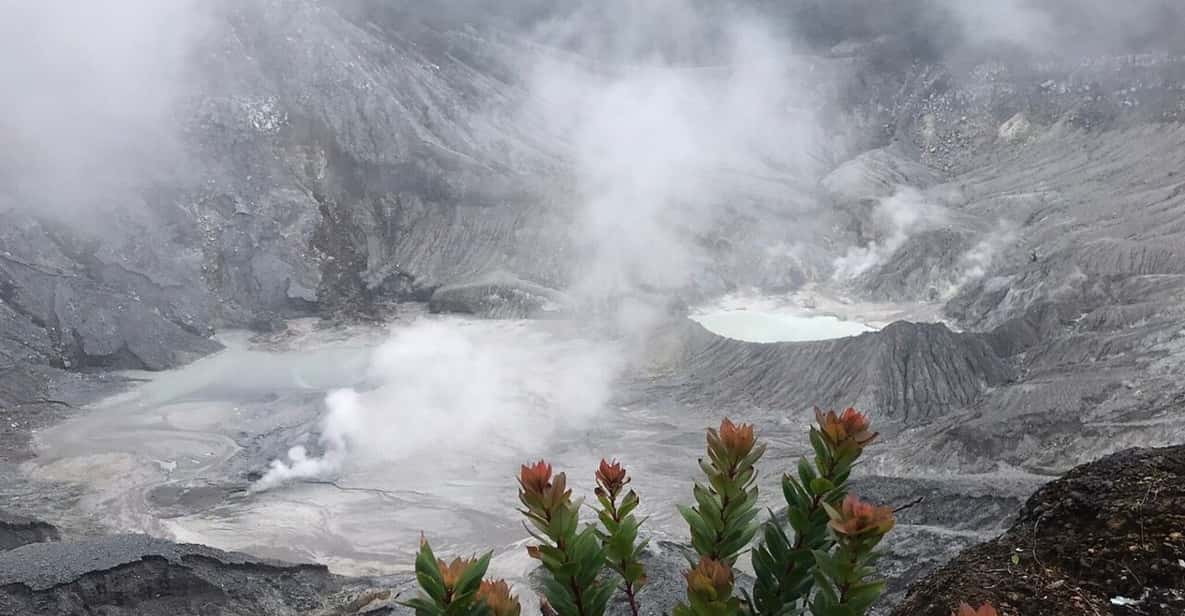
After the volcano, the day shifts into food and farming. You stop in Lembang for lunch (about 1 hour), then you’ll head to fruit tasting at the Fruit Paradise stop (around 30 minutes).
This is where West Java tastes more like a real place, not a staged tourism route. The fruit menu is the highlight:
- Honey pineapple (handpicked by your guide)
- Mangosteen
- Snakeskin fruit (the name gives you a warning—this one can be sharp)
I like this part because it’s quick but genuinely different. It gives you that sensory memory—sweet, tangy, floral—before you move on to more “learning” stops like coffee and tea.
Lunch is at a local restaurant, and while it’s included, it may be more basic than you’d find on a dedicated food tour. One good approach: treat lunch as fuel, not the main event, and save your full attention for the tasting and the later hot spring.


Rice fields and tea plantations: seeing work, not just scenery
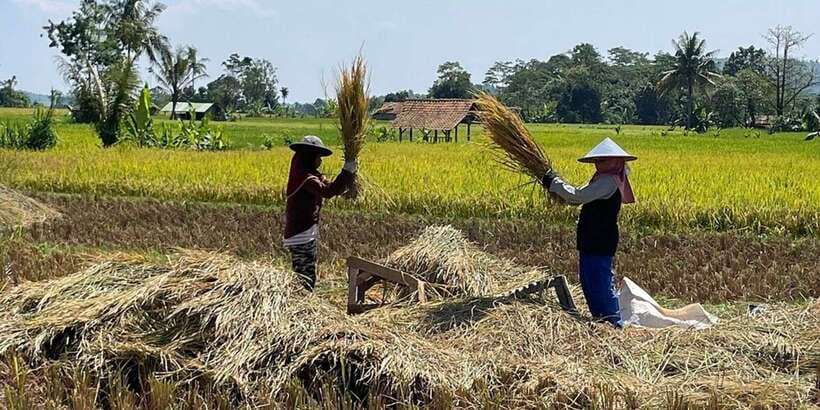
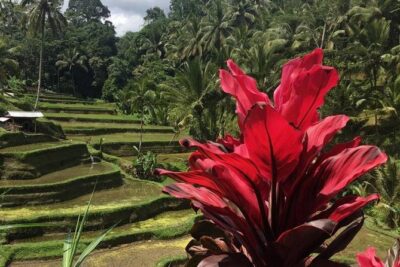
The itinerary includes time around rice fields and a tea plantation stop in the area connected to the volcano zone. You’ll also have scenic walking moments on the way (short photo-stop style breaks).
What you should look for at these stops is simple:
- Who is working where, and how the terrain shapes their methods
- How water and soil manage daily life in the hills
- How the plantations are laid out, with people focused on harvesting and processing
This tour is structured so you don’t just look from a distance. You get small moments of walking and photographing, plus your guide’s explanations of cultivation and harvesting. Guides like Isabella and Valentine are noted for adding context and culture, and that’s the difference between “pretty fields” and “oh, I get how this works.”
If you’re the type who likes travel that teaches without turning into a lecture, these farm stops are a great match.
Kopi Luwak Cikole (Lembang): what you’ll see and the animal-welfare question

Coffee is a major part of the itinerary: Kopi Luwak Cikole in the Lembang area, with a guided visit and tour for about 1 hour.
You’ll see coffee plants and beans, and you’ll get an explanation of the process, benefits, and types of the coffee product. This stop is valuable if you want a quick, understandable overview of how Indonesia frames coffee—especially the famous kopi luwak category.
One consideration: the animal-welfare angle around luwak can be a deal-breaker for some people. If you care deeply about how animals are kept or handled, go in prepared to ask questions and set your expectations accordingly.
Also, if you’re hoping for a pure “farm walk” experience, note that coffee centers can feel more organized and structured than random village stops.
Ciater hot springs and massage: warm sulfur water, then calm
The final “reset” stop is Sari Ater Hot Springs Ciater. You’ll spend about 1 hour, with free time that includes swimming.
The waters are warm and sulfur-infused, and they’re promoted for healing properties. Whether you’re into that kind of wellness claim or not, the practical value is real: after a crater day and mountain roads, warm water helps your legs feel less angry.
A key detail to know: some pools may be only up to about the calf for soaking. So if your ideal hot springs image is full-body soaking, your experience may feel more like a warm bath with intervals than a long deep soak.
The day also includes a local body massage. This is a big win after all the walking—especially if you’re wearing the wrong shoes for volcanic terrain.
Group size, pace, and photo help
This is a small-group tour limited to 10 participants, which affects your day in good ways. You usually get more attention, your guide can guide your timing, and you’re not fighting a crowd at every stop.
Pace-wise, it’s packed but not chaotic. You’ll have free time blocks at the volcano, plus short walks and photo stops at tea/rice locations. Then food tasting and coffee keep the day moving without making it feel rushed.
A recurring theme in the guide feedback is photo support. Guides like Bryan, Rizky, and Nanda are repeatedly praised for taking the best shots for the group, which can save you from turning your phone into a full-time job while you’re trying to enjoy the view.
Price and value: is $114 a fair deal for this route?
At $114 per person, you’re paying for a full, guided day that strings together:
- hotel pickup and drop-off in the Jakarta area
- air-conditioned transportation and toll/parking fees
- volcano entrance fees
- hot spring entrance tickets
- all other entrance fees
- bottled water
- local fruit tasting
- lunch at a local restaurant
- a guided coffee cultivation center visit
- tea plantation time
- massage
So the question isn’t just whether you like volcanoes. It’s whether you value a guided circuit across multiple highland experiences without having to manage transport yourself. On a route like this, the logistics are part of the value.
If you’re comfortable traveling independently, you could technically piece together segments. But by the time you hire drivers, buy separate tickets, and negotiate timing across mountain roads, the structured value of one package becomes clearer.
This is also not a budget “grab and go” tour. The small-group size, English guide, and included entrances are what keep it feeling like a complete day plan.
Who this Jakarta to Bandung experience suits best
This tour works especially well if you:
- want a single-day sampler of West Java: volcano + hot springs + tea/coffee + local fruit
- like guided context, not just sightseeing snapshots
- prefer small-group travel instead of big-bus crowds
- want someone else handling timing while you focus on enjoying the scenery and food
It’s less suitable if you need easy mobility access. The tour isn’t designed for wheelchair users or people with mobility impairments, and it’s also not suitable for people over 70 (and definitely not over 80).
If you’re traveling with kids, note the day is long and includes walking in uneven areas near the crater. Comfortable shoes and a calm pace are not optional.
Should you book this volcano, tea, rice fields, hot spring day trip?
If your ideal day in Jakarta feels like a break from city noise into real highland life, I’d say this is a smart book. The mix is practical: you get active volcano crater views, tastings that taste like the region (not just generic souvenirs), and a hot spring finish that makes the whole day feel complete.
But decide carefully if the kopi luwak stop and animal-welfare concerns matter a lot to you. Also set your expectations for the hot springs: it’s relaxing and warm, but it may not be a full-body soaking paradise.
Overall, for most people looking for one high-value day outside Jakarta, this is the kind of tour that earns its place in your itinerary.
FAQ
What time is pickup in Jakarta?
Pickup starts between 7:00 AM and 7:25 AM. The guide contacts you about 10 minutes before reaching your hotel and waits outside your lobby for up to 10 minutes after the scheduled pickup time.
How long is the tour?
The total duration is about 14 hours.
What are the main stops on the itinerary?
You’ll visit Subang (short stop), Tangkuban Perahu volcano, Lembang (lunch), a Kopi Luwak Cikole coffee cultivation center, a tea plantation stop, a fruit paradise tasting, and Sari Ater Hot Springs Ciater.
Is hotel pickup and drop-off included?
Yes. Hotel pickup and drop-off are included for locations in the Jakarta area.
Do I need to buy entrance tickets?
No. Entrance fees are included, and you also skip the ticket line.
What should I bring?
Bring comfortable shoes, a change of clothes, a towel, and comfortable clothes.
Is the tour wheelchair accessible or suitable for people with mobility impairments?
No. It is not suitable for people with mobility impairments or wheelchair users, and it is not recommended for people over 70 (and not over 80).