Tirta Empul feels personal the moment you step through the Candi Bentar (split gate)—it’s not just sightseeing. I like that the tour explains the temple’s mandala layout as you move from Nista to Utama Mandala, and I like how optional participation lets you experience the melukat (soul purification) respectfully. One thing to plan for: you may get fully wet if you choose the cleansing ritual, so bring the right clothes.
You can join from Tirta Empul’s entrance, or pick up in Ubud/Central Bali by air-conditioned car (depending on the option). What really makes this tour work is the licensed guide who keeps the pacing calm and gives context for what’s happening around the springs, baths, and pools in Manukaya Village.
In This Review
- Key highlights to look forward to
- Tirta Empul in plain terms: what this tour really is
- Where you’ll start and how you’ll get there
- Entering the temple: Candi Bentar to Nista Mandala
- The 30-second tirta suci: a quick ritual you should respect
- Madya Mandala pools: where the cleansing is explained
- Optional melukat cleansing: when you choose to get wet
- Utama Mandala: the most sacred stop before you leave
- Guides make or break the day (and this one has strong ones)
- Add-ons that can turn a temple visit into a full Bali day
- Who this tour suits best
- Cost and value: what $24 covers and where you might add extras
- Should you book Tirta Empul with optional cleansing?
- FAQ
- How long is the Tirta Empul temple tour?
- Is the spiritual cleansing part optional?
- What should I bring for the optional cleansing ritual?
- Do I need modest clothing?
- Is sarong rental included?
- Where do I meet the guide?
- What is tirta suci?
- Is photography allowed?
- Who isn’t permitted or who should avoid the tour?
Key highlights to look forward to
- Mandala-based temple walk that follows the sacred hierarchy: Nista, Madya, then Utama
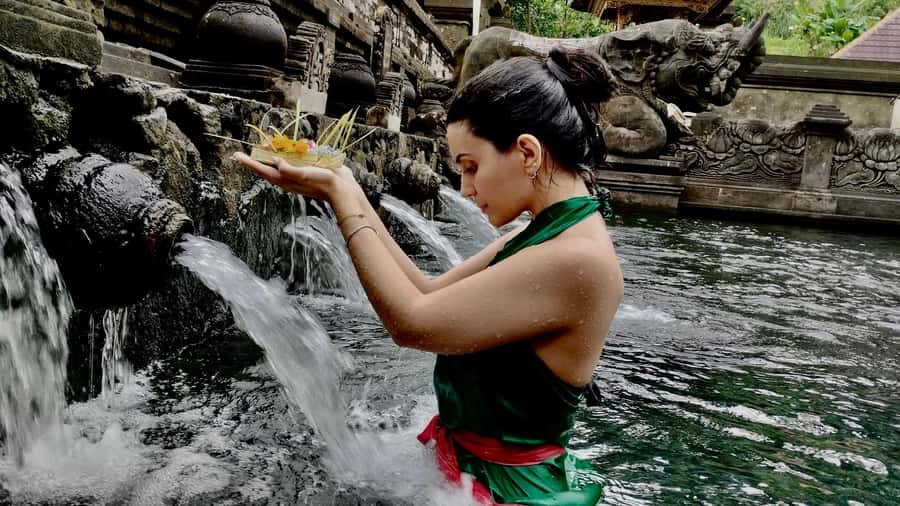
- Optional spiritual cleansing (melukat) with step-by-step guidance, meditation, and an offering moment
- Mandatory tirta suci holy water before entering the temple area (about 30 seconds)
- Clear, respectful rules: sarong rental, modest clothing (shoulders and knees covered), and no worship disruption
- Add-ons that actually fit the day: Luwak coffee tasting, massage, jungle swing, lunch, and even Polaroid photos
Tirta Empul in plain terms: what this tour really is
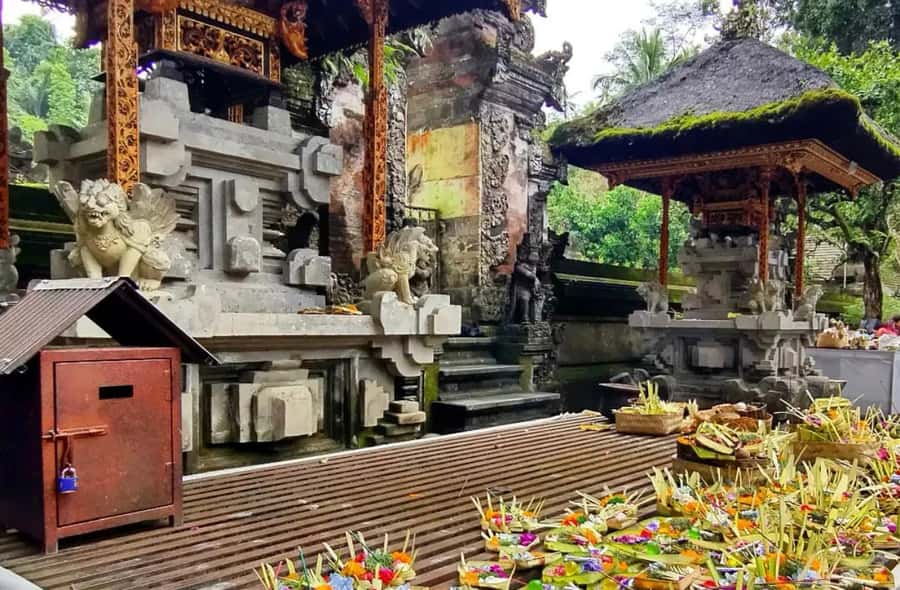
Tirta Empul is one of Bali’s most recognizable spiritual sites, and the best tours here do two things well: they help you understand the structure of the temple, and they show you how locals approach the ritual areas with respect.
This tour is set up as a guided walk through the temple complex’s key zones—moving from the outer connection point toward the most sacred space. That route matters. When you know why you’re walking where you’re walking, the springs and basins don’t feel like random photo stops. They start to make cultural sense.
The big decision is the optional part: the cleansing. If you skip it, you still get the guided context and the walk through all three mandalas. If you join in, you’ll follow a host’s instructions and you should expect to get completely wet.
You can also read our reviews of more tours and experiences in Ubud.


Where you’ll start and how you’ll get there
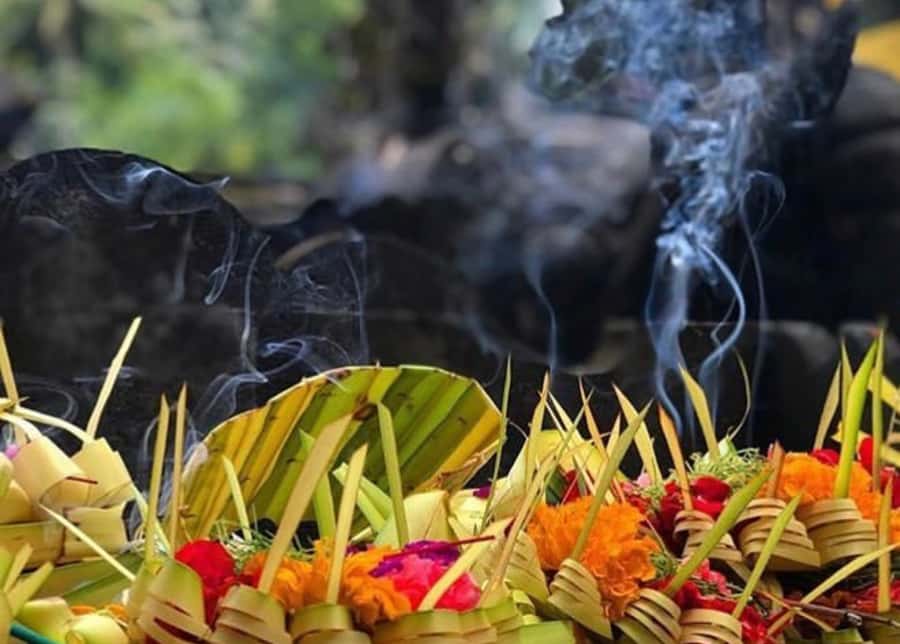
Your meeting point can vary by booking. Some options start at the Tirta Empul entrance, and others offer Ubud or Central Bali transfers in an air-conditioned car with a driver/guide.
This matters more than you might think. Driving times on Bali roads can stretch—especially at peak hours—so a transfer option can reduce the “find your way there” stress. If you’re staying closer to Ubud/Central Bali, the pickup also makes it easier to keep the day on schedule.
Plan for 3–6 hours total. That wider range usually comes from starting times and whether you’re doing transfers plus any add-ons you add to the day.
Entering the temple: Candi Bentar to Nista Mandala
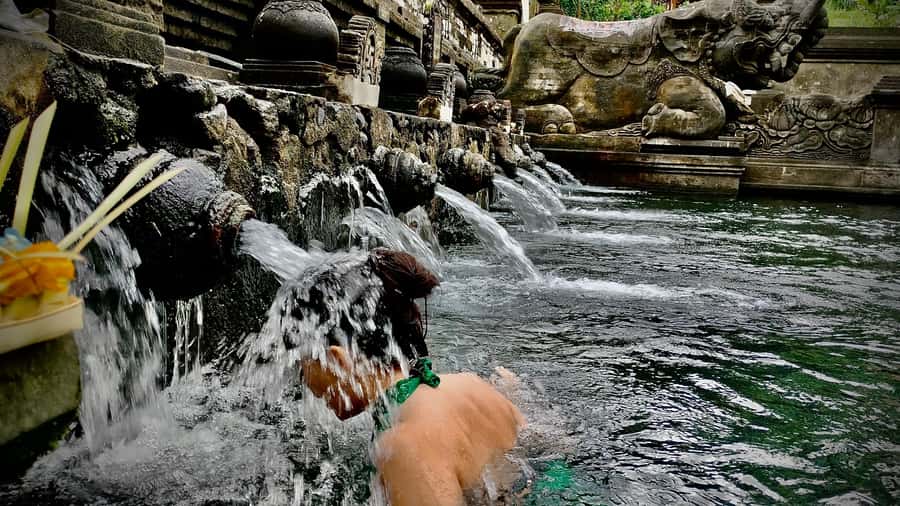
The tour begins as you enter through the Candi Bentar split gate. It’s decorative, yes—but the real value is that it’s a physical boundary between the everyday world and the sacred area you’re about to enter.
Next comes Nista Mandala, described as the zone connecting the temple to the outer world. This is where you’re oriented. You’ll see features like a koi pond and a Bale Banjar (a temple gathering hall). For first-timers, this part is a relief: you get a feel for what temple life looks like before you move into deeper ritual spaces.
Practical tip: wear modest clothing and expect to adjust on-site. Shoulders and knees must be covered, and you’ll be provided a sarong rental. If your outfit is borderline, don’t wait until the last minute—fix it early so the temple entry stays stress-free.
The 30-second tirta suci: a quick ritual you should respect
Before entering Tirta Empul Temple, there’s a mandatory tirta suci purification with holy water, a process that takes around 30 seconds. It’s short, but it’s not casual.
Think of it as the temple’s cultural handshake. You’re showing respect by participating in the moment as instructed—then you move on with the understanding that this is a living religious space, not a stage set.
If you’re worried about timing: don’t. The ritual is designed to be fast and respectful, and your guide should help you know what to do.
Madya Mandala pools: where the cleansing is explained
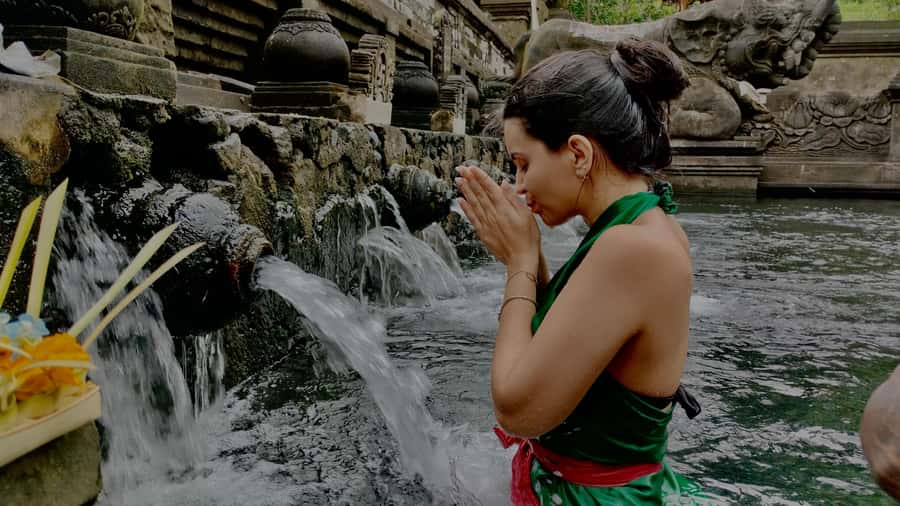
After Nista Mandala, the tour moves you into Madya Mandala—the zone with the pools and the area tied to purification and healing.
This is where the tour becomes hands-on in terms of understanding. Your host should walk you through the ritual step by step, including a meditation moment at the altar. You’ll also see the flow of the ceremony: prayers, offerings, and the spiritual significance of the water spirits and ancestors.
Even if you don’t join the cleansing, this section is often the most meaningful part because you’re not just watching water—you’re learning how the ritual connects people to the spiritual world.
Practical tip: the pools and walking surfaces can be slippery, so choose footwear with good grip. Bring a towel and a waterproof way to protect belongings if you plan to participate.
Optional melukat cleansing: when you choose to get wet
The optional soul purification experience—often described around melukat—is the moment most people remember. If you select it, expect to get fully wet. This isn’t a light splash; it’s a real cleansing practice.
You’ll follow your host’s instructions during the prayer and offering moments, and you’ll be guided through the process at the sacred pool area. The ritual includes the meditation in front of the altar and a sequence that emphasizes respect and intention.
Who should think twice:
- Anyone pregnant is not listed as suitable.
- People with mobility impairments/wheelchair users aren’t suitable.
- People with a cold also aren’t listed as suitable.
- And if you’re actively menstruating, you won’t be permitted in the temple due to religious customs.
If you’re healthy and comfortable with water-based rituals, this is where the tour earns its spiritual reputation. You won’t leave with just pictures—you’ll leave with a lived moment tied to Balinese Hindu practice.
Utama Mandala: the most sacred stop before you leave
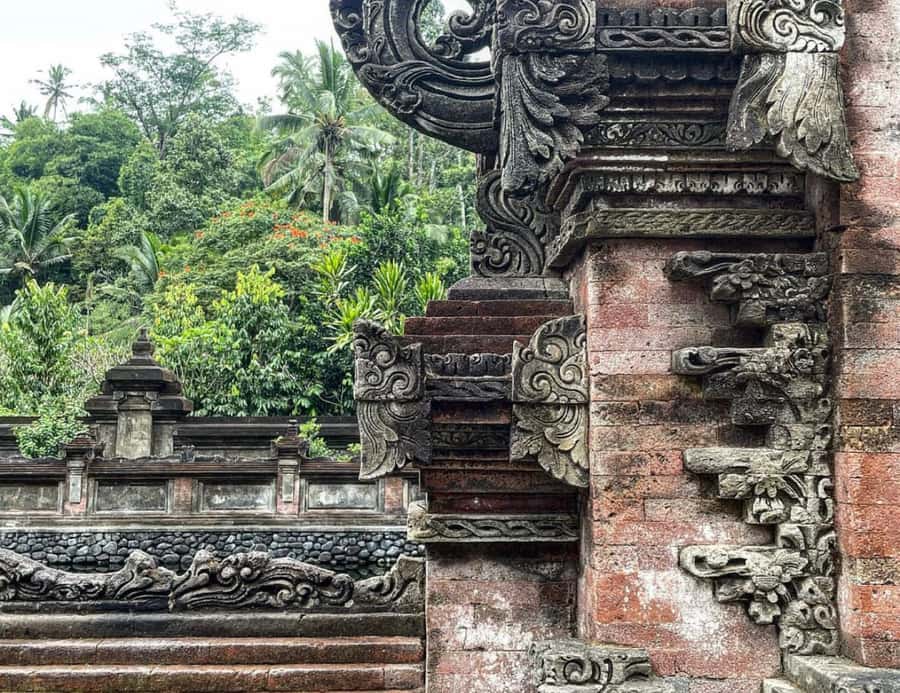
The walk finishes by exploring Utama Mandala, the most sacred space of the temple. This is where locals sit down and give thanks again—this time to the gods, water spirits, and their ancestors—before leaving.
For visitors, this final section helps you close the loop. You see the full progression from outer connection space toward the deepest ritual area, and you understand why the tour doesn’t “rush” you out after the cleansing.
In a good guide-led day, Utama Mandala feels quieter. Not less important—just more focused. It’s the part that makes you slow down and observe the ritual atmosphere with care.
Guides make or break the day (and this one has strong ones)
One pattern pops up again and again: the best tours here are driven by guides who explain the meaning, not just the mechanics. Names that stand out in recent experiences include Mangku, Karba John, Ms Sagita, Hendra, Yoga, Sandy, and Nyoman—each praised for being friendly, attentive, and clear during the ceremony and history.
The practical takeaway for you: if your guide explains why the mandalas matter, you’ll feel less like you’re following steps and more like you’re joining a cultural process. And if your guide is good at answering questions, you’ll leave with a better mental map of what you saw.
Add-ons that can turn a temple visit into a full Bali day
The base price is $24 per person, and the value is strongest when you look at what’s included versus what you add. The tour includes entry, sarong rental, a temple offering with incense, a licensed guide, plus mineral water. If you choose the coffee option, you also get herbal drinks and a Bali coffee tasting.
What you add on depends on how you want your afternoon to feel:
- Lunch at a local restaurant: Good if you don’t want to plan food right after a wet ritual. It also helps you keep the day in a single flow.
- Luwak coffee tasting: Great if you’re into flavors and the idea of a plantation visit. Your guide may help you time it so you’re not rushing.
- 1-hour traditional massage: A smart pairing for a day with walking plus (optional) water ritual. It’s also one of the easiest ways to “recover” comfortably after getting wet.
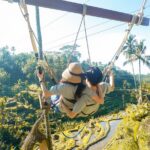
- Jungle swing: Fun and adrenaline-friendly, but it’s a different mood from the temple. If you’re sensitive to big contrasts, consider adding it only if your schedule is steady.
- 10 Polaroid camera photos: A quirky souvenir idea. It can be fun if you like instant keepsakes and don’t mind paying for the extra photos.
- Some add-ons are only available when you select the transfer-based options, so choose your booking type based on what you want most.
Who this tour suits best
This is a strong fit for:
- First-timers who want a guided temple walk with clear explanations of the three mandalas
- People who respect religious rituals and want to learn proper flow around offerings, prayer, and sacred water
- Travelers who like an experience that’s calm in tone but still memorable
It may not be the best fit for:
- Anyone needing wheelchair access or with mobility challenges
- People who can’t participate in wet rituals
- Visitors who aren’t comfortable with strict temple rules about modest clothing and site behavior
If you’re coming for photos only, you might feel the day is too slow and too rule-based. If you come to understand and participate respectfully, it hits the right note.
Cost and value: what $24 covers and where you might add extras
At $24 per person, this tour is priced like a serious guided experience rather than a bare-bones entrance ticket. You’re getting:
- Entry ticket
- Sarong rental
- Temple offering with incense
- Licensed guide
- Mineral water
If you add the right extras, the day becomes a whole package: coffee tasting, lunch, massage, and even photos. If you skip add-ons, you still get the full mandala walk plus the optional spiritual cleansing option.
My advice for value: don’t automatically buy everything. Pick one “comfort” add-on (usually massage or lunch) if you plan to do the wet ritual. Pick one “fun” add-on (coffee tasting or jungle swing) if you want variety after the temple.
Should you book Tirta Empul with optional cleansing?
If you want a Bali experience with meaning—and you’re comfortable with religious etiquette—this is a smart booking. The mandala route gives you structure, and the optional cleansing gives you a real moment instead of just a guided walk.
Book it if:
- You like guided cultural context
- You’re ready to follow temple rules and instructions
- You’re okay with the possibility of getting wet if you choose the cleansing
Skip or rethink if:
- You’re not able to handle wet, slippery, or temple conditions
- You need wheelchair access or have mobility constraints
- You’re planning the day only for quick photos and don’t want to participate in ritual flow
If you do book, pack the basics: change of clothes, towel, and a waterproof way to carry your stuff, plus a cash buffer for any items you didn’t select.
FAQ
How long is the Tirta Empul temple tour?
The duration is listed as 3 to 6 hours, depending on the option booked and starting times.
Is the spiritual cleansing part optional?
Yes. The spiritual cleansing (soul purification) is offered as an add-on, and it’s included only if you select it.
What should I bring for the optional cleansing ritual?
Bring a change of clothes and a towel. If you join the cleansing, you should prepare to get fully wet and bring a waterproof bag for belongings.
Do I need modest clothing?
Yes. You must wear modest clothing in the temple complex, with shoulders and knees covered.
Is sarong rental included?
Yes. Sarong rental is included with the tour.
Where do I meet the guide?
The meeting point may vary depending on the option booked. Some options meet at the Tirta Empul entrance, and other options offer transfers (including from Ubud/Central Bali).
What is tirta suci?
There is a mandatory tirta suci holy water purification ritual before entering the temple area. It takes about 30 seconds.
Is photography allowed?
Photography is allowed in most areas, but you should follow temple rules and avoid disturbing worshippers.
Who isn’t permitted or who should avoid the tour?
The information provided says people who are actively menstruating are not permitted in the temple. It’s also not suitable for pregnant women, people with mobility impairments/wheelchair users, people with a cold, and babies under 1 year (and people over 95 years).