Quiet country roads, real Balinese daily life. I love the morning cycle through rice terraces and the stop at Kaba-Kaba, where your guide connects what you see to local life and how tradition adapts. One thing to consider: this is true back-country riding, so you’ll want good shoes, sun protection, and a little patience for uneven lanes and village dust.
I also like that you don’t show up to a ride with guesswork. Safety gear, a guided route, and small refreshment stops are built in, and the group stays small (up to 8). Expect about 4–5 hours, returning to the same meeting point after the loop.
In This Review
- Key highlights to look for
- Why Kaba-Kaba rural lanes feel different from Bali sightseeing
- Start at Yayasan Manu Widya Narayana with coffee and bike setup
- The first ride into Kaba-Kaba: ancestral sites, farmers, and big views
- Kaba-Kaba stops that matter: historic buildings and local meaning
- Rice fields and farming work: learning how tradition meets change
- The 10:00 river break: shade, protection stories, and social organization
- Water temple among the fields (and the sacred spring option)
- Gear, clothing, and timing: what makes it comfortable (or not)
- Price and value: getting culture plus equipment for about $22
- Who this tour suits best (and who should skip it)
- Should you book Kaba-Kaba Reason for Harmony Cycling?
- FAQ
- What is the duration of the Kaba-Kaba cycling tour?
- What time does the tour start?
- Where do I meet for the tour?
- What does the tour include?
- Is breakfast or lunch included?
- Are there bike and safety items provided?
- Is a sacred spring visit part of the experience?
- How many people are in the group?
- What should I wear or bring?
- Can I cancel for a full refund?
Key highlights to look for
- Up to 8 people means more time to ask questions and watch village life without crowds
- Coffee & tea at Yayasan Manu Widya Narayana before you pedal out
- Kaba-Kaba historic sites plus ancestral-site context for a deeper meaning than scenery
- A walking break to a river that protects the area, with explanations of local social organization
- Rice-field water temple (and possibly sacred spring) as a calm, meaningful pause
- Snack, young coconut water, and bottled water included so the ride stays comfortable
Why Kaba-Kaba rural lanes feel different from Bali sightseeing
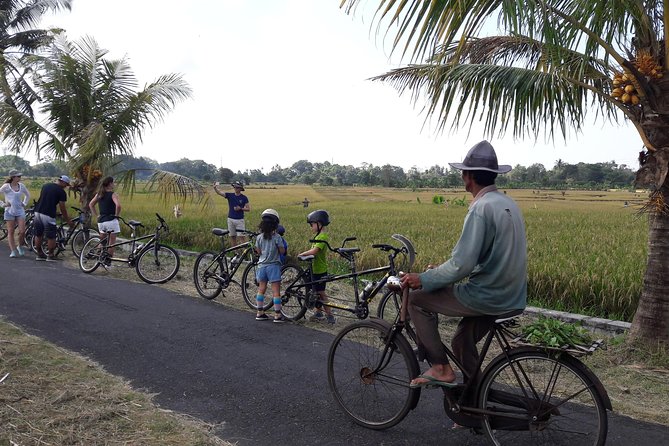
This tour is about moving slowly on purpose. You’re not hopping from one landmark to the next. Instead, you cycle quiet country lanes where farmers actually keep working, and you learn how daily routines tie into Balinese beliefs and community life.
Two things make it stand out for me: first, the route puts you near the rhythm of rural Bali—rice fields, work patterns, and the way people share space. Second, the experience is structured for understanding, not just photo stops. You hear context as you go: why certain areas matter, how social life gets organized, and how locals balance outside change with long-held traditions.
The one possible downside is physical. Even though “most travelers can participate,” you’ll still ride for a good chunk of the morning and do short walks. If you’re hoping for a mostly flat, effortless stroll, pick your expectations carefully.
You can also read our reviews of more tours and experiences in Seminyak.



Start at Yayasan Manu Widya Narayana with coffee and bike setup
You meet at Yayasan Manu Widya Narayana in Kaba-Kaba village (Br. Tegal Kepuh, Kaba-Kaba, Kediri, Tabanan, Bali). The day starts at 8:00 am, and there’s complimentary coffee & tea right away. It’s a nice touch because it sets a relaxed tone before you get on the bike.
From there, you’ll choose and adjust your bicycle, and you get a safety briefing. This matters more than it sounds. In rural lanes, being comfortable with the bike and knowing the basic rules helps you focus on the ride and the conversation, instead of thinking about balance the whole time.
The practical rhythm looks like this: the group settles in, bikes get fit, then you roll out around 9:00 am on quiet roads. You’ll be back at the meeting point by the end of the tour.
Tip: even though snacks and water are included later, bring along your sunscreen early. Morning sun in Bali can still be strong before you realize it.
The first ride into Kaba-Kaba: ancestral sites, farmers, and big views
Once you start cycling, the pace feels made for paying attention. You move along lanes where you can actually see into village life rather than watching it blur past behind a windshield.
Your early time focuses on Kaba-Kaba’s ancestral sites and learning about the mix of peoples who settled in this land. That’s a subtle but important thread. It turns the area from a postcard into a place with layers—people arrived, traditions took root, and community life grew around those connections.
As you ride, you also get magnificent vistas across the rice fields to the mountains. This is the kind of view that makes you stop pedaling for a second—not because it’s staged, but because it’s open and airy after narrow village roads.
What I like here is how your guide ties the visual to meaning. You’re not only told what you’re seeing; you’re helped understand why the farming landscape and the cultural sites belong together.
Potential drawback: the countryside can be dusty or uneven. That’s why the dress guidance includes sport shoes and sun protection.
Kaba-Kaba stops that matter: historic buildings and local meaning
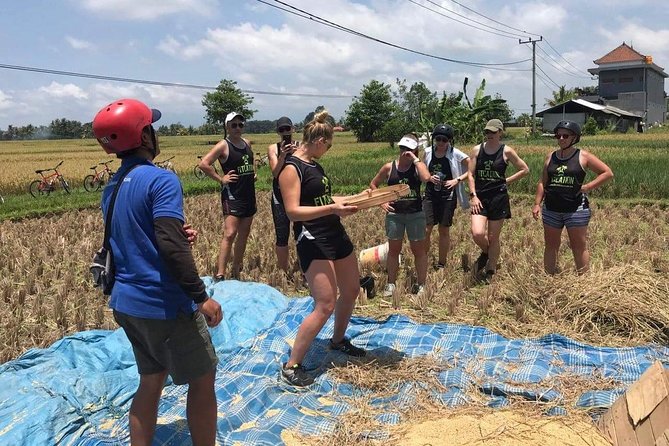
Kaba-Kaba isn’t just the starting point. It’s where the tour anchors you in place.
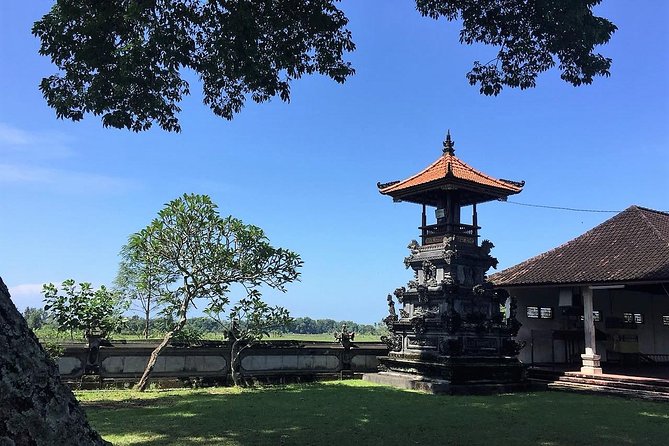
The highlights include exploring a historic building complex at Kaba-Kaba. This matters for two reasons. First, it gives structure to the stories you hear later at water-related spots. Second, it helps you understand that rural Bali has long-established institutions and gathering places, not just temples and rice.
Another meaningful element is the focus on ancestral sites early in the ride. In many parts of Bali, cultural sites are tied to community identity. So when you learn about the land’s background while you’re still in the village area, it makes the rest of the morning feel less like random stops and more like one connected walk-and-ride.
For visitors, the biggest win is perspective. A bike tour can keep you from feeling like you’re “only passing through.” You see the buildings and sites as part of the everyday environment, not as isolated attractions.
If you’re the type who likes questions, this is a good tour. With a small group size, your guide has room to answer follow-ups instead of racing everyone to the next photo moment.
Rice fields and farming work: learning how tradition meets change
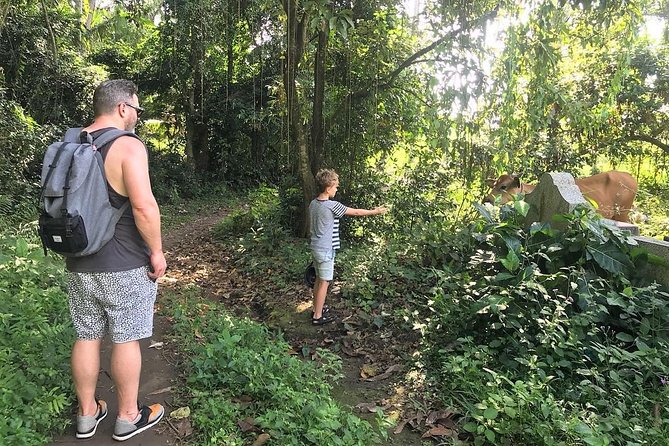
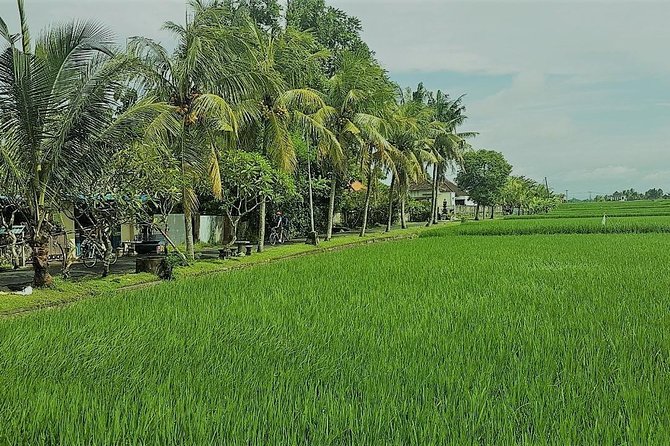
One of the strongest promised experiences is seeing lush rice fields while farmers work. That’s not just pretty—this is the working engine behind the landscape and much of the local schedule.
You’ll learn about how the Balinese people balance globalization trends with traditional ways of life. The wording may sound big, but on a bike, it lands more practically. You notice what stays consistent—farm routines, community bonds, and how certain spaces are still used for cultural life. Then you notice what’s changing—outside influence shows up in the way people adapt and decide what to keep.
This is where the tour becomes more than exercise. It’s an education in observation. When you see farmers working while you ride past, it changes how you interpret what comes next, especially around water.
Practical consideration: rice-field areas can look wet or dry depending on the farming stage. The tour includes safety equipment and is guided, so don’t worry about navigating alone—but do expect conditions to vary. Wear clothing you’re okay with getting dusty.


The 10:00 river break: shade, protection stories, and social organization
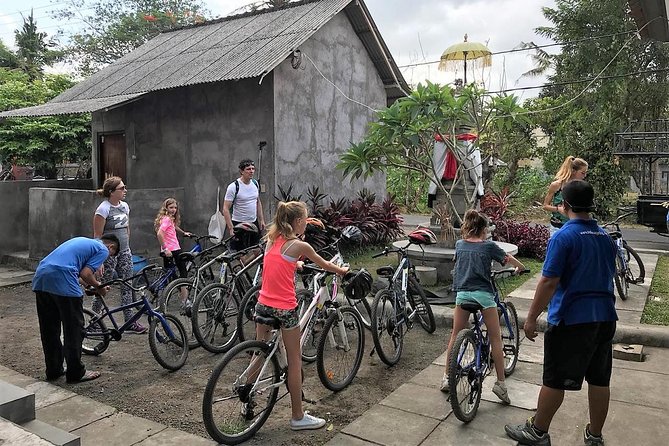
Around 10:00 am, you take a short walk to a river that protects the area. That’s not an abstract detail. Water has meaning in Bali, and the tour treats it that way. You also get a brief break under the shade, which is a smart reset in the morning.
This stop is also where you learn about how social life in Bali is organized. That’s a powerful topic because it explains why certain sites and community practices exist where they do. When you understand the social structure, temples, water rights, and community spaces stop feeling random.
It’s also a good “breather” moment for your body. By this point you’ve been cycling, and the shade break helps you recover before the next stretch closer to the rice fields and water sites.
If you’re riding with family members, this is where you’ll appreciate the balance of walking and cycling. The tour isn’t only two wheels; it has short legs of walking that make the pace more human.
Water temple among the fields (and the sacred spring option)
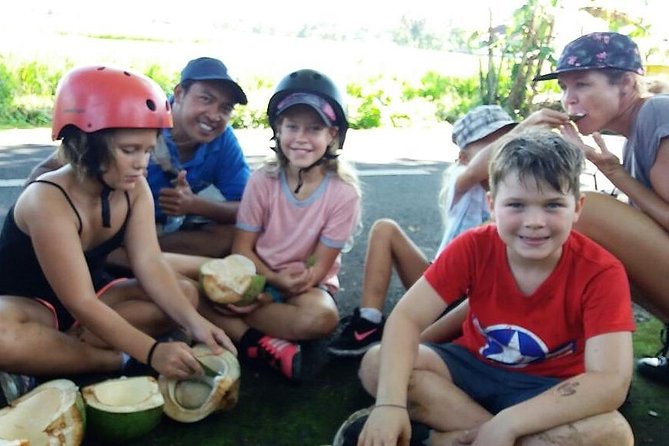
After the river break, you go closer into the rice fields and head toward a water temple nestled among the fields. This timing is around 10:30 am.
The tour’s highlights mention options to visit a sacred spring and water temple. In practice, that means your morning may include an extra meaningful detour centered on water—how it’s viewed spiritually and how it shapes daily life.
Even if you’re not the type to chase spiritual sites, this part works because it’s explained in context. You’re not just walking into a temple and hoping you’ll figure it out. You’re seeing how water ties together farming, community organization, and belief.
What to expect:
- Quiet surroundings among working fields
- A calm moment to slow down after bike time
- Cultural explanations tied to why these water places matter
Practical tip: bring something simple for your head—a hat or cap—and keep sunscreen handy. This portion can be exposed depending on the exact path among fields.
Gear, clothing, and timing: what makes it comfortable (or not)
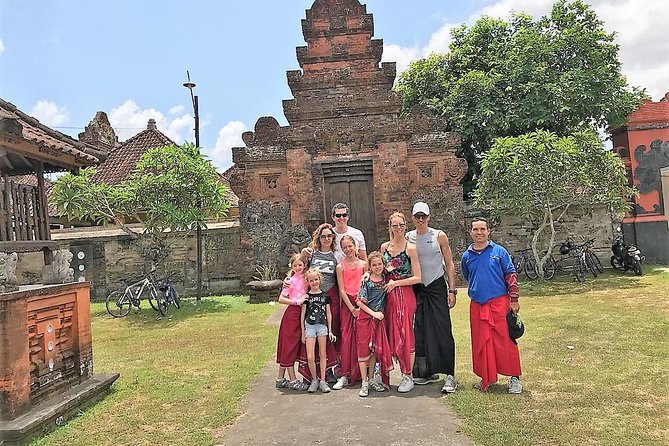
The tour includes all bike equipment and safety equipment, plus snacks, young coconut water, and bottled water. That reduces your packing stress and helps you focus on the ride.
Still, you should plan your body and clothes for rural conditions:
- Wear sport shoes (not sandals)
- Bring hat/cap and sunscreen
- Dress appropriate for cycling and local villages, since you’ll be around community areas
Timing-wise, you start at 8:00 am and ride begins around 9:00 am, finishing in roughly 4 to 5 hours. That schedule is one reason the experience feels special. You’re out early while roads are quieter and the morning air is usually more comfortable.
If you’re sensitive to heat or dust, consider arriving a touch early so you can settle and do bike adjustments calmly. You’ll feel it less when you’re not rushing.
One more practical note: breakfast and lunch are not included. If you’re used to eating early, eat before you go, or plan for snacks to carry you until afterward.
Price and value: getting culture plus equipment for about $22
At $21.94 per person for a 4–5 hour guided ride, this is priced like a local-feeling activity, not a big-ticket attraction. The value isn’t only the price tag—it’s what’s included.
You get:
- A guide
- Bike and safety equipment
- Snacks
- Young coconut water
- Bottled water
On top of that, the tour is listed as having admission ticket free. So you’re not paying extra on top for entry fees at the stops.
What you’re paying for, really, is time plus context. You’re not renting a bike and guessing your way through villages. You’re getting explanations tied to what you’re looking at—ancestral sites, historic structures at Kaba-Kaba, river and water meaning, and how rural life handles outside change.
If you’re staying in or near Seminyak, this kind of morning excursion is also a smart use of time. You come back after lunch with a stronger sense of Bali than you’d get from a quick drive-by.
Who this tour suits best (and who should skip it)
This tour is a great fit if you want:
- A cultural bike experience focused on real village life
- Time for questions with a small group
- A morning activity with built-in breaks and refreshments
The ride is also likely to feel good for families who can handle a few hours of light-to-moderate cycling plus short walks. The small group size supports that, and the structure keeps it from dragging.
You might want a different option if:
- You struggle with uneven rural roads
- You can’t comfortably ride for the duration
- You’re hoping for a slow, no-pedaling nature walk
Because most travelers can participate, the bar isn’t extreme. But it is still a real bike tour, not a couch-to-temple day.
Should you book Kaba-Kaba Reason for Harmony Cycling?
Yes, if you want a morning that feels like Bali’s everyday world instead of a checklist. The tour’s biggest strengths are practical and human: quiet country lanes, meaningful stops at Kaba-Kaba and water-related places, and a guided explanation of daily life and social organization. Add in the included equipment and refreshments, and the cost feels fair.
Book it if you’re flexible, bring decent shoes, and show up ready to learn while you ride.
Skip it if you want a fully indoor or fully flat experience, or if you can’t do a few hours outdoors with sun and rural conditions.
If you’re on a tight schedule and want one “real Bali” morning from Seminyak’s area, this is one of the more grounded choices.
FAQ
What is the duration of the Kaba-Kaba cycling tour?
It runs about 4 to 5 hours.
What time does the tour start?
Start time is 8:00 am.
Where do I meet for the tour?
You meet at Yayasan Manu Widya Narayana, Br. Tegal Kepuh, Kaba-Kaba, Kec. Kediri, Kabupaten Tabanan, Bali 80351, Indonesia.
What does the tour include?
The tour includes the guide, all bike equipment, all safety equipment, snacks, young coconut water, and bottled water.
Is breakfast or lunch included?
Breakfast and lunch are not included.
Are there bike and safety items provided?
Yes. All bike equipment and safety equipment are included.
Is a sacred spring visit part of the experience?
There are options to visit a sacred spring and a water temple.
How many people are in the group?
The tour has a maximum of 8 travelers.
What should I wear or bring?
Wear sport shoes, and bring a hat/cap and sunscreen. Dress appropriately since you’ll cycle through back-country lanes and visit local village areas.
Can I cancel for a full refund?
Yes. You can cancel up to 24 hours in advance for a full refund. If you cancel less than 24 hours before the start time, the amount paid is not refunded.