This bike day makes Bali feel real, fast. You’ll pedal through villages, gardens, and terraces for an easy, mostly downhill ride, then get hands-on culture stops like a visit to a Balinese house compound. I especially like the built-in rhythm: ride, pause, snack, learn, then ride again. One thing to consider is that this tour has a few uneven moments (including off-road and forest trails), so it’s not a sit-and-glide type of cycling.
The best part is how much you’re shown in a small-group format. With a maximum group size of 6, you get time to ask questions in English and actually notice daily routines along the way. The route also avoids constant stress on busy roads, and the guides (people like Kadek and Jack have been highlighted for clear explanations) keep the pace comfortable.
At $36 per person, it’s strong value for a full half-day plus pickup, a bike, helmet, lunch, water, and insurance. Still, it’s a 7-hour day that starts early, and you’ll want to pack like you’re going out all morning.
In This Review
- Key highlights
- 22 km Mostly Downhill: What the Ride Really Feels Like
- Getting Started in Abuan Kintamani: Pickup, Bikes, and First Instructions
- Stop 1: Inside a Balinese House Compound (and Why It Matters)
- Coffee Break Under Palms: Traditional Cake, Real-Time Pace
- Taro Village and the Gunung Raung Temple Stop
- Bresela Rice Fields: The Photo Pause You’ll Remember
- Lunch at Greenkubu Cafe: Eating in the Rice Fields
- Price and Logistics: Why $36 Can Make Sense Here
- Who Should Book This (and Who Should Skip It)
- What to Bring (So You’re Not Rummaging Mid-Ride)
- The Guide Factor: Clear Explanations, Calm Group Energy
- Should You Book This Kuta: Kintamani Culture and Nature Guided Cycling Tour?
- FAQ
- What’s the duration of the cycling tour?
- How much does the tour cost?
- Where does pickup happen?
- Is lunch included, and what’s it like?
- What’s included in the price?
- What should I bring?
- What’s the cycling route like?
- Who shouldn’t take this tour?
Key highlights
- 22 km mostly gentle downhill that feels doable for most people
- Balinese house compound visit with an explanation from the guide
- Coffee break under palm trees paired with traditional cake
- Taro village stop at the historical Gunung Raung temple area
- Bresela rice-field view with serious photo potential
- Lunch at Greenkubu cafe inside the rice fields (not just beside them)
22 km Mostly Downhill: What the Ride Really Feels Like
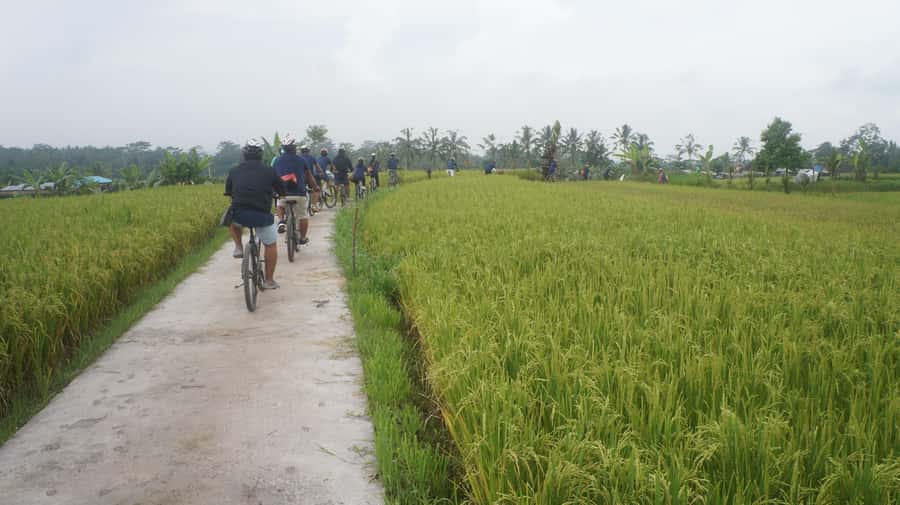
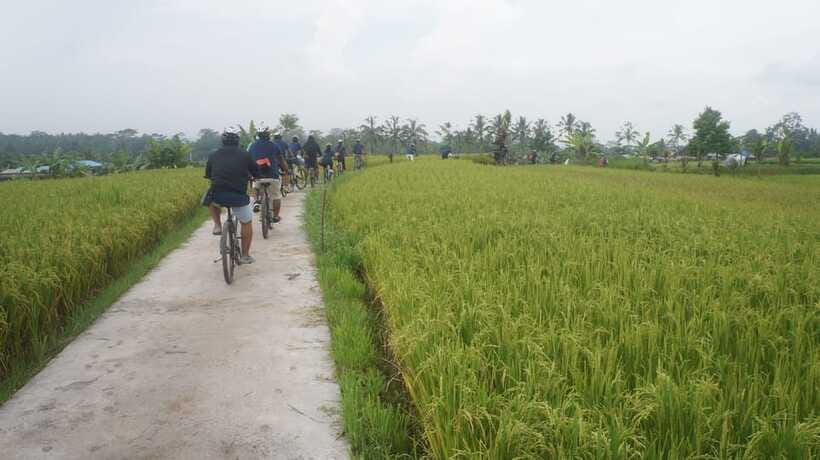
This is a guided Bali cycling tour built around nature and culture, not speed. The core ride is about 22 km, and it’s described as mostly gentle downhill—meaning you spend more time sightseeing than straining. There are short stretches that feel more adventurous, including off-roading and forest trails, but the day is still framed as easy enough that it doesn’t come across as a fitness test.
Timing matters here. You cycle for about 3 hours, with breaks and stops that break up the route into bite-size pieces. That makes the day more enjoyable if you’re the type who likes to take photos, watch daily life, and ask questions instead of just moving from stop to stop.
If you’re worried about safety, this tour is designed to feel calm. The route spends time away from the busiest traffic, and the guides give a quick safety and handling explanation before you set off. You still want to be alert—bikes + uneven ground means you ride with control—but it’s not the kind of ride where you feel like you’re fighting the road the whole time.
You can also read our reviews of more tours and experiences in Kuta.

Getting Started in Abuan Kintamani: Pickup, Bikes, and First Instructions
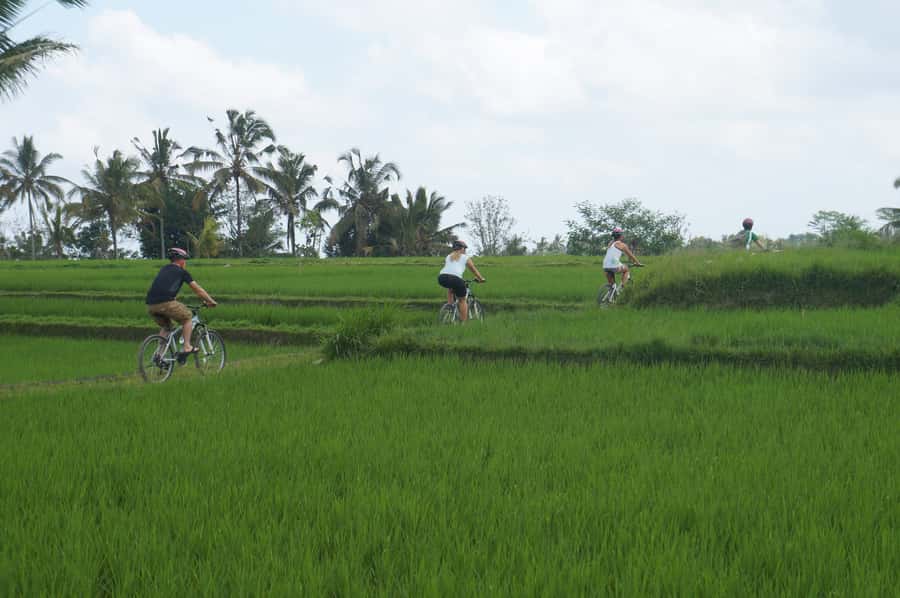
Your day begins with hotel pickup, then a drive to the starting area around Abuan Kintamani village. From there, you’ll get a quick standard explanation from the guides before riding. That short briefing matters because it sets expectations for how the group will roll through villages, paths, and brief off-road sections.
You’ll have the essentials covered. Bikes and helmets are included, and you also get wet weather gear and mineral water. Insurance is included too, which is one of those unglamorous details that makes the day feel more secure.
What you should plan for: this tour is timed to fit into a larger half-day schedule. Even if you’re only pedaling for 3 hours, your total time commitment is about 7 hours, including pickup/transport and lunch.
Stop 1: Inside a Balinese House Compound (and Why It Matters)
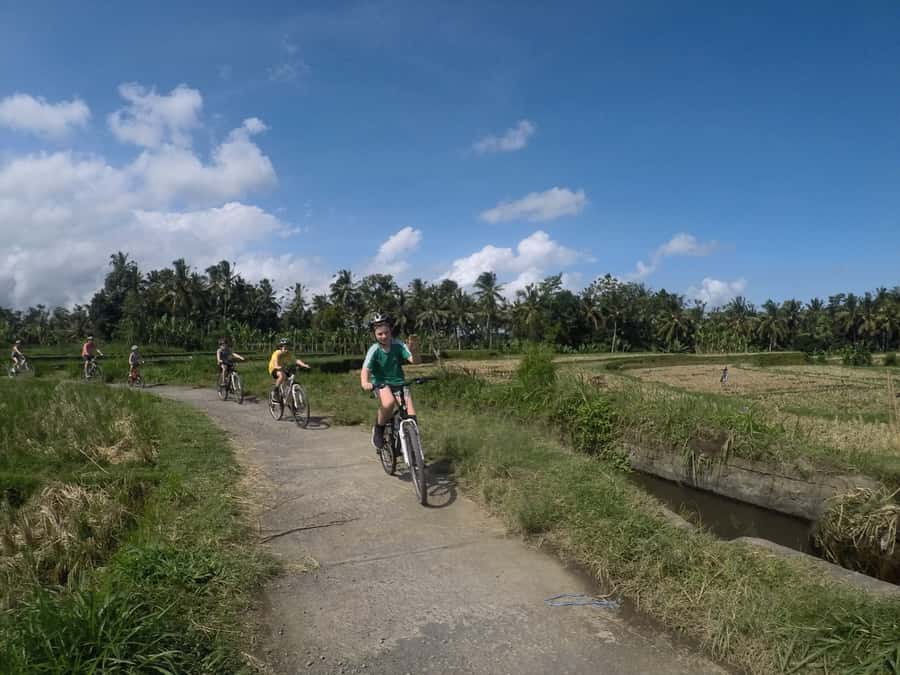
One of the cultural anchors is a visit to a Balinese house compound. The guide explains how these compounds work and what you’re seeing around the home area. This is the kind of stop that’s more meaningful when you can actually look and connect it to daily life, not just read about it later.
Practically, it’s also a good reset. After driving and getting your bike sorted, you get a structured, human-scale experience—people’s routines, the layout of the home space, and a clear explanation from your English-speaking guide.
What I like about this stop is that it’s not staged for performance. You’re there to understand the setting and the role of the family compound, which makes the rest of the ride feel more grounded. When you later pass fields, gardens, and villages, you’re not just seeing scenery—you’re seeing a living system that families depend on.
Coffee Break Under Palms: Traditional Cake, Real-Time Pace
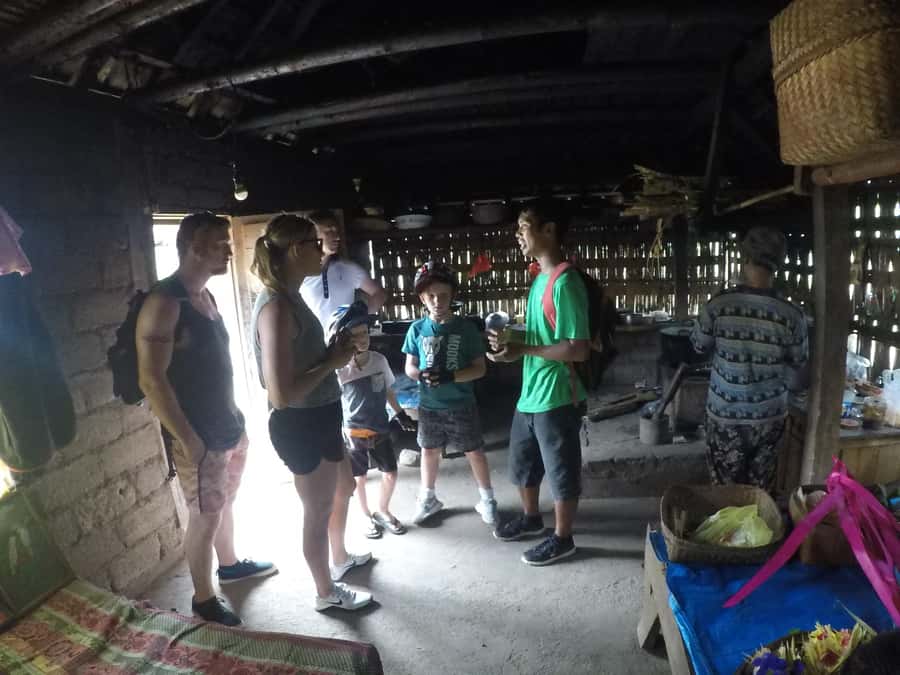
Yes, there’s a coffee break, and no, it’s not just a quick stop where everyone checks their phones. You’ll pause in a palm tree garden and enjoy coffee served with traditional Balinese cake.
This stop works because it slows the day down on purpose. You get a warm, grounded moment in the middle of cycling time—exactly when you might start wondering if you’ll feel tired later. It’s also a small cultural win: the cake and drink are part of local hospitality, not an add-on.
If you’re sensitive to caffeine, keep it modest. You’re already in a warm climate, moving by bike, and eating lunch later—so consider saving your energy and drinking at a comfortable pace rather than going full espresso.
Taro Village and the Gunung Raung Temple Stop
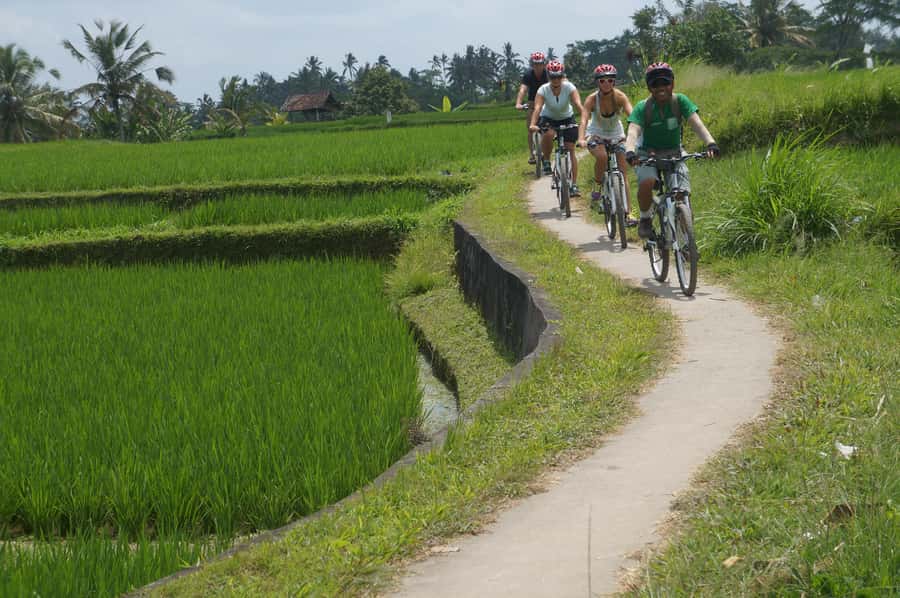
Next comes a cultural landmark stop near the Gunung Raung temple in Taro village. You’ll stop in front of the temple area, with the guide offering context. This is a history-and-places stop, but it also functions like a scenic breath.
What makes it worthwhile is timing. You’ve already seen daily life at the house compound, then you’ve had a garden pause for coffee. After that, the temple stop gives the day a “Bali beyond rice” feeling—showing that spirituality and community spaces sit inside the same geography you’re cycling through.
A small consideration: temple area stops can mean you spend some time standing and walking short distances. Wear shoes you can trust. You’ll also want your camera ready, because this is the kind of place where the scene changes every time you take a few steps.


Bresela Rice Fields: The Photo Pause You’ll Remember
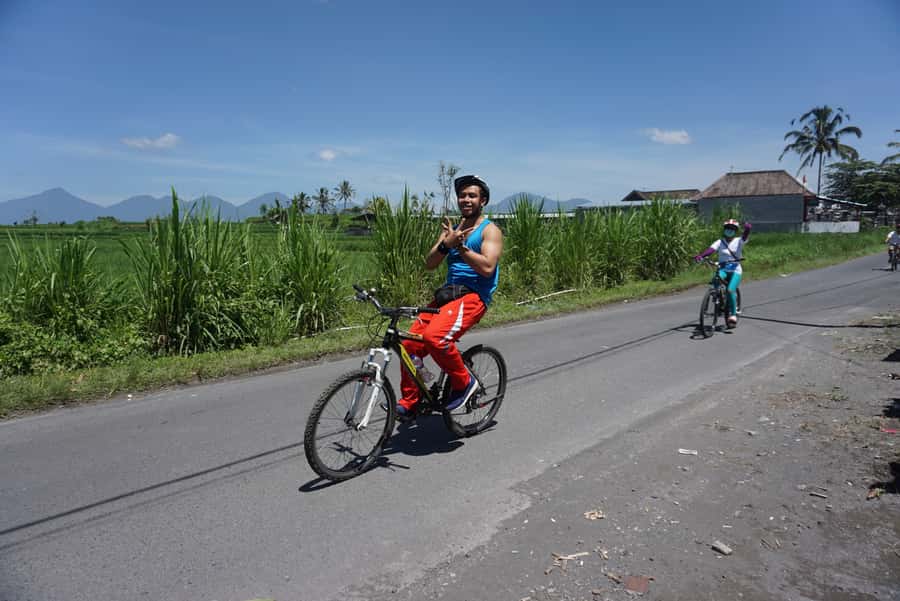
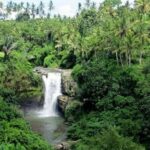
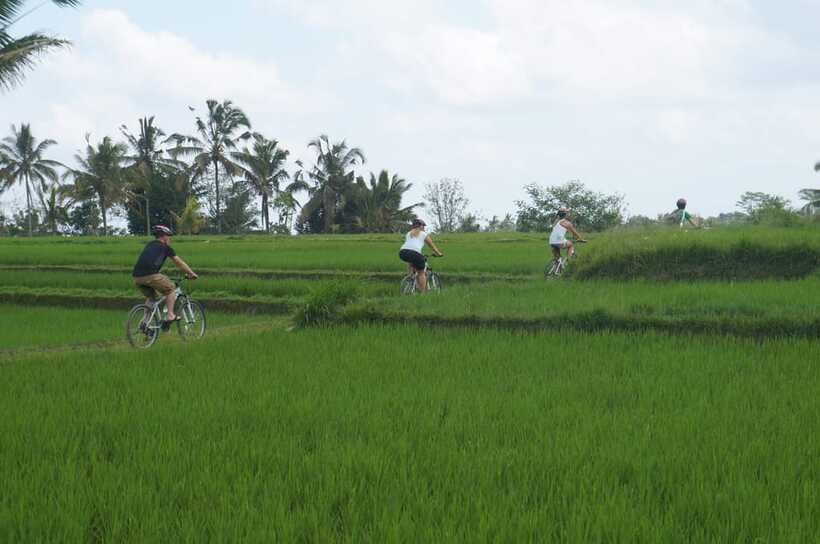
Then you reach Bresela village, where the ride includes what’s described as the most stunning rice field view on the route. This is a standout moment, and not just because it’s scenic. It’s a pause designed for you to actually look—terraces, water patterns, and layers of green stretching across the valley.
The tour description frames it as a major viewpoint, and that usually means you’ll get enough time to step off the bike, stretch your legs, and take photos without rushing. If you’re traveling with people who don’t love biking but do love scenery, this stop is often the moment that makes the whole day feel worth it.
Practical tip: rice-field viewpoints can get windy and bright. Bring biodegradable sunscreen and use it before you bake in full sun. Also, keep your phone/camera pouch protected so dust or mist doesn’t turn into a problem during your ride.
Lunch at Greenkubu Cafe: Eating in the Rice Fields
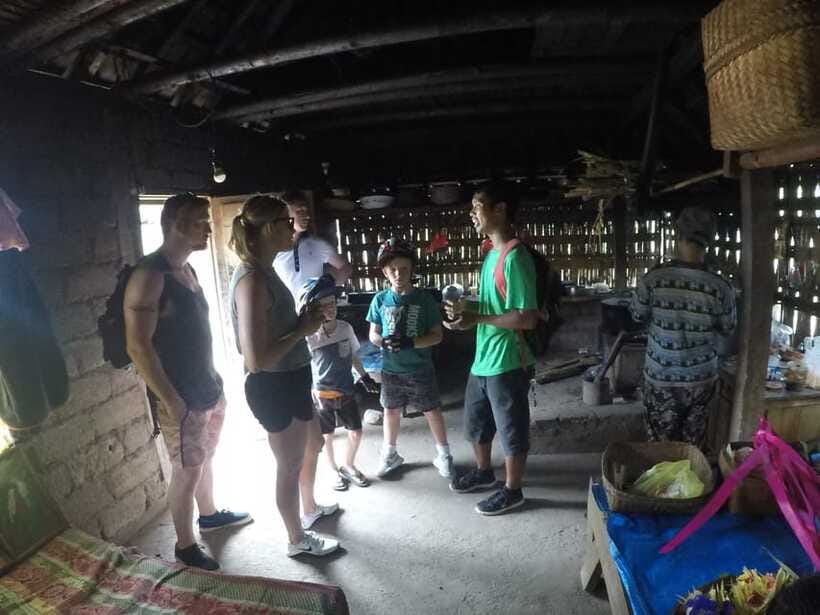
Lunch is at Greenkubu cafe, located in the middle of the rice field experience. It’s timed as about 1 hour, so you’re not stuck waiting too long or forced through lunch in 20 minutes.
This is more than just a meal stop. Eating in the rice field setting changes how you feel about the day. Instead of cycling past scenery and then eating somewhere unrelated, you’re basically staying in the same environment—fields around you, not just in the background.
A few details to plan for: lunch includes food as part of the tour, but soft drink is not included, so if you want a soda, you’ll need to purchase it yourself. Cash is also mentioned as something to bring, which is helpful for small purchases while you’re out.
If you’re thinking about what to wear, this is where a change of clothes can feel smart. You may sweat on the ride, and after lunch you might still be out in the sun. A lightweight spare shirt makes the end of the day more comfortable.
Price and Logistics: Why $36 Can Make Sense Here
At $36 per person, this tour is priced like a value-driven day. You’re not just paying for bike rental. Your cost covers:
- Hotel pickup and drop-off
- Guides
- Bike and helmet
- Lunch
- Coffee break
- Mineral water
- Insurance
- Wet weather gear
When you compare that to piecing together transportation, a guide, bike use, and meals yourself, the math tends to look better for the tour—especially because you’re getting multiple guided stops packed into a single day.
Logistics are also clear: pickup options include Seminyak, Ubud, Nusa Dua Beach, Kuta, and Sanur, and drop-offs match those areas. The small group limit (6 participants) helps keep the experience from turning into a noisy conveyor belt.
The main “cost” you should think about is your time. A 7-hour day means you’ll lose a good chunk of your daylight plans. But if you’re the type who wants variety—culture stop, temple stop, rice-field views, and a proper lunch—this is a lot of output for the price.
Who Should Book This (and Who Should Skip It)
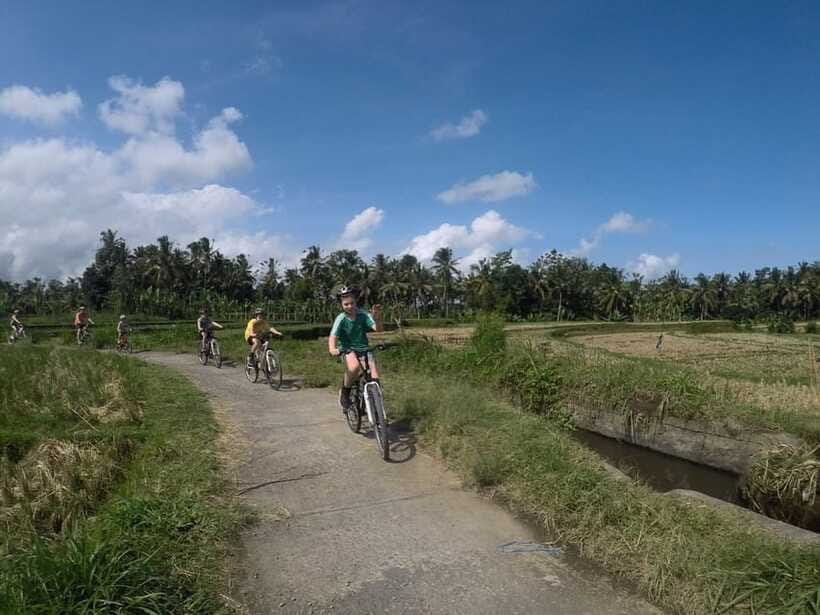
This cycling tour is ideal if you want a Bali day that mixes culture and nature without demanding serious physical effort. The ride is mostly downhill, and the cycling time is about 3 hours. That makes it a good fit for couples, solo travelers, and small groups who want an organized day with room to enjoy the scenery.
It’s also not a high-risk bet in the sense of road conditions—guides keep you away from constant traffic stress, and the safety briefing helps you get oriented fast.
That said, the tour is not suitable for:
- Pregnant women
- People with heart problems
- People with vertigo
- People with epilepsy
- People over 243 lbs (110 kg)
- People over 95 years
If any of those apply, skip this one for safety and comfort.
What to Bring (So You’re Not Rummaging Mid-Ride)
You’ll have a smoother day if you pack with the cycling + tropical weather in mind. Bring:
- Comfortable shoes
- A camera
- Change of clothes
- Biodegradable sunscreen
- Comfortable clothes
- Cash
- A daypack
A daypack matters because you’ll want somewhere to stash water, sunscreen, and small essentials during stops. Sunglasses can also help, since rice-field views and midday sun can be bright.
For baggage, keep it practical. You’re on a bike and you’ll make stops where you get on/off and walk short distances. If you bring a huge bag, you’ll spend more time managing it than enjoying the day.
The Guide Factor: Clear Explanations, Calm Group Energy
This tour leans on the guide. You get a live guide in English, and the format is designed so explanations happen at the stops: the Balinese house compound, the coffee break context, the temple stop, and the rice-field viewpoint moments.
Two guide names have shown up in recommended experiences: Kadek and Jack. That’s a good sign for you, because clear guidance makes a huge difference on a cultural cycling day. When you understand what you’re looking at, the ride feels smarter, not just scenic.
Small group size helps too. With up to 6 participants, you’re less likely to get lost in the shuffle. It’s easier to keep together, ask questions, and get your pacing right.
Should You Book This Kuta: Kintamani Culture and Nature Guided Cycling Tour?
If you want an easy, scenic Kintamani-area cycling tour that includes real culture stops and a satisfying lunch in the rice fields, I’d say yes—especially if you’re traveling from Kuta and want something beyond beach time without committing to an intense workout.
Book it if:
- You like cycling but don’t want a grueling challenge
- You value a small-group day with multiple cultural moments
- You want the rice fields to be a main event, not a quick photo pull-over
Consider skipping (or choosing another style of tour) if:
- You’re sensitive to uneven ground or have vertigo
- You need a fully flat ride with minimal walking
- You prefer to spend less than 7 hours on the move
If your goal is a day that feels personal, scenic, and thoughtfully planned, this is a strong choice.
FAQ
What’s the duration of the cycling tour?
The tour runs for 7 hours total, with cycling time of about 3 hours and lunch time of about 1 hour.
How much does the tour cost?
The price is $36 per person.
Where does pickup happen?
Hotel pickup is offered from Seminyak, Ubud, Nusa Dua Beach, Kuta, and Sanur.
Is lunch included, and what’s it like?
Yes, lunch is included and is served at Greenkubu cafe, located in the middle of a rice field. Soft drinks for lunch are not included.
What’s included in the price?
Included items are hotel pickup and drop-off, lunch, coffee break, mineral water, guides, bike, helmet, wet weather gear, and insurance.
What should I bring?
Bring comfortable shoes, a change of clothes, a camera, biodegradable sunscreen, comfortable clothes, cash, and a daypack.
What’s the cycling route like?
The ride is about 22 km and is described as mostly gentle downhill, with some off-roading and forest trails.
Who shouldn’t take this tour?
It’s listed as not suitable for pregnant women and for people with heart problems, vertigo, or epilepsy, and it also has limits for weight over 243 lbs (110 kg) and age over 95 years.