A 2-day climb to Wae Rebo changes your pace. This tour is built around the Manggarai culture of West Flores and the kind of jungle trek that makes the village feel earned, not scheduled. Along the way, you’ll also pick up sharp context about local customs and what life looks like this far from the coast.
I really like that the trip mixes scenery with people. You get photo stops (Lembor’s wet rice fields, coastal viewpoints, and villages along the route) plus stories about daily life, culture, and local history once you reach Wae Rebo.
One thing to consider: the day is long and the hike is real. You’re looking at a 5-hour drive from Labuan Bajo to the start area in Denge, then a 2–3 hour jungle trek each way, at around 1,200 meters in altitude.
With a small group (limited to 10) and an English-speaking guide, this feels manageable. You might even get a guide named Orlando, who has been praised for being careful and genuinely knowledgeable, including taking care of the group’s pace and comfort.
In This Review
- Quick hits
- Why Wae Rebo Village feels different from most West Flores stops
- Day 1: Labuan Bajo to Denge and the jungle hike up to Wae Rebo
- Photo stops you’ll actually care about (not just roadside snaps)
- Sleeping in Wae Rebo: what the village time really gives you
- Day 2: returning from Wae Rebo to Denge and back to Labuan Bajo
- Is $154 a fair deal for a 2-day Wae Rebo tour?
- The guide and small-group size: how that affects your experience
- Packing for the trek: what to bring (and what will annoy you if you forget)
- When things shift: weather, fitness, and the 1,200-meter reality
- Who should book this, and who should skip it
- Should you book this 2-day Wae Rebo tour?
- FAQ
- How long is the Wae Rebo Village 2-day tour?
- What are the key hiking times?
- What altitude is Wae Rebo Village at?
- What meals are included?
- Is pickup and drop-off included in Labuan Bajo?
- What is the group size?
- Is there an English-speaking guide?
- What photo stops are included?
- What should I bring for the hike?
- Are there items not allowed on the tour?
- Can I cancel for a full refund?
Quick hits
- Manggarai culture storytelling that puts village life into context
- 2–3 hour jungle hikes each day, through real forest trail
- Wae Rebo at 1,200 meters, with mountain-and-jungle views waiting on arrival
- Photo stops that break up the long drive, including Lembor wet paddy fields
- Permits and village donations included, so the cultural visit isn’t just a photo op
- You can walk at your pace, with a guide who manages the tempo for the group
Why Wae Rebo Village feels different from most West Flores stops
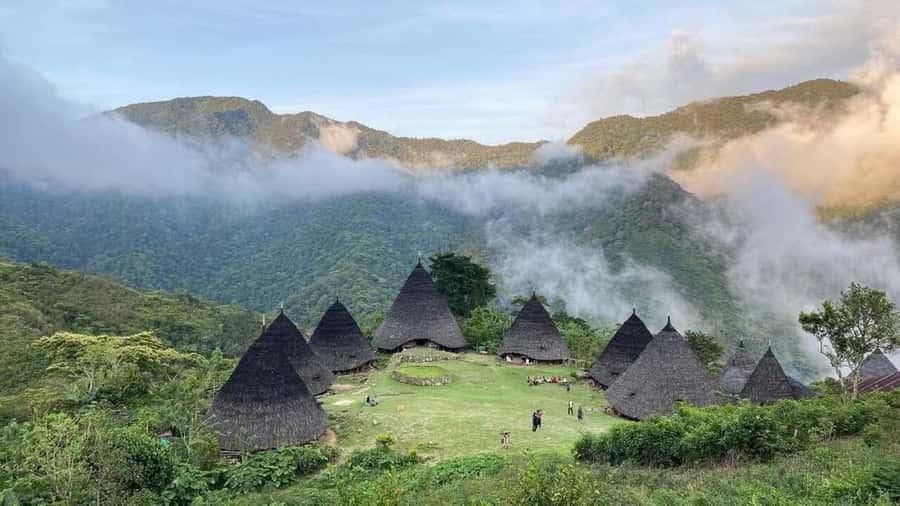
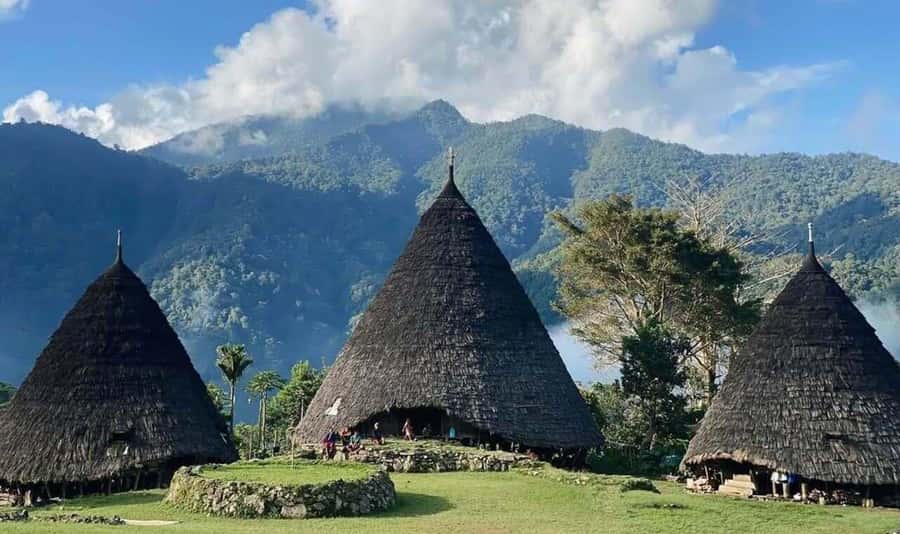
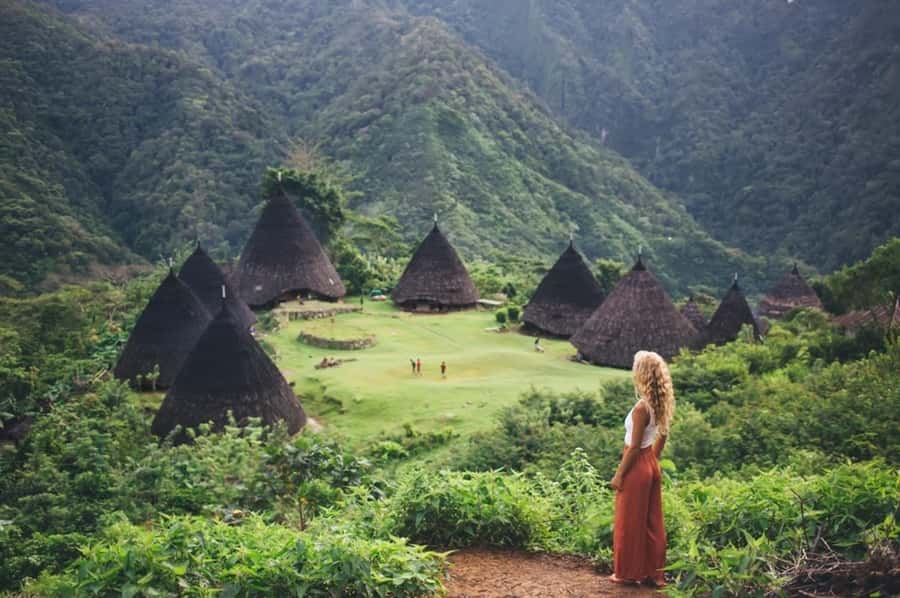
Wae Rebo isn’t just another scenic village with a lookout. It’s a living place tied to the Manggarai tribe, and the whole point of the 2-day format is that you arrive, settle in, and get time to understand the rhythms of daily life. When your schedule includes both arrival and a morning departure, you notice the village at different angles—quiet morning moments and the slower evening feel.
What makes this experience stand out is the combination of hiking effort plus cultural interpretation. The trek through the jungle is your transition from “tour mode” to “village mode.” By the time you’re there, the stories about customs and local history land better because you’ve already moved through the environment that shapes life here.
You’ll also get practical value out of the way it’s organized. You’re not left to piece together a permit, a driver, and a place to sleep on your own. Instead, pickup, accommodation in the village, and the essentials for meals are handled—so your energy goes toward the hike, the views, and the conversations.
And yes, the scenery is a major draw: mountain views and surrounding jungle are part of what you’ll feel from morning to night. The difference is that here, the view comes after a trek, not before one.
You can also read our reviews of more tours and experiences in Labuan Bajo.



Day 1: Labuan Bajo to Denge and the jungle hike up to Wae Rebo
Your day starts with pickup from your Labuan Bajo hotel early in the morning. This matters because the drive is long, and you’ll want the best chance of an on-time start while temperatures are still reasonable.
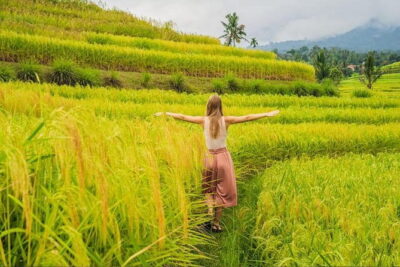
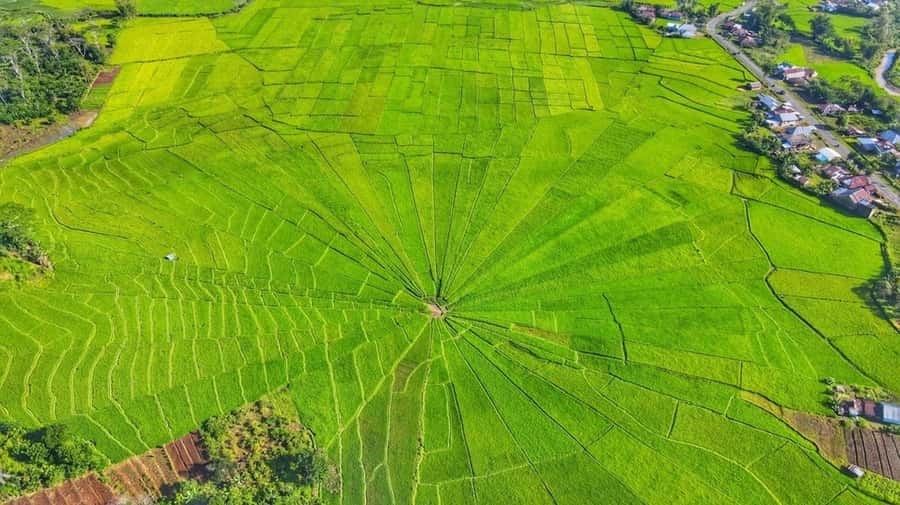
First, you’ll do scenic photo stops along the way, including Lembor Village, known for its large wet paddy field area in West Flores. It’s a good contrast to what you’ll do later: rice terraces and open farmland now, then jungle trail later.
From there, the route continues toward the south coast area via Nagalili village, with several scenic vistas you pass by in the car. The idea is simple: the drive isn’t just transportation; it’s also part of the experience. You’re still outdoors, still moving through local geography, even though the real workout is waiting ahead.
Then comes the stretch that sets expectations: about 5 hours by car from Labuan Bajo to Denge village, which is the trekking start point. This is where you should come in with a long-ride mindset. The payoff is that the hike doesn’t feel like a random add-on—it feels like the heart of the day.
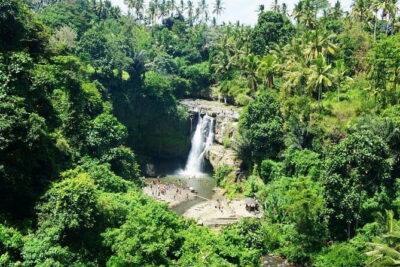
Once you reach Denge, you start a 2–3 hour hike through the jungle to Wae Rebo. This portion is built for real walking. You’ll want comfortable footwear and enough water, because you’re going through humid, uneven terrain where trekking shoes help more than flip-flops ever will.
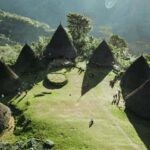
When you finally arrive, the village setting hits fast: fresh air at higher altitude, jungle all around, and mountain views that make you understand why this settlement is where it is.
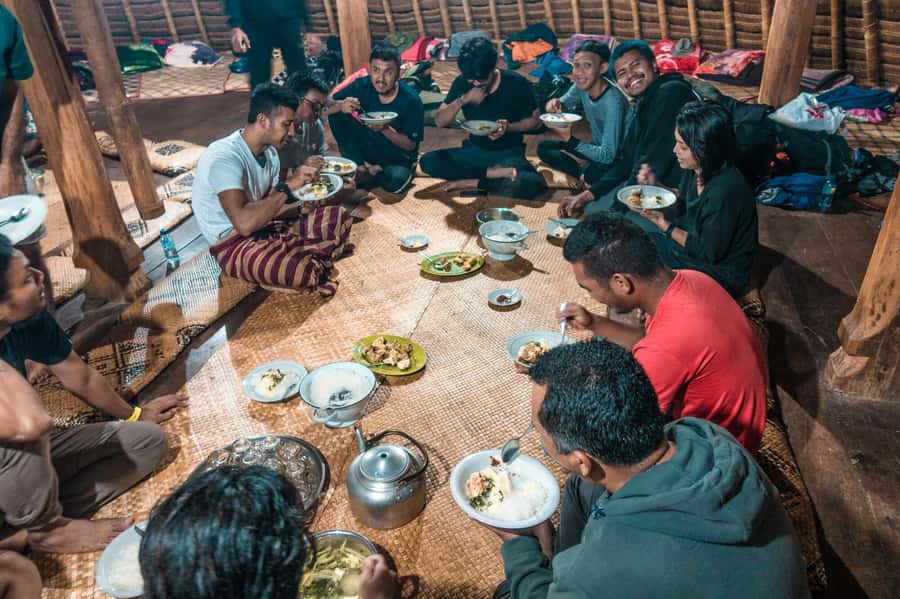
You’ll have lunch after arrival—either at a local restaurant or as a lunch box. In the evening, dinner is simple in the village. That simplicity is part of the experience, not a compromise.
Photo stops you’ll actually care about (not just roadside snaps)
Most “scenic tours” have one or two decent lookouts and the rest is waiting. Here, you get several route moments that break up the long transfer from Labuan Bajo inland.
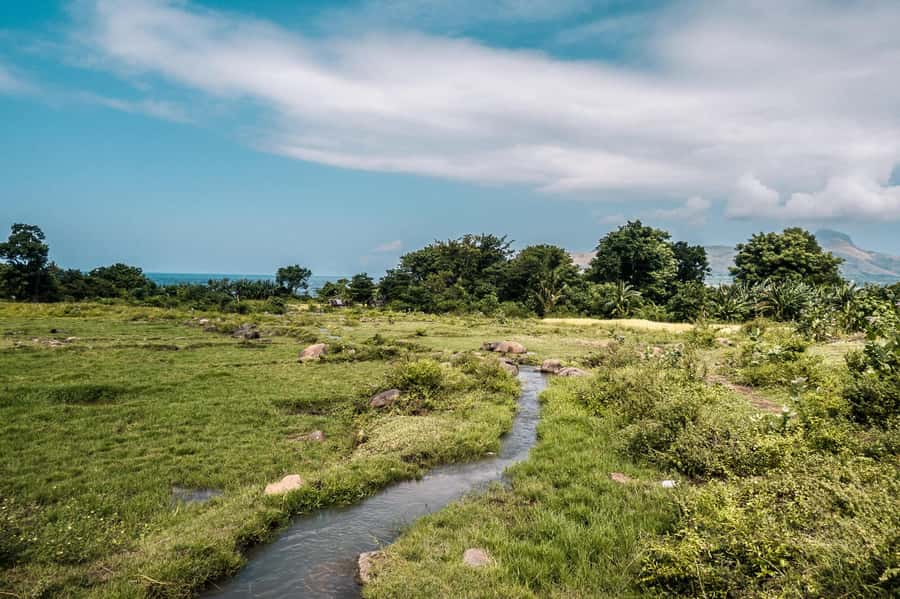
Lembor wet paddy fields are a standout. If you like landscape details that show how people farm, this stop is worth your attention. The paddy setting gives you a grounded view of West Flores before you start climbing into cooler, forested terrain.
Nagalili village along the south coast adds another feel—coastal geography before jungle and altitude take over. You’ll also pass by Dintor village as part of the way to Denge, so the route gradually shifts from scenery to storytelling and then, finally, to the trek itself.
These stops also matter practically. They give you short breaks to stretch legs, grab water, and take photos without the pressure of rushing the entire day in one go.
Sleeping in Wae Rebo: what the village time really gives you
The tour includes accommodation in Wae Rebo village, plus a simple breakfast on Day 2. That village stay is the difference between seeing Wae Rebo for an afternoon versus actually getting the feel of it.
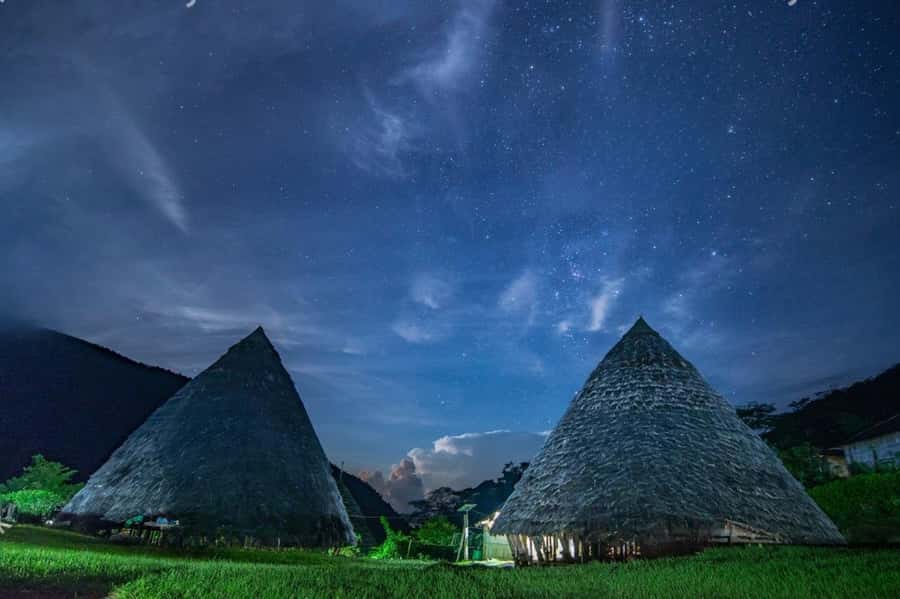
You’re at altitude—around 1,200 meters—so conditions can feel cooler than you expect if you’re coming from the Labuan Bajo area. Even if it’s not cold, the air feels fresher, and you’ll likely notice that as the day changes from hike to rest.
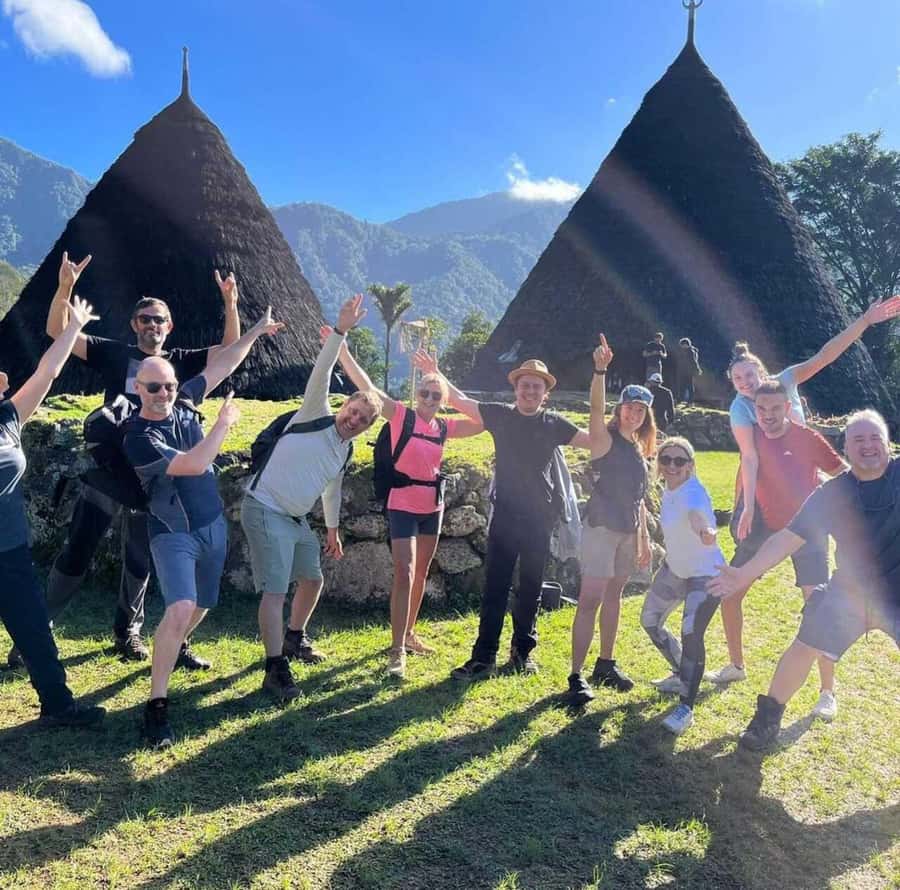
There’s also time to slow down. After breakfast on Day 2, you’ll take a stroll around the village and engage with locals to learn more about their way of life and distinctive culture. This is the part you should value most if you care about authenticity. You’re not only photographing buildings; you’re hearing how people explain their routines, customs, and local history.
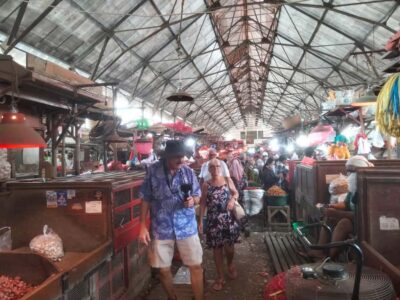
Food is simple: lunch on both days, plus dinner on Day 1 and breakfast on Day 2. Simple doesn’t mean unpleasant. It means you’re eating in a setting where the schedule is about the village, not a restaurant timetable. The trade-off is that you shouldn’t expect fancy flavors, menus, or snack options on demand.
And because this is a homestay-style experience, it helps to bring a “flexible guest” mindset. Your comfort matters, but the experience is shaped by the village itself.
Day 2: returning from Wae Rebo to Denge and back to Labuan Bajo
Day 2 begins with a simple breakfast in the village. Then you get that short morning stroll and conversation time—use it. If you want better context for what you saw the night before, this is the moment when people are usually more available to talk, and your brain is less tired than it will be after the hike.
After that, you trek back down to Denge village using the same route. Expect the same general effort: again 2–3 hours on the trail, depending on pace and conditions. The advantage of returning by the same path is that you already know what the trek is like—so you can manage energy better.
Along the way, there’s lunch before drop-off back in Labuan Bajo. You’ll be dropped at your hotel, and you’ll feel the contrast immediately: jungle quiet and village rhythm first, then car time back to modern comfort.
This two-day structure is also smart for your body. You don’t cram everything into a single sunrise hike and then race back. Instead, you’re allowed one full day for arrival, village time, and sleep before the return.

Is $154 a fair deal for a 2-day Wae Rebo tour?
At $154 per person for a 2-day experience, the value comes from what’s included—not just the price tag.
You’re getting:
- Pickup and drop-off in Labuan Bajo
- English-speaking tour guidance
- Accommodation in Wae Rebo village
- Meals (lunch Day 1, lunch Day 2, dinner Day 1, breakfast Day 2)
- All donations and permits related to visiting Wae Rebo
- Photo stops along the route
When you add it up, the biggest “hidden” cost is usually the logistics of getting there: permits, coordination, and the on-the-ground support that keeps the experience running smoothly. Here, donations and permits are included, which means you’re not stuck trying to figure out what’s required once you’re already in the region.
You’re also paying for a guide who can manage the pace and route. A couple of group members have noted that walking is possible at your own tempo, which matters on a trail that’s uneven and can be tiring even for strong walkers.
What’s not included is simple stuff that you should budget separately: tipping and personal expenses. Alcohol and drugs are also not allowed, which is clearly part of how the village setting is respected.
If you’re the type who hates “cheap trips” that feel like work later, this price can make sense. You’re not paying only for a bus ride—you’re paying for a guided, culturally respectful, overnight experience with the meals and permissions handled.
The guide and small-group size: how that affects your experience
This is a small group tour, limited to 10 participants. That number isn’t just trivia. It changes how your day feels. With fewer people, it’s easier to move at a walking pace that doesn’t leave anyone behind, and it’s easier for your guide to answer questions.
The tour is guided in English, which helps a lot when you’re learning customs and local history. Even when your understanding is partial, the ability to ask follow-up questions makes the stories stick.
One guide name you may hear in the context of this route is Orlando. He’s been described as very knowledgeable and caring, including being attentive with how the group moves. That’s the kind of support you want on a jungle trail—because it’s not only about speed, it’s about comfort, safety, and timing.
Packing for the trek: what to bring (and what will annoy you if you forget)
The tour notes a pretty clear packing list, and I agree with all of it. Your best “value” trip is the one where you’re not fighting the basics while you’re trying to enjoy the views.
Bring:
- Comfortable shoes, and ideally hiking shoes for the jungle trail
- Water (you’ll be walking 2–3 hours at a time)
- Rain gear (weather can shift, and jungle trails get slick)
- Insect repellent (forest conditions call for it)
- A daypack (hands-free matters when you’re hiking)
- Trekking gear you personally use (like a light rain layer or small torch, if you rely on one)
Also, bring a calm attitude. This trek is not a sidewalk walk. Your legs will work, and your pace will matter more than your speed.
Not allowed: alcohol and drugs, plus explosive substances. This keeps the vibe respectful and safe for a village setting.
When things shift: weather, fitness, and the 1,200-meter reality
Weather can affect itinerary decisions for safety reasons, so don’t plan every minute like a strict train schedule. You’re in jungle terrain where rain and visibility can change trail conditions.
Fitness also matters. The tour requires a good fitness level because the hiking portion is 2–3 hours each day. Even if you’re experienced at walking, humidity and uneven ground can slow you down.
Altitude is also a factor—Wae Rebo sits around 1,200 meters. For most people, it’s not extreme, but it can make breathing feel different when you’re working uphill.
This is why the guide’s management of pace is important. If you go in knowing you’ll likely slow down a bit, you’ll enjoy it more.
Who should book this, and who should skip it
This tour is best for people who:
- Enjoy trekking and don’t mind 2–3 hour hikes through jungle
- Want a village visit with cultural context, not just a photo stop
- Prefer small-group travel and English-speaking guidance
- Can handle a long car day before the trek starts
It’s not suitable for:
- Pregnant women
- People with mobility impairments
- People with heart problems
- Wheelchair users
- People with respiratory issues
If you fall into any of those categories, it’s worth choosing a different West Flores activity with less physical strain.
Also, be honest with yourself about comfort expectations. You’ll sleep in the village and eat simple meals. If you need luxury routines, this won’t match your style.
Should you book this 2-day Wae Rebo tour?
Book it if you want the most memorable kind of Wae Rebo visit: the one that includes overnight village time, guided cultural explanations, and a trek that makes arrival feel earned. The price becomes easier to justify when you remember what’s included—permits, donations, meals, and a small-group English guide.
Skip it if you want a light walking day or if you’re not confident in jungle trail conditions. The long drive plus 2–3 hour hikes each way are central to the experience, not optional extras.
If you’re trying to decide, ask yourself this: do you want a rushed day trip, or do you want time to actually absorb the village and understand the culture? This tour is built for the second option, and that’s where its value lives.
FAQ
How long is the Wae Rebo Village 2-day tour?
It’s a 2-day tour. You’ll spend about 5 hours driving from Labuan Bajo to the start area in Denge, then hike around 2–3 hours to Wae Rebo on Day 1, and hike back down on Day 2.
What are the key hiking times?
On Day 1, you hike 2–3 hours through the jungle to reach Wae Rebo. On Day 2, you trek back down to Denge on the same route, again taking about 2–3 hours.
What altitude is Wae Rebo Village at?
Wae Rebo Village is at an altitude of about 1,200 meters.
What meals are included?
Lunch is included on both Day 1 and Day 2. You also get a simple dinner in Wae Rebo village on Day 1 and a simple breakfast in the village on Day 2.
Is pickup and drop-off included in Labuan Bajo?
Yes. Pickup is included from your hotel in Labuan Bajo, and you’ll be dropped off back at your hotel at the end of Day 2.
What is the group size?
The tour is a small group, limited to 10 participants.
Is there an English-speaking guide?
Yes, the tour includes an English-speaking tour guide.
What photo stops are included?
Photo stops along the route are included, including Lembor Village (wet paddy field area) and scenic viewpoints as you pass villages like Nagalili and Dintor.
What should I bring for the hike?
Bring comfortable shoes or hiking shoes, water, rain gear, insect repellent, a daypack, and any trekking gear you use.
Are there items not allowed on the tour?
Yes. Alcohol and drugs are not allowed, and explosive substances are not allowed.
Can I cancel for a full refund?
The tour offers free cancellation up to 24 hours in advance for a full refund.