Cooking here turns dinner into a lesson. On Gili Trawangan, this small-group Indonesian cooking class pairs real technique with a friendly kitchen vibe, usually in an open-air setup near the harbor. You’ll learn how dishes are built, not just copied.
I love the small group size—you get actual face time with the chefs as you chop, fry, and sauce. I also love that the menu varies by class length, so you can choose an intro sampler or go all the way to the Super Six with more dishes.
One thing to consider: it’s often hot and open-air. You’ll be given plenty of water, but you should still plan for heat and sun while you cook and eat.
In This Review
- Key highlights worth knowing
- Gili Trawangan Kitchen Setup: Small Groups, Harbor Views, Hands-On
- How to Pick Your Class Length (and Why It Changes the Value)
- Which one is best for you?
- What You’ll Cook: Kelopon to Gado Gado (Real Dishes, Real Techniques)
- Kelopon sweets
- Fried tempeh with peanut sauce
- Fried noodles
- Yellow chicken curry (and how curry gets structured)
- Chicken taliwang (the spice-and-sizzle lesson)
- Gado gado (vegetables that aren’t an apology)
- From Harbor Heat to the Feast: How the Class Really Moves
- Dietary Needs: Vegan and Vegetarian Options That Don’t Feel Like a Compromise
- Price and Value: What $33 Really Buys on Gili Trawangan
- Meeting Point and Timing: Getting There Without Stress
- Quick Tips That Make This Class Go Smoother
- Who Should Book Gili Cooking Classes Trawangan?
- Should You Book This Cooking Class?
- FAQ
- What’s the typical duration of the class?
- What dishes do I cook in the Intro Course?
- What dishes do I cook in the Four of a Kind class?
- What dishes are included in the Super Six?
- Are vegetarian or vegan diets accommodated?
- How many people are in the class?
- What’s included in the price?
- Is alcohol included?
- Is there an option to buy a take-away box?
- Can I cancel for a full refund?
Key highlights worth knowing
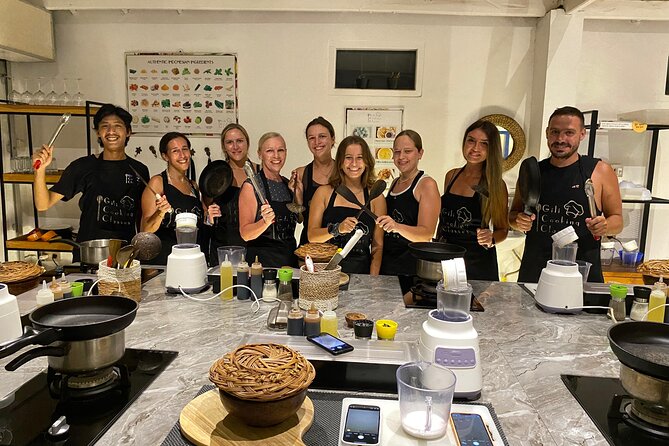
- Small groups (max 10) mean more coaching while you cook, not just watching
- Choose your class length: 3 dishes (1h30), 4 dishes (2h), or 6 dishes (2h30)
- Iconic dishes on the menu: kelopon, fried tempeh with peanut sauce, mie goreng-style noodles, yellow chicken curry
- Vegan/vegetarian swaps are built in (tofu/tempe instead of chicken; vegan oyster sauce)
- Recipes are provided, so you can recreate the food back home
- Included lunch and dinner makes the price feel more like a full meal experience
Gili Trawangan Kitchen Setup: Small Groups, Harbor Views, Hands-On
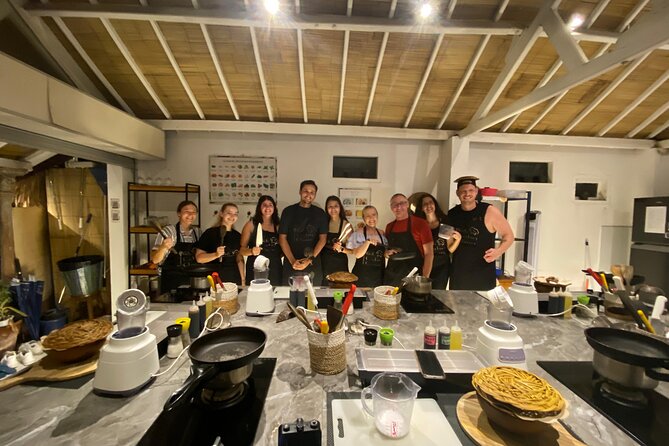
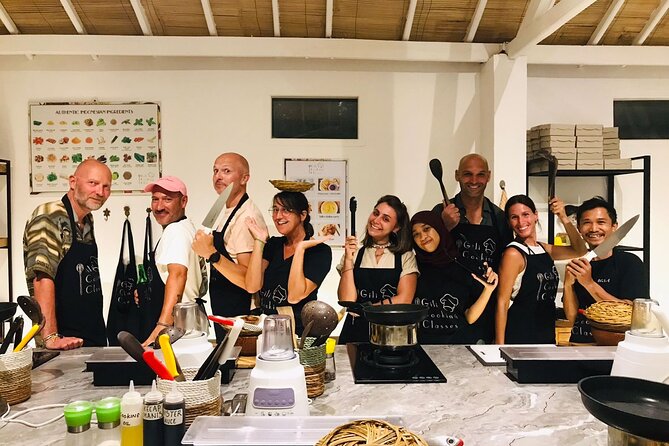
This is one of those rare classes where the experience is about making food, not just tasting it later. The kitchen runs on a relaxed rhythm, and the group stays small—up to 10 people—so you’re not stuck waiting for a turn or guessing what to do next.
A standout detail: the cooking area is described as open air and overlooks the harbor on Gili Trawangan. That means you get a pleasant change of scenery from the usual indoor cooking classes, but it also explains why hot weather matters. Expect warm cooking conditions, especially in the day’s stronger sun, and take the water seriously.
Chef-led instruction is also a big part of why this works. Reviews highlight that instructors are well-spoken and organized, with explanations that cover ingredients and even where/how they’re grown locally. That’s useful because it gives you context, not just a list of steps.
You can also read our reviews of more tours and experiences in Gili Trawangan.



How to Pick Your Class Length (and Why It Changes the Value)
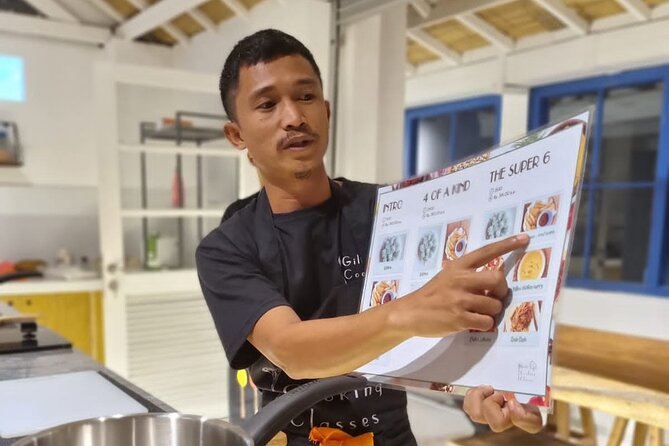
You can start daily at 11:30am, 4pm, and 7pm/8pm depending on season. The best move is to match the class length to your energy and food goals. If you’re short on time, the shorter class gives you a smart taste of Indonesian home-cooking. If you want to leave with the most skills, you’ll do better with the longer option.
Here are the three menu styles:
- Intro Course (3 dishes, ~1h30)
- Kelopon
- Fried tempeh + peanut sauce
- Fried noodles
- Four of a Kind (4 dishes, ~2h)
- Kelopon
- Fried tempeh + peanut sauce
- Fried noodles
- Yellow chicken curry
- The Super Six (6 dishes, ~2h30)
- Kelopon
- Fried tempeh + peanut sauce
- Fried noodles
- Yellow chicken curry
- Chicken taliwang
- Gado gado
Which one is best for you?
If you’re the type who wants to cook at home and actually remember the steps, go longer. The Super Six gives you more technique variety—sweet, fried, sauced, grilled/spiced-style, and vegetable-based salad. The shorter class is great if you just want a solid starter kit without committing extra time.
What You’ll Cook: Kelopon to Gado Gado (Real Dishes, Real Techniques)
This is where Indonesian cooking becomes more than a name on a menu. The dish list is built around flavors you’ll recognize, plus textures you may not be used to.
Kelopon sweets
Kelopon is part of every class option. You’ll learn how to make it as a sweet finish, and it’s described as burst-in-the-mouth in the kind of way that makes you want one more bite. Sweets in cooking classes are often an afterthought. Here, it’s consistently included, which tells you the class treats the full meal, not just savory food.






Fried tempeh with peanut sauce
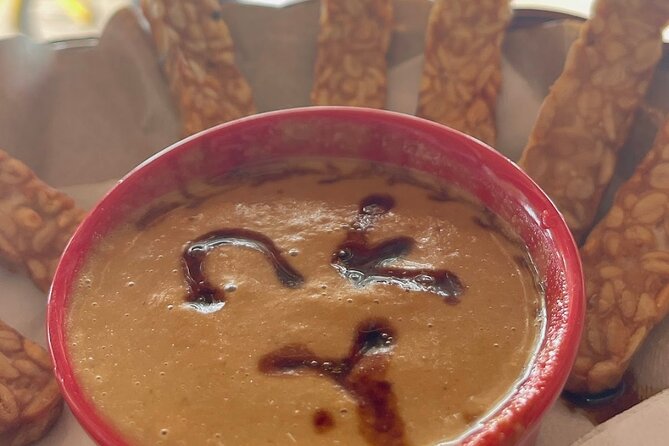
This is your crunch-and-sauce lesson. You’ll prepare fried tempeh, then pair it with a peanut sauce that ties the flavor together. Tempeh is one of Indonesia’s signature foods, and learning it here helps you understand how peanut-based sauces can balance richness and tang.
A practical win: if you go vegan/vegetarian, this is one of the dishes that still makes sense without chicken, because tempeh is already part of the plan.
Fried noodles
You’ll also make fried noodles. Expect a fast, technique-driven dish—high heat, timing, and sauce integration. Fried noodles are also one of the easiest “bring it home” recipes, because you’ll get to repeat the method later when you’re craving something satisfying on a weeknight.
Yellow chicken curry (and how curry gets structured)
In the 4-dish and 6-dish classes, you’ll cook a yellow chicken curry. Yellow curries are common across Indonesia, and cooking it helps you see how curry color and flavor are built—through spices, thickening elements, and how sauce clings to ingredients.
Chicken taliwang (the spice-and-sizzle lesson)
In the Super Six, the menu adds chicken taliwang. This is often the dish that feels most “special” to someone visiting Lombok and the Gilis, because it brings bolder spice personality. It’s a useful addition if you want to recreate a more regional Indonesian flavor at home, not just general classics.
Gado gado (vegetables that aren’t an apology)
Finally, the Super Six includes gado gado, the Indonesian vegetable salad with a peanut sauce backbone. You’ll learn how it comes together as a meal, not a side. It’s also a solid indicator of skill range: a dish like this demands balance—vegetables, sauce, and seasoning need to cooperate.
From Harbor Heat to the Feast: How the Class Really Moves
Here’s the flow you should expect, stripped of hype:
- Meet at Gili Cooking Classes in Gili Trawangan, next to Trawangan Dive on Jl. raya pantai trawangan, in Gili Indah.
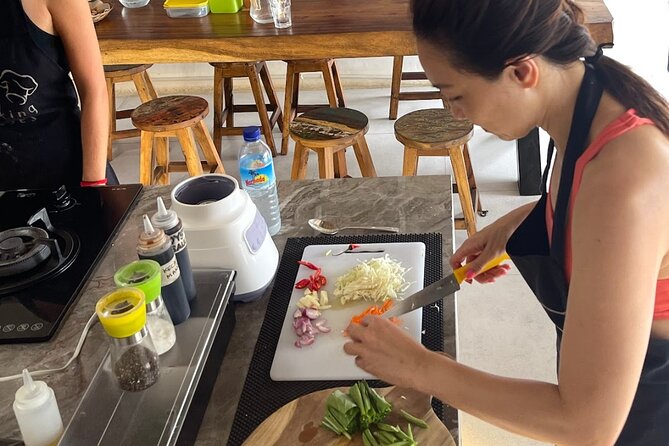
- You’ll cook in a guided setup with hands-on instruction. The kitchen is described as clean, and the class is organized even when it’s busy.
- As you make each dish, the chefs explain ingredients and where they come from, plus how to adjust cooking so it works for the ingredients you’re using.
- You finish by eating what you made. Meals are included: lunch and dinner are part of the package.
You’ll notice that the menu is built for “progressive complexity.” You start with items that teach foundational frying and saucing, then move toward curry and spice-driven dishes. That structure is why even beginners tend to leave confident.
Also, the class isn’t only cooking. Several reviews mention chatting with other participants in the group and laughing with the instructors. That matters in real life: cooking classes can be awkward when the tone is stiff, and this one sounds like it stays fun while still being well-run.
Dietary Needs: Vegan and Vegetarian Options That Don’t Feel Like a Compromise
This class is unusually clear about substitutions, and that’s a big reason it scores so well.
- Vegan/vegetarian swaps are supported.
- Chicken can be replaced with tofu/tempe.
- Vegan oyster sauce is available.
- The chefs can accommodate almost all dietary preferences.
That last line is important. Cooking classes often claim they can handle dietary needs, then quietly limit what’s possible. Here, the core dishes are adaptable. Fried tempeh, peanut sauces, tofu-based swaps, and vegetable-focused meals like gado gado are naturally compatible with many diets.
If you eat vegan or vegetarian, this is exactly the kind of class where you want your choices to be respected without you missing the main dishes.
Price and Value: What $33 Really Buys on Gili Trawangan
At $33 per person, the biggest question isn’t whether it’s “cheap.” It’s whether you’re getting enough food and instruction to justify the cost.
You are:
- The class runs about 1.5 to 2.5 hours, depending on the menu you choose.
- You get multiple dishes—3, 4, or 6—so you’re not paying for a single recipe.
- Meals are included (lunch and dinner), plus bottled water and free drinking water. Alcohol isn’t included.
- The cooking is small-group (max 10), so instruction time per person is higher than big group classes.
- Reviews say you receive recipes for what you cooked, which adds real long-term value.
If you compare it to eating Indonesian food day-after-day, this ends up being better value if you want a skill you can repeat later. If you only want a casual snack and don’t care about cooking, then it might feel like more effort than you need. But if you enjoy hands-on travel, it’s a strong use of your time.
Meeting Point and Timing: Getting There Without Stress
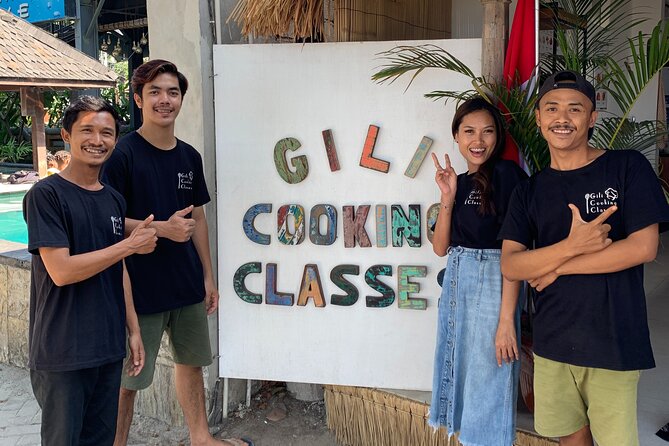
Start times vary by season, with classes offered daily at:
- 11:30am
- 4pm
- 7pm/8pm (low/high season difference)
Plan to arrive a bit early so you can settle in and get your apron situation sorted before cooking starts. The meeting point is clearly set: Gili Cooking Classes – Gili Trawangan, next to Trawangan Dive. The class ends back at the same meeting point.
Also note: tickets are mobile. That helps when you’re hopping around the island and don’t want to hunt for paper.
Quick Tips That Make This Class Go Smoother
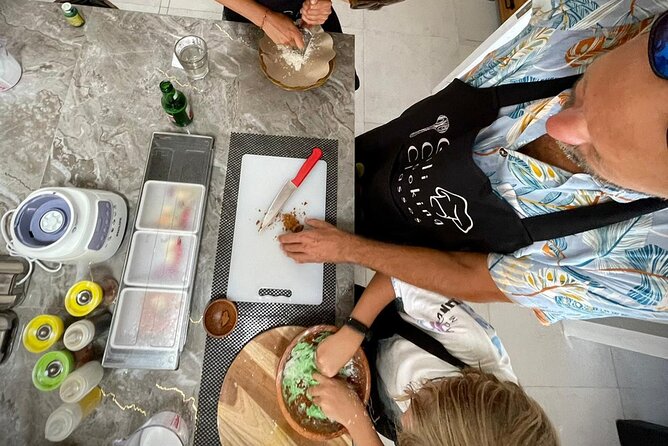
These are practical moves that fit what the class setup suggests:
- Wear light, breathable clothes. The kitchen can be hot, and you’ll be moving while cooking.
- Bring basic water discipline. Even though free drinking water is provided, you’ll feel better if you sip regularly instead of waiting.
- If you’re dietary-restricting, tell the team upfront. They’re set up for vegan/vegetarian swaps, but the more clearly you communicate, the smoother it runs.
- For take-home food, know there’s an optional take-away box for a small extra fee.
One more small consideration from a review: ingredient amounts may be pre-measured for convenience. The class is still hands-on, but if you’re the type who learns by doing every exact measurement, mentally prepare for guided dosing rather than completely DIY measuring.
Who Should Book Gili Cooking Classes Trawangan?
This class fits best if you:
- Want a real taste of Indonesian food made in an authentic style
- Love learning methods you can recreate at home
- Enjoy interacting with chefs and other small-group participants
- Prefer a structured cooking experience over wandering a market and hoping you can copy recipes later
It’s also ideal for couples or small friend groups because the experience is intimate, and you’ll likely get plenty of attention while cooking.
Should You Book This Cooking Class?
Yes—if you want Indonesian cooking you can actually repeat later. The mix of dishes (sweets, fried items, noodles, curry, vegetable salad, and a regional chicken option) means you’ll learn several techniques, not just one.
Book the Super Six if you want the most value and variety. Choose the Intro Course if you’re short on time but still want a confident starter set.
Skip it only if you don’t want hands-on cooking or you’re hoping for an all-day sit-down food tour with minimal effort. This is work in the best way: you leave fed, with skills, and with recipes you’ll use.
FAQ
What’s the typical duration of the class?
The class is listed as approximately 2 hours, but there are options by course length: 1h30 (3 dishes), 2h00 (4 dishes), or 2h30 (6 dishes).
What dishes do I cook in the Intro Course?
The Intro Course includes 3 dishes: kelopon, fried tempeh with peanut sauce, and fried noodles.
What dishes do I cook in the Four of a Kind class?
Four of a Kind includes 4 dishes: kelopon, fried tempeh with peanut sauce, fried noodles, and yellow chicken curry.
What dishes are included in the Super Six?
The Super Six includes 6 dishes: kelopon, fried tempeh with peanut sauce, fried noodles, yellow chicken curry, chicken taliwang, and gado gado.
Are vegetarian or vegan diets accommodated?
Yes. The chefs can accommodate vegetarian and vegan diets by replacing chicken with tofu/tempe, and using vegan oyster sauce.
How many people are in the class?
The class has a maximum of 10 travelers, which keeps the instruction more personal.
What’s included in the price?
The price includes bottled water (and free drinking water), plus lunch and dinner.
Is alcohol included?
No. Alcoholic beverages are not included. Water is provided.
Is there an option to buy a take-away box?
Yes, take-away boxes are available for $0.30 per box and are not included in the base price.
Can I cancel for a full refund?
Yes. You can cancel up to 24 hours in advance for a full refund. If you cancel within 24 hours of the start time, there’s no refund.