There’s nothing ordinary about watching dolphins at sunrise. This North Bali day blends a calm morning boat ride in Lovina with dolphin swimming in the ocean, then cool-down stops at Banyumala Waterfall and Ulun Danu Bratan Temple.
I really like two parts here: the chance to see dolphins close up while still keeping a respectful standard distance, and the way the itinerary pivots from ocean energy to rainforest cool-off with a real waterfall swim.
One thing to plan for: timing can shift. Weather can affect the dolphin window, and traffic can stretch a “7–10 hour” plan into a longer day, so keep your afternoon flexible.
In This Review
- Key moments I’d plan around
- Lovina Beach sunrise: why this morning start matters
- Dolphin watching with a standard distance, plus the swim step
- What if the dolphins don’t show up?
- Snorkeling after the dolphins: coral time without feeling rushed
- Banyumala Waterfall: photos, walk, then a real swim
- A practical note
- Ulun Danu Bratan Temple: the lake view you came for
- Price and value: what $57 actually buys you
- How the schedule really works on North Bali roads
- Who will love this tour (and who should skip it)
- What to bring: the simple kit that saves the day
- Should you book North Bali: Dolphin, Ulun Danu Temple, & Banyumala Waterfall?
Key moments I’d plan around
- Early Lovina sunrise boat: you’re on the water before the heat, with the best light for photos.
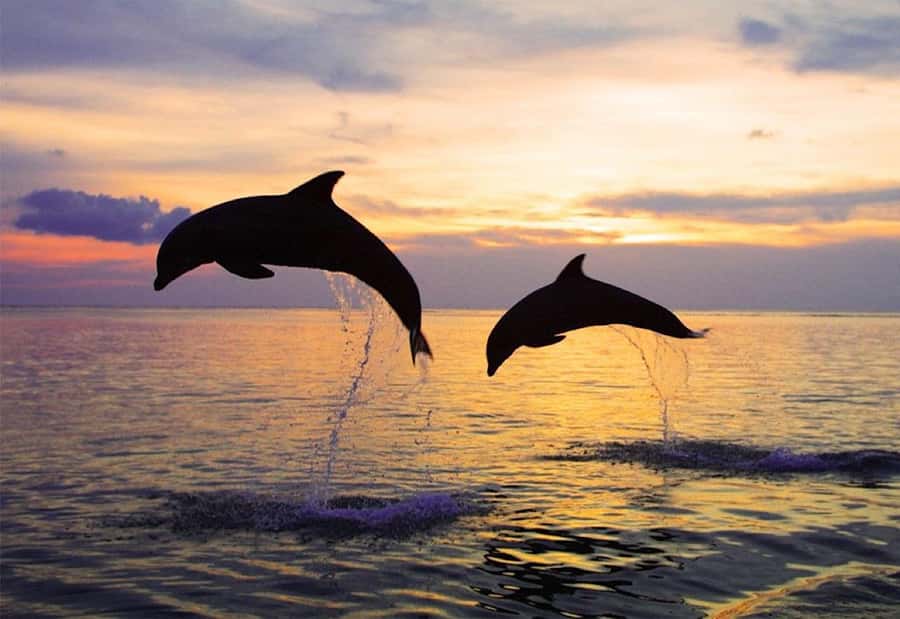
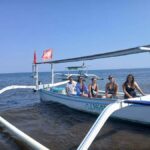
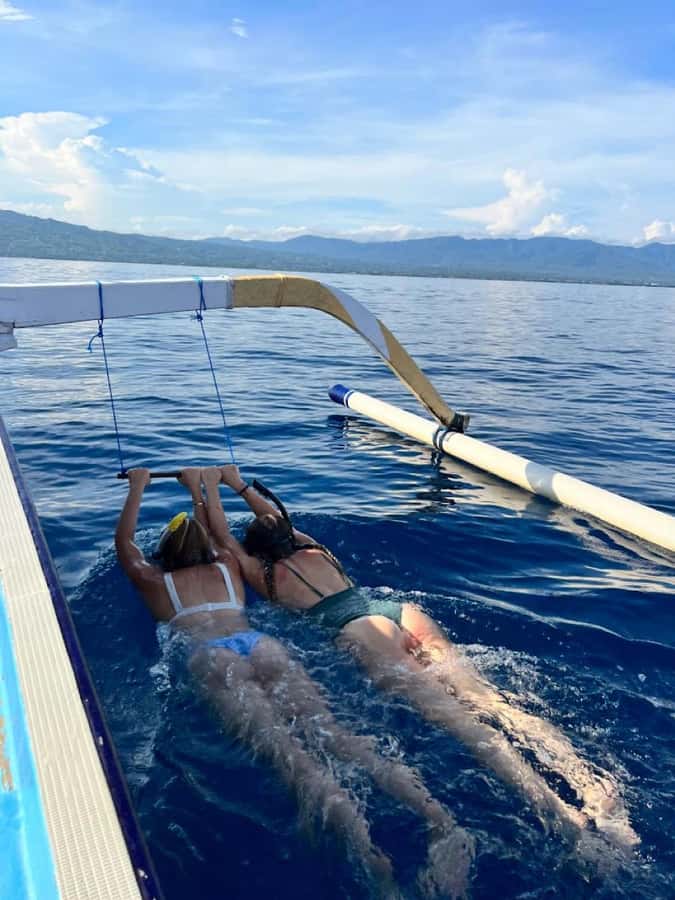
- Dolphins, then a controlled swim: you hold the wooden bar on the boat and can watch them underwater.
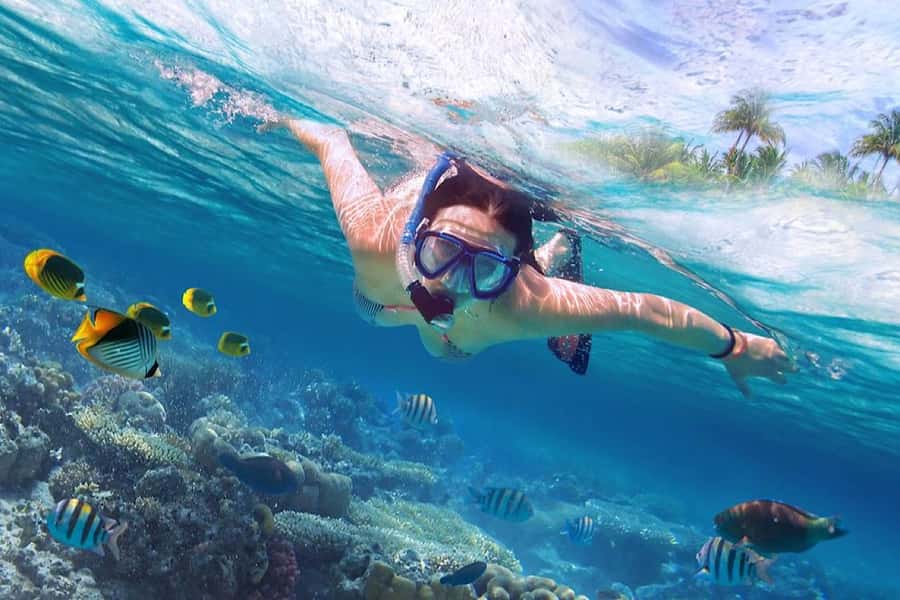
- Snorkeling right after: coral and colorful fish while you’re still in “ocean mode.”
- Banyumala Waterfall swimming: photo stops plus a walk, then a natural pool refresh.
- Ulun Danu Bratan Temple on the lake: iconic temple views for your camera roll.
Lovina Beach sunrise: why this morning start matters
Lovina is famous for dolphins, but the real win is the timing. You’re picked up in North Bali (or nearby areas), then head to Lovina early enough to chase sunrise from a boat out on the ocean. Starting before the day gets hot means you get better light for photos and a calmer vibe than later cruises.
On the boat, you’ll be in that slightly hushed, expectant mood—because dolphins are wild animals and sightings aren’t guaranteed. The operators build the trip around patience: you watch the water, scan for fins and splashes, and then you’re ready when the dolphins show up.
The ride itself is typically smooth enough for most people, but you should take the “public ocean” seriously. If you’re prone to motion sickness, the tour notes say to take seasick pills before you go. That advice isn’t just for safety—it helps you actually enjoy what you came for.
You can also read our reviews of more tours and experiences in Lovina.

Dolphin watching with a standard distance, plus the swim step
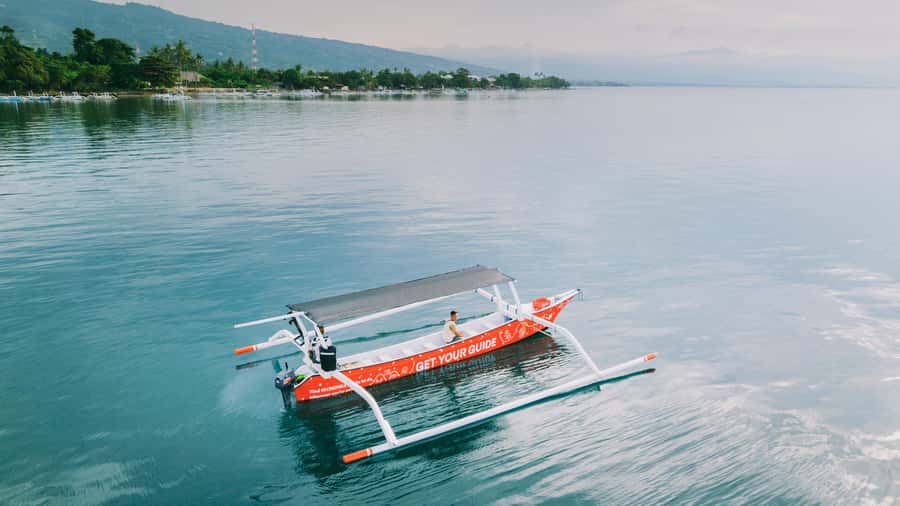
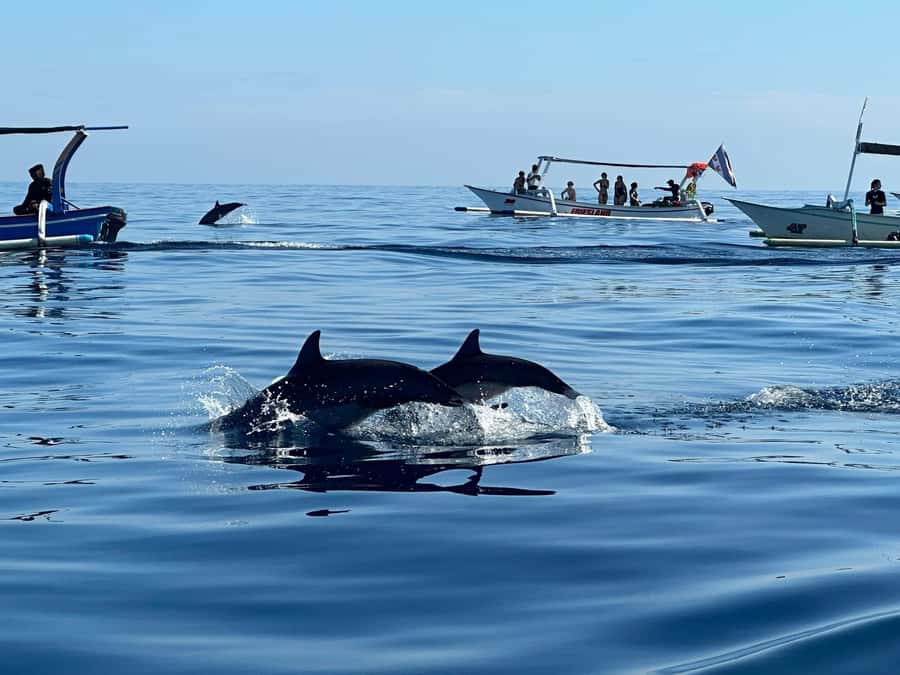
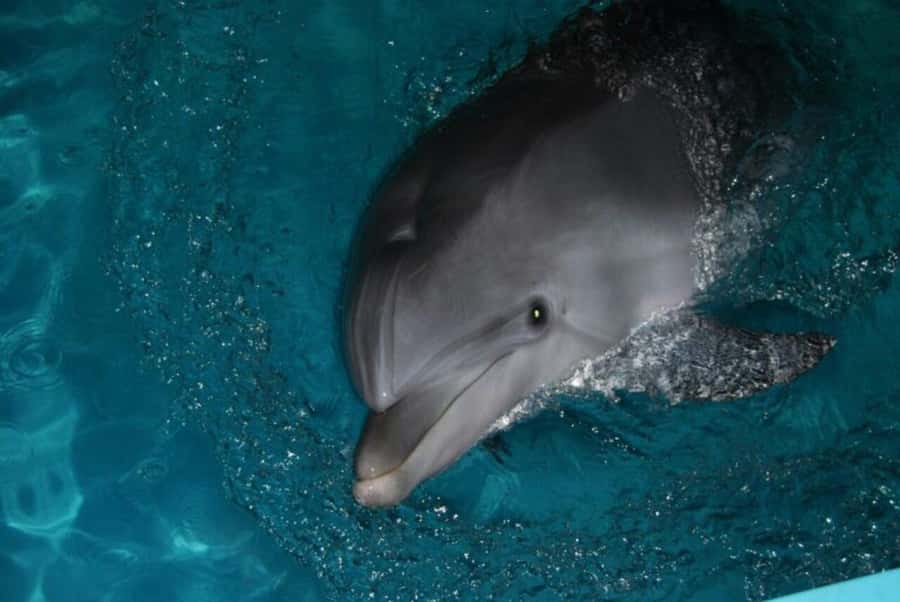
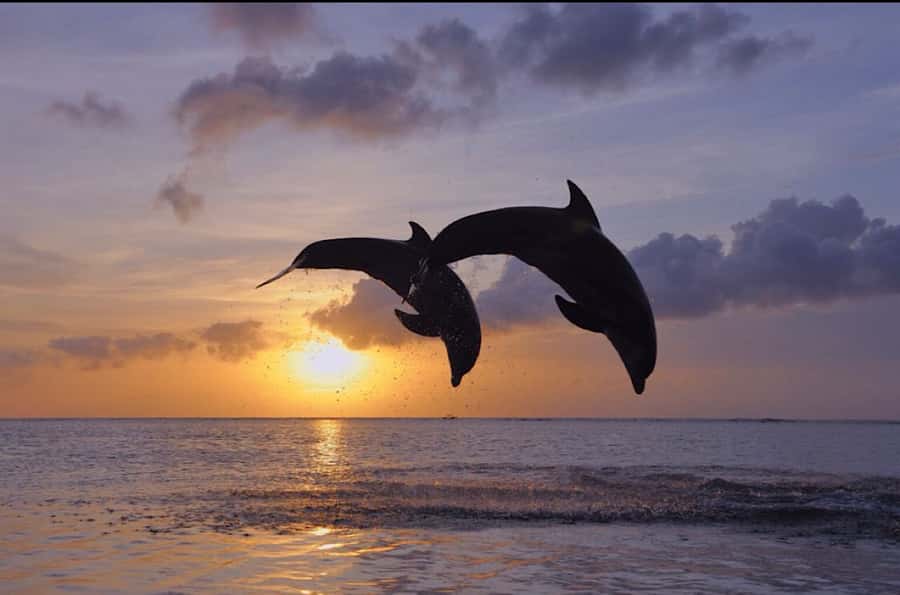
This is the headline act: dolphins jumping and swimming near your boat. The most important detail for me is how the experience is framed—there’s an emphasis on being respectful with animals and keeping a standard distance. That matters because dolphin watching can turn into crowding in the wrong hands. Here, the expectation is clear: enjoy the encounter without treating dolphins like a theme-park ride.
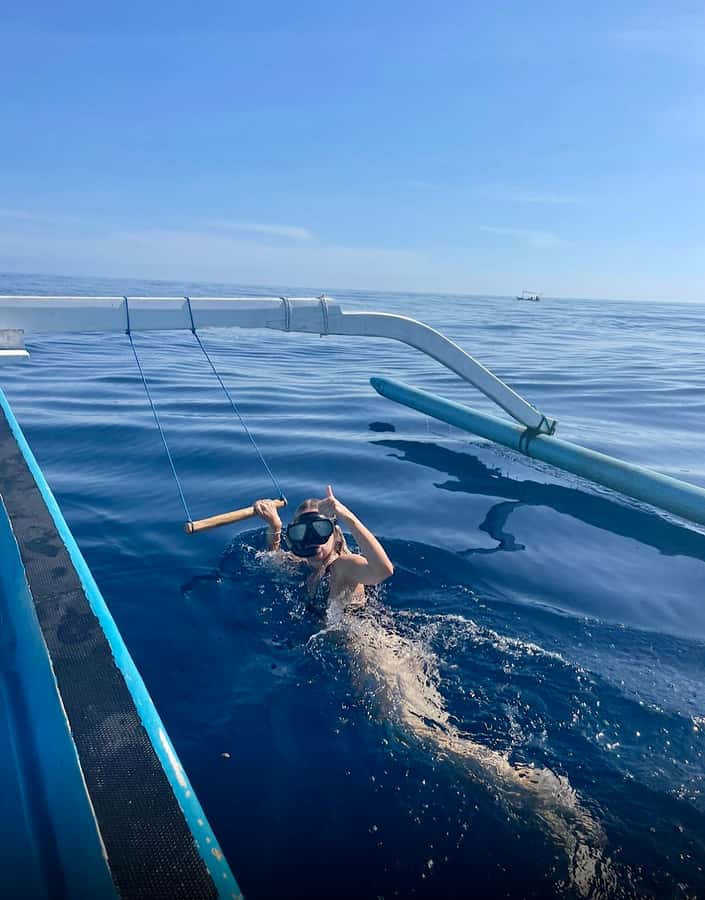
Once you’re lucky enough to spot them, you’ll get the best kind of interaction: you don’t just watch from the deck. The boat tour includes time to swim alongside the dolphins. You hold onto a wooden bar attached to the boat—this is a big practical help. It keeps you stable in the water and makes it easier to focus on what’s happening beneath the surface.
Even better, you’ll be encouraged to help with spotting. When dolphins appear underwater, your captain or guide may ask you to point out where you’re seeing them. It turns “spectator mode” into active participation—and that usually makes the memory stick.
Swimming with dolphins can also be emotional for obvious reasons. The day’s pacing helps, too. You see them first, then swim, then you move on rather than dragging out the moment. People who want a once-in-a-lifetime experience usually feel satisfied after this portion because it’s concentrated and well-timed.
What if the dolphins don’t show up?
Weather can shut down the dolphin part, and the tour information notes the schedule is subject to changing conditions. In at least one case, the plan was replaced with a visit to rice terraces. The key is that you’re not stuck in limbo—you still get an experience, even if it’s not the exact dolphin script.
Snorkeling after the dolphins: coral time without feeling rushed

After the dolphin portion, the captain takes you to a snorkeling spot. This isn’t a vague add-on. It’s built into the day, with time to relax, float, and look for coral and colorful fish.
This is smart sequencing. You’ve already been in the water, so your body isn’t shocked by the next step. You also tend to snorkel with better attention because you’re warmed up by the morning’s activity—mentally and physically.
Still, plan realistically:
- You’ll want your swimwear and sunscreen ready.
- You may get wet on the boat before you even think about snorkeling.
- If you hate gear stress, keep things simple and rinse-off quickly when you can.
The tour includes a life jacket for the boat time, which helps a lot for comfort—especially if you’re not a strong swimmer. Snorkeling quality depends on conditions, but the point of this part is clear: you get ocean wildlife viewing beyond the dolphins.
Banyumala Waterfall: photos, walk, then a real swim
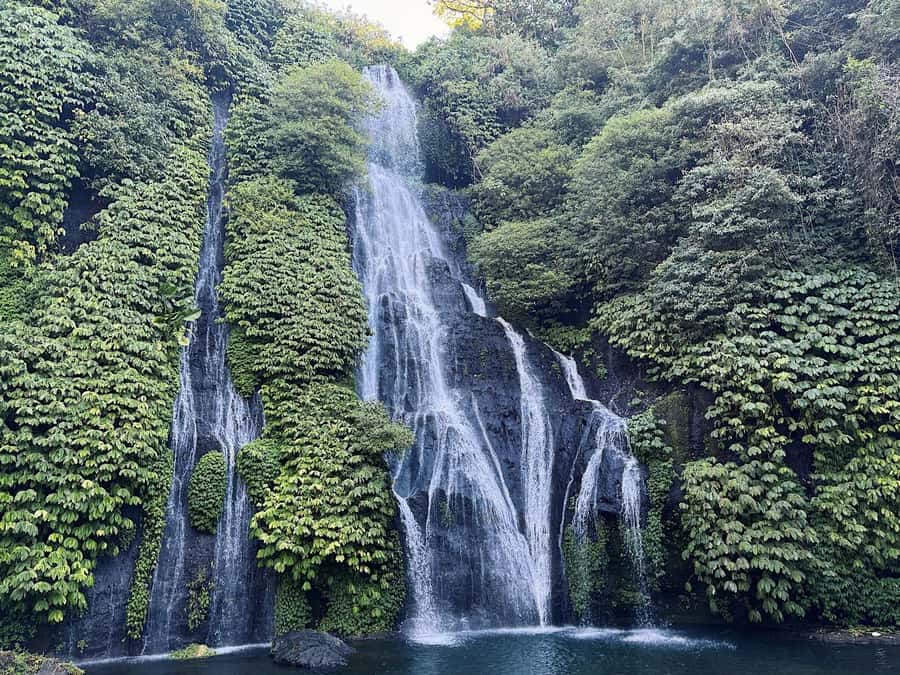
Once the ocean portion ends, the day shifts to green, wet, and cooler air—Banyumala Waterfall. You’ll stop for photos first, then do a walk that leads into swimming time in a natural pool.
What makes Banyumala work in this tour is the contrast. After saltwater and sun, you get fresh water and a change of scenery that feels like North Bali’s rainforest side. The walk is part of the fun, but it’s also your “transition time” from boat rhythm to land rhythm.
Swimming here is the payoff. The waterfall pool can feel refreshing in a literal sense: it gives you a break from the sun and helps you reset before the temple stop. Even if you’re not a hardcore waterfall hiker, the time allotted is enough for a swim-and-photo cycle without turning it into a full-day trek.




A practical note
Waterfall areas can be slippery. Wear what you can move in, and if the guide offers a hand or points out footing, listen. It’s not about being dramatic—it’s about keeping the day smooth.
Ulun Danu Bratan Temple: the lake view you came for
Ulun Danu Bratan Temple is one of those sights that looks like a postcard the moment you see it. The tour plans a photo stop and time to visit the temple, with the iconic background of the temple appearing to float on the lake.
This stop has a cultural side, not just a photography side. An English live guide is included, and multiple guides highlighted how they explain Balinese Hindu culture and the meaning behind what you’re seeing. If you like understanding what’s behind the view, this is the moment for it.
You’ll also appreciate how this temple slot fits the day. You finish swimming and walking, then shift into a slower-paced viewing time. It’s a good reset before you head back.
For your camera: show up ready to shoot. The temple view is especially memorable because the lake and temple sit together as part of the composition, not as separate “stops.”
Price and value: what $57 actually buys you
At $57 per person for a roughly 7–10 hour day, the value comes from the mix of experiences and what’s included.
You’re paying for three costly building blocks:
- A boat tour (with life jacket support).
- Entrance tickets for the stops.
- Pickup and drop-off from the Bali area, plus a live English guide.
On top of that, you get mineral water and coffee or tea with a Balinese snack at the basecamp. Travel insurance is included too. That combination matters, because it reduces the “extra pay” feeling that some tours create.
The main extra is lunch. It’s not included unless you choose an add-on. Some optional meals have been traditional Balinese food in local spots, and people who added lunch said it was worth it—especially when the schedule is full and you don’t want to hunt for food mid-route.
Tips are optional, and that’s typical, but I’d factor in a small budget if your guide and driver go out of their way to help you enjoy the day.
How the schedule really works on North Bali roads
Even with a set itinerary, the day can stretch. The tour notes are honest about it: pickup location and traffic can add time, and weather can change the sequence. That’s normal in Bali, but it still matters for planning.
The upside is that the itinerary isn’t just one stop after another. It has a rhythm:
- Morning: Lovina sunrise + dolphins
- Midday: snorkeling then waterfall
- Later: temple
- End: return to Bali area hotels
Also, you’re not left guessing where you’ll meet people. The team contacts you at least 12 hours before via WhatsApp or email to confirm pickup. When pickup happens, you’re asked to wait in the hotel lobby about 15 minutes before your scheduled time.
In real terms: keep your morning unbooked and your afternoon flexible. If you’re the kind of person who hates uncertainty, this day might still be worth it—but plan your next commitment carefully.
Who will love this tour (and who should skip it)
This tour fits best if you want a day that blends wildlife, water, and culture without needing extra planning on your end.
You’ll probably enjoy it most if:
- Dolphins are your priority, not just a bonus photo.
- You’re comfortable swimming with support (life jacket on the boat; holding the wooden bar during the dolphin swim).
- You like a packed day where each stop has a clear payoff: sunrise viewing, snorkeling, waterfall swim, temple photos.
It’s not suitable for wheelchair users, people with epilepsy, or those over 95 years old. Also, alcohol and drugs are not allowed.
If you easily get seasick, take the recommended seasick pills before the activity starts. Don’t wait until you feel awful on the boat.
What to bring: the simple kit that saves the day
The tour’s packing list is straightforward, and I agree with it. Bring:
- Sunglasses and a sun hat
- Swimwear and a towel
- Sunscreen
- Cash
And I’d add one personal pro tip: bring any motion-sickness solution you use regularly, even if the operator recommends pills—because your body, your choice. Also consider a small dry bag for your phone and keys. This kind of day tends to involve plenty of splashes.
Also note: toilets may be basic in some areas, and you might find yourself without beach-style bathroom breaks during boat time. Plan for that mindset so you don’t feel stressed later.
Should you book North Bali: Dolphin, Ulun Danu Temple, & Banyumala Waterfall?
Book it if you want one day that really earns its spot on a Bali trip. The dolphin portion is the big draw, and the swim step—plus the chance to see dolphins underwater—turns it from a drive-by sight into an experience you’ll remember long after the saltwater smell fades.
I’d skip or reconsider if:
- You hate being on a boat in open water or you know you get seasick fast.
- You’re looking for a slow, easy, no-surprises day. Timing can shift with weather and traffic.
- You don’t want any swimming. There’s swimming at both the dolphin encounter and the waterfall.
If you’re excited about wildlife, water time, and temple views, this is strong value for the money—especially because pickup, guide, entrance tickets, boat support, water, and insurance are already built in.