Waterfalls, weaving, and rice terraces in one day. This Lombok private tour is interesting because you get two Benang waterfalls plus a cultural stop in Sukarara, without spending the whole day on logistics. I especially like the chance to experience Benang Kelambu as a true jungle waterfall moment, and the woven fabric craft in Sukarara where local women shape textiles the traditional way. One consideration: it is not ideal if you have back issues, and the waterfall areas can be slippery and wet.
I like that the day starts with pickup from Lembar, Mangsit, or Koeta, so you can focus on the scenery instead of hunting for rides. You’ll also travel with a live English guide who explains what you’re seeing along the way, not just where to stand for photos. Another small thing to plan for: food and drinks are not included, so you’ll want to handle that on your own.
You’ll spend time on a panorama walk at Aik Berik with rice terrace views and local farming activity before you head into the cooler, wetter waterfall zones. One more practical point: bring sunscreen and a hat, because parts of the day are out in the sun before the jungle shade kicks in.
In This Review
- Key highlights to know before you go
- Two waterfalls plus real craft: the appeal of this Lombok day
- Pickup from Lembar, Mangsit, or Koeta: easy start, plan for a full day
- Aik Berik rice terraces: a panorama walk that sets the mood
- Sukarara weaving village: see cloth-making up close
- Benang Kelambu waterfall: bigger water, jungle atmosphere, time to linger
- Benang Setokel / Benang Stokal: the 20-meter walk-under moment
- How the local guide shapes the day (and why that matters)
- Price and value: is $57 per person worth it?
- What to bring for waterfall + terraces (this matters)
- Who should book this private Lombok tour?
- Should you book it? My practical decision guide
- FAQ
- How long is the Lombok private tour?
- What does the tour price include?
- Where are the pickup and drop-off locations?
- Is the tour private or shared?
- What language is the guide?
- How long are the main stops?
- Are meals included?
- What should I bring?
- Is the tour suitable for wheelchair users or people with back problems?
- When should I go?
Key highlights to know before you go
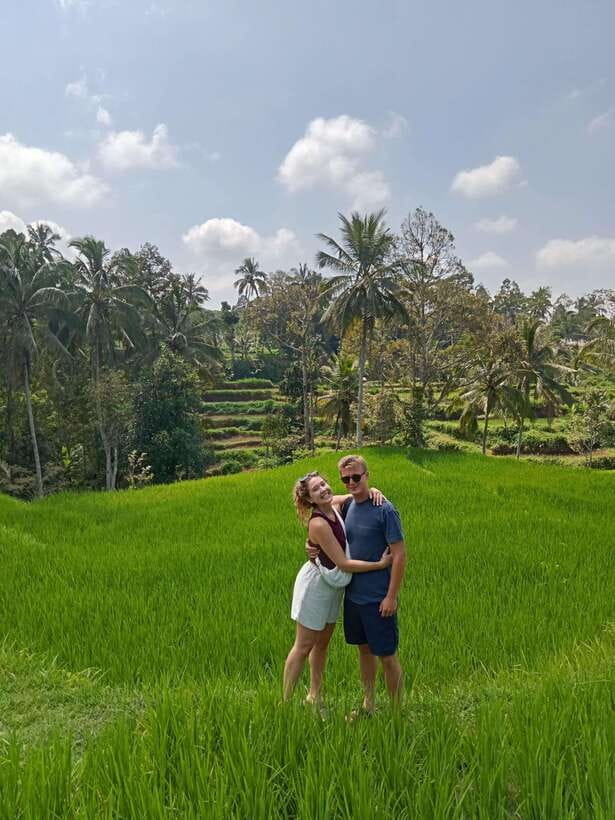
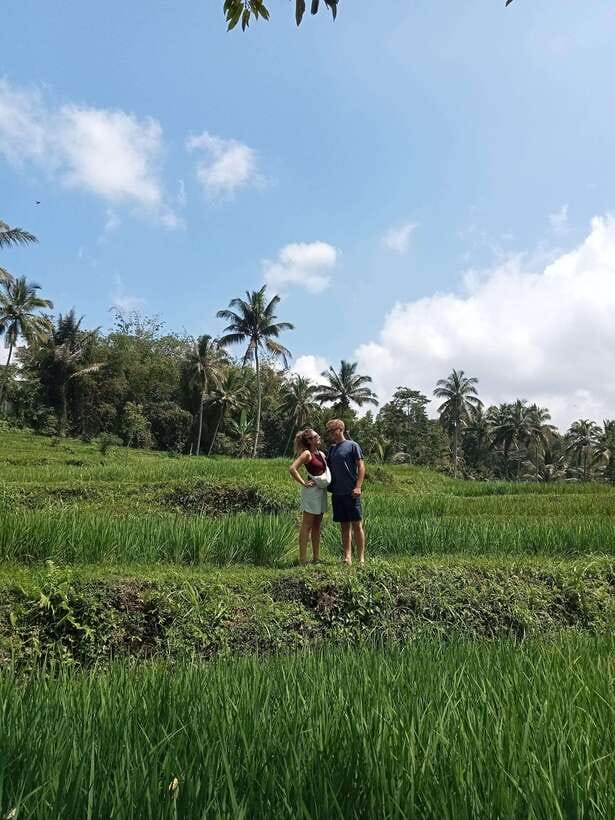
- Rice terraces at Aik Berik on a panorama walk with views over active farming
- Sukarara weaving village visit (about 1.5 hours) to see traditional cloth-making
- Benang Kelambu waterfall stop (about 2 hours) with time to take it all in
- Benang Setokel / Benang Stokal waterfall (about 1 hour) and a guided walk in the water setting
- Private group with an English live guide, plus hotel pickup and drop-off from Lembar, Mangsit, or Koeta
- Skip-the-line access for tickets, so you lose less time waiting around
Two waterfalls plus real craft: the appeal of this Lombok day
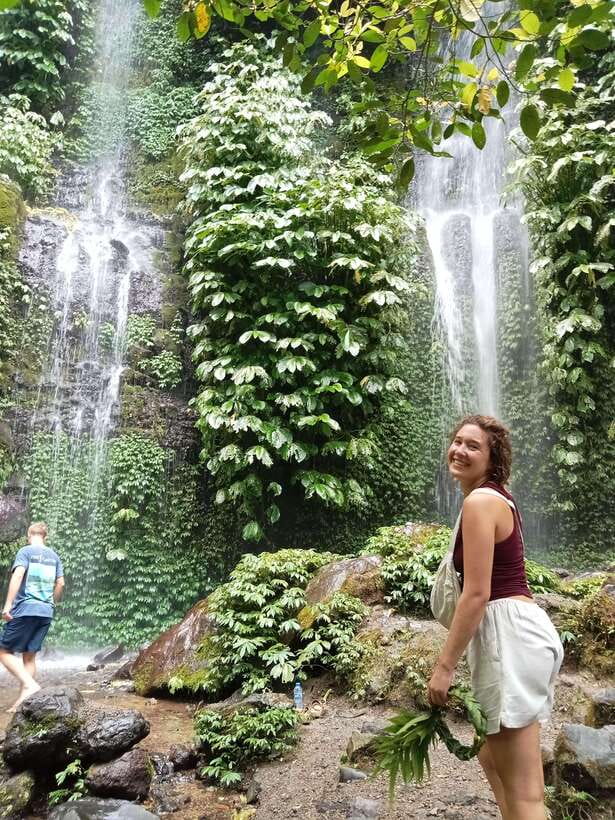
What makes this tour work for a full day is how it mixes nature and culture in a way that feels balanced, not rushed. You start in farmland country, move into weaving culture, then spend your time in waterfall jungle settings where the air feels cooler.
I like that the waterfalls are the main event, but they’re not the only event. The rice terrace stop at Aik Berik helps you understand how the region lives and works, and Sukarara gives you a human thread to follow through the day. If you’ve had your fill of “see a temple, take a photo, move on,” this has a more grounded feel.
The best part for many people is timing. You get multiple hours at the waterfall sites, not just a quick look from the edge. That makes it easier to enjoy changing light, and it also gives you a bit of breathing room if you want photos without feeling like you’re sprinting between points.
You can also read our reviews of more tours and experiences in Kuta.

Pickup from Lembar, Mangsit, or Koeta: easy start, plan for a full day
This is a true private day trip. That matters because you aren’t sharing the van with strangers, and your guide can shape the day around your pace. Pickup options are practical too: Lembar, Mangsit, or Koeta, with drop-off in the same areas at the end.
Starting times vary, so you’ll want to check what’s available for your day. Expect a full-day rhythm: travel between stops, guided time at each site, and enough movement that you’ll feel it by the end. This isn’t a sit-and-smile half tour.
Also remember: food and drinks are not included. I suggest planning for a snack or budgeting for a meal during the day, because you’ll be active—walking on uneven ground, standing around viewpoints, and spending time near moving water.
Aik Berik rice terraces: a panorama walk that sets the mood

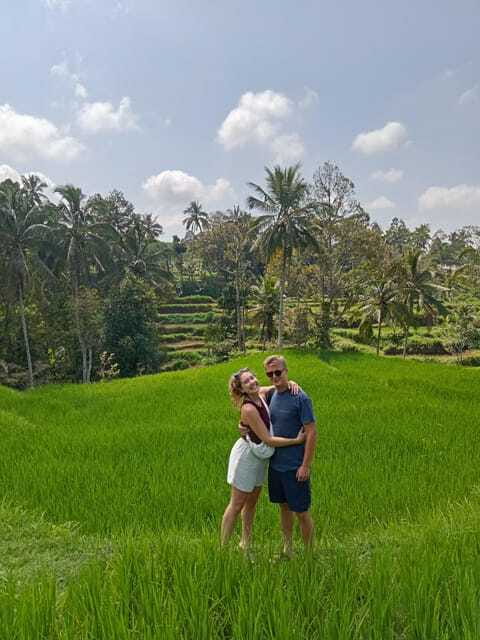
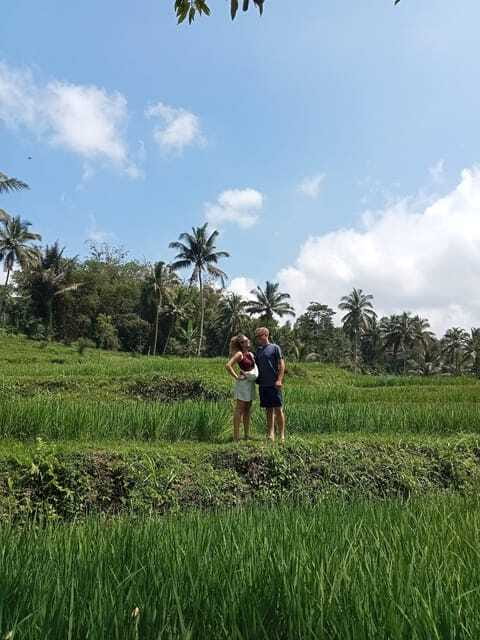
Aik Berik is the quiet warm-up before the waterfalls. You’ll do a panorama walk and see rice terraces with local farming activity. Even if you’ve seen rice fields before, this kind of stop usually feels more real because you’re looking at farmland that’s actively being worked, not just a scenic background.
Why I like this part: it gives your brain a “place” before the water spectacle. After the rice terraces, the waterfall walk feels more dramatic because you’ve already seen how the area’s agriculture and water systems connect.
Timing is also a good sign. You’re not given just a quick drive-by. You’ll have time to look around, take photos, and get a feel for the terrain.
Practical note: rice terrace areas can mean uneven paths and steps. Comfortable shoes with decent grip are the difference between relaxed walking and constant caution.
Sukarara weaving village: see cloth-making up close
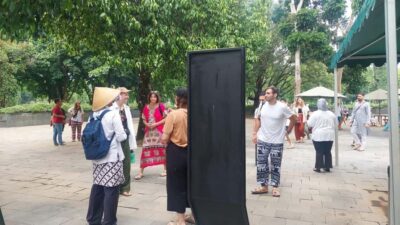
Sukarara is where this tour turns from scenic to meaningful. You’ll visit a weaving village and spend about 1.5 hours there, specifically to watch local women weaving traditional fabrics.
This is one of the most praised parts of the day, and it makes sense. When you see weaving done in person, you can’t help noticing how much skill sits behind what looks like a simple pattern. It’s slower than browsing a shop, and it’s more personal because you’re watching the process.
You’ll also get a sense of how the area’s traditions connect to daily life. If you’re the type who likes to buy less but buy with a story, this stop is a strong match. Even if you don’t buy anything, you’ll leave with a clearer picture of what the textiles represent.
A small tip: go in with curiosity. Ask your guide what you’re seeing as the threads and patterns build. That’s where the visit stops being just visual.
Benang Kelambu waterfall: bigger water, jungle atmosphere, time to linger
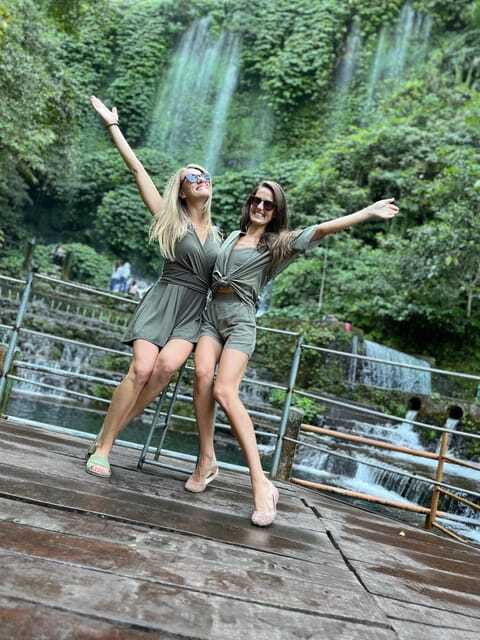
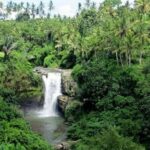
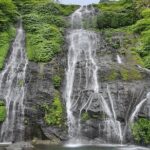
Benang Kelambu is the waterfall stop where the jungle feeling is front and center. You’ll spend about 2 hours here, which is a gift. With that kind of time, you can take photos from different angles, watch the water flow, and enjoy the fact that the area is alive with plants and shade.
In rain, the waterfall mood can change fast. Waterfalls tend to look better when the air is humid and the flow is strong, and this one is no exception. If you’re flexible on weather expectations, you’ll probably appreciate the site even more because the surrounding greenery looks fresh and the sound of water fills the area.
What to watch for: paths near waterfalls can be slick. Your photos will look better too if you slow down and pick sure footing rather than rushing.
Bring your camera, but also bring patience. Two hours means you don’t have to feel that you’re rushing to grab one perfect shot before moving on.



Benang Setokel / Benang Stokal: the 20-meter walk-under moment
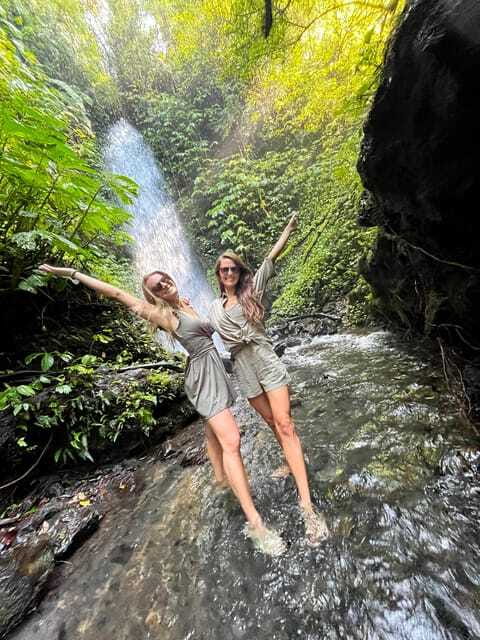
The other major waterfall stop is Benang Setokel, also referred to as Benang Stokal. Plan for about 1 hour here, and it’s guided—so you’re not guessing where to go or what to focus on.
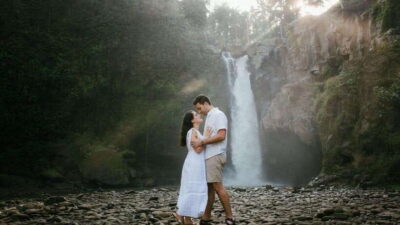
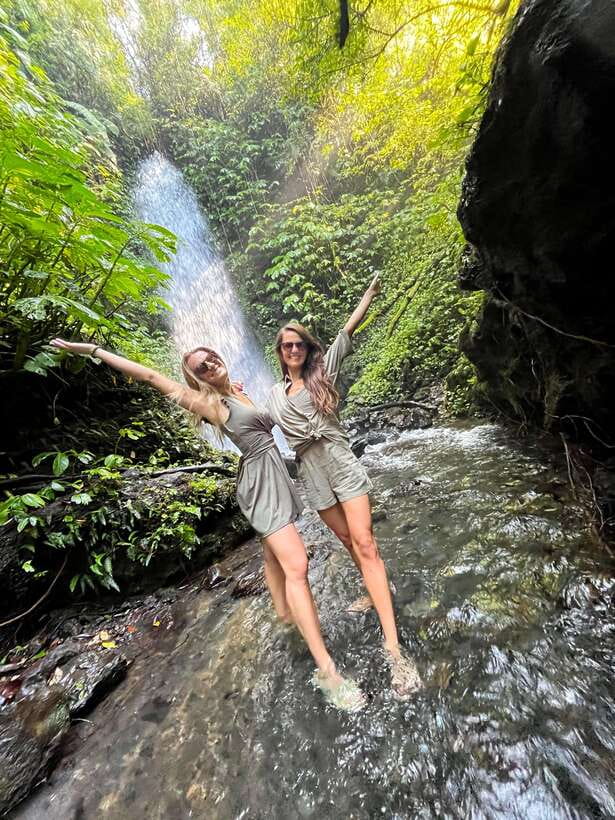
One standout detail here is the height: fresh water falls from around 20 meters through a steep rock face. That’s a huge difference from small falls you can just step around. The water comes down with enough force to change the air temperature and the feel of the area around you.
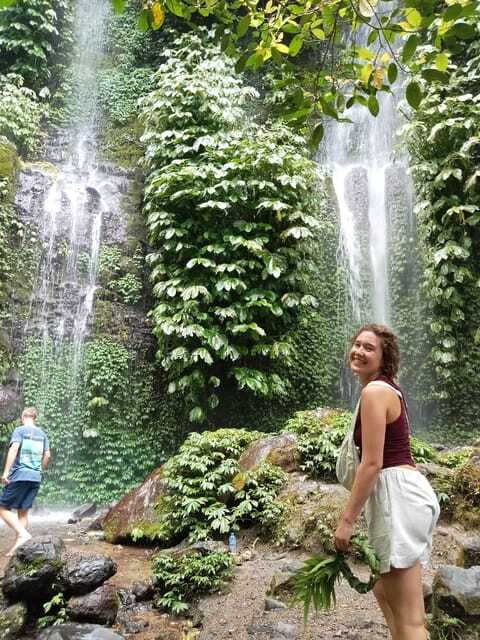
There’s also a unique feature to this setting: vegetation including moss forms lush green walls, and there’s a small valley area where bathing is part of the experience. You may even feel the cool mist on your face while you’re moving through the area, which can be a welcome break after rice terraces and travel.
If you’re comfortable with a little wet walking, this becomes a highlight of the day. If not, treat it as a “see and listen” stop, and stick to viewing areas that feel safe. Either way, the waterfall itself does most of the work.
How the local guide shapes the day (and why that matters)
You’re not just handed a route. The tour runs with a local guide who explains what you’re seeing as you go, including history of the area. That transforms the stops from checklists into a connected story.
One example from the guide experience shared by a previous participant: the guide, Andi, talked about life on Lombok during the drive and led a visit to a weaving mill where women wove shawls. That kind of context—how people live, work, and maintain traditions—makes the day feel less like tourism and more like understanding.
Also, private format helps here. You can ask follow-up questions without feeling like you’re slowing down a big group.
Price and value: is $57 per person worth it?
At about $57 per person, the value is mostly in what’s included. This price covers hotel pickup and drop-off, a local guide, visits to the rice terrace area, Sukarara weaving village, and both waterfalls. It also includes skip-the-ticket-line access, which saves time on day trips when every minute counts.
Where the price doesn’t cover your comfort: food and drinks. You’ll want to budget for a meal or snacks so you’re not making decisions under pressure. That’s the main trade-off I see in the provided details.
Compared to piecing things together yourself, the upside here is time and confidence. You don’t need to arrange guides for each stop or figure out how to move between locations efficiently. For one day, that matters a lot—especially when the sites involve walking and uneven ground.
What to bring for waterfall + terraces (this matters)
Bring comfortable shoes. You’re walking on paths that can get wet, and you may end up near mist or damp rock surfaces. Plan for sun exposure before the waterfalls, and then plan for shade and cool air once you reach the jungle water setting.
Here’s what the tour guidance recommends:
- Comfortable shoes
- Hat
- Camera
- Sunscreen
- Water
If you only remember one thing: wear shoes you trust on slick terrain. That’s your best quality-of-life upgrade for this kind of day.
Who should book this private Lombok tour?
I think this tour is a good fit if you want a one-day blend of nature and cultural making without building your own schedule from scratch. It’s especially suitable for:
- People who like waterfalls but also want a cultural anchor in the same day
- Travelers who enjoy walking at a comfortable pace and taking photos
- Anyone who prefers an English live guide rather than wandering on their own
It’s not a great match if you have back problems or if wheelchair access is needed. Since the tour includes walking around waterfalls and terrace paths, mobility matters here.
If you’re the kind of traveler who thinks the best souvenirs come with context, the Sukarara weaving stop will likely be more satisfying than a standard shop visit.
Should you book it? My practical decision guide
Book this tour if you want one day that feels full but not chaotic: rice terraces to set the tone, Sukarara weaving to connect with local tradition, then two Benang waterfalls with enough time to actually enjoy them. The private group format and English guide are also strong reasons to choose it, because you’ll get explanations rather than just destinations.
Skip it if you’re mainly chasing a relaxed, minimal-walking day. The waterfall areas and terrace paths mean movement, and the tour isn’t designed for wheelchair access or for travelers with back problems. Also, if you hate planning meals on the go, remember food and drinks aren’t included.
If you can handle a wet, active day and you’ll appreciate both nature and craft, this is a smart way to spend your time in Lombok.
FAQ
How long is the Lombok private tour?
It runs for 1 day.
What does the tour price include?
The price includes hotel pickup and drop-off, a local guide, rice terrace visit, visits to Benang Setokel and Benang Kelambu waterfalls, and a visit to Sukarara traditional village.
Where are the pickup and drop-off locations?
Pickup and drop-off are available at Lembar, Mangsit, and Koeta.
Is the tour private or shared?
It’s a private group tour.
What language is the guide?
The live tour guide is available in English.
How long are the main stops?
You can expect about 1.5 hours in Sukarara weaving village, about 2 hours at Benang Kelambu waterfall, and about 1 hour for the guided visit at Benang Stokal (Setokel).
Are meals included?
No. Food and drinks are not included.
What should I bring?
Bring comfortable shoes, a hat, a camera, sunscreen, and water.
Is the tour suitable for wheelchair users or people with back problems?
No, it is not suitable for wheelchair users or people with back problems.
When should I go?
Starting times depend on availability, so check the available times before you book. The tour runs as a 1-day schedule.