Early light over Java can be magic.
This trip strings together Borobudur climb and the Prambanan + Sewu temple complex, with an optional sunrise at Setumbu Hill to kick off the day. I like how it’s not just photos at the edges; you move through the sites and get close to the details. One thing to watch: if the sky is clouded or rainy, the sunrise view from Setumbu Hill may not be what you hoped for.
I also appreciate the pacing. You get a real temple experience—Buddhist artwork, Hindu architecture, then that easy-to-get-lost feeling inside the Prambanan grounds. The day runs long enough to feel satisfying, but not so long that you’re constantly rushing.
Finally, the structure is built for comfort. Pickup and drop-off, an air-conditioned car, mineral water, and an English-speaking driver keep things practical, especially when you’re starting early and walking a lot of steps.
In This Review
- Key things to know before you go
- Setumbu Hill Sunrise: what to expect when the sky behaves (or doesn’t)
- Climbing Borobudur: walking the terraces instead of just taking pictures
- Borobudur reliefs and Buddha statues: how to make sense of the artwork
- Prambanan’s ShivaGraha: stepping into 9th-century Hindu architecture
- Sewu Temple at Prambanan: the joy (and chaos) of the extra stop
- Price and logistics: what you really get for $36
- How the small group (max 5) changes the vibe
- What to bring: the stuff that keeps temple days comfortable
- Who should book this (and who should think twice)
- Should you book Sunrise Setumbu + Borobudur + Prambanan?
- FAQ
- What is the duration of this experience?
- Is sunrise from Setumbu Hill included?
- What does the price include?
- What entrance fee do I need to pay?
- Do I need a guide for Prambanan?
- How large is the group?
- What should I bring?
- Is this suitable for people with mobility issues or advanced age?
Key things to know before you go
- Small group (max 5): you’ll move as a tight unit instead of getting swallowed by crowds.
- Setumbu Hill sunrise is optional: you can still enjoy the temples even if sunrise conditions are poor.
- Climb inside Borobudur: you’re not just looking—you’re walking the terraces and seeing the reliefs up close.
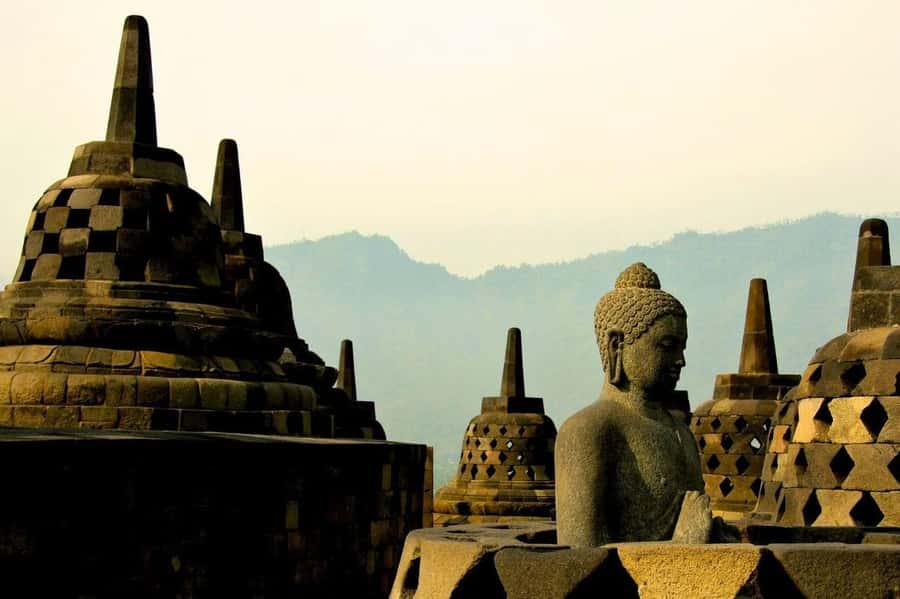
- Borobudur reliefs and statues focus: the temple is built with 9 stacked platforms, plus 2,600 relief panels and 500 Buddha statues.
- Prambanan + Sewu in one visit: you get the headline Shiva temple complex and then the maze-like Sewu stop.
- Entrance ticket paid on the day: you’ll collect it early during the trip (IDR 950,000 per person), separate from the tour price.
Setumbu Hill Sunrise: what to expect when the sky behaves (or doesn’t)
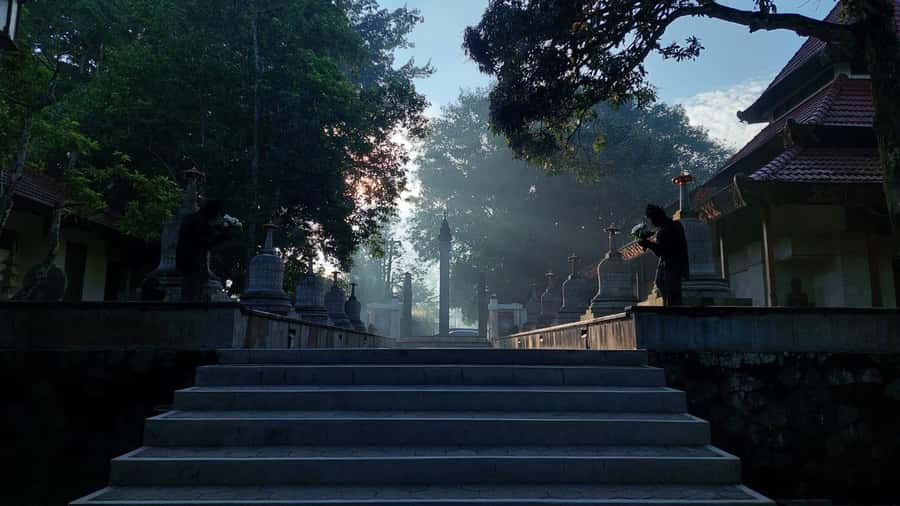
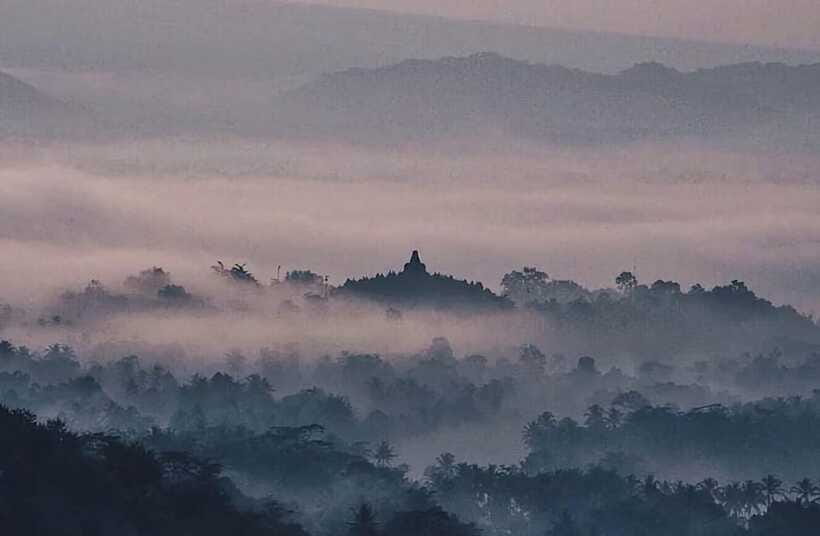
Setumbu Hill is your early-morning viewpoint option. The idea is simple: get higher ground, watch the light come up, and aim your first big wow moment toward Borobudur and the surrounding area.
Here’s the honest part. Sunrise here is weather-dependent. If clouds roll in or rain shows up, you might lose the dramatic glow and end up with a brighter, gray morning instead. That’s not a dealbreaker for the overall day—Borobudur and Prambanan are still the main event—but it does change the mood.
If you’re booking because you really want sunrise, keep a flexible mindset. On some mornings, the plan can shift to another sunrise viewpoint such as Klangon if conditions at Setumbu aren’t good. That’s exactly the kind of contingency that helps you still get an early-view experience instead of sleeping through the whole day.
Practical tip: wear shoes you don’t mind walking in before temples. Even when you’re only at the viewpoint for a short time, early light means cooler air and uneven paths.
You can also read our reviews of more tours and experiences in Yogyakarta.
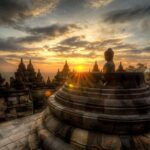

Climbing Borobudur: walking the terraces instead of just taking pictures
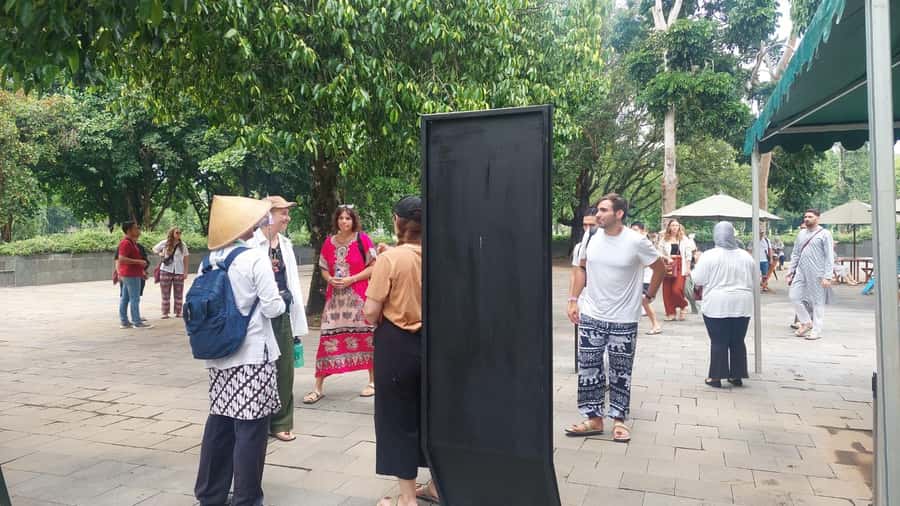
After Setumbu Hill (or if you skip it), the day turns into Borobudur—and the highlight is that you climb inside the structure.
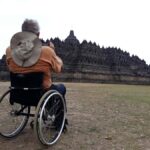
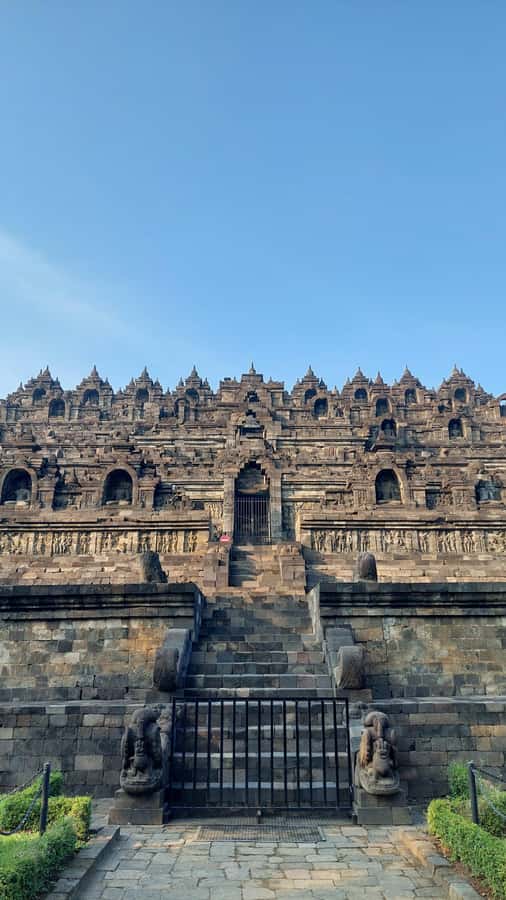
Borobudur is known for its stacked design: nine platforms leading up to a central dome. What makes the climb worth it is the way the layout forces you to slow down. Each level frames a different view and brings new reliefs into focus. Instead of seeing the temple like a postcard, you experience it as a route—step by step.
The tour includes a group guide plus an additional Borobudur support guide (listed as an upanat) for that portion. That’s a big deal for your comfort. When you’re moving through a complex site, someone who can help you find the right areas and keep the group together reduces stress. It also helps you spend more time looking at what matters and less time guessing where you should go next.
One note for your expectations: climbing in temples means steps. You’ll want to be ready for sustained walking and uneven stone. If mobility is limited for you, this kind of interior climb is likely to feel tough fast.
Borobudur reliefs and Buddha statues: how to make sense of the artwork
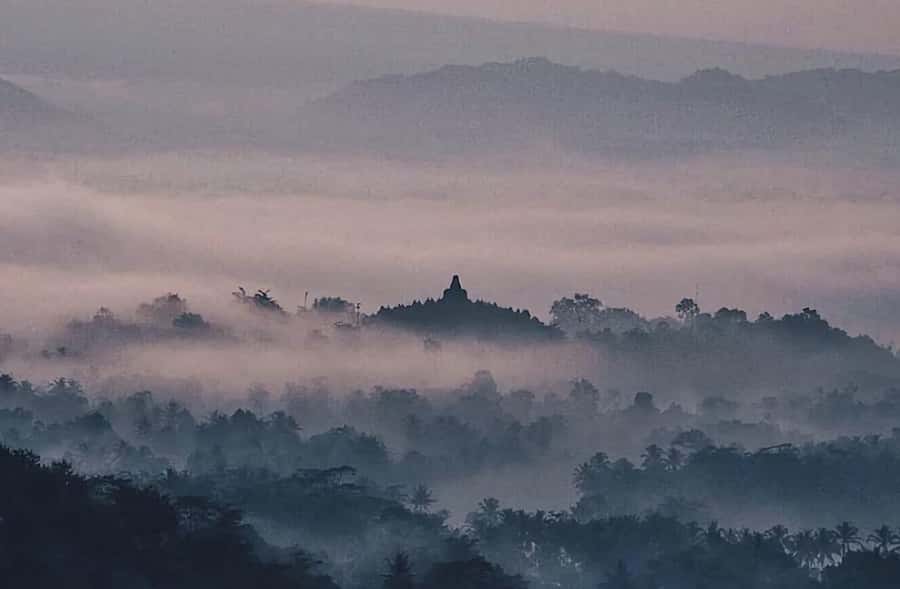
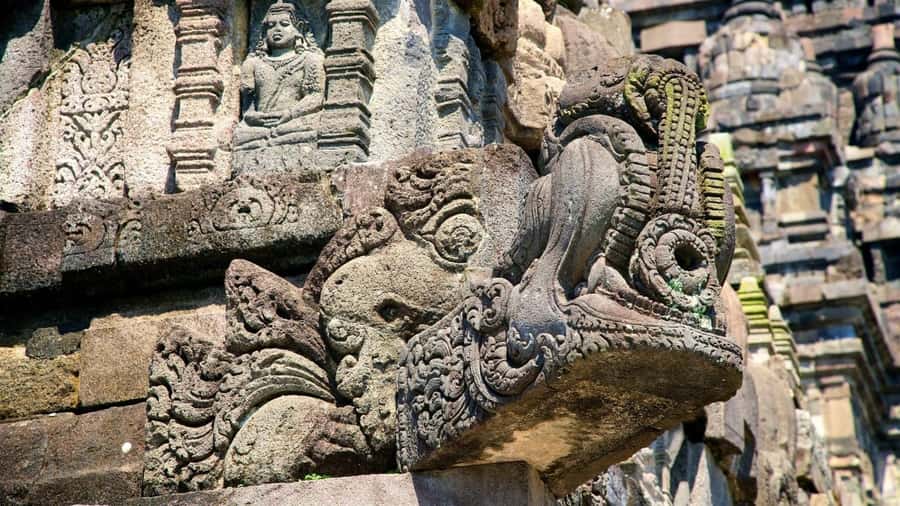
Borobudur isn’t just big. It’s packed. The description calls out over 2,600 relief panels and 500 Buddha statues, and once you start moving through the terraces, you feel the scale.
So how do you enjoy it without getting relief-fatigue?
I like treating Borobudur like a slow gallery walk with a route:
- Look at the relief panels in small clusters, not as one endless strip.
- Notice how the narrative changes as you move upward.
- Spot the Buddha figures and compare how they appear across different areas.
Even if you don’t read every symbol, you’ll still get a lot out of simply observing repetition and placement. The temple is designed so that motion—your motion—helps you understand the experience.
The included guide time matters here. A good guide can point out what to watch for, where key clusters are, and how to avoid losing time. When you know where to look, the reliefs feel less overwhelming and more meaningful.
Prambanan’s ShivaGraha: stepping into 9th-century Hindu architecture
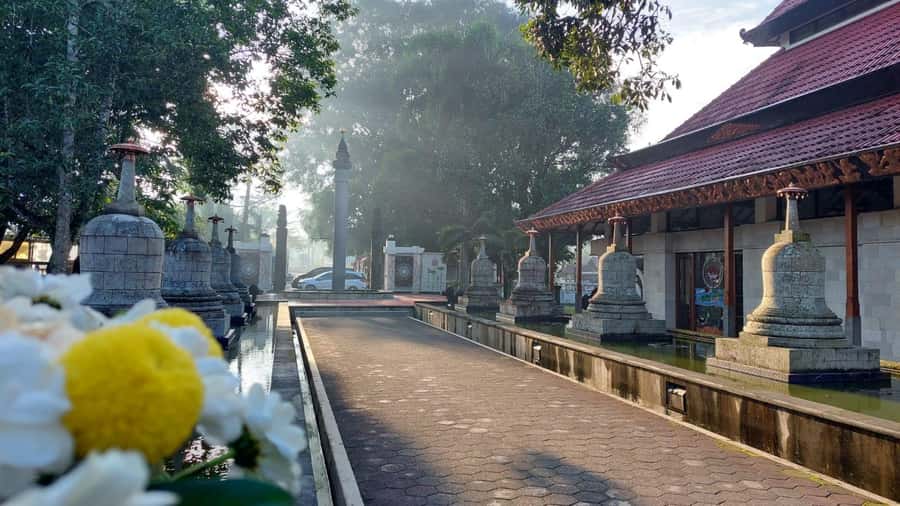
Then you shift worlds: Prambanan Temple, also known as ShivaGraha.
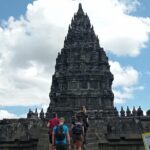
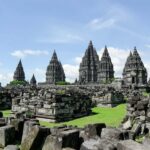
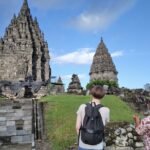
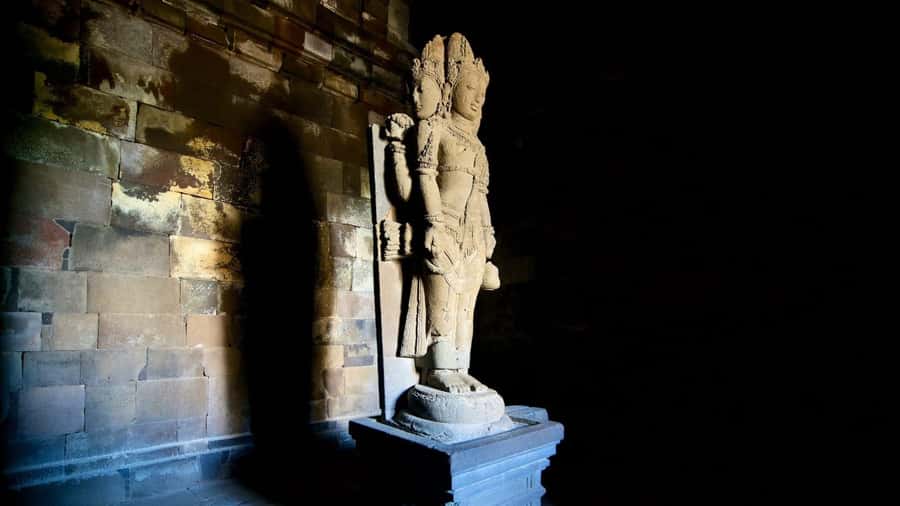
Prambanan was built in the 9th century during the Mataram Kingdom’s rule, under Rakai Pikatan. It’s dedicated to the Hindu Trimurti—Brahma (creator), Vishnu (preserver), and Shiva (destroyer). That matters because it gives you a framework for what you’re seeing. You’re not walking around random ruins. You’re looking at a temple complex tied to a specific religious structure and meaning.
This part of the day is also a reminder that temples work like ecosystems. Even the big, famous structures are only part of the full experience. The included sightseeing time lets you actually take in the complex as a whole, not just sprint between the best angles.
One practical detail: a guide in Prambanan is optional. If you enjoy explanations and context, it’s worth considering. If you prefer a mostly self-guided look, you can still enjoy the architecture by taking your time and focusing on composition and symmetry.
Either way, plan for more walking. Prambanan is a site you experience with your feet.
Sewu Temple at Prambanan: the joy (and chaos) of the extra stop
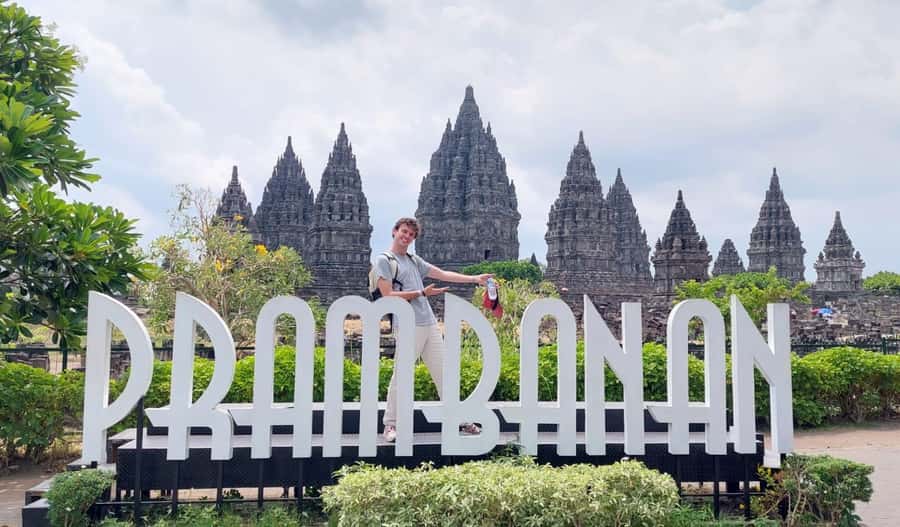
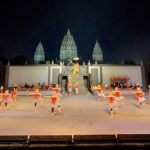
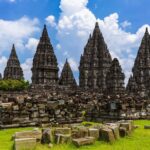
The tour’s bonus is Sewu Temple inside the Prambanan compound area.
Sewu is often the kind of place that makes you grin because it feels like you’re stepping into a smaller, more tangled world within the larger complex. It’s exactly the sort of stop that can make the whole day feel more personal and less standardized. The description even hints at it: you can get lost a little in the Sewu area—which, honestly, can be a good thing if you’re not stressed about timing.
If you like exploration and surprises, you’ll probably enjoy Sewu more than you expect. If you hate feeling confused anywhere, just stick close to your group and let the guide handle the key routes.

Price and logistics: what you really get for $36
The listed price is $36 per person, and that’s the base cost for the day. The big thing is what’s included: hotel pickup and drop-off, an English-speaking driver with an air-conditioned car, mineral water, plus a group guide and upanat in Borobudur.
Also key: the tour notes skip the ticket line. That saves time, which matters when you’re coordinating a temple day around a tight schedule and early morning starts.
Now, the cost you’ll still pay separately: the temple entrance ticket is IDR 950,000 per person, collected early during the trip. That means your real budget is the tour price plus the gate fee.
Is it good value? For me, it looks solid if you want a smooth, organized day without having to figure out timing between sites. The small group size (max 5) and the included Borobudur guidance are the two features that justify paying instead of DIY.
If you’re the type who likes independent planning and already knows exactly how you’ll transport between Borobudur and Prambanan, you might weigh the savings. But if you’d rather spend your energy on temples instead of logistics, this setup is built for that.
How the small group (max 5) changes the vibe
This isn’t a big bus tour. It’s limited to 5 participants, and that shows in how the day feels.
Small groups usually mean:
- easier pacing inside crowded areas,
- quicker help if you’re trying to understand where to go,
- less time waiting around.
In the reviews, the standout theme is the quality of organization and the way the driver/guide kept things moving well. One booking even noted a last-minute sunrise swap from Setumbu to Klangon and still had the day run smoothly. That’s what you want: flexibility without chaos.
Even if you’re not hunting for long conversations, a good driver and guide reduce the mental load. You just show up with the right shoes and follow along.
What to bring: the stuff that keeps temple days comfortable
You’ll be outside, you’ll walk, and you’ll likely be exposed to early sun. Pack like you mean it:
- Comfortable shoes (non-negotiable)
- Sunglasses
- Hat
- Sunscreen
- Comfortable clothes
Also: bring water habits in mind. The tour includes mineral water, but you’ll still feel better if you pace yourself and take short breaks during long stretches.
Not allowed: alcohol and drugs. Simple rule, but it’s part of why this day feels more family-friendly and respectful.
Who should book this (and who should think twice)
This is a good match if you want one organized day to cover three temple highlights:
- sunrise viewpoint option at Setumbu Hill (optional),
- Borobudur with an inside climb and major relief focus,
- Prambanan plus Sewu in the same broader visit.
You’ll likely enjoy it most if you like architecture and religious sites, and you’re fine with steps and early mornings.
It’s not suitable for:
- people with mobility impairments, and
- people over 95 years.
If you fall outside those limits but still have knees or balance issues, consider whether you can handle long temple walking and climbing inside Borobudur.
Should you book Sunrise Setumbu + Borobudur + Prambanan?
If you’re trying to make the most of a limited time window in Java, I think this is a strong choice. The blend is smart: start with an optional sunrise moment, then hit the two biggest temple statements—Borobudur and Prambanan—plus the Sewu stop that adds a sense of exploration.
Book it if you value:
- small-group comfort,
- organized temple navigation (especially for Borobudur’s inside climb),
- guidance where you’ll benefit most,
- and a day plan that covers the highlights without you stitching it together yourself.
Skip (or rethink) if sunrise is your only reason for coming and you’re the kind of person who gets upset by weather uncertainty. Clouds can happen, and sunrise is optional anyway.
Overall, you’re paying for convenience, pacing, and real access to the temple experience. With the separate IDR 950,000 entrance ticket on top, it still feels like practical value—especially when you want the day handled end to end.
FAQ
What is the duration of this experience?
The experience runs about 8 to 10 hours.
Is sunrise from Setumbu Hill included?
Sunrise from Setumbu Hill is optional. Your exact start experience depends on the option you choose.
What does the price include?
It includes hotel pick up and drop off, a group guide and upanat in Borobudur, mineral water, an English-speaking driver, and an air-conditioned car.
What entrance fee do I need to pay?
The temple entrance ticket is IDR 950,000 per person, collected early during the trip.
Do I need a guide for Prambanan?
A guide in Prambanan is optional.
How large is the group?
The group is limited to 5 participants.
What should I bring?
Bring comfortable shoes, sunglasses, a hat, sunscreen, and comfortable clothes.
Is this suitable for people with mobility issues or advanced age?
It is not suitable for people with mobility impairments or people over 95 years.