Two volcano mornings, one exhausting night.
This Malang 2D1N shared tour brings you to Bromo for sunrise and Ijen for the blue fire spectacle, even in tight time. I love how the plan is built to deliver big views fast, especially the 4×4 ride to the best Bromo sunrise point. I also love the straightforward experience at Ijen, with a local guide and a gas mask ready for the hard parts. The main drawback to think about is the intensity: it starts around 00:30, facilities are basic, and you’ll be hiking in dark, cold conditions.
Logistics are the real deal here. You’ll leave Malang after midnight, reach the Bromo area before dawn, then cross the Sea of Sands (horse optional) before climbing to the crater rim. In the evening you transfer toward Banyuwangi for a hostel night, and then you’re back out again for Ijen before sunrise.
If you’re hoping for a slow, comfy trip, this isn’t it. It’s shared transport, early departures, and a schedule that moves with traffic and conditions (including weather), so go with the right expectations—and pack for cold and walking.
In This Review
- Key highlights worth the rush
- The 2-day Bromo–Ijen rhythm: why this schedule works
- From Malang after 00:30 to Bromo sunrise: the jeep viewpoint run
- Sea of Sands and the climb to Bromo’s crater rim
- Vehicle changes, the long transfer, and your Banyuwangi hostel night
- Ijen at 00:30–01:00: the blue fire moment
- The Ijen sunrise and the turquoise crater view
- Price, what’s included, and what you’re really paying for
- Guides, names you might hear, and the difference good guiding makes
- What to pack and how to handle the reality of cold, altitude, and walking
- Weather is the wild card: how to think about blue fire and sunrise
- Who this tour suits best (and who should skip it)
- Should you book the Malang 2D1N Shared Tour of Mount Bromo & Ijen?
- FAQ
- What time do you leave Malang for Mount Bromo?
- Do I need a medical certificate for Ijen?
- What’s included for Bromo and Ijen?
- Can I ride a horse across the Sea of Sands?
- Where does the tour end?
- If I continue to Bali, is the ferry included?
- What should I bring, and what is not allowed?
Key highlights worth the rush
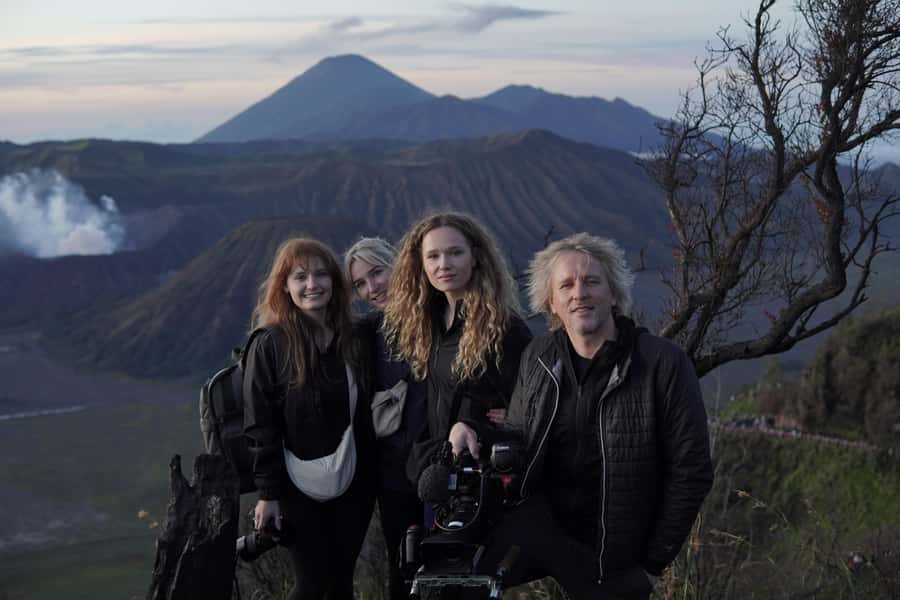
- 4×4 to the Bromo sunrise viewpoint starting from Malang just after 00:30
- Sea of Sands crossing is flexible: horse ride or walking is optional
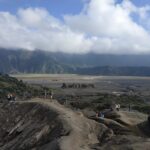
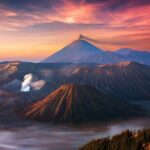
- Crater rim time at Bromo after the sunrise view from the mountains-and-volcano backdrop
- Hostel night in Banyuwangi with a free evening window to reset
- Ijen blue fire + sunrise combo starting around 00:30–01:00 with a local guide
- Gas mask and Ijen entrance included, plus the tour provides the basic gear for crater viewing
The 2-day Bromo–Ijen rhythm: why this schedule works
A Bromo + Ijen combo is popular for one reason: you can hit two of East Java’s headline volcanic sights without dedicating a week. The trade-off is obvious once you see the timing. You’ll start from Malang after midnight and you won’t have a classic “rest day.” It’s more like two early mornings stacked together, with one hostel night in between.
The value here is not luxury. The value is efficiency. Shared jeeps get you to the sunrise point fast, then the tour keeps you moving through the Sea of Sands and up to Bromo’s crater area. After that, you transfer for a long drive to Banyuwangi, sleep, then go back out for Ijen blue fire and crater views.
Also, the tour is designed to run as a shared group regardless of turnout—so you’re less likely to get stranded on a cancelled “small group” plan. Still, since it’s shared, you should expect the day to be shaped by coordination: pickups, vehicle changes, and waiting in the dark.
You can also read our reviews of more tours and experiences in Malang.
From Malang after 00:30 to Bromo sunrise: the jeep viewpoint run
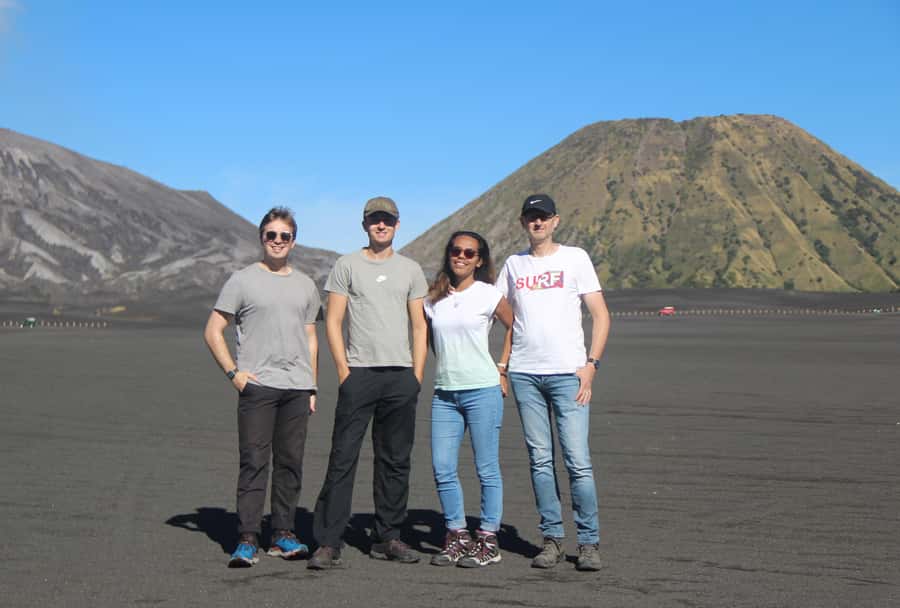
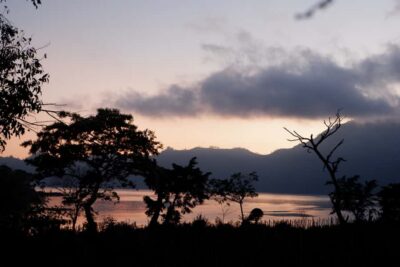
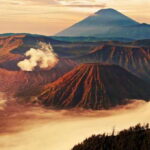
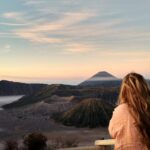
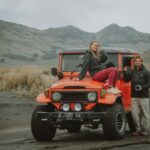
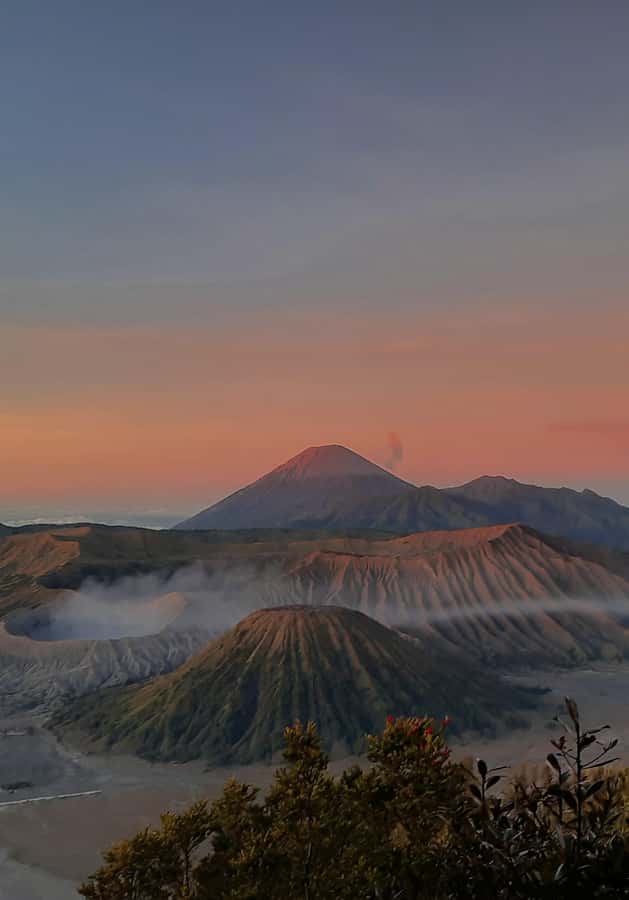
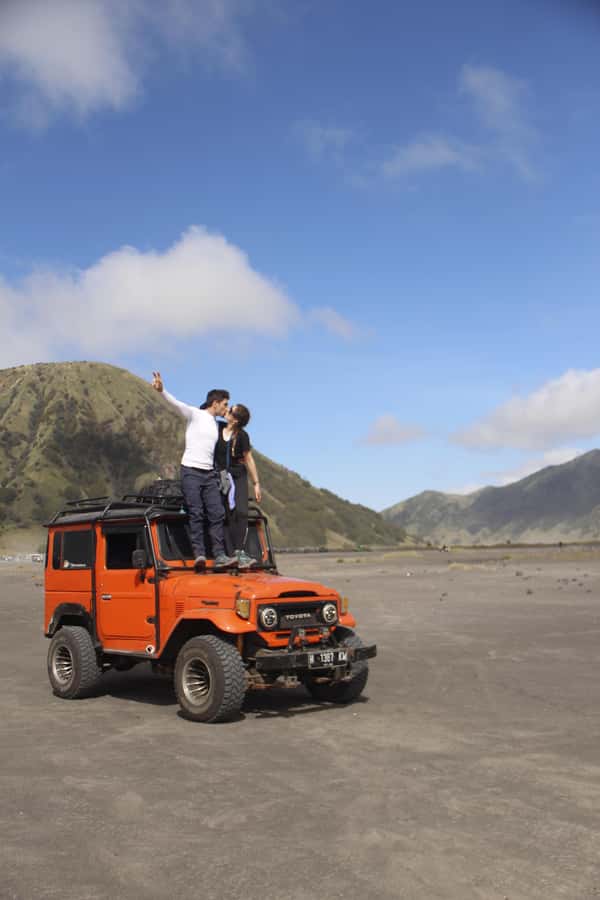
Your day begins at 00:30 am (pickups happen after midnight in Malang). Then you head by 4×4 jeep to the most famous viewpoint / sunrise point on the Bromo side. Traffic can shift exactly where you stop and how fast you reach the viewing area, but the goal stays the same: arrive before sunrise so you’re in position for the best East Java volcanic panorama.
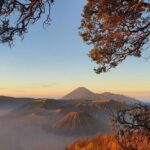
What I like about this part is how it respects the reality of Bromo timing. Sunrise on the volcano isn’t a casual “show up when you want” moment. The jeep run is the time-saving piece, and it puts you where you can see mountains and volcanoes in the background as the light changes.
Once the sunrise moment is done, the jeep continues toward the Sea of Sands area. This is where the experience becomes more physical and more iconic.
Sea of Sands and the climb to Bromo’s crater rim
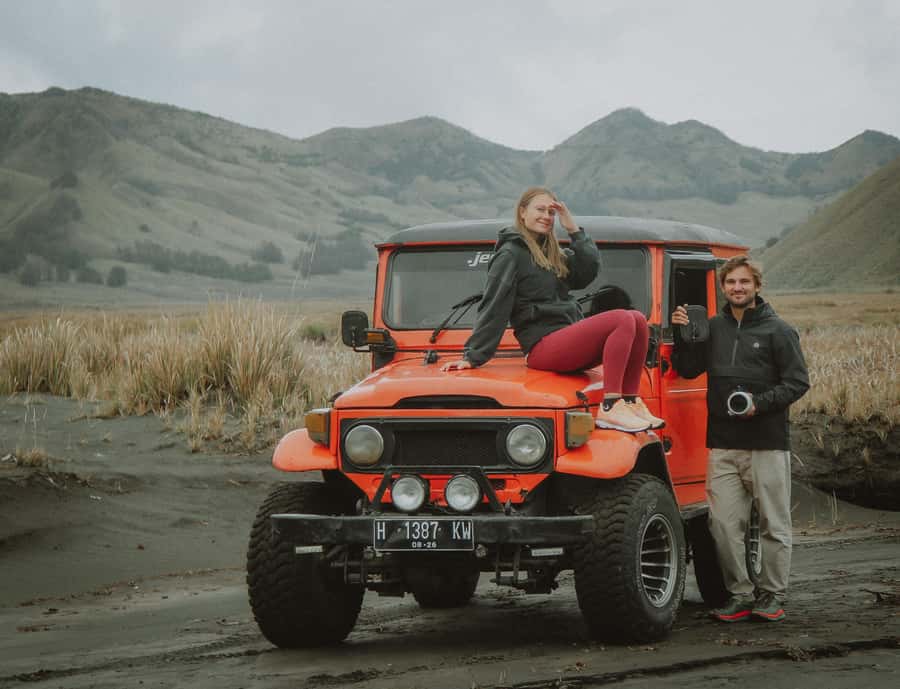
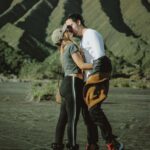
From the parking area at the Sea of Sands, you have a choice: cross the dunes by horse or on foot. The option matters because it changes the pace. If you want the photos and you’re tired from the early start, the horse ride can make the whole crossing feel less punishing. If you prefer steady movement and don’t mind walking in the cold-dark-to-dawn transition, going on foot gives you more control over how you take it.
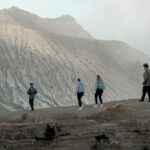
Next comes the stairs on the slope of Mount Bromo, which lead to the crater peak. This is the part most people remember afterward: you’re not just watching from far away. You’re at the edge where the volcanic activity and the crater views feel close.
After you’ve had time at the top, you go back down to your jeep. Then the tour shifts gears again—this time away from Bromo and toward Banyuwangi.
Vehicle changes, the long transfer, and your Banyuwangi hostel night
After Bromo, you return to the jeep and then the route goes through Cemorolawang, where you switch vehicles again to continue toward Banyuwangi. Expect a long ride: the transfer is listed as around 7–9 hours, with arrival at your hostel around 18:30.
This is where you’ll feel how intense the plan is. You’ll arrive, check in, and then you get a free program. That’s your chance to eat properly, warm up, and recover before the second volcano push.
Ijen doesn’t care if you stayed up late or napped too little. So this evening window is your “do-over” time: charge your phone, plan your layers, and eat something that won’t sit heavy. If meals aren’t handled for you during the earlier part of the day, don’t panic—just build in the mindset that you’ll need to manage your own hunger and drinks.
Ijen at 00:30–01:00: the blue fire moment
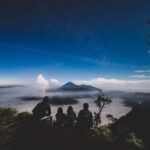
The second day kicks off extremely early. You depart for Ijen between 00:30 and 01:00 with your guide. This is the dark, cold stretch where the tour feels most like an expedition.
The highlight you’re booking for is the blue fire. It’s tied to conditions, so weather and visibility matter. If the air is rainy or visibility is limited, you might not get the same effect you came for. One downside that shows up in real-world experiences is that bad weather can make the blue fire and even the sunrise harder to see, and it also makes the hike more uncomfortable.
Still, when conditions cooperate, this is the moment that makes people say the trip was worth it. You’ll also be provided with a gas mask, because the crater area is not a place you treat casually.
The Ijen sunrise and the turquoise crater view
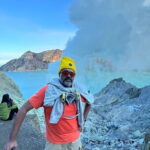
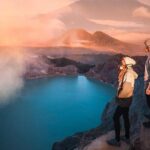
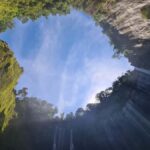
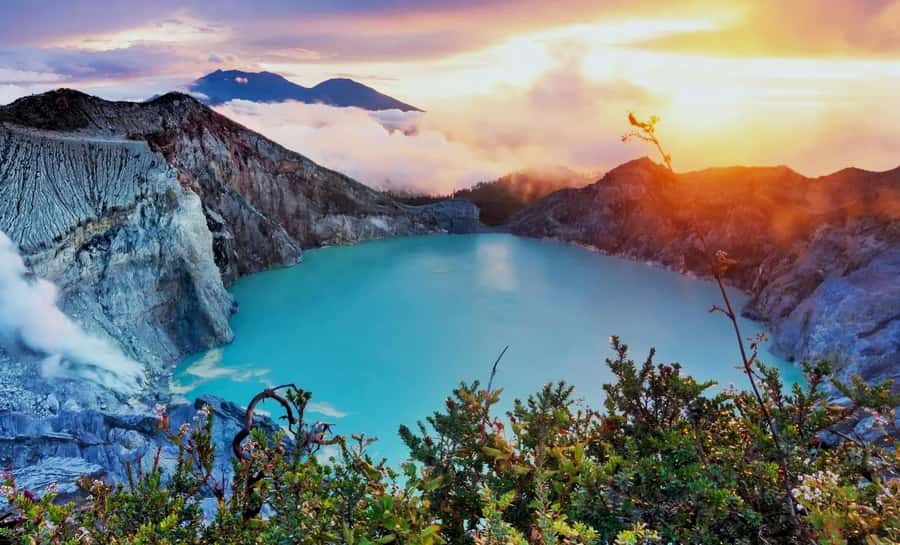
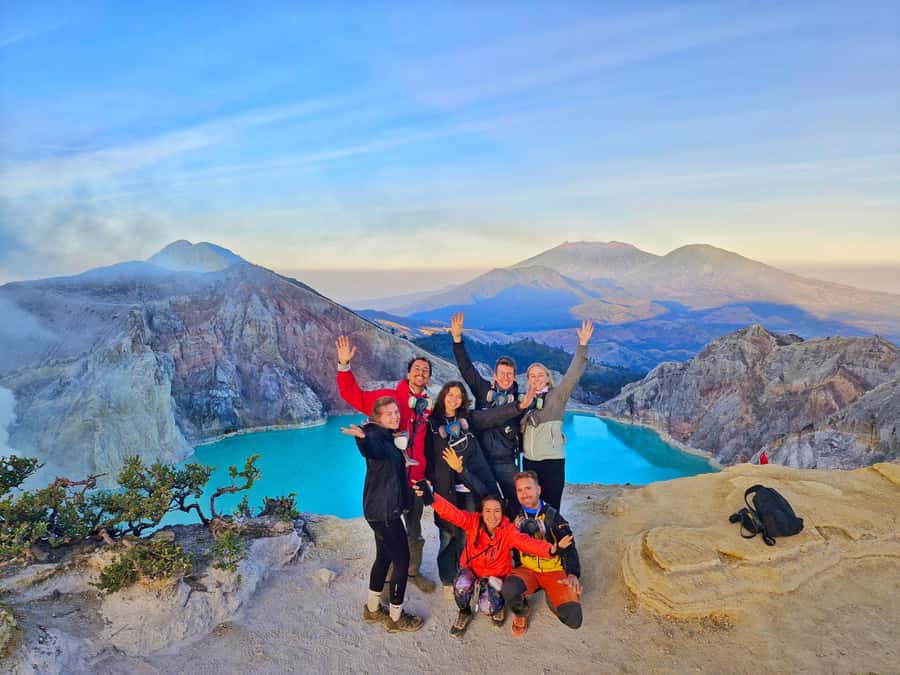
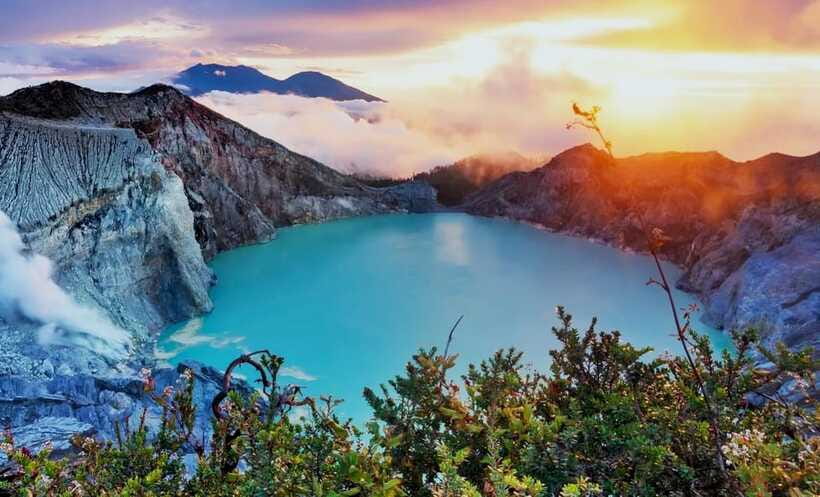
After the blue fire segment, the tour shifts into the sunrise period, and then you’ll be invited to see the panoramic view of the Ijen Crater. The famous look here is the contrast: dark volcanic tones with a striking turquoise lake color in the crater area.
You’ll return to the hostel around 08:00, then have simple breakfast, shower, and get ready for the final transfer to Banyuwangi.
One more detail that can affect how you feel: the Ijen portion is guided by a local guide, and in some cases the guidance includes pacing breaks and extra comfort items (like hot drinks at the top). That kind of support is meaningful when your body is running on cold air, fatigue, and nerves.
Price, what’s included, and what you’re really paying for
At $120 per person for a shared 2-day tour, the pricing fits an economy model. You’re not paying for private comfort or premium add-ons. You’re paying for transport, entrances, and the logistics that can be hard to line up yourself.
Here’s what the package covers in the practical sense:
- Shared 4×4 jeep to Bromo
- Bromo National park entrance fee
- Shared car/van to Banyuwangi
- Hostel for 1 night
- Shared transport to Ijen
- Local guide at Ijen
- Ijen entrance ticket
- Gas mask
- Simple breakfast after Ijen
- Ferry ticket to Bali as a bonus (if you continue)
And what you don’t get:
- Meals and drinks (you’ll handle your own food)
- The health/medical certificate needed for the Ijen hiking permission (your team may help get it near the hostel, listed around 40K/person)
- Any personal expenses
So is it good value? For many people, yes—because the “hard parts” are bundled: early departures, cross-vehicle transfers, entrance fees, and the safety gear for Ijen. Where value can drop is if you end up spending heavily on food and drinks, or if you personally need more comfort and downtime than the schedule allows.
Guides, names you might hear, and the difference good guiding makes
Because this is shared, your experience is shaped by the driver and guide quality. The names I’ve seen associated with smoother, friendlier days include driver Cholis and Ijen guide Axon/Axo (spelling can vary). There are also mentions of guides like Gun.
Even if you don’t get the exact same people, the takeaway is consistent: on Bromo, you mainly get transport and handoffs, while the Ijen guide has a bigger role in pacing, briefing, and safety. Some groups report that Bromo guiding could feel light and more like continuous vehicle transfers. On Ijen, clearer expectations and better briefing can make a real difference—especially because you’re dealing with breathing limits, dark walking, and a long wait for the right crater views.
What to pack and how to handle the reality of cold, altitude, and walking
This tour is built around early starts, stairs, and dark crater hikes. That means packing matters as much as the itinerary.
Bring:
- Comfortable clothes
- The required medical statement (and plan for the Ijen hiking certificate process)
Not allowed:
- Alcohol and drugs
- Fireworks
- Making fire
And the tour doesn’t suit everyone:
- Pregnant women
- People with altitude sickness risk
- Age over 70
- Weight over 309 lbs (140 kg)
I’ll say it plainly: if you get chilled easily, treat cold layers as essential, not optional. The Ijen hike happens at night into early morning, and the crater area can feel colder than you expect. If you’re sensitive to exertion or breathing discomfort, be extra cautious.
Weather is the wild card: how to think about blue fire and sunrise
No one can control volcanic weather. The practical way to handle it is to understand what can change:
- Visibility can affect how clearly you see the blue fire and sunrise colors.
- Rain can make crater conditions more dangerous and more uncomfortable.
Even though the tour runs on schedule, conditions can change the experience quality. If you’re traveling during a rainy period or have limited flexibility, it’s smart to go in expecting that the dramatic sights are possible, not guaranteed.
Who this tour suits best (and who should skip it)
This is a strong choice if you:
- Want a short time option from Java
- Are comfortable with midnight or pre-dawn starts
- Don’t need a cushy pace between viewpoints
- Value guided access and included safety gear for Ijen (gas mask + local guide)
You should think twice if you:
- Want lots of guidance during Bromo itself (some experiences feel more transport than storytelling)
- Need highly predictable meal timing
- Are vulnerable to cold, exertion, or breathing stress
- Have altitude concerns or fall outside the listed limits
Should you book the Malang 2D1N Shared Tour of Mount Bromo & Ijen?
If your priority is seeing Bromo sunrise and Ijen blue fire in just 2 days, this tour is one of the most direct ways to do it. The big strengths are the early 4×4 positioning for Bromo, the optional Sea of Sands crossing choice, and the Ijen setup that includes guide + gas mask + entrances. For many people, that’s the difference between a smooth plan and a stressful self-arranged scramble.
I’d book it if you’re okay with basic facilities, shared rides, and the fact that weather can affect the crater drama. I’d skip it if you’re looking for a comfortable pace, strong meal handling, or guaranteed blue fire regardless of conditions.
FAQ
What time do you leave Malang for Mount Bromo?
Pickup is after midnight around 00:30 am, and the jeep takes you to the sunrise viewpoint on the Bromo area.
Do I need a medical certificate for Ijen?
Yes. You’ll need a medical statement/certificate for the Ijen hiking permission. Your team helps you get it during travel near the Ijen hostel, and it’s listed at around 40K/person.
What’s included for Bromo and Ijen?
The tour includes shared 4×4 jeep to Bromo, Bromo National park entrance, shared transport to Ijen, Ijen local guide, Ijen entrance ticket, and a gas mask.
Can I ride a horse across the Sea of Sands?
Yes. From the parking area you can cross the Sea of Sands either by horse or on foot (optional).
Where does the tour end?
The tour ends in Banyuwangi. It does not include return to Malang.
If I continue to Bali, is the ferry included?
You get a ferry ticket to Bali as a bonus, and the port arrival is around 10:30–11:00 am (Ketapang port).
What should I bring, and what is not allowed?
Bring comfortable clothes and your medical statement. Alcohol and drugs are not allowed, and you also can’t use fireworks or make fire.