Old streets, new stories in Malang. This easy-paced walking tour strings together colonial landmarks, preserved neighborhoods, and daily-life scenes with an English-speaking local guide.
I like that it gives you history you can see, not history you have to guess. Two things I really appreciate are the guide’s hands-on storytelling (including old photo context on a tablet) and the built-in photo-friendly stops at places like the city’s historic corridors and central square.
One thing to consider: you’re walking the whole time. It’s not suitable for wheelchair users or people with mobility impairments, and the route can feel warm depending on weather, so comfortable shoes and hydration matter.
In This Review
- Key highlights you’ll feel right away
- Entering Malang on Foot: Why This 2-Hour Format Works
- Meeting at Malang Train Station (West Gate) and Getting Oriented
- Colonial-Era Threads: Station Area and City Hall
- Coffee Break and Photo Stops: Everyday Malang Without the Rush
- Kajoetangan Heritage Corridor: Preserved Streets and Stories You Don’t Guess
- The Flower and Pet Market Option: A Real-Live Detour
- Ending at Alun-Alun Merdeka: Modern Malang’s Central Square
- Price and Value: What $15 Buys You in Real Terms
- Pace, Weather, and Comfort: How to Prepare Like a Pro
- Who Should Book This Tour (and Who Might Skip It)
- Should You Book the Malang City Highlights Walking Tour?
- FAQ
- FAQ
- Where does the tour start?
- How long is the walking tour?
- Is the tour guide available in English?
- Is there any food or drink included?
- What should I bring for the tour?
- Is smoking allowed during the tour?
- Is the tour suitable for wheelchair users?
- What happens if I need to cancel?
Key highlights you’ll feel right away
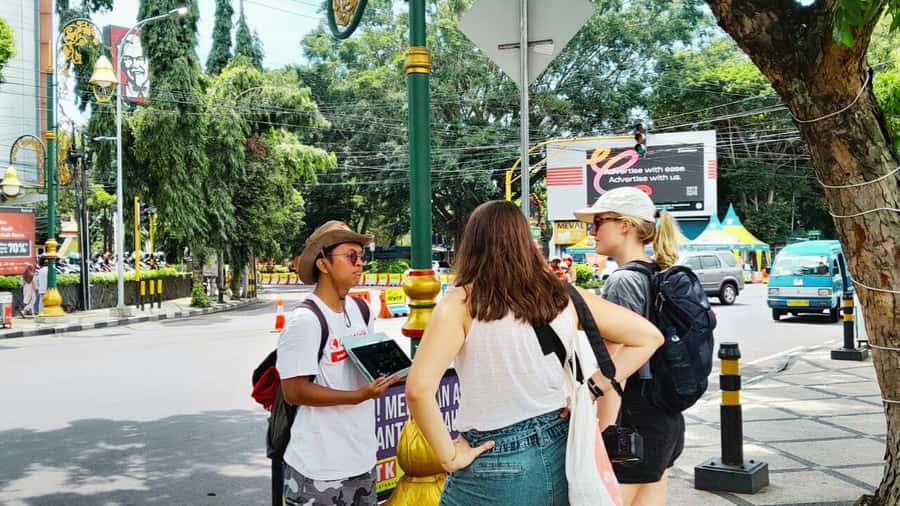
- Licensed local storytelling that connects colonial-era development to modern street life
- Historic station area + City Hall for an efficient first look at how Malang grew
- Kajoetangan Heritage corridor with preserved architecture and “hidden stories”
- Photo-friendly stops in both heritage streets and lively everyday areas
- Optional flower and pet market time if the group and schedule allow
- Easy pace with a local cafe stop for coffee, tea, and local snacks
Entering Malang on Foot: Why This 2-Hour Format Works
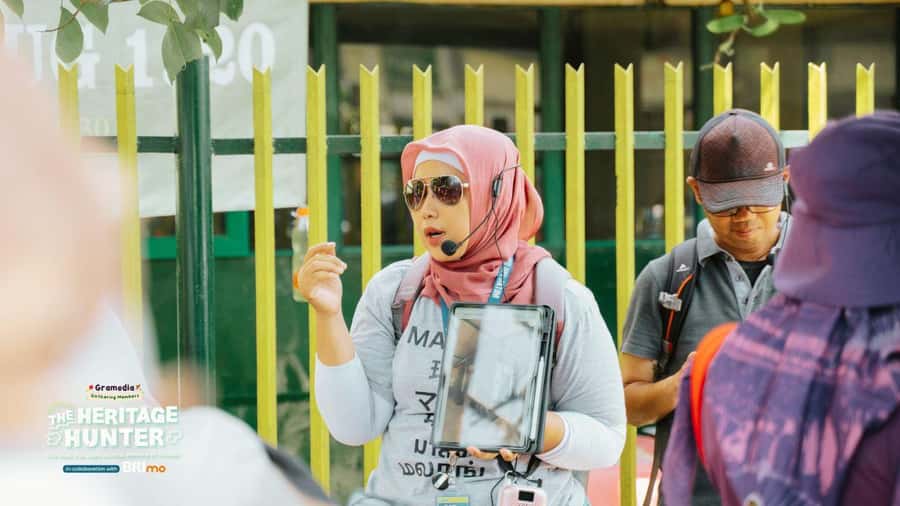
Malang can feel big on day one. This tour keeps it manageable: a 2-hour walk that helps you get your bearings fast without turning your afternoon into a marathon.
You’ll move at an easy pace with a guide who focuses on the why behind what you see—colonial development, shifting neighborhoods, and how culture shows up in daily routines. The structure also means you’re not just collecting sights; you’re connecting them.
For first-time visitors, this is a smart value play. For repeat visitors, it’s still useful because the tour points you toward neighborhoods and details you might otherwise miss on your own.
You can also read our reviews of more tours and experiences in Malang.



Meeting at Malang Train Station (West Gate) and Getting Oriented
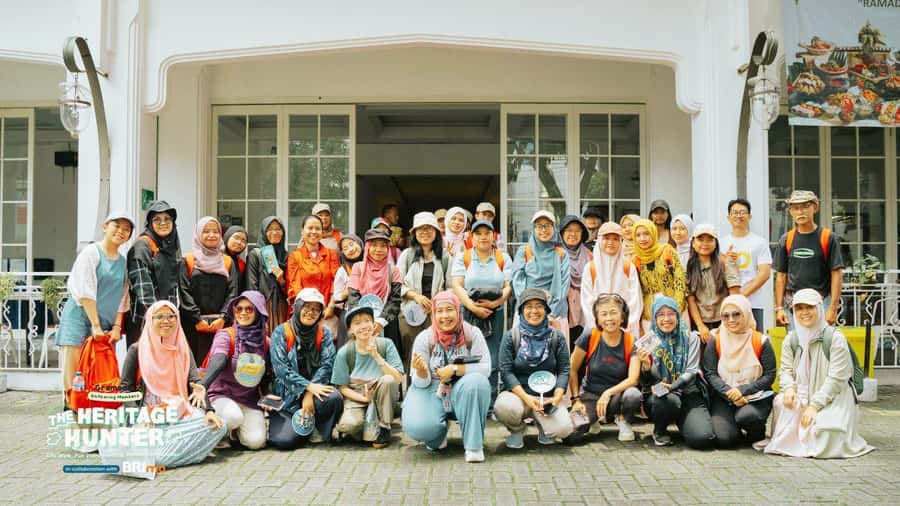
The walk starts at Malang Train Station, West Gate. That’s a great choice because it places you where people naturally arrive and depart, so the tour begins in a real-world setting rather than a scripted “tourist zone.”
From the first minutes, the guide sets context: where you are in the city’s story and what you’ll be looking for next. If you’re the type who likes to understand a place before photographing it, this start style will click.
If you’re sensitive to sun or heat, come ready. The tour includes walking outdoors, and the practical advice is exactly what you’d expect—hat, sunscreen, and a water bottle.
Colonial-Era Threads: Station Area and City Hall
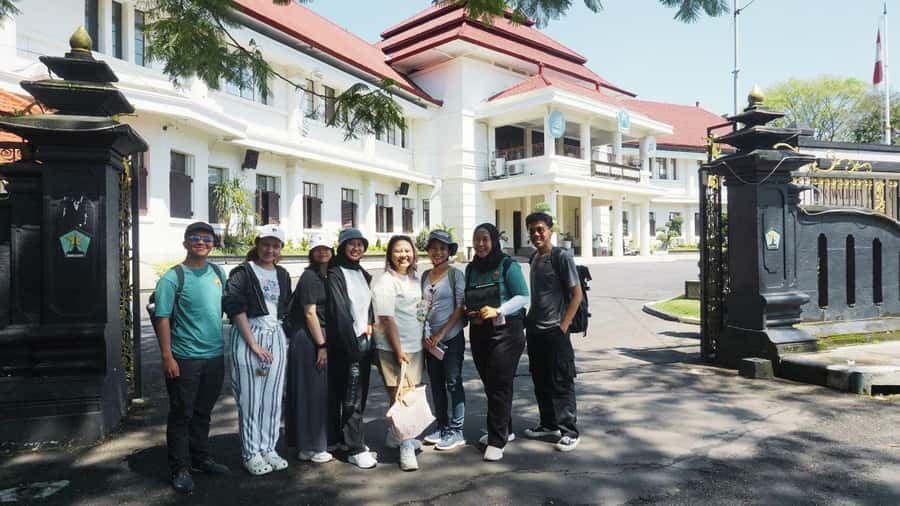
One of the tour’s strongest beats is how it frames Malang’s growth through historic station surroundings and City Hall. You’re not just passing buildings; you’re learning how Malang developed during colonial times and how those structures influenced the city layout around them.
This is where the tour earns its value. Colonial-era sites can feel like “pretty old stuff” if you don’t get the story. Here, the guide’s storytelling connects the architecture and street placement to wider changes in the city.
You’ll also get practical orientation for the rest of your stay. Even if you don’t memorize every date, you’ll understand the major threads: where the city’s center of gravity shifted, and why certain neighborhoods and corridors matter.
Coffee Break and Photo Stops: Everyday Malang Without the Rush
Midway through, there’s a short local café stop—about 20 minutes—for coffee, tea, and local snacks. This isn’t the kind of stop that feels like a forced “shop break.” It’s timed so you can refuel, ask questions, and reset while the group stays relaxed.
You’ll also hit a viewpoint stop along the way. The idea is to give you a wider sense of direction before you go back into street-level details. Even if you don’t linger for long, those small altitude or perspective moments make the rest of the walk easier to understand.
For photos, the tour is designed for that. Historic and lively areas are on the route, so you’re not stuck taking pictures only at monuments. Just remember the common sense rules: be respectful, keep moving, and don’t interrupt daily life.
Kajoetangan Heritage Corridor: Preserved Streets and Stories You Don’t Guess
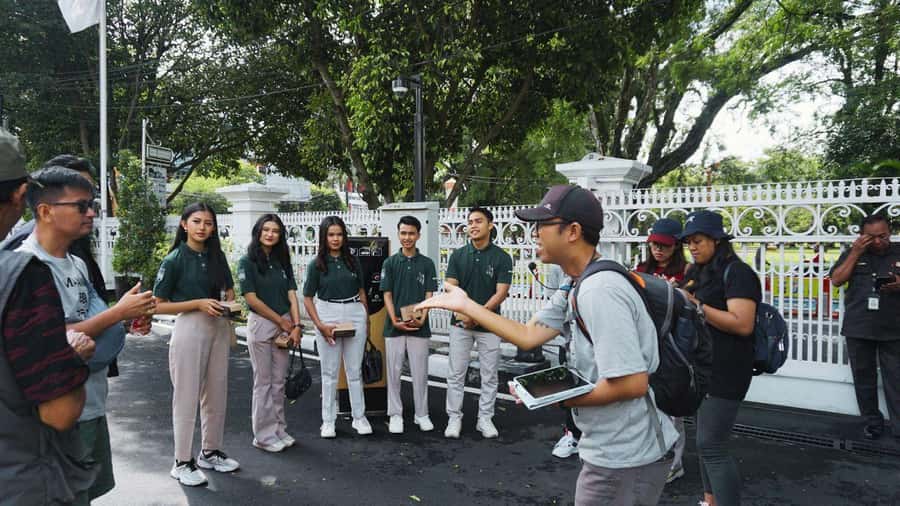
The heart of the “wow, I didn’t know that” feeling is the Kajoetangan Heritage corridor. This neighborhood is described as one of Malang’s older areas, known for preserved architecture and stories that aren’t obvious at first glance.
This is the section where an English-speaking guide really matters. Old buildings can look similar if you’re just scanning the facades. With the guide’s narration, you start noticing patterns—how buildings reflect periods of development, and how the street itself becomes a living timeline.
The tour also leans into “hidden stories.” That’s useful phrasing because it doesn’t promise a single secret landmark. Instead, it prepares you to look for small clues: how the neighborhood evolved, what changed, and what still remains.
If you like historic neighborhoods but hate heavy rules or museum-style pacing, this corridor delivers the best kind of heritage: the kind you can walk through.





The Flower and Pet Market Option: A Real-Live Detour
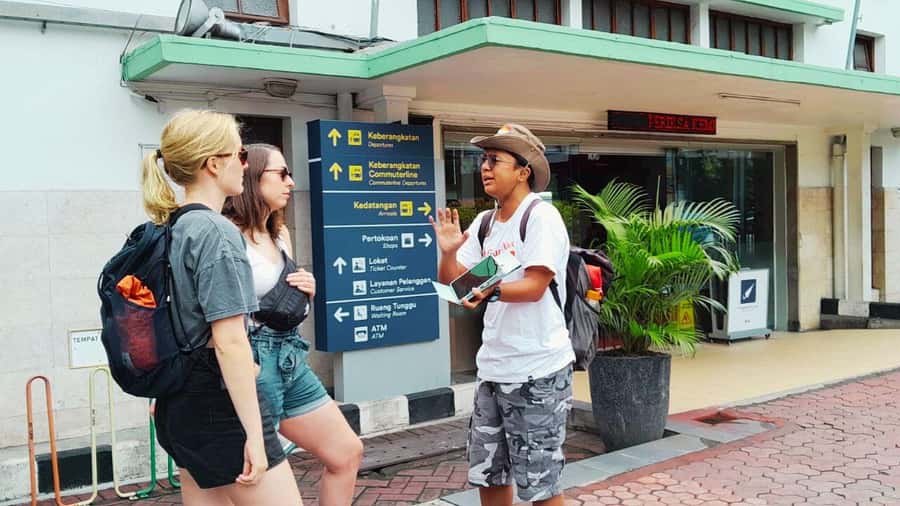
Depending on time and group interest, the walk may continue into the flower and pet market area. This is one of those “you’ll either love it or feel mixed about it” segments, because it shows daily life up close.
There’s a thoughtful note you’ll want to keep in mind: one of the guides was attentive about how people feel about animals, offering guests the choice to skip parts if they prefer not to be around animals in settings that can be cramped. That kind of flexibility is a good sign for your experience.
So go in with the right mindset. Treat it as a cultural and everyday-life stop, not a wildlife encounter. If you’re photographing, be respectful and keep things quick and kind.
Ending at Alun-Alun Merdeka: Modern Malang’s Central Square
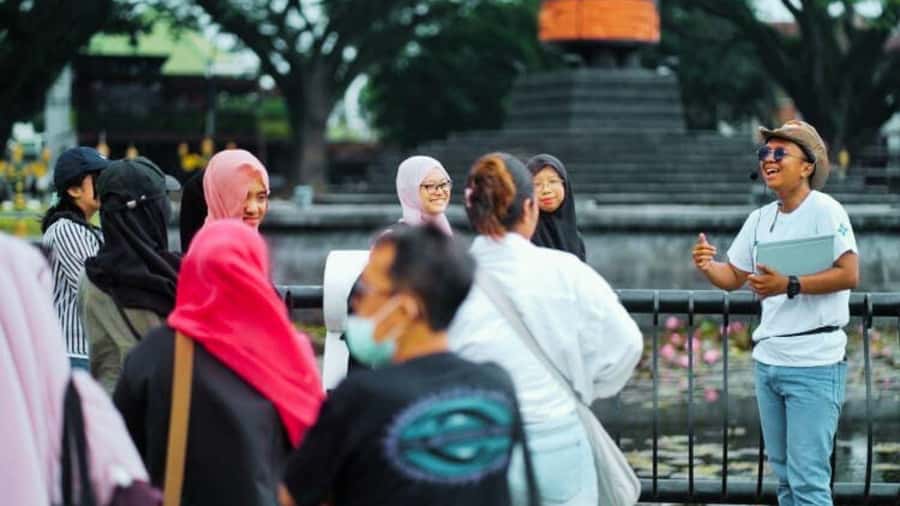
The tour concludes at Alun-Alun Merdeka, Malang’s central square and a key heart of modern city life. Ending here is smart because it gives you an immediate next step after the walk—grab a snack, people-watch, or use the square as a hub to explore further.
This finishing point also helps you compare old and new. Early parts of the route focus on colonial-era development and heritage streets. The square shifts you back to how Malang lives now—where people gather, hang out, and move through the day.
If you need an easy “wrap-up location” before dinner plans, this is it. You’re not left stranded at an obscure spot with no real momentum.
Price and Value: What $15 Buys You in Real Terms
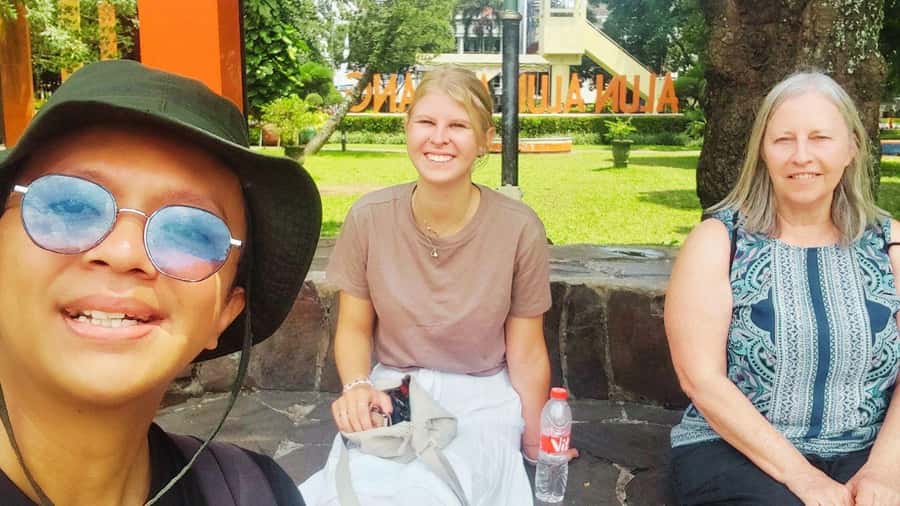
At $15 per person for about 2 hours, the math can work out better than it first appears—especially in a city where independent planning can be time-consuming.
You’re paying for:
- an English-speaking local guide
- structured storytelling tying landmarks to context
- photo-friendly pacing and practical orientation
- local recommendations that can help you plan lunch or next stops
The guide quality seems to be a consistent theme. In guides’ responses to questions about Indonesia and culture in general, you can tell this is not just reciting facts—it’s answering real curiosity. One guide, Deeto, was praised for warm friendliness and excellent English. Another guide, Dito, was noted for organized pacing and using old photos on a tablet to show you what the city looked like before.
For me, that’s the value core: you’re buying interpretation. Maps won’t explain why an old corridor matters or how a colonial-era layout still shapes today’s city.
Pace, Weather, and Comfort: How to Prepare Like a Pro
This is an easy-paced walking tour. That doesn’t mean it’s effortless, just that it’s designed to keep you comfortable enough to enjoy conversation and photography.
Bring:
- comfortable shoes (you’ll be on your feet the whole time)
- hat + sunscreen (sun can be intense)
- camera (you’ll want it here)
- water (hydration is on you)
You should also expect varying weather conditions. If it looks like rain, plan for it like a local—capable footwear and the willingness to adjust pace.
One small rule: no smoking during the tour. It’s standard, but worth noting so you don’t get surprised.
Who Should Book This Tour (and Who Might Skip It)
This tour fits best if you:
- are in Malang for a short time and want an efficient overview
- want a guided path through iconic streets and landmarks
- enjoy heritage neighborhoods like Kajoetangan
- like learning the story behind what you see, not just ticking boxes
It also works well for people who prefer calm structure. Even in low season, the experience has been described as personalized—so you may get more room for questions if the group is small.
Skip it if you:
- use a wheelchair or have mobility impairments
- need a fully accessible route with minimal walking (this one isn’t designed for that)
- dislike being outdoors in warm or changing weather
Should You Book the Malang City Highlights Walking Tour?
If you want a simple, high-impact introduction to Malang, I’d book this. The route makes sense: start at the train station area to ground you, learn through colonial landmarks and City Hall, then move into Kajoetangan heritage, finish at Alun-Alun Merdeka so you can keep exploring.
The best reason to choose it is the guide-led storytelling. When Deeto or Dito brings old-photo context and answers questions clearly, you don’t just pass buildings—you understand them. Add the option for the market area and the cafe stop, and it feels like a well-rounded, human-scale experience.
One last practical tip: if you’re unsure about the pet market section, talk to the guide early. The experience has shown flexibility around animal-related comfort, and you’ll enjoy the walk more if you’re on the same page.
FAQ
FAQ
Where does the tour start?
The meeting point is Malang Train Station (West Gate).
How long is the walking tour?
The tour lasts 2 hours.
Is the tour guide available in English?
Yes, the tour includes an English-speaking live guide.
Is there any food or drink included?
There’s a local café stop with coffee, tea, and local snacks. Personal food and drinks beyond that aren’t included.
What should I bring for the tour?
Bring comfortable shoes, a hat, a camera, sunscreen, and water.
Is smoking allowed during the tour?
No, smoking is not permitted during the tour.
Is the tour suitable for wheelchair users?
No, it is not suitable for people with mobility impairments or wheelchair users.
What happens if I need to cancel?
You can cancel up to 24 hours in advance for a full refund.
If you tell me your travel dates and whether you prefer heritage streets or market-life scenes, I can help you decide if this tour is the best match for your day in Malang.