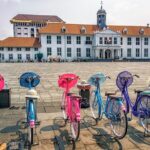
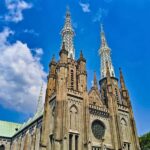
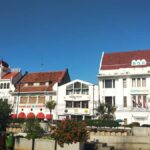
Jakarta can feel like traffic and towers at first glance, but this route gives it layers. You’ll move through Old Batavia landmarks, then slow down in the quieter corners of Chinatown and Kota Tua, with an included tuk tuk ride. It’s a practical way to connect religion, street life, and the port that helped shape the city.
What I like most is how the tour mixes big icons with street-level details. The Istiqlal Mosque stop (plus the Cathedral area) helps you understand why Jakarta’s identity is built on more than one story. I also love the walking time around Kota Tua, where the guidance from an expert (and an archaeologist-style lens) makes the buildings feel readable, not just photographed.
One thing to consider: it’s a fast, packed 6 hours with photo stops and transfers, so comfortable shoes matter. Also, lunch and drinks aren’t included, so you’ll want cash/card ready for your food choice when the break arrives at Kota Tua.
In This Review
- Quick Take: What Makes This Old Batavia Tour Work
- Getting Oriented Fast: Pickup, AC Comfort, and the First Stops
- Istiqlal Mosque and Medan Merdeka Selatan: Jakarta’s Faith in One Guided Thread
- Museum National and Monument Stops: Context Without Overkill
- Glodok (Chinatown) and the Building-Style Switch
- Kota Tua Old Batavia: Lunch Break, Photos, and the Heritage Walk
- Pinangsia: Shopping and a Short Class/Workshop Time
- Sunda Kelapa Harbor: Old Port Energy to Close the Loop
- Price and Logistics: Is $64 Good Value for 6 Hours?
- Who This Tour Fits Best (And Who Might Want a Different Day)
- Should You Book This Old Batavia + Museum Tour?
- FAQ
- FAQ
- How long is the Jakarta City Tour with Old Batavia and Museum?
- Does the tour include pickup and drop-off?
- Is the tour guided in English?
- What is included in the price?
- Are meals included?
- Is the tour private?
- Is the tour wheelchair accessible?
Quick Take: What Makes This Old Batavia Tour Work
- Old Batavia in a single sweep: Mosque, Chinatown, Kota Tua, and the old harbor, all in one circuit
- Museum National included: You get a context stop, not just street scenes
- Tuk tuk ride: A fun change of pace inside the heritage area
- Walking time is purposeful: You’re not just moving; you’re learning what to look for
- Private group feel: Easier pacing and fewer crowd hassles than big group tours
Getting Oriented Fast: Pickup, AC Comfort, and the First Stops
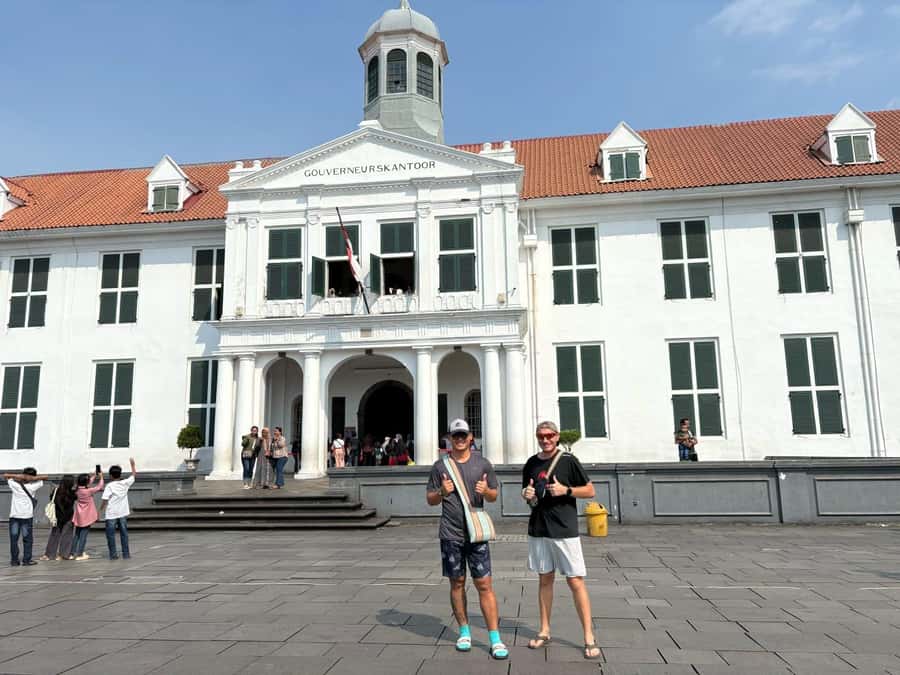
This tour is built for people who want order in their first hours in Jakarta. You’ll be picked up from either Soekarno-Hatta International Airport or another Jakarta location (the tour confirms pick-up directly and asks for a WhatsApp number), then transported in an air-conditioned vehicle. That matters in Jakarta. The day can warm up quickly, and having AC between stops keeps your energy for walking.
After you meet your guide, the first phase is about setting the map: you start with a major landmark area near Jakarta’s political and national monuments zone. Even if you’re not a museum person, these early photo stops help you understand the geography. You’ll pass through corridors of government and major boulevards, then shift toward older neighborhoods later—so the city’s contrast doesn’t feel random.
If you’re arriving on a business trip schedule, this kind of structure is a lifesaver. One guide and driver team is mentioned as fitting a lot in while keeping things easy in the car, which is exactly what you want for a half-day-style tour.
You can also read our reviews of more tours and experiences in Jakarta.

Istiqlal Mosque and Medan Merdeka Selatan: Jakarta’s Faith in One Guided Thread

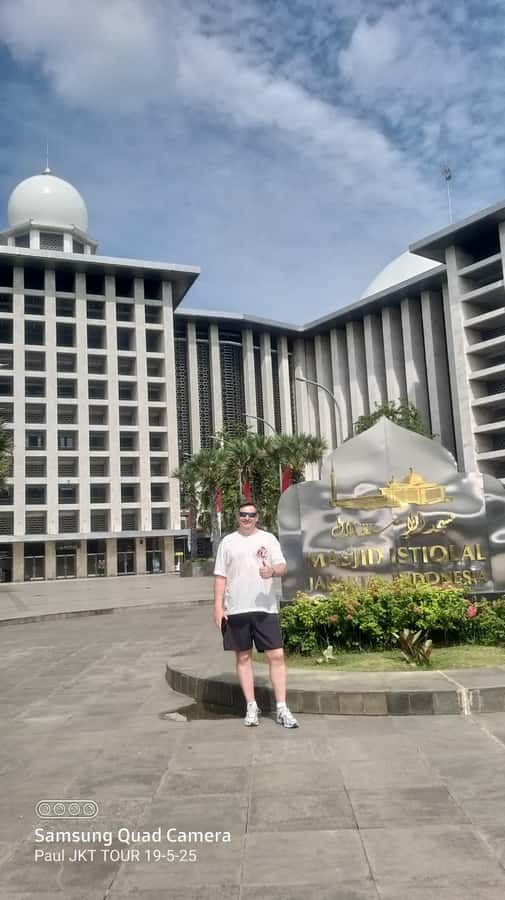
The day opens with the Istiqlal Mosque for a guided visit plus a walk and photo stop (about 40 minutes). This is one of those places where the guide’s framing changes your experience. Instead of treating it as a box to check, you learn how it fits into Jakarta’s cultural and historical setup.
After that, you’ll head to Jalan Medan Merdeka Selatan for a photo stop and a short guided orientation walk/passing time. This is where you’ll see the “national” side of the city come into view, and it sets up what’s next: sightseeing around major monument and palace areas.
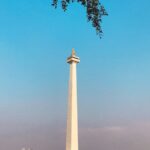
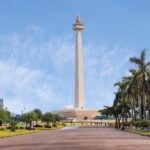
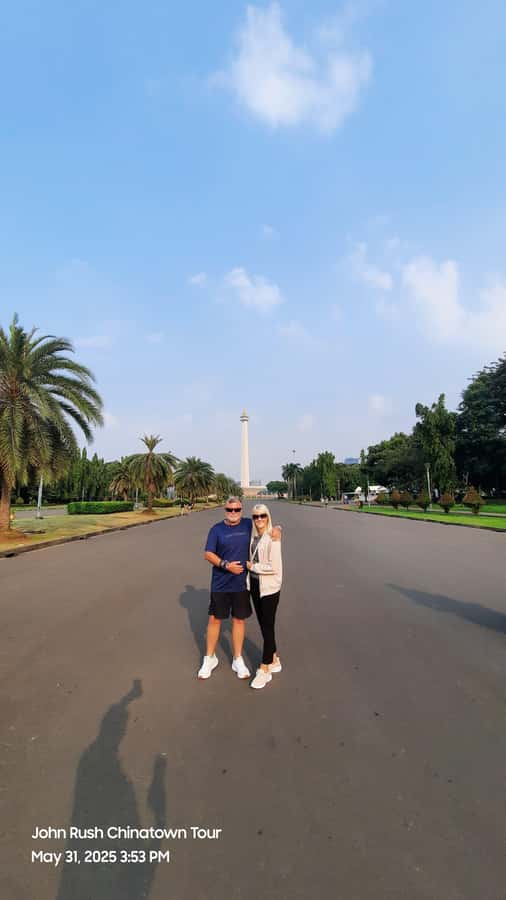
Then you’ll connect this civic zone to the museum element of the tour. Museum National is included, along with an entrance ticket. There’s also a photo stop at Monumen Nasional and sightseeing that passes by the Presidential Palace.
Why this matters: Old Batavia later will make more sense once you understand what “modern Jakarta” looks like. In other words, you’re not only collecting old buildings—you’re tracking how the city grew into its current identity.
Practical note: You’ll likely do some walking near the mosque area. Wear breathable layers and keep water handy. The tour includes mineral bottle water, but you may still want your own snack if you’re sensitive to long gaps between meals.
Museum National and Monument Stops: Context Without Overkill
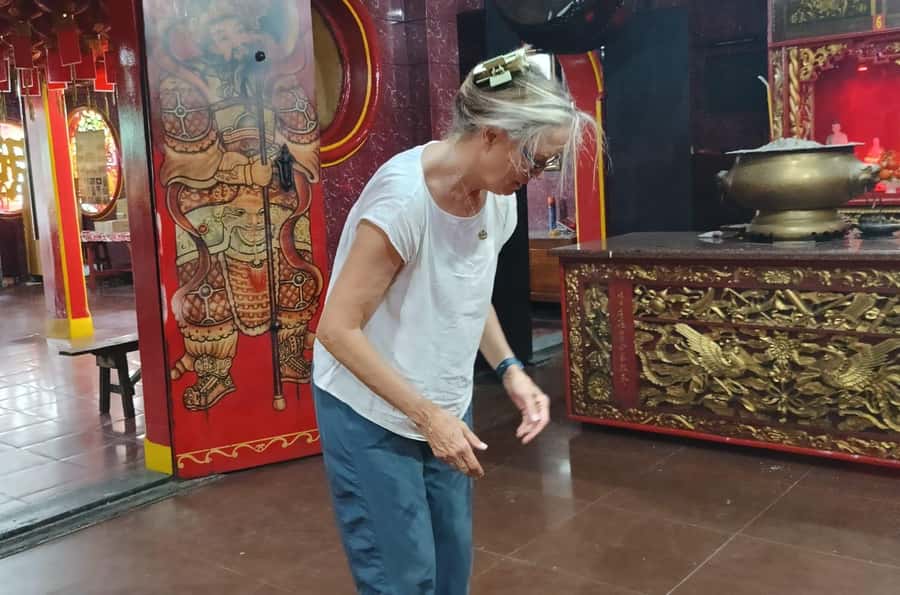
Museum time can go two ways: either it’s too much, or it’s oddly pointless. Here, it’s included as a context anchor, not a full-day museum marathon. With the entrance to Museum National included and a structured time window, you get the “why” behind what you’re seeing next in Old Batavia.
You can think of this part as your visual glossary. After the museum and the Monument Nasional photo stop, the tour shifts from national symbolism toward neighborhoods that tell you how everyday life shaped Jakarta. You’ll go from a bigger political scale to the street-level scale of Chinatown and Old Town.
A small drawback for some people: if you love museums and want to linger, you may find the time keeps moving. The tour is designed to fit everything into a 6-hour circuit. That’s a trade-off you’re choosing when you book a heritage highlight tour instead of a slow deep dive.
Glodok (Chinatown) and the Building-Style Switch
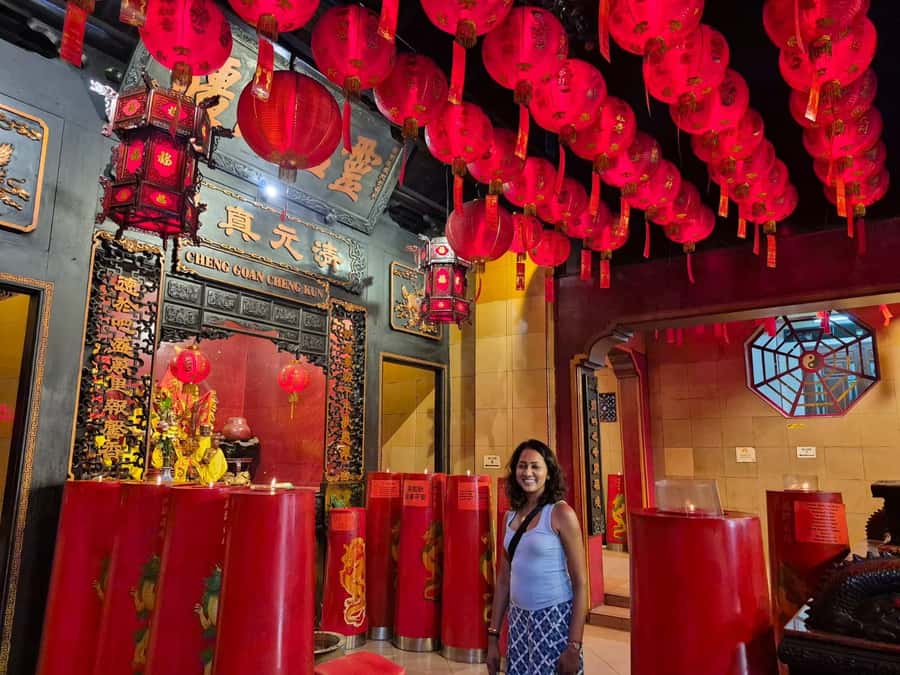
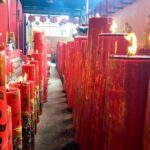
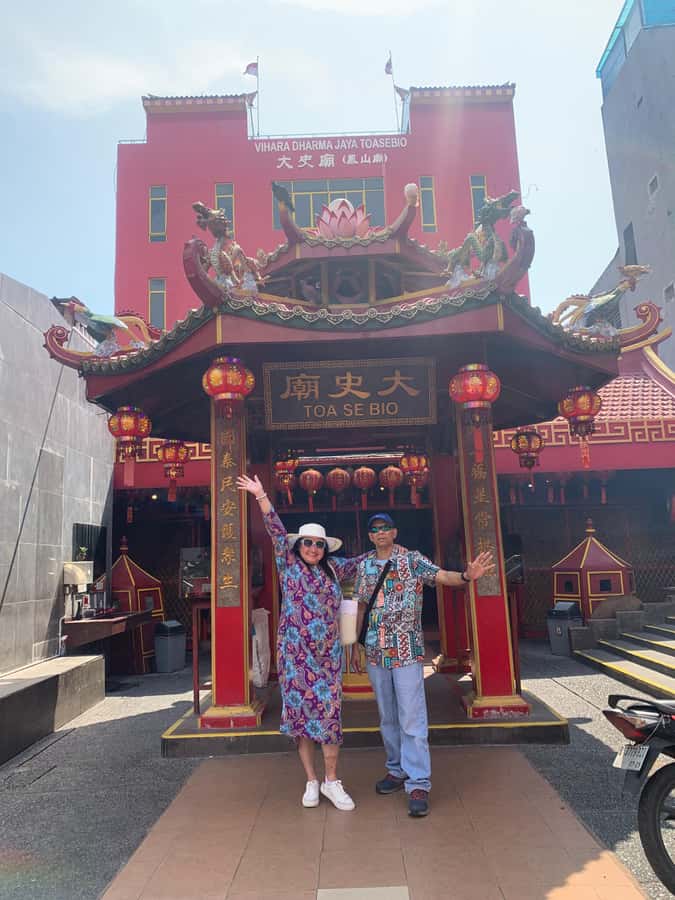
Next comes Glodok, Jakarta’s best-known Chinatown area, for a guided visit and about a 30-minute walk. If you’re used to “one city, one style,” this stop surprises you. You’ll notice European and Chinese building styles in the same frame, plus the kind of street density that makes the area feel alive even when you’re only on foot for a short time.
This is also where the guide’s narration really earns its keep. A good guide helps you connect what you see—streets, storefronts, architecture—to how the old harbor and trading history shaped local communities.
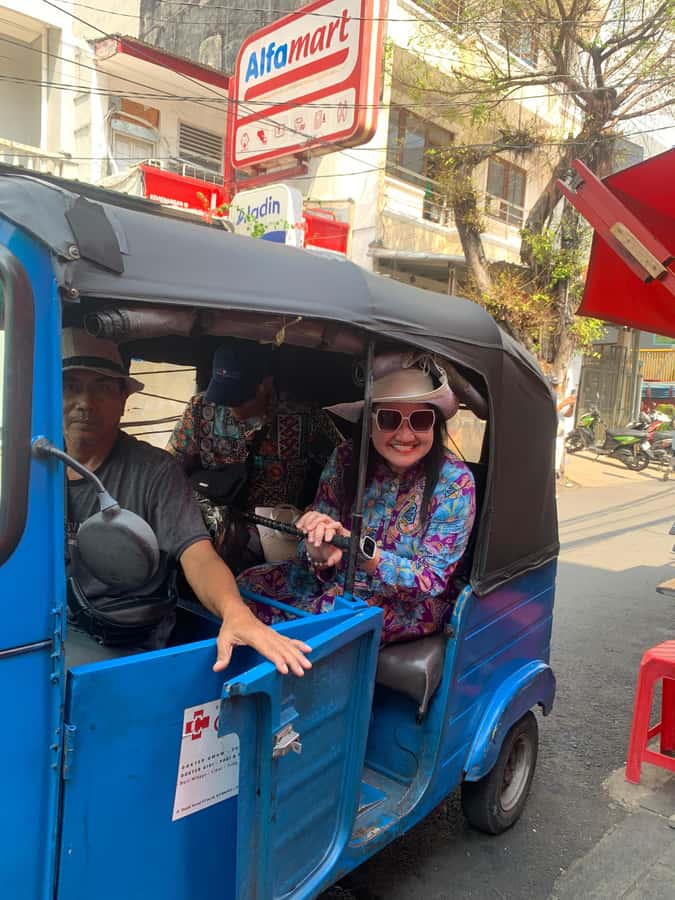
Then comes a fun pivot: a tuk tuk ride for about 10 minutes. Even if you’ve done rides like this elsewhere, it works here because it breaks the pace inside the heritage corridor. You’re not stuck only walking. You get a change of angle and a sense of movement through the old-city area.
Small caution: Chinatown walking can be tight in spots, so keep your phone and bag secure and don’t expect huge open sidewalks everywhere.
Kota Tua Old Batavia: Lunch Break, Photos, and the Heritage Walk
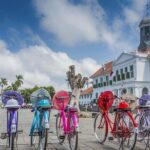
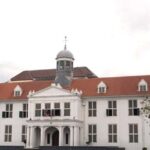
Kota Tua Jakarta is the heart of the Old Batavia idea. You get a break time, photo opportunities, a guided visit, sightseeing, and walking, plus a “class” time that’s listed as about 1 hour.
This is the part I’d prioritize if you’re choosing between “classic landmarks” and “heritage atmosphere.” Kota Tua is where you’ll see how the city’s old layers show up in street layout and building frontages. It’s also where the tour leans into learning—there’s walking guidance with an expert and archaeologist-style input included, so you’re not just sightseeing blindly.
Lunch happens here, and this is one of the most practical parts of the tour design. Meals aren’t included, but you’ll get time in the middle of the day to choose what you want to eat. That choice is valuable in a city like Jakarta, where you might prefer something simple and familiar or something more adventurous depending on your comfort level.
If you have dietary restrictions, this is the moment to plan. Since lunch isn’t included, you can pick a spot that matches what you want—just remember the tour schedule will keep moving after the break.
What to bring mentally: Kota Tua is where you’ll take the most photos, so expect light to change quickly. If you’re shooting smartphone videos, try to steady your pace. The walking portions are part of the experience, not a nuisance you can skip.

Pinangsia: Shopping and a Short Class/Workshop Time
After Old Batavia, the tour moves to Pinangsia for guided visits and hands-on time. You’ll spend two blocks here, each listed around 30 minutes, including a segment where there’s shopping plus class/workshop time (another 30 minutes is described in the schedule).
Pinangsia is a good fit for travelers who want more than monuments. Instead of only looking at history from the outside, this stop is built around doing—at least in a short format. Even if the workshop time is brief, it gives you a chance to slow down and see a different side of local life.
What you’ll likely appreciate: shopping time that’s tied to a guided experience. It’s easier to understand what you’re buying when someone can explain the context behind local crafts or goods. That’s especially useful if you’re unsure what’s worth paying for.
One caution: shopping time always moves fast. If you’re the type who likes to compare prices, keep your budget in mind early. The tour gives you structure, but not long bargaining sessions.
Sunda Kelapa Harbor: Old Port Energy to Close the Loop
The final heritage chapter is Sunda Kelapa Harbor, with about 20 minutes for a guided visit. Harbor stops are where Old Batavia stops feeling like architecture and starts feeling like a living system—trade, boats, routes, and the kind of work that turns geography into history.
This is a smart closing move because it connects the dots. You’ve seen civic Jakarta in the earlier stops, Old Batavia in Kota Tua, and the neighborhood trade energy in Chinatown. Finishing at the port gives your day a clear arc: from national identity to everyday commerce to the old maritime gateway.
Given the schedule, you won’t have time for a long linger like you would on an all-day itinerary. But for a half-day tour, this is enough to see the setting and take a few “final frame” photos.
Price and Logistics: Is $64 Good Value for 6 Hours?
At $64 per person for about 6 hours, the value depends on what you want packed into that time. Here’s what you’re getting that makes the price feel reasonable:
- Expert guide in English (live guide)
- AC vehicle with driver
- Tuk tuk ride included
- Museum National entrance included
- Mineral bottle water
- Pick-up and drop service across Jakarta free (with airport as an option)
- A walking tour with expert and archaeologist included
What’s not included: meals and drinks, plus personal expenses. That’s common for short city tours, but it’s important for budgeting. You may spend more than expected if lunch turns into multiple drinks and snacks.
The overall bargain logic: you’re paying for transportation + structured learning + specific entrance and ride inclusions. If you tried to stitch these stops together yourself—especially museum entry and guided narration—it would likely take more planning time and cost more in transport than you expect.
Who This Tour Fits Best (And Who Might Want a Different Day)
This is a great choice if you want your first Jakarta day to feel organized and connected. It’s especially suitable for:
- First-time visitors who want Old Batavia context fast
- People who like guided storytelling and walking stops
- Travelers who don’t want to plan transport between distant areas
- Anyone who values both architecture and neighborhood culture
It may not be ideal if you hate tight schedules. Since the day includes multiple photo stops, walking segments, and two Pinangsia segments, you’ll be moving. If you prefer to linger at one site for longer, you might want a slower, single-neighborhood tour instead.
Based on guide feedback you may encounter from the tour’s common guide-driver teams, the experience often feels safe and smooth. Names that come up include Haidar, Siti, Enok, and a driver noted as Abang Jonday—all described as helpful, well-prepared, and effective at getting a lot done without chaos.
Should You Book This Old Batavia + Museum Tour?
I’d book it if you want a clean introduction to Jakarta that links monuments to neighborhoods. The mix of Istiqlal, Museum National, Glodok Chinatown, Kota Tua Old Batavia, Pinangsia, and Sunda Kelapa Harbor is exactly what helps you stop seeing the city as one generic blur.
Book it especially if you:
- Have limited time (about 6 hours)
- Want guidance in English
- Prefer a private group setting with an AC vehicle and built-in ride/entry
Skip it (or plan a different style of trip) if you strongly want a long museum day or a very slow photo-walk with no schedule pressure.
FAQ
FAQ
How long is the Jakarta City Tour with Old Batavia and Museum?
The tour lasts about 6 hours.
Does the tour include pickup and drop-off?
Yes. Pickup is included, and there are two drop-off options: Jakarta and Soekarno-Hatta International Airport. The pickup location can include the airport as an option as well.
Is the tour guided in English?
Yes, the live tour guide speaks English.
What is included in the price?
The included items are an expert guide, tuk tuk ride, air-conditioned vehicle with driver, mineral bottle water, entrance to Museum National, a walking tour with expert and archaeologist, and pickup/drop service across Jakarta.
Are meals included?
Meals and drinks are not included unless specified. Lunch time is built into the schedule so you can choose what to eat.
Is the tour private?
Yes. It’s listed as a private group.
Is the tour wheelchair accessible?
Yes, it’s listed as wheelchair accessible.
If you tell me your pickup point (airport vs. hotel) and roughly where you’ll be staying, I can help you plan what to prioritize for the best photos and least rushing on the day.