Ubud can feel like a grab-bag of stops, but this route feels intentional: jungle, temples, and rice paddies in one smooth day. I love the private, round-trip transportation that keeps you from wrestling with taxis, and I love how the day mixes big sights with a real sense of Balinese life. The only drawback is timing and weather: rain can shut down safer terrace and temple areas, and it can also change what you get to do.
What makes it work is the pacing and the guide. I’ve seen this tour run with drivers like Wah, Vitho, and Ary—the kind who don’t rush you at each stop and who know how to handle crowds and roads. Still, if you’re planning to swim at the waterfall or spend lots of time on the swing, build in extra patience for queues and changing conditions.
In This Review
- Key things that make this Ubud day click
- A Ubud day built around jungle, water, and ritual
- Price and logistics: what $31 really covers
- Stop 1: Tegenungan Waterfall, and your swim-or-skip decision
- Stop 2: Tirta Empul water temple and the holy spring
- Stop 3: Tegalalang rice terrace walk (what you actually see)
- Stop 4: Sacred Monkey Forest Sanctuary without turning it into chaos
- Happy Swing Bali: the photo moment and the time trap
- Celuk Village silver crafting and the Ubud art market
- Time management: making 8 to 10 hours feel unhurried
- Who should book this Ubud combo tour
- Should you book this Ubud day trip?
- FAQ
- How long is the Ubud tour?
- Does the tour include pickup and drop-off?
- Are entrance fees included?
- Do I need to bring a sarong for the temple?
- Is bottled water provided?
- What if the weather is bad?
Key things that make this Ubud day click

- Private pickup + English-speaking guide: one group, one vehicle, fewer headaches
- A full loop of signature Ubud sights: Monkey Forest, rice terraces, Tirta Empul, Tegenungan Waterfall
- Happy Swing Bali built into the day: jungle views with plenty of photo time
- Temple-ready by design: you get a traditional sarong for Tirta Empul
- Optional “all-inclusive” entrance coverage: check whether tickets are included for your booking
A Ubud day built around jungle, water, and ritual
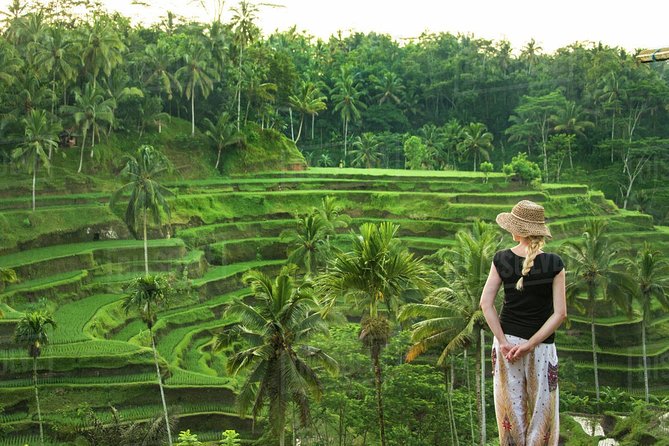
This is the kind of Ubud tour that’s best when you want variety. You’re not just seeing one thing; you’re moving through four distinct worlds: a sacred jungle with monkeys, a set of rice terraces people actually work, a water temple tied to purification rituals, and a waterfall scene you can view—or even get in the water at, depending on conditions.
The “private just for you” setup matters more than it sounds. You’re not squeezed into a schedule where you’re waiting on other people’s pace. Your guide can also adjust the route order if the weather turns, which matters around Ubud where sudden rain is a real possibility.
And yes, you’ll be stopping for classic photos. But the best moments tend to be the in-between ones: watching how people move through the terraces, hearing short local stories from your guide as you pass villages, and getting the flow of the day without constantly checking directions.
You can also read our reviews of more tours and experiences in Ubud.


Price and logistics: what $31 really covers
At $31 per person, the value is mainly in the transport + guide time. Your tour includes private hotel or port pickup and drop-off, an air-conditioned vehicle, an English-speaking driver-guide, bottled water, and a sarong for temple visits.
What’s not automatically covered is the cost of admission everywhere. The tour data makes this clear: entrance fees and lunch are extra unless you select the All Inclusive option for entrance fees and the jungle swing. The itinerary also lists admission tickets as not included at certain stops.
So here’s the smart way to budget:
- Start with the base price for transport, guide, and included items like water and the sarong.
- Add money for tickets and meals unless you specifically chose the all-inclusive option.
- Plan for some spending at the locations where you may want a snack or drinks during breaks.
If you want the simplest day with the least extra payments, choose the all-inclusive option. If you’re okay paying tickets on-site, the base rate can still be a good deal for an 8–10 hour private outing.
Stop 1: Tegenungan Waterfall, and your swim-or-skip decision
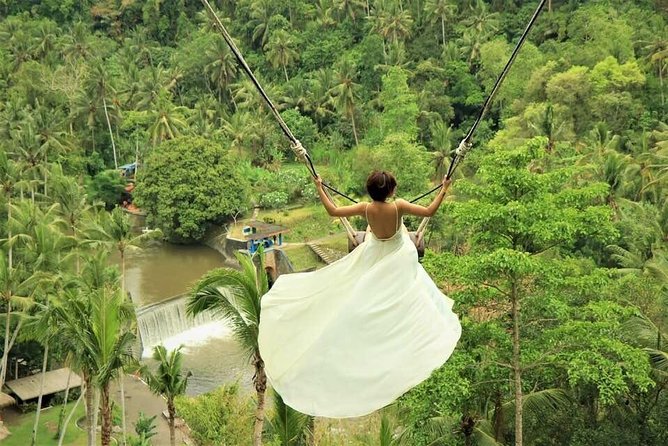
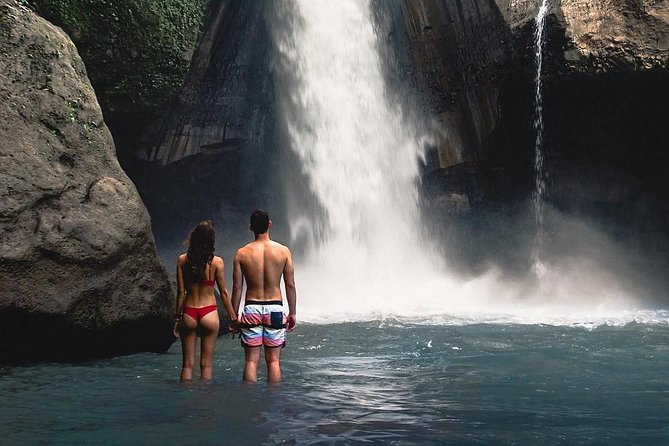
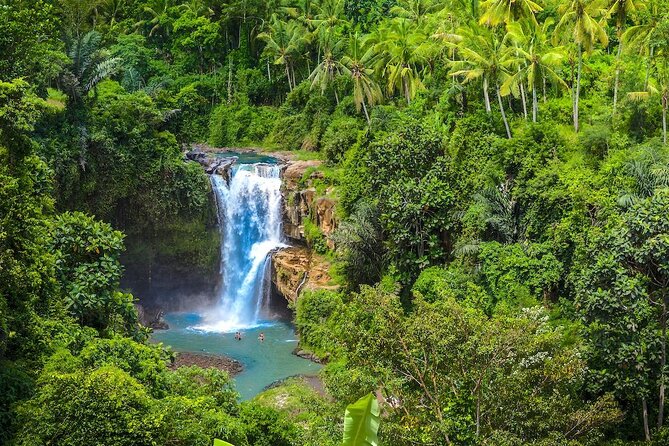
The day often kicks off at Tegenungan Waterfall, surrounded by thick tropical greenery. This is the stop where you’ll quickly understand how Ubud tours work: you arrive, you take photos from viewpoints, and you decide how close to get.
You can go down to the water. If conditions are good, it’s a genuine chance to cool off in a natural setting. If it’s wet or slippery, you might prefer the hill views instead. One practical note: rain can affect what’s safe, and when access is limited you may get more photo time than swimming time.
The upside is that Tegenungan is visually dramatic without needing a long hike. The downside is that it can be muddy when it’s been raining, and that changes your comfort level fast.
If your main goal is a swim, go with the expectation that your guide may adjust details based on safety that day. That flexibility is one reason people rave about guides like Wayan and Adi(k) in this route.
Stop 2: Tirta Empul water temple and the holy spring
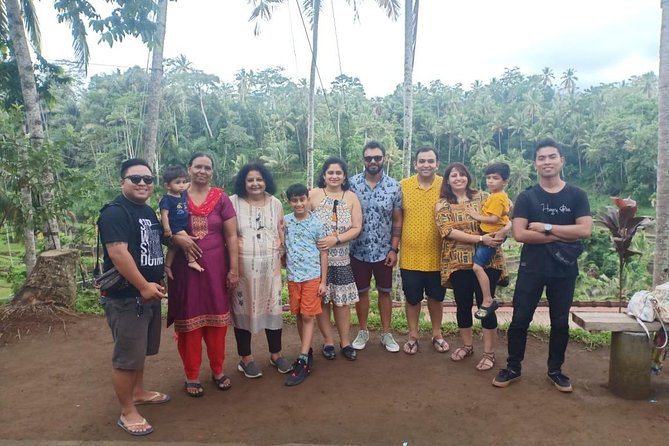
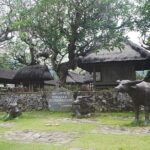
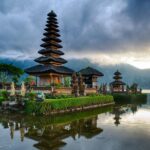
Next up is Tirta Empul Temple, known as the holy spring place. The temple compound includes a bathing structure (often called a petirtaan), fed by holy spring water. The ritual purpose is purification for Balinese Hindu worshipers.
This stop is less about thrill and more about atmosphere. You’ll want to dress respectfully, and that sarong you get as part of the tour helps you do that without hunting for one on your own.
Practical tips that come straight out of how this kind of temple visit works:
- Bring patience. People move with intention here, and the pace is calm.
- Expect photos, but don’t block others during ceremonies or bathing.
- If it’s raining, temple access rules can shift. Some days, certain areas may be unsafe to walk to.
One review story really drives this point home: pouring rain can limit the experience at both the temple and the rice terraces. So if you’re booking for peak views, try to choose a day with better weather—or plan mentally for plan B.
Stop 3: Tegalalang rice terrace walk (what you actually see)
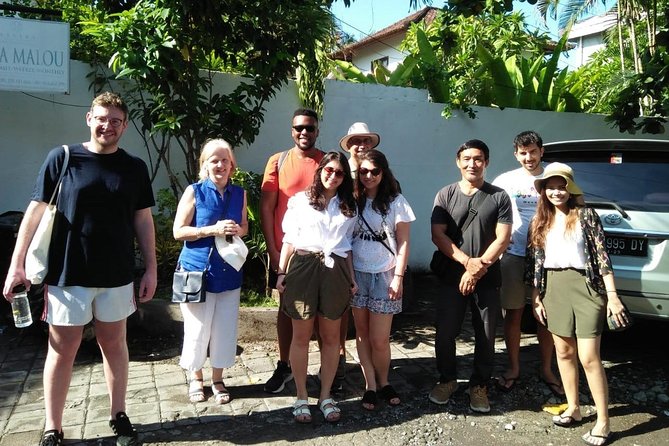
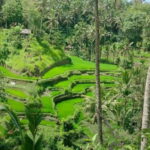
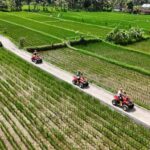
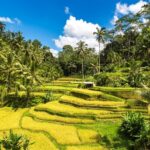
Tegalalang Rice Terrace is the iconic green paddies stop. You’ll stroll through the fields and see how daily work ties into the landscape. It’s a great chance to slow down for a bit, breathe, and watch people moving through small tasks that look simple but are clearly labor-intensive.
What you’ll enjoy most here is the scale and the patterns: steps of rice paddies that follow the hills, with jungle greenery around them. The walk is also a good buffer between the waterfall and the monkey forest, because it’s less chaotic than animal encounters and less slippery than wet rock ledges.
A key consideration: if it’s unsafe due to rain, terrace access can be limited. In a wet situation, you may end up with reduced walking and more viewing from safer areas.
Also, manage expectations. This is a scenic walk, not a behind-the-scenes farm tour with a full production story. You get the feel of how it looks and how people work, and your guide can point out what matters.


Stop 4: Sacred Monkey Forest Sanctuary without turning it into chaos
The Sacred Monkey Forest Sanctuary is a must in Ubud, but it’s also the stop where people either relax or get stressed. The best experiences happen when you follow basic common sense: don’t tease, don’t run, and keep your belongings secure.
This sanctuary is thick jungle with shaded paths. You’ll likely spot monkeys high up and closer to the walkway, plus other wildlife like lizards, birds, and butterflies. The point is to watch and photograph without turning it into a wrestling match.
The good news: when guides keep people calm and set expectations, monkey time can be genuinely fun and photo-friendly. There’s real joy in watching monkeys swing and move through the trees, especially when your guide knows how to position your group.
One caution pulled from the swing-and-museum style of Ubud stops: if you’re also planning the swing, don’t let monkey time run so long that you lose time at the next stop. The route is a long day, and the vehicle schedule keeps everything moving.
Happy Swing Bali: the photo moment and the time trap
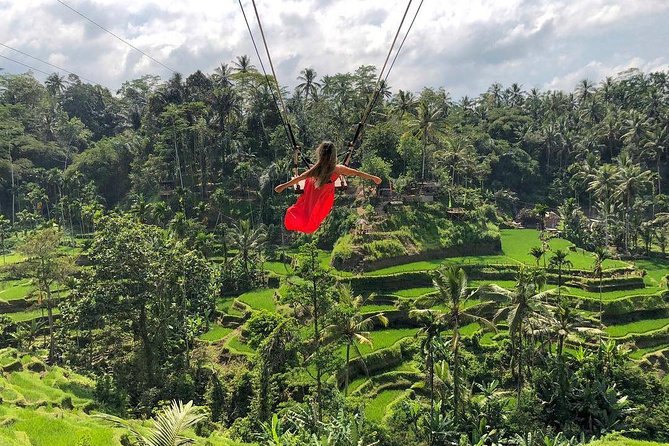
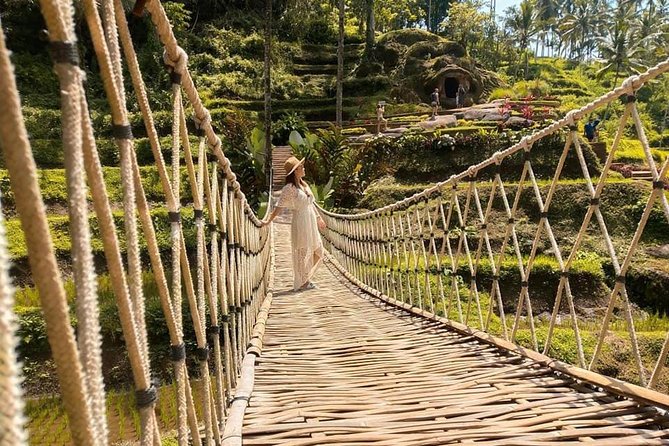
Happy Swing Bali is the stop people talk about because it’s instantly photogenic: a swing set with lush jungle views. You can expect to take time here—not just to swing, but to get the best shots.
Two things to know before you commit:
- Your enjoyment depends on how long you allow for photo set-ups and retries. Some groups end up spending a lot of time at the swing, which can push back other stops.
- The experience can feel more intense than you expect. The swing itself tends to deliver a bigger thrill than people anticipate.
There’s also a human factor. One review noted that the swing facilitators can be impatient with some clients and a bit aggressive in tone. That doesn’t mean it will happen to you, but it’s a good reminder to advocate for yourself: if you need a slower pace for photos or comfort, say so calmly and directly.
A smart move: ask your guide about where you might stand or how you can best get your photos without rushing. If your guide is the sort who helps with timing and comfort, you’ll feel more in control. People specifically praised guides like Ary for asking preferences around crowding and stair vs. wildlife paths.
Celuk Village silver crafting and the Ubud art market
After the big sights, the tour adds a couple of culture-and-craft stops that help break up the day.
Celuk Village is known for silver crafting. You’ll usually get around 30 minutes here, enough time to see how the craft works and browse what’s made. The stops are short by design, so you’re not stuck for hours shopping.
There’s also mention of a traditional market in central Ubud where you can find traditional art work. This is a good place to pick up small souvenirs that actually look local rather than the same mass-produced items you see everywhere.
Even if you’re not shopping, these stops are useful for context. They help you shift from scenic points to real daily life—how people earn money, how goods are made, and how Ubud’s reputation connects to craft.
Time management: making 8 to 10 hours feel unhurried
This is a long day. The tour is listed at 8 to 10 hours, and Ubud traffic can stretch that. That’s why the private vehicle matters: you’re not waiting around for multiple groups or rerouting between strangers.
In a perfect weather world, you’ll hit each stop in a logical order and keep things smooth. In real life, weather changes everything. When rain hits, some areas become unsafe, which can lead to reduced access at the waterfall and the rice terraces.
The best guides handle this by adjusting priorities and helping you get the most from what’s open. People praised guides like Vitho for rearranging order based on the weather, and praised Wah and Adik for staying patient and not turning it into a sprint.
If you want the day to feel easy:
- Start the day with comfy shoes and a plan for getting wet.
- Be flexible about what you swim in and what you only photograph.
- Keep an eye on time at the swing. If you want lots of swing photos, it can take over the day.
Who should book this Ubud combo tour
This works best if you want a single day that checks multiple Ubud highlights without logistics stress. It’s a strong fit for:
- Couples who want romantic scenery plus culture
- Families who prefer one driver and a clear route
- First-time Ubud visitors who want the “greatest hits” but with a guide’s context
- Anyone who likes variety: monkeys, temples, terraces, and waterfall in one loop
It may be less ideal if you want only one focus—like deep hiking—or if you hate schedules. Also, if you’re traveling right when weather is unpredictable, you’ll want to accept that access might change.
Should you book this Ubud day trip?
I’d book it if you’re planning to do Ubud as a highlight day and you want it handled for you: pickup, vehicle, guide, bottled water, and a temple-ready sarong. The format also gives you great odds of enjoying at least most of the big stops even when Ubud’s weather shifts.
I’d reconsider only if you hate crowds near animals, strongly dislike photo-heavy activities, or you’re aiming for guaranteed swimming and terrace walking no matter what. Rain can change access, and the itinerary can adapt, but safety rules always win.
If you’re excited about the Monkey Forest + rice terraces + Tirta Empul + Tegenungan Waterfall combo, this is one of the more efficient ways to do it in a single day.
FAQ
How long is the Ubud tour?
The tour is listed at about 8 to 10 hours.
Does the tour include pickup and drop-off?
Yes. Pickup and drop-off are included from many areas in Bali, including Ubud, Kuta, Seminyak, Canggu, Legian, Jimbaran, and Nusa Dua, as well as Sanur.
Are entrance fees included?
Entrance fees are included only if you select the Ubud Tour option that is marked All Inclusive. Otherwise, entrance tickets are not included.
Do I need to bring a sarong for the temple?
No. A traditional Balinese sarong for the temple visit is included.
Is bottled water provided?
Yes. Bottled water is included during the day.
What if the weather is bad?
This experience requires good weather. If it’s canceled due to poor weather, you’ll be offered a different date or a full refund.