Two volcanoes, one tight clock. In two days you’ll chase sunrise at Bromo and the Ijen blue flame with night drives and early hikes. It’s the kind of route that feels intense on paper, but practical once you see how the timing and transport fit together.
I love how this tour handles the big logistics: pickup from Malang or Surabaya and an air-conditioned ride forward to the Bromo area and beyond. I also like that you’re not left scrambling for safety gear at Ijen, since the trekking kit includes a gas mask and a head lamp.
The main drawback to consider is the schedule itself. You’re starting after midnight and hiking in the dark, and the tour also depends on good weather for it to run as planned—so you’ll want to be flexible.
In This Review
- Key things to know before you go
- Two volcanoes in 48 hours: the schedule that makes it work
- Malang or Surabaya pickup: value in not wrestling transport
- Cemoro Lawang sunrise deck: tea, coffee, and the pre-dawn build-up
- Jeep 4WD to Mount Bromo: the part you’ll feel in your legs
- Bondowoso overnight stay: the reset that keeps day two from breaking you
- Midnight Mount Ijen hike: blue flame happens at night for a reason
- The Ijen kit (gas mask, head lamp, poles) changes the experience
- Value check: does $180 make sense for Bromo + Ijen?
- Group size, fitness, and weather: what can affect your day
- Finishing point: Ketapang Port for Bali or back to Surabaya
- Should you book this Malang or Surabaya Bromo and Ijen 2D1N?
- FAQ
- What time does the tour start?
- Do I get picked up from Malang or Surabaya?
- How long is the tour?
- Where is the sunrise viewing?
- Do I get a private room for the night?
- What transport is used for the Mount Bromo sand dunes?
- What trekking gear is included for Mount Ijen?
- Are admission tickets included?
- How many travelers are in the group?
- Where does the tour end if I’m going to Bali?
Key things to know before you go
- Pickup from Malang or Surabaya to cut down on day-one hassle
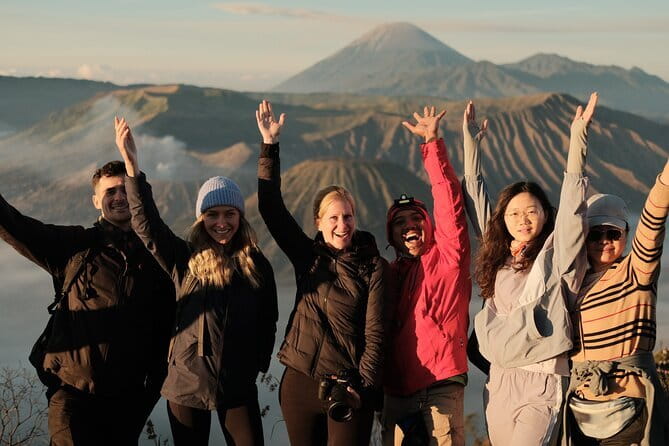
- Sunrise at Cemoro Lawang with tea or coffee to warm you up
- 4WD jeep for Bromo sand dunes plus standard trekking support
- Bondowoso overnight stay to recover between two volcano days
- Ijen trekking kit included: gas mask and head lamp
- Small-group feel with a maximum of 15 travelers
Two volcanoes in 48 hours: the schedule that makes it work
This is a classic 2D1N Bromo and Ijen format, built around the same reality for every volcano trip in East Java: timing matters more than anything. Mount Bromo looks best when the sky is turning pale, and Mount Ijen is famous at night when the famous blue flame becomes visible. That’s why the day starts after midnight and why you’re moving constantly instead of spending slow, lazy hours in transit.
The good news is that the tour’s structure is clear. Day 1 centers on Bromo with a sunrise deck stop and a 4WD jeep ride for the sand-dune approach. Day 2 shifts to Ijen with a midnight hike for the crater and the blue flame experience, then you end with a transfer either back to Surabaya or toward the Bali route via Ketapang Port.
If your idea of a perfect trip includes sleeping in and wandering at your own pace, this probably won’t feel like that. If you want a concentrated volcano highlight reel done efficiently—without you figuring out every connection yourself—this tour style is made for you.
You can also read our reviews of more tours and experiences in Malang.
Malang or Surabaya pickup: value in not wrestling transport
One of the biggest reasons I like this tour is that it starts by meeting you where you are: in Malang or in Surabaya. The pickup time is around 12:30 am, and that matters because it sets you up to reach the Bromo area at the right moment for sunrise.
You’re not traveling in a bare-minimum way either. The tour includes an air-conditioned vehicle, which is a real comfort factor when you’re sitting for hours, then stepping straight into night hiking logistics.
And for many people, the “from Malang or Surabaya” choice is the whole point. Malang is a logical base if you’re already exploring Java’s east. Surabaya is a common arrival city if you’re coming from further away. In both cases, having one operator coordinate the long drive plus the onward moves toward Bromo and Ijen saves you time and decision fatigue.
Cemoro Lawang sunrise deck: tea, coffee, and the pre-dawn build-up
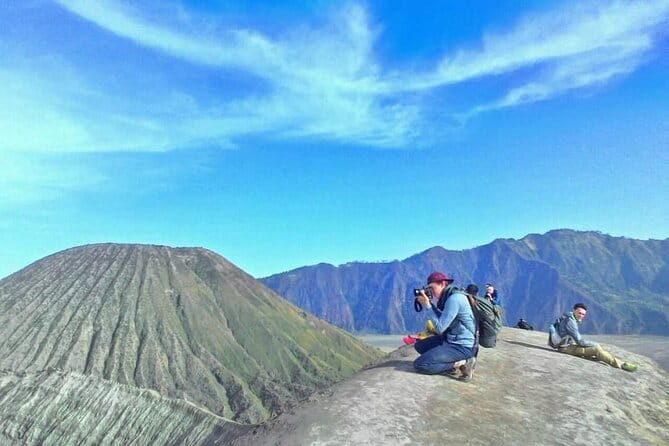
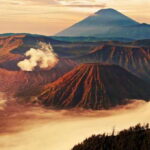
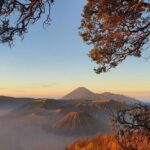
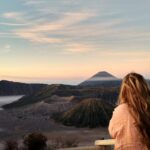
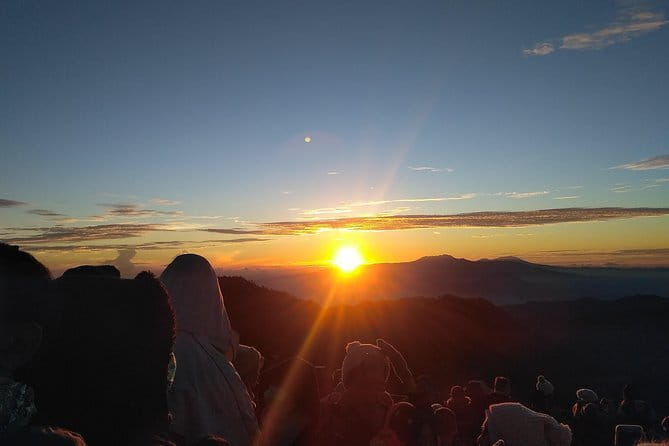
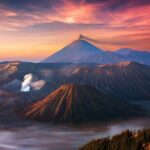
Bromo day begins in the Cemoro Lawang area, and the first emotional hit is sunrise. Before any sand-dune trekking, you go to an observation deck to watch the sky change. The tour includes warm-up drinks—tea or coffee—so you’re not just standing around cold and waiting for nature to do its thing.
Here’s what I think makes this stop work for you as a traveler: it reduces pressure. Instead of scrambling to find the right viewpoint in the dark, you follow a timed plan. You get the deck moment first, then everything else (jeep ride, Bromo approach) follows once sunrise has done the heavy lifting.
You should also expect that sunrise is a crowd magnet. This is one of Indonesia’s most popular volcano routines, and the deck experience is often part scenic and part logistics. The tour format can’t make the world quiet, but it does help you show up at the right place at the right time without guessing.
Jeep 4WD to Mount Bromo: the part you’ll feel in your legs
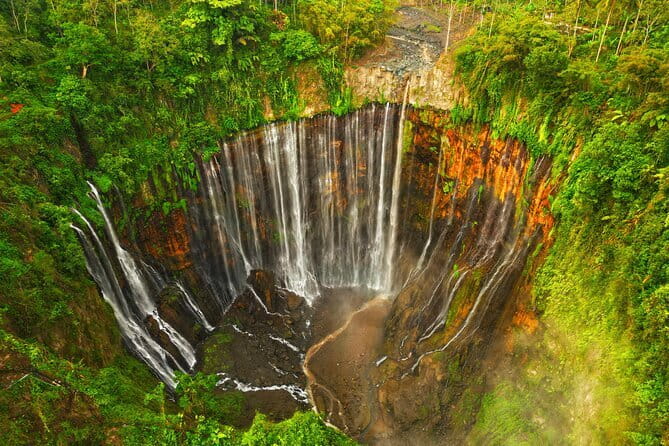
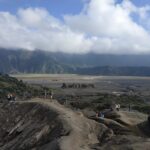
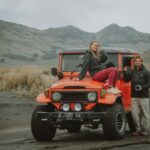
After sunrise, you shift into the practical volcano route: a 4WD jeep takes you across the sand dunes toward Mount Bromo. This matters because Bromo isn’t just a viewpoint. The sand-dune approach is physically different from normal trail walking, and jeeps shorten the amount of time you spend negotiating loose terrain.
Once you arrive at the Bromo area, you spend time exploring the crater and the viewpoints on foot. The tour includes admission ticket access for the day’s activities, so you’re not juggling one more payment step mid-program.
One detail worth calling out: horse rides near Bromo are not included. If you’re thinking about using a horse as an assist for the walking portions, you’ll need to arrange that separately.
The bigger practical takeaway is this: Bromo day is built to keep you moving efficiently. You’ll likely feel the combination of pre-dawn wake-up, jeep vibration, and sand-dune footing. If you’re the kind of traveler who enjoys a fast itinerary when it’s done well, this portion fits.
Bondowoso overnight stay: the reset that keeps day two from breaking you
Between Bromo and Ijen, you get something that’s easy to overlook when booking: an overnight pause. The tour goes to Bondowoso for one night accommodation with a private room, which is a big deal if you’re trying to recover for an additional midnight hike.
This overnight stop isn’t just “a bed.” It’s what lets the second day stay realistic. Without rest, Ijen would turn into a much harder physical and mental day. Even with a guide and included gear, you’re still hiking at night.
Also, breakfast is included for both days—so you don’t have to hunt for food in the middle of hectic timing. When your day starts around midnight, simple meals become part of the trip’s value.
Midnight Mount Ijen hike: blue flame happens at night for a reason
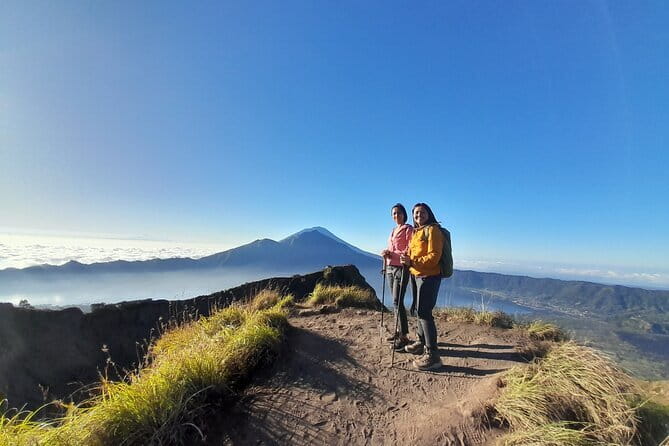
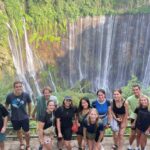
Day 2 is all about Ijen Crater. You depart to Mount Ijen with about 1.5 hours of driving from the hotel area. Then you arrive and get a welcome briefing from your mountain guide before the hike begins.
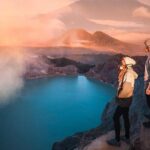
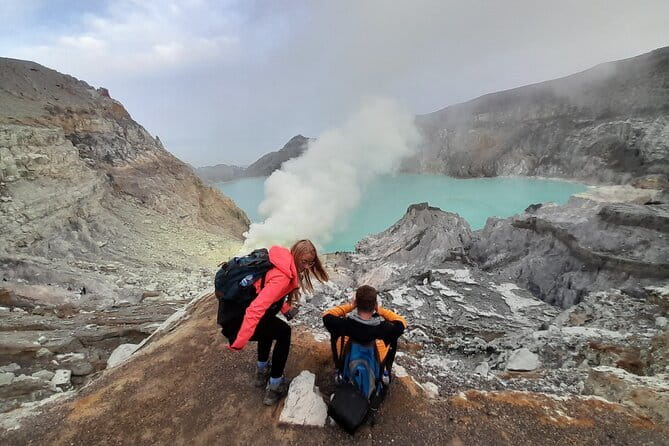
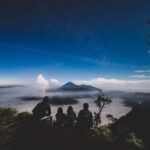
The Ijen portion is the heart of the trip. The tour focuses on reaching the crater area at midnight to see the famous blue flame. This is a “wait for the moment” experience as much as it is a hike. You’re moving in darkness first, then the reward comes as you get into position for the crater view.
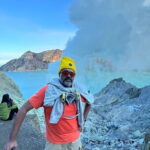
The included trekking equipment is a key part of how this feels in practice. The tour provides trekking poles, a gas mask, and a head lamp. That combination helps you handle two real challenges: footing in the dark and exposure to fumes near the crater.
If you’re worried about doing Ijen without the right tools, this tour style removes a lot of friction. You’re not trying to buy last-minute head lamps or figure out what kind of mask to use. You show up for the hike, follow your guide’s direction, and focus on the experience.
One extra human note from the trip’s real-world feedback: guides such as Ipul and Nuu are mentioned as standout parts of the journey. That lines up with what you should look for on Ijen—clear guidance, calm pacing, and good communication when you’re hiking in the dark.
The Ijen kit (gas mask, head lamp, poles) changes the experience
It’s easy to think of a volcano hike as just “walking to a view.” Ijen is different because safety and visibility are part of the show.
- Head lamp: helps you move during the dark hike without improvising.
- Trekking poles: take some pressure off knees and ankles when the ground is uneven.
- Gas mask: addresses fumes risk in the crater area.
The tour also lists a health certificate as included. I won’t pretend that changes the need for common sense, but it signals that the operator is treating Ijen seriously, not casually.
I also like that a guide is part of the plan. On Ijen, you don’t just need fitness—you need rhythm: when to pause, how to handle the crater approach, and how to stay oriented.
This is one of those places where having the kit and the guide lets you enjoy what you came for: the crater view and the blue flame moment.
Value check: does $180 make sense for Bromo + Ijen?
At $180 per person, you’re paying for a lot more than two entry tickets. The included package covers:
- 1 night accommodation with a private room
- Air-conditioned vehicle for the transfers
- 4WD jeep for the Bromo sand-dune segment
- Trekking equipment (poles, gas mask, head lamp)
- Admission tickets included
- Breakfast for 2 mornings
- All fees and taxes
You also get small-group structure (max 15 travelers). That’s not a guarantee of silence, but it does keep logistics manageable.
Where the value gets real is in the “not having to figure it out” factor. Planning Bromo and Ijen back-to-back means arranging transport, sunrise timing, and the night hike—then arranging food and rest between. When a tour already bundles that, your cost stops feeling like a surcharge and starts feeling like a system.
The one possible dent in value is the part you might still pay for elsewhere: the horse near Bromo is not included. But even that is optional and depends on how you like to walk.
Overall, if you want to see both volcano highlights in one short timeframe with the gear handled for you, the price feels in line with what you’re getting.
Group size, fitness, and weather: what can affect your day
This tour caps the group at 15 travelers. A smaller group usually means quicker instructions and less chaos when you’re moving between viewpoints and meeting points. It’s also easier for guides to keep track of timing in the dark.
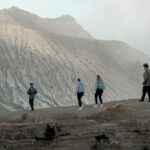
Fitness-wise, the tour asks for moderate physical fitness. That’s a useful phrase because it signals that you’re not looking at an extreme climbing expedition, but you are hiking—at night at Ijen, plus the Bromo crater area and sand-dune approach.
Weather is the other big limiter. The tour notes that it requires good weather, and if it’s canceled due to poor conditions, you’ll be offered a different date or a full refund. In volcano regions, fog and cloud cover can also affect visibility, so this matters.
My practical advice: treat this as a trip that’s “condition-driven.” If you keep your schedule flexible and don’t chain the tour to something time-critical right after it, you’ll feel calmer when weather decisions come up.
Finishing point: Ketapang Port for Bali or back to Surabaya
After Ijen, the tour ends with a transfer either to Ketapang Port for the Bali route or back to Surabaya. This is important if you’re trying to connect to ferry travel. Ketapang Port is a natural transition point for Bali-bound plans, and having the handoff included saves you from scrambling for the last transport leg.
For travelers who aren’t going to Bali next, the option to return to Surabaya is equally helpful. It keeps your trip simple: you do Bromo and Ijen, then you’re brought back to the same major hub you started from.
In other words, the tour isn’t just a “drop off at the volcano.” It’s built to move you forward in your travel plan.
Should you book this Malang or Surabaya Bromo and Ijen 2D1N?
I’d book it if your top priority is seeing both Mount Bromo and the Ijen crater within a short timeframe, and you want someone else to handle the night-start logistics, vehicle transfers, jeep ride, and key trekking equipment. You’ll likely appreciate the included support at Ijen—especially the gas mask and head lamp—and you’ll benefit from a private room overnight in Bondowoso so day two doesn’t steamroll you.
I’d pause before booking if you strongly dislike early nights, dark hiking, or waking up on a tight schedule. The itinerary is efficient, but it’s not relaxed. Also, because the tour depends on good weather, you should be comfortable with the idea that conditions can affect the outcome.
If that sounds like your style—go for it. This is one of those trips where the planning is the product, and the volcano moments are the payoff.
FAQ
What time does the tour start?
The start time is 12:30 am, beginning after midnight.
Do I get picked up from Malang or Surabaya?
Yes. Pickup is available from Malang or Surabaya city areas.
How long is the tour?
The tour runs for 2 days (approx.).
Where is the sunrise viewing?
You’ll go to an observation deck in the Cemoro Lawang area to watch the sunrise.
Do I get a private room for the night?
Yes. 1 night accommodation with a private room is included.
What transport is used for the Mount Bromo sand dunes?
A jeep 4×4 WD is included for the Bromo area portion.
What trekking gear is included for Mount Ijen?
The tour includes trekking poles, a gas mask, and a head lamp.
Are admission tickets included?
Yes. Admission tickets are included for the activities.
How many travelers are in the group?
The tour has a maximum of 15 travelers.
Where does the tour end if I’m going to Bali?
It ends with a transfer to Ketapang Port (for Bali), or you can be transferred back to Surabaya.