Blue fire is not a brochure trick. I love how the overnight timing puts you at Mt Ijen in the dark for the real star attraction: the blue flames. I also like the limited-group setup (max 10) and the fact that you’re led by a local guide. The drawback is simple: this is a long, cold, tough climb, plus a big transfer day from Bali.
Ijen isn’t a sit-and-snap experience. You’ll get a safety briefing, plus a gas mask and flashlight, and then you start moving before dawn. After the crater photo time, you drop back down, ferry to Bali again, and finish with lunch and hotel drop-off.
In This Review
- Key highlights worth planning for
- Blue Flames at Mt Ijen: What You’re Actually Chasing
- Price and Value: What You Get for $153.85
- The 23-Hour Rhythm: How the Bali-to-Ijen Timing Works
- Gear, Safety, and the Reality of Walking Near Gases
- Meeting the Sulphur Miners: Watching Work Up Close
- The Hike to the Summit: Cold, Dark, and a Real Workout
- Summit Before Dawn: Blue Fire Odds and Photo Reality
- After Breakfast: The Crater Viewpoint and Descent
- The Guide and Pace: What Small-Group Really Changes
- What to Pack for Mt Ijen (So You Don’t Regret It)
- Who Should Book This Ijen Trek (And Who Should Skip)
- Small Details That Can Change Your Mood
- So, Should You Book This Tour?
- FAQ
- What time does the Mt Ijen tour start?
- How long is the Mt Ijen trekking tour?
- Where do you pick up, and what areas in Bali are covered?
- What meals are included in the tour?
- Do you provide safety gear like a gas mask and flashlight?
- How long is the hike to the summit?
- Who can join, and who should avoid this trek?
- What are the key crater rules near Ijen?
- What happens if the tour is canceled due to poor weather or timing?
Key highlights worth planning for
- Blue flames depend on conditions, so you’re going at the right time and trusting the weather.
- Small group (up to 10) keeps the hike controlled and easier to manage in dark conditions.
- Miners are part of the story: you’ll see sulphur hauling methods up close.
- You get practical gear (mask and flashlight) and a safety talk before walking into the crater area.
- A long day that still feels efficient, using ferries to cut down the day-to-day slog.
Blue Flames at Mt Ijen: What You’re Actually Chasing
Mt Ijen’s draw is the famous blue flame—small, eerie light licking above the sulphur gases in the darkness. This tour is timed for that moment. You leave Bali late afternoon, reach East Java around midnight, and start the hike so you’re at the summit area before dawn.
Here’s the honest part: you’re not hiking for scenery alone. You’re hiking for a specific phenomenon. Weather matters, and light matters too, so the tour gives you the pre-dawn schedule that gives the best shot at seeing it. If fog rolls in or conditions are poor, you’ll still get the crater experience, but the blue fire can be less impressive.
You can also read our reviews of more tours and experiences in Kuta.
Price and Value: What You Get for $153.85
At about $153.85 per person, this isn’t a budget day trip. The value comes from the logistics and what’s included, not from some fancy add-on.
You’re paying for:
- Round-trip ferry transfers between Bali and East Java (Gilimanuk to East Java, then Banyuwangi back later)
- Hotel pickup and drop-off from selected South Bali areas (Kuta/Legian/Seminyak/Jimbaran/Nusa Dua)
- A local guide for the blue-fire trek
- Safety equipment like the flashlight and gas mask
- Meals included: a light breakfast and lunch
What’s not included is also part of the calculation: drinks and dinner aren’t covered. That means you should plan to handle dinner (or at least snacks/drinks) outside the official meals. The tour ends with lunch at a restaurant after the late morning return ferry.
If you want a guided, overnight-style Mt Ijen experience that handles transport and timing for you, this price feels fair. If you’re trying to minimize physical effort or keep the day short, it can feel expensive fast—because you’re paying for the whole overnight machine.
The 23-Hour Rhythm: How the Bali-to-Ijen Timing Works
This is an overnight excursion, and it runs on a tight clock.
- Start time: 5:00 pm, with pickup from hotels in South Bali.
- Late afternoon → evening: You’re driven to Gilimanuk Harbor in West Bali.
- Ferry crossing: You take the sea route to East Java and arrive around midnight (give or take with the day’s flow).
- Midnight drive + trail setup: You head to the trek starting area, get briefed, and receive gear.
- Predawn hike: You walk toward the summit so you can view the crater phenomenon in the darkness.
- After sunrise timing: You eat a light breakfast at the mountaintop, then go back down and later check the crater viewpoint for photos.
- Late morning return: After the descent, you transfer to Banyuwangi Harbor for the ferry back to Bali.
- Finish: You get lunch on the Bali side and then return to your hotel in the afternoon.
One practical note: the long journey can feel like you’re waiting in transit at times. One common snag is that departures can hinge on when everyone in your group shows up, so you might sit around briefly before the whole group heads out. Build a little flexibility into your mindset.
Gear, Safety, and the Reality of Walking Near Gases
This tour is very clear that Ijen is not casual hiking. Before you start, you’ll receive a safety briefing and equipment including a flashlight and a gas mask.
You’ll also want to respect the crater rules and the safety approach:
- You’re expected to follow the maximum 500 meter limit from the crater area.
- You must not throw out rubbish or seed.
- Smoking is forbidden in the prohibited ways listed, and no fireplace behavior is allowed.
The other safety point is your health. This tour isn’t recommended if you have heart complaints, asthma, or other serious medical conditions. The guidance also says the minimum age is 16, and it’s not recommended for children 15 and under.
Also pay attention to the less-talked-about document requirement: you’re advised to bring a health certificate from a doctor, valid for up to 3 days from the Ijen tour date. If you don’t have it, the tour notes that they may bring you to the nearest doctor. That’s not meant to scare you, but it’s a reminder that the organizer takes health requirements seriously here.
Meeting the Sulphur Miners: Watching Work Up Close
One of the most human parts of this trip is the walk alongside the miners.
On the route, you’ll interact with sulphur miners who haul massive blocks of yellow sulphur using bamboo pole baskets carried across their shoulders. The load range is heavy—about 60–80 kg per miner load—so it helps to slow down and watch their pace. They use traditional methods (including iron rods) for their work, and you’ll see how it continues without the same modern safety gear you’d expect on a tourist trek.
This part matters because it changes how you experience the volcano. You’re not just watching a spectacle. You’re sharing a trail with people who work there. It adds context to the crater, the gases, and why the rules exist.

The Hike to the Summit: Cold, Dark, and a Real Workout
The walking portion toward the summit is short on paper but intense in real life. You’re given an approximate 3 km (about 1 mile) route to the summit that takes around 1 to 2 hours, depending on pace and conditions. It’s a mix of uphill and flat sections.
Why it feels harder than the distance suggests:
- You’re starting at night and moving in low light.
- Cold air and early pre-dawn wind can sap energy.
- You’re wearing crater-appropriate clothing and gear (mask, gloves, layers).
- The terrain includes steep moments on the way in and out.
This is where you want to be honest with yourself. The tour explicitly says you need strong physical fitness. If you’re planning to do this as a “casual hike,” you’ll likely feel it hard.
Summit Before Dawn: Blue Fire Odds and Photo Reality
You arrive before dawn for the blue fire moment, and it’s described as dependent on weather conditions. That’s your big variable. But even when the flame isn’t at its strongest, the crater area still delivers a strong, dramatic feel.
For photography, bring the right mindset:
- Expect darkness, so your camera settings and phone flash discipline matter.
- Bring a plan for your hands. Gloves are recommended, because cold hands struggle with camera adjustments.
- Keep your shots respectful. You’re close to a protected hazard zone, and the tour has strict rules about staying within distance and not doing unsafe actions.
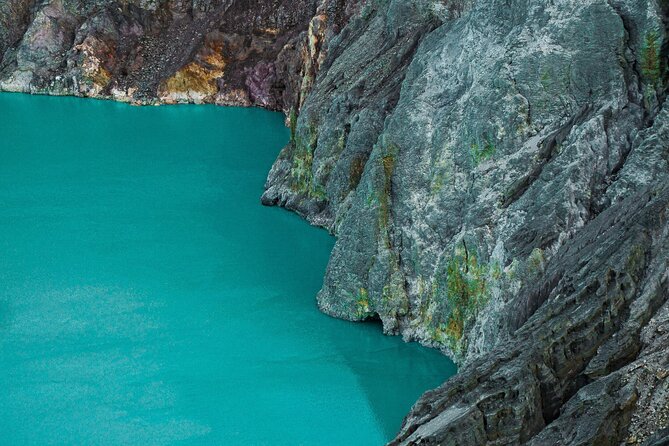
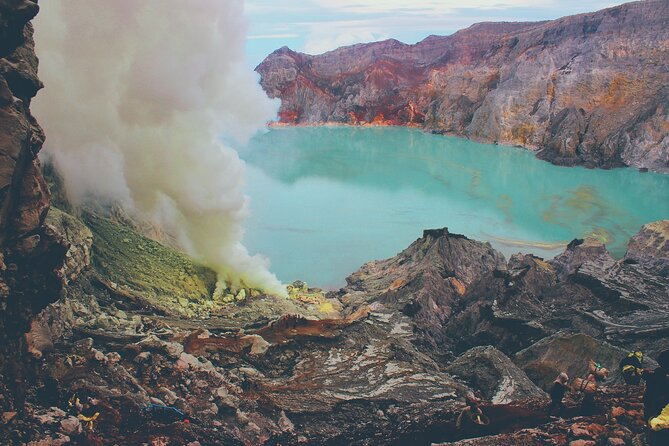
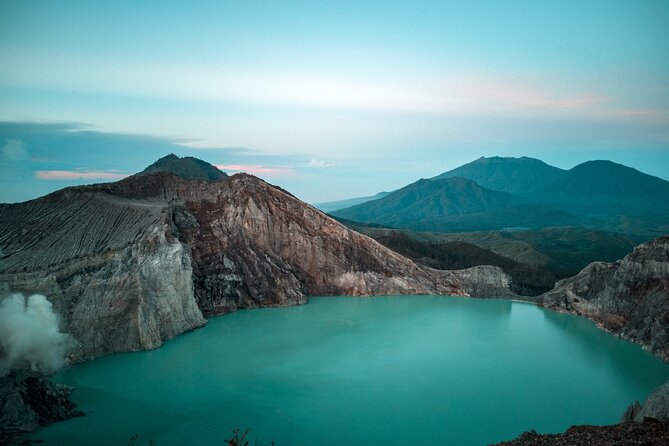
The tour also schedules time for a closer look at Ijen Crater, which is described as Java’s largest acid lake. Even if you’re not getting fireworks-level blue flames, that crater setting is still a strong visual payoff.
After Breakfast: The Crater Viewpoint and Descent
After the summit moment, you get a light breakfast on the mountaintop. That’s not a feast; it’s functional fuel so you can get through the descent.
Then you head back down and later get fantastic photo ops from the viewpoint inside Ijen Crater. This is where the tour transitions from “reach the phenomenon” to “see the place.” The descent can be difficult in tough conditions, so take it seriously even if you felt okay on the way up.
A recurring practical theme: conditions can make the crater section feel more challenging than you expect. Your best bet is to move carefully and keep your pace steady instead of sprinting for photos.
The Guide and Pace: What Small-Group Really Changes
The tour caps group size at maximum 10 travelers, which matters more than it sounds like. In a dark pre-dawn setting, small groups mean:
- fewer people to manage at trail chokepoints
- more attention for your safety and pacing
- less chaos when you’re moving in limited visibility
Guide style can vary. The local guide’s job is to lead the route and enforce safety. If you’re the type who wants constant storytelling, you might find it more practical than chatty. Still, safety guidance is part of the experience here, including briefings and route management.
Also, your driver from Bali may act as a sort of cum guide during the transfer segment. That can help you feel less lost during the ferry connections and handoffs.
What to Pack for Mt Ijen (So You Don’t Regret It)
The tour recommends a specific clothing setup because the conditions can be cold and harsh.
Bring:
- Long pants
- Sports shoes / hiking shoes
- Sweater (sweatshirt or jumper)
- Gloves
- Hat
- Mask and jacket are strongly implied by the crater rules and trek recommendations (the tour provides a mask, but you should still dress for the environment)
- Your own medicine
Camera is strongly worth it. You’re promised photo opportunities around the blue fire phase and again from the crater viewpoint.
And remember the tour says Ijen is extreme. If you’re prone to feeling cold fast, treat this as serious cold-weather gear time, not a warm evening walk.
Who Should Book This Ijen Trek (And Who Should Skip)
This tour is a strong fit if you:
- want a guided, overnight Mt Ijen experience with the right timing for the blue flames
- can handle a dark, chilly hike and a tougher descent
- want to see sulphur mining up close and learn from a local guide on-site
It’s not a great fit if you:
- have heart complaints or asthma or other serious medical issues
- need a child-friendly or low-effort outing (minimum age is 16)
- want lots of downtime or a short day
One more thing: the tour is not recommended for older participants, and it’s not recommended for children 15 and under. If you’re on the edge physically, consider whether you can manage the trek’s demands before spending money on transport.
Small Details That Can Change Your Mood
A couple of small factors can affect how you experience the day.
First, be ready for waiting. You might have a short stop in a building/house area while the group is assembled. Then you go as a unit. That’s normal with group tours, but it’s good to know so you don’t assume something went wrong.
Second, bring drinks and dinner sense. The tour gives light breakfast and lunch, but not dinner and not drinks. If you plan to buy things on the side, understand that timing is tight and you might not have many chances.
So, Should You Book This Tour?
Book it if your top goal is seeing Mt Ijen blue flames with a real local guide, and you’re prepared for an overnight, pre-dawn hike that’s more “stamina test” than “easy stroll.” The value is in the full package: pickup, ferries, safety gear, limited group size, and the timing that gets you to the crater when it matters.
Skip it if you want an easy day, if your health conditions make this unsafe, or if you struggle with cold and darkness-based hiking. Even if you love volcanoes on Instagram, Ijen is different in person.
If you’re still deciding, your best filter is this: can you handle a tough, guided night hike for a specific natural phenomenon, then do the descent and catch the ferries back the same day-to-next-day cycle? If yes, this tour is a very solid way to do it.
FAQ
What time does the Mt Ijen tour start?
The tour start time is listed as 5:00 pm, with hotel pickup in South Bali.
How long is the Mt Ijen trekking tour?
The duration is approximately 23 hours.
Where do you pick up, and what areas in Bali are covered?
Pickup is offered from selected hotels in South Bali, including Kuta, Legian, Seminyak, Jimbaran, and Nusa Dua.
What meals are included in the tour?
You’ll receive a light breakfast and lunch (Balinese food). Dinner is not included, and drinks are not included either.
Do you provide safety gear like a gas mask and flashlight?
Yes. The trek includes equipment such as a flashlight and a gas mask, along with a safety briefing before the hike.
How long is the hike to the summit?
The route to the summit is described as about 3 km (1 mile) and usually takes around 1 to 2 hours.
Who can join, and who should avoid this trek?
Minimum age is 16. It’s not recommended for children aged 15 and under. It’s also not recommended for participants with heart complaints, asthma, or other serious medical conditions.
What are the key crater rules near Ijen?
You must stay maximum 500 meters from the crater only. The rules also state no throwing out rubbish or seed, no cigarette/fireplace actions, and you must follow local crater rules for safety.
What happens if the tour is canceled due to poor weather or timing?
The tour requires good weather. If it’s canceled due to poor weather, you’ll be offered a different date or a full refund. You can also cancel for a full refund up to 24 hours in advance of the start time.