Breathing underwater is weirdly wonderful. I like that this course leads to SSI Open Water certification and puts you near the USS Liberty shipwreck, not just a plain classroom-to-pool routine. The only real downside to plan for is extra spending: digital souvenir photos/videos and food at the on-site warung cost extra.
I also like how practical the training setup is. The center has Wi‑Fi, plus lockers, toilets, showers, and changing rooms, so you’re not stuck figuring out logistics while you’re excited (or slightly nervous).
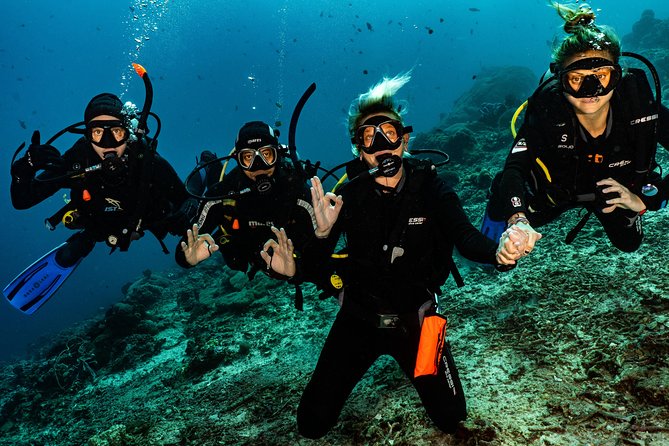
You’ll work through the full SSI structure: classroom learning, shallow-water drills at least five sessions, then at least four open-water training sessions with a final exam. One consideration: there’s a minimum age of 10 and the experience calls for moderate physical fitness.
In This Review
- Key things to know before you go
- Why Tulamben is a smart place for SSI Open Water
- Day 1: Classroom learning + shallow-water skills (where nerves go to shrink)
- The USS Liberty shipwreck stop: what you’ll practice and why it’s memorable
- Tulamben Beach sessions: coral gardens plus technique practice
- Your training center: gear included, plus real-world comfort
- Price and value: what $376.92 really buys you
- What to expect from the overall SSI course structure
- Who this is best for (and who should pause)
- Tips to make the two days run smoothly
- Should you book the SSI Open Water Course in Tulamben?
- FAQ
- What certification will I get?
- How long is the course?
- Are scuba equipment and wetsuits included?
- How many underwater training sessions are included?
- What are the main sites you’ll train at?
- Is pickup and drop-off included?
- Is there a minimum age?
- What’s not included in the price?
- What if weather is poor?
Key things to know before you go
- SSI Open Water certification in about 2 days: theory + shallow skills + open-water sessions, capped with a final exam
- USS Liberty shipwreck and Tulamben Beach sites: you train in memorable locations, not just one generic spot
- All scuba gear included: wetsuit, mask, and the rest of the kit so you can travel lighter
- Comfortable on-site facilities: Wi‑Fi, lockers, toilets, showers, and a simple warung for meals
- Private format: only your group participates, with a certified instructor leading you
- Budget for extras: food isn’t included, and digital souvenir photos/videos are add-ons
Why Tulamben is a smart place for SSI Open Water
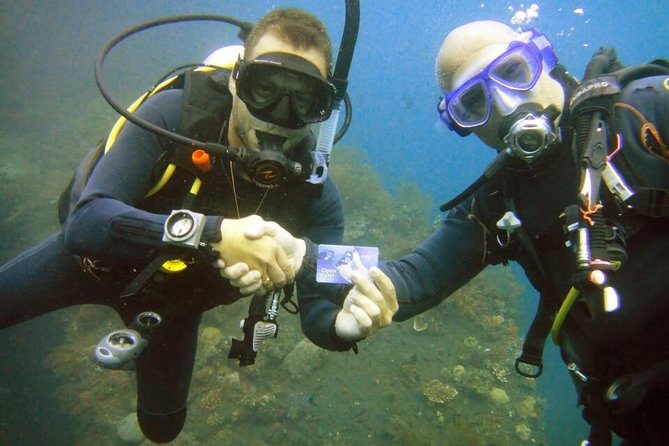
Tulamben is one of those Bali locations where you can learn to scuba without it feeling like a chore. In two days, you’re not just doing paperwork and watching a screen—you’re building real underwater comfort over multiple stages.
This course is built specifically around SSI Open Water certification. That matters because you’re not guessing what you’re signing up for. You get a clear progression: knowledge, controlled practice, then graded success in open water. Once certified, the program aligns with the common SSI Open Water limit of up to 60 feet / 18 meters without an instructor close by.
And Tulamben adds strong motivation. You’ll spend training time around the USS Liberty shipwreck, plus sessions at Tulamben Beach, which is described alongside coral gardens. For many first-timers, that pairing is the difference between feeling like you did “a course” and feeling like you did something you’ll remember.
You can also read our reviews of more tours and experiences in Tulamben.
Day 1: Classroom learning + shallow-water skills (where nerves go to shrink)
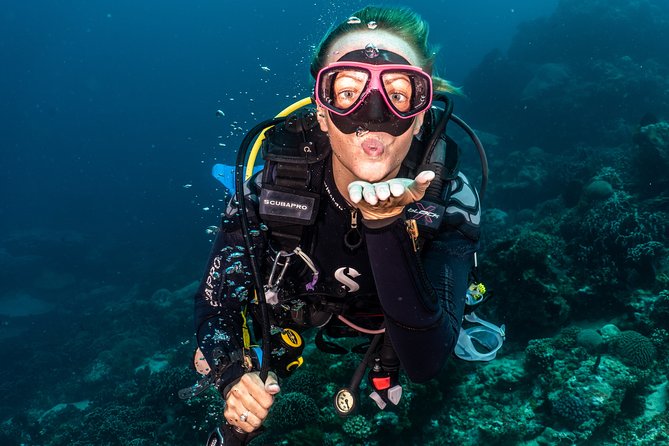
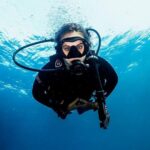
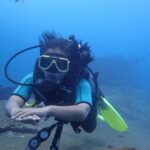
Your first steps happen in two parts: classroom knowledge and hands-on drills in shallow water. The course is designed to develop your understanding of diving basics first, then move you into repeated practice where skills feel less scary each time.
You’ll do shallow-water training in a beach or swimming pool setting. The structure calls for at least five sessions focused on basic exercises. That pacing is a big deal. Learning underwater is mostly about timing and control—breathing, staying calm, and managing buoyancy—so multiple short practice sessions usually work better than one long crash-course.
What you can expect from this day is a lot of instruction and repetition. You’ll learn the fundamentals you need to move safely through the water, and you’ll do the practice with a certified instructor supervising you directly. The goal is to help you reach the point where you can focus on your surroundings instead of panicking about what you’re doing.
Also, don’t underestimate the psychological side. The early part of scuba is famously unfamiliar—breathing underwater for the first time is a sensory jolt. But the course is built to get you through that stage with steady coaching rather than throwing you into open water too early.
The USS Liberty shipwreck stop: what you’ll practice and why it’s memorable
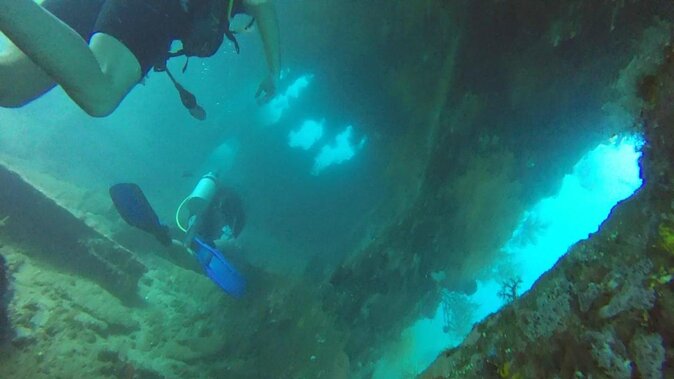
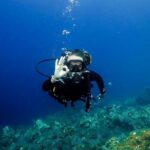
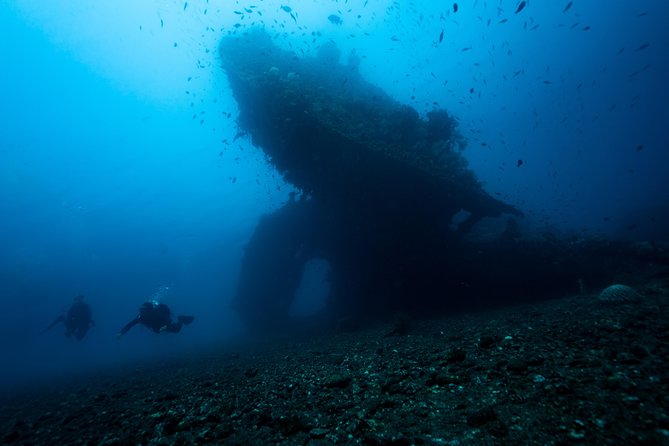
One of the standout site choices here is the USS Liberty Shipwreck. This is where the training becomes more than just skills. You’re applying what you practiced in shallow water while surrounded by the kind of scene that makes first-timers go quiet for a moment.
A shipwreck setting also gives you practical training value. You can work on staying stable, maintaining control, and following your instructor’s guidance around structured underwater features. The course format makes it clear you’ll be doing open-water training sessions, and this wreck stop is part of that progression.
A realistic consideration: wreck environments can be visually intense. Even if conditions are calm, there’s a lot to notice—shapes, textures, fish life, and the feeling of being near something substantial underwater. The way to keep this enjoyable is to treat it like training time: follow your breathing and your buoyancy cues first, then let yourself look around.
If you want a sign that the course setup is being done with care, one instructor name that shows up in positive feedback is Budi, described as providing a well organized course. While you can’t guarantee the same instructor, it’s a good signal that the teaching style in Tulamben is structured and supportive when instructors like Budi are on the schedule.
Tulamben Beach sessions: coral gardens plus technique practice
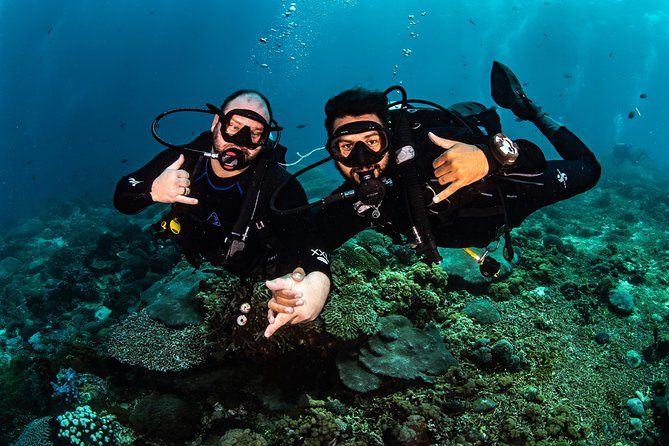
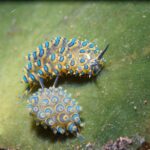
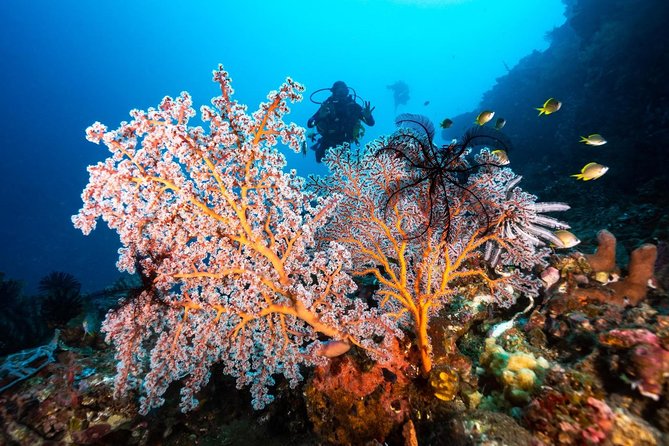
After the shipwreck time, you’ll spend more training focus at Tulamben Beach. This is where the course blends two needs: learning to move around underwater calmly and seeing coral-rich scenery along the way.
The course info frames the overall experience as training around dreamy coral and dramatic shipwreck areas. That means Tulamben Beach is not treated like filler time. It’s a planned stop that supports your progression—more technique practice with scenery that makes the whole thing feel worthwhile.
In terms of what you should care about most at this stage, it’s your comfort and consistency. By now, you’ve already done shallow-water drills. Your job is to translate those skills into open-water movement with less conscious effort. When buoyancy and breathing start feeling automatic, the experience turns from “I hope I’m doing this right” into “I can actually enjoy this.”
Another small but useful point: the course calls for at least four open-water sessions total. That gives you multiple chances to build confidence. Instead of one big attempt, you get more than one moment to apply feedback and settle into the process.
Your training center: gear included, plus real-world comfort
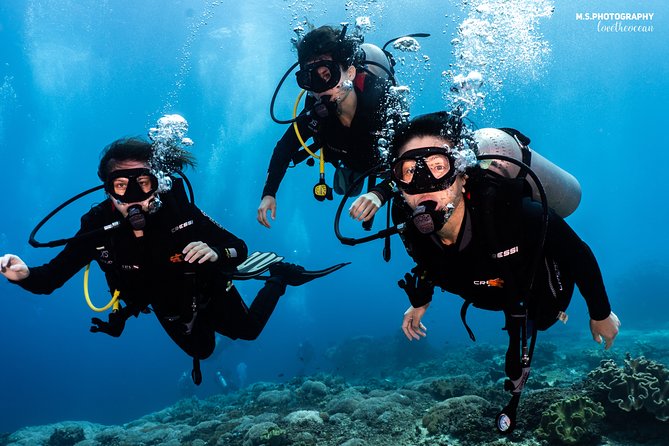
Logistics matter in scuba courses, because you’re moving from classroom to water-ready gear quickly. Here, you get a lot of the comfort items that make the day run smoothly.
The course includes use of scuba equipment, so you’re not hunting down rentals for things like wetsuits and masks. You’ll also have access to dive center facilities, including Wi‑Fi, a toilet, shower, locker storage, and a change room. That sounds small, but it’s huge when you’re dealing with wetsuits, wet gear, and the mental reset between sessions.
There’s also a restaurant/warung available at the center. Food and drink expenses aren’t included, but you won’t be stuck without an option. In practice, this keeps you from losing time to long meal runs during a schedule that’s only about two days.
One more detail: souvenir photos and videos are available for purchase after your course. So you can decide later whether you want the digital keepsake, instead of paying for it upfront before you even know how you’ll feel underwater.
Price and value: what $376.92 really buys you
This experience is priced at $376.92 per person, and the value is tied to how much is actually handled for you.
First, it includes the certified instructor and full equipment use. That alone can be a big part of the cost for many first-time scuba programs, especially if you’re traveling from elsewhere in Bali. Second, local transfers are included for Amed/Tulamben surroundings, so you’re not paying extra to get to and from the training base.
Third, you’re getting a complete SSI Open Water course structure: classroom learning, shallow-water sessions, open-water training sessions, and a final exam. Many lower-priced options either shorten the training or leave out key pieces like gear, supervision structure, or convenient facilities.
So the fair way to think about the price is this: you’re paying for a guided path from zero to certified, in a good training environment, with gear and day-to-day support included. The add-on costs are basically the extras you’d expect: meals at the warung and optional digital souvenir content.
What to expect from the overall SSI course structure
The course is organized in three main steps.
1) Develop your knowledge: you learn the diving basics you need to understand how scuba works and how to stay safe.
2) Shallow-water exercise training: at least five sessions, in a beach or swimming pool, focused on skill-building.
3) Open-water training: at least four ocean sessions where you practice technique and explore the seabed in real conditions, plus a final exam.
That final exam matters. It signals you’re not just doing “a fun day under the water.” You’re being assessed on what you learned and practiced. The outcome is the SSI Open Water certification, which is the common entry point for many scuba adventures.
Also note the depth credential you get to work toward: certified open water divers can dive up to 60 feet / 18 meters without an instructor close at hand. That doesn’t mean you should rush into anything beyond your comfort. It just means you’ll have a recognized baseline certification that opens doors to future guided experiences.
Who this is best for (and who should pause)
This course is a great fit if you want your first scuba certification and you like a structured, coach-led approach. It also suits you if you’re traveling in the Amed or Tulamben area and want transfers handled.
If you’re bringing a group, the “private tour/activity” format is a plus. Only your group participates, which usually means less waiting around and more direct instructor time.
Two conditions to respect:
- Minimum age is 10 years.
- The activity requests moderate physical fitness.
If either of those doesn’t fit your situation, I’d treat that as a signal to ask questions before booking. You want to make sure you can handle the physical requirements of wetsuit, gear, and controlled underwater practice without feeling rushed.
One more situational note: service animals are allowed, which can matter for some travelers planning careful logistics.
Tips to make the two days run smoothly
You’ll do best if you treat this like a learning schedule, not a sightseeing sprint.
- Plan for weather dependency. The experience needs good weather. If it’s canceled due to poor conditions, you’ll be offered a different date or a full refund. That means you should book with some flexibility in your Bali days.
- Budget for in-water photos and meals. Digital souvenir photos/videos aren’t included, and the warung food costs extra. Decide early how much you want to spend so nothing surprises you later.
- Arrive ready for multiple sessions. The course includes classroom time, at least five shallow-water sessions, and at least four open-water sessions. Bring a calm mindset so each step builds on the last instead of feeling like overload.
- Ask about your instructor schedule. You might get an instructor like Budi, who was praised for organization, but the course pairing can depend on availability. It’s worth asking what you can expect.
Should you book the SSI Open Water Course in Tulamben?
If your goal is real first-time scuba certification with a recognized SSI result, this is a strong option. The value is in the full package: equipment included, certified instructor-led training, local transfers for the Amed/Tulamben area, and a two-day course that culminates in open-water sessions around the USS Liberty shipwreck and Tulamben Beach.
I’d particularly recommend it if you like structure and you want your “first time underwater” to feel guided rather than chaotic. If you’re comfortable with the idea that you’ll likely spend extra on optional photos/videos and meals, and you’re flexible if weather forces a reschedule, you’re set up for a smooth learning experience.
FAQ
What certification will I get?
You’ll receive SSI Open Water scuba diver certification after completing the course, which includes classroom knowledge, shallow-water exercises, open-water training sessions, and a final exam.
How long is the course?
The experience runs for 2 days (approx.).
Are scuba equipment and wetsuits included?
Yes. The course includes use of scuba equipment, including items like wetsuits and masks.
How many underwater training sessions are included?
The course includes shallow-water exercise training with at least five sessions and open-water sessions with at least four ocean dives/sessions.
What are the main sites you’ll train at?
You’ll train around the USS Liberty Shipwreck and at Tulamben Beach.
Is pickup and drop-off included?
Yes. Pick-up and drop-off are included for Amed/Tulamben surroundings.
Is there a minimum age?
Yes. The minimum age required is 10 years.
What’s not included in the price?
Accommodation is not included (though dormitory & bungalows are available at the dive center), and digital souvenir photos/videos are available to purchase separately. Food and drink at the warung are also not included.
What if weather is poor?
The experience requires good weather. If it’s canceled due to poor weather, you’ll be offered a different date or a full refund.