Small-group certification in Bali feels personal. Bali Diving Academy’s PADI Open Water course in Tulamben is designed for early comfort: you’ll build skills in a pool, then put them to work in the sea with guides who know the reef and its rhythms. PADI Open Water is also a globally recognized credential, so what you learn here can support future underwater trips.
Two things I really like: you get small groups up to 6, which means more time with your instructor instead of waiting your turn. And the teaching style seems to click, especially with instructors like I Made Sutama, who several students described as patient, relaxed, and attentive when moments get tricky.
One practical consideration: lunch isn’t included, so you’ll want to plan for food during a full day out on the water.
In This Review
- Key highlights worth knowing before you go
- Tulamben’s setup for beginners (and why it matters)
- The 3-day rhythm: how the course actually unfolds
- Theory: PADI e-learning, then instructor review
- Pool day first, so you don’t spend your whole vacation guessing
- Day 1: confined-water practice in a pool
- Days 2–3: open-water training in Tulamben
- What sites you might see (based on past outcomes)
- Equipment, gear comfort, and why “clean” counts
- Pickup, timing, and how the day flows
- Price and value: what $325 really buys
- Weather matters more than you’d think
- Small-group teaching: what max 6 means for your confidence
- Who should book this course in Tulamben?
- Should you book Bali Diving Academy’s PADI Open Water course?
- FAQ
- How long is the PADI Open Water course in Tulamben?
- What time does the experience start?
- Is the theory part online?
- Do I get pool practice before open water?
- What certification depth does the course lead to?
- Is pickup and drop-off included?
- What scuba gear is included?
- What is not included in the price?
Key highlights worth knowing before you go
- Max 6 students keeps the course feeling hands-on and coach-led
- Confined-water practice first, so you can master basics in a safe environment
- PADI e-learning theory can be done ahead of time or during the 3 days, then reviewed with your instructor
- Certification to 18 meters means you’re getting real worldwide recognition, not just a local taster
- Tulamben sites like the USAT Liberty wreck and Coral Garden show up in many course outcomes
- Equipment is included, with options to buy camera rentals and digital photos/videos
Tulamben’s setup for beginners (and why it matters)
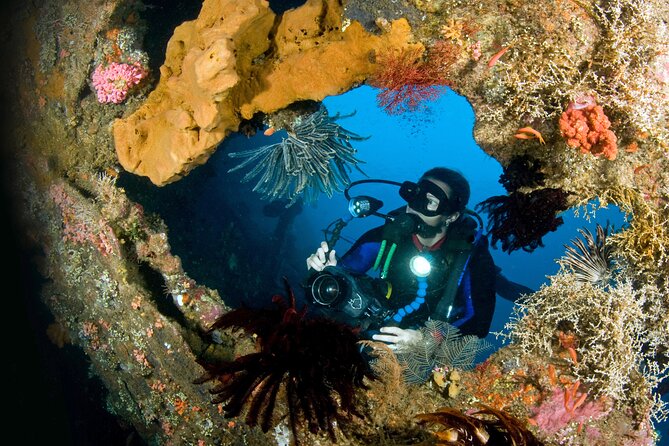
Tulamben is one of those places where the conditions often help you learn. The course description specifically notes that currents around the sites are usually gentle for beginners, which is exactly what you want on day two or three when you’re still building confidence.
For you, that usually means less scrambling and more practicing the core skills: breathing calmly, controlling your buoyancy, and staying aware of where your instructor is. Those may sound like basic words, but they’re the whole game in your first certification. The smoother the water feels, the more your brain can focus on technique instead of panic.
A big bonus here is that the academy has a fixed center in Tulamben, and the guides live locally. Translation: your instructor isn’t learning the area alongside you. That local familiarity often helps with choosing the right spots and timing.
You can also read our reviews of more tours and experiences in Tulamben.
The 3-day rhythm: how the course actually unfolds
This is a 3-day PADI Open Water course, starting at 8:00 am. The structure is straightforward: theory first (or alongside the first part), then pool practice, then open-water training in multiple sessions.
What makes this format useful is how it layers your skills. You don’t jump straight into open water hoping everything clicks. You start with controlled practice, then you test those same skills in the real thing while an instructor stays close enough to coach you instantly.
Theory: PADI e-learning, then instructor review
Theory happens through PADI e-learning, delivered online. You can do it before the start or during the 3 days, and then it gets reviewed with a certified instructor.
If you’re the type who likes to get your homework out of the way early, doing the e-learning ahead can keep the course days from feeling stretched. If you prefer to start vacation-first, doing it during the 3 days can work too, as long as you keep your schedule realistic.
Pool day first, so you don’t spend your whole vacation guessing
Day one is confined-water practice in a pool. This is where you learn how scuba gear works together, how breathing feels underwater, and how to perform key techniques without real-world distractions.
Many students struggle less with the ocean itself and more with the first-time coordination. Pool time helps your body get used to the feeling of being underwater while still staying in a controlled environment.
Day 1: confined-water practice in a pool
Your first day is about safety and muscle memory. You’ll learn the basic sides of scuba, and you’ll get practice using techniques in a setting where you can repeat them until they feel normal.
This part matters more than most people expect. In open water, things happen faster: you react to depth, buoyancy, and visibility changes all at once. If your hand skills and breathing control aren’t stable yet, you’ll feel overwhelmed.
The pool gives you room to build confidence the right way. And from the feedback, instructors like I Made Sutama seem to emphasize calm, step-by-step guidance—especially if you’re brand-new or if you’ve got a tense moment during the learning.
If you’re coming with kids or first-timers in your group, that matters too. One student described doing the course with their children (ages 14 and 12), and the instructor was credited with helping through tricky moments calmly.
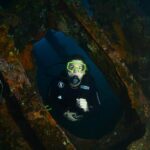
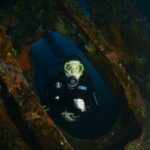
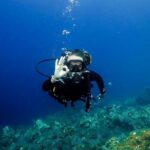
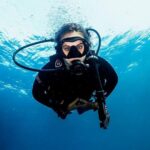
Days 2–3: open-water training in Tulamben
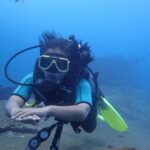
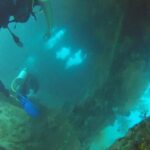
The second and third days move into the sea. The course includes open-water training sessions 1 to 4, and this is where your earlier skills stop being theory and start becoming real.
In plain terms, you’ll be practicing while also getting to see Tulamben’s underwater life and landmarks. This is where the experience turns from “learning” to “wow, that’s what I’ve been practicing.”
The course description also calls out a beginner-friendly environment. When currents are gentle, you can focus on what your instructor is teaching: how to manage buoyancy, how to check your gear, and how to move with calm control instead of thrashing.
What sites you might see (based on past outcomes)
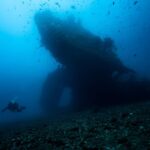
In past course experiences, students have referenced dives around the USAT Liberty wreck, Coral Garden, and a drop-off at Tulamben. You can’t assume every group will visit the exact same spots, but these are the kinds of places that make Tulamben a good training base.
A wreck can be visually memorable because it gives you something concrete to look at without needing perfect navigation skills. Coral Garden-style areas tend to be great for noticing marine life while you keep your focus on your buoyancy and spacing from your instructor. And a drop-off is the kind of feature that can help you understand depth changes—again, if conditions and instruction are appropriate.
Equipment, gear comfort, and why “clean” counts
Scuba gear matters because you’ll be wearing it while learning—so fit, function, and cleanliness make a real difference. The course includes use of scuba equipment, which is a big value point. You’re not scrambling to rent gear yourself or guessing whether it’s appropriate for first-timers.
One review specifically called out clean dive equipment, and that’s not a small detail. If gear is clean and well maintained, you spend less mental energy on discomfort and more on learning.
You also have extras if you want them: camera rental and digital souvenir photos/videos are available to purchase, but they’re not included in the base price. If you care about capturing the experience, ask about options early so you’re not trying to coordinate last minute.
Pickup, timing, and how the day flows
The course includes pickup and drop-off around the Tulamben area. That’s practical because you’re usually doing full-day training, and you don’t want to waste energy finding transport or parking.
You start at 8:00 am, which means your day begins early—welcome to training mornings. Expect your schedule to be built around water conditions, instruction, and the need to give each step enough time to stick.
Also note the course is aimed at moderate physical fitness. You don’t need to be an athlete, but you should be comfortable with basic physical activity in a tropical setting and with the effort of learning new movements while handling equipment.
Price and value: what $325 really buys
The price is $325 per person for the course, and it’s for a lot more than just a certificate stamp. You’re paying for instructor time, training structure, equipment, and the staff support that keeps the learning safe and organized.
Here’s what’s included:
- A certified PADI instructor
- Pickup and drop-off around Tulamben
- Scuba equipment
- Community contributions, porter, and park fee
- Mobile ticket
What’s not included:
- Lunch
- Camera rental and digital souvenir photos/videos (if you want them)
When I look at value in a course like this, I focus on two things: instructor attention and friction cost. Small groups reduce friction because you spend less waiting and more learning. Included equipment reduces friction because you arrive ready.
Lunch being excluded is the only consistent “extra” you should budget for. If you plan snacks or arrange meals with your schedule in mind, it’s not a deal-breaker—it’s just a heads-up.
Weather matters more than you’d think
The experience requires good weather. If it’s canceled due to poor weather, you’ll be offered a different date or a full refund. That’s a normal reality for sea-based training, but it’s worth keeping flexible.
Small-group teaching: what max 6 means for your confidence
A lot of first-time scuba worries come from uncertainty: Am I doing this right? Will I feel safe? What if I freeze?
With a maximum of 6 travelers, the course can stay personal. That’s not just a comfort perk. It affects how quickly your instructor can adjust your positioning, correct technique, and help you regain calm if something feels off.
Several students praised instructors for being super attentive and relaxed, and that pairing—small group plus calm coaching—is exactly what builds confidence. If you’re learning brand-new skills, you want instruction that feels supportive, not rushed.
And if you’re traveling with family members who are also new, a small-group setting can help everyone learn at the same pace, rather than someone getting sidelined because the group got ahead.
Who should book this course in Tulamben?
I’d point you toward this course if you want:
- A real certification through PADI Open Water, not a one-day intro
- A beginner-friendly location with gentle conditions
- Plenty of instructor attention through small groups
- A training base where you can later use your certification on future trips
It’s also a solid option if you care about structured learning. Pool practice first, then open-water sessions, then skills that match what your credential requires. That’s how you go from “I tried it” to “I can do it.”
If you’re the kind of person who hates rushing, the calm teaching style described by students—especially with I Made Sutama—is a great sign. It suggests the staff knows how to handle tricky moments without turning them into panic.
Should you book Bali Diving Academy’s PADI Open Water course?
If you want a first scuba certification with a supportive instructor, calm learning conditions, and small-group attention, this is a strong bet. The included equipment, pickup in the Tulamben area, and structured 3-day flow make the package feel practical rather than vague.
Only book with clear eyes if you’re okay paying extra for lunch and accepting that weather can shift schedules. If those two points don’t bother you, you’re likely to get the kind of confidence-building course that turns into future underwater trips.
FAQ
How long is the PADI Open Water course in Tulamben?
The course runs for 3 days (approx.).
What time does the experience start?
The start time is 8:00 am.
Is the theory part online?
Yes. Theory is done online using the PADI e-learning platform and reviewed with your certified instructor.
Do I get pool practice before open water?
Yes. Day one includes confined water practice in a pool to learn basic skills safely.
What certification depth does the course lead to?
By the end of the course, you will be certified to go to 18 meters.
Is pickup and drop-off included?
Yes. Pickup and drop-off around the Tulamben area are included.
What scuba gear is included?
The price includes use of scuba equipment.
What is not included in the price?
Lunch is not included. Camera rental and digital souvenir photos/videos are also not included (they are available to purchase).