A blank day turns into Bali in comfort. This private custom itinerary lets you pick temples, nature, villages, and beaches while your driver handles the road so you can focus on what you came for. You also get undivided attention from an English or Japanese speaking driver-guide, which matters in Bali when routes, timing, and ticket lines can make or break a day.
I also like the simple, low-stress rhythm: hotel pickup and drop-off means you skip the meeting-point hunt. Add an air-conditioned car, bottled water, parking taken care of, and you’re set up for a long day without feeling cooked.
One thing to consider: the schedule can include many big-name sights, but entrance fees are not included, so your final cost depends on which stops you choose.
In This Review
- Key highlights worth planning around
- The real value: a private custom route, not a fixed checklist
- Price math that helps: what $65 really buys
- Where pickup really matters: Seminyak and beyond
- How the day flows: a stop-by-stop look at the options
- Kintamani highlands: caldera views with a cool-weather feel
- Tanah Lot: iconic temple, ocean drama, sunset potential
- Uluwatu Temple: cliffs and a chance for Kecak fire performance
- Ubud Art Market: quick craft browsing, good for small souvenirs
- Tegalalang Rice Terrace: the famous subak irrigation system views
- Pura Puseh Desa Batuan: village temple energy, not just a selfie stop
- Tegenungan Waterfall: easy access, well-maintained paths
- Jatiluwih Rice Terrace: longer scenic stays if you love nature
- Ulun Danu Bratan (Bedugul area): a temple that looks like it floats
- Tirta Empul: water temple tied to Vishnu and old roots
- Tukad Cepung: a waterfall option that’s more enclosed than most
- Lempuyang Temple: the Gate of Heaven view toward Mount Agung
- Padang Padang Beach: a classic Bali surf-area vibe
- Celuk crafts and batik: hands-on culture options
- Sunset dance performances: a cultural end to the day
- Getting the most out of a 9–10 hour private day
- The kind of guide you hope for (and what to expect)
- Included comfort details that matter more than you think
- Who this tour is best for
- Should you book Private Bali Customized Tours?
- FAQ
- How long is the private custom Bali tour?
- How many people can fit in the vehicle?
- What areas offer hotel pickup and drop-off?
- Are entrance fees included for the attractions?
- Is meals included in the price?
- What if plans change and I need to cancel?
Key highlights worth planning around
- You build your own Bali day from a menu of temples, rice terraces, waterfalls, markets, and beaches
- Private pickup and drop-off from many popular Bali areas, so you start stress-free
- A driver-guide who can talk your language (English or Japanese) and guide your timing
- Air-conditioned, private transport with parking and fuel handled
- Flexible routing by geography (you can pair north-lake sights or temple-heavy areas instead of cramming everything)
- Choose how many stops fit into the 9–10 hour day
The real value: a private custom route, not a fixed checklist
This is the kind of tour that makes sense on your first Bali trip—or any trip where you feel like you’ve already seen the generic highlights on autopilot. Instead of being chained to a set order, you shape the day around what you care about most: Hindu temples, scenic highlands, rice terraces, waterfalls, craft markets, or sunset dance shows.
That flexibility is not just a nice-to-have. It’s practical. Bali has strong “clusters.” If you choose sights in the same direction, you lose less time in traffic and you spend more time walking, taking photos, and actually looking at what you’re paying to see. If you choose sights scattered across the island, your day can get long fast—even though the tour is designed as a 9–10 hour block.
And you’re not driving, which is the underrated part. Bali roads can be twisty and busy, and navigation isn’t always intuitive. When someone else is steering, you can enjoy the scenery and keep your focus on the stops you picked.
You can also read our reviews of more tours and experiences in Seminyak.



Price math that helps: what $65 really buys
The listed price is $65 per group (up to 6 people). In plain terms, that can work out extremely well if you’re traveling as a small group or family. With six people in the car, you’re effectively paying about $11 per person for private transport for the day—before any entrance fees.
What’s included is mostly the “moving parts” of the day:
- Fuel surcharge
- Air-conditioned car
- Parking fee
- English or Japanese speaking driver cum guide
- Bottled water
- Private transportation
- Mobile ticket
What’s not included:
- Meals
- Other personal expenses
- Entrance fees for the sites you choose
So I think about it like this: you’re paying for a private day of guidance and convenience, and then you decide how many paid attractions you want to add. If you pick a handful of premium stops, your overall day cost rises. If you mix in optional viewpoints and areas where you don’t have to pay as many ticket fees, you can keep the day very manageable.
Where pickup really matters: Seminyak and beyond
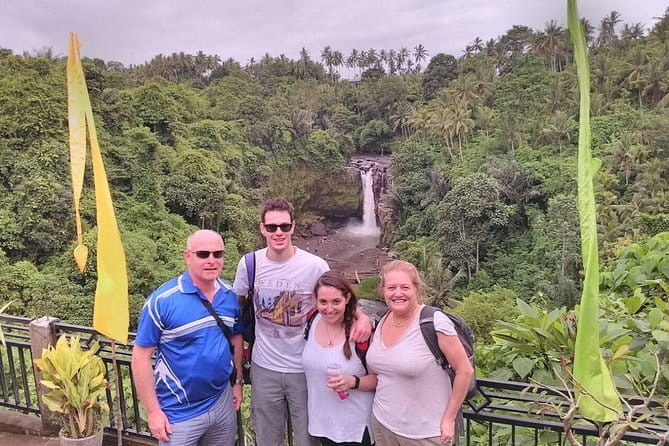
You can get picked up from a long list of Bali areas, including Kuta, Seminyak, Ubud, Sanur, Nusa Dua, Tanjung Benoa, Jimbaran, Canggu, Gianyar, and Denpasar. That list matters because it usually means less time coordinating with taxis and fewer “how do we meet?” headaches.
You’ll also be dropped back at your starting area. That loop is great on a long day: you can plan dinner near home instead of spending your evening stuck in transit.
How the day flows: a stop-by-stop look at the options
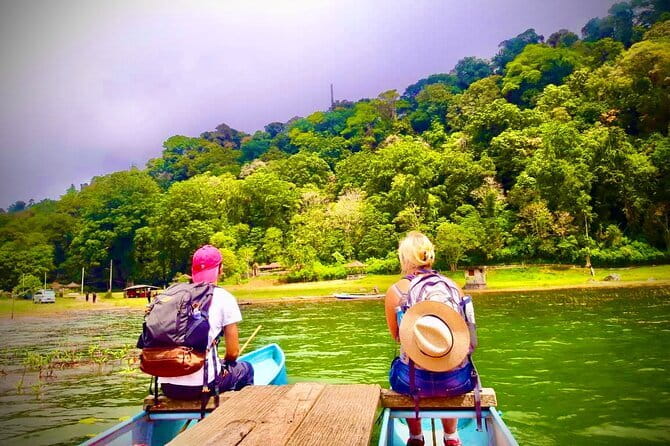
Even though the tour is custom, these are the kinds of places you can build around. Here’s what each one is really about, plus a few practical notes on where it shines.
Kintamani highlands: caldera views with a cool-weather feel
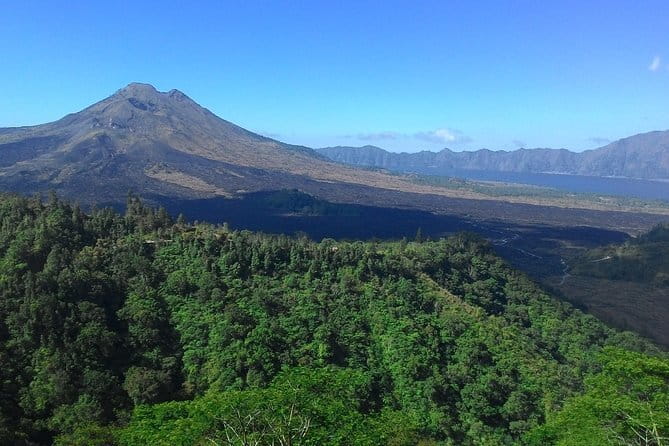
Kintamani is a village on the western edge of the bigger Gunung Batur caldera wall. It’s along the same north-south road as Penelokan, and it’s a classic stop because it gives you a high viewpoint over the area.
Why I’d include it: if you want one scenic “Bali postcard” moment without doing a full hike, Kintamani fits that role well. It’s also an easy way to shift your mood from beaches/traffic to viewpoints and fresh air.
Watch-outs: it’s only one hour on the route. So think of it as “see the view, take photos, move on,” not as a long, slow wandering experience.

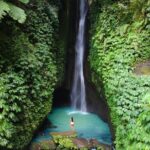

Tanah Lot: iconic temple, ocean drama, sunset potential
Tanah Lot is one of Bali’s most recognized landmarks, famous for its offshore setting and that famous sunset backdrop.
Why it works: this is the sort of place where you can time your visit for lighting and crowds. If sunset is your goal, it’s a smart choice for your itinerary.
Practical note: the temple is an entrance-fee site, so your budget will depend on what you add. If you’re building a temple-heavy day, you may want to choose either Tanah Lot or Uluwatu—not both—unless you’re okay with adding more paid attractions.
Uluwatu Temple: cliffs and a chance for Kecak fire performance
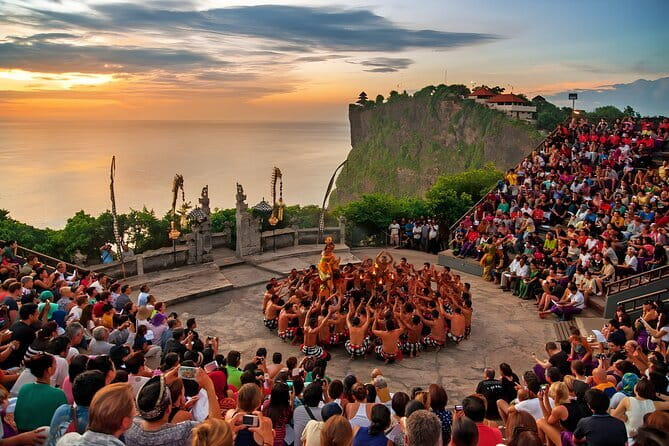
Uluwatu is tied to one of Bali’s most iconic performances: Kecak Fire Dance. The detail that I like is that it relies heavily on human vocals in place of gamelan instruments, with the dance-drama at its core.
Why it fits a private custom tour: if your day timing allows it, Uluwatu can be a “dusk anchor.” The temple itself is a major stop, and the performance gives you something cultural that’s easy to remember.
Consideration: like many big sights, entrance fees can apply, and performance timing can influence your schedule. With a private driver-guide, you can ask for the best order so you don’t show up late.
Ubud Art Market: quick craft browsing, good for small souvenirs
Ubud Art Market is a traditional market selling handicrafts that attract both domestic and international shoppers.
Why I’d put it on your route: if you want to browse without committing to a workshop class, this is a convenient stop. It’s also an easy way to pick up gifts and small items without turning your day into shopping only.
Tip: keep your eyes open for quality differences. Markets can be great, but you’ll get better value if you compare before buying.
Tegalalang Rice Terrace: the famous subak irrigation system views
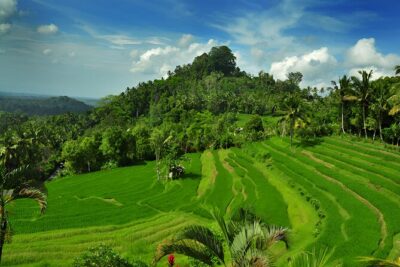
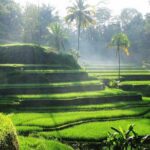
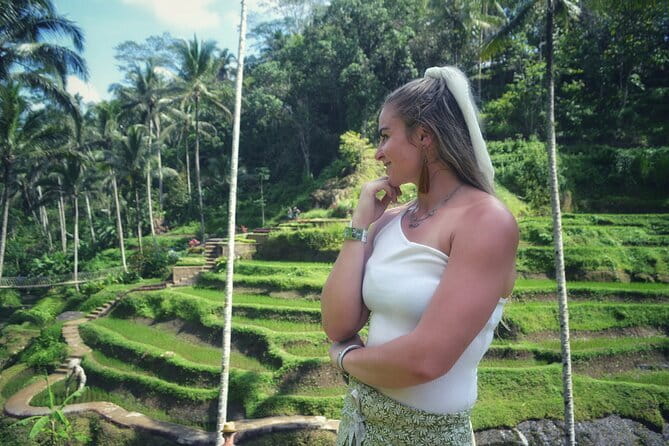
Tegallalang Rice Terraces in Ubud are known for the look of rice paddies shaped by subak, the traditional Balinese cooperative irrigation system.
What makes it special: it’s scenic, yes, but the real value is understanding that this is not just random farmland. It’s a system. You’re seeing an ongoing cultural practice made visible through the terrain.
Practical downside: one hour can go quickly if you stop for photos on both sides of the terrace viewpoints. If it’s your top priority, give yourself more time by trimming other stops.
Pura Puseh Desa Batuan: village temple energy, not just a selfie stop
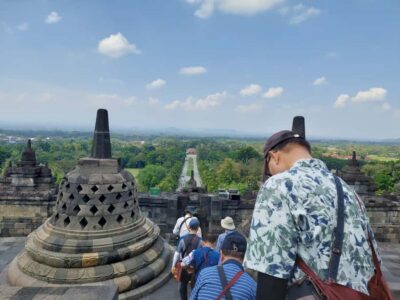
This village temple is part of the Tri Kahyangan structure and is known for Balinese architecture with split gates and stone guardians (as described for the site).
Why it’s a good “authentic-feeling” choice: temple experiences can vary a lot. Some are mainly performance stages for photos; others feel more connected to everyday village life. A village temple like this can give you a different angle on Balinese worship.
Budget note: entrances can apply depending on what you choose to do at each stop.
Tegenungan Waterfall: easy access, well-maintained paths
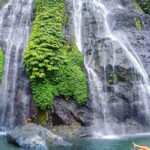
Tegenungan Waterfall is popular, and the pathway is described as well maintained and safe. You can explore via a short walk down concrete steps with safety rails.
What I like about it for a private tour: it’s approachable. You don’t need special gear, and it fits well into a day where you still want time for temples and viewpoints.
Potential drawback: if you’re choosing only one waterfall, it might feel “easy” compared to more remote, harder hikes. But for many people, that trade-off is exactly the point.
Jatiluwih Rice Terrace: longer scenic stays if you love nature
Jatiluwih Rice Terrace is described as very famous and great for tourists who like nature, with beautiful rice-terrace views and an emphasis that the area still feels naturally preserved.
Why I might swap it in: if Tegalalang is your “famous quick hit,” Jatiluwih can be your “settle in and look around” stop—especially if you’re the kind of traveler who enjoys slow scenery.
Budget note: this is a paid attraction for many itineraries, so check entrance costs before you lock in the rest of your day.
Ulun Danu Bratan (Bedugul area): a temple that looks like it floats
Ulun Danu temple at Bratan Lake is known as Bali’s temple by the water. The description notes that it can appear like it’s floating when the water level is high.
Why it’s worth it: it’s one of those visual scenes that feels different from the cliff temples. The water setting changes the whole mood.
Timing tip: one hour is tight. Prioritize photos first, then walk at a relaxed pace after you’ve captured your angle.
Tirta Empul: water temple tied to Vishnu and old roots
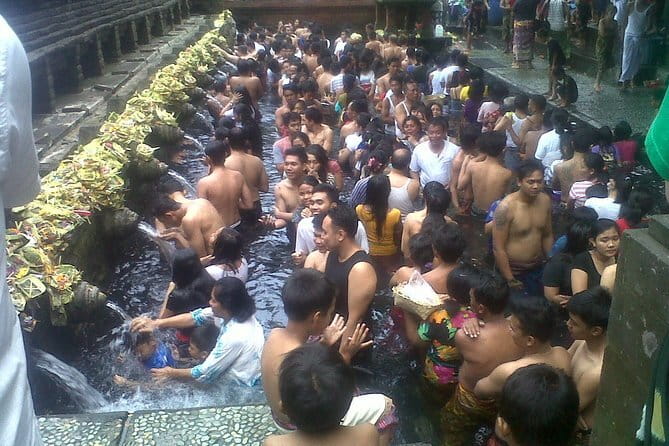
Tirta Empul is one of the largest and busiest water temples in Indonesia. It’s dedicated to Vishnu and described as being founded in 926 A.D. The name is connected to the temple’s water focus.
Why this matters on a custom day: water temples can be powerful because they’re not only visual—they’re active places of worship centered on water.
Practical consideration: since it can be busy, you’ll enjoy the stop more if you plan your time and don’t rush. A private driver helps you avoid wasting time waiting or turning back.
Tukad Cepung: a waterfall option that’s more enclosed than most
Tukad Cepung is described with a height of 15 meters and as a waterfall that is not directly exposed to the outside like other waterfalls.
Why choose it: if you like the idea of a less typical waterfall experience, this one feels like a change of pace. The enclosed feel can make the photos and the atmosphere different from open, roadside falls.
Lempuyang Temple: the Gate of Heaven view toward Mount Agung
Lempuyang Temple is known as the Gate of Heaven. It’s located in Bisbis Hill with amazing views of Mount Agung, and it’s popular, including on Instagram.
Why it’s a top pick: if you’re chasing one dramatic “wow” viewpoint, this is it. The Mount Agung connection is the draw.
Consideration: because it’s so in-demand, you’ll want to plan around timing and keep expectations realistic about crowds and waiting. Your driver-guide can help you schedule it without wasting your whole day.
Padang Padang Beach: a classic Bali surf-area vibe
Padang Padang Beach is known as one of Bali’s best beach favorites and is located next to the surf break called Impossibles.
Why it’s a good add-on: if your itinerary includes temples and rice terraces, a beach stop resets your day. It also gives you a simpler, lower-effort activity.
Note: entrance costs could still apply depending on where you’re parking and which access area you use.
Celuk crafts and batik: hands-on culture options
Celuk is known for jewelry and artifacts, with a gallery and studio compound described as part of the stop. You can also add a stop to see the process of making batik (traditional Balinese cloth).
Why I’d pick these: Bali craft culture is a smart way to spend time when you don’t want another climb, another temple ticket, or another viewpoint photo. These stops give you an eye-level look at craft work.
Sunset dance performances: a cultural end to the day
You can choose traditional Balinese dance performances during sunset, and there can also be an additional dance stop depending on your route.
Why it can work well: a dance show can be a satisfying “finish” when you’re already tired from driving and walking. It also adds a cultural layer beyond sightseeing.
Practical note: include these only if the timing fits your chosen route. Otherwise, you risk rushing late in the day.
Getting the most out of a 9–10 hour private day

This tour is designed for a full day. That’s a gift, but it’s also a constraint. Here’s the strategy I’d use if you want a day that feels smooth, not chaotic:
- Pick a theme: temples, nature, or culture for the day, then add one wildcard stop.
- Keep geographic logic: pair nearby areas so you’re not losing hours in the car.
- Don’t stack too many “major” paid sights. Entrance fees add up fast, and one extra ticket can quietly push your total cost.
- If you care about sunset (Tanah Lot, Uluwatu, dance), build your schedule backward from that.
Also, the tour allows extra time. If you want more than the included window, extra hours are IDR 50,000 per car per hour. If you’re traveling with friends and you’re still energized, that can be a smart add.
The kind of guide you hope for (and what to expect)
In feedback, one guide name that stands out is Wayan Wijana. The comments I’ve seen describe him as on time, friendly, respectful, knowledgeable and humble, with a very clean, air-conditioned vehicle and a safe, professional driver.
Even if your exact guide may differ, that’s the standard you should expect from a good driver-guide: smooth timing, clear communication, and calm driving so you can enjoy the day rather than manage it.
Since the tour includes an English or Japanese speaking guide, you’ll get better context at stops like temples and historic water sites—places where a few lines of explanation turn a photo into a memory.
Included comfort details that matter more than you think
The simple inclusions are the reason this works well as a first Bali orientation day:
- Private transport means no splitting or waiting for other groups.
- A/C car + bottled water helps on warm days when you still want to walk.
- Parking included saves you from the small hassles that eat time.
- Mobile ticket is convenient once you’re on the ground.
This is the kind of setup that keeps your day from turning into logistics.
Who this tour is best for
I think this fits best if you:
- Are in Seminyak and nearby and want to explore without stressful navigation
- Want a first-time Bali orientation with flexibility
- Prefer private guidance over group pacing
- Are traveling with up to 6 people and want strong value per person
- Care about a mix of temples + nature + culture, rather than one narrow theme
If you’re the type who wants a strict “do these 6 things at exactly these times” itinerary, a customizable tour can feel a little too free. But if you like choosing, it’s a win.
Should you book Private Bali Customized Tours?
I’d book this if you want control and comfort. For around $65 per group, you get a private A/C car, a driver-guide, pickup and drop-off, and a day built around what you actually want to see. You only pay extra for meals and the entrance fees for the stops you choose, which keeps your budget flexible.
Skip it (or at least plan carefully) if you want a fully pre-set itinerary with entrance fees included, or if you tend to overpack your schedule. The tour can include a lot of major sights, and you’ll get the best day if you choose a realistic number of stops.
If you’re unsure what to pick: focus on one scenic zone (Kintamani or rice terraces), one temple area (like Tanah Lot or Uluwatu), and one culture add-on (market/crafts/dance). That usually produces a day that feels like Bali, not a checklist.
FAQ
How long is the private custom Bali tour?
The tour runs about 9 to 10 hours.
How many people can fit in the vehicle?
A regular car can accommodate up to 6 passengers. For groups up to 12, a bigger vehicle can be arranged for an additional cost.
What areas offer hotel pickup and drop-off?
Pickup and drop-off are available in areas including Kuta, Seminyak, Ubud, Sanur, Nusa Dua, Tanjung Benoa, Jimbaran, Canggu, Gianyar, and Denpasar.
Are entrance fees included for the attractions?
No. Entrance fees are not included, so the total cost depends on which stops you select.
Is meals included in the price?
Meals are not included. You’ll need to budget for food separately.
What if plans change and I need to cancel?
You can cancel for a full refund up to 24 hours in advance of the experience’s start time.