Churches, temples, and batik in one port day. This shared excursion takes you from the Probolinggo port into town for hands-on batik and a quick sampler of major landmarks, including the Red Church and the Tri Dharma Buddhist temple. It’s built for cruise timing, so you’re not stuck guessing how you’ll get back.
I really like the mix of faiths and daily life packed into a few hours. When the guide explains what you’re seeing (and why it matters), it turns the stops into more than photo breaks, like the ritual storytelling one group described with guide Assur. The main drawback is the schedule is tight—each big stop is around 30 minutes—so if you want a slow, deep visit, you’ll feel the clock.
You also get real value for a port-day tour because it’s organized with a small group size and English-speaking guidance. Still, lunch can be a mixed bag depending on the restaurant situation, and there have been complaints about waiting time and restroom cleanliness. If you go in ready for a fast, culture-focused day, this one works well.
In This Review
- Key highlights
- From Probolinggo Port: How the Schedule Stays Cruise-Friendly
- Batik Crafting: A Hands-On Start (Even if the Stop Names Vary)
- Red Church in Probolinggo: A Fast Landmark Stop That Works
- Probolinggo Museum: Brief, But Useful for Getting Oriented
- Gotong Royong Market: Seeing Daily Life Without Needing a Full Shopping Day
- Tri Dharma Buddhist Temple: A Multi-Faith Moment, Explained by the Guide
- Lunch Reality: Included, But Quality Can Swing
- Guides Matter: When English + Personality Turn Stops Into Stories
- Price and Logistics: Is $78 Good Value for a 5 to 6 Hour Day?
- Who This Tour Fits Best (and Who Might Want a Different Day)
- Should You Book This Probolinggo City Tour?
- FAQ
- Where does the Probolinggo City Tour start?
- How long does the tour take?
- Is pickup offered, and is it part of a shared group tour?
- What does the $78 price include?
- Does the tour include a mobile ticket?
- Can I cancel for a full refund?
Key highlights
- Batik crafting time: you’ll learn and make your own cloth artwork, not just watch from the sidelines
- Multi-faith sights: Red Church plus Tri Dharma temple in the same day
- Small shared transport: air-conditioned minivan style with limited group size
- Market that shows everyday Probolinggo: you’ll see how locals shop and move through daily routines
- Guides with strong English and personality: names that have led past groups include Assur, Moon, Nita, and Agust
From Probolinggo Port: How the Schedule Stays Cruise-Friendly
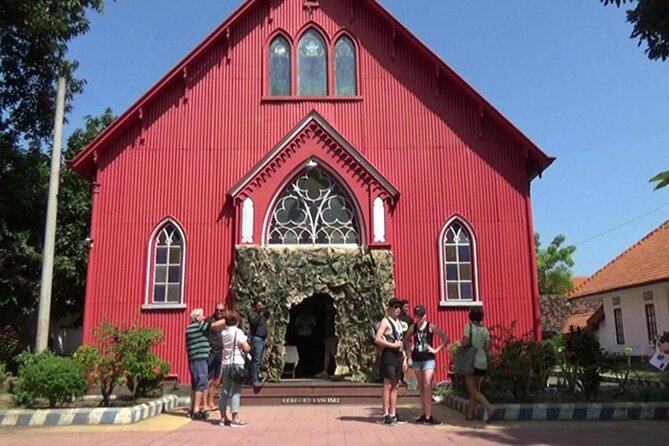
This tour is designed for cruise passengers, which changes everything. You meet at the Probolinggo port, then the day is run like a clockwork plan: get you out, hit the key sights, feed you, and bring you back on time. That on-time promise matters when you only have a short window before ship departure.
The group stays small. You’ll travel by air-conditioned vehicle as a shared tour, with a stated shared size cap (max 10 in the vehicle), and the overall activity cap is up to 14 travelers. In practical terms, this is what lets the guide keep everyone together in busier spots, rather than losing people behind a camera roll.
Duration is about 5 to 6 hours, which is long enough to feel like you went somewhere, but short enough to fit most port schedules. Your visit rhythm is “see, learn, move,” with roughly half an hour at each major stop—so you’ll get the highlights without the fatigue of a full-day excursion.
One thing to remember: the tour mentions a moderate physical fitness level. That doesn’t mean it’s a hike, but it does mean expect some walking inside and around sites and crowds at market times.
You can also read our reviews of more tours and experiences in Surabaya.


Batik Crafting: A Hands-On Start (Even if the Stop Names Vary)
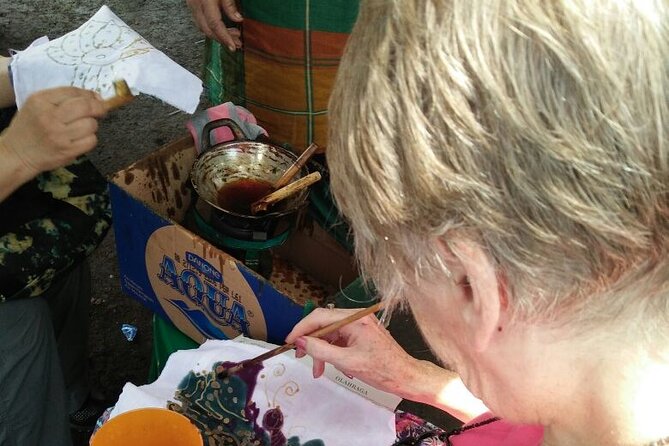
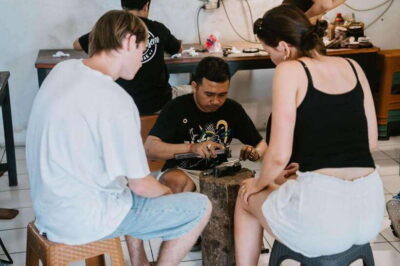
The most talked-about part of this day is the batik experience. The tour overview clearly sets it as hands-on: you’ll learn traditional batik techniques and create your own piece. That’s the difference between watching craftsmen and actually doing the work.
In at least one case, a rider said there was a batik shop stop that wasn’t on the printed day plan, and it became the tour highlight. What that tells you is the operator values batik enough to make room for it when possible, and you should treat batik time as a core part of your expectations, not a bonus.
What I like about batik on a port day: it’s interactive and brain-friendly. While the rest of the stops move fast, batik gives you a focused task. Even if your art skills are somewhere between curious and chaos, you’ll still leave with something meaningful—and a better understanding of how designs are built.
Practical tips for batik time:
- Plan to move slowly and protect your hands/clothes. Your sample piece and tools can get messy.
- Ask your guide what the next step is before you start, especially if you’re not familiar with batik vocabulary.
- If you’re sensitive to smells or fumes from materials, mention it early. The tour doesn’t describe fragrance controls, so it’s smart to flag concerns right away.
Red Church in Probolinggo: A Fast Landmark Stop That Works
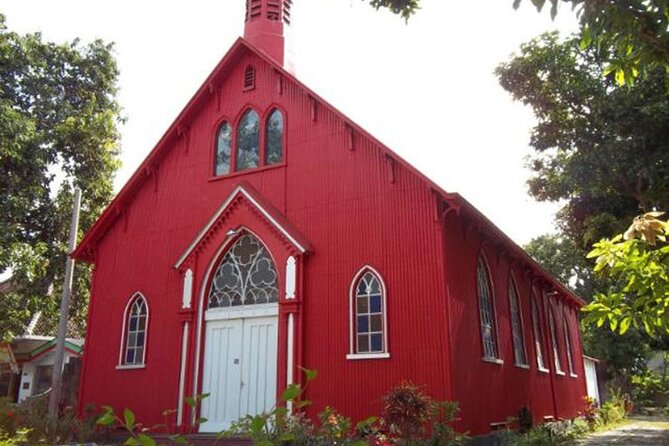
After batik, the day typically swings to the Red Church, one of the most popular church sites in Probolinggo. Your time here is around 30 minutes, with an admission ticket included.
This stop is short, but it’s also effective. You’ll get the big landmark photos without wasting time hunting for the best angle. More importantly, churches like this function as cultural markers—especially in an area where multiple religious communities exist side by side. When your guide explains the setting and the role the church plays, the stop stops feeling like a checklist item.
From a practical standpoint, half an hour is just enough for:
- a quick look around the exterior and key interior viewpoints (where allowed),
- background from the guide,
- and a few photos without rushing your group.
If you’re the type who likes to read every sign and stay put, be ready to accept that this isn’t that kind of stop. It’s a “see it, learn the basics, then go” day.
Probolinggo Museum: Brief, But Useful for Getting Oriented
Next is the Probolinggo Museum (about 30 minutes), again with an admission ticket included. A museum stop can go one of two ways on a tour: it’s either useful context or just a waiting room with walls. Here, the museum is positioned as a way to make sense of what you’ll see later in markets and temples.
What makes this stop valuable is the sequence. If you hit the museum before the local market, you’re more likely to notice patterns in everyday life—crafts, traditions, and local culture signals that you might otherwise miss.
The downside is time. Thirty minutes is tight for a museum. You’ll get the “highlights version,” so keep your expectations aligned: think “orientation and key artifacts” rather than a full independent museum visit.
Gotong Royong Market: Seeing Daily Life Without Needing a Full Shopping Day
Then you head to the Gotong Royong Market for about 30 minutes. Admission is free here, and the idea is simple: see how locals shop and live day-to-day.
This kind of stop can be gold for cruise travelers because you’re not just visiting monuments—you’re watching the working city. One review-style takeaway from the experience was that the market showed real life in Probolinggo in a way the other stops couldn’t.
To get more out of a market visit in a short time, focus on one or two things:
- watch how people select produce or goods,
- look for local crafts or everyday products,
- and ask your guide about what you notice.
Also, keep your time expectations realistic. Thirty minutes is enough to browse, not enough to hunt for perfect bargains or compare vendors like you’re on a day off.





Tri Dharma Buddhist Temple: A Multi-Faith Moment, Explained by the Guide
The day closes with Tri Dharma (the tour description calls it a Buddhist temple visit). It’s around 30 minutes, and admission is free.
This is where the day often turns from sight-seeing to understanding. In one highlighted experience, the guide Assur guided the group through a ritual connection for a Buddhist mother, and the group described it as extraordinary. Even if your visit isn’t identical, the key takeaway is clear: the guide can provide meaningful context, so you’re not just walking through a place of worship.
I like temple stops on guided tours because guides translate what your eyes might miss. You’ll often learn what the symbols mean, how people approach the space, and why certain actions matter. The time limit is still there, but if you pay attention to the explanation, you’ll get far more than a quick look.
Lunch Reality: Included, But Quality Can Swing
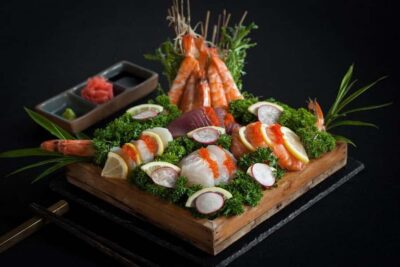
Lunch is included in the tour price, and you’ll also get bottled water. That’s a big plus for a cruise day—you’re not scrambling to find food or paying taxi fares to hunt down a restaurant you can’t read.
Still, lunch quality isn’t guaranteed in the way a monument photo is guaranteed. There have been complaints about waiting time in the restaurant, limited choices, and dirty toilets. One person said they wanted something like nasi but got a less-liked soup option, while another noted lunch was good and even mentioned help for a vegetarian extra meal.
Here’s how I’d handle this as a practical traveler:
- Go in expecting included lunch, not a restaurant experience you’d write home about.
- If you have strong dietary needs, tell the tour team at the start if they ask about preferences.
- Bring a little patience. A restaurant with lots of tour groups can become slow even with good intentions.
And yes—if you’re picky about restrooms, keep in mind that this is outside your control. Use this as your “use the bathroom early when you can” moment.
Guides Matter: When English + Personality Turn Stops Into Stories
A tour like this succeeds or fails based on the guide. You’re moving fast, so you need someone who can make the information land quickly.
From the experience descriptions and feedback you provided, several guides have led different groups, including Assur, Moon, Nita, and Agust. The praise has a consistent theme: friendly, helpful, and confident English-speaking guidance. One highlight included a guide trying to teach a fun skill—making or explaining a palm frond sword—while another stressed how the guide kept the group together in busy places.
The best part of great guiding on a short tour is how it changes your attention:
- You stop seeing the places as random stops.
- You start connecting them—church to temple, museum to market.
- You ask better questions because the guide gives you starting points.
If you care about explanations more than selfies, this tour is a good bet.
Price and Logistics: Is $78 Good Value for a 5 to 6 Hour Day?
At $78 per person, you’re paying for more than transportation. The price includes:
- air-conditioned shared transport,
- an English-speaking tour guide,
- lunch,
- bottled water,
- parking fees,
- and government fees and port-related charges,
plus admission tickets for the church and museum.
You can think of this as buying three things:
1) time saved (you don’t need to plan transport between scattered stops),
2) guidance (English explanations on fast visits),
3) and certainty (returning to the port on schedule).
Where you should be honest with yourself is lunch and stop duration. If you’re the type who would rather spend 2 hours in one place, you may feel the value leak away because every main stop is about 30 minutes.
But if you’re on a cruise and your time is the currency, this is a fair structure. You’re paying to cover multiple categories—religious sites, museum context, and everyday market life—within one guided day.
One more logistics detail that helps: you’ll have a mobile ticket, and the confirmation comes at booking time. That reduces the hassle factor when you’re juggling ship schedules.
Who This Tour Fits Best (and Who Might Want a Different Day)
This tour fits best if you want:
- a culture-forward port day without high planning stress,
- guided stops that show you more than just landmarks,
- a mix of religious sites and everyday life,
- and small-group convenience (max 10 in the vehicle, max 14 overall).
It’s especially good for cruise passengers who want to get oriented fast. You’ll come away with a sense of what Probolinggo feels like, not just what it looks like.
Who might reconsider?
- If you hate rushing or prefer slow, long visits, the time at each stop may feel too short.
- If you’re very sensitive about lunch quality and restrooms, be prepared for variability outside the tour’s control.
Should You Book This Probolinggo City Tour?
Book it if you want an efficient, guided sampler of Probolinggo that respects cruise timing. The batik crafting is the standout element, and the multi-faith combo—Red Church plus Tri Dharma temple—can turn the day into a real cultural learning experience when your guide explains what you’re seeing.
Skip it (or consider a different option) if you’re hoping for deep exploration of just one site. This day is designed for breadth, not depth.
My final advice: if you book, go in with a flexible mindset. You’ll likely remember the batik work, the guide’s explanations, and the market look at daily life more than the rush-rush timing of the visits.
FAQ
Where does the Probolinggo City Tour start?
The meeting point is Probolinggo port.
How long does the tour take?
The tour duration is about 5 to 6 hours.
Is pickup offered, and is it part of a shared group tour?
Yes. Pickup is offered, and it runs as a shared tour (shared vehicle max 10 persons) with a maximum group size of up to 14 travelers.
What does the $78 price include?
The tour price includes air-conditioned shared transport, a guide who speaks English, lunch, bottled water, parking fees, and government fees/port fees/taxes. Admission tickets are included for the Red Church and Probolinggo Museum. Market and temple entry are listed as free.
Does the tour include a mobile ticket?
Yes. The tour includes a mobile ticket.
Can I cancel for a full refund?
Yes. You can cancel up to 24 hours in advance for a full refund. If you cancel less than 24 hours before the start time, the amount is not refunded.