Cave waterfall and temple purification, all in one day. This private Ubud-and-central-Bali route mixes traditional village life with sacred Hindu sites and big nature moments, all handled by a personal driver/guide. You learn how Balinese Hinduism shows up in daily routines, not just ceremonies.
I especially like how the day balances water, worship, and rural scenery without feeling rushed. Penglipuran village impressed me with its strict customary rules and the bamboo forest walk that keeps things calm and local. I also like that logistics are handled for you, so you skip the stress of figuring out roads and parking.
One thing to plan for: it’s a long day (about 8 to 10 hours) and lunch isn’t included, so you’ll want to bring a plan for food and water.
In This Review
- Key things to know before you go
- Why this Ubud circuit feels efficient (and not chaotic)
- Private pickup and transportation: the real value of paying $54
- Stop 1: Goa Raja Waterfall for a cave-style water moment
- Stop 2: Penglipuran Village and its no-motor rule
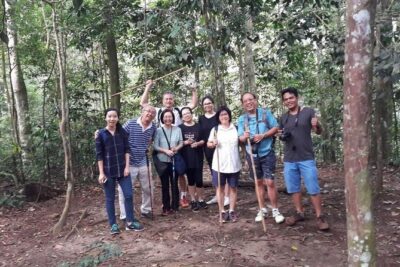
- Stop 3: Penglipuran Bamboo Forest walk (30 minutes, good payoff)
- Stop 4: Tirta Empul Temple and sacred spring purification
- Stop 5: Tegalalang Rice Terrace views with north Ubud charm
- Optional coffee/spice plantation stop: what to expect and how to decide
- Price, time, and packing tips that actually matter
- Who this tour suits best (and who might want to tweak plans)
- Should you book this Bali sightseeing tour?
- FAQ
- How long is the Bali sightseeing tour?
- What does the tour cost?
- Is pickup included?
- Is this tour private?
- Which places will we visit?
- Is a coffee or spice plantation stop included?
- Can I swim at the waterfall?
- Is lunch included in the price?
- What is the cancellation policy?
Key things to know before you go
- Private driver/guide, door-to-door so you can focus on stops, not navigation
- Goa Raja waterfall is a cave-style waterfall where swimming is possible (bring a swimsuit and towel)
- Penglipuran’s strict rules include a ban on motorized vehicles to protect air quality
- Tirta Empul’s holy spring purification shows how Balinese Hindu practice connects to everyday life
- Tegalalang rice terrace viewing gives you classic north Ubud paddies and riverbank views
- Coffee plantation stop is optional, so you can keep the day moving if you prefer
Why this Ubud circuit feels efficient (and not chaotic)

This tour works because it strings together places that are interesting for different reasons. You start with a cave waterfall area, then shift into village culture, then into a temple built around sacred water. By the time you reach the rice terraces, your brain has already switched gears from nature to spirituality to everyday landscapes.
You’ll also like the pace because the schedule is built around actual time on site. The day isn’t just scenic stops from a bus window. You get about 1.5 hours at the waterfall, then 1 hour in Penglipuran, 30 minutes for the bamboo forest walk, 1 hour at Tirta Empul, and 45 minutes at Tegalalang.
The private setup matters, too. Instead of crowd logistics, your guide can manage timing around quiet moments and getting you from one place to the next with less friction. For a first trip to Ubud, it’s a smart way to see a lot without turning the day into a map-reading contest.
You can also read our reviews of more tours and experiences in Ubud.


Private pickup and transportation: the real value of paying $54
At $54 per person for an 8 to 10 hour private day, the value is in what you’re not doing. You’re not driving yourself between sites, buying multiple tickets one by one, or trying to coordinate transport when Bali traffic changes your timing.
What you’re getting is:
- An English-speaking guide
- Private transportation with fuel surcharge covered
- Entry fees for the scheduled sites (waterfall, Penglipuran village/bamboo forest, Tirta Empul, and Tegalalang)
- Optional time at a coffee/spice plantation
That’s why it often pencils out better than DIY. Even if you could rent a scooter or hire a grab-and-go plan, you still have to handle route planning and entry lines. Here, the work is outsourced to your guide and driver, and you get to spend your energy where it counts: at the places.
Stop 1: Goa Raja Waterfall for a cave-style water moment
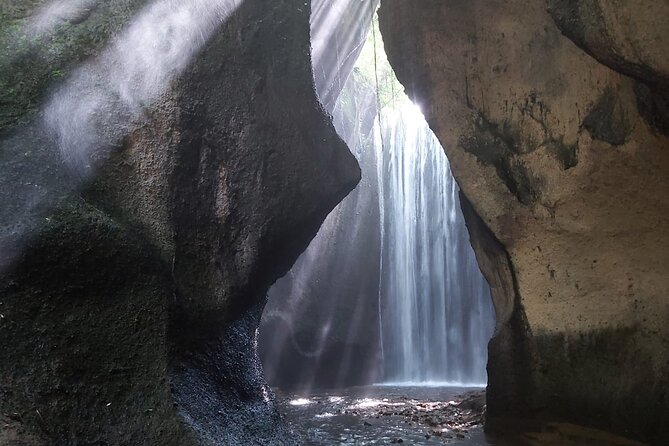
The waterfall stop is the centerpiece for a reason: it’s described as a unique, hidden waterfall location under a cave. You’re not just looking from above. The schedule sets aside about 1 hour 30 minutes here, so you have time to experience the site at a relaxed pace.
Swimming is part of the plan, but the tour information is blunt about what you should bring. If you want to swim, wear a swimsuit and bring a towel. That tip matters because it changes how you pack. Instead of “waterproof everything,” you can pack with intention: comfortable clothes for the walk, then a clear plan for getting in and out of the water.
A practical consideration: cave waterfall areas can mean damp footing and cooler conditions near the water. You’ll want to be comfortable moving around wet surfaces. If you’re not a swimmer, you can still enjoy the atmosphere and photos, but keep your expectations realistic about the space and moisture.
Stop 2: Penglipuran Village and its no-motor rule
Penglipuran is one of those places that feels like someone pressed pause on the modern world. It’s described as the cleanest village in Indonesia, and it follows strict customary rules that help keep the environment healthy.
One rule that stands out: motorized vehicles are prohibited in the village to protect air quality. You’ll feel that in the vibe. It’s quieter, and the atmosphere feels more human-scale than you get at busier tourist stops.
You also get about 1 hour here, which is a good length for walking without getting tired. The village is designed for slow attention: homes, pathways, and the rhythm of a place that still runs on local tradition. If you like seeing daily culture instead of just monuments, this is a strong match.
Stop 3: Penglipuran Bamboo Forest walk (30 minutes, good payoff)
Immediately north of Penglipuran village is the bamboo forest area, and you get about 30 minutes there. It’s short, but it works as a reset between village life and the next spiritual stop.
Bamboo here isn’t just scenery. It’s used to make houses, ceremonial tools, and crafts. That matters because you start noticing how natural materials link to culture, not just how things look on Instagram.
If you want a calm stretch in the middle of the day, this is it. It’s a small window, but it gives you a different texture than the paved village lanes and the stone temple environment.



Stop 4: Tirta Empul Temple and sacred spring purification
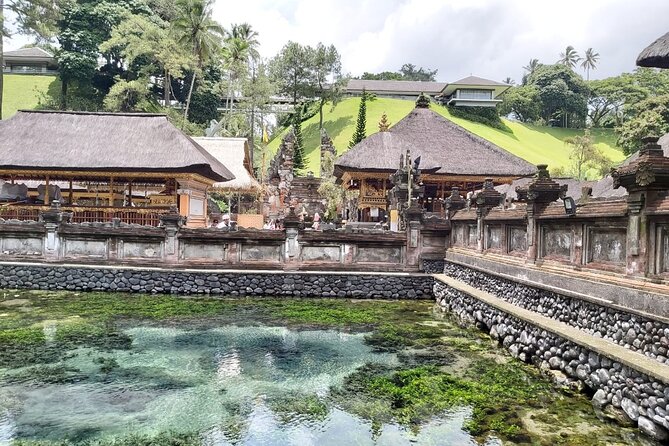
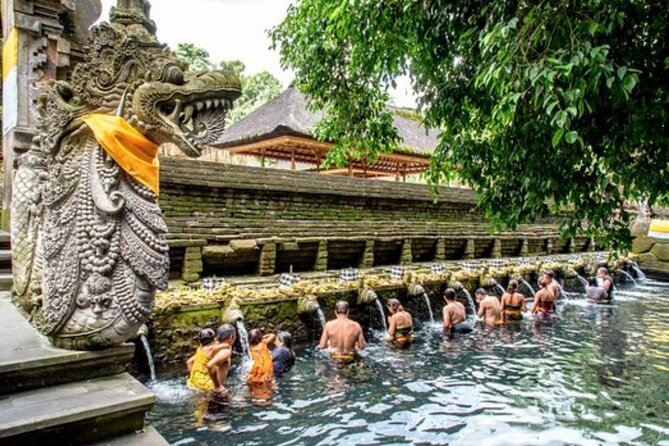
Next is Tirta Empul Temple, a popular site centered on holy spring water. It’s known for purification, and local people commonly do ritual bathing in the sacred springs.
You’ll spend about 1 hour at Tirta Empul. That gives you time to observe the flow of pilgrims and understand the symbolism your guide is explaining. The tour’s value isn’t just walking around. It’s the way your English-speaking guide helps connect Bali’s Hindu practices to what you’re seeing in real time—ritual action, belief, and water as a sacred element.
A key practical point: don’t treat this as a “look and leave” stop. It’s a working religious site. The best experience comes when you move respectfully and let the guide explain what you’re seeing before you rush into photos.
If you’re curious about participation, ask your guide what’s appropriate and follow their lead. The schedule doesn’t spell out any step-by-step participation instructions, so the safest approach is to let your guide translate the process on the spot.
Stop 5: Tegalalang Rice Terrace views with north Ubud charm
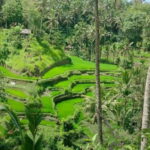
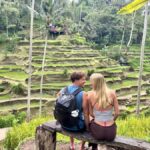
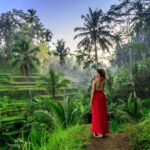
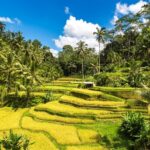
The day ends with Tegalalang rice terrace, one of the classic Ubud-area views. Expect terrace formations running along the riverbank, creating layered views of paddies on slopes.
You get about 45 minutes here, which is about right for soaking up the scenery and taking photos without turning it into an all-day wait. If you like viewpoints with depth, this stop usually delivers. From the higher edges you can read the structure of the terraces more clearly.
A realistic consideration: rice terrace areas can be busy, and the walking can be uneven. Since this tour is private, your guide can help you time where you stand and how you move so you aren’t doing constant backtracking.
Optional coffee/spice plantation stop: what to expect and how to decide
The schedule includes a plantation visit that’s marked optional. The tour description frames it as tasting homegrown coffee, often tied into how local plants are grown and used.
If you enjoy food and small tasting experiences, this can be a satisfying add-on. It breaks up the day after temple time and before rice terrace viewpoints, and it gives you something interactive besides walking.
If you’re not big on plantation stops, you can skip it and keep the day focused on the core cultural and nature sites. Because it’s optional, it won’t derail the itinerary if you prefer to keep moving.
Price, time, and packing tips that actually matter
This is priced at $54 per person for a private, guided day around Ubud and central Bali. For that cost, you’re essentially paying for:
- A guide’s time
- Private transport
- Entry coverage for multiple major stops
- A structured route that saves decision fatigue
The one clear downside is what’s not included: lunch and gratuities. Plan for a meal stop on your own or bring a small snack if you’re someone who gets hungry quickly. Also plan water, because you’ll be outdoors between waterfall, village walking, and temple time.
What to pack for this specific itinerary:
- Swimsuit and towel if you want to swim at the Goa Raja cave waterfall
- A change of clothes for after the water section if you’re planning to get back out quickly
- Comfortable walking shoes for uneven, damp, and sometimes slippery footing
And bring a little flexibility. This is a nature-and-culture day. Weather and water conditions can affect how you enjoy the waterfall portion, even when the route stays the same.
Who this tour suits best (and who might want to tweak plans)
This is a great fit if you want:
- A first-timer day in and around Ubud that hits multiple highlights
- A mix of nature and culture, with explanations from an English-speaking guide
- A low-stress day where transportation and entry logistics are handled
You might consider something else if:
- You only want one or two stops and prefer a shorter day
- You’re strict about packing light and don’t want to deal with swim gear
- You hate long hours outdoors (it’s about 8 to 10 hours)
Should you book this Bali sightseeing tour?
I’d book it if you want a well-paced private day that covers Goa Raja’s cave waterfall, Penglipuran village rules, Tirta Empul’s sacred spring purification, and Tegalalang rice terraces without making you fight traffic or maps. The best part is the combination: you get nature, you get real village culture, and you get a guide who can explain what you’re seeing instead of leaving you to guess.
If you’re the type who likes to do things “efficiently but respectfully,” this is a strong choice. Just don’t ignore the practical part: bring a swimsuit and towel for the waterfall, and plan for lunch since it’s not included.
FAQ
How long is the Bali sightseeing tour?
The tour lasts about 8 to 10 hours.
What does the tour cost?
The price is $54.00 per person.
Is pickup included?
Pickup is offered, and the tour includes private transportation.
Is this tour private?
Yes. It’s a private tour/activity, and only your group participates.
Which places will we visit?
You’ll visit Goa Raja Waterfall, Penglipuran Village, the Penglipuran Bamboo Forest, Tirta Empul Temple, and Tegalalang Rice Terrace.
Is a coffee or spice plantation stop included?
A plantation visit and coffee tasting are listed as optional.
Can I swim at the waterfall?
The Goa Raja Waterfall stop notes swimming is possible. It recommends bringing a swimsuit and towel.
Is lunch included in the price?
No. Lunch is not included.
What is the cancellation policy?
You can cancel for a full refund up to 24 hours in advance of the experience’s start time.