Temples, steam engines, and mountain coffee. I like how the day strings together Gedong Songo’s hilltop temples with the Ambarawa steam-rail museum without feeling rushed. I also love the mountain air and the view at the Banaran coffee stop. One thing to watch: the coffee plantation part may not always include a proper guided visit, and extra costs like entrance fees are not included.
This is a private 10-hour outing with a 5-seater air-conditioned car and a driver who can act like a light guide along the way. If you book well, you’ll likely get friendly, punctual service and helpful context—some drivers even assist with ticket purchases.
Because it includes outdoor walking and uneven temple areas, this is not ideal if you have mobility limitations. Bring comfortable shoes, and plan on doing at least some walking.
In This Review
- Key moments that make this Semarang day trip work
- Why this route is a smart match for your time in Central Java
- Getting to Gedong Songo: mountain air and temple timing
- Temple walk tips: how to enjoy more and regret less
- Ambarawa Railway Museum: steam engines you can actually picture
- The Banaran coffee stop in Bawen: views, coffee, and a possible limits check
- Driver-led transport: why punctuality and small help matter
- Price and logistics: where the real costs show up
- How to pace the 10 hours so you don’t feel rushed
- Who should book this and who should skip it
- Should you book this private Semarang day trip?
- FAQ
- How long is the Semarang to Gedong Songo, Ambarawa Railway Museum, and Banaran coffee trip?
- What’s the price for this experience?
- What vehicle is included?
- Where is the meeting point in Semarang?
- What’s included in the price?
- What costs are not included?
- Does the driver speak English?
- Is the tour suitable for people using wheelchairs?
- Is there walking involved at Gedong Songo?
- What should I bring, and what should I avoid?
Key moments that make this Semarang day trip work
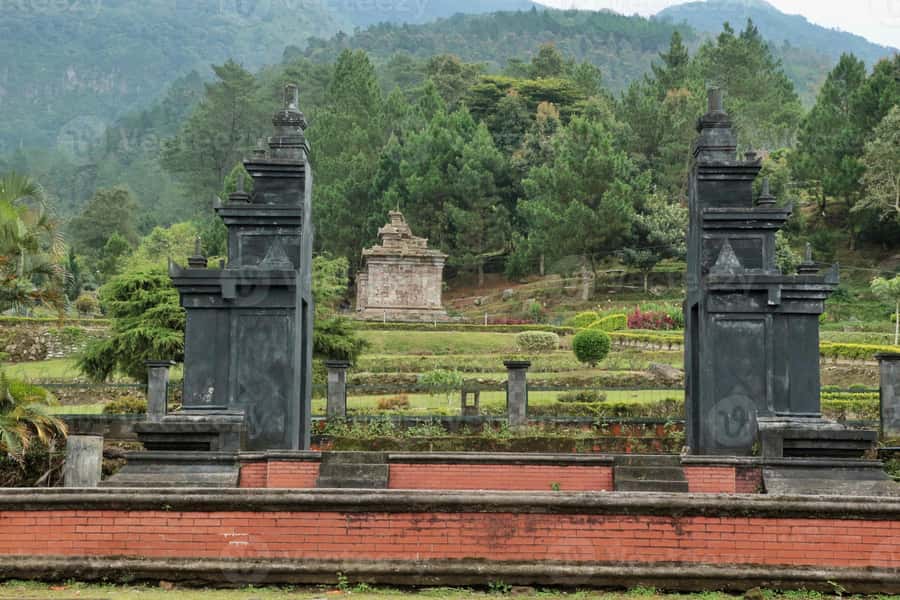
- Gedong Songo’s nine temples: dedicated to Shiva and Parvati, spread across a hill near Mount Ungaran
- Ambarawa’s steam collection: about 21 steam locomotives preserved, plus operational engines used for tours
- A quieter museum feel: the site can be calm, so you can actually look at details
- Mountain Banaran views: coffee and chocolate region around Bawen, with scenery that slows you down
- Driver-as-a-guide style: commentary during the drive, and sometimes help with entry tickets
Why this route is a smart match for your time in Central Java
If you’re based in Semarang and want variety in one day, this route nails it: temple ruins, industrial-era nostalgia, then a mountain agro stop. The value is in the spacing. You’re not jumping between places that feel similar. You’re moving from sacred Hindu architecture to steam-era transport history, then into a highland coffee setting.
The private setup matters too. A shared-group tour can turn into a line-waiting exercise. Here, you’re in a small car with one driver, and you can set a realistic pace—especially at Gedong Songo where walking options matter.
At $98 per group up to 4, it can be good value if you’re traveling with at least one other person. You’re mostly paying for transport time, a driver, and local handling. You’re not paying for a full guided team at every stop—so you’ll want to be comfortable navigating ticket counters and exploring on your own when needed.
You can also read our reviews of more tours and experiences in Semarang.

Getting to Gedong Songo: mountain air and temple timing
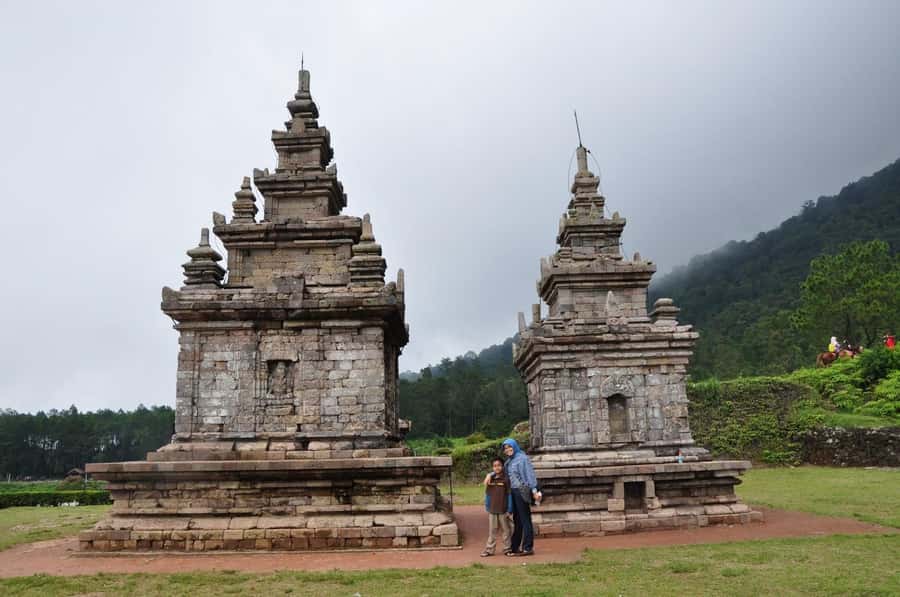
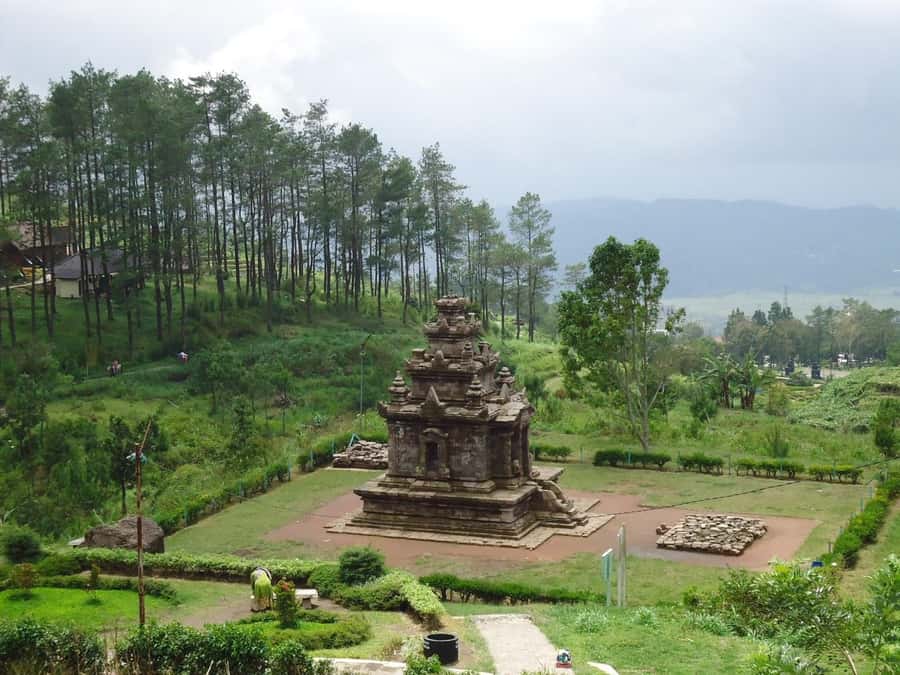
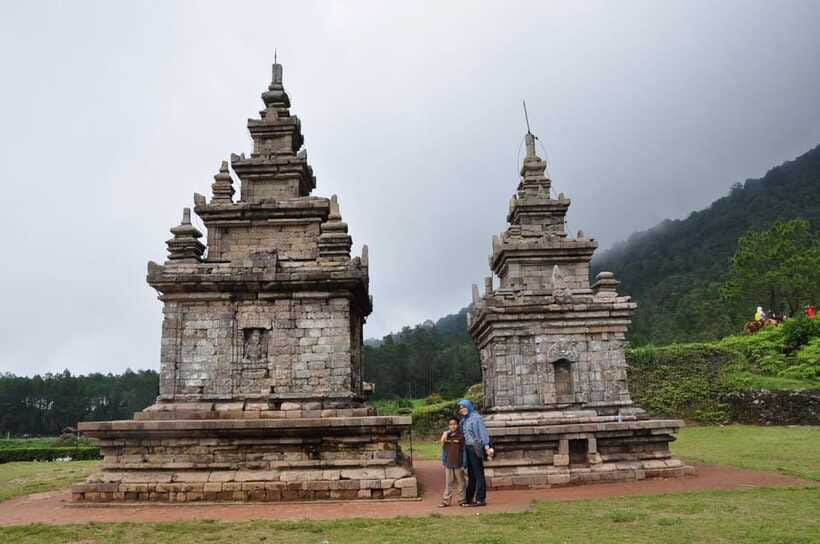
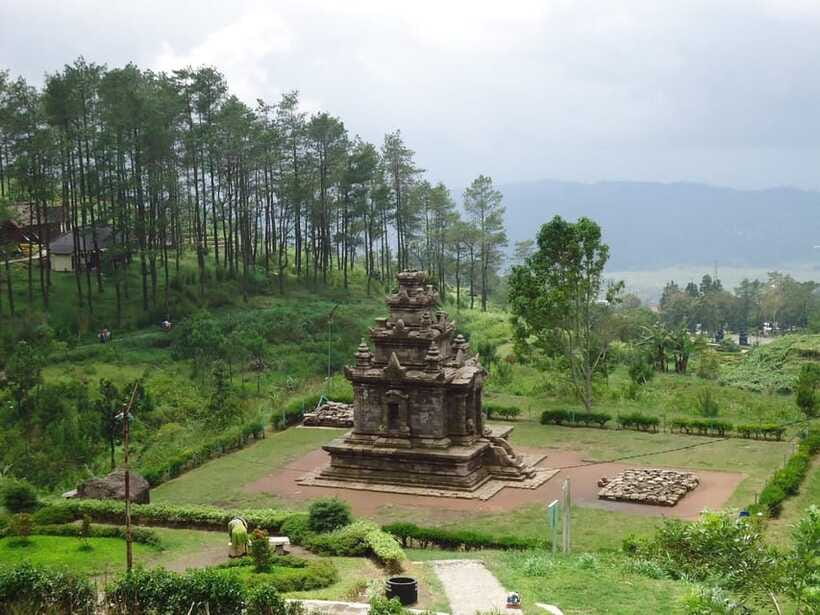
Gedong Songo (Candi Gedong Songo) sits near Bandungan in Semarang Regency, on a hill about 1,270 meters up, near Mount Ungaran. The complex is often dated between the 8th and 9th centuries and is made up of five temple groups (gedong) with a total of nine temples, all dedicated to Shiva and Parvati.
What you’ll feel when you arrive is the terrain. This isn’t a “one photo and you’re done” stop. Even if you only visit several temples, the hill setting encourages a slow walk. The good news: you can explore in different ways. You can walk the grounds, or you can use a horse if you want, though that would be an extra cost on your end.
In places like this, the real win is not only the stones. It’s the sense of being above the everyday and the quiet. One of the best-rated experiences here was specifically about calm temple exploring and the pleasant walk between points.
Temple walk tips: how to enjoy more and regret less
You don’t need to be a hiking champion, but you do need decent shoes. The tour notes call for a moderate fitness level because the stops are outdoors and the terrain can be uneven.
A few practical moves that make a difference:
- Wear shoes that grip well. You’ll be walking on temple paths, not a mall floor.
- Bring sunscreen and a hat. The hill altitude still means you can get sunburned.
- Take breaks early, not late. If you wait until you’re tired, you’ll rush your viewing.
Also, go in with the right expectation: this isn’t Prambanan. It’s a different kind of temple experience—smaller in scale, set in nature, and more about the feel of the compound than a single “wow” façade.
Ambarawa Railway Museum: steam engines you can actually picture
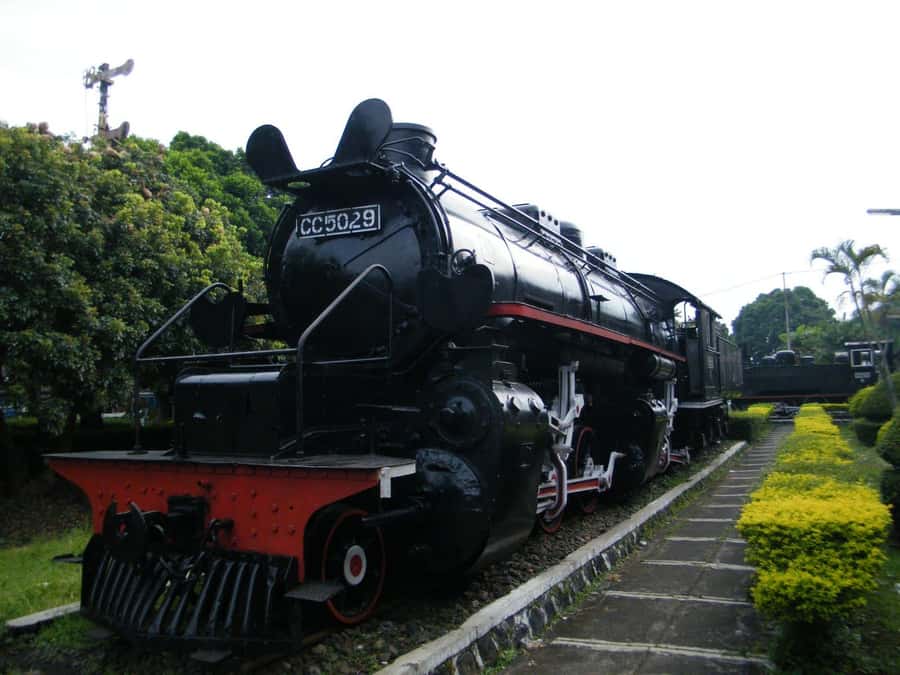
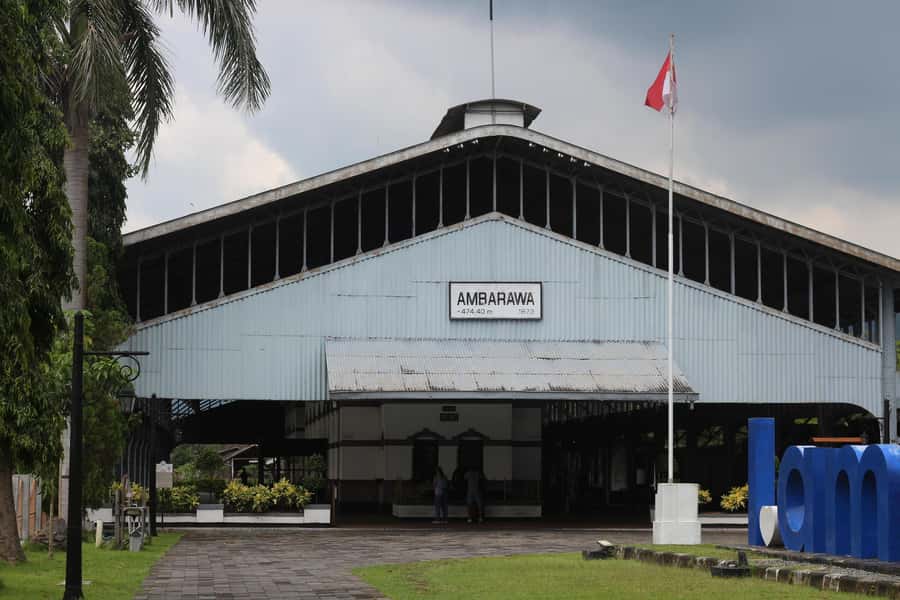
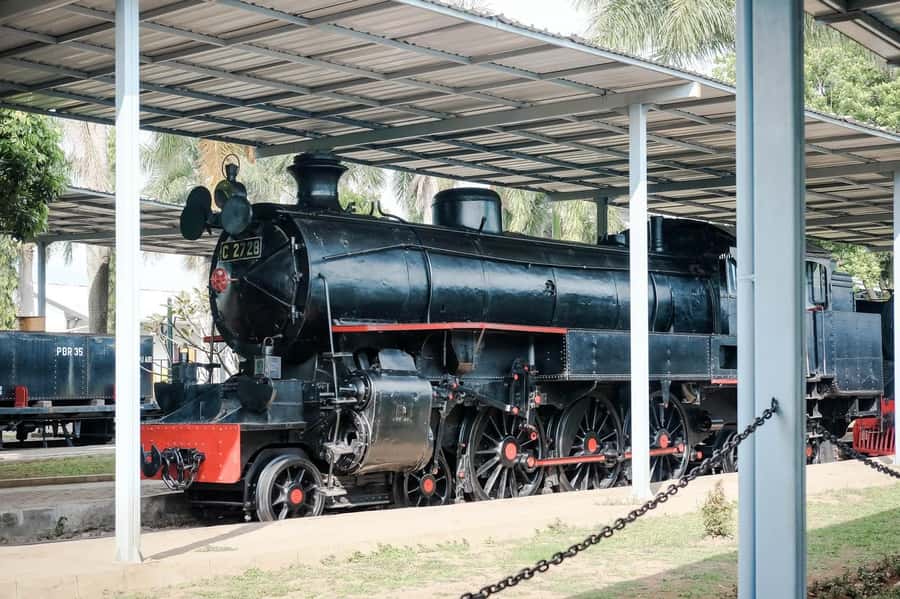
After the temples, the day shifts gears to the Ambarawa Railway Museum in Ambarawa, Central Java. The museum preserves around 21 steam locomotives and focuses on tourism train services hauled by operational steam engines.
Here’s what makes the rail stop interesting even if you don’t nerd out:
- You get to see preserved locomotives connected to a specific railway story, not just random “cool machines.”
- The museum uses remains of the closing of a 3 ft 6 in (1,067 mm) railway line.
- The description of operational engines gives you context for what you might see: rack locomotives plus a 4-4-0 two-cylinder compound steam engine, plus a hydraulic diesel engine.
One of the higher-rated moments was the train museum itself being very interesting and calm on a weekday in July. That’s a big deal. When there’s less crowd pressure, you can look longer at details and take your time reading what’s there.
If you like trains, this stop will feel like a satisfying chapter break. If you don’t, it still works because it’s visual and story-driven: Indonesia’s railway development, shown through real machines.
The Banaran coffee stop in Bawen: views, coffee, and a possible limits check
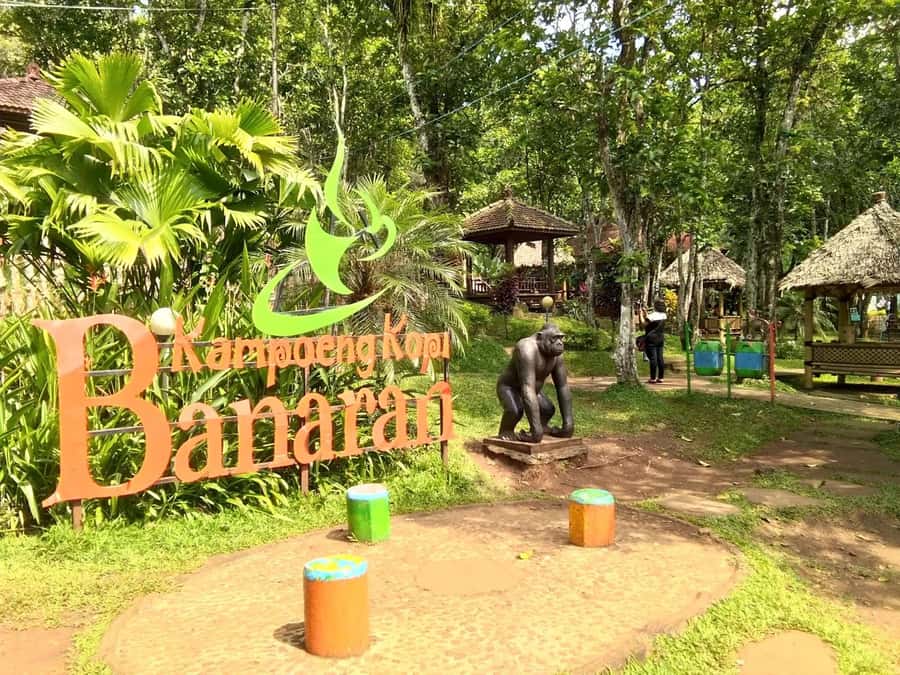
The final sightseeing portion is a coffee plantation in the Banaran area, part of the broader Bawen region. This agro tourism center is positioned on a high mountain area and is described as offering sightseeing and fun, along with learning about plantation practices. It also mentions natural science teaching from the earth and the sky.
Bawen is noted as a strategic area with about 421 hectares of plantation land, with major commodities including coffee and chocolate.
Here’s the part where I’d be a bit cautious: at least one booked experience mentioned that no plantation tour was possible and that the staff tried to get money for various things. That doesn’t mean the coffee stop is bad. It means you should manage expectations. Plan it as a scenic lunch and coffee break, not as a guaranteed deep guided tour of the plantation process.
If the goal is the mountain view and a relaxed end to the day, Banaran fits. If the goal is a structured walkthrough with an insider explanation, you’ll want to ask what’s actually available on the day before you settle into a rigid plan.
Driver-led transport: why punctuality and small help matter
This tour runs on a private car with an on-the-day driver (English/Indonesian). That sounds simple, but it affects everything. A good driver keeps the schedule smooth and makes the day feel like a personal outing instead of a logistical headache.
From the experiences shared, a few driver names came up again and again: Agung, Wasis, Bima, Irfan Adi, and Budi. The common thread wasn’t just friendliness. It was practical support—being punctual, explaining points as you pass by areas, and in some cases helping with entry ticket handling. One experience even highlighted the small things like bringing water and snacks.
So if you like tours where you can ask quick questions and get real-world answers, the driver-led style here can be a plus.
Price and logistics: where the real costs show up
Let’s talk value honestly.
What’s included:
- Private air-conditioned car (5-seater)
- Driver
- Petrol
What’s not included:
- Parking fees
- Tol fees
- Entrance fees
- Activity fees
- Meals
- Overtime charges (listed as IDR 75,000 per hour)
Because entrance fees and meals aren’t included, your final total will depend on what you choose to pay at each stop. Still, at $98 per group up to 4, you’re paying for the big ticket item—getting between Semarang, the Gedong Songo area, Ambarawa, and the Banaran/Bawen mountains in one day without juggling multiple public transport transfers.
This tour tends to be strongest for small groups of two to four people. If you’re traveling solo, the per-person cost can feel less friendly, since the car price doesn’t drop much.
How to pace the 10 hours so you don’t feel rushed
The tour is listed as 10 hours from Semarang. In the real world, that means you’ll want to accept a simple pattern: drive time + temple time + museum time + a mountain coffee finish.
That’s why the walking decision at Gedong Songo matters. If you walk everything you can, you’ll enjoy it more, but you’ll also use time. If you want to see all temples, the tour notes say it’s possible—but you might walk or use a horse at your own expense.
A practical approach:
- Start temple exploring with energy early.
- Spend extra attention at the rail museum where viewing time can be more flexible.
- Treat Banaran as a relaxing finale, not a sprint.
Who should book this and who should skip it
This makes sense if you:
- Want a varied day from Semarang: temples, trains, and a mountain coffee stop
- Prefer private transport with a helpful driver over strict group pacing
- Enjoy walking at cultural sites and looking at details calmly
Skip it or reconsider if you:
- Use a wheelchair or have mobility impairments (the tour is not suitable for wheelchair users)
- Want an easy, fully seated experience with no outdoor walking
- Expect a guaranteed guided plantation walkthrough as part of the package
Should you book this private Semarang day trip?
I’d book it if your idea of a great day is variety with real places to look at. The combination of Gedong Songo’s hill temples, Ambarawa’s steam-rail museum, and mountain views at Banaran is a solid way to spend limited time in Central Java.
I wouldn’t book it if your main priority is a highly structured, step-by-step guided tour of the plantation. Treat Banaran as scenic coffee and possible learning, not as a guaranteed “tour of everything.”
If you go in with the right expectations—and bring the right shoes—this is the kind of private day that feels personal rather than crowded.
FAQ
How long is the Semarang to Gedong Songo, Ambarawa Railway Museum, and Banaran coffee trip?
The duration is 10 hours.
What’s the price for this experience?
It is priced at $98 per group up to 4 people.
What vehicle is included?
You get a private air-conditioned car for up to 5 people, with a driver.
Where is the meeting point in Semarang?
The driver meets you at your hotel lobby in Semarang, or at the Semarang Port pick-up area if you are a cruise guest.
What’s included in the price?
Included are the private air-conditioned car, the driver, and petrol.
What costs are not included?
Entrance fees, activity fees, parking fees, toll fees, meals, and any overtime charges are not included.
Does the driver speak English?
Yes. The driver can speak English and Indonesian.
Is the tour suitable for people using wheelchairs?
No. It is not suitable for wheelchair users or people with mobility impairments.
Is there walking involved at Gedong Songo?
Yes. You can explore by walking, and you can also use a horse with your own expenses if you prefer.
What should I bring, and what should I avoid?
Bring comfortable shoes, a hat, camera, sunscreen, comfortable clothes, and cash. Pets and alcohol/drugs are not allowed.