The Dieng sunrise hits hard. I love the mix of Sikunir Hill golden light and otherworldly stops, especially Telaga Warna’s color shifts. The only real drawback is the early, cold start and a bit of waiting before sunrise if the sky stays cloudy.
You’ll leave Yogyakarta around midnight, drive uphill through Central Java, then hike for a short stretch before you’re standing in the mist with volcano views. If you’re hunting a smooth, well-timed “one-trip covers everything” morning, this route delivers. If you hate standing around in the cold, plan for that part.
Guides are a big part of the feel. I like that this tour often runs with friendly, practical hosts such as Sigit (humor, help with needs) or Ganjarjati (clear explanations about Javanese culture) while still keeping the schedule flexible for your pace.
In This Review
- Key points worth knowing before you go
- The midnight start: getting to Dieng Plateau for Sikunir sunrise
- Sikunir Hill sunrise: how the cold, timing, and views work
- Batu Pandang Ratapan Angin photo stop: stretching your legs
- Telaga Warna Lake: why the colors change with sulfur and sun
- Sikidang Crater and Arjuna Temple: sulfur steam meets ancient stone
- Price, timing, and what’s included (and what you’ll need)
- Who this private tour suits best, and how to make it smooth
- Should you book this Dieng Plateau Sikunir Golden sunrise trip?
- FAQ
- What time is pickup for the Dieng Plateau sunrise trip?
- How long is the hike to Sikunir Hill?
- What if the sky is cloudy at Sikunir Hill?
- Do I visit Telaga Warna Lake on this trip?
- What will I see at Sikidang Crater?
- Are the Arjuna Temples included?
- Is food included in the price?
- How long is the full tour?
- Is this tour private?
- What languages is the live guide available in?
Key points worth knowing before you go
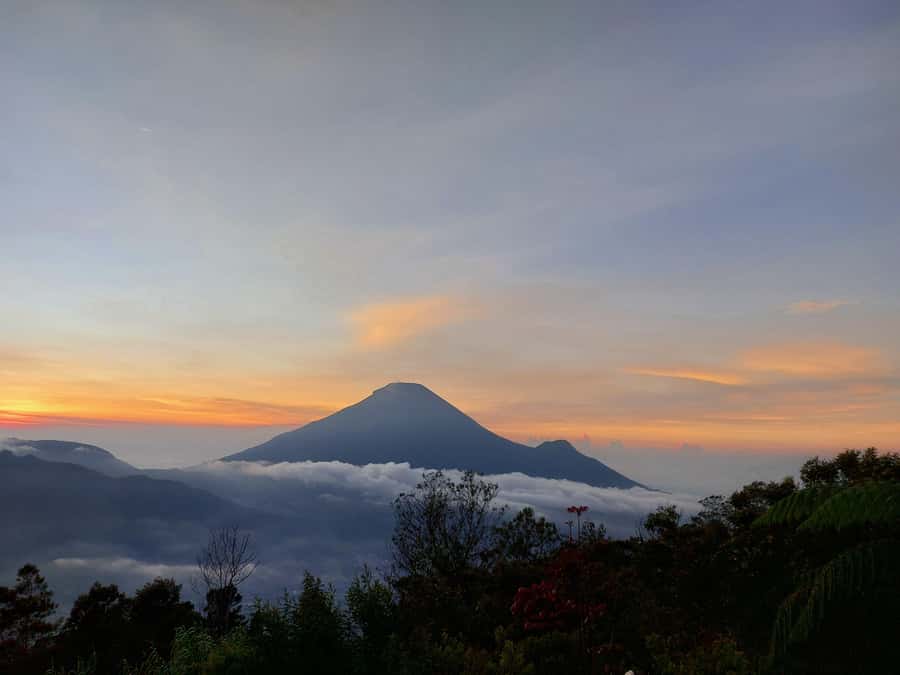
- Sikunir Hill climb is short, but the sunrise wait isn’t: plan for cold and patience.
- Telaga Warna really can change colors because sunlight hits sulfur-rich water at different angles.
- Sikidang Crater is active and dramatic with bubbling mud and steam in a dusty sulfur plain.
- Arjuna Temple Complex adds the human story with eight small Hindu temples dating to the 7th century.
- You get hotel pickup and drop-off plus tickets and fees in the base price, so you’re not juggling details at 1 a.m.
The midnight start: getting to Dieng Plateau for Sikunir sunrise
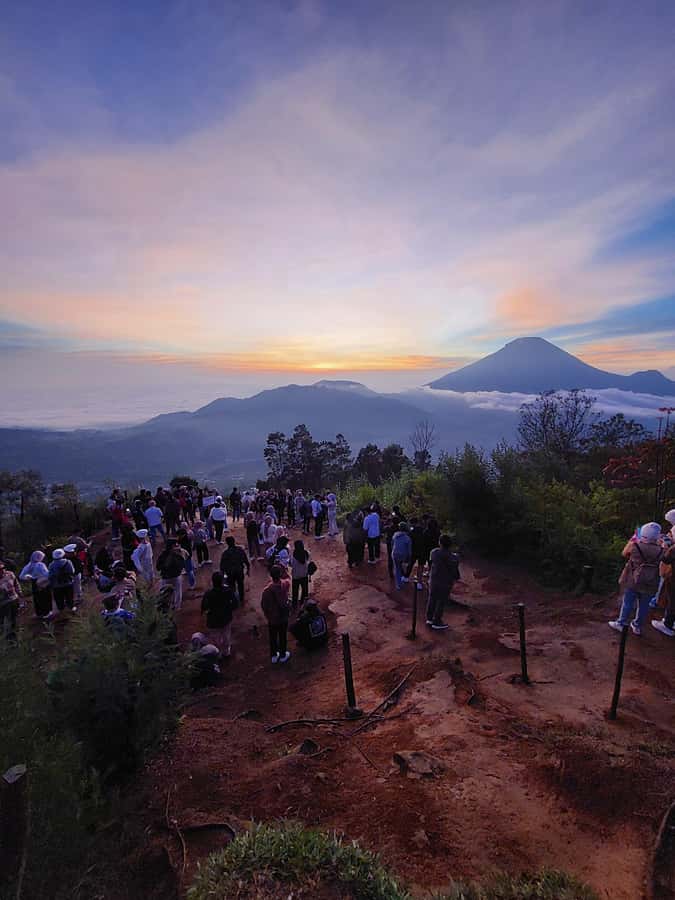
This is the kind of trip that starts before your body understands what time it is. You’ll get picked up from your place in the Yogyakarta area around midnight, then spend about three hours in the car heading toward the Dieng Plateau. The point is simple: you want to be at Sikunir Hill before the sky turns from dark gray to real morning.
That early departure matters because Dieng is a timing game. Sunrise looks different depending on cloud cover, humidity, and wind, and the hill viewpoints can get crowded on popular mornings. Here, the tour is set up to get you to the right place early enough to settle in, choose a spot, and watch the sky start to shift.
One practical advantage: the tour offers multiple pickup and drop-off options, including Yogyakarta International Airport, the Special Region of Yogyakarta, and Magelang Regency. That flexibility can save you a separate taxi run later, which is exactly what you want when your day is already beginning at 00:00.
You can also read our reviews of more tours and experiences in Semarang.

Sikunir Hill sunrise: how the cold, timing, and views work
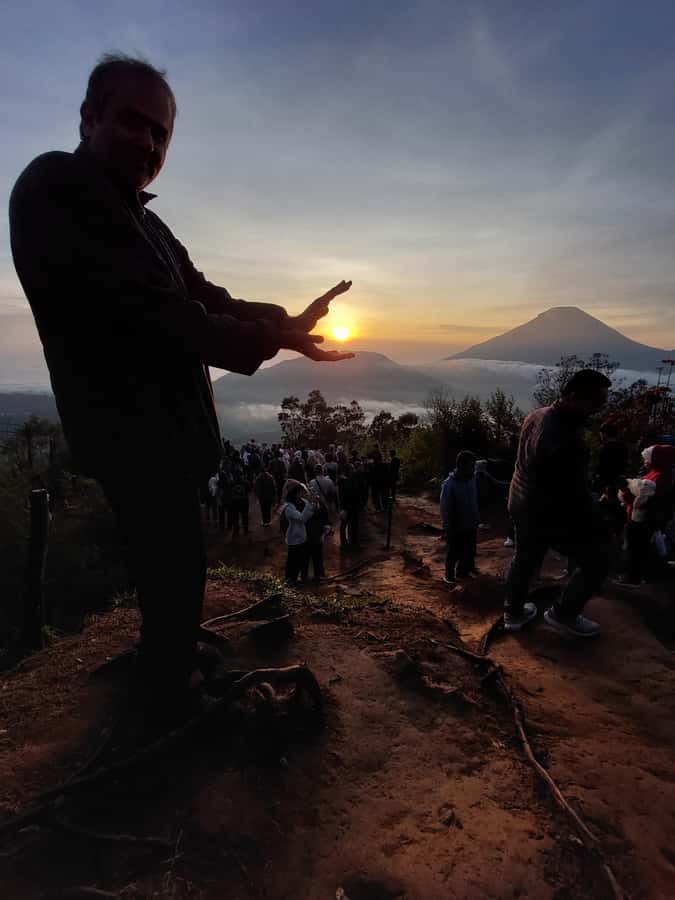
The main event is the sunrise from Sikunir Hill. After the car ride, you take a hike that’s typically about 20–30 minutes from the foot of the path to the top. It’s not a long trek, but the climb is part of the reason the view feels like a reward instead of a roadside stop.
Once you’re at the summit, you’ll likely be watching the horizon for a while. Even on mornings when everything goes right, it can take time for the sun to crest the ridgeline. One real schedule example had the group arriving around 03:00 and the sun coming up shortly after 06:00, so plan on a wait.
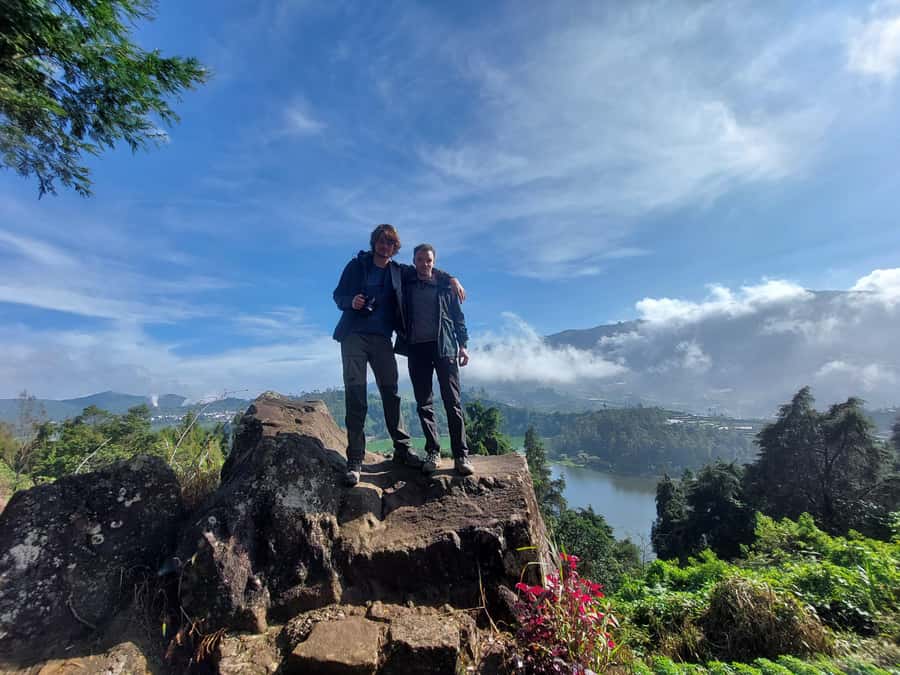
On a clear day, Sikunir Hill can offer views of up to eight volcanoes. That’s the reason people chase this morning. You get layered silhouettes in the mist and, when the light finally arrives, the whole plateau looks like it’s been washed in gold.
Cold is the other main factor. Reviews on this trip repeatedly mention that it’s freezing at the top, so don’t show up thinking Java equals warm. Bring a warm jacket and wear layers you can move in. If you only pack a hoodie and hope, you’ll regret it while the sky is still doing its slow work.
Batu Pandang Ratapan Angin photo stop: stretching your legs
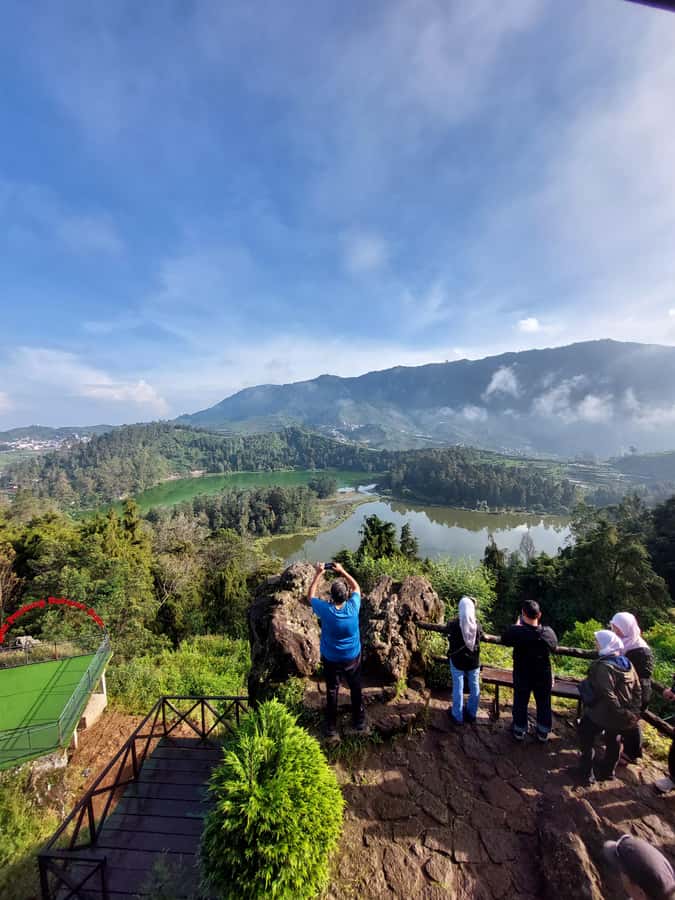
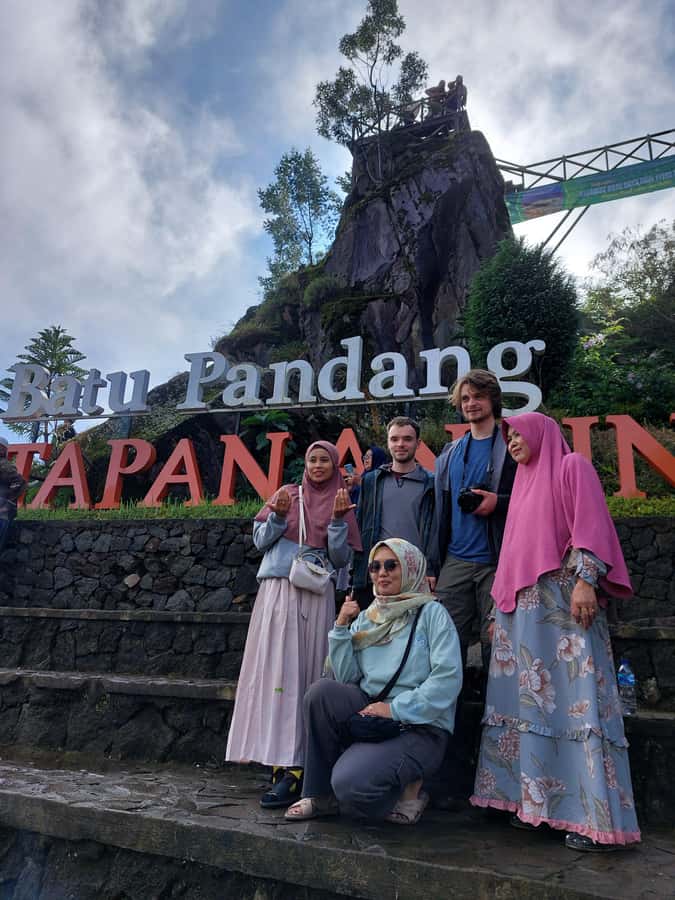
After sunrise, the tour shifts from “hold still” mode to “go see the next natural feature.” You’ll head toward Telaga Warna Lake via Batu Pandang Hill, with a stop at Batu Pandang Ratapan Angin for photos and a bit of time to take it in.
This part of the route is useful because it breaks the morning up into smaller moments. You’re not just doing a brutal straight line from hill to lake to crater. You’re able to reposition, swap camera angles, and catch some warmer air as you descend and move between spots.
Expect this leg to be scenic and windy—Ratapan Angin is a viewpoint type of stop, meaning open air and exposed views. Bring a small buffer in your schedule here. If you hurry, you’ll rush photos. If you slow down too much, you’ll feel stressed about reaching the later stops. A steady pace usually works best.
The timing also sets you up for the color effects at Telaga Warna. Sunrise has you at the high point; now you’re starting to move through the plateau’s signature sites in the order that makes sense visually and practically.
Telaga Warna Lake: why the colors change with sulfur and sun
Telaga Warna means color lake, and it earns the name. The water here can shift in shades like green, purple, yellow, and sometimes rainbow-like tones. The reason is fairly straightforward: sunlight interacts with sulfur-rich conditions, and as light changes, the water’s appearance follows.
The key thing for your expectations is this: the lake’s colors aren’t guaranteed to look the same every time. What you can count on is that the effect is real and worth seeing in person, even if your exact shade is different than someone else’s photos.
This is also one of those spots where a guide helps. A good guide knows when light is best and how long to spend before the visual effect softens. You’ll also get a smoother flow through the day, because Telaga Warna sits between the high viewpoint and the more intense geothermal stop at Sikidang.
Don’t overpack this moment emotionally. If the colors are subtle, you’re still looking at a sulfur-influenced lake phenomenon in a high-altitude volcanic region. That’s exactly what makes Dieng feel different from most island day trips: the geography is doing the storytelling.
Sikidang Crater and Arjuna Temple: sulfur steam meets ancient stone
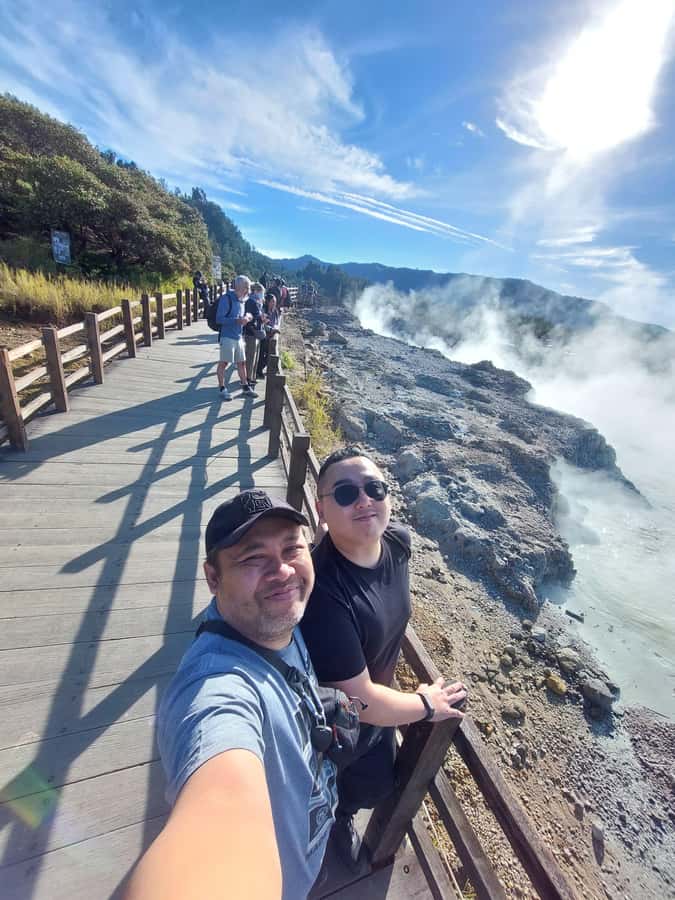
Next comes Sikidang Crater, an open sulfur crater with bubbling mud and steam. It’s set in a bumpy, dusty geothermal area that can feel like you stepped into another kind of planet for a few minutes.
The spectacle here is pure physics and heat. You’re not just looking at a crater wall; you’re watching active geothermal behavior. That makes the visit more than a quick photo. Take a moment to watch patterns of steam and bubbling—standing back a little usually makes for better viewing anyway.
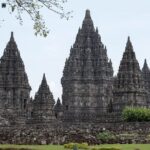
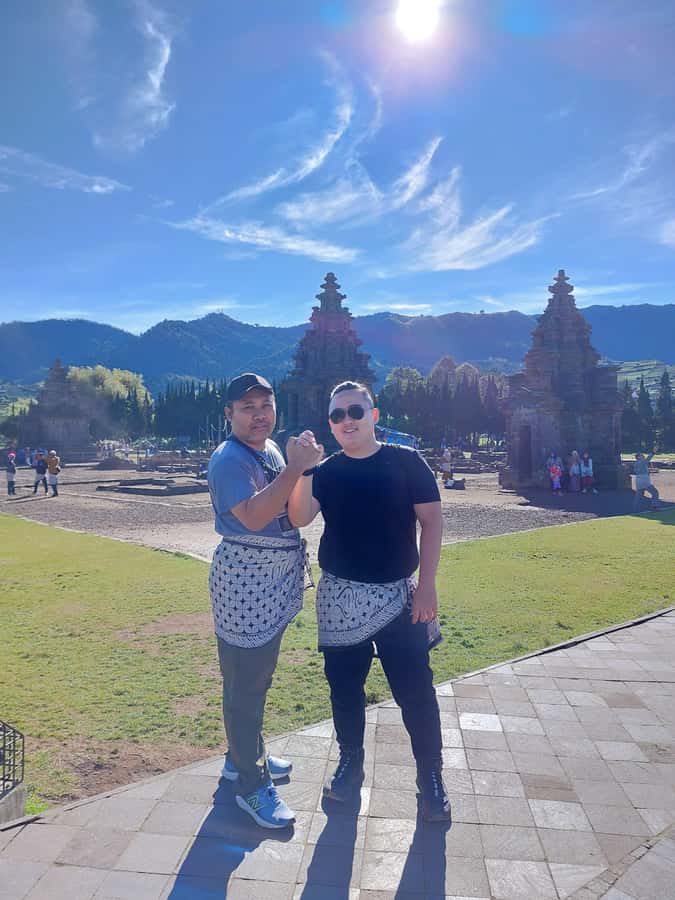
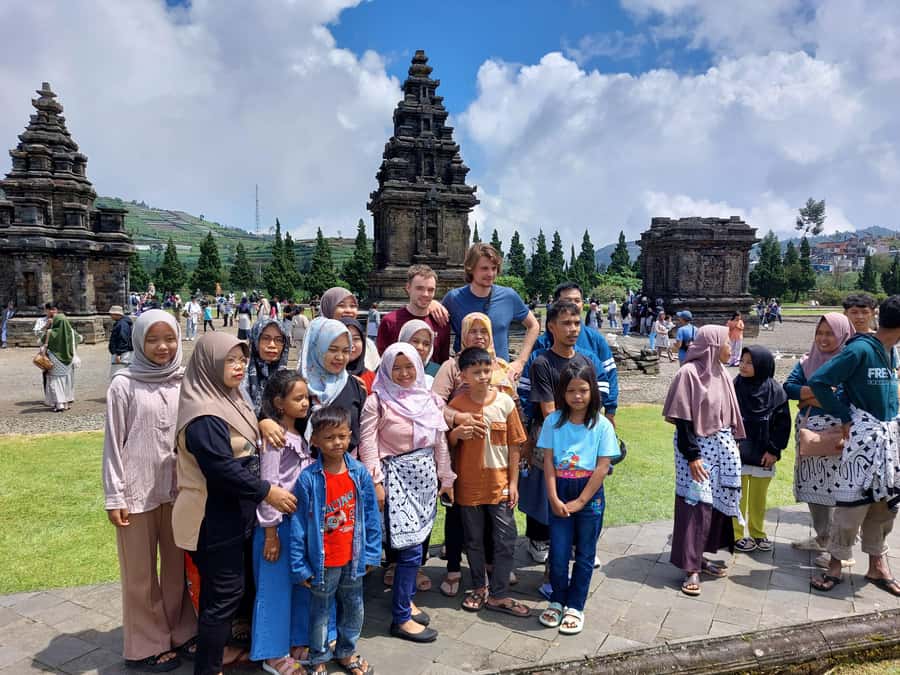
After the crater, you’ll visit the Arjuna Temple Complex. This is the cultural counterweight to the steaming ground. The complex includes eight small Hindu temples dating back to the 7th century, and it gives you a different kind of wow: human craftsmanship layered onto a volcanic stage.
This pairing works because it changes your brain’s focus. After the intense smell and visual chaos of sulfur activity, your eyes can rest on stone forms and symmetry. You also get a more complete picture of Dieng as both a sacred cultural area and a geothermal zone.
If you’re the type who likes context, lean on your guide. The better guides explain how the temples fit into the region’s spiritual traditions and how the plateau’s environment shapes daily life.


Price, timing, and what’s included (and what you’ll need)
At $58 per person for a 12-hour day, the value comes from what’s bundled. Your ticket, a tour guide, and hotel pickup and drop-off are included, plus parking and donation fees. That matters on a day like this, because you’re paying for early transportation and planned access to multiple sites without having to coordinate everything yourself.
The trip does not include food and beverages. That’s normal for an early departure, but it’s a real consideration. You’ll likely need water during the cold wait and then something to eat later once you’ve worked up an appetite. Pack a bottle for the hill, and bring snacks if you tend to get hungry before noon.
Also consider tipping. Driver tipping is not included, so if you want to show appreciation, budget for it. Even small amounts feel good when someone gets you there on time and handles the driving on mountain roads.
From a timing perspective, the 12-hour total means you’ll be out most of the day, even though the “main sunrise moment” is just a slice of it. You’re really buying a curated route: hill, viewpoint, lake, crater, temples, then back to Yogyakarta.
Who this private tour suits best, and how to make it smooth
This works best if you like early starts and want one morning that covers a lot of ground without feeling chaotic. A private group setup is ideal if you prefer a quieter experience compared to bigger buses, and it also gives you room to ask questions, slow down at a photo spot, or adjust your pace at the crater and temples.
I’d especially recommend it for:
- Couples or small groups who want the sunrise without crowd pressure
- First-timers who want the Dieng highlights in a logical order
- People who enjoy both natural drama (Sikidang) and cultural sites (Arjuna Temples)
To make it smoother, plan your clothing like you’re going to a chilly mountainside, not a tropical island. Warm layers are the big one. If you wear shoes with decent grip, you’ll feel steadier on the path to Sikunir Hill and around geothermal areas.
Finally, let your guide set the tone. On this route, guides like Sigit are praised for humor and helping with whatever you need, while guides like Ganjarjati are known for explaining the region and keeping the day flexible. Even with a fixed route, the best experience comes when you communicate what you want: photos, walking pace, and timing.
Should you book this Dieng Plateau Sikunir Golden sunrise trip?
Book it if you want a single guided day that hits the core Dieng sights in one go: Sikunir Hill sunrise, Telaga Warna, Sikidang Crater, and the Arjuna Temple Complex. The $58 price becomes reasonable when you factor in pickup/drop-off, guide time, tickets, and the long early drive.
Skip it or rethink if you hate cold mornings or you’re expecting sunrise to be guaranteed no matter the weather. You’ll be spending time waiting for the sky to do its job, and Dieng can be misty.
If you’re deciding at the last minute, my advice is simple: pack warm layers, bring water, and treat sunrise as an experience built on patience. When the light finally lands, it feels like the whole plateau is revealing itself at once.
FAQ
What time is pickup for the Dieng Plateau sunrise trip?
You’re picked up from your Yogyakarta-area accommodation around midnight, and the drive to the plateau takes about three hours.
How long is the hike to Sikunir Hill?
The walk from the foot of the path to the sunrise viewpoint at Sikunir Hill takes about 20–30 minutes.
What if the sky is cloudy at Sikunir Hill?
The experience is still worthwhile, but sunrise depends on visibility. On a clear day, you can see up to eight volcanoes from the hill.
Do I visit Telaga Warna Lake on this trip?
Yes. After sunrise you go to Telaga Warna Lake, where the water can appear to change color due to sulfur-rich conditions and sunlight.
What will I see at Sikidang Crater?
You’ll visit Sikidang Crater, an open sulfur crater with bubbling mud and steam in a dusty geothermal area.
Are the Arjuna Temples included?
Yes. You’ll visit the Arjuna Temple Complex, which has eight small Hindu temples dating back to the 7th century.
Is food included in the price?
No. Food and beverages are not included, so you’ll want to plan snacks and water for the day.
How long is the full tour?
The duration is 12 hours.
Is this tour private?
Yes, it’s described as a private group tour.
What languages is the live guide available in?
The live guide can be in English, Indonesian, or Spanish.