A stroll in Bandung can feel like time travel. This guided walk ties Braga Street Art Deco sights to Sundanese culture and finishes at Bandung’s biggest mosque. At this price, it’s an efficient way to understand the city beyond postcard spots, with help from guides like Jamal, Kiki, and Rifaldy.
I especially like the way the route is built around real street scenes: photo stops, quick snack breaks, and the kind of history you can point to while you’re walking. I also appreciate the focus on daily life—questions are welcome, and you get food recommendations plus practical pointers on how to live through Indonesia’s routines.
One thing to consider: it’s only about 90 minutes, so you’ll get a strong overview, not every side street and corner. If you’re the type who wants long museum-style pacing, plan something extra after the walk.
In This Review
- Key Things I’d Put on Your Radar
- Starting at Braga CityWalk: Why This Route Works
- Braga Street: Art Deco Facades and the Stories Behind Them
- Learning Bandung Through the Sundanese Connection
- Bandung’s Biggest Mosque: Design, Serenity, and Etiquette
- Guides Matter: When the Storyteller Is the Difference
- Timing and Pace: 90 Minutes That Don’t Feel Cramped
- Price and Value: What $15 Actually Buys You
- Who Should Book This (and Who Should Skip It)
- Practical Tips Before You Go
- Should You Book This Bandung Walking Tour?
- FAQ
- How long is the walking tour?
- Where do we meet for the tour?
- What’s the price per person?
- What languages does the live guide speak?
- What should I bring?
- Is the tour wheelchair accessible?
- What is included in the tour price?
- What is not included?
- Can I cancel and get a refund?
- Is there a reserve-and-pay-later option?
Key Things I’d Put on Your Radar
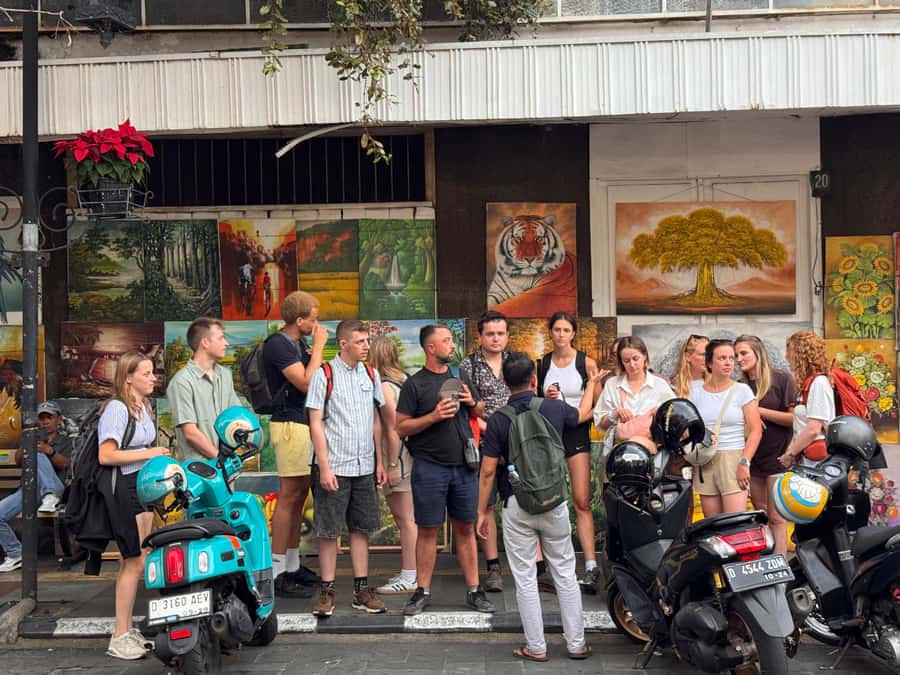
- Braga Street on foot with recognizable Art Deco architecture and easy photo stops
- Sundanese culture lessons that explain local identity in plain language
- A guide who talks like a person, not a script, with lots of Q&A
- Bandung’s largest mosque visit for architecture and community context
- Small practical perks, including tips on food and how to survive in Indonesia
- A bodyguard included, which can make city walking feel less stressful
Starting at Braga CityWalk: Why This Route Works
Most Bandung visitors zoom straight to the big sights. This tour does the smart thing first: it gets you walking through Braga Street, the city’s classic boulevard. Meeting at the corner of Braga Street in front of Wikikoffie cafe puts you right in the action, so you start in the middle of the story instead of at the edge of it.
You’ll begin on a comfortable pace along Jalan Braga, where the street layout and building fronts make it easy to understand why Braga became a centerpiece. The guide points out details while you’re still close enough to look up, not half an hour later when everything blurs together.
And because you’re on foot, you notice the things you’d miss from a car window: where people pause for tea, where snacks appear, how the street rhythm changes block by block. That matters because Bandung’s character is in the everyday motion, not only in landmarks.
You can also read our reviews of more tours and experiences in Bandung.
Braga Street: Art Deco Facades and the Stories Behind Them
Jalan Braga is the star of the early part of the walk. The architecture is described as original Art Deco, and that label matters because it tells you what to look for—clean lines, repeating patterns, and a sense of designed elegance rather than random ornament.
You’ll also get a photo stop mindset, not just a stare-and-go approach. That’s useful because Braga looks best when you capture it from a few angles. The guide’s job is to turn your camera from a random tool into an observation instrument: what to frame, what to remember, and what details connect to the city’s past.
What I like here is the storytelling tone. The tour is positioned as a walking history lesson, but it’s not all dates and names. It’s more like: here’s what this building suggests about the era, and here’s how that era echoes in Bandung today. This is where guides such as Rifaldy are praised for explanations that keep moving, and where Jamal is known for connecting old influences to present-day life.
As for refreshments, the walking portion includes tea and street food, and the tour format also references beer. If you’re a non-drinker, don’t worry—this kind of stop is usually easy to skip or swap for tea or snacks. Still, it’s smart to carry some flexibility in your schedule and stomach.
Learning Bandung Through the Sundanese Connection
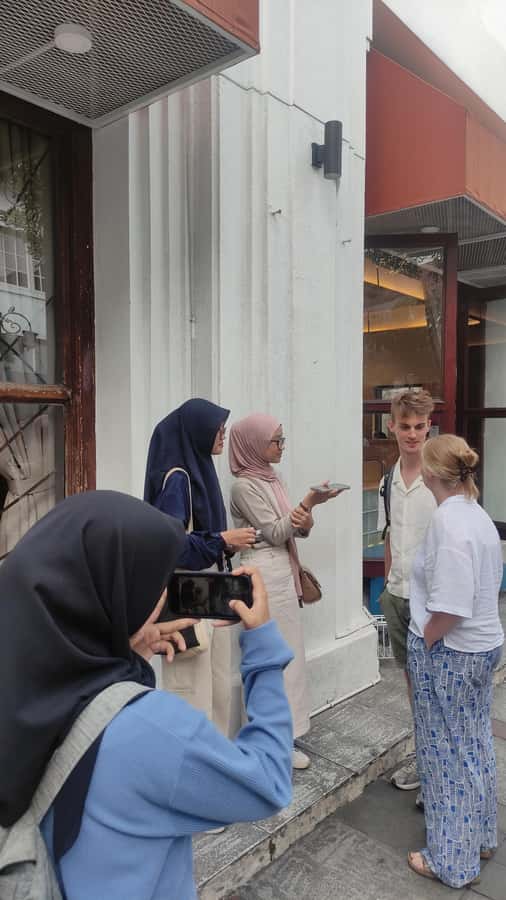
Half the value of this experience is cultural context, and the tour puts that focus on the Sundanese, the indigenous people of West Java. This part isn’t a lecture in a classroom. It’s integrated into the walk, so the culture lesson feels anchored to place.
You can think of it as learning Bandung’s “operating system.” Knowing who the Sundanese are, how traditions show up, and how local language and customs shape daily behavior helps you interpret what you see later—on street corners, in markets, and even in how people treat visitors.
Guides in this program are also described as friendly conversationalists. People mention open Q&A and discussions about life in Indonesia, which is exactly what you want when you’re trying to understand a place quickly without guessing. If you’ve ever felt frustrated reading a guidebook explanation that doesn’t match what you’re seeing, this approach helps close that gap.
A small but meaningful bonus: the tour includes starter kits on how to survive in Indonesia. That phrase can sound dramatic, but in practice it usually means quick, practical reality checks—what to expect socially, how to handle common situations, and how to avoid awkward moments.
Bandung’s Biggest Mosque: Design, Serenity, and Etiquette
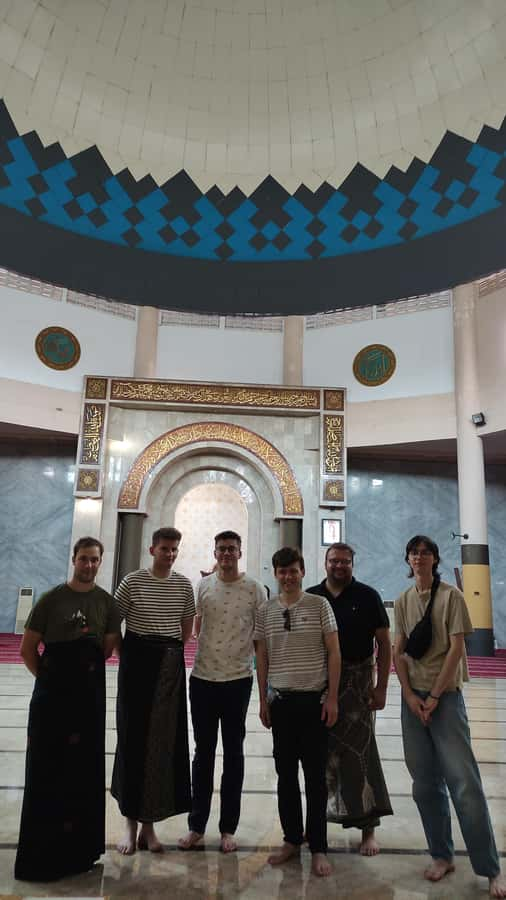
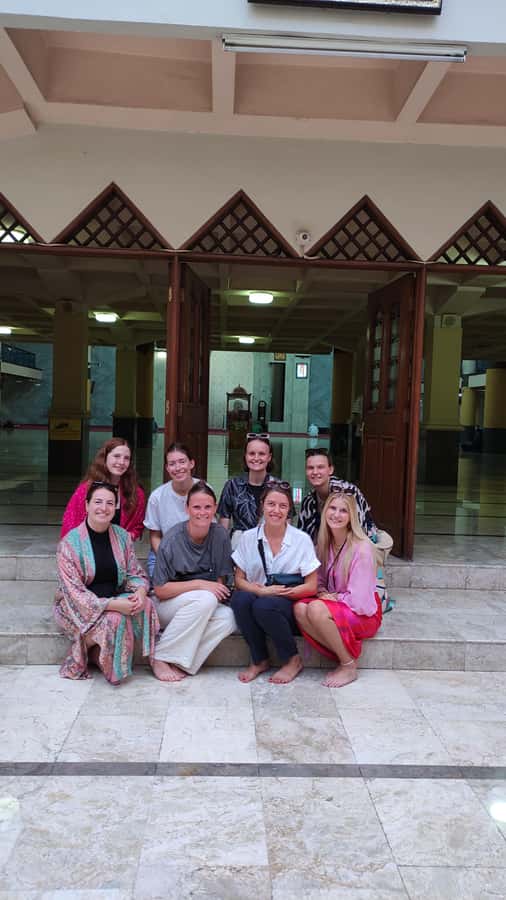
The walk ends at the largest mosque in Bandung. This is your chance to shift gears from city boulevard pace to something calmer and more ceremonial.
The mosque visit is described as a chance to admire grand design and experience a serene atmosphere. That’s the right combo: architecture gives you something to study, and the atmosphere gives you something to feel. It’s also culturally significant because the mosque functions as a community anchor, not only a photo backdrop.
In practical terms, expect that you’ll spend time looking up close, listening to context, and learning about what the mosque represents locally. The guide is there to help you understand what you’re seeing and how to behave respectfully while you’re there.
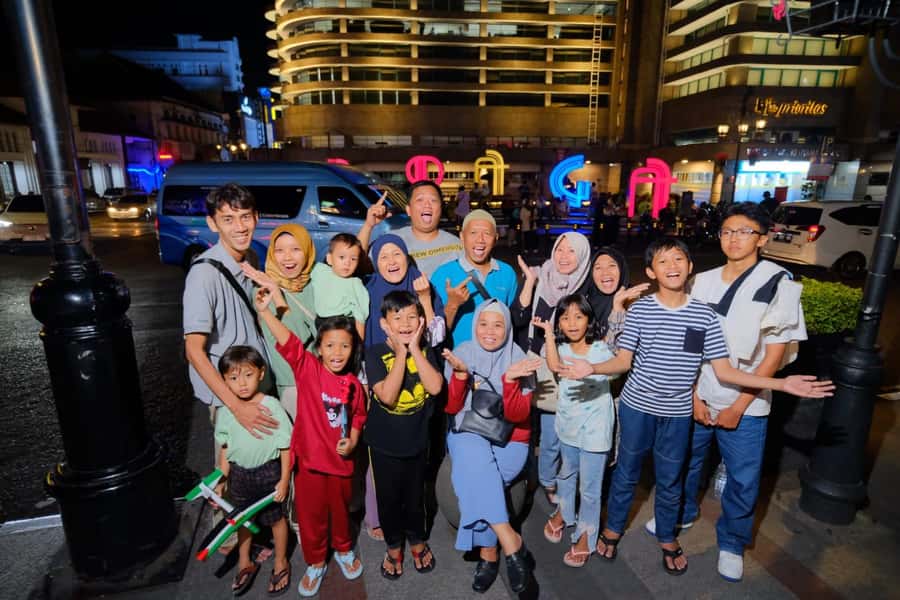
One detail worth knowing: visitors mention being warmly welcomed by a group of women who wanted to take photos. That’s not something you can plan for, but it’s a good reminder that in Indonesia, hospitality can appear in unexpected ways. If you’re comfortable in social moments, you’ll enjoy this part even more.
Guides Matter: When the Storyteller Is the Difference
This tour is powered by the guide. The program emphasizes an expert storyteller, and the reviews attached to this experience repeatedly highlight that the tour doesn’t feel rushed or mechanical.
You might meet guides such as Jamal, Kiki, or Rifaldy. Across these names, the common strengths show up:
- explanations that stay clear and relevant
- lots of room for questions
- conversations that go beyond Bandung’s buildings into how people live
There’s also a theme of guides helping with the rest of your trip. That can be as simple as restaurant advice, or as helpful as connecting you with friends in other cities. If you’re trying to make the most of a short Bandung stay, that extra local guidance can add real value.
And one more thing: the tour includes a bodyguard. That might sound unusual, but it likely means the operator expects city walking to be smooth and wants you to feel secure. For solo travelers or anyone who doesn’t love chaotic street navigating, that’s a plus.
Timing and Pace: 90 Minutes That Don’t Feel Cramped
The duration is about 90 minutes, and the tour notes it takes around 1–2 hours depending on the starting times and flow. This matters because you can fit it into almost any Bandung day plan—before lunch, late afternoon, or as a first orientation walk.
The pace is designed for learning while moving. You’ll get photo stops, guided explanations, and visits, so you aren’t stuck listening the whole time. But you’re also not out there for half a day. In other words, it’s structured enough to work as a quick primer, not so long that you’ll feel drained.
If it rains, don’t panic. One of the mentioned experiences was still enjoyable even in rain, with snack stops included. Still, bring your own weather judgment. Comfortable shoes are more important than umbrellas you’ll regret.
Price and Value: What $15 Actually Buys You
Let’s talk value, because $15 per person is not much money—but it’s also not just for walking with a stranger.
You’re paying for:
- a live guide (English and Indonesian)
- a storyteller style approach that turns visuals into meaning
- cultural insights on the Sundanese
- a mosque visit with context, not just directions
- practical “survival” tips plus food/restaurant recommendations
- and, importantly, a bodyguard included for added safety and comfort while moving through the city
That combination is why this tour can feel like more than a simple sightseeing loop. You’re not only seeing Bandung’s center—you’re getting tools to interpret it. And if you’ve got limited time in Java’s cooler highlands, spending 90 minutes learning how locals think about identity and community is a strong use of budget.
Your biggest variable cost is personal spending—snacks you want beyond what’s planned, drinks, souvenirs, and anything else you decide to add.
Who Should Book This (and Who Should Skip It)
This is a great choice if:
- you want a fast orientation to Bandung
- you like walking tours where you can ask questions
- you’re curious about Indonesian culture beyond food photos
- you want a mosque visit that focuses on meaning, not only architecture
- you appreciate guides who connect history to daily life
You might skip it if:
- you need a long, slow museum-style experience
- you expect private, silent touring with no social questions
- you want deep dives into every historical layer of Bandung’s colonial and post-colonial eras without a walk-based format
Practical Tips Before You Go
The tour gives you the basics, and you should follow them. Bring comfortable shoes, water, sunscreen, and a hat. Cameras are a must for Braga Street, where angles matter.
For the mosque portion, wear clothing that lets you stay respectful and comfortable for viewing and time inside. If you’re unsure what will be expected, ask the guide before the visit so you’re not scrambling at the last moment.
Also, go in ready to talk. Guides in this format do well when you ask normal questions—about culture, language, daily life, food, or what to try next. That’s where the experience becomes more personal.
Should You Book This Bandung Walking Tour?
If you want a high-value intro to Bandung’s heart, I’d book it. The strongest reason is that you cover three things that reinforce each other: Braga Street architecture, Sundanese cultural context, and the largest mosque’s community role. With English or Indonesian interpretation and a guide who supports real conversation, you’ll leave with more than photos.
The main reason to hesitate is the short time. At about 90 minutes, you’ll learn a lot, but you won’t replace longer, standalone tours of specific neighborhoods or museums. If you can add one or two follow-ups later, this becomes a perfect starting move.
So for a first day in Bandung, or for travelers who like compact, story-rich routes, this one makes sense.
FAQ
How long is the walking tour?
The tour runs about 90 minutes, and it may take around 1–2 hours depending on the session.
Where do we meet for the tour?
You meet at the corner of Braga Street in front of Wikikoffie cafe.
What’s the price per person?
The price is $15 per person.
What languages does the live guide speak?
The guide speaks English and Indonesian.
What should I bring?
Bring comfortable shoes, a hat, a camera, sunscreen, and water.
Is the tour wheelchair accessible?
Yes, the tour is wheelchair accessible.
What is included in the tour price?
It includes an expert storyteller, a guide (and bodyguard), insights into Sundanese culture and traditions, starter kits on how to survive in Indonesia, and recommendations for good food or restaurants.
What is not included?
Personal expenses are not included.
Can I cancel and get a refund?
Yes. Free cancellation is available up to 24 hours in advance for a full refund.
Is there a reserve-and-pay-later option?
Yes. You can reserve your spot and pay nothing today.