Steam, orchids, and a crater in one day. I like how Tangkuban Perahu delivers a real volcanic atmosphere, then Domas Crater lets you get close to warm mud and steam. The one drawback to plan for: it’s a long day with walking over uneven ground, and Bandung weather can change fast.
This is a well-paced route for a private group, with pickup from central Bandung areas and an English-speaking driver/guide doing the heavy lifting. I also like that your price covers ticket entrances for your chosen sights, so you’re not stopping every few hours to sort separate admissions.
Option A focuses on Curug Pelangi (Rainbow Waterfall) with rainbow lighting after sunset, while Option B swaps that for Keraton Cliff and Tahura Djuanda’s Dutch and Japanese caves. Either way, bring a jacket—crater air and the forest can feel cool and damp.
In This Review
- Key highlights worth planning around
- A volcano-and-forest day that actually makes sense
- What a private group changes
- Tangkuban Perahu: starting with the real volcanic “wow”
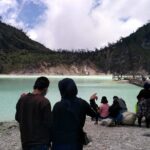
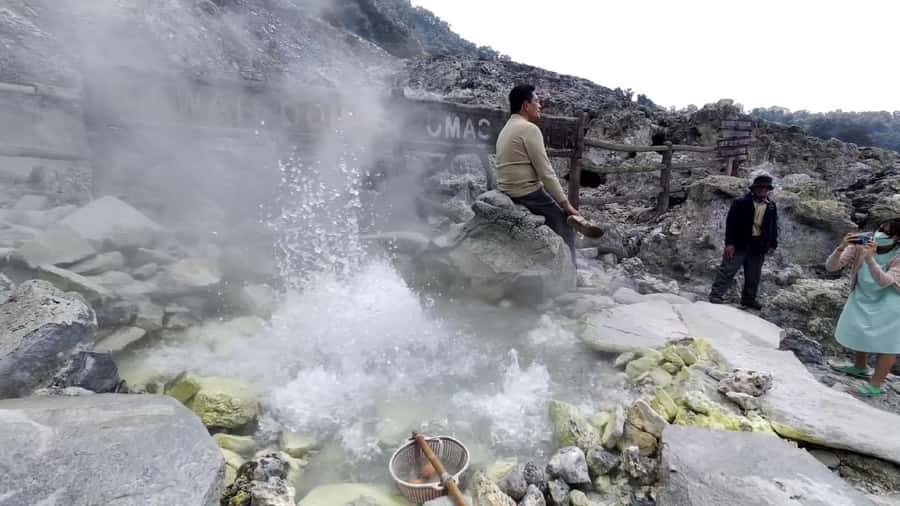
- Kawah Domas: mud, steam, and a close-up lesson
- Orchid Forest Cikole: the break your legs will thank you for
- Why this stop is valuable (not just pretty)
- Curug Pelangi after sunset: rainbow lights on a waterfall
- A small drawback to know before you go
- Option B: Keraton Cliff and Tahura Djuanda’s Dutch and Japanese caves
- Keraton Cliff: Bandung’s green valley from above
- Tahura Djuanda Forest Park: nature plus wartime tunnels
- Price and value: why $70 can be a good deal here
- What you get for your money
- Timing, timing, timing: weather and late-day light
- Overtime can cost extra
- Pickup smoothness
- Guides make the day: English, pacing, and local context
- Who this tour is best for (and who should skip it)
- Should you book Bandung Tangkuban Perahu Volcano Tours?
- FAQ
- How long is the Bandung Tangkuban Perahu Volcano Tours?
- What’s the difference between Option A and Option B?
- What’s included in the price?
- Are meals included?
- Where do hotel pickups happen in Bandung?
- What language is the guide?
- What should I bring?
- Who shouldn’t take this tour?
Key highlights worth planning around
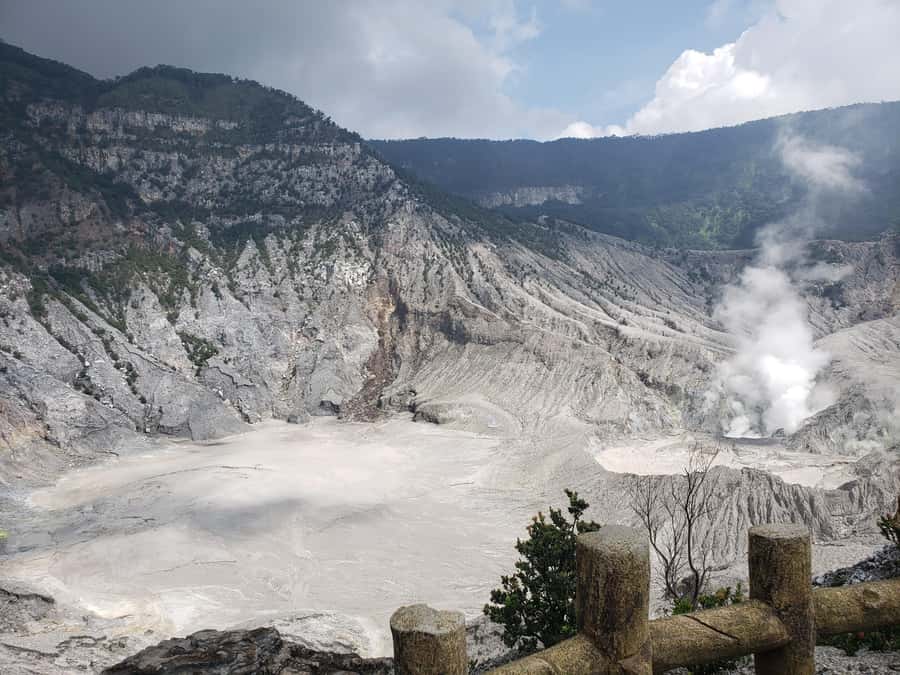
- Tangkuban Perahu’s crater feel, including sulfur-scented air and dramatic basin views
- Kawah Domas mud pools, where warm steam and mineral pools create close-up photo moments
- Orchid Forest Cikole in the treetops, with canopy bridges and named photo spots like the Nest of Love
- Curug Pelangi lighting at night, best timed for after sunset when the waterfall display starts
- Option B adds Keraton Cliff and Tahura Djuanda, including wartime tunnels and bunker-style cave stops
- Guides make a difference, and past bookings note English quality plus pacing that fits your group
A volcano-and-forest day that actually makes sense
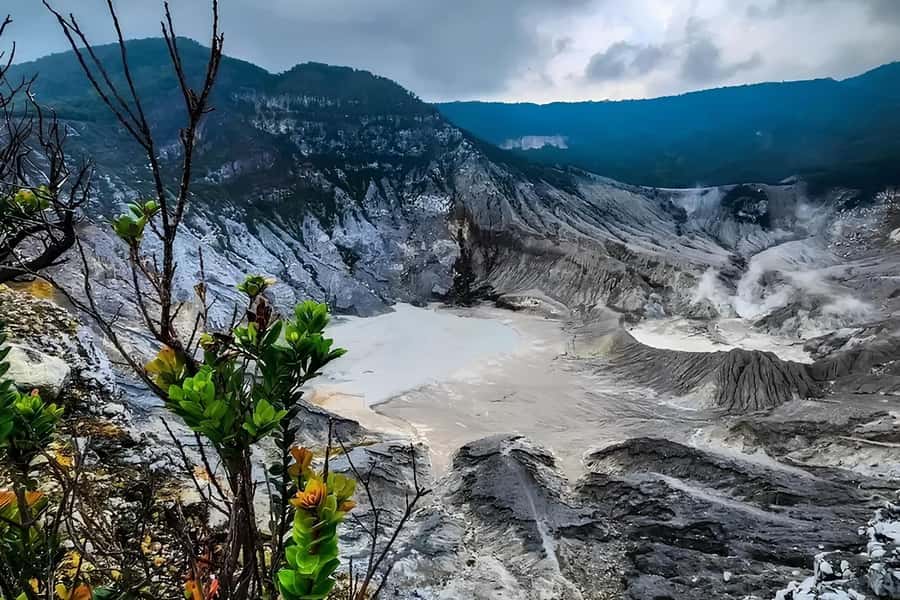
Bandung sits in a volcanic zone, so a crater day trip could easily feel like just a quick stop-and-go. What I like about this tour is that it strings together very different environments—steam, orchids, and waterfall glow—without turning the day into chaos.
You start with a volcano that feels alive. Then you move into calmer greenery at the orchid gardens. After that, you either head to an evening-lit waterfall or to forest caves tied to World War II. It’s the kind of mix that keeps you from seeing the same scenery twice.
You can also read our reviews of more tours and experiences in Bandung.
What a private group changes
This is listed as a private group, which matters in practice. You’re not sharing the whole day with strangers who move slower or want totally different photo stops. In multiple bookings, guides such as Yusuf and Esrina are mentioned for adjusting to your pace, including time for kids, and still getting everyone back safely through Bandung’s traffic.
Tangkuban Perahu: starting with the real volcanic “wow”
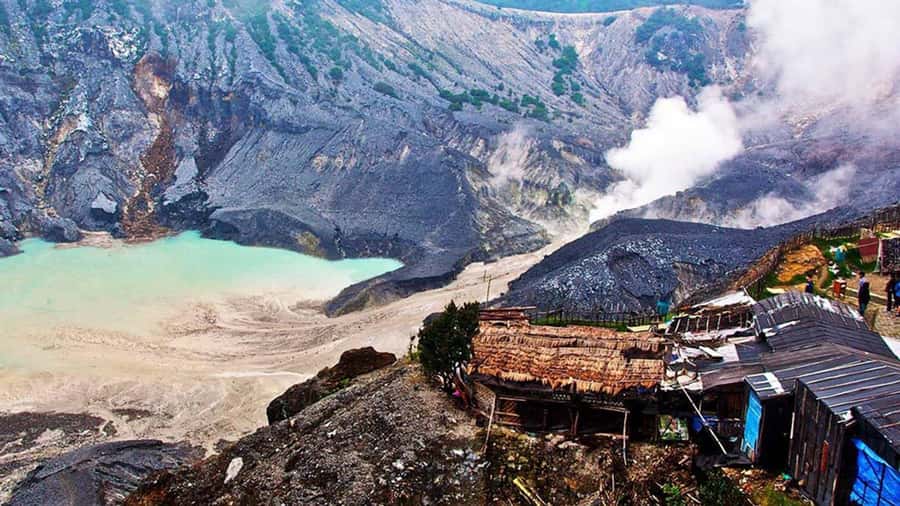
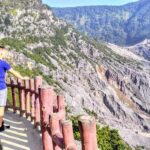
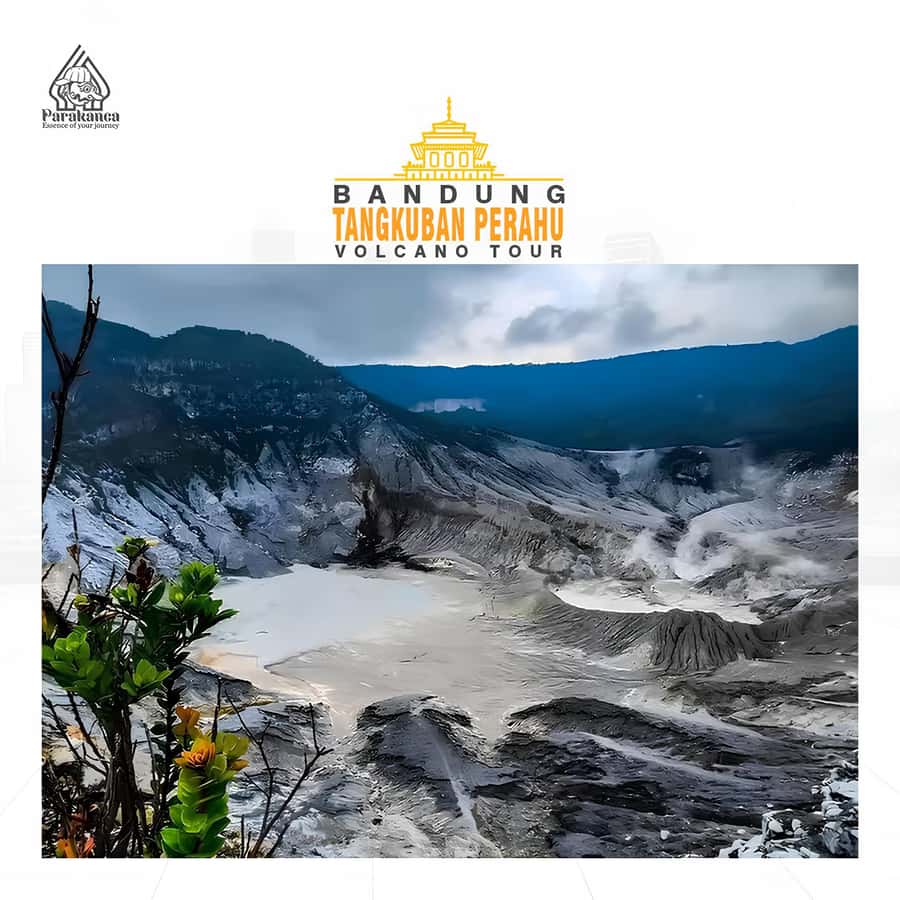
Tangkuban Perahu is the main character here, and you feel it the moment you approach. The volcano’s name comes from its shape—like an overturned boat—and the approach builds anticipation: sulfur smell in the air, mist hanging low, and steaming vents that look like they’re working overtime.
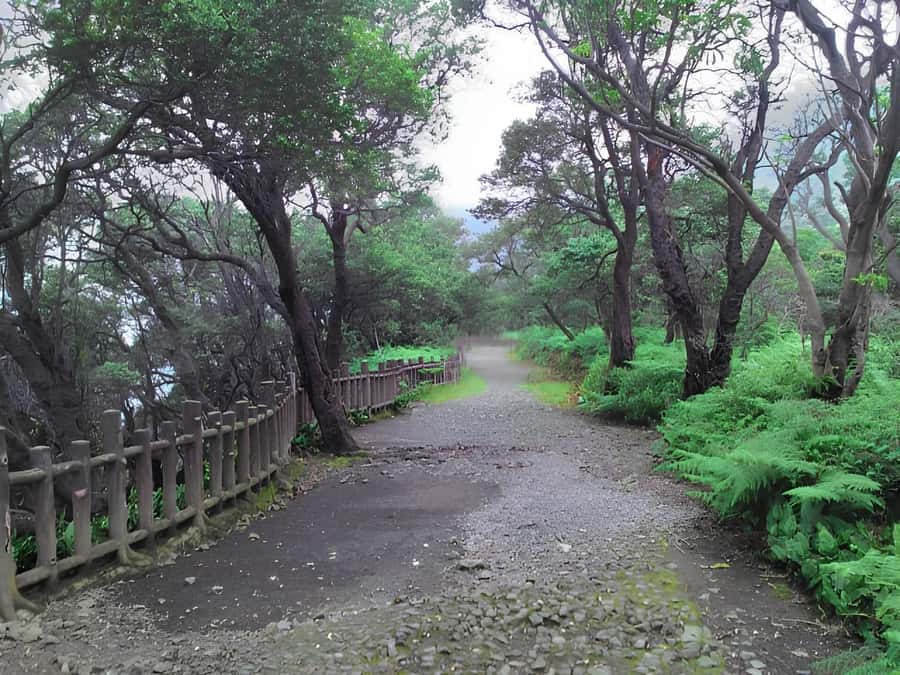
At the crater area, you’ll get guided context and enough walking time to actually reach viewpoints. The main crater, Kawah Ratu, is where you’ll understand the scale. It’s not just a scenic overlook; it’s a broad volcanic basin view with mineral areas and steam drifting around.
Kawah Domas: mud, steam, and a close-up lesson
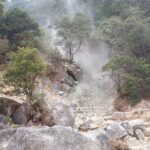
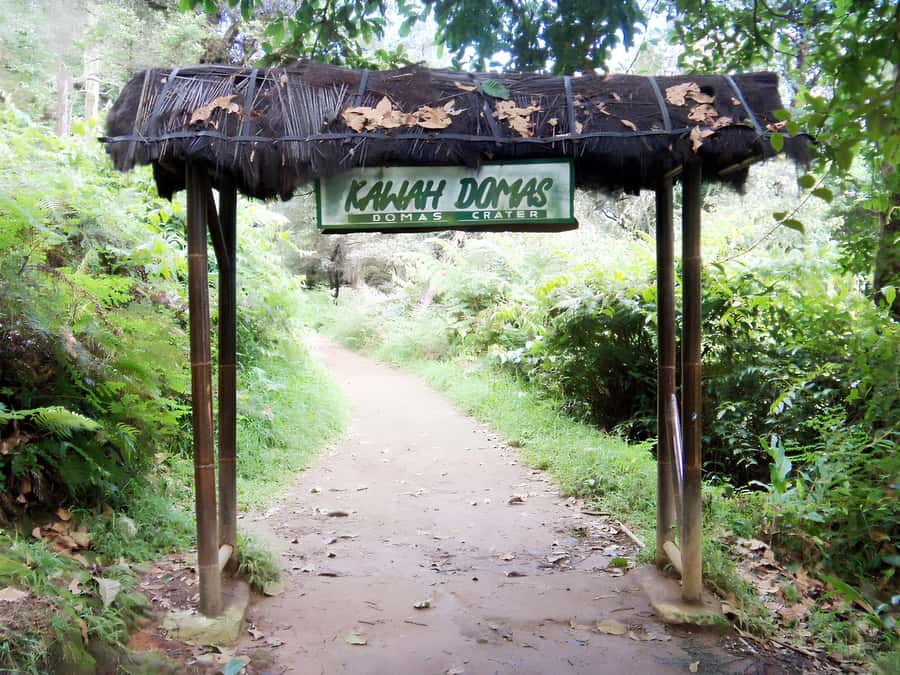
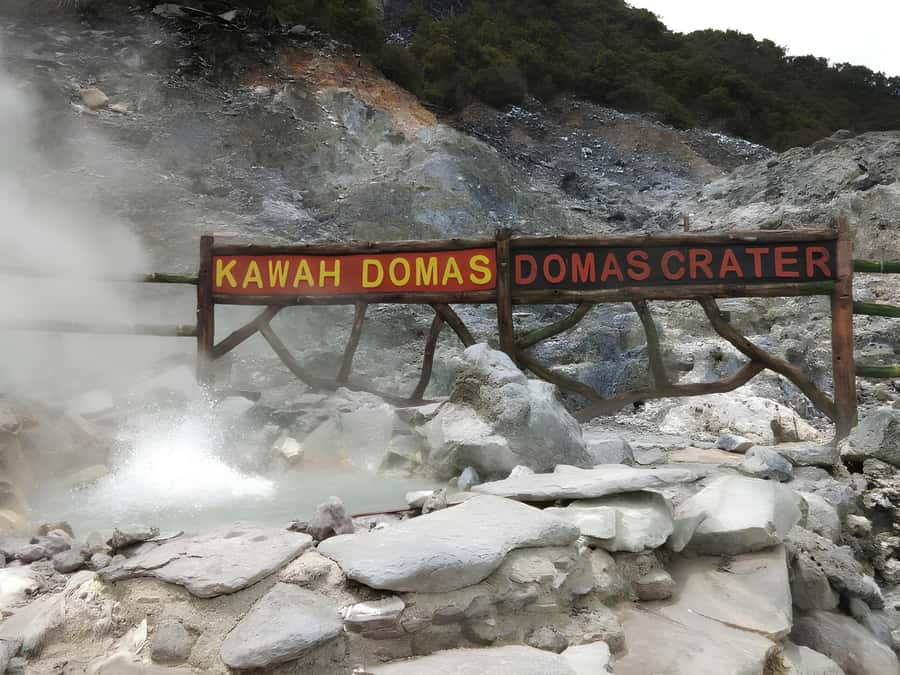
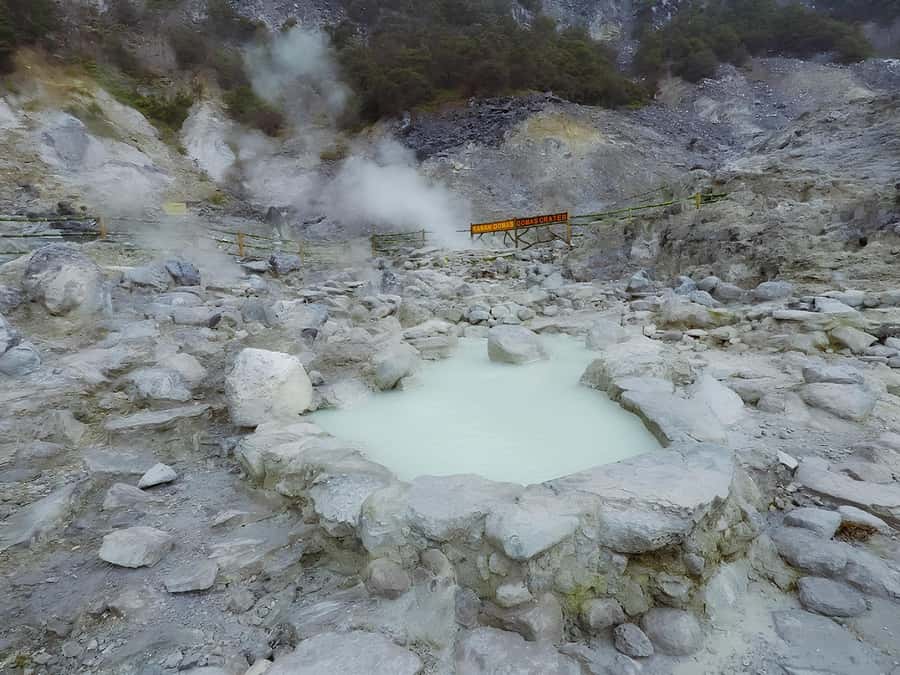
After Tangkuban Perahu, you head to Kawah Domas, and this is where the tour becomes hands-on—well, sort of. Domas is known for boiling mud pools and hot steam, and you can dip your feet into the warm volcanic mud in the area around the crater (there’s a local belief that it has healing properties). Even if you skip the dipping, you’ll still get that up-close look at how active and strange the ground can be.
Practical note: that area is naturally messy and steamy. Go with the mindset that you might get a little dirty and that the air can be strong. If you’re sensitive to strong smells or have health concerns, this part is exactly where you’ll want to think twice.
Orchid Forest Cikole: the break your legs will thank you for
Once you’ve had enough steam and crater air, the tour shifts to the orchid gardens at Cikole. This stop is quieter, greener, and more “walk and look” than “stand and stare.”
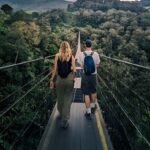
You’ll explore Orchid Forest (Kebun Bunga Orchid), with paths that include treetop canopy bridges. The park is built for wandering, so you’re not just ticking off a single viewpoint. There are also gazebos, a butterfly garden area, and photo spots with names that make it easy to remember where you took pictures—like the Nest of Love and flower tunnels.
Why this stop is valuable (not just pretty)
This is more than a photo pause. It gives your body a different kind of movement—gentle walking under trees—after crater terrain. It also gives you a cultural contrast: volcanos are about extremes, while this forest setting is about design, horticulture, and calm.
And because you’re in Bandung’s higher-altitude cool air, it can feel like a reset. If you’re doing Option A, this is also your bridge to the evening waterfall part of the day.
Curug Pelangi after sunset: rainbow lights on a waterfall
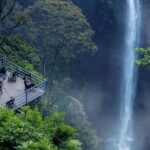
If you choose Option A, your late-afternoon finish is Curug Pelangi Cimahi, often described as Rainbow Waterfall. The key detail is timing: it glows with rainbow lights after sunset, so the light show is part of the attraction, not an optional bonus.
You’ll walk down a forested path to reach it. The air stays cooler than in the city, and you’ll get the steady sound of water long before you see everything clearly. Once the lights start, the waterfall becomes a different kind of scene—more like a nighttime attraction than a daylight nature stop.
A small drawback to know before you go
Nighttime scenery is amazing, but it can also mean less time for wandering and more attention to where you’re stepping. Expect uneven paths and give yourself a little extra care during the walk.
Option B: Keraton Cliff and Tahura Djuanda’s Dutch and Japanese caves
Not every day trip needs a waterfall glow. If you pick Option B, you’ll still begin with Tangkuban Perahu and Domas, but then the vibe changes toward viewpoints and wartime remnants.
Keraton Cliff: Bandung’s green valley from above
Keraton Cliff is one of Bandung’s most photographed viewpoints. You stand on a cliffside and look out over the Cikapundung Valley and the forest canopy below. Mist can help here—if it rolls through the trees, the whole scene turns softer and more dramatic.
If you care about photos, this is a strong anchor stop for Option B. The view is wide enough that you’ll get multiple angles without feeling like you’re chasing the same shot.
Tahura Djuanda Forest Park: nature plus wartime tunnels
Your last stretch is Tahura Ir. H. Djuanda (Djuanda Forest Park), a protected conservation area known for biodiversity and for historical sites hidden among the trees. The park includes old Dutch and Japanese war bunkers, and your guided walk brings you to caves connected to World War II.
Two cave stops are part of the experience:
- Dutch Cave: built earlier during the Dutch colonial era, described as a communication post and military tunnel. The corridors are cooler and dim, so you’ll need a light source.
- Japanese Cave: a wartime relic used by the Japanese army during World War II as a hideout and storage facility.
You’ll go inside with the help of a flashlight or a rented lantern (so don’t plan on phone light only—having a proper light source helps a lot in dim tunnels). It’s the kind of stop where you’ll feel the park’s “other side”: not just nature, but survival-era infrastructure.
Price and value: why $70 can be a good deal here
The price is listed at $70 per person, and that matters because your day includes a lot:
- hotel pickup and drop-off within a defined set of Bandung areas
- an English-speaking driver/guide
- fuel, toll, and parking costs
- ticket entrances for your chosen sights (Option A or Option B)
- a private group format
Meals and personal expenses are not included, which is the main cost gap you’ll handle yourself. In at least one booking, the guide helped with lunch at a very typical local restaurant—so while lunch isn’t included, the guide’s local instincts can make your food stop less stressful.
What you get for your money
For a crater-plus-forest day, transport and admissions can quickly add up if you try to piece it together on your own. Here, you’re paying for the convenience of one organized vehicle, one driver/guide, and one admission bundle tied to the option you choose.
If you hate planning, this is exactly the structure that keeps your day smooth. If you love total independence, you might find the schedule tight—but that’s a personal preference.
Timing, timing, timing: weather and late-day light
This tour runs about 10 hours, and that makes weather a real factor. Rain or thick mist can affect visibility in crater areas and viewpoints, and it can change how comfortable the walks feel.
The guidance is clear: check Bandung’s weather forecast and bring a jacket. A light jacket helps you handle the temperature swing between city heat and crater/forest coolness.
Overtime can cost extra
If the day runs longer than the designated time limit, there’s an overtime surcharge listed as IDR 50,000 per hour within city limits and IDR 100,000 per hour outside city limits, payable in cash to the driver. Practically, that’s another reason to respect timing—especially if you’re choosing the sunset waterfall experience.
Pickup smoothness
Pickup includes multiple Bandung neighborhoods (Dago, Setiabudhi, Braga & Asia Afrika, Kebon Kawung, Ciumbuleuit, Buah Batu, Gatot Subroto, City Hall, Padjajaran, and Pasteur). You should be ready about 5 minutes early at your hotel or pickup point, since timing in Bandung can be unpredictable.
Guides make the day: English, pacing, and local context
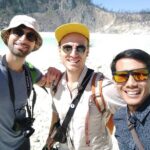
One of the most consistent wins in the reviews is the guide quality—names like Yusuf, Nathan, and Esrina show up across bookings. People specifically call out clear English, helpful explanations, and the way guides adjust to preferences and group needs.
I also like that this tour isn’t just a driver who drops you off. In past bookings, guides offered insight into Bandung and the sites you’re seeing, which makes the volcano and cave stops feel less like random sightseeing and more like you understand what you’re looking at.
Who this tour is best for (and who should skip it)
This day involves walking, stairs or rough paths, and active steam/mud zones. It’s listed as not suitable for:
- pregnant women
- people with heart problems
- wheelchair users
- babies under 1 year
If you’re generally healthy and comfortable on uneven ground, you’ll likely enjoy both options for different reasons:
- Choose Option A if you want the full nature-theme arc: volcano to mud, to orchids, to rainbow-lit waterfall.
- Choose Option B if you prefer viewpoints and an indoor-feeling historical stop (caves), with forest trails as the relaxing in-between.
Should you book Bandung Tangkuban Perahu Volcano Tours?
I’d book this if you want one organized day that mixes active volcano drama, scenic forest walking, and a strong evening finish (Option A) or memorable caves (Option B). The value is strongest when you want guidance, admissions handled, and a private-group pace without the hassle of planning transport between sites.
Skip it if steam/mud areas could be risky for your health, or if uneven walking is hard for you. Also, if weather in Bandung is looking stormy, you might rethink—visibility can change fast in crater and viewpoint areas.
If you’re choosing between options, I’d base it on your mood: rainbow lights and waterfalls at night, or Keraton Cliff plus Tahura’s Dutch and Japanese cave history.
FAQ
How long is the Bandung Tangkuban Perahu Volcano Tours?
The tour duration is 10 hours.
What’s the difference between Option A and Option B?
Option A is Tangkuban Perahu, Domas Crater, Orchid Forest, and Rainbow Waterfall.
Option B is Tangkuban Perahu, Domas Crater, Keraton Cliff, and Tahura Djuanda (including visits to Dutch and Japanese caves).
What’s included in the price?
The price includes ticket entrance fees for the option you choose, an English-speaking driver/guide, hotel pickup and drop-off in the listed Bandung areas, and fuel, toll, and parking fees.
Are meals included?
No. Meals are not included.
Where do hotel pickups happen in Bandung?
Pickups are covered for these areas: Dago, Setiabudhi, Braga & Asia Afrika, Kebon Kawung, Ciumbuleuit, Buah Batu, Gatot Subroto, City Hall, Padjajaran, and Pasteur.
What language is the guide?
The guide/driver operates in English.
What should I bring?
Bring a jacket.
Who shouldn’t take this tour?
It’s not suitable for pregnant women, people with heart problems, wheelchair users, or babies under 1 year.