Cave waterfall first, heaven gate last. This East Bali day tour strings together Tukad Cepung (the waterfall you only reach by going into a cave) and the iconic Gate of Heaven at Lempuyang, with temples and palace gardens in between. I like that you’re not stuck sorting directions or timing—your guide handles the driving and pacing—yet you still get real time at each stop. One thing to plan for: the walk is physical (steep steps and some wading at the waterfall), and Lempuyang’s photo moment can mean a longer wait.
I also like the practical setup for groups and mixed ages: pickup from a long list of Bali areas, private air-conditioned transport, and entrance tickets handled via the tour voucher for the main sights. On the guide side, people have praised different drivers/hosts by name—Nyoman, Ketut, Jana, Dee, Wayan—though one review noted an English-language mismatch with a guide at least once. Bottom line: this tour is strong on logistics and sights, but it rewards you if you come ready for walking and patience.
In This Review
- Key points to know before you go
- What this Best of East Bali route really gives you (value + sanity)
- Pickup, meeting points, and how long the day will feel
- Stop 1: Tukad Cepung waterfall inside a cave
- Stop 2: Besakih Temple, Bali’s “mother temple” complex
- Stop 3: Mount Agung area lunch at Lereng Agung
- Stop 4: Tirta Gangga (Taman Tirta Gangga) palace water gardens
- Stop 5: Lempuyang Temple and the famous Gate of Heaven
- The wait
- The walking and steps
- Photo realism
- The guides: why people remember this day (and who they mention)
- Comfort and logistics on East Bali roads
- Entrance tickets and what might cost extra
- Who this tour is best for (and who should pick another option)
- Should you book Tukad Cepung–Besakih–Lempuyang?
Key points to know before you go
- Tukad Cepung is a “inside-the-cave” waterfall: you won’t see it from afar; you reach the best view after you get close to the cave opening.
- Besakih is the main temple complex (Pura Penataran Agung): you’ll spend focused time at Bali’s big “mother temple.”
- Gate of Heaven works best early or with good timing: expect a managed wait with a number system and places to sit nearby.
- Comfort matters on East Bali roads: narrow, winding driving is part of the deal, so the air-conditioned car helps.
- Steep steps and uneven footing are real: bring grippy shoes; you may deal with shallow water at the waterfall.
- Lunch is your extra cost: it’s not automatically included, even though the rest of the major entrances are handled.
What this Best of East Bali route really gives you (value + sanity)
This tour is built for one big problem in East Bali: distances. Even if you stay in Seminyak or nearby, the temples and sights are scattered across a long day, and driving yourself can turn into an all-day white-knuckle project. Here, you get private air-conditioned transport, a dedicated guide, and a fixed order that hits the highlights without you having to micromanage everything.
The price—$43.34 per person—looks low compared with typical Bali day trips, mainly because the main entrance tickets are handled via a Premium All Inclusive Tour Voucher. That means you’re paying for the day’s logistics and guiding, not just a checklist of attractions. The trade-off is that lunch (and any optional extra paid ticket situations) stays on you. It’s still good value, but I’d treat this as a “major sights are included” day, not a “food and everything is bundled” day.
The other big value piece is pacing. Multiple reviews highlight that guides helped adjust the day when timing or weather got weird, and that you’re not just dropped at a gate and left to fend for yourself. That’s huge at places like Lempuyang, where the whole experience revolves around timing, steps, and waiting for the best angle.
You can also read our reviews of more tours and experiences in Seminyak.



Pickup, meeting points, and how long the day will feel
Your day runs about 7–8 hours including travel time, even though it’s marketed as roughly 9 hours. Pickup is offered across a wide range of areas (Ubud, Seminyak, Kuta, Nusa Dua, Jimbaran, Canggu, Sanur, Gianyar, plus East Bali area access), which is great if you don’t want to be stuck finding a meeting point in the middle of nowhere.
Two timing realities:
- East Bali takes time even when you plan well. One review specifically called out that the drive from Ubud can be around 2–2.5 hours, with narrow, winding roads for most of the route. If you’re prone to motion sickness, consider bringing nausea meds.
- You’ll probably start early. Several reviews describe early starts (like 7–8am pickups), which makes a difference for both crowds and comfort.
The air-conditioned private car is the right call on an East Bali day. Temperatures can climb fast, and you’ll spend time outdoors at multiple stops. If the weather is wet, your guide may need to change the route—one review mentions heavy rains affecting bridge access, and the driver customized the day instead of forcing an impossible itinerary.
Stop 1: Tukad Cepung waterfall inside a cave
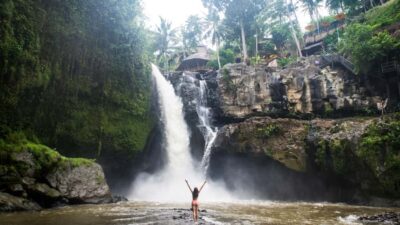
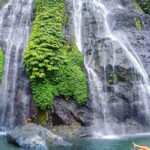
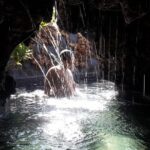
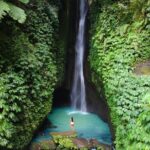
Tukad Cepung is the first stop for a reason: it sets the tone. This waterfall isn’t like the ones you spot from the roadside. It’s hidden in a cave, and you can’t really see it well from any distance. The payoff comes when you get close—about 10 meters from the waterfall area—so bring shoes you’re comfortable getting damp in.
What to expect on the ground:
- Steps and descent: plan for a more physical walk than a flat, paved lookout.
- Shallow water + stones: at least one review notes you’ll wade through shallow water on stones to reach the waterfall.
- Refresh factor: the cave setting and waterfall mist can be genuinely refreshing after the drive.
Why this stop gets so much love is simple: it feels “found.” It’s different from the crowded waterfall circuit, and the cave view gives photos a sense of drama without you needing to chase perfect weather.
Practical tip: wear hiking sandals or grippy shoes. Flip-flops may be fine for the short splash, but for the steps and stones, you’ll feel happier with something secure.
Stop 2: Besakih Temple, Bali’s “mother temple” complex
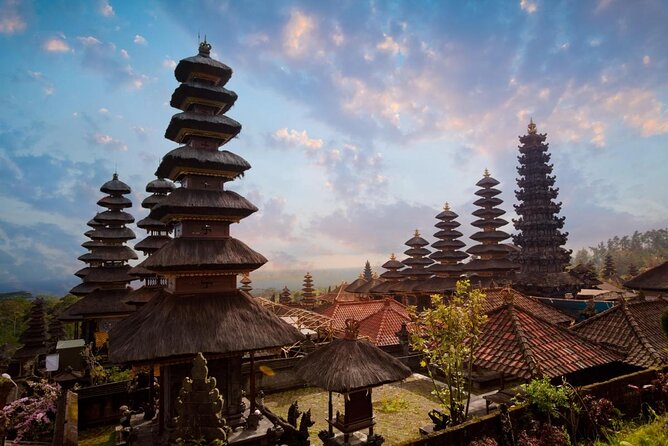
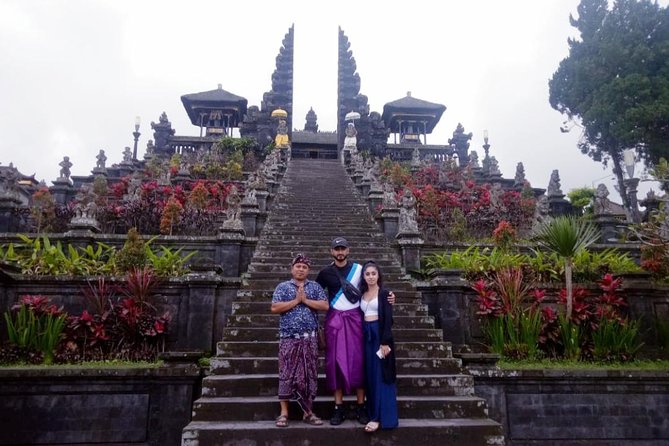
After Tukad Cepung, you move into the spiritual heart of East Bali. Besakih is widely known as the central temple complex in Bali, also referred to as Pura Penataran Agung. You’ll get about an hour to explore, which is a comfortable slot: enough time to see the scale without turning it into a rushed photo stampede.
Besakih’s appeal is that it’s not a single courtyard—it’s a complex. That means you’ll be walking between different temple areas and getting a better sense of how the religious landscape is organized.
A balanced heads-up from real experience: one review praised Besakih as spectacular and said it alone made the tour worth it. Another review flagged a common reality at major temples—local guides may take over and can become pressuring. Your best defense is to set expectations early: if someone tries to steer you into extra services, politely keep moving at your own pace.
Also, keep your eyes open for cultural context. Multiple reviews mention guides like Nyoman and Wayan explaining customs during the drive and at stops. That matters at Besakih because the meaning of what you’re seeing is harder to “get” if you only treat it as scenery.
Stop 3: Mount Agung area lunch at Lereng Agung
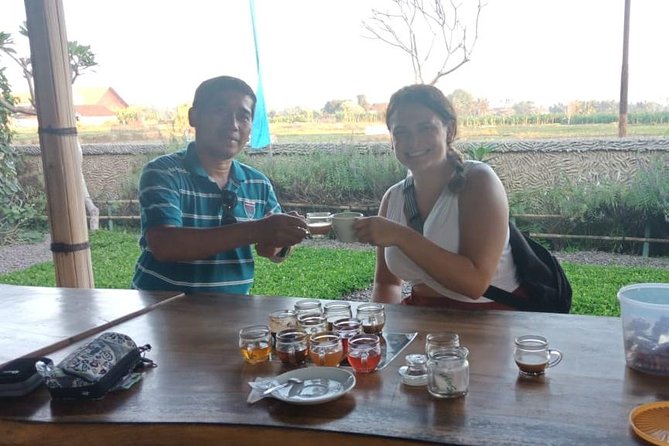
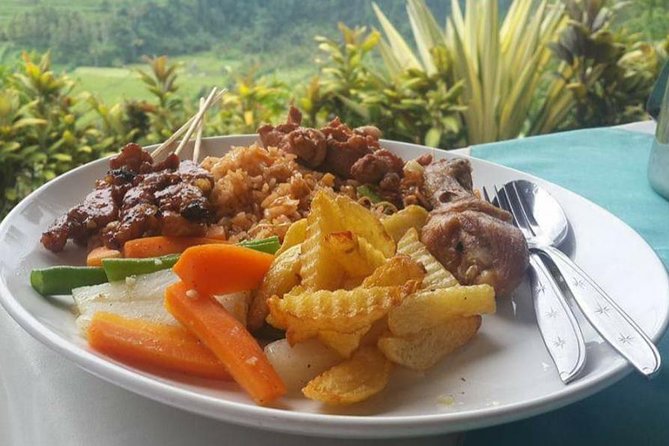
This is where the day gets a little more relaxing. Instead of jumping immediately between temples, you stop for lunch at Lereng Agung, located at the bottom of Agung Volcano. You’ll eat a buffet with an Indonesian typical menu, and the setting includes rice-terrace views and fresh-air ambiance.
Two practical notes:
- Lunch costs extra: lunch is not included, and the listing notes it as an additional expense (around $6 per person). Reviews mention lunch can feel touristy, so don’t expect a hidden local feast—but the views and break are still useful.
- Timing is part of the value: having lunch scheduled here keeps the day from turning into “hungry chaos” and helps you pace your energy for what comes next.


Stop 4: Tirta Gangga (Taman Tirta Gangga) palace water gardens
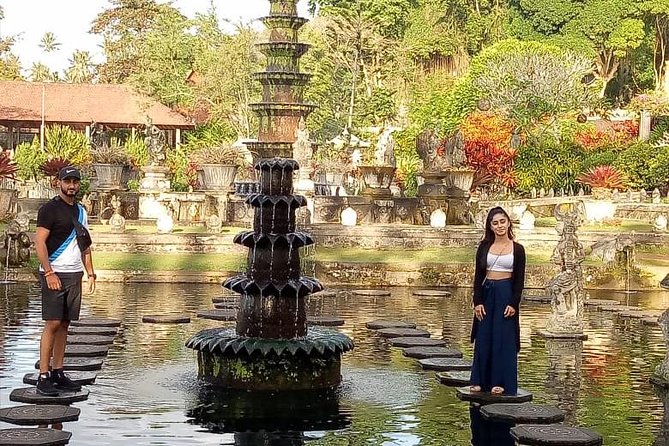
Tirta Gangga is a different kind of beauty than the temples. It’s a former royal palace built in 1946 by Anak Agung Ketut Anglurah with his soldier, and it’s now known for the calm water-garden design.
You’ll get around an hour here, which works well because this isn’t a “run from platform to platform” site. You’ll want time to wander slowly through the water features, see the layout, and take photos that show the peaceful symmetry.
What I like about Tirta Gangga for this particular tour: it gives your legs a break. After temple steps and waterfall footing, the palace gardens are a gentler pace, with lots of space to stand, look, and photograph.
A small caution from a review: one person noted the fish seemed overfed. That’s not a show-stopper, but it’s good to set your expectations—this place is mainly about the garden-and-water setting rather than a wildlife experience.
Stop 5: Lempuyang Temple and the famous Gate of Heaven
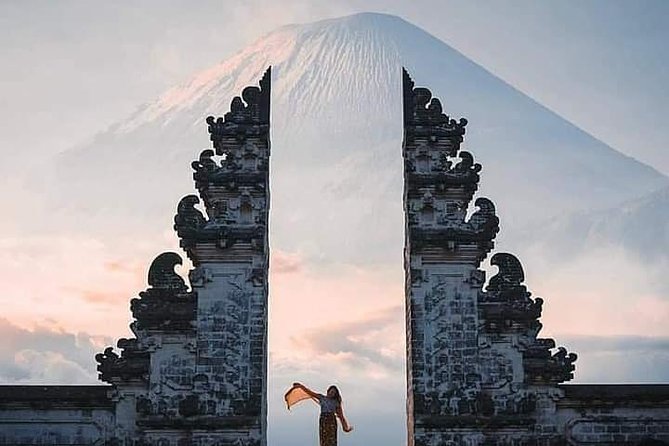
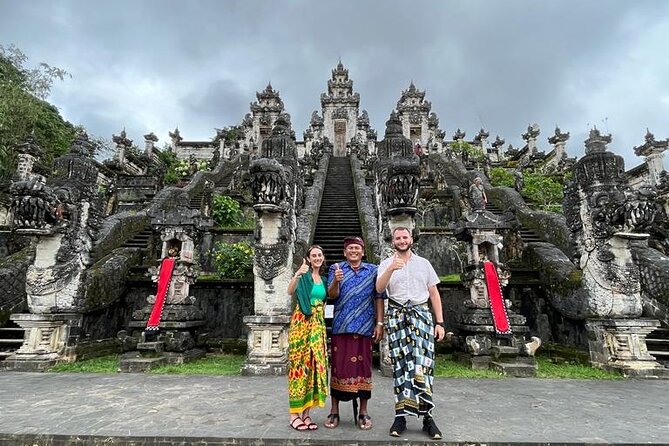
The last major stop is Lempuyang Temple, famous for the Gate of Heaven framing views of Mount Agung and, on clear days, the Selat Bali ocean. The gate viewpoint is what people come for, and it’s easy to see why: it’s a dramatic composition spot.
Here’s the part that can make or break your experience: the waiting and the physical demands.
The wait
One review described a well-organized system: you’re given a number in line and can sit under a roof while waiting. That helps. It turns a frustrating queue into something manageable, especially in hot sun.
The walking and steps
Multiple reviews mention steep stairs and a more physical element to reach the right areas. Some people also mentioned a steep road situation involving scooters or walking between parking and temple areas. One response from the operator explains that a short scooter ride may be part of local restrictions, and that walking is always an alternative since the ride is short (about 500 meters). Either way, you’ll want footwear that can handle uneven ground.
Photo realism
If you want the most satisfying Gate of Heaven photos, plan to accept a little uncertainty. Cloud cover can change the whole look, and the final view depends on timing. One review even described clouds passing by for a memorable effect—so the “best photo” isn’t always a guarantee, but it’s part of the charm.
The guides: why people remember this day (and who they mention)
This is one of the most consistently praised parts of the experience. Different reviews highlight different guides and drivers by name, including Nyoman, Ketut, Jana, Dee, Wayan, Gusti (in a less positive review), and others. The theme is clear: the right guide turns a long road trip into something you can actually enjoy.
What you should look for in a good host on this day:
- Cultural explanations while driving so the temples make more sense.
- Photo timing advice so you don’t lose your one chance to shoot Gate of Heaven.
- Schedule flexibility when rain or access issues happen.
One review did mention English being difficult with a particular guide, even though English was advertised. That’s a risk you can’t fully control. The workaround is simple: if communication is unclear, you can still follow the plan and ask your driver questions about timing and where to stand for photos.
Comfort and logistics on East Bali roads
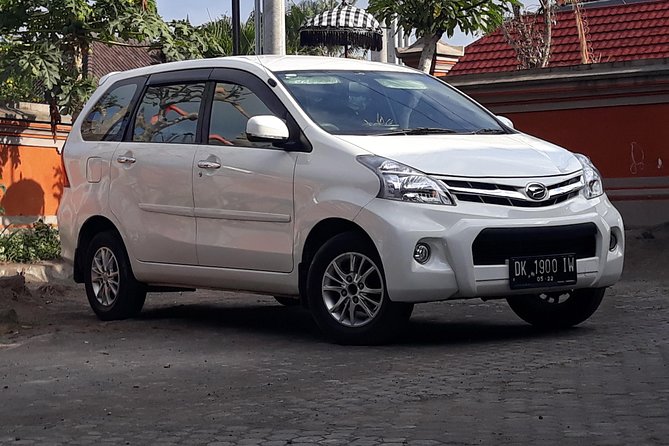
East Bali roads can be tight and winding. Even when the itinerary is efficient, you’ll spend real time in the car. The air-conditioned private vehicle helps a lot, and bottled mineral water is included.
What else helps you feel good:
- Start early and keep hydrated.
- Bring light layers, especially if morning feels cool and afternoons warm up quickly.
- If you’re sensitive to motion sickness, consider nausea meds before the long drive.
One of my favorite practical elements is that the tour includes pickup and drop-off across many areas, so you’re not doing a taxi puzzle before or after a long day.
Entrance tickets and what might cost extra
Most travelers care about one question: do you get nickel-and-dimed at every gate? The good news here is that entrance tickets are handled through a Premium All Inclusive Tour Voucher for the attractions on the tour.
Lunch is the main guaranteed extra, and the listing also mentions possible additional special guided-only pay entrance tickets if you visit all attraction situations (around $25 per person is mentioned). If you want everything “fully paid and finalized,” it’s worth asking your guide in the morning what’s included for your specific routing.
Who this tour is best for (and who should pick another option)
This day fits best if you want:
- A guided East Bali highlights loop without doing route planning.
- Temples and water sights in a single day.
- A comfortable car and real time at each stop.
It also suits couples and small groups who want flexibility. Reviews frequently mention that the guide could adjust the schedule and even return earlier when needed.
Choose a different option (or at least be honest with yourself) if:
- You dislike waiting for photo spots. Lempuyang is built around a line and timing.
- You’re not comfortable with steps. The waterfall access and some temple areas involve steep climbing or descent.
- You get motion sick on winding roads.
If you love scenic photos and don’t mind a physical day, this works well.
Should you book Tukad Cepung–Besakih–Lempuyang?
I’d book it if you want one efficient East Bali day that hits the big-name sights while still feeling personal. The strongest reasons are the sequence and the access: Tukad Cepung feels genuinely different because it’s inside a cave, and Gate of Heaven delivers the classic framing moment with a managed wait. Add a good guide—Nyoman, Ketut, Jana-type energy—and the whole day runs smoother than most “checklist” tours.
Before you book, do two quick checks:
- Are you okay with stairs and damp, stone-based footing at the waterfall?
- Can you handle a waiting period for the gate photo, especially if the sky is moody?
If you can say yes to both, this tour is a solid value way to see East Bali without turning your vacation into an itinerary spreadsheet.